Things to do in Buenos Aires
Buenos Aires is home to some of the most iconic architectural landmarks in South America, reflecting its rich history and European influence. From grand government buildings to historic theaters, these monuments tell the story of Argentina's development.
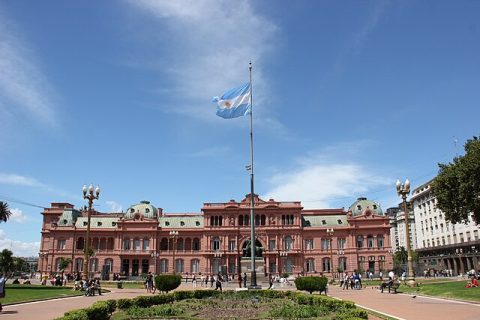
The seat of the Argentine government and presidential residence, this iconic pink-colored palace overlooks the Plaza de Mayo. Famous for its balconies where Eva Perón addressed crowds, it remains a symbol of Argentine power and history. Free tours available on selected days, though exterior is the main attraction.
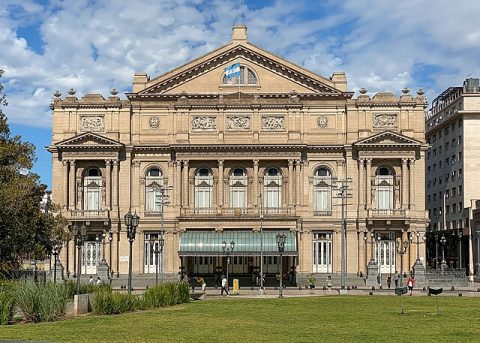
One of the world's most prestigious theaters, built in 1908. This architectural masterpiece hosts world-class opera, ballet, and symphony performances. The ornate interior features Italian marble, French chandeliers, and gilded details. Guided tours showcase the grandeur even if no performance is scheduled.
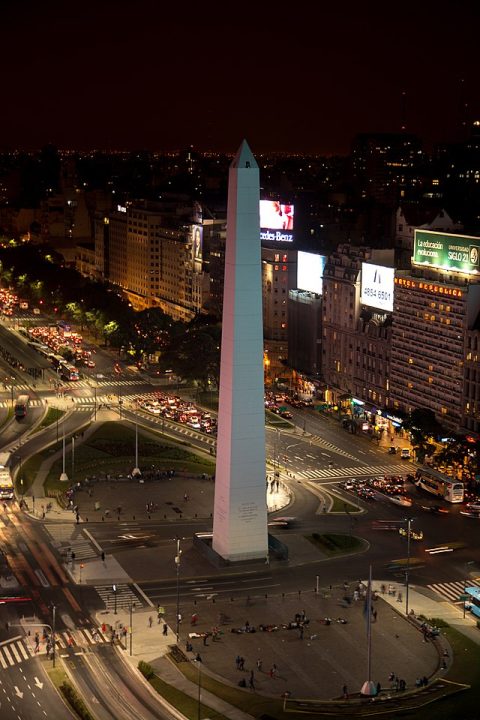
This 67-meter white obelisk stands at the intersection of Avenida 9 de Julio and Corrientes Avenue. Built in 1936, it commemorates the 400th anniversary of the city's founding. It's surrounded by plazas and is a focal point for celebrations and gatherings, particularly during football victories.
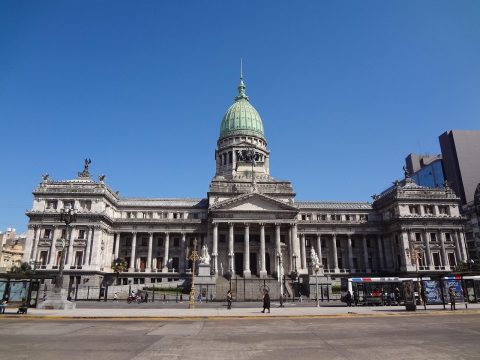
The stunning home of Argentina's legislature, with its distinctive dome covered in Parisian copper. This neoclassical building completed in 1906 features Italian and French architectural influences. The building is particularly beautiful when illuminated at night and is surrounded by historic plaza space.
Tips for Landmarks & Monuments
- Visit Casa Rosada at sunset for stunning golden light
- Book Teatro Colón tours in advance, they fill quickly
- The Obelisco is best photographed from the Corrientes Avenue side at dusk
- Wear comfortable walking shoes - these landmarks spread across the city center
Buenos Aires boasts world-class museums showcasing everything from pre-Columbian art to contemporary installations. The city's cultural institutions rival those of Europe, with extensive collections of Argentine and international works.
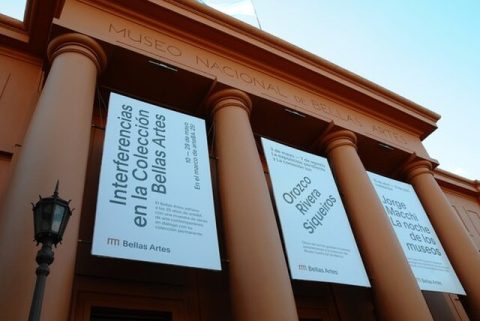
South America's finest art museum, featuring European masterpieces and Argentine works. Collections span from medieval art to contemporary installations, with particular strength in Spanish and Italian painting. The 19th-century building itself is beautiful, and admission is completely free.
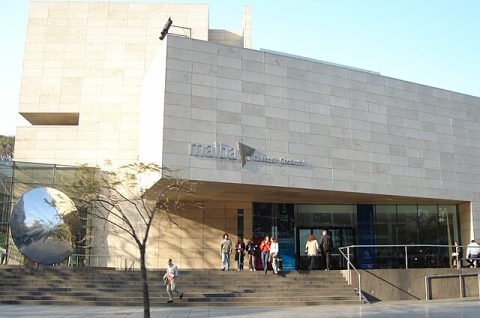
Dedicated to Latin American art from 20th-21st centuries, housed in a stunning mansion in Palermo. The museum features works by Diego Rivera, Frida Kahlo, and important Argentine artists. Rotating exhibitions ensure there's always something new to discover.
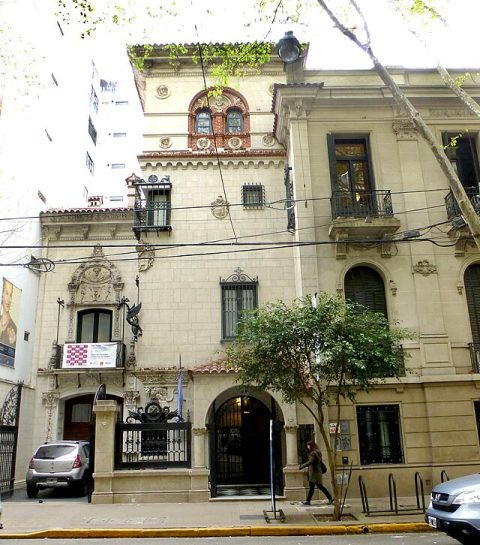
Dedicated to the life and legacy of Eva Perón, the beloved Argentine icon. Located in a restored mansion, the museum displays personal artifacts, photographs, and multimedia exhibits chronicling her rise from radio actress to First Lady and her impact on Argentine society.
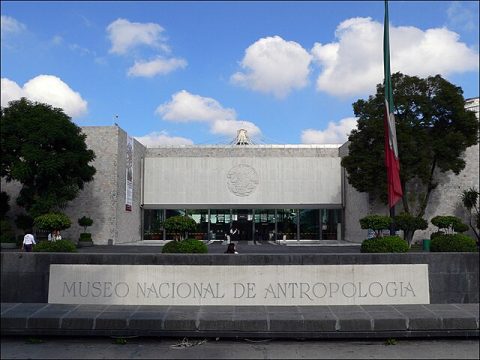
Explore Argentina's indigenous heritage and pre-Columbian cultures. Collections include mummies, textiles, ceramics, and artifacts from Andean civilizations. The museum provides insights into the diverse indigenous peoples who inhabited the region before Spanish conquest.
Tips for Museums & Galleries
- Most museums are free on Wednesdays - plan accordingly
- MALBA is located in Palermo, combine with neighborhood exploration
- Book photography tickets separately if you want to photograph inside
- Allow extra time at MNBA - it's vast and easy to spend half a day
Each neighborhood in Buenos Aires has its own distinct character, architecture style, and cultural vibe. From bohemian artist quarters to upscale residential areas, exploring different barrios reveals the diverse personality of the city.
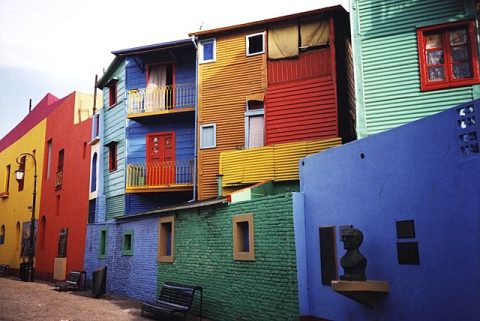
The historic port neighborhood famous for its brightly colored houses and tango heritage. Caminito street is the main tourist draw with street performers, tango dancers, and souvenir shops. While touristy, it captures authentic tango history and the neighborhood's working-class roots in its architecture and energy.
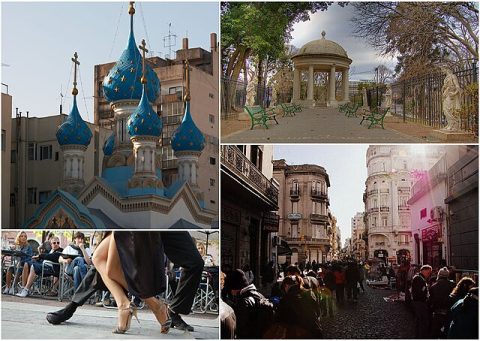
Buenos Aires' oldest neighborhood, featuring cobblestone streets, antique shops, and bohemian atmosphere. Historic colonial architecture mixes with street art and alternative galleries. Plaza Dorrego on Sundays hosts markets and tango performances, while the neighborhood's bars and restaurants serve traditional Argentine cuisine.
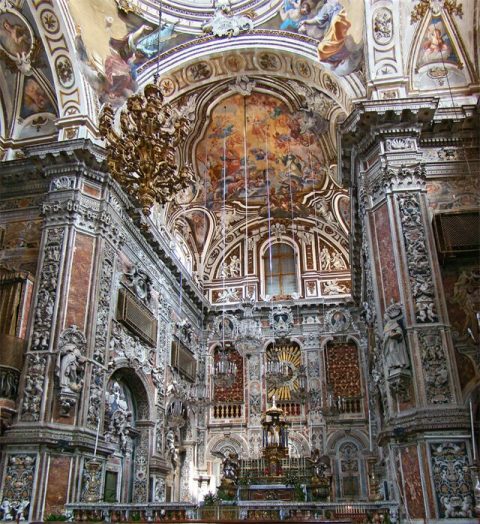
The trendiest neighborhood, divided into Palermo Viejo (old) and Palermo Hollywood. Tree-lined streets, hip boutiques, galleries, and excellent restaurants dominate the scene. The area attracts young professionals and tourists seeking upscale dining, craft shopping, and Buenos Aires' contemporary culture.
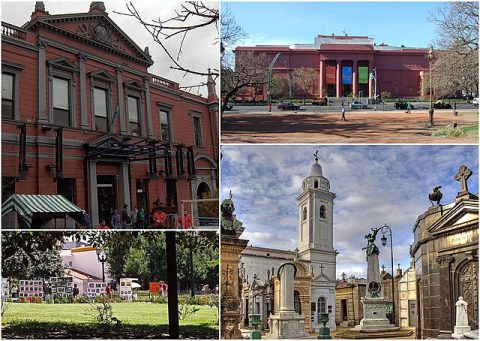
Buenos Aires' most elegant and upscale neighborhood, featuring European-style architecture, high-end shopping, and cultural institutions. Home to the famous Recoleta Cemetery, luxury hotels, designer boutiques on Alvear Avenue, and numerous art galleries. The neighborhood's grand mansions reflect Argentina's 19th-century prosperity.
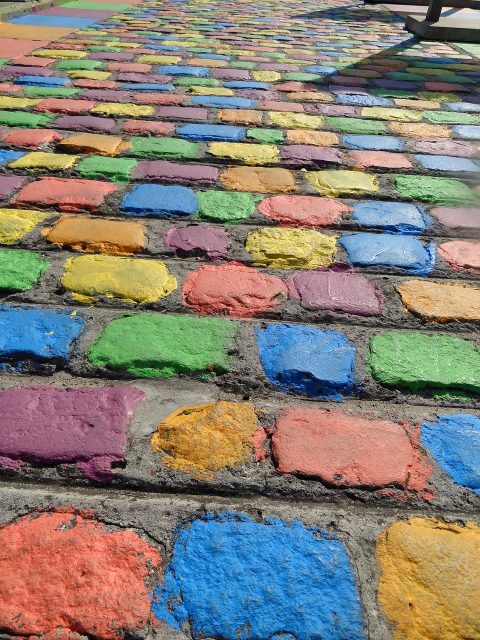
A charming historic neighborhood with Victorian-era architecture and peaceful, tree-lined streets. Less touristy than San Telmo but equally atmospheric, with small cafes, bookstores, and vintage shops. Great for experiencing authentic local Buenos Aires away from tourist crowds.
Tips for Neighborhoods & Districts
- San Telmo's Plaza Dorrego market happens every Sunday morning
- Palermo is best explored by walking - the neighborhood spreads across several streets
- La Boca can be sketchy at night - visit during daytime
- Each neighborhood has distinct characteristics - plan your visits by interest
- Get a SUBE card for buses to explore neighborhoods cost-effectively
Buenos Aires offers numerous green spaces for relaxation, recreation, and scenic walks. These parks provide respite from urban bustle and showcase the city's commitment to public spaces.
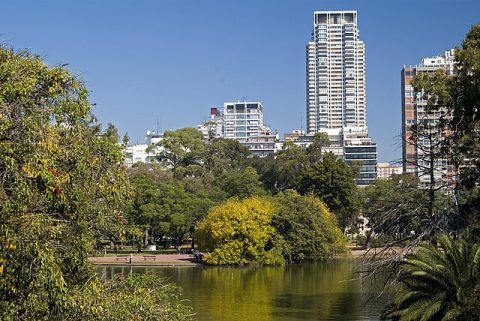
The city's largest urban park, spanning 865 acres with lakes, rose gardens, and tree-lined paths. The beautiful Jardín Botánico and Jardín Zoológico are located here, along with numerous sculptures and monuments. Perfect for morning walks, jogging, or picnicking surrounded by nature.
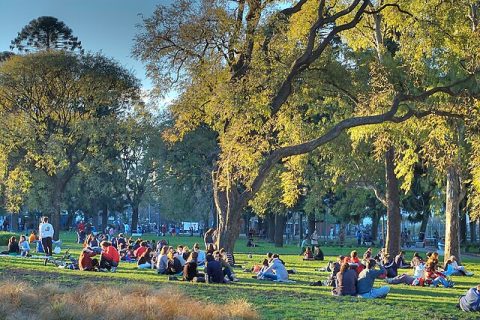
A sprawling urban oasis in the center of the city, featuring grassy areas, walking paths, and recreational facilities. The park hosts outdoor markets, cultural events, and is popular with locals for jogging, picnicking, and sports. The peaceful environment contrasts beautifully with surrounding urban development.
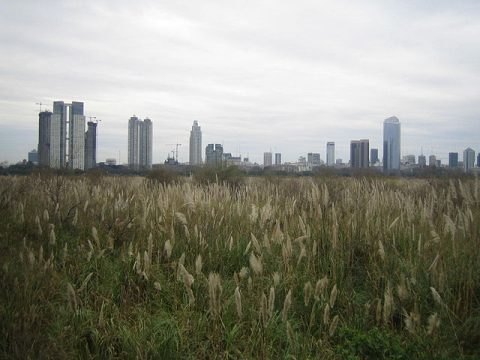
A protected nature reserve on the Rio de la Plata coastline, featuring wetlands, forests, and diverse bird species. Walking trails offer peaceful nature escape just minutes from downtown. The reserve demonstrates Buenos Aires' commitment to environmental conservation amid urban development.
Tips for Parks & Gardens
- Visit Parque Tres de Febrero in spring (September-November) for full bloom of roses and trees
- Bring water and sunscreen - limited shade in many areas
- Parks are safest during daytime - avoid evening visits
- Weekends are busy with locals - weekday mornings offer peaceful exploration
Buenos Aires' religious architecture reflects the city's cultural heritage and spiritual significance, with stunning cathedrals and churches dating from colonial times to modern era.
The main cathedral in Buenos Aires, an architectural masterpiece with neoclassical design. Located at Plaza de Mayo, it houses the tomb of General José de San Martín, Argentina's independence hero. The interior features ornate altars, religious artwork, and historical significance to Argentine history.
The oldest church in Buenos Aires, founded in 1663, featuring baroque architecture and colonial-era construction. The simple but elegant interior reflects the Jesuit order's aesthetic. Located in the historic center, it's a peaceful retreat with significant religious and historical importance.
Tips for Religious Sites
- Many churches require modest dress - avoid shorts and sleeveless tops
- Visit early morning for quieter, more spiritual experience
- Photography may be restricted inside - ask at the entrance
- Services are held regularly - check times if you want to attend
Buenos Aires' plazas and major thoroughfares are the heart of the city, where locals gather, history unfolds, and the city's personality shines through.
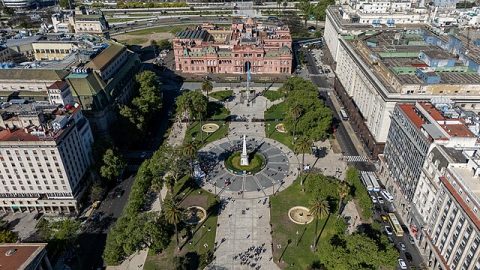
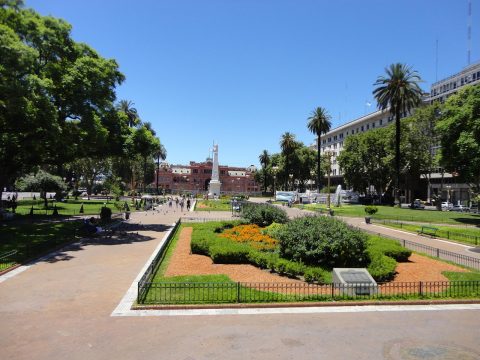
The historic heart of Buenos Aires, surrounded by Casa Rosada, Cathedral, and historic buildings. This plaza has witnessed major political events throughout Argentine history, from independence celebrations to protests. The square is particularly vibrant during national holidays and political demonstrations.
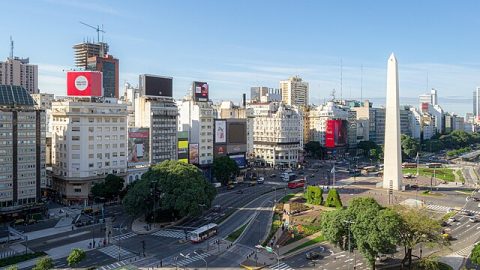
One of the world's widest avenues, stretching 2.5 kilometers with 14 lanes. This iconic thoroughfare connects major landmarks, lined with shops, restaurants, and theatres. The Obelisco stands at its heart, making it a must-walk experience for visitors.
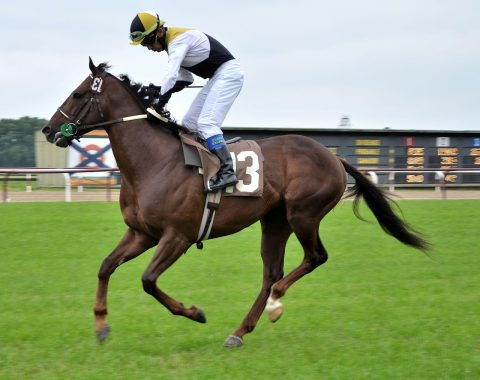
An elegant plaza featuring manicured gardens, historic monuments, and Belle Époque architecture surrounding it. Named after Argentina's independence hero, the square is a peaceful gathering place with impressive trees and nostalgic charm.
Tips for Squares & Streets
- Plaza de Mayo is impressive but can be dangerous at night - visit during daylight
- Walk Avenida 9 de Julio in stages - it's very long
- Best photo times are early morning or early evening when light is golden
- Cross streets carefully - traffic can be chaotic
Immerse yourself in Buenos Aires' unique culture through guided experiences, from tango shows to cultural tours and food tastings.
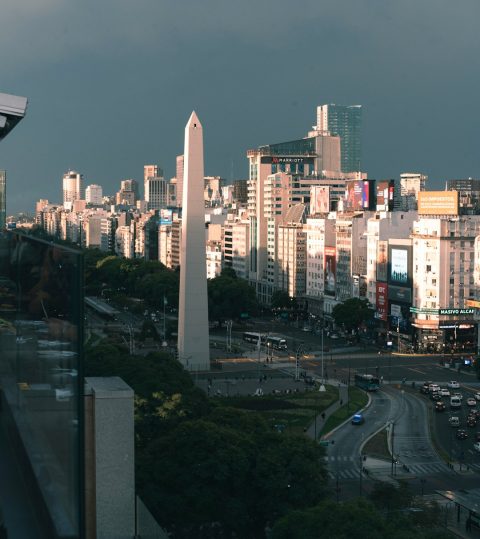
Experience authentic tango performances with a traditional Argentine dinner. Venues like Café Tortoni and El Querandí feature live tango dancers, musicians, and historical significance. Shows typically include 2-3 courses with wine, creating an unforgettable evening of culture and cuisine.
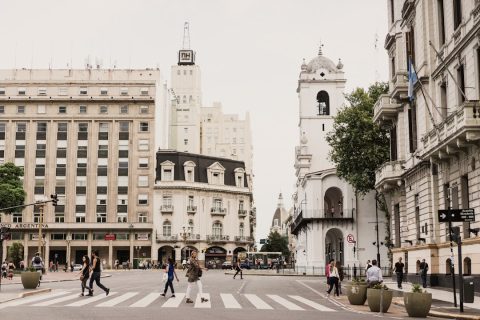
Guided tours showcasing Argentine culinary traditions, local markets, and tasting experiences. Tours typically include visits to neighborhood markets, empanada shops, and wine tastings. Expert guides share stories of local food culture, family traditions, and the importance of beef in Argentine cuisine.
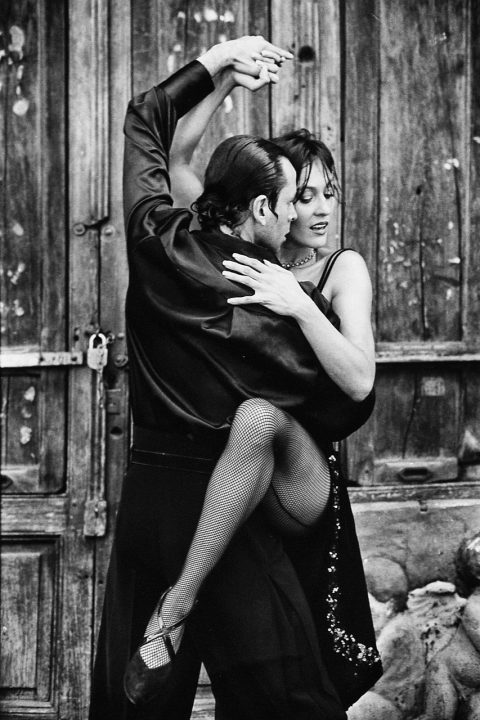
Learn the basics of tango from experienced instructors in dedicated dance studios. Sessions range from 30-minute tourist experiences to full dance classes. Perfect way to understand tango as a cultural expression and get a workout while learning an iconic Argentine tradition.
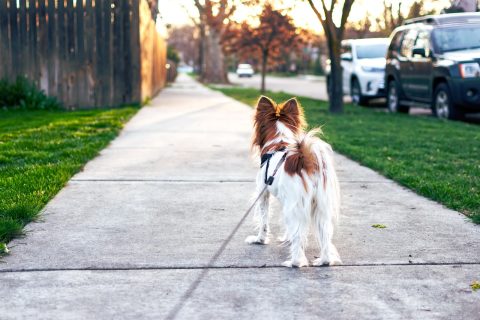
Explore historic barrios with knowledgeable local guides sharing architectural history, cultural evolution, and neighborhood secrets. Tours often focus on specific neighborhoods like San Telmo, La Boca, or Palermo, providing insider perspectives and hidden gems tourists might miss.
Tips for Tours & Activities
- Book tango shows 2-3 days in advance for best availability
- Food tours are best taken with an empty stomach - you'll taste many items
- Many tours include transportation between locations
- Spanish language tours are often cheaper - English-language tours cost more
- Walking tours are excellent value for understanding neighborhoods and history
Buenos Aires' surrounding regions offer unique experiences from gaucho culture to colonial towns and natural wonders.
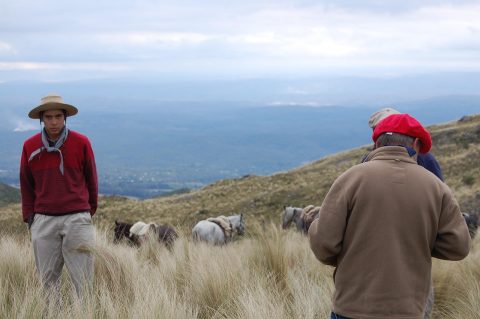
Visit traditional Argentine ranches in the Pampas region just outside Buenos Aires. Experience gaucho culture, horseback riding, folk music, and authentic asado (barbecue). Full-day excursions include transport, lunch, demonstrations, and immersive cultural experience of rural Argentine life.
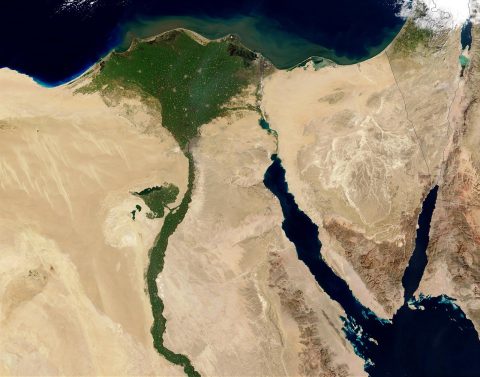
Just 30km north, this natural labyrinth of waterways, islands, and riverside towns offers boat tours, kayaking, and eco-tourism. The delta features weekend homes, restaurants, and peaceful natural scenery. Perfect escape from city hustle for a few hours of river relaxation.
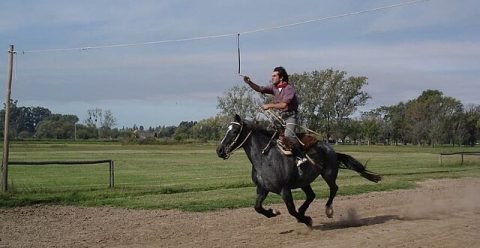
A picturesque colonial town 110km northwest, known as the birthplace of gaucho culture. Featuring cobblestone streets, traditional architecture, crafts markets, and gaucho museums. The town hosts the annual Día de la Tradición festival celebrating gaucho heritage and traditions.
Tips for Day Trips & Excursions
- Estancia tours include transport - book through hotels or travel agencies
- Tigre Delta is accessible by train from Buenos Aires (30 minutes, very cheap)
- San Antonio de Areco is best as a day trip - leave early morning
- Many day trips include lunch - ask when booking
Buenos Aires features distinctive public art installations and fountains that reflect the city's aesthetic sensibility and creative spirit.
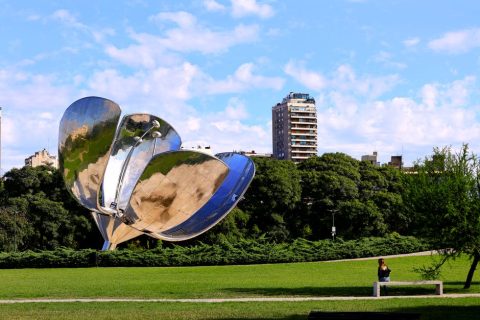
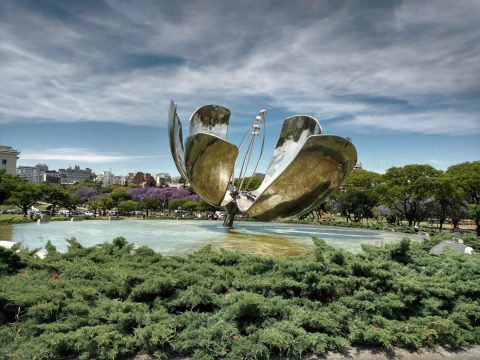
A monumental metallic flower sculpture in Plaza de las Naciones Unidas, standing 20 meters high. The petals open during sunrise and close at sunset in a synchronized movement. Designed by Argentine architect Eduardo Catalano, it represents hope and renewal in Buenos Aires.
Buenos Aires is known for its vibrant street art and murals covering walls throughout historic neighborhoods. San Telmo and Palermo feature continuously evolving artistic displays ranging from political statements to abstract designs. Street art tours showcase legendary muralists' works.
Tips for Fountains & Public Art
- Visit Floralis Genérica at sunrise or sunset for the opening/closing mechanism
- Street art changes frequently - return visits reveal new pieces
- Photography is excellent in morning light before crowds gather
- Respect artists' work - never paint over existing murals
Real, highly-rated Restaurants in Buenos Aires, sourced from Google Places (rating above 4★).
Puny - Pasta & Grill is a highly-rated restaurant in Buenos Aires, rated 4.9★ from 48588 reviews. Located at Av. Corrientes 1269, C1043 Cdad. Autónoma de Buenos Aires, Argentina.
Opening Hours
- Monday: 11:00 AM – 1:00 AM
- Tuesday: 11:00 AM – 1:00 AM
- Wednesday: 11:00 AM – 1:00 AM
- Thursday: 11:00 AM – 1:00 AM
- Friday: 11:00 AM – 2:00 AM
- Saturday: 11:00 AM – 2:00 AM
- Sunday: 11:00 AM – 1:00 AM
amano restaurant is a highly-rated restaurant in Buenos Aires, rated 4.9★ from 3767 reviews. Located at Peña 2287, C1126 Cdad. Autónoma de Buenos Aires, Argentina.
Opening Hours
- Monday: 12:00 PM – 12:30 AM
- Tuesday: 12:00 PM – 12:30 AM
- Wednesday: 12:00 PM – 12:30 AM
- Thursday: 12:00 PM – 12:30 AM
- Friday: 12:00 PM – 12:30 AM
- Saturday: 12:00 PM – 12:30 AM
- Sunday: 12:00 PM – 12:30 AM
Villegas Restó is a highly-rated restaurant in Buenos Aires, rated 4.8★ from 21108 reviews. Located at Av. Alicia Moreau de Justo 1050, C1005 Cdad. Autónoma de Buenos Aires, Argentina.
Opening Hours
- Monday: 12:00 PM – 12:00 AM
- Tuesday: 12:00 PM – 12:00 AM
- Wednesday: 12:00 PM – 12:00 AM
- Thursday: 12:00 PM – 12:00 AM
- Friday: 12:00 PM – 1:00 AM
- Saturday: 12:00 PM – 1:00 AM
- Sunday: 12:00 PM – 12:00 AM
Explore Buenos Aires on the Map
Seasons in Buenos Aires
Buenos Aires has four distinct seasons in the Southern Hemisphere. Spring (September-November) and fall (March-May) offer ideal weather with comfortable temperatures (15-25°C / 59-77°F), lower humidity, and clear skies. Summer (December-February) brings hot, humid weather (25-35°C / 77-95°F) with afternoon thunderstorms. Winter (June-August) is mild (5-15°C / 41-59°F) with occasional rain.
Best times to visit: October-November (spring) for perfect weather and blooming parks, or April-May (fall) for mild temperatures and fewer tourists. December-February can be extremely hot and congested. June-August is quiet but chilly.
Events to consider: Tango Festival (August), International Film Festival (April), Fashion Week (August), Gay Pride Parade (November).
Getting Around Buenos Aires
SUBE Card: The rechargeable transit card is essential for buses and subway. Available at newsstands and kiosks. One bus ride costs ~0.50 USD with a SUBE card, making it the cheapest option for city exploration.
Metro (Subte): Fast, efficient, and affordable subway system covering major areas. Six lines (A-H) connect key neighborhoods. Trains run 5 AM-midnight. One journey costs ~0.50 USD with SUBE card.
Buses (Colectivos): Extensive bus network reaches everywhere. Hundreds of bus lines connect all neighborhoods. Inexpensive and authentic way to experience city. Night buses available until early morning.
Taxis & Uber: Black and white taxis abundant throughout city. Uber operates in Buenos Aires and is slightly cheaper than taxis. Always use official licensed cabs or Uber - avoid unmarked taxis at night.
Walking: Many central neighborhoods are walkable. Wear comfortable shoes and stay alert in crowded areas.
Rental Cars: Not recommended for tourists - traffic is chaotic, drivers aggressive, and parking difficult.
✈️ Airport Transfer
Ministro Pistarini International Airport (Ezeiza) (EZE) to city center:
- Tienda León Airport Bus: Shuttle to the Puerto Madero terminal in about 45 minutes, around ARS 15,000 one way
- Remise (pre-booked car): Booked at the arrivals counter, roughly 40-50 minutes to downtown for about ARS 45,000
- Taxi: Metered taxi from the official stand takes 40-60 minutes depending on traffic and costs around ARS 40,000 to Palermo or Recoleta
- Private transfer: Pre-arranged sedan or SUV meets you at arrivals for about ARS 55,000, roughly 45 minutes to the city center
Shopping in Buenos Aires
What to Buy: Leather goods (wallets, belts, jackets) are world-renowned and reasonably priced. Argentine wine, mate gourds, and dulce de leche are popular souvenirs. Tango-related items like CDs and dance shoes. Handicrafts from artisan neighborhoods.
Where to Shop: Alvear Avenue in Recoleta offers luxury international brands. Palermo features independent boutiques, designer clothing, and contemporary design shops. San Telmo has vintage shops and antique markets on weekends. Galerías Pacífico and Abasto Shopping are major shopping centers with local and international brands.
Markets: Plaza Dorrego in San Telmo (Sundays) for antiques and crafts. Feria de Artes en San Telmo (weekends) for local artworks. Various neighborhood ferias on weekends.
Shopping Hours: Most shops open 10 AM-8 PM weekdays, with reduced hours Sundays. Many close for siesta 1-4 PM. Shopping centers open 10 AM-9 PM daily.
Bargaining: Not typical in established shops, but acceptable in markets and street vendors. Haggling is cultural in flea markets.
Annual Events & Holidays
January 1: New Year's Day - parades and celebrations citywide. February: Carnival (movable) - street parties, costumes, and music in neighborhoods.
April 2: Falkland Islands Memorial Day - military ceremonies and patriotic events. May 1: Labor Day - marches and political demonstrations in Plaza de Mayo.
June 20: Flag Day - ceremonies and patriotic celebrations. July 9: Independence Day - one of the biggest celebrations with parades, concerts, and fireworks.
August: Buenos Aires Tango Festival - performances throughout city, from Teatro Colón to street venues. Free and paid shows.
September 21: Spring Equinox - beginning of spring celebrations. October 12: Columbus Day - cultural and indigenous heritage celebrations.
November 17: Buenos Aires Gay Pride Parade - one of South America's largest pride celebrations with massive parade down Avenida 9 de Julio.
December 25: Christmas - celebrated as summer holiday with outdoor gatherings and beach/park activities. December 31: New Year's Eve - massive celebrations in streets, especially around Obelisco.
Sample 5-Day Buenos Aires Itinerary
Day 1: Historic Center - Start at Casa Rosada and Plaza de Mayo. Visit Catedral Metropolitana. Explore historic architecture walking to Teatro Colón. Walk Avenida 9 de Julio to the Obelisco. End with dinner in historic center or San Telmo.
Day 2: Museums & Recoleta - Morning at Museo Nacional de Bellas Artes (free). Explore Recoleta Cemetery, one of world's most beautiful cemeteries with elaborate mausoleums. Shop luxury boutiques on Alvear Avenue. Visit MALBA in afternoon for Latin American art. Dinner in Recoleta's upscale restaurants.
Day 3: Neighborhoods - Early morning in La Boca for Caminito and street performers before crowds. Afternoon in San Telmo exploring antique shops and colonial architecture. Sunday option: Plaza Dorrego market. Evening tango show with dinner. Try traditional Argentine cuisine.
Day 4: Palermo & Parks - Browse Palermo Viejo boutiques and design shops. Lunch at trendy Palermo restaurants. Afternoon in Parque Tres de Febrero - visit Jardín Botánico or stroll through rose gardens. Explore street art in Palermo Hollywood. Sunset drinks at rooftop bar with city views.
Day 5: Day Trip & Food - Morning train to Tigre Delta for boat tour through waterways. Return to Buenos Aires for late lunch. Cooking class or food tour in evening exploring street food and wine. Alternative: Full-day estancia experience for gaucho culture and horseback riding in Pampas.
Best Photography Locations
Obelisco (Avenida 9 de Julio): Best at sunrise or dusk when golden hour light illuminates the monument. Evening shots with city lights are dramatic. Casa Rosada & Plaza de Mayo: Stunning morning light on pink palace. Photograph from different angles - front facade is iconic, side views show architectural details.
Caminito, La Boca: The colorful street is best photographed early morning before tourist crowds. Golden hour creates perfect lighting on painted houses. Tango dancers add human interest in late afternoon.
San Telmo Cobblestone Streets: Morning light on colonial architecture. Afternoon side-lighting reveals texture and character. Street art photography excellent throughout neighborhood.
Palermo Trees & Streets: Tree-lined streets of Palermo Viejo create stunning tunnel effects. Boutique store fronts and street art provide colorful subjects. Sunset light through trees is magical.
Parque Tres de Febrero (Bosques de Palermo): Early morning golden light on lake reflections. Rose garden in full bloom (October-November). Sunset silhouettes and long shadows enhance scenic shots.
Recoleta Cemetery: Elaborate mausoleums and sculptures photograph beautifully in morning light. Architectural details of crypts create interesting compositions. Misty mornings add atmospheric quality.
Best Times: Golden hour (sunrise and 2 hours before sunset) for outdoor photography. Overcast days good for street photography. Avoid midday harsh shadows.
Electrical Information
Voltage & Frequency: Argentina uses 220 volts, 50 Hz alternating current. This is significantly different from North American 110V standard, so voltage conversion is essential for most North American appliances.
Plug Types: Argentina uses Type I plugs (Australian-style flat two-pin or three-pin configuration with grounding). Outlets typically have two flat angled holes. Not compatible with North American (Type A), European (Type C), or UK (Type G) plugs.
Adapter & Converter Solutions: Purchase a Type I plug adapter at home before traveling - readily available at electronics stores. This is essential for charging phones, tablets, and laptops. Adapters cost $5-15 USD.
High-Power Appliances: Hair dryers, shavers, and irons require voltage converters (step-down transformers), not just plug adapters. Most hotels provide hair dryers compatible with 220V. Converters are bulky and heavy - avoid if possible.
USB Charging: Most hotels provide USB charging ports for phones and tablets. Many restaurants and cafes offer charging facilities. Universal USB adapters eliminate voltage concerns for USB devices.
Safety Note: Using 110V appliances on 220V without converter will damage electronics and potentially cause fire. When in doubt, use hotel-provided appliances or purchase local alternatives.
Argentine Cuisine & Dining
Must-Try Dishes: Asado (grilled meats) is Argentina's national dish - beef, sausages, and organ meats slow-grilled over charcoal. Parrilla restaurants serve grilled meats and are central to Argentine food culture. Empanadas (baked pastries with meat, cheese, or vegetable fillings) are ubiquitous street food.
Other Signature Dishes: Milanesa (breaded and fried meat cutlet), Choripán (spicy sausage sandwich with chimichurri), Medialunas (croissant-like pastries for breakfast), Dulce de Leche (caramel sauce used in desserts and pastries).
Dining Culture: Dinner is typically 9-11 PM - restaurants don't fill until after 9 PM. Lunch is 12-2 PM. Breakfast is light (coffee and pastries). Tipping is 10% in restaurants. Many restaurants close between lunch and dinner.
Vegetarian Options: Meat-heavy cuisine challenges vegetarians, but options exist - empanadas with spinach/cheese, salads, pasta. Tourist restaurants accommodate dietary restrictions better.
Wine Culture: Argentina produces world-class wine, particularly Malbec. Wine is affordable and pairs perfectly with Argentine meat. Wine shops (vinotecas) offer tastings and education. Local beer (cerveza) is also excellent.
Where to Eat: Fine Dining: Palermo and Recoleta have Michelin-quality restaurants. Casual Dining: Parillas throughout city serve traditional grilled meats. Street Food: Choripán, empanadas, and pizza from street vendors. Markets: Neighborhood markets have fresh produce, prepared foods, and local specialties.
Prices: Meal at basic restaurant: $8-12 USD. Mid-range restaurant: $15-25 USD. Fine dining: $40-80+ USD. Drinks are very affordable compared to dining costs.
Tourist Passes
Buenos Aires Card
A comprehensive tourist discount card offering free public transportation (subway and buses for 48 hours), free admission to select museums, and discounts at restaurants and shops. Available in 24, 48, and 72-hour versions. Cost-effective for visitors planning to explore museums and use transit extensively.
www.buenosairescard.comSUBE Card
The rechargeable transit card for buses and subway - essential for city exploration. Can be loaded with any amount of money. Offers best value for budget travelers planning extensive transit use. Available at kiosks and newsstands throughout city.
www.sube.gob.arCultural Pass - Teatro Colón
Special packages including Teatro Colón admission and performance tickets. Combine with guided tours for complete experience. Book in advance as performances sell out. Prices vary by performance type and seating.
www.teatrocolon.org.ar