Things to do in Melbourne
Melbourne's iconic landmarks showcase the city's architectural heritage and cultural significance, from Victorian-era structures to modern landmarks.
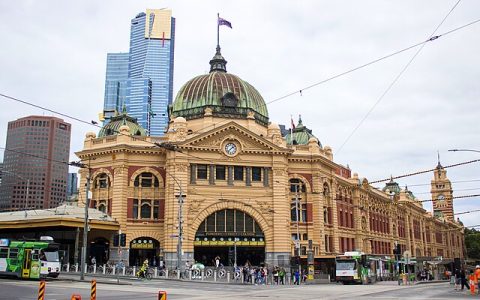
Melbourne's most iconic building, this Victorian-era railway station features distinctive arched windows and ornate architecture. Built in 1910, it remains a major transport hub and cultural landmark. The main stairs are a popular meeting point with beautiful views of the Yarra River.
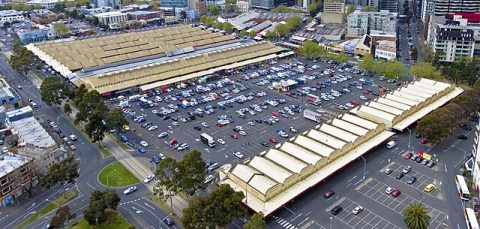
A historic public market since 1878, Queen Vic is the place for fresh produce, international food stalls, and souvenirs. The iron roof structure and bustling atmosphere capture the spirit of Melbourne. Day and night markets offer different experiences year-round.
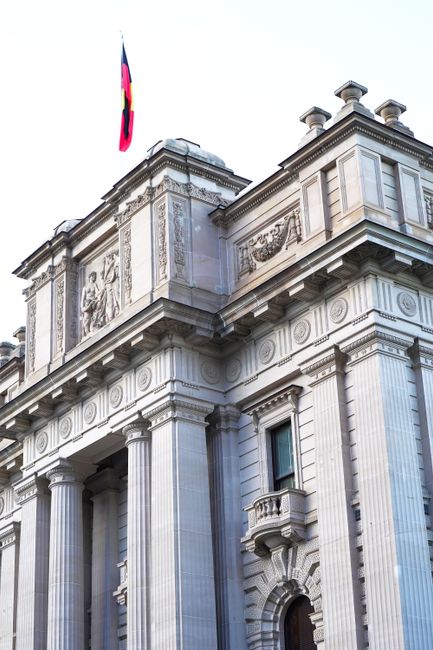
This impressive Renaissance Revival building dating to 1856 serves as the seat of Victoria's government. Guided tours showcase ornate chambers, stained-glass windows, and political history. Free admission to tour the spectacular public galleries.
Tips for Landmarks & Monuments
- Visit Flinders Street Station at night to see the illuminated facade
- Queen Vic Market is best visited early morning for fresh produce and fewer crowds
- Book Parliament House tours online at least one day in advance
World-class institutions featuring art, history, and cultural collections. Melbourne's museums range from traditional to contemporary, offering something for every interest.
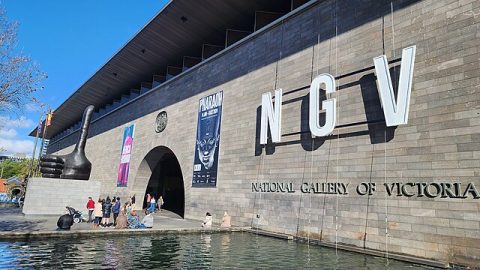
One of Australia's finest art museums with permanent collections spanning Australian, European, and contemporary art. The NGV International houses works by Van Gogh and Picasso, while the NGV Australia focuses on local talent. Many exhibitions are free to enter.
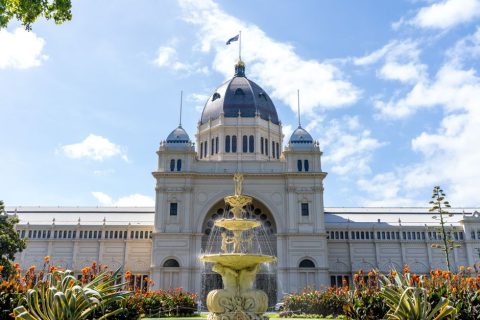
This comprehensive history museum explores Victoria's culture, natural history, and heritage. Features the iconic skeleton of Phar Lap the racehorse and interactive exhibitions about Aboriginal culture. Located in Carlton Gardens with a grand heritage building.
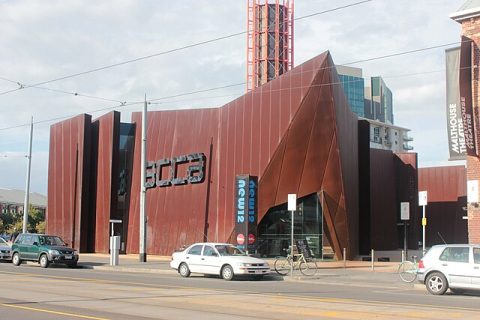
A cutting-edge venue for contemporary art and visual culture. Housed in a striking modern building in Southbank, ACCA showcases experimental work, installations, and international exhibitions. Entry to most exhibitions is free.
Tips for Museums & Galleries
- Many museums offer free entry to permanent collections on designated days
- Book skip-the-line tickets online to avoid queues at popular museums
- Visit Australian museums on Sundays for extended hours
Melbourne's abundant green spaces offer peaceful respites from the city. From formal gardens to natural bushland, these parks are perfect for walking, picnicking, and experiencing local flora.
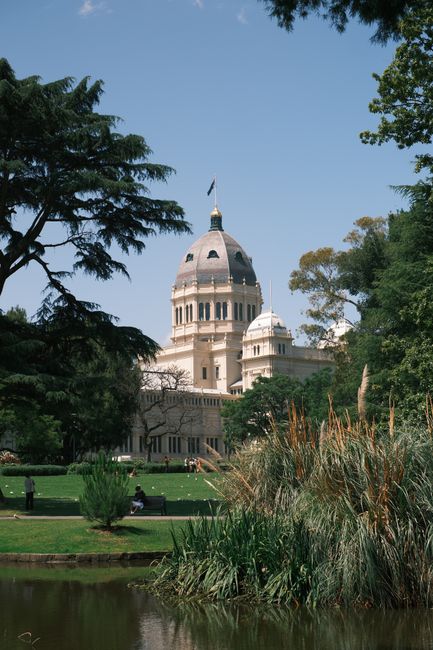
A stunning 38-hectare garden featuring exotic plants and native Australian flora. The garden overlooks the Ornamental Lake and offers walking trails, shaded bays, and peaceful groves. Entry is free, making it perfect for a leisurely afternoon escape.
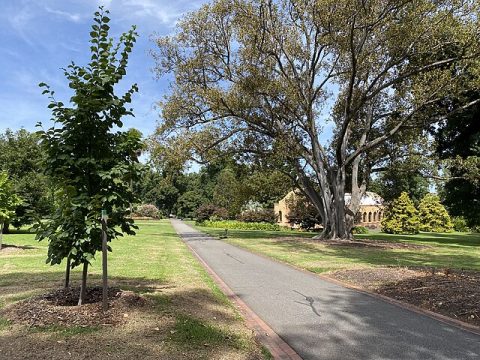
A Victorian-era formal garden featuring ornamental avenues of elm trees, geometric paths, and historic features including Cook's Cottage. Perfect for strolling, picnicking, and photography. The tree-lined boulevards are particularly beautiful in autumn.
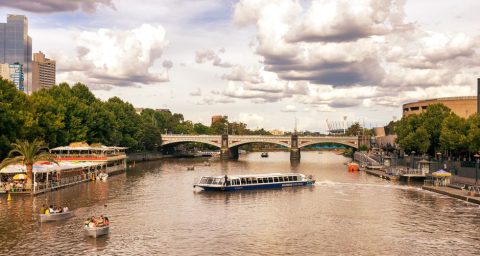
A network of scenic walking and cycling trails following the Yarra River from the CBD to Kew. The paths pass through parks, offer riverside picnic spots, and provide views of the city skyline. Popular for jogging, cycling, and riverside dining at various cafes along the way.
Tips for Parks & Gardens
- Bring a picnic blanket and snacks for Royal Botanic Garden
- Early morning walks offer fewer crowds and cooler temperatures
- The Yarra River trails are spectacular at sunset
Melbourne is famous worldwide for its vibrant street art culture. Hidden laneways showcase ever-changing murals, graffiti, and artistic installations that define the city's creative spirit.
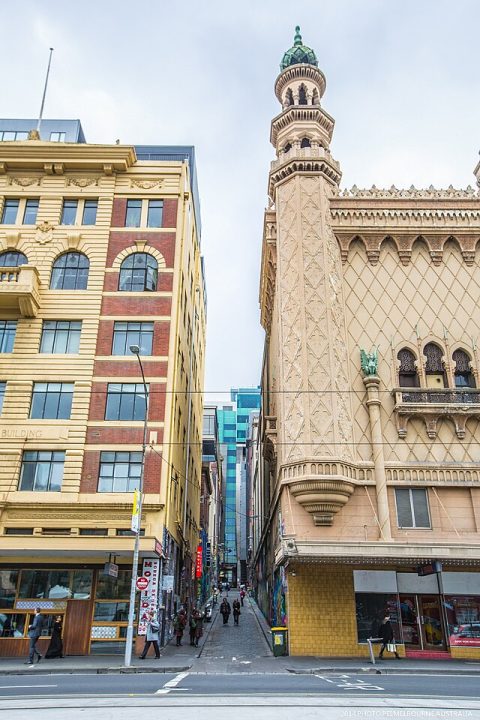
Melbourne's most famous laneway for street art, constantly evolving with new murals and tags. This narrow alley between Flinders and Hosier is a kaleidoscope of color and creativity. Perfect for photography and experiencing Melbourne's counter-culture aesthetic.
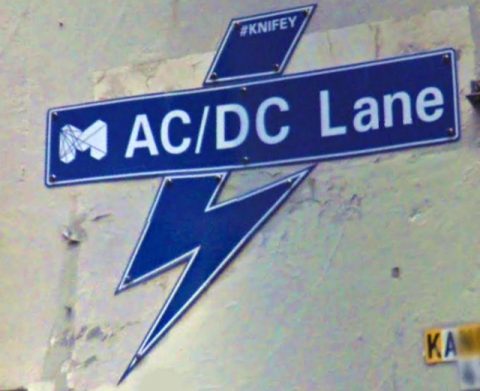
A historic laneway dedicated to Melbourne rock music culture, particularly AC/DC. The walls feature murals of iconic musicians and band tributes. Named in honor of the famous 1981 visit, this lane is a pilgrimage site for music fans and a unique cultural landmark.
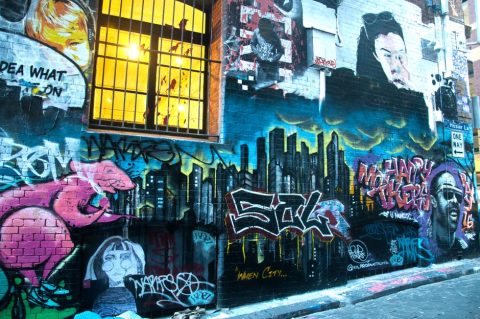
A network of interconnected laneways featuring diverse street art and hidden cafes. These narrow passages between buildings showcase constantly-updated murals, sticker art, and installations. The surrounding small businesses and boutiques add to the bohemian atmosphere.
Tips for Fountains & Public Art
- Street art changes constantly, so revisit favorite lanes for new murals
- Visit during the day for photography; early morning light is golden
- Many laneways have cafes and shops - explore and support local businesses
- Respect artists and their work - don't deface existing murals
Melbourne's heritage buildings include grand cathedrals and historic places of worship that showcase architectural beauty and cultural heritage.
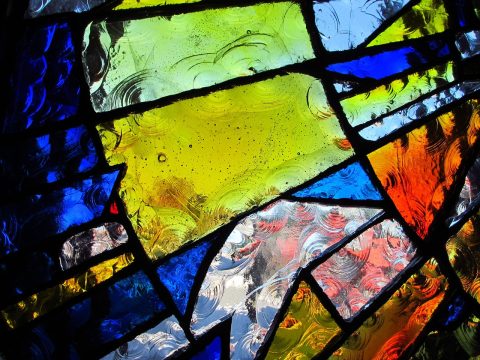
A magnificent Gothic Revival cathedral completed in 1891, featuring soaring arches, intricate stone work, and beautiful stained-glass windows. Located in the city heart, it's an active place of worship and a serene refuge from urban bustle. Free guided tours available.
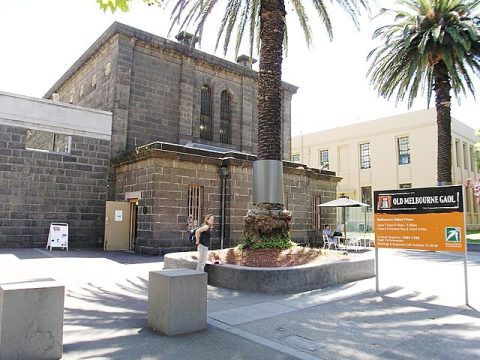
A historic jail turned museum where famous bushranger Ned Kelly was executed in 1880. The restored bluestone buildings preserve Victorian-era prison conditions. Exhibits and wax figures tell stories of notorious inmates and colonial justice. A fascinating but sobering experience.
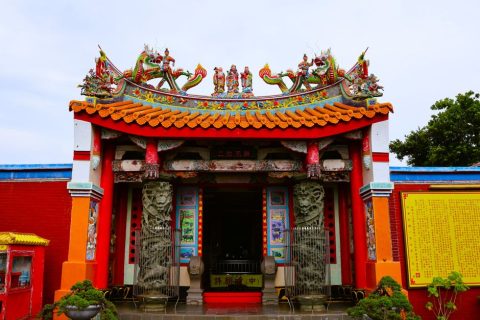
One of the oldest Chinese temples in Australia, featuring intricate dragon carvings and traditional architecture. The museum showcases Chinese religious practices and heritage in Melbourne's Chinese community. A peaceful space offering cultural insight.
Tips for Religious Sites
- Check service times before visiting cathedrals to respect worship schedules
- Old Melbourne Gaol has ghost tours available in the evening
- Wear comfortable shoes for historic buildings with uneven surfaces
Sports & Recreation
Melbourne is Australia's sports capital, home to Australian Rules Football, tennis, and cricket. Whether you're a fan or casual observer, sports culture defines the city.
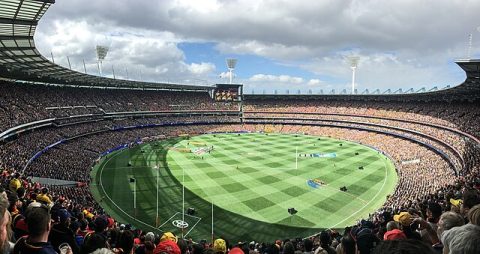
The world's largest stadium by capacity hosting Australian Rules Football and cricket. This iconic oval hosts the AFL Grand Final and international cricket matches. Stadium tours offer behind-the-scenes access to player areas and the action-packed field.
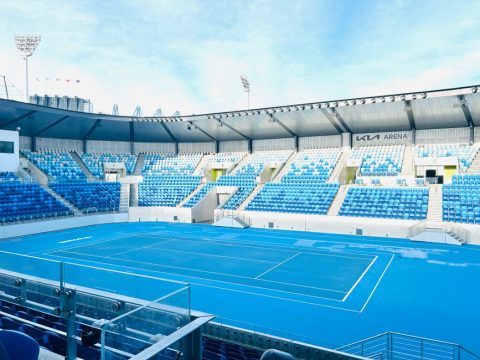
Home of the Australian Open tennis tournament, one of the Grand Slam events. Located in Melbourne Park, the arena hosts professional tennis, concerts, and exhibitions. Catch a match during the January Open, or visit during off-season for tours of this world-class facility.
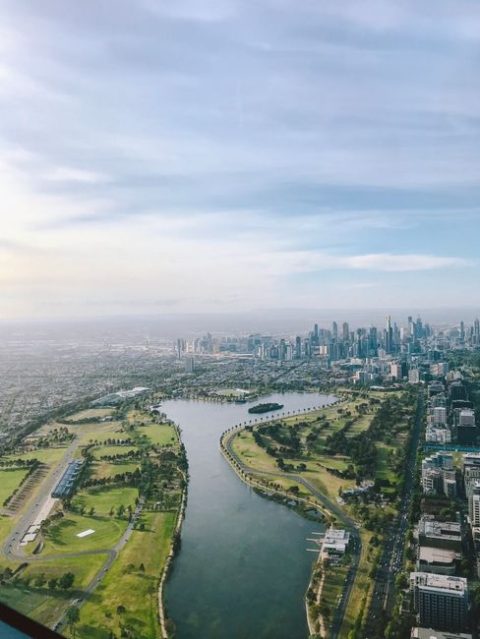
An iconic 3.3 km circuit hosting the Australian Grand Prix. The lake circuit is a stunning recreational area for walking, running, and cycling. Walk the same path as Formula 1 drivers, enjoy parkland views, and stop at cafes along the way.
Tips for Sports & Recreation
- Book MCG tours in advance; match days have limited tour availability
- Australian Open runs in January; book tickets early for popular matches
- Albert Park Lake is perfect for sunrise walks or evening strolls
Melbourne's distinct neighborhoods each have unique character, from bohemian enclaves to upscale shopping districts. Each offers different experiences and insights into local culture.
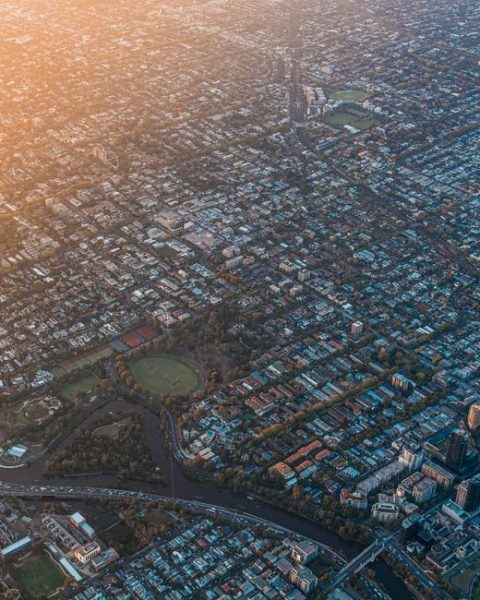
Melbourne's premier shopping and dining destination with hundreds of fashion boutiques, department stores, and restaurants. Chapel Street stretches for 2 km with everything from luxury brands to independent designers. The neighborhood buzzes with energy day and night.
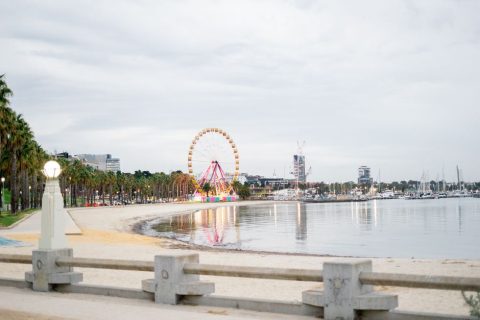
A lively beachside suburb with a bohemian vibe. St Kilda offers a pier with fish and chips stands, Luna Park amusement park, and a long sandy beach. The neighborhood features vintage shops, music venues, and a diverse community. Sunset views over Port Phillip Bay are spectacular.
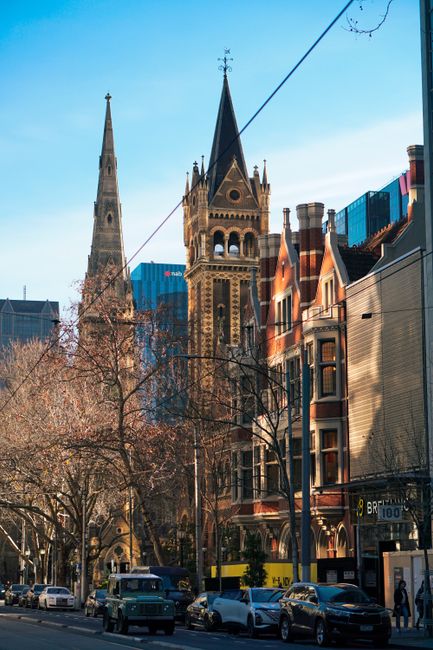
Trendy, bohemian neighborhoods famous for street art, vintage shops, indie cafes, and live music venues. Smith Street is the heart with its eclectic mix of bars, restaurants, and boutiques. The area attracts artists, musicians, and young professionals seeking authentic Melbourne culture.
Tips for Neighborhoods & Districts
- Collingwood is best explored on foot; parking can be challenging
- Chapel Street is crowded on weekends; weekday mornings are more pleasant
- St Kilda Pier is stunning at sunset - arrive early to secure a spot
Melbourne's surroundings offer diverse experiences from coastal scenery to rainforests. Several world-famous attractions are within easy reach of the city.
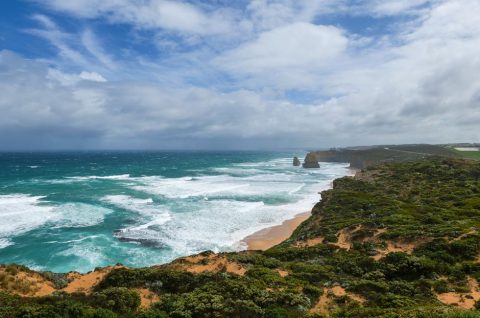
One of the world's most scenic coastal drives featuring dramatic limestone cliffs, beaches, and the iconic Twelve Apostles rock formations. The 243 km drive takes 6-8 hours. Stop at charming towns like Torquay, Bells Beach, and Lorne. Sunset at the Apostles is unforgettable.
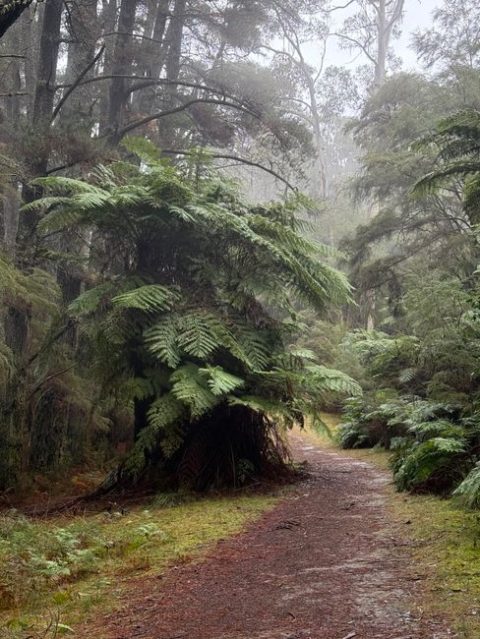
A lush mountain region just an hour from Melbourne featuring towering mountain ash trees, fern gullies, and charming villages like Belgrave and Sherbrooke. Walk among giant ferns, visit cafes in historic towns, and experience cool-climate forests with abundant birdlife.
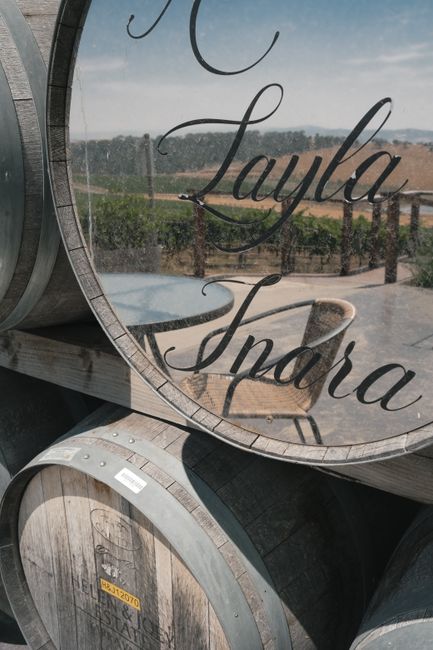
Victoria's premier wine region with over 85 wineries producing Chardonnay, Pinot Noir, and Shiraz. Located 50 km northeast, the rolling vineyards offer cellar door tastings, fine dining, and scenic views. Popular for hot air balloon rides at sunrise.
Tips for Day Trips & Excursions
- Book accommodation ahead for Great Ocean Road multi-day trips
- Visit Dandenong Ranges in autumn for gorgeous foliage colors
- Yarra Valley hot air balloon rides book up quickly; reserve weeks in advance
Melbourne's food scene is world-renowned, blending multicultural cuisines with innovative dining. The city is a haven for food lovers, from casual street food to Michelin-starred restaurants.
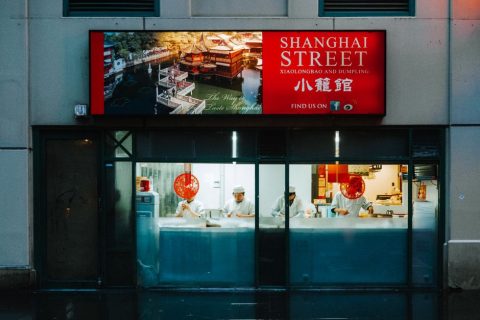
Melbourne's historic Chinatown offers authentic Asian cuisine at all price points. Explore lantern-lit streets, dim sum restaurants, noodle shops, and bakeries. Yum cha (Chinese tea service) is particularly popular on weekends. The atmosphere, aromas, and flavors transport you to Asia.
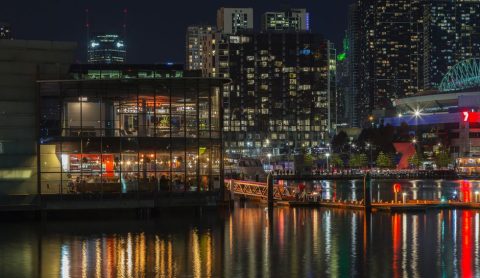
Carlton's iconic Italian dining destination stretching for over 2 km. Dozens of family-owned restaurants serve authentic Italian cuisine in a vibrant atmosphere. Outdoor dining, gelato shops, and Italian pastries abound. The neighborhood feels like a slice of Italy in Australia.
Izakaya Domo is a highly-rated restaurant in Melbourne, rated 4.8★ from 2723 reviews. Located at GPO Postal Lane, Shop 28/350 Bourke St, Melbourne VIC 3000, Australia.
Opening Hours
- Monday: 11:30 AM – 3:00 PM, 5:00 – 10:30 PM
- Tuesday: 11:30 AM – 3:00 PM, 5:00 – 10:30 PM
- Wednesday: 11:30 AM – 3:00 PM, 5:00 – 10:30 PM
- Thursday: 11:30 AM – 3:00 PM, 5:00 – 11:00 PM
- Friday: 11:30 AM – 11:00 PM
- Saturday: 11:30 AM – 11:00 PM
- Sunday: 11:30 AM – 11:00 PM
Tips for Food & Dining
- Yum cha is best Saturday and Sunday morning when the widest selection is available
- Book popular Lygon Street restaurants ahead, especially on weekends
- South Melbourne Market is busy midday; visit early morning or late afternoon
Explore Melbourne on the Map
Best Time to Visit Melbourne
Autumn (March-May): Perfect weather, 15-20°C, comfortable for walking. Fewer tourists than summer. Trees showcase golden and red foliage.
Spring (September-November): Mild temperatures 10-20°C, flowering gardens, and pleasant days. The city awakens after winter with vibrant outdoor culture.
Summer (December-February): Warm and sunny 25-30°C, but can be hot over 35°C. Busy with tourists. Beach season and outdoor events peak. Book accommodations early.
Winter (June-August): Cool and sometimes rainy, 7-15°C. Perfect for indoor attractions (museums, galleries, shopping). Fewer tourists mean shorter queues and lower prices.
Special Events: Australian Open (January), Melbourne Cup (First Tuesday November), Australian Grand Prix (March). Plan visits around these if interested, or avoid crowds.
Getting Around Melbourne
Public Transport: The Metcard system includes trams, buses, trains, and the City Loop. Trams are iconic and free in the CBD (Free Tram Zone). Zones 1-2 covers the city and suburbs. Buy cards at machines or use Myki reusable card. Single trips cost $2-4 depending on zones and time.
Taxis & Ride-Share: Uber and local taxis available. Ride-sharing often cheaper than taxis. Taxis start at flagfall of ~$3.50.
Bicycles: Melbourne has excellent cycling infrastructure. Hire bikes from multiple stations (Melbourne Bike Share). Flat terrain perfect for leisurely rides along the Yarra River.
Driving: Car rentals available but CBD driving is challenging with confusing road layouts and congestion. Parking meters cost $2-4 per hour. Consider driving only for day trips outside the city.
Walking: Melbourne's CBD is very walkable (3-4 km across). Comfortable shoes essential. Laneways create interesting walking routes.
✈️ Airport Transfer
Melbourne Airport (MEL) to city center:
- SkyBus Express: Non-stop to Southern Cross Station every 10 minutes, about 30 minutes, AU$23 one way
- Public Bus 901: Connects to Broadmeadows train station in around 25 minutes, standard Myki fare of about AU$5
- Taxi: Around 25 to 35 minutes to the CBD depending on traffic, roughly AU$60 to AU$70
- Private Transfer: Pre-booked door to door car service to the CBD in about 30 minutes, from AU$90
Shopping in Melbourne
Fashion & Luxury: Chapel Street (South Yarra) offers high-end boutiques and department stores (Myers, David Jones). Bourke Street Mall in the CBD has mainstream chains and flagship stores.
Vintage & Retro: Collingwood's Smith Street has vintage clothing shops, record stores, and quirky boutiques. Brunswick Street offers bohemian fashion and local designer brands.
Markets: Queen Victoria Market (produce, souvenirs, street food), South Melbourne Market (gourmet food), and weekend street markets in neighborhoods like Camberwell and Abbotsford.
Bookstores: Readings in Carlton has an excellent selection of Australian and international authors. Smaller independent bookstores throughout laneways.
Souvenirs: Boomerangs, Aboriginal art, Akubra hats, and Tim Tam biscuits. Queen Vic Market is best for tourist souvenirs at reasonable prices.
Shopping Centers: Chadstone Shopping Centre (southeast), Southland Centre (south), and DFO (outlet stores). MVG shopping apps help find shops and hours.
Negotiating: Not common in Australia. Prices are fixed except at markets where small discounts occasionally possible for bulk purchases.
Annual Festivals & Events
January: Australian Open (Tennis Grand Slam) - world-class tennis at Melbourne Park. Tickets hot commodities.
February: White Night Melbourne - free all-night arts festival with installations, performances, and light shows illuminating the city.
March: Formula 1 Australian Grand Prix - street racing through Albert Park. Thrilling motorsport spectacle.
April: Melbourne International Comedy Festival - three weeks of stand-up comedy, theatre, and cabaret performances across venues citywide.
First Tuesday November: Melbourne Cup - Australia's most famous horse race ('the race that stops the nation'). Grand National equivalent with massive party atmosphere.
July: Melbourne International Film Festival - diverse international cinema programming across multiple venues.
September-October: Melbourne Writers Festival and Spring Racing Carnival - literary events and additional horse racing celebrations.
Ongoing: Street festivals in neighborhoods like Collingwood, South Yarra, and St Kilda; weekend markets rotate throughout suburbs. Live music venues host nightly performances.
5-Day Melbourne Itinerary
Day 1 - Historic Heart & Laneways: Start at Flinders Street Station, explore Hosier Lane and street art, visit Parliament House Victoria, lunch in a laneway cafe, walk to St Paul's Cathedral, dinner in CBD. Evening stroll along Yarra River.
Day 2 - Museums & Gardens: Morning at National Gallery of Victoria or Melbourne Museum. Lunch in Carlton on Lygon Street. Afternoon at Royal Botanic Garden or Fitzroy Gardens. Dinner in South Yarra, explore Chapel Street nightlife or rooftop bars.
Day 3 - Neighborhoods & Culture: Day trip to Dandenong Ranges - explore cool rainforest villages, cafes, and mountain shops. Alternatively, explore Collingwood's Smith Street, vintage shops, indie cafes, and live music venues. Evening dinner in Brunswick or Collingwood.
Day 4 - Beaches & Coastal Culture: Head to St Kilda, swim at the beach, walk the pier, visit Luna Park, enjoy fish and chips at sunset. Explore vintage shops and quirky bookstores. Evening drinks and dinner with bay views. Or visit Brighton Beach and colorful bathing boxes.
Day 5 - Food & Local Life: Morning yum cha in Chinatown, Queen Victoria Market for lunch and shopping, visit NGV Australia. Afternoon at Melbourne Cricket Ground tour or local market wandering. Final evening at a rooftop bar or laneay restaurant for memorable dining.
Best Photography Locations
Flinders Street Station: Best at night with colorful illumination, or golden hour sunset. Capture the distinctive arched windows and historic architecture. Sunrise shots from Federation Square are stunning.
Hosier Lane: Morning light produces vibrant colors in street art. Midday harsh shadows; avoid. Overcast days provide even lighting. Go alone early morning for crowd-free shots.
Twelve Apostles (Great Ocean Road): Golden hour (1-2 hours before sunset) creates dramatic lighting on rock formations. Arrive by 3 PM to secure good shooting positions. Sunrise shots also exceptional with fewer crowds.
Royal Botanic Garden: Ornamental Lake reflects surrounding trees and sky beautifully. Morning mist and autumn colors spectacular. Late afternoon backlit shots through elm tree groves are atmospheric.
Yarra River at Sunrise: Shoot from Southbank or Flinders footbridge for city skyline reflections. East-facing position captures emerging sun painting buildings gold.
St Kilda Pier at Sunset: Silhouetted figures on the pier with colorful sky behind. Luna Park lights up at dusk for night photography. West-facing position essential.
Fitzroy Gardens Elm Avenue: Tree-lined symmetry stunning in autumn. Wide-angle shots capture perspective, telephoto shots isolate geometric patterns. Early morning fog enhances atmosphere.
Electricity & Adapters
Voltage: Australia uses 230-240V AC at 50Hz frequency. North American (110-120V) and European (220V) devices may not work properly or safely.
Plug Type: Australia uses Type I plugs - three flat angled pins in a triangular pattern. Different from US (Type A/B), UK (Type G), or Europe (Type C/E/F).
Adapters: Universal travel adapters that support Type I are essential for overseas visitors. Purchase before arrival or at airport shops (more expensive). Most hotels provide adapters on request.
What to Bring: If traveling with electronics (phone chargers, laptops, cameras), bring a Type I adapter. Dual voltage devices (100-240V) often found on modern electronics. Check your device specifications.
Tips: Outlets in hotels usually near desk for charging laptops. Power banks helpful for all-day sightseeing. Some cafes offer free charging for customers. Appliance boxes show compatibility symbols.
Must-Try Melbourne Foods
Meat Pie: Australian tradition - flaky pastry filled with meat gravy. Best from bakeries or South Melbourne Market. 'Meat Pie Floater' submerged in tomato sauce is a classic snack.
Tim Tams: Chocolate biscuits iconic to Australia. Come in varieties (dark, caramel, cookies & cream). Do the 'Tim Tam Slam' - bite corners, suck and bite - for a melting chocolate experience.
Lamingtons: Sponge cake coated in chocolate and coconut. Available at bakeries throughout Melbourne. Simple, sweet, and delightfully Australian.
Vegemite Toast: National spread (salty, savory) on buttered toast. Requires acquired taste but essential Australian food experience. Available at cafes and breakfast spots.
Coffee Culture: Melbourne takes coffee seriously. Flat whites, cappuccinos, and espresso-based drinks are excellent quality. Laneways hidden cafes serve world-class coffee. Single-origin specialty roasters throughout the city.
Asian Cuisine: Authentic Chinese, Vietnamese, Thai, Japanese, and Indian food rivals home countries. Chinatown and Richmond (Vietnamese enclave) offer exceptional value and authenticity.
Fresh Seafood: Fish and chips stands at St Kilda Pier, oysters at markets, and seafood restaurants serve fresh catches from Port Phillip Bay and southern coasts.
Tourist Passes
Melbourne Attractions Pass
Bundled discount pass covering entry to major attractions. Typically includes NGV, Melbourne Museum, Old Melbourne Gaol, and Chinese Museum. 3-day and 7-day passes available offering 30-40% savings versus individual admission. Best value for tourists visiting multiple major attractions.
www.melbourneattractionspass.com.auMyki Transit Card
Reloadable public transport card for trams, buses, trains, and the City Loop. Purchase at convenience stores, machines, or online. Capped daily prices mean unlimited travel after spending threshold. Cheapest way for heavy transit users. Visitor packages include accommodation nearby transit hubs.
www.ptv.vic.gov.auGreat Ocean Road Private Tours
Organized tour packages eliminate self-driving logistics. Full-day tours include transport, guided commentary, and lunch. Multiple providers offer small group tours (8-12 people) with flexible itineraries. Typically cost $120-180 per person. Hotels can arrange bookings.
www.greatoceanroad.com.au