Sarajevo packs an unusual amount of history into a small, walkable center, which is why this shortlist matters more than a scattered itinerary. The Latin Bridge marks the spot where the 1914 assassination altered world history, while Baščaršija, the Sebilj Fountain, and Gazi Husrev-beg Mosque reveal the city's Ottoman-era character in a few compact blocks. The Vijećnica city hall shows the same neighborhood under Austro-Hungarian rule, and the Tunnel of Hope Museum, paired with a Sarajevo War and Siege tour, explains the 1990s siege that shaped the city today. A day trip to Mostar and the Stari Most rounds out the region beautifully.
Sarajevo's landmarks tell the story of a city where four religions coexist and multiple empires left their mark. From Ottoman bridges to Austro-Hungarian architecture, these monuments embody the city's unique character as the Jerusalem of Europe.
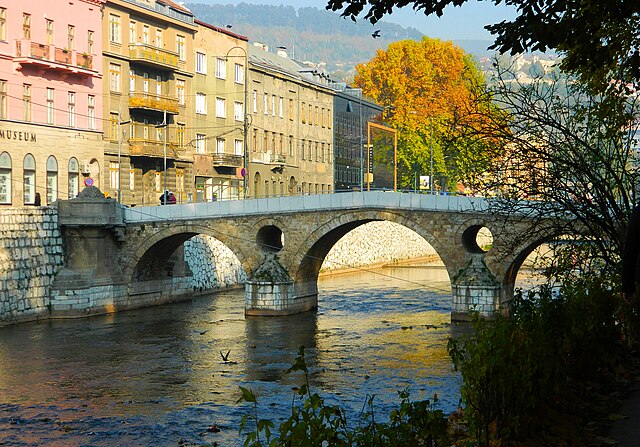
This historic Ottoman bridge gained worldwide fame as the site where Archduke Franz Ferdinand was assassinated on June 28, 1914, triggering World War I. The elegant stone bridge, built in 1798, spans the Miljacka River and connects the old town with modern Sarajevo. Today it stands as a powerful symbol of how local events can reshape global history. The nearby museum corner marks the exact spot of the assassination.
The iconic wooden fountain in the heart of Baščaršija square is Sarajevo's most photographed monument. Built in Ottoman style with its distinctive pseudo-Moorish design, Sebilj has become the symbol of the city. Legend says that anyone who drinks from Sebilj will return to Sarajevo. The fountain's wooden pavilion and copper dome create a picturesque focal point surrounded by cafés and copper workshops.
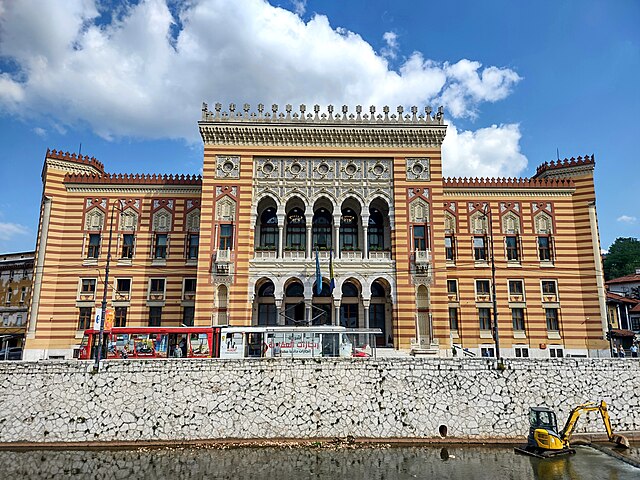
This magnificent Austro-Hungarian building from 1896 showcases stunning pseudo-Moorish architecture with its striped façade and ornate interior. Originally the city hall, it later housed the National Library until being severely damaged during the 1992-95 siege. After meticulous restoration completed in 2014, Vijećnica reopened as a symbol of Sarajevo's resilience. The interior features breathtaking stained glass, geometric patterns, and a grand central atrium.
Tips for Landmarks & Monuments
- Photography: Visit Sebilj fountain early morning (6-8 AM) for the best light and fewer crowds
- Combined visit: Latin Bridge and Vijećnica are within 5 minutes walk - plan them together
- Respect: When encountering Sarajevo Roses, pause respectfully - these are memorial sites
- Evening magic: Vijećnica is beautifully illuminated at night
Sarajevo's museums preserve centuries of cultural convergence, artistic achievement, and recent history. From ancient manuscripts to contemporary conflict documentation, these institutions offer profound insights into the city's complex identity and resilient spirit.
This extraordinary museum preserves the 800-meter tunnel that served as Sarajevo's lifeline during the 1992-95 siege. Dug beneath the airport runway, it connected the besieged city with free territory, allowing passage of food, weapons, and people. Visitors can walk through a preserved 20-meter section and explore the Kolar family home where the tunnel entrance was hidden. Powerful exhibits include siege artifacts, photographs, and video testimonies.
Tips for Museums & Galleries
- Tunnel Museum: Book taxi or tour as it's 6km from center; public transport is limited
- Emotional preparation: Gallery 11/07/95 and Tunnel Museum contain difficult content - allow time to process
- Sarajevo Haggadah: Call ahead to confirm it's on display at National Museum
- Combined tickets: Some museums offer discounts for students and seniors
- Friday closures: Many museums close early on Fridays or are closed entirely
Sarajevo proudly wears the title 'Jerusalem of Europe' where mosques, Catholic and Orthodox churches, and synagogues stand within walking distance. This religious diversity represents centuries of coexistence and makes Sarajevo unique among European capitals.
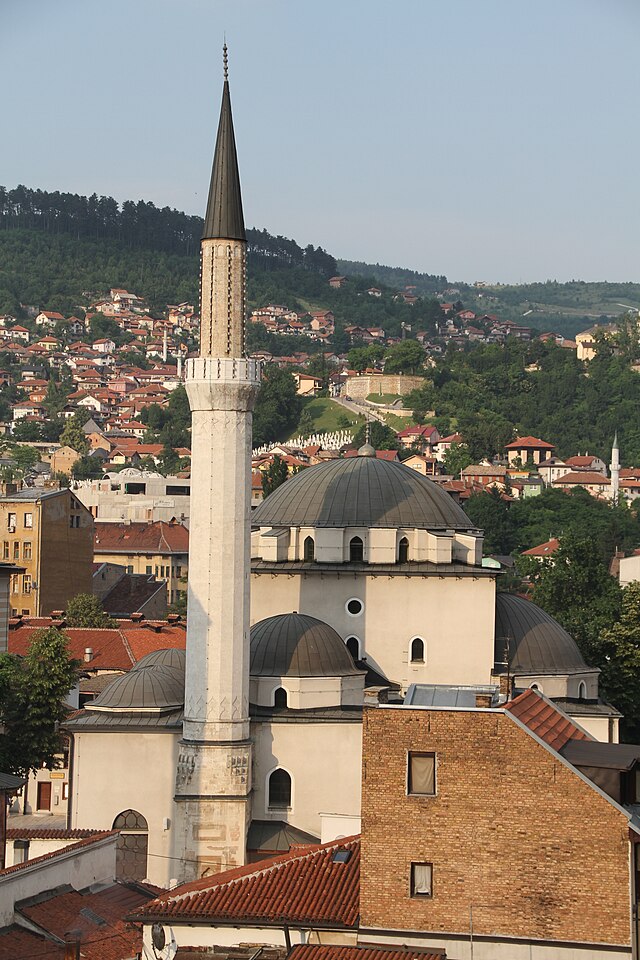
Built in 1531, this is Bosnia's most important mosque and a masterpiece of Ottoman architecture. The complex includes a madrasa (Islamic school), clock tower, library, and bazaar. The mosque's elegant proportions, 26-meter minaret, and interior decorated with geometric patterns and calligraphy represent the golden age of Ottoman Sarajevo. The courtyard fountain (šadrvan) and covered porch create a serene atmosphere. Non-Muslims are welcome outside prayer times.
Tips for Religious Sites
- Modest dress: Cover shoulders and knees when visiting mosques and churches
- Prayer times: Avoid visiting mosques during prayer times (check daily schedule)
- Shoe removal: Required in mosques; plastic bags provided for carrying shoes
- Walking tour: All major religious sites are within 15-minute walk - create a 'religious harmony' route
- Respectful photography: Always ask permission; no photography during services
- Free entry: Most sites don't charge admission but donations are appreciated
Sarajevo's neighborhoods tell distinct stories: Baščaršija preserves Ottoman soul, Austro-Hungarian streets showcase European elegance, and hillside areas bear scars and memories of the siege. Walking these districts reveals the city's layered identity.
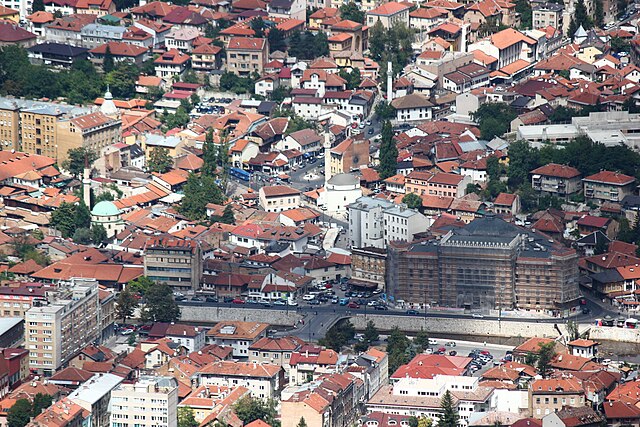
Sarajevo's historic Ottoman-era bazaar is the city's vibrant heart, established in the 15th century. Narrow cobblestone streets wind past copper workshops, carpet sellers, jewelers, and traditional restaurants. The aroma of ćevapi, Turkish coffee, and baklava fills the air. Artisans still practice traditional crafts in tiny workshops. The district's mosques, fountains, and caravanserais create an authentic Ottoman atmosphere. This is where Sarajevo's soul resides.
Tips for Historic Districts & Streets
- Baščaršija timing: Visit early morning for authentic atmosphere, evening for vibrant café culture
- Shopping bargaining: Expected in souvenir shops but not in restaurants
- Walking shoes: Cobblestones and hills require comfortable footwear
- Sunset views: Yellow Bastion in Vratnik offers the best panoramas around 6-7 PM
- Free walking tours: Start daily from Sebilj fountain - excellent orientation
Understanding Sarajevo's complex history and culture is deepened through guided experiences led by local experts. From war history tours to culinary experiences, these activities provide context and personal stories that bring the city to life.
Essential for understanding modern Sarajevo, these tours led by siege survivors cover Sniper Alley, war tunnels, destroyed buildings, and memorial sites. Guides share personal experiences of the 1,425-day siege, explaining how citizens survived without electricity, water, or food. Tours typically include the Tunnel Museum and visits to strategic locations. These powerful experiences provide context impossible to gain from books alone. Several reputable companies offer half-day or full-day options.
Tips for Tours & Experiences
- Book war tours carefully: Choose companies employing siege survivors for authentic perspectives
- Emotional preparation: War tours are intense; not recommended for young children
- Free walking tours: Available daily from Sebilj fountain - tip-based, good for orientation
- Small groups: Limit 8-10 people for better interaction with guides
- Weather consideration: Most tours involve extensive walking - dress appropriately
- Photography permission: Always ask guides before photographing sensitive war sites
Beyond Sarajevo lie medieval towns, Ottoman bridges, mystical pilgrimage sites, and pristine nature. These destinations showcase broader Bosnian heritage and offer diverse landscapes from mountain villages to river canyons.
Bosnia's most iconic sight, the Old Bridge arches gracefully over the turquoise Neretva River in this UNESCO World Heritage city. Built in 1566 by Ottoman architect Mimar Hajrudin, the bridge was destroyed in 1993 and painstakingly reconstructed by 2004. Watch brave divers leap 24 meters into the river. Explore the cobblestone old town with its bazaar, mosques, and traditional copper shops. The bridge symbolizes both tragic division and hopeful reconciliation. Distance: 130km, 2.5 hours.
Tips for Day Trips & Excursions
- Mostar essential: Combine with Blagaj Tekke and Počitelj village for full Herzegovina experience
- Tour vs. independent: Organized tours handle logistics; independent travel offers flexibility but requires rental car
- Early starts: Leave Sarajevo by 8 AM to maximize day trip time
- Road conditions: Mountain roads can be winding; allow extra travel time
- Entrance fees: Most sites charge 5-10 KM; fortresses and museums may cost more
- Restaurant timing: Many close 3-5 PM between lunch and dinner service