Things to do in Santiago
Santiago's most iconic structures and historical landmarks that define the city's character and heritage
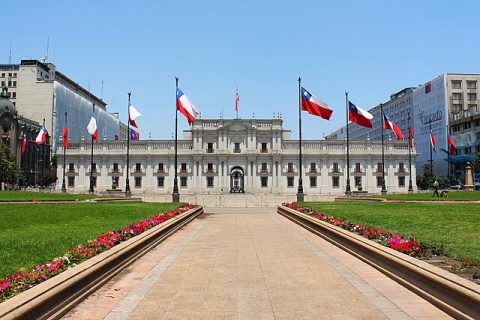
The seat of the President of the Republic of Chile, this neoclassical palace built in 1846 stands as an architectural masterpiece. Visitors can explore the palace's stunning façade and surrounding Plaza de la Constitución. The building showcases impressive columns, grand staircases, and ornate interiors reflecting Chile's political heritage. Free guided tours available (advance booking required).
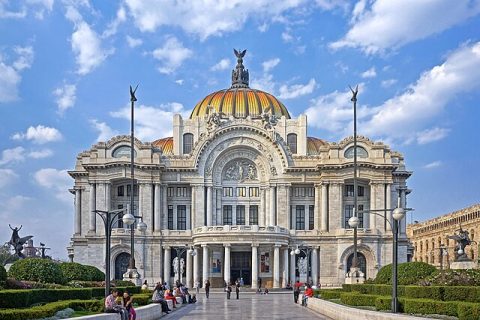
An architectural gem completed in 1910, this palace houses two of Chile's most important museums. The building itself is a neoclassical masterpiece with a striking copper dome visible across the city. Located in Parque Forestal, it's surrounded by manicured gardens and sculptures. The palace combines elegance with cultural significance, hosting rotating exhibitions and permanent collections of Chilean and international art.
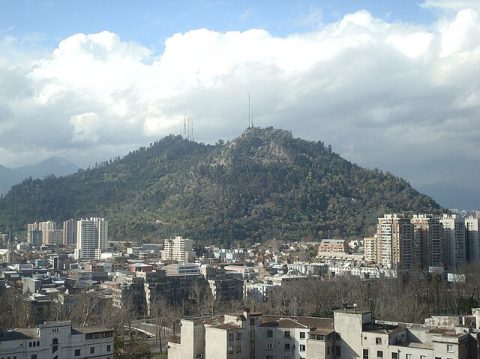
A 860-meter hill offering breathtaking views of Santiago, the Andes, and the Mapocho River valley. Accessible by funicular railway or cable car, this is one of Santiago's most visited attractions. At the summit stands a 22-meter tall statue of the Virgin Mary. The hill features walking trails, gardens, restaurants, and terraces ideal for sunset viewing. The panoramic vistas are spectacular and unobstructed.
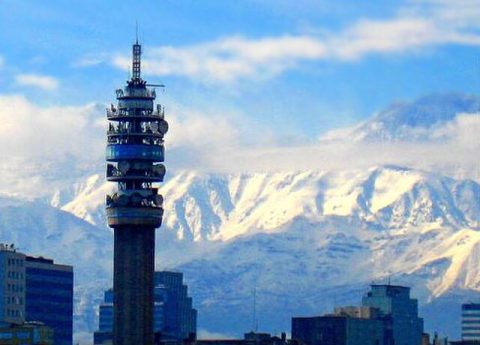
Standing 147 meters tall, this iconic tower designed by Argentinian architect Gustavo López Gavella offers panoramic views of Santiago and the surrounding Andes mountains. Built in 1975, it's one of the city's most recognizable landmarks. The observation deck provides 360-degree vistas perfect for photography. On clear days, you can see the snow-capped peaks of the Andes and the Chilean coastal range.
Tips for Landmarks & Monuments
- Visit Cerro San Cristóbal at sunset for stunning golden-hour photography
- La Moneda tours are popular; book in advance through their official website
- The Torre Entel is best visited on clear days for unobstructed views
- Combine palace and monument visits in the civic center for efficiency
World-class museums showcasing Chilean art, history, anthropology, and contemporary works in stunning venues
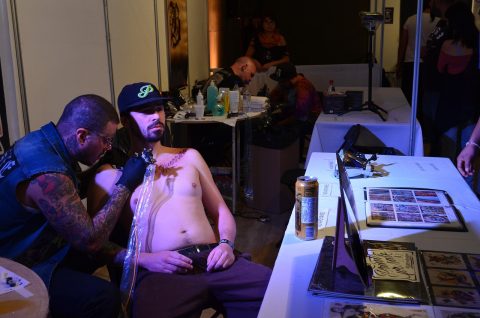
Chile's premier art museum housing over 5,000 works spanning colonial times to contemporary art. The museum features two main galleries: Chilean art and international art. Collections include works by renowned artists like Claudio Bravo, Graciela Salto, and important European masterpieces. The building itself is architecturally significant with high ceilings, natural lighting, and thoughtfully curated exhibitions. Admission is free on Sundays.
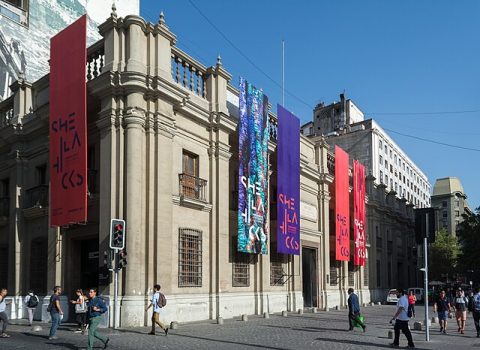
One of the world's finest pre-Columbian art museums featuring over 3,500 artifacts representing indigenous cultures of Chile, Peru, Bolivia, and Mesoamerica. The collection includes ceramics, textiles, metalwork, and stone carvings spanning thousands of years. The museum's modern design contrasts beautifully with ancient pieces, creating an immersive experience. Spanish and English audio guides available. Exhibitions are thoughtfully organized by cultural region and theme.
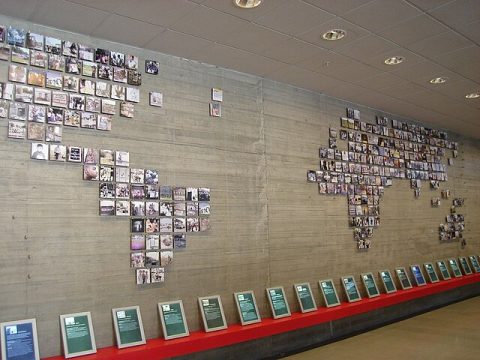
A sobering and important museum documenting Chile's military dictatorship (1973-1990) and human rights violations. The museum uses multimedia exhibits, personal testimonies, photographs, and artifacts to tell stories of victims and survivors. The architecture itself is significant, with a stark design reflecting the gravity of the subject matter. Emotionally impactful experience—allow ample time for reflection. Guided tours available in multiple languages.
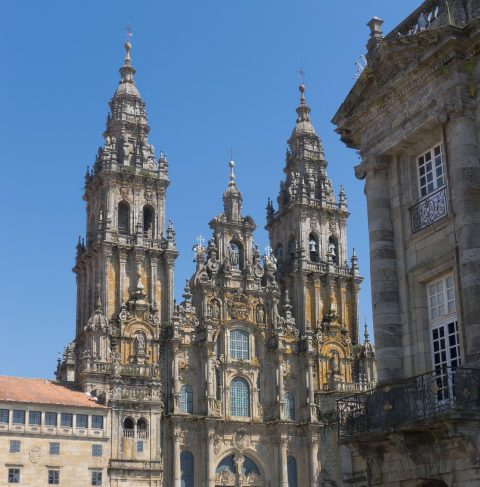
A hands-on interactive museum ideal for families and curious minds. Exhibits cover science, technology, art, and natural history with engaging displays encouraging exploration and learning. The museum features over 300 interactive installations across multiple floors. Special exhibitions rotate regularly. The building itself offers city views, and there's a rooftop with panoramic vistas of Santiago and the surrounding mountains.
Tips for Museums & Galleries
- Book tickets online to skip queues at popular museums
- Most museums offer discounts for students and seniors
- Wednesday afternoons often feature special programs or extended hours
- The pre-Columbian museum is world-renowned; allow ample time
- Consider purchasing a museum pass for multiple-day visits
Sacred spaces and architectural marvels reflecting Santiago's spiritual heritage and Christian traditions
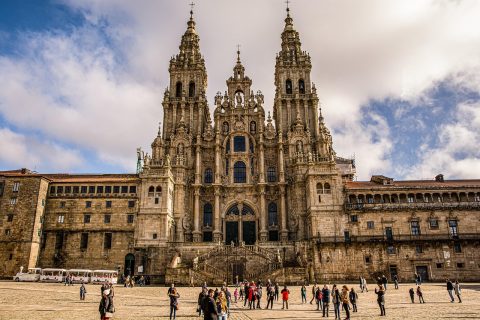
The metropolitan cathedral of the Roman Catholic Archdiocese of Santiago, located at Plaza de Armas. Built over 150 years (1748-1899) in neoclassical style, this cathedral is one of the city's most important religious structures. The cathedral features a grand interior with high vaulted ceilings, beautiful stained-glass windows, and ornate altars. Free admission; modest dress is required. The Cathedral Museum showcases religious artifacts and artwork.
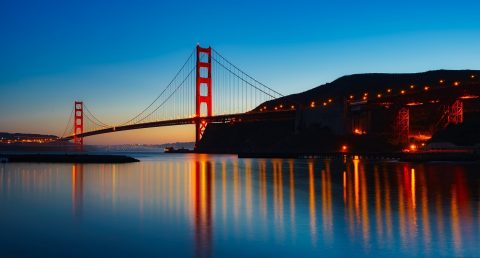
Chile's oldest standing church, built between 1586-1618, showcasing colonial baroque architecture. The church survived multiple earthquakes that destroyed most of colonial Santiago. Its sturdy stone construction and thick walls are testament to colonial engineering. The interior features an ornate altarpiece, beautiful wooden beams, and religious sculptures. Adjacent to the church is a museum displaying colonial art and artifacts, offering insight into Santiago's early Christian history.
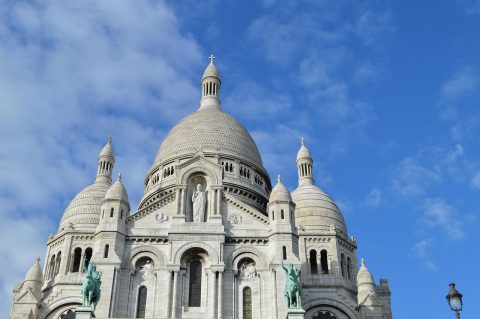
A stunning art deco basilica completed in 1931, featuring an impressive 40-meter tall dome with a 22-meter tall statue of the Sacred Heart. Located on Cerro San Cristóbal, the basilica offers spiritual significance and architectural beauty. The interior features intricate tilework, stained glass, and ornate decorations. The location provides panoramic views of Santiago and the Andes, combining religious pilgrimage with sightseeing.
Tips for Religious Sites
- Dress respectfully when visiting churches (covered shoulders and knees)
- Mass schedules vary; check ahead if you wish to attend services
- Photography may be restricted inside some churches; ask permission
- Many churches close during midday; plan visits for mornings or late afternoons
Distinctive districts with rich character, colonial architecture, bohemian vibes, and local culture
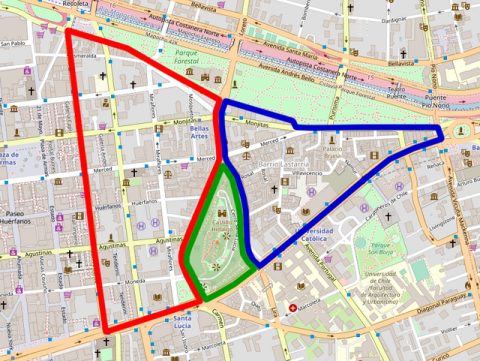
A charming, artistic neighborhood filled with colonial mansions, art galleries, boutique shops, and trendy cafés. The neighborhood exudes bohemian charm with its tree-lined streets, colorful buildings, and vibrant street art. Cultural hub featuring independent galleries, vintage shops, and literary venues. The neighborhood's intimate plazas are perfect for people-watching. Many colonial buildings have been beautifully restored, preserving architectural heritage while adapting to modern uses.
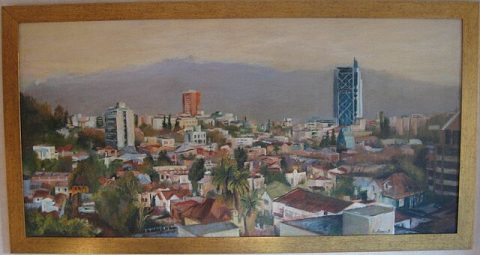
A vibrant bohemian neighborhood across the Mapocho River, famous for its counterculture history, street art, and nightlife. The neighborhood features narrow streets with colorful buildings covered in murals and graffiti art. Home to Pablo Neruda's residence, La Chascona. Bellavista pulses with energy: independent bookstores, quirky cafés, live music venues, and traditional Chilean restaurants. The neighborhood's artistic spirit attracts students, artists, and creative professionals.
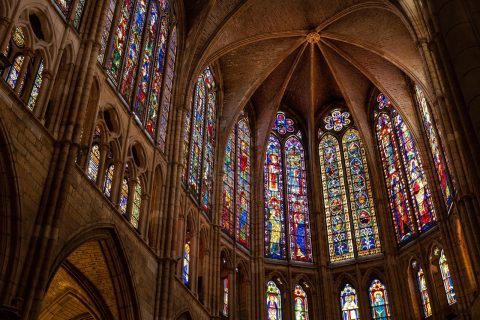
Santiago's original colonial center featuring Plaza de Armas, government buildings, markets, and historical architecture. The historic center captures Santiago's layered history from indigenous times through Spanish colonial period to modern Chile. Must-visit landmarks include the Cathedral, La Moneda Palace, and Central Market. The area buzzes with activity: street vendors, local markets, museums, and traditional restaurants. Though crowded, it offers authentic Santiago atmosphere and important cultural sites.
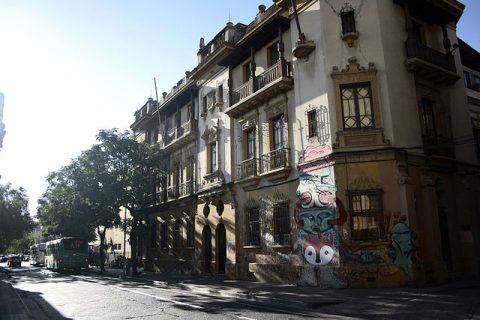
An up-and-coming neighborhood undergoing gentrification while maintaining local character. Once working-class, it's now filled with vintage shops, street art, craft breweries, and contemporary restaurants. The neighborhood retains authentic Santiago vibes without feeling overly touristy. Best for exploring local food culture and emerging creative scenes. Tree-lined streets, small galleries, and neighborhood bars reflect genuine community life.
Tips for Neighborhoods & Districts
- Bellavista is lively at night; visit during daytime for sightseeing, evenings for dining and nightlife
- Lastarria is ideal for art lovers and those seeking bohemian atmosphere
- Wear comfortable walking shoes; neighborhoods are best explored on foot
- Brazil neighborhood is less touristy; perfect for authentic local experiences
- Pickpocketing occurs in Centro Histórico; watch belongings carefully
Green spaces offering respite from urban energy, scenic beauty, and recreational activities
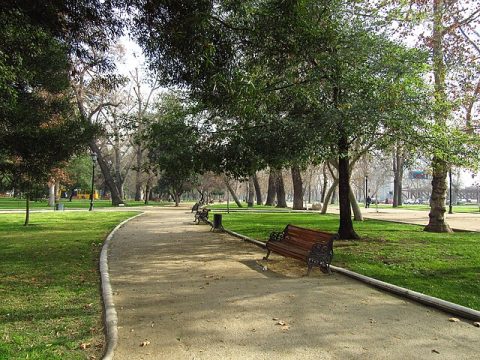
Santiago's most important urban park, stretching 1.5 km through the city center. Created in 1896, it features tree-lined walking paths, sculptures, fountains, and open plazas. The park connects major cultural institutions including the Palacio de Bellas Artes, museums, and historic sites. Perfect for leisurely walks, picnics, and people-watching. The park's mature trees provide shade and create a tranquil oasis amid urban surroundings. Regular concerts and cultural events occur here.
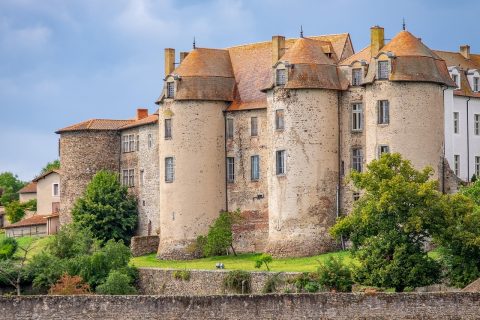
The largest urban park in Santiago at 722 hectares, encompassing Cerro San Cristóbal and surrounding natural areas. The park offers hiking trails, botanical gardens, picnic areas, and panoramic viewpoints. Features include the Telefónico cable car, restaurants, and recreational facilities. Ideal for active visitors seeking hiking, jogging, or mountain biking. The park preserves native vegetation and provides habitat for birds and small animals despite urban location.
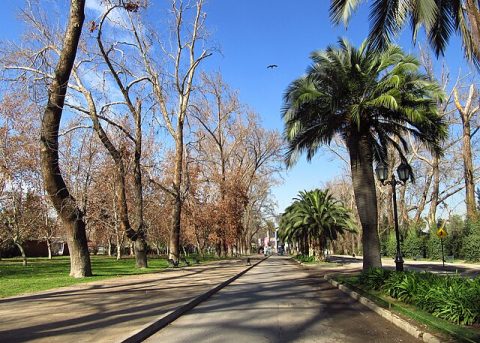
A historic park dating to 1830s featuring botanical gardens, museums, and recreational spaces. The park served as an agricultural experimentation center and still maintains extensive gardens with native and exotic plants. Home to the Natural History Museum housed in a beautiful 19th-century building. The park offers peaceful walking paths, ponds, and open green spaces ideal for relaxation. Less crowded than other major parks, offering quieter exploration.
Tips for Parks & Gardens
- Visit parks early morning for cooler temperatures and fewer crowds
- Bring sunscreen and hats; shade trees vary by location
- Parks are generally safe during daylight; avoid after dark
- Parque Metropolitano has multiple entrance points and paid attractions
- Many parks offer rental services for bikes and recreational equipment
Public plazas and pedestrian streets embodying Santiago's urban design and social life
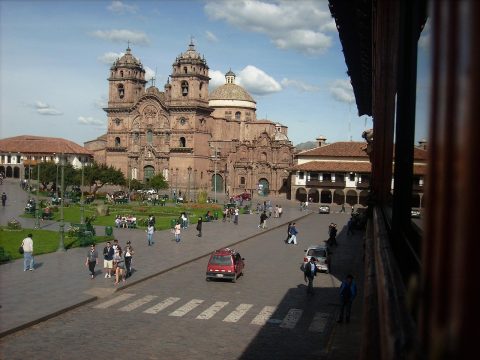
Santiago's central plaza and historic heart, surrounded by the Cathedral, La Moneda Palace, and government buildings. The plaza has been the city's social and political center since its founding in 1541. Features include decorative fountains, sculptures, and shaded seating areas. Constant activity with street performers, locals, and tourists creating vibrant atmosphere. The plaza is a people-watching paradise and gateway to the historic center.
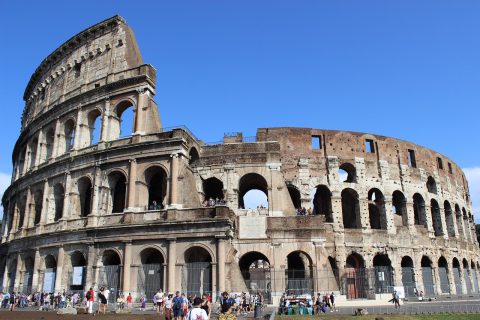
One of Santiago's most vibrant plazas, located in the Ñuñoa neighborhood. Centered around an equestrian statue of General Baquedano, the plaza serves as a meeting point and cultural center. Surrounded by shops, restaurants, and historic buildings, it embodies modern Santiago life. Busy with both locals and tourists especially on weekends. The plaza hosted major protests during Chile's recent social movements, reflecting its importance as a gathering space.
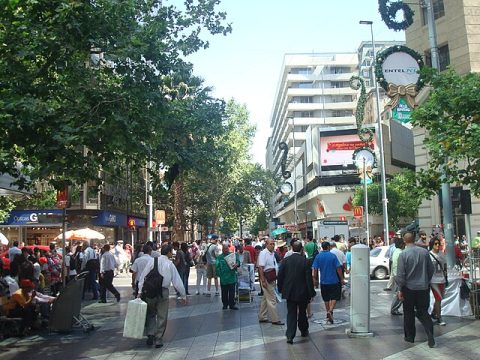
Santiago's main pedestrian shopping street extending from Plaza de Armas toward Los Leones metro station. This tree-lined boulevard features department stores, restaurants, cafés, and street vendors. Popular meeting point with constant foot traffic and vibrant urban energy. The street has undergone modernization with improved paving, seating, and green spaces. Perfect for shopping and people-watching while experiencing downtown Santiago culture.
Tips for Squares & Streets
- Plaza de Armas is safest during daytime; avoid late evening
- Paseo Ahumada gets very crowded during midday and evenings
- Street performers in plazas may request tips for photographs
- Local markets near plazas offer authentic Santiago experience but watch belongings
Guided experiences and specialized activities offering deeper cultural immersion and local insights
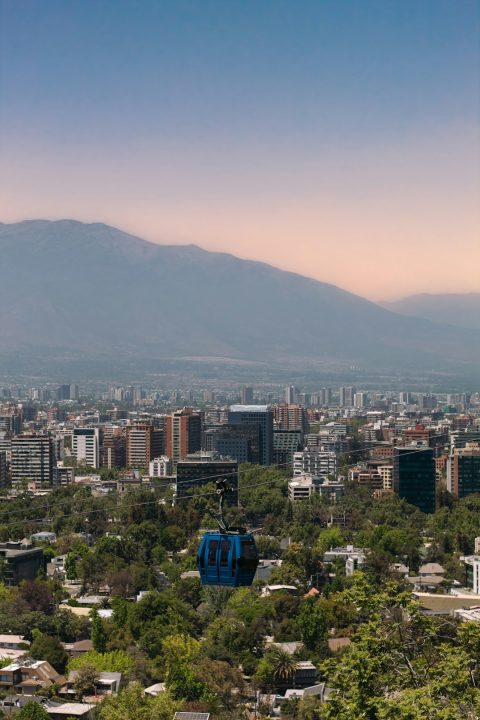
Guided or independent excursion up Santiago's most iconic hill via funicular railway or cable car. Expert guides provide historical context and points of interest during ascent. Summit features stunning panoramic views of Santiago, the Andes, and distant Pacific foothills. Various routes accommodate different fitness levels and interests. At the summit, visit the Virgin Mary statue, botanical gardens, and restaurants. Perfect combination of outdoor activity and sightseeing.
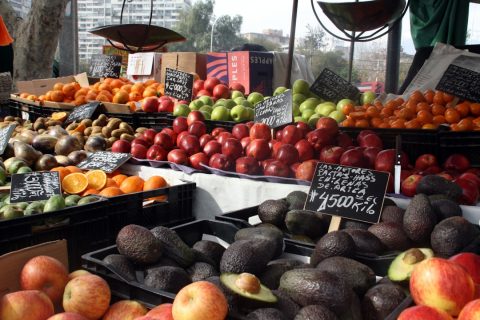
Explore Santiago's culinary heritage through guided cooking classes and market tours. Learn to prepare traditional Chilean dishes using fresh local ingredients. Classes typically include market visit, instruction, and meal tasting. Expert instructors share regional cooking traditions and food stories. Perfect for food enthusiasts seeking hands-on cultural experience. Classes accommodate various skill levels and dietary requirements. Tours often visit the Central Market (La Central) featuring local producers and seafood vendors.
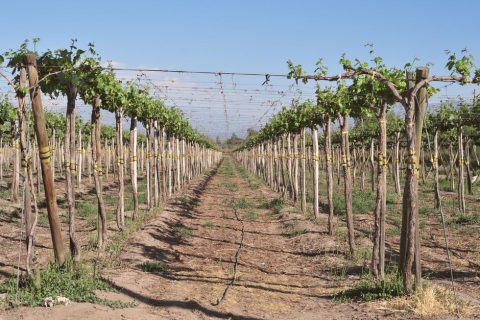
Day trips to nearby wine valleys (Maipo, Casablanca) featuring vineyard visits, tastings, and lunch. Professional sommeliers guide visitors through Chilean wine regions and varietals. Tours include transportation, tastings, and gourmet meals. Different packages range from boutique wineries to large-scale operations. Learn about Chilean wine production, terroir, and food-pairing traditions. Early morning departures return by evening, allowing full-day exploration.
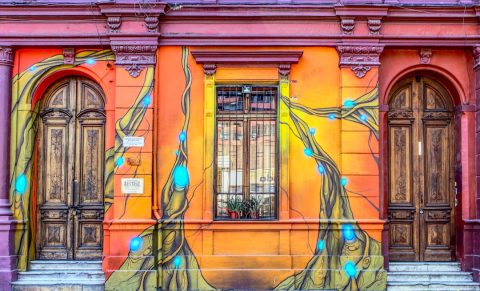
Guided walking tours exploring Santiago's vibrant street art scene, particularly in Bellavista and Barrio Brasil. Tours cover the city's graffiti history, artist profiles, and social movements reflected in street art. Learn from local street artists themselves on some tours. Photography opportunities abound with ever-changing murals and installations. Tours provide context for understanding Santiago's creative expression and urban culture. Tours support local artists and communities.
Tips for Tours & Activities
- Book cooking classes and wine tours in advance for availability
- Street art tours best done in morning when streets are active
- Wine tours typically depart 8-9 AM; plan accordingly
- Some activities require minimum fitness levels; clarify before booking
- Tours often include hotel pickups; confirm pickup locations and times
Nearby destinations offering diverse experiences from beaches to mountains within easy reach of Santiago
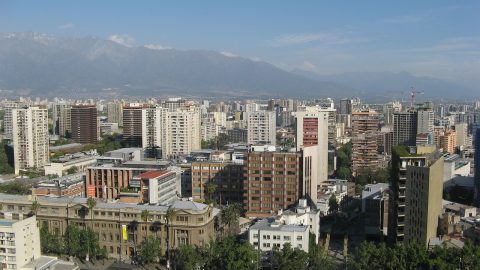
Coastal twin cities 120 km west of Santiago, featuring colorful hillside architecture, beaches, and seaside culture. Valparaíso captivates with narrow streets, street art, bohemian neighborhoods, and historic elevators (ascensores) providing transport up steep hills. Viña del Mar offers upscale beaches, the famous Flower Clock, luxury resorts, and casino. Both cities provide respite from Santiago's urban intensity with ocean breezes and different pace. Drive or take metro to Valparaíso station then bus/train to coast.
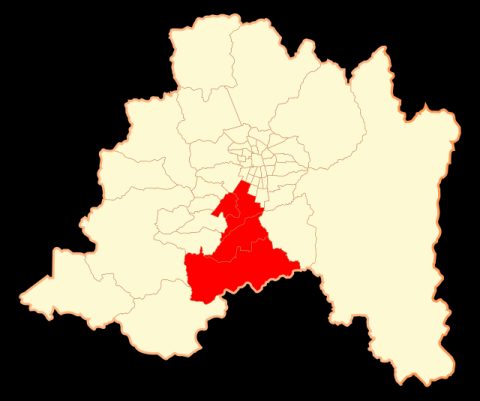
The birthplace of Chilean wine production just 40 km south of Santiago, featuring world-renowned vineyards and wineries. UNESCO World Heritage region known for exceptional Cabernet Sauvignon and Carmenere varietals. Full-day wine tours visit multiple estates with tastings, lunch, and educational sessions. The valley's Mediterranean climate and rich soil produce distinctive wines. Combine wine with traditional Chilean cuisine at vineyard restaurants. Tours accommodate all knowledge levels.
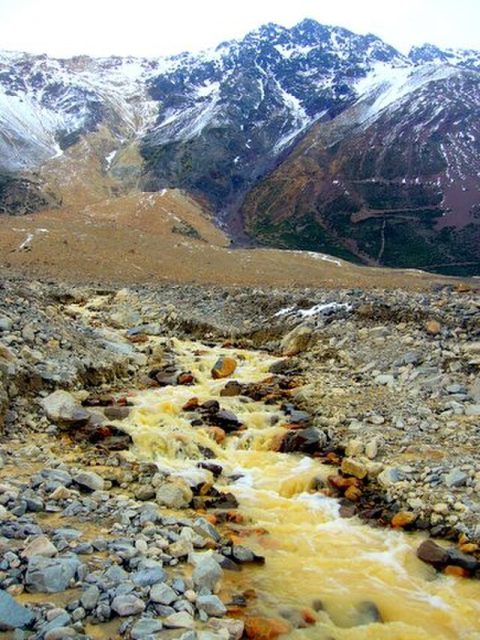
A dramatic mountain canyon 45 km south of Santiago featuring pristine natural scenery, outdoor activities, and local communities. The valley provides hiking, rock climbing, horseback riding, and river activities amid stunning Andean landscapes. Small towns like San José de Maipo offer artisanal crafts, local restaurants, and lodging. Popular activities include hot springs visits, mountain treks, and adventure sports. The canyon offers excellent photography opportunities with turquoise rivers and granite cliffs.
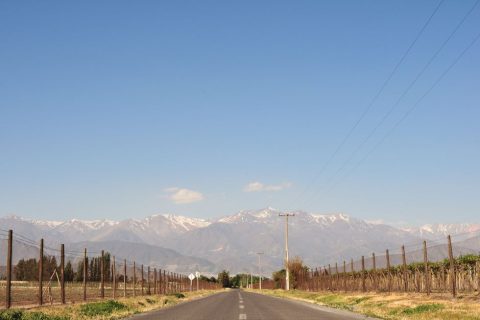
A scenic region 800 km south featuring pristine lakes, volcanic peaks, and mountainous terrain. Popular for hiking, skiing, and outdoor adventures. Towns like Pucón and Villarrica offer access to stunning natural areas. Full-day or multi-day trips available. Activities include hiking Villarrica volcano, kayaking in lakes, visiting thermal springs, and exploring native forests. Significantly cooler climate than Santiago valley. Winter months (June-September) offer skiing opportunities.
Tips for Day Trips & Excursions
- Valparaíso and Viña del Mar can be visited as same-day combination
- Wine valley tours typically depart early morning; dress comfortably for vineyard walking
- Cajon del Maipo is excellent for active travelers; wear proper hiking gear
- Lake District requires overnight accommodation; book hotels in advance
- Domestic flights or buses available for more distant destinations
Real, highly-rated Restaurants in Santiago, sourced from Google Places (rating above 4★).
Chilean Brunch is a highly-rated restaurant in Santiago, rated 4.8★ from 991 reviews. Located at Ernesto Pinto Lagarrigue 191, 8420496 Recoleta, Región Metropolitana, Chile.
Opening Hours
- Monday: 9:00 AM – 3:30 PM
- Tuesday: 9:00 AM – 3:30 PM
- Wednesday: 9:00 AM – 3:30 PM
- Thursday: 9:00 AM – 5:00 PM
- Friday: 9:00 AM – 3:30 PM
- Saturday: 9:00 AM – 3:30 PM
- Sunday: 9:00 AM – 3:30 PM
Casa Lastarria is a highly-rated restaurant in Santiago, rated 4.7★ from 4231 reviews. Located at José Victorino Lastarria 70, Loc 1, 8320152 Santiago, Región Metropolitana, Chile.
Opening Hours
- Monday: 1:00 – 10:00 PM
- Tuesday: 1:00 – 10:00 PM
- Wednesday: 1:00 – 11:00 PM
- Thursday: 1:00 – 11:30 PM
- Friday: 1:00 – 11:30 PM
- Saturday: 1:00 – 11:00 PM
- Sunday: 1:00 – 10:00 PM
La Cabrera Chile Isidora is a highly-rated restaurant in Santiago, rated 4.7★ from 3430 reviews. Located at Isidora Goyenechea 3275, 7550129 Las Condes, Región Metropolitana, Chile.
Opening Hours
- Monday: 12:30 – 11:00 PM
- Tuesday: 12:30 – 11:00 PM
- Wednesday: 12:30 – 11:00 PM
- Thursday: 12:30 – 11:00 PM
- Friday: 12:30 – 11:00 PM
- Saturday: 12:30 – 11:00 PM
- Sunday: 12:30 – 9:00 PM
Explore Santiago on the Map
Best Time to Visit Santiago
Ideal Months: October to April (spring and summer in Southern Hemisphere)
October-November (Spring): Pleasant temperatures 18-24°C, blooming flowers, longer daylight. Less crowded than peak summer.
December-February (Summer): Warm 25-30°C, perfect for outdoor activities and wine tastings. Peak tourist season with higher prices and crowded attractions. Heat can be intense; plan indoor activities for afternoons.
March-April (Autumn): Mild 20-25°C, beautiful colors, fewer tourists. Excellent weather for exploration without summer crowds.
Avoid May-August: Winter months (5-15°C) with frequent rain. Museums and indoor activities become priorities. Some outdoor attractions have reduced hours.
Special Consideration: September is spring transition month with variable weather but good for visiting before peak season crowds.
Getting Around Santiago
Metro System: The most efficient transport. 6 lines connect major areas. Purchase Bip! card (rechargeable transit card) for convenience. Cheap, reliable, and extensive network.
Buses: Extensive network covering entire city. Require Bip! card or exact change. More confusing than metro for tourists but covers areas metro doesn't.
Taxis: Yellow cabs with meters. Generally safe and affordable. Uber and Didi apps also available. Use official apps for reliable service.
Funicular Trains: Historic elevators (ascensores) in Cerro San Cristóbal for viewing panoramas. Included in some park passes.
Car Rental: Not essential for city exploration; parking difficult and expensive. Better for day trips to wine country or coastal areas.
Cycling: Bike lanes expanding. Bikesharing systems available but traffic challenging for inexperienced riders.
✈️ Airport Transfer
Comodoro Arturo Merino Benítez International Airport (SCL) to city center:
- Centropuerto Bus: Runs every 10-15 minutes to Los Héroes station in about 25-35 minutes, tickets around CLP 2,500
- TurBus Aeropuerto: Frequent service to the Pajaritos or Universidad de Chile stops in roughly 30 minutes, tickets around CLP 2,300
- Transvip Shared Van: Door-to-door shared transfer to city hotels in 30-45 minutes depending on stops, around CLP 12,000-15,000 per person
- Taxi: Official airport taxi at a fixed rate to downtown Santiago in about 25-35 minutes, roughly CLP 20,000-25,000
What to Buy & Where to Shop
Chilean Wine: World-class wines at excellent prices. Purchase at wine stores, supermarkets, or direct from wineries during valley tours. Popular varietals: Carmenere, Cabernet Sauvignon, Sauvignon Blanc. Check duty-free options at airport.
Handicrafts: Lapis lazuli jewelry and artifacts (Chilean semi-precious stone). Available in upscale shops, tourist markets, and artisanal galleries throughout the city. Verify authenticity as counterfeits exist.
Textiles & Clothing: Alpaca and wool garments reflect Chilean andean heritage. Barrio Brasil and Lastarria feature independent boutiques with designer pieces. Large shopping centers like Alto Las Condes and Parque Arauco offer international brands.
Markets: Central Market (La Central) for fresh produce, seafood, local products. Feria Artesanal in Parque Forestal for crafts and souvenirs. Street markets in neighborhoods offer authentic local goods.
Bargaining: Uncommon in stores; expected in street markets and feria. Negotiate politely for better prices on multiple items.
Shopping Centers: Mall-style shopping available but lacks authentic Santiago character.
Annual Events & Festivals
January-February: Festival of Santiago - Music, theater, and cultural performances throughout the city. Street performances and outdoor concerts.
March: Wine Harvest Festival (Vintage) - Celebrations in wine regions. Vineyard festivals, wine tastings, and traditional festivities.
April: National Book Day - Literary events, book fairs, author readings. Celebrations throughout cultural venues.
September 18-19: Chilean Independence Day (Fiestas Patrias) - Major national holiday with parades, concerts, food fairs, traditional dances. The city celebrates Chilean culture with street decorations and festivities.
October: International Film Festival - Premier cinema event. Documentary, short film, and feature screenings across theaters.
December: Summer Concert Season Begins - Outdoor concerts and music festivals in parks. International and local artists perform.
Year-round: Weekly Events - Street markets on weekends, farmers' markets, art exhibitions, theater productions, and cultural performances.
Sample Day Itineraries
Day 1: Historic Center & Civic Architecture - Morning: Plaza de Armas, Cathedral, La Moneda Palace tour. Lunch at traditional restaurant. Afternoon: Museo Chileno de Arte Precolombino, Parque Forestal stroll. Evening: Paseo Ahumada shopping, dinner in Centro.
Day 2: Art & Culture - Morning: Museo Nacional de Bellas Artes. Lunch in Lastarria neighborhood. Afternoon: Gallery hopping in Barrio Lastarria, street art exploration. Evening: Dinner and drinks in Bellavista's bohemian bars.
Day 3: Natural Wonders & Panoramas - Morning: Cerro San Cristóbal funicular ride, summit viewpoint, botanical gardens. Lunch at hilltop restaurant. Afternoon: Parque Metropolitano hiking trails, photography. Evening: Downtown dinner with city lights views.
Day 4: Neighborhoods & Local Life - Morning: Barrio Brasil exploration, local cafés, vintage shops. Lunch at neighborhood restaurant. Afternoon: La Chascona museum (Neruda's house) in Bellavista, street art tour. Evening: Live music venue, traditional Chilean food.
Day 5: Wine Valley Experience - Full-day wine tour including Maipo Valley vineyards, tastings, gourmet lunch, educational sessions. Return to Santiago evening. (Alternatively: Beach day to Valparaíso/Viña del Mar.)
Best Photography Locations
Cerro San Cristóbal Summit (Sunset): 5-6 PM golden hour provides stunning panoramic views of Santiago, snow-capped Andes, and dramatic sky. Bring wide-angle lens. Avoid midday harsh shadows.
Plaza de Armas (Morning): Early morning light illuminates Cathedral façade beautifully. Fewer crowds allow unobstructed shots. Clear mountain backdrop on bright days.
Parque Forestal (Afternoon): Tree-lined paths with natural framing. Botanical details and cultural buildings provide varied subjects. Best light: 3-5 PM.
Barrio Bellavista (Daytime): Colorful buildings, street art murals, narrow streets create vibrant street photography opportunities. Morning light is optimal; afternoon shadows more dramatic.
Barrio Lastarria Streets (Morning): Colonial architecture, gallery details, neighborhood character shine in soft morning light. Quiet streets before noon provide access to subjects.
La Moneda Palace (Daytime): Symmetric architecture photographs beautifully. Plaza de la Constitución offers perspective. Afternoon backlighting creates dramatic silhouettes.
Maipo Valley (Afternoon): Vineyard landscapes, mountains, and wine country scenery ideal for landscape photography. Golden hour (late afternoon) enhances warm tones.
Tip: Carry polarizing filter for intense Andean light. Tripod useful for sunrise/sunset compositions. Early mornings and late afternoons offer superior lighting throughout Santiago.
Electricity & Plugs
Voltage: 220 volts, 50 Hz (different from North America's 110V, 60Hz)
Plug Type: Chile primarily uses Type C (two round pins) and increasingly Type I (three flat angled pins). Type A (two flat parallel pins) common in some areas.
Adapters Required: North American/UK plugs incompatible. Purchase universal multi-adapter before arrival or in Santiago airports/electronics stores. Quality adapters prevent damage to devices.
Electronics Considerations: Transformers needed for dual-voltage devices (hair dryers, shavers, kettles). Most modern laptop chargers automatically handle 110-240V; verify before plugging in.
Power Reliability: Generally stable in city center. Occasional brownouts in outer neighborhoods. Use surge protectors for valuable electronics.
Charging Access: Hotels, airports, cafés, shopping centers widely offer USB and outlet charging. Most accommodation includes adequate outlets in rooms.
Must-Try Chilean Dishes & Dining
Ceviche: Fresh seafood marinated in citrus juice. Chile's signature dish, best at coastal cities but available in Santiago's upscale restaurants and seafood markets.
Empanadas: Pastry parcels filled with meat, cheese, or seafood. Street food staple available everywhere from vendors and bakeries. Different regional variations.
Pastel de Choclo: Corn pie with ground meat filling, covered with corn paste. Hearty traditional dish served in local restaurants. Vegetarian versions available.
Cazuela: Warm stew in earthenware bowl with meat/seafood, vegetables, and potatoes. Perfect for cooler months. Regional variations throughout Chile.
Completo: Chilean-style hot dog loaded with toppings: avocado, tomato, sauerkraut, mayo. Quintessential street food for budget meals.
Chilean Wine: Taste exceptional Carmenere, Cabernet Sauvignon, and Sauvignon Blanc varietals. Wine culture central to Chilean dining.
Dining Tips: Lunch (1-3 PM) is the main meal. Menu del día (lunch specials) offer excellent value at local restaurants. Dinner later (8-9 PM) is lighter. Tipping 10% standard at restaurants; not required but appreciated. Coffee culture strong; cafés everywhere.
Where to Eat: Centro Histórico for authentic cheap eats. Bellavista and Lastarria for trendy restaurants. Barrio Brasil for emerging food scene. Providencia neighborhood for upscale dining.
Tourist Passes
Bip! Transit Card
Essential for transport. Rechargeable card for metro, buses, and funicular railways. Purchase at metro stations or convenience stores. Load with credit for seamless navigation. Unlimited travel option available for multi-day passes (e.g., 3-day, 5-day). Significantly cheaper than daily tickets.
www.metro.clParque Metropolitano Pass
Access to Cerro San Cristóbal attractions. Includes funicular ride, cable car, botanical gardens, and recreational areas. Day pass affordable. Combination passes with restaurants and gift shops available. Multiple entrance options throughout the park system.
www.parquemetropolitano.clMuseum Combination Tickets
Purchase combined tickets for multiple museums at better rates than individual admission. Many museums offer discounts on consecutive visits within days. Student and senior discounts typically 50% off regular prices. Free admission on certain days/times; check individual museum websites for specifics.
www.mnba.cl