Things to do in Havana
Havana's iconic structures and monuments reflect centuries of history, from colonial fortresses to revolutionary landmarks that define the city's character.
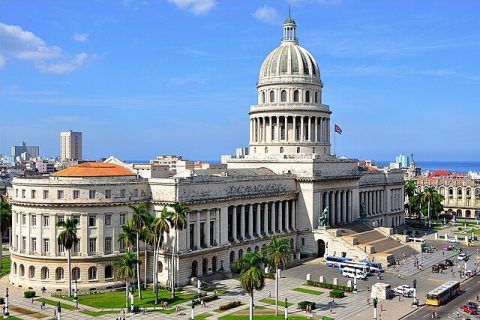
Havana's most iconic building, completed in 1929. This stunning neo-classical dome structure was inspired by the U.S. Capitol. Recently restored, it serves as the National Assembly. The 17-meter diamond on the floor marks the starting point of the Central Highway. Visitors can explore ornate interiors with marble staircases and historic chambers.
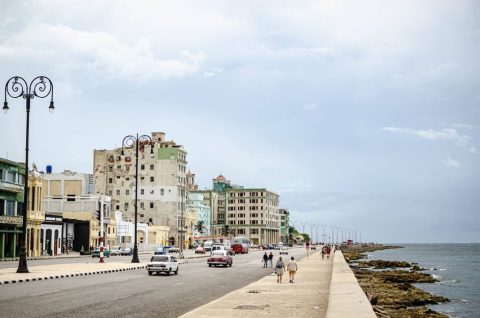
A 7-kilometer waterfront promenade stretching along the Caribbean Sea, offering stunning sunset views and street culture. Lined with colonial buildings, music venues, and local hangouts. Perfect for evening strolls, catching sea breezes, and experiencing authentic Havana life. Street musicians, dancers, and locals gather here day and night.
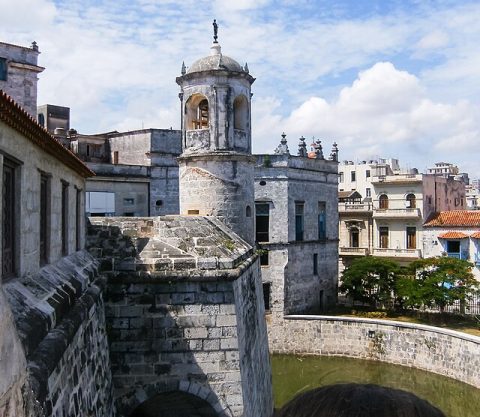
Built in 1577, this is the oldest fortress in the Americas and one of Havana's most impressive structures. The castle features a moat, museum exhibits, and a naval collection. Its tower provides panoramic views of the harbor. The bronze weather vane La Giraldilla is the symbol of Havana. Well-preserved architecture showcases colonial military engineering.
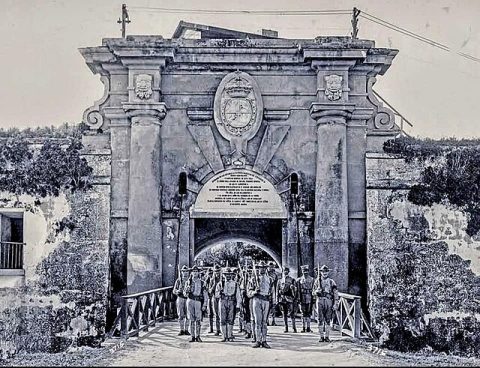
A massive 18th-century fortress across the harbor, one of the largest in the Americas. Built to protect against pirate attacks, it features thick stone walls, ramparts, and cannons. The fortress hosts evening "Cañonazo" ceremony with period-costumed soldiers firing cannons at sunset, reenacting a tradition from 1762. Museums display weapons and documents.
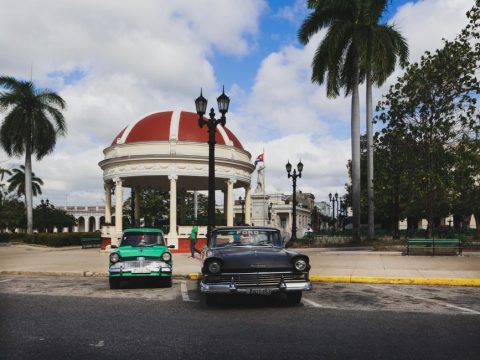
A towering 139-meter white marble monument to Cuba's national hero. Located in Revolution Square, the memorial includes a museum dedicated to Martí's life and independence struggle. An elevator ascends to an observation deck offering 360-degree city views. The square hosts major state events and gatherings.
Tips for Landmarks & Monuments
- Visit El Capitolio early morning to avoid crowds
- Walk the Malecón at sunset for spectacular views and fewer tourists
- Book the Cañonazo ceremony in advance during peak season
- Combine fortress visits with a ferry ride across the harbor
- Hire a guide to understand the historical significance better
Havana's museums showcase Cuban art, history, and culture across colonial mansions and modern institutions, featuring everything from revolutionary artifacts to contemporary installations.
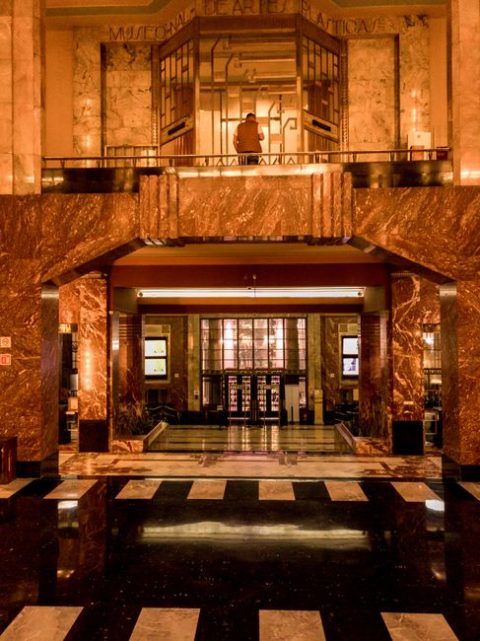
Cuba's premier art museum with two buildings: one dedicated to Cuban art from the 18th century to present, the other featuring international works. Houses exceptional collections of paintings, sculptures, and decorative arts. The Cuban building is housed in a stunning 1927 neoclassical structure. Galleries showcase revolutionary art, contemporary installations, and colonial-era paintings.
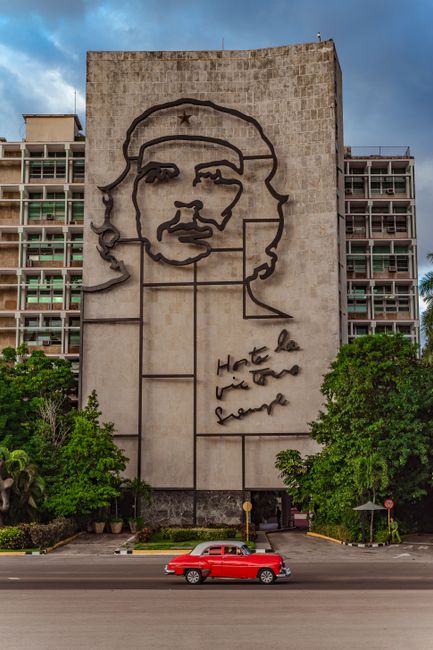
Housed in the former Presidential Palace, this museum chronicles Cuba's revolutionary history from 1930 onward. Displays include weapons, personal effects of revolutionaries, photographs, and documents. The building itself is architecturally significant with ornate interiors and marble halls. Rooftop with cannons and period vehicles offers views and historical context of the revolution.
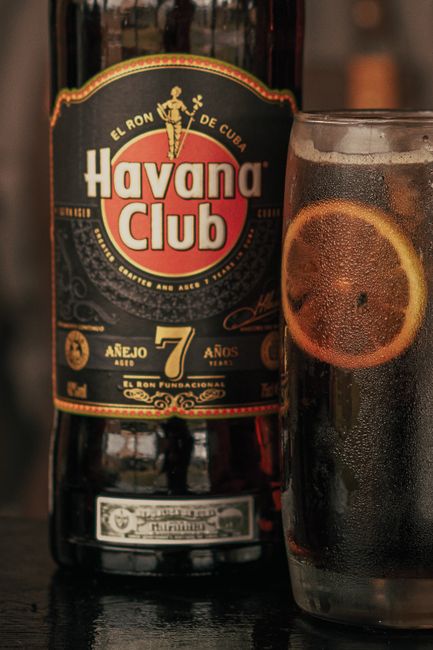
Dedicated to Cuban rum history and production in a beautifully restored colonial building. Exhibits trace rum from sugarcane to bottle with interactive displays. Includes original stills, vintage bottles, and historical documents spanning four centuries. Tasting room offers samples of different Havana Club varieties. Bar serves classic Cuban mojitos and daiquiris.
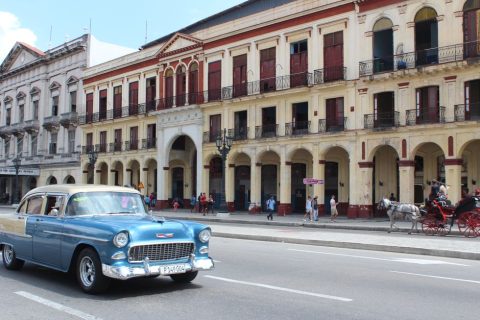
The City Museum occupies the palatial former residence of Spanish captains-general in Old Havana. Exhibits document the city's urban development, architecture, and social history. Beautiful colonial architecture with courtyards, fountains, and period furnishings. Collections include maps, photographs, furniture, and artifacts telling Havana's evolution from colonial outpost to modern capital.
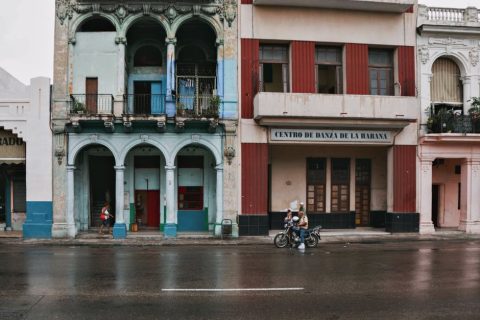
An experimental printmaking workshop in a colonial building featuring contemporary Cuban printmaking and fine art. Artists work in the studio visible to visitors, demonstrating techniques in engraving, lithography, and silk-screening. Shop sells affordable original prints by Cuban artists. Intimate setting showcasing cutting-edge Caribbean art.
Tips for Museums & Galleries
- Museum hours vary; confirm before visiting
- Buy combined tickets for Bellas Artes' two buildings to save money
- Rum museum tastings add cost but are worthwhile
- Photography may be restricted in some museums
- English guides available but should be pre-arranged
Havana's spiritual landmarks reflect colonial Catholic heritage and cultural traditions, from majestic cathedrals to neighborhood churches adorned with history and religious significance.
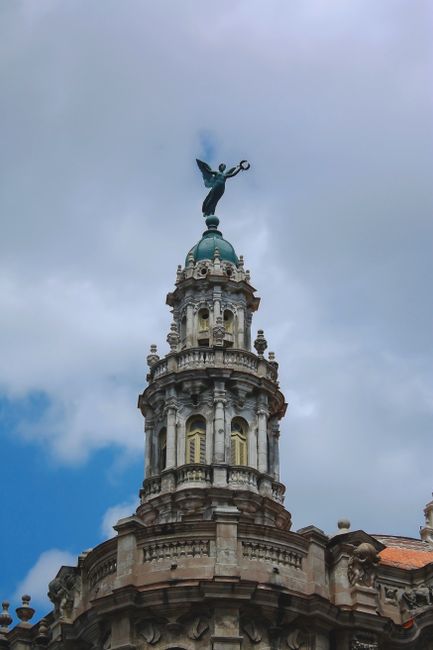
Built between 1748 and 1777, this stunning Baroque cathedral dominates Old Havana's main plaza. Asymmetrical twin bell towers and ornate façade showcase Spanish colonial architecture. Interior features marble columns, religious artwork, and historically significant altars. Officially declared a basilica, it remains an active place of worship and cultural monument. Recent restoration showcases architectural brilliance.
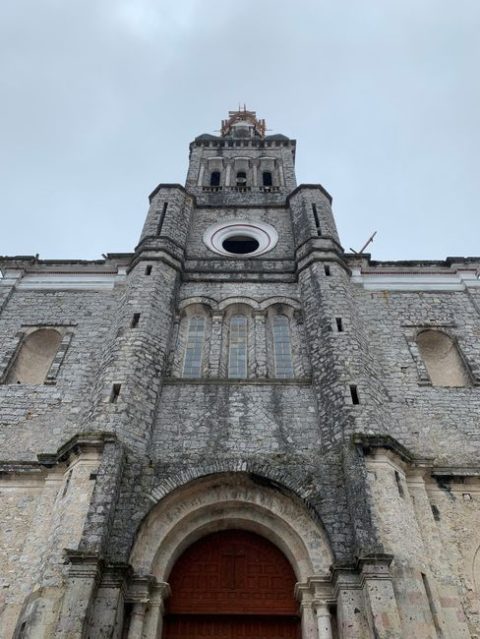
This 18th-century Baroque church features a magnificent 43-meter bell tower, one of Havana's most recognizable structures. The interior houses religious artwork and sculptures from colonial times. Originally a Franciscan monastery, it now serves as a concert venue and museum. Climb the bell tower for panoramic views of Old Havana and the harbor. Exceptional architecture and historical importance.
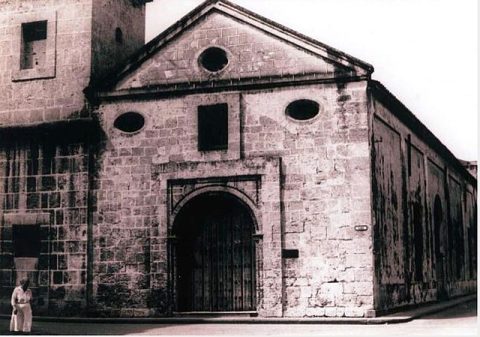
Havana's oldest church, built in 1638, located in Old Havana. Features a Gothic-arched wooden ceiling and centuries-old wooden statues. This historic temple has survived multiple fires and pirate attacks. Rich interior with religious artwork and colonial religious artifacts. Working parish church still hosting services alongside tourist visits. Peaceful refuge from busy streets.
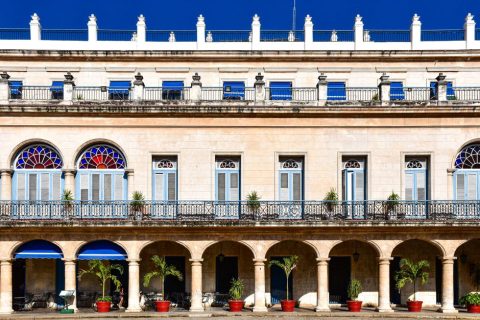
A colonial convent built in 1643, now restored as a cultural center and museum. The peaceful cloister with arcaded galleries surrounds a central courtyard with fountain and plants. Displays include religious art, colonial-era furnishings, and architectural elements. Recent renovation preserved original structure while adding modern exhibition space. Escape from city noise in contemplative atmosphere.
Tips for Religious Sites
- Visit churches early morning for peaceful atmosphere
- Dress respectfully with covered shoulders and knees
- Many churches request donation or modest entrance fee
- Avoid visiting during Mass times unless attending
- Photography may be restricted during services
Havana's distinct neighborhoods each offer unique charm, from the UNESCO-protected Old Town with colonial streets to Vedado's elegant buildings and revolutionary monuments.
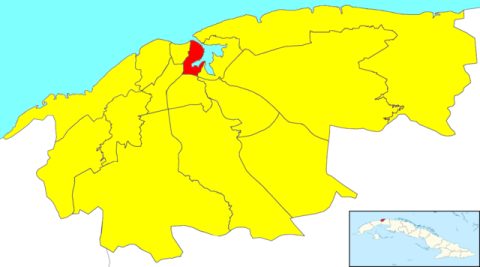
UNESCO World Heritage Site featuring centuries-old Spanish colonial architecture within preserved city walls. Narrow cobblestone streets wind through plazas, courtyards, and restored palaces now housing museums, restaurants, and galleries. Major plazas include Plaza de la Catedral, Plaza de Armas, and Plaza Vieja with period fountains. Authentic atmosphere with local life, street musicians, and colonial splendor preserved.
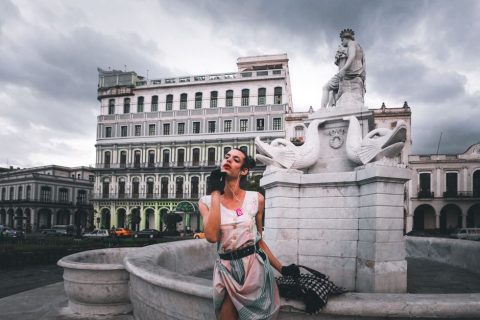
Havana's oldest plaza, surrounded by historic buildings and colonial architecture from the 16th-18th centuries. Features the Palacio de los Capitanes Generales on one side, housing the City Museum. Antique book stalls line the plaza's edges, creating open-air literary market. Tree-canopied squares provide respite from heat. Cafés and restaurants circle the plaza. Hub of Old Havana activity and history.
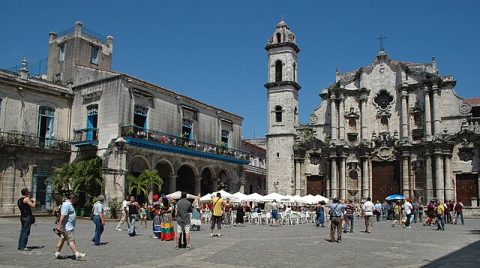
Havana's most picturesque plaza, completely surrounded by colonial architecture forming a harmonious ensemble. The Cathedral dominates the north side with its distinctive asymmetrical bell towers. Former residences of Spanish nobility frame the plaza's sides. Cafés, galleries, and restaurants occupy ground floors. Atmospheric evening gatherings with street performers. Exemplary Spanish colonial urban planning.
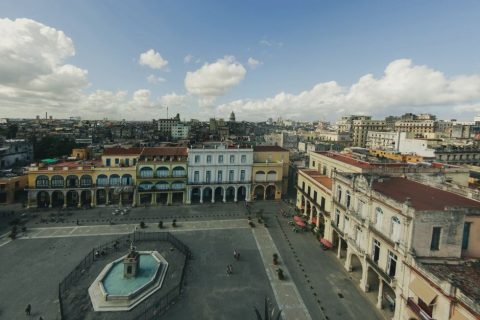
Havana's most modern neighborhood featuring early 20th-century art deco and neoclassical buildings. Tree-lined avenues with elegant mansions and cultural institutions. Home to University of Havana, museums, theaters, and galleries. Fewer tourists than Old Havana offering authentic local experience. Parks, cafés, and restaurants showcase contemporary Cuban culture. Progressive neighborhood reflecting Havana's modernization.
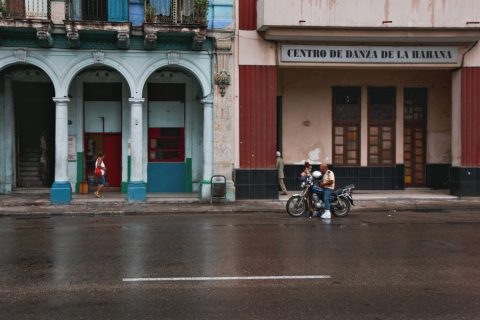
The bustling commercial heart of Havana, dense with street vendors, markets, and urban energy. Home to historic shopping street Calle Obispo with shops and cafés. Contrasts with Old Havana's tourism with authentic working-class neighborhood atmosphere. Markets, street food, local transportation hubs. Experience real Havana life away from tourist zones. Vibrant but crowded district requiring street awareness.
Tips for Neighborhoods & Districts
- Explore Old Havana on foot; cars less practical on narrow streets
- Visit early morning or late afternoon to avoid heat and crowds
- Carry small bills for cafés and street vendors
- Be aware of pickpockets in crowded areas
- Hire a local guide to understand neighborhood histories deeper
Havana's green spaces offer respite from urban bustle with botanical gardens, tree-lined parks, and peaceful retreats showcasing tropical flora and local recreation.
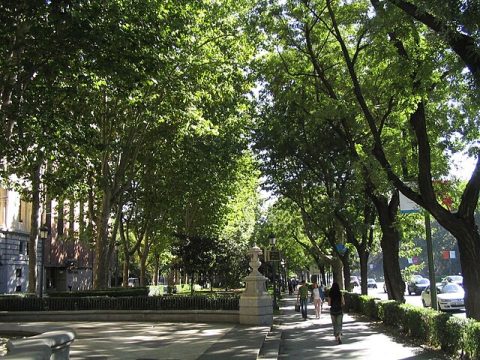
Historic tree-lined promenade stretching from Revolution Square to the Malecón, lined with benches, sculptures, and colonial buildings. Recently restored to original grandeur with marble paving and decorative iron railings. Popular evening strolling destination with street performers and local vendors. Connects Old Havana to waterfront. Pedestrian-only boulevard showcasing urban design and architectural heritage.
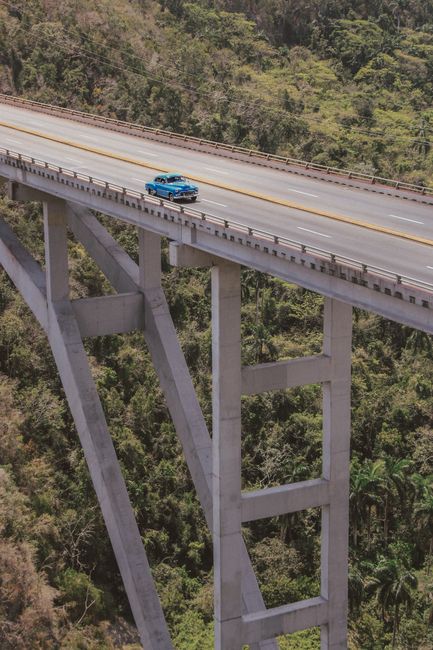
One of Havana's largest urban parks featuring extensive green spaces, tree-lined pathways, and recreational facilities. Multiple entrance points with different attractions including sculptures, water features, and open meadows. Popular with locals for jogging, cycling, and family outings. Large enough to escape crowds and enjoy nature. Free access with clean bathrooms and drinking fountains throughout.
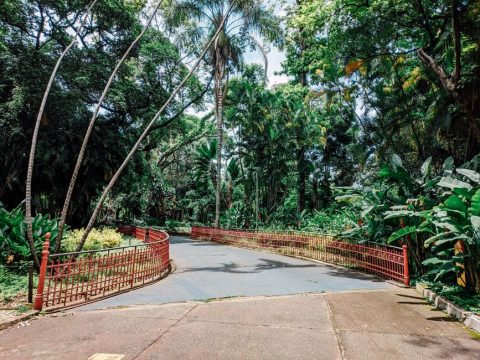
National Botanical Garden spanning 600 acres showcasing tropical and subtropical plants organized by geographic region. Extensive collection includes palms, orchids, cacti, and medicinal plants with informative labels. Beautiful landscaping with lakes, sculptures, and walking paths. Tram tours available for extended exploration. Peaceful environment perfect for photography and nature appreciation. Educational experience learning Cuban flora biodiversity.
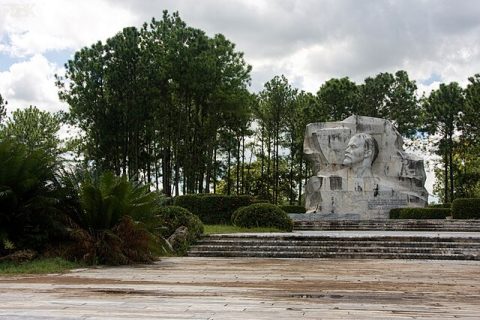
Large recreational park on Havana's outskirts featuring extensive green areas, lake for boating, and family facilities. Multiple attractions including aquarium, cultural performances, and restaurant facilities. Popular weekend destination for locals with picnic areas and children's attractions. Less touristy than central parks offering authentic local atmosphere. Beautiful landscape and opportunities for leisurely exploration.
Tips for Parks & Gardens
- Visit parks early morning or late afternoon for cooler temperatures
- Bring sun protection and water for outdoor exploration
- Botanical Garden is best visited with tram tour
- Parks are popular family destinations on weekends
- Paseo del Prado is particularly beautiful at sunset
Experience Havana's vibrant culture through guided tours, performances, classes, and immersive experiences showcasing music, dance, history, and local traditions.

Visit working factories to observe traditional Cuban rum production and hand-rolled cigar manufacturing. Knowledgeable guides explain centuries-old processes from sugarcane to finished products. Watch skilled workers rolling cigars by hand in historic factories. Rum distillery tours include tastings of various aged varieties. Factory shops offer purchases at better prices than tourist stores. Educational experience supporting local industry.
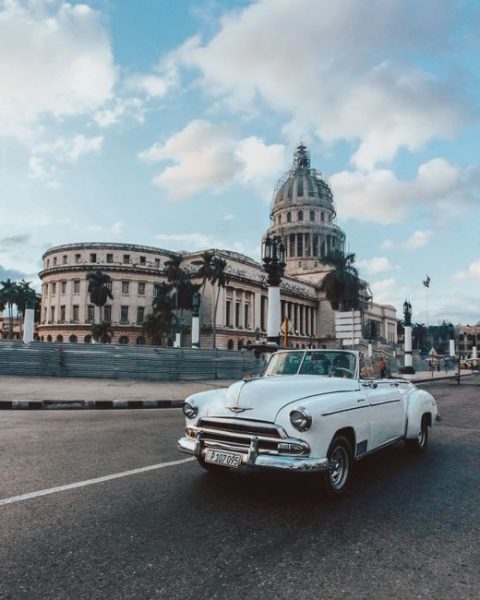
Ride in iconic 1950s American convertible cars iconic to Cuban streets since the embargo. Tour operators provide themed tours visiting specific neighborhoods and attractions. Experienced drivers share stories and historical context. Perfect photo opportunity with colorful vintage vehicles. Available in open-air convertibles for immersive experience. Romance and nostalgia of Old Cuba combined with modern tourism convenience.
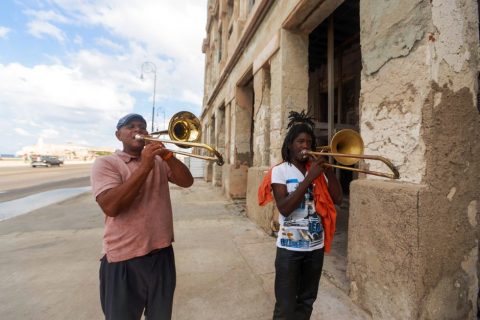
Evening shows featuring traditional Cuban music, dance, and performances at theaters and cultural centers. Venues range from small intimate clubs to large theaters. Performances include salsa, ballet, contemporary Cuban dance, and live music orchestras. Dinner and drink packages available. Authentic cultural experience showcasing Cuban artistic talents. Performances often run late reflecting Cuban nightlife culture.
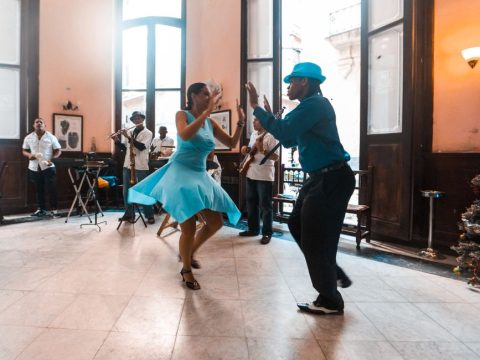
Learn authentic salsa from professional Cuban dancers in street studios or tourist-friendly academies. Private or group lessons available at various skill levels from beginners to advanced. Lessons often include cultural context and music history. Evening dance performances showcase professional dancers. Perfect way to engage with Cuba's most famous musical export. Social dancing creates connections with local culture and people.
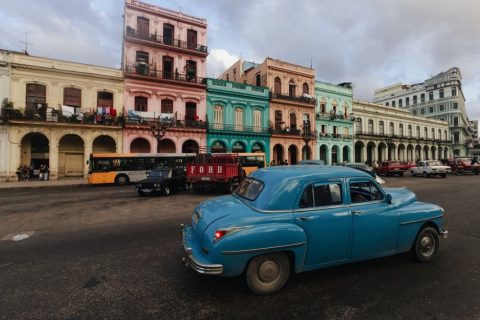
Professional photography guides lead tours through most photogenic neighborhoods and locations. Knowledgeable photographers teach composition, light, and timing for optimal shots. Visits to cultural events, street markets, and architectural gems with expert guidance. Access to areas tourists rarely visit accompanied by professional. Sessions include both walking tours and in-depth training for equipment and technique improvement.
Tips for Tours & Activities
- Book tours and activities in advance during peak season
- Compare official and private tour operators for value
- Morning tours avoid heat while afternoon tours include sunset views
- Bring cash for tipping guides and performers
- Ask locals for current performance venues and timing
Explore destinations beyond Havana including pristine beaches, nature reserves, and colonial towns showcasing Cuba's diverse landscapes and attractions within easy reach.
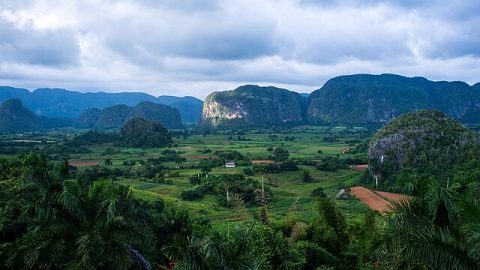
Scenic mountain valley located 180 kilometers southwest featuring distinctive limestone rock formations called mogotes rising dramatically from agricultural fields. UNESCO World Heritage Site famous for tobacco plantations, caves, and rural landscape beauty. Small town of Viñales offers guesthouses, restaurants, and tour operators. Horseback riding, hiking, and cave tours available. Overnight visits recommended to experience authentic countryside and sunset views.
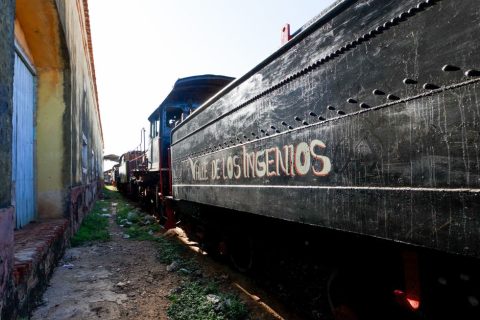
Colonial town 260 kilometers southeast perfectly preserved from 18th-19th centuries, featuring cobblestone streets and pastel-colored buildings. UNESCO World Heritage Site with multiple museums, galleries, and restaurants in restored mansions. Nearby Valle de los Ingenios showcases historic sugar plantations and mills. Beach access at nearby Playa Ancón. Overnight stay recommended for full exploration. Authentic colonial atmosphere and Caribbean charm distinct from Havana.
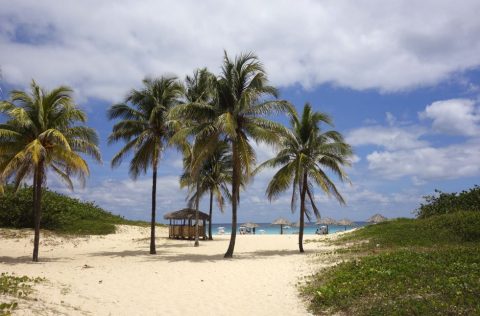
Beautiful nearby beaches just 25 kilometers east of Havana featuring soft sand, clear turquoise waters, and resort facilities. Multiple beaches including Playa Megano, Playa Santa Maria, and Playas del Este. Perfect for swimming, snorkeling, and water sports. Beach restaurants and bars serve fresh seafood and tropical drinks. Less crowded than city beaches offering more relaxation. Easy day trip from central Havana via taxi or organized tours.
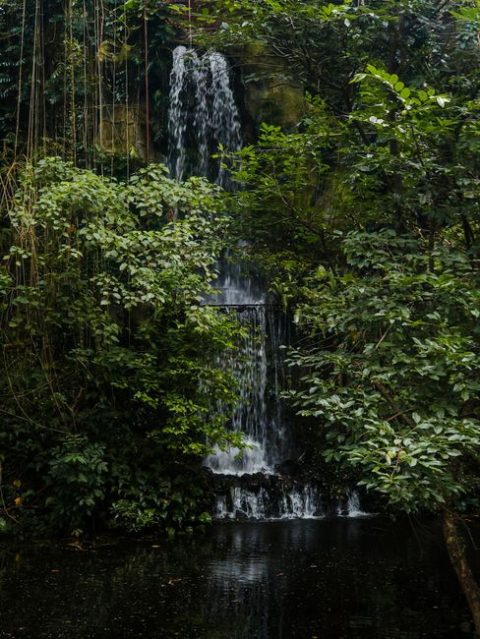
Lush mountain area 90 kilometers southwest featuring a picturesque 22-meter waterfall and botanical gardens in the El Rosario Valley. Waterfall cascades into natural pool perfect for swimming. Surrounding mountains provide scenic hiking trails through forest. Villa Soroa nearby offers accommodations and organized activities. Orchid gardens showcase tropical flowers. One of Cuba's most beautiful natural areas combining water features, flora, and mountain scenery.
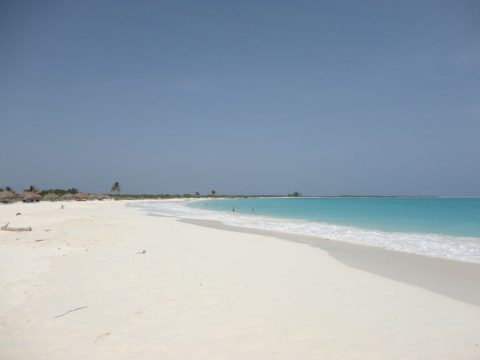
One of Cuba's best beaches 420 kilometers southeast featuring pristine white sand, crystal-clear water, and all-inclusive resort facilities. Exceptional snorkeling and diving with healthy coral reefs and marine life. Beach bars and water sports available. Multiple all-inclusive resorts cater to various budgets. Ideal for relaxation and beach time. Accessible via flights from Havana (2.5 hours) or longer car/bus journey. Paradise island experience contrasting with urban Havana.
Tips for Day Trips & Excursions
- Book transportation and hotels in advance for popular destinations
- Viñales and Trinidad worthy of overnight trips for full experience
- Beach trips require sun protection and water safety precautions
- Organized tours often include transportation and guide services
- Rent a car with driver for flexibility exploring multiple destinations
Havana's plazas and streets feature artistic installations, decorative fountains, and sculptures reflecting colonial heritage and contemporary Cuban artistic expression.
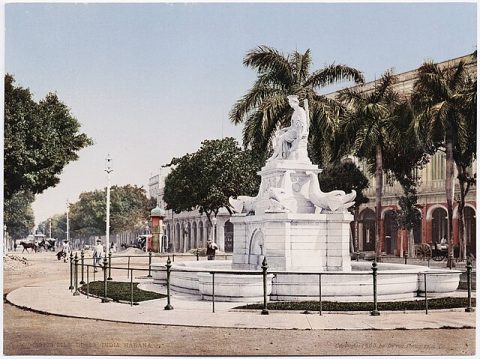
Iconic marble fountain completed in 1837 located in Plaza de la Catedral, symbolizing Havana itself. Sculpted marble maiden representing the wealth and beauty of Cuba. One of Havana's most famous artistic landmarks appearing in countless photographs and paintings. Beautifully restored in recent years to original grandeur. Historic and artistic significance as architectural crown jewel of colonial Havana.
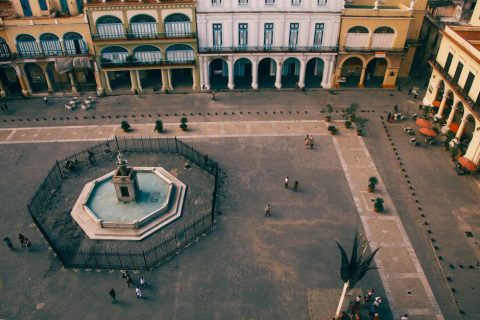
Restored colonial plaza featuring central fountain surrounded by galleries and arcades dating from the 1700s-1800s. Underground cistern beneath plaza historically provided water to city. Fountain symbolizes the plaza's historical importance as marketplace and gathering point. Colorfully restored buildings frame plaza with restored arcades housing restaurants, galleries, and shops. Evening illumination creates magical atmosphere. Historic urban center showcasing colonial architecture preservation.
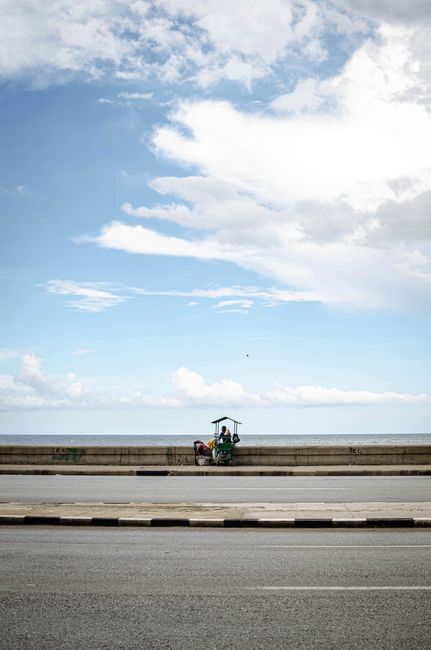
The waterfront promenade features contemporary Cuban sculptures and public art installations reflecting modern artistic vision. Statues of historical figures, abstract forms, and social commentary artwork dot the boulevard. Street murals and installations appear throughout waterfront. Combination of revolutionary monuments and contemporary installations creates artistic dialogue between past and present. Walking the Malecon offers continuous artistic encounters.
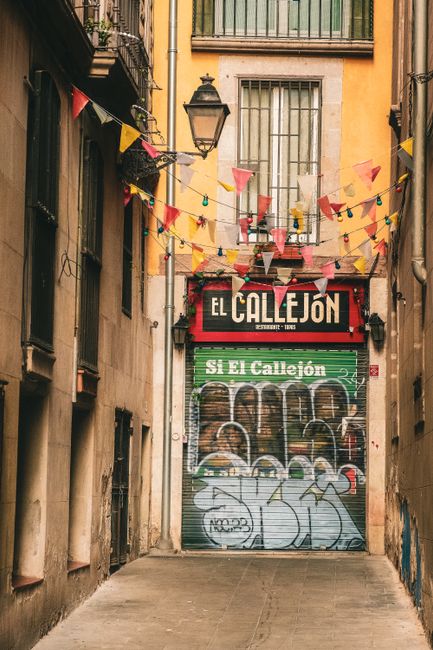
Colorful alley in Centro Havana completely covered in vibrant murals, sculptures, and street art celebrating Afro-Cuban culture and artistic freedom. Narrow passageway features every surface in artistic expression from talented local artists. Street musicians perform in alley creating artistic and musical experience. Small galleries and shops showcase local art. Living gallery representing contemporary Cuban creative spirit and cultural expression.
Tips for Fountains & Public Art
- Plaza fountains are most beautiful at sunset with lighting
- Bring camera for exceptional photography opportunities
- Street art in Callejon de Hamel changes seasonally
- Best light for photography is early morning or golden hour
- Support local artists by purchasing works directly
Real, highly-rated Restaurants in Havana, sourced from Google Places (rating above 4★).
Los Mercaderes is a highly-rated restaurant in Havana, rated 4.8★ from 1003 reviews. Located at 207 Mercaderes, La Habana, Cuba.
Opening Hours
- Monday: 12:00 – 11:00 PM
- Tuesday: 12:00 – 11:00 PM
- Wednesday: 12:00 – 11:00 PM
- Thursday: 12:00 – 11:00 PM
- Friday: 12:00 – 11:00 PM
- Saturday: 12:00 – 11:00 PM
- Sunday: 12:00 – 11:00 PM
Esto no es un café is a highly-rated restaurant in Havana, rated 4.8★ from 254 reviews. Located at 58A Callejon del Chorro, La Habana, Cuba.
Opening Hours
- Monday: 8:00 AM – 10:00 PM
- Tuesday: 8:00 AM – 10:00 PM
- Wednesday: 8:00 AM – 10:00 PM
- Thursday: 8:00 AM – 10:00 PM
- Friday: 8:00 AM – 10:00 PM
- Saturday: 8:00 AM – 10:00 PM
- Sunday: 8:00 AM – 10:00 PM
Adastra Bar-Restaurant is a highly-rated restaurant in Havana, rated 4.8★ from 134 reviews. Located at 255 Obispo, La Habana, Cuba.
Opening Hours
- Monday: 12:00 PM – 12:00 AM
- Tuesday: 12:00 PM – 12:00 AM
- Wednesday: 12:00 PM – 12:00 AM
- Thursday: 12:00 PM – 12:00 AM
- Friday: 12:00 PM – 12:00 AM
- Saturday: 12:00 PM – 12:00 AM
- Sunday: 12:00 PM – 12:00 AM
Explore Havana on the Map
Best Time to Visit
Ideal Season: November to April when temperatures are pleasant (24-27°C) and humidity lower. This is peak tourist season with clear skies and comfortable weather perfect for exploration.
Hurricane Season: June to November brings increased rainfall and hurricane risk. September-October peak hurricane season sees reduced tourism and lower prices, but requires weather monitoring.
Summer (May-September): Hot and humid with afternoon thunderstorms common. Fewer tourists offering authentic experience. Accommodation prices significantly reduced but travel comfort compromised.
Dry Season December-April: Optimal for outdoor activities with sunshine and lower humidity. Peak prices but best conditions for sightseeing and water activities.
| Month | Temperature (°C) | Humidity | Rain |
|---|---|---|---|
| January | 25-27 | Low | Low |
| April | 28-30 | Moderate | Low |
| July | 30-32 | High | Moderate |
| October | 28-29 | High | High |
Getting Around Havana
Taxis: Metered yellow taxis widely available but negotiate fares beforehand. Uber available in Havana. Private taxi apps Habicab and Havana Taxi reliable for prearranged service. Taxis to/from airport cost approximately 25 CUP.
Public Buses (Guaguas): Cheap local buses crowded with Cubans. Routes not always clear to tourists. Tokens purchased at kiosks. Adventurous travelers enjoy authentic experience. Collectivos (shared minibuses) operate fixed routes, more comfortable than guaguas.
Bicycles & Mopeds: Rental available throughout city. Bicycle taxis (bicitaxis) offer pedal-powered transport through narrow streets perfect for tourists. Cheap and fun way to experience neighborhoods.
Classic American Car Tours: 1950s convertible cars iconic to Cuban streets offer memorable transport with experienced drivers and historical commentary.
Horse-Drawn Carriages: Available in Old Havana for romantic transport between plazas and attractions. Negotiate prices before riding.
Organized Tours: Hop-on-hop-off buses, guided walking tours, and private car services available through hotels and tour operators. Convenient for comprehensive city exploration.
✈️ Airport Transfer
José Martí International Airport (HAV) to city center:
- Taxi: Official state taxi to Havana Vedado or Centro Habana takes about 25 minutes and costs around 25-30 CUC, agreed in advance with the driver
- Private transfer: Pre-booked classic car or van transfer to Old Havana takes roughly 20-30 minutes and costs about 30-40 CUC depending on vehicle type
- Shared shuttle van: Colectivo shared minivan to central hotels takes around 30-40 minutes with multiple stops and costs about 10-15 CUC per person
- Public bus: Route P16 city bus reaches central Havana in about 45-60 minutes for a few Cuban pesos, though luggage space is very limited
Shopping & Souvenirs
What to Buy: Cuban cigars (purchased only from official shops), rum (Havana Club premium varieties), coffee, art by local artists, vintage posters, handmade crafts, and local music CDs.
Shopping Districts: Calle Obispo in Centro Havana bustling shopping street with shops and cafés. Old Havana streets feature art galleries, souvenir shops, and boutiques. Vedado has modern shopping centers and boutique galleries.
Markets: Ferias de Artesania (craft markets) in Plaza de Armas and Malecón sell souvenirs, crafts, and local art. Bargaining expected. Street vendors throughout tourist areas sell paintings, handicrafts, and cigars.
Bargaining: Expected in street markets and with individual vendors. Prices in shops are fixed. Polite negotiation often yields discounts, especially for multiple purchases or off-season visits.
Important Notes: Verify cigars are authentic Cuban from official sources. Rum purchases limited by customs regulations when traveling. Avoid purchasing items from endangered species. Buy directly from artists to ensure authenticity and fair compensation.
Shop Hours: Most shops open 9am-6pm. Hours irregular in smaller shops. Some shops close Sundays. Check during siesta hours (1pm-3pm) reduced availability.
Annual Celebrations & Festivals
New Year's Day (January 1): National holiday celebrating Triumph of the Revolution. Political gatherings in Revolution Square with parades and speeches.
International Festival of New Latin American Cinema (December): Prestigious film festival featuring Cuban and international cinema. Screenings throughout city. Major cultural event attracting industry professionals and cinephiles.
Carnival (February/March): Though smaller than Caribbean versions, Havana celebrates with street parades, music, dancing, and colorful costumes primarily in February. Street parties especially on Malecón.
May Day (May 1): International workers' day with large government-organized parades and gatherings in Revolution Square. Patriotic celebrations with speeches and military displays.
Biennale of Contemporary Art (odd years): Important contemporary art exhibition featuring Cuban and international artists. Exhibitions throughout city museums and galleries. Highlights of Cuba's contemporary artistic scene.
International Ballet Festival (November, odd years): Prestigious ballet festival featuring Cuban National Ballet and international companies. Performances in major theaters. Showcases Cuba's renowned ballet tradition.
Summer Music Festivals: Various music festivals throughout summer months featuring live performances of son, salsa, and Cuban music. Venues throughout city with outdoor concerts common.
Suggested Day Itineraries
Day 1: Colonial Heritage & Monuments
Morning: Stroll through Plaza de la Catedral admiring Baroque cathedral and fountain. Explore nearby narrow streets and galleries of Old Havana.
Lunch: Eat at outdoor café in Plaza de la Catedral enjoying ambiance and colonial architecture.
Afternoon: Visit Castillo de la Real Fuerza exploring fortress and observing harbor. Tour Museum of the City in former governors palace.
Evening: Watch sunset from Malecón boardwalk. Dinner at seafood restaurant along waterfront. Stroll evening Paseo del Prado.
Day 2: Museums & Culture
Morning: Visit National Museum of Fine Arts exploring Cuban art collections. Tour revolutionary art and colonial periods.
Midday: Lunch at Vedado district café away from tourist crowds.
Afternoon: Explore Vedado neighborhood architecture and University campus. Visit contemporary art galleries in historic mansions.
Evening: Enjoy Cuban performance show with dinner and drinks at cultural venue. Experience live salsa music and traditional entertainment.
Day 3: History & Revolutionary Sites
Morning: Visit Museum of the Revolution in former Presidential Palace exploring Cuban history since 1930.
Lunch: Try local Cuban cuisine at traditional restaurant outside tourist areas.
Afternoon: Visit Monumento de Jose Marti with observation deck for panoramic city views. Explore Revolution Square and government buildings.
Evening: Tour Fortaleza de San Carlos de la Cabaña across harbor with Cañonazo ceremony at sunset. Return by ferry for spectacular sunset views from water.
Day 4: Nature & Recreation
Morning: Visit Jardín Botánico Nacional taking guided tram tour through tropical gardens learning plant species.
Lunch: Picnic lunch within botanical gardens or nearby café.
Afternoon: Explore Parque Metropolitano on foot or bicycle enjoying green spaces and escaping urban center.
Evening: Relax at beach near Havana or return to Malecón for sunset. Casual dining at casual neighborhood restaurant.
Day 5: Local Experiences & Off-Beaten Paths
Morning: Browse Callejón de Hamel street art alley in Centro Havana exploring colorful murals and galleries.
Late Morning: Visit Havana Club Rum Museum learning rum production history and tasting varieties.
Lunch: Try authentic local food at street cafés away from tourist zones.
Afternoon: Browse antique markets in Plaza de Armas or visit smaller neighborhood museums.
Evening: Dinner at private paladar (home restaurant) for authentic family-cooked Cuban meals. Experience local entertainment and hospitality.
Best Photography Locations & Tips
Golden Hour Photography (6am-8am, 4pm-6pm): Soft warm light transforms colonial streets and waterfront. Plaza de la Catedral magical at sunrise with empty streets. Malecón stunning at sunset with warm light on vintage buildings and water.
Top Photography Locations:
Plaza de la Catedral - Asymmetrical cathedral towers, colonial arcades, fountain. Best early morning (7am-9am) before crowds. Evening (5pm-7pm) with warm light and street performers.
Malecón Boardwalk - Colorful vintage cars, crashing waves, sunset views. Classic Havana image. Avoid midday harsh shadows. Evening gatherings create vibrant street scenes.
Old Havana Streets - Narrow cobblestone streets, colonial architecture, street life. Early morning captures authentic neighborhood before tourists arrive. Colorful building facades ideal subjects.
Callejón de Hamel - Vibrant street art covering all surfaces. Bright colors pop even in bright daylight. Street musicians and performers add life. Best midday (11am-2pm) for even light on murals.
Paseo del Prado - Tree-lined promenade with sculptures and architectural gems. Evening strolling crowds create vibrant street photography. Warm light on restored marble paving and buildings.
Revolution Square at Dawn - Empty plaza with iconic monuments before crowds. Monument beautifully lit early morning. Monumento de Jose Marti tower dramatic light.
Classic Car Photography - Vintage American cars abundant throughout streets. Best captured with colorful buildings as backdrop. Early morning or golden hour ideal. Organized car tours provide multiple car shooting opportunities.
Technical Tips: Bring ND filters for waterfront photography reducing bright tropical sunlight. Polarizing filter enhances sky and reduces reflections. Fast shutter to freeze street motion. RAW format preserves detail in harsh Caribbean light. Backup batteries essential for tropical heat affecting battery life.
Electricity & Power Supply
Voltage: Cuba operates on 110V, 60Hz electrical system standard in North America. Some older buildings may have both 110V and 220V systems.
Outlet Types: Primarily Type A plugs (two flat parallel blades) matching US standard, with some Type B sockets (two flat blades plus round ground pin) in newer installations.
Adapters & Converters: US and Canadian travelers often need no adapter as outlets match home plugs. European travelers (220V countries) need step-down voltage converter and plug adapter for 110V operation. Adapters available at airport, hotels, and electronic shops.
Power Reliability: Power outages common throughout island during peak usage times and hurricane season. Many hotels and businesses have backup generators. Carry power banks for phone and electronic devices. Avoid depending on electrical appliances during vulnerable periods.
Charging Stations: Hotels provide outlets for charging but access limited in streets. Bring multiple charging cables and power banks. Some public areas and restaurants may provide charging access for customers.
Purchase Recommendations: Buy quality universal adapter before traveling. Consider small power bank (5000-10000mAh) for continuous device access. Bring extra charging cables as replacements difficult to find.
Cuban Cuisine & Dining
Must-Try Dishes:
Ropa Vieja - Shredded beef slow-cooked with peppers and tomatoes in rich sauce. Cuba's national dish and must-try culinary experience. Flavors represent traditional Spanish-Cuban fusion.
Picadillo - Ground beef seasoned with cumin and cooked with tomatoes, olives, and raisins. Simple but deeply flavored comfort food.
Mofongo - Mashed plantains mixed with garlic, olive oil, and meat or seafood. Dominican/Caribbean dish popular in Cuba offering rich flavors.
Ajiaco - Hearty stew of meats, vegetables, and roots reflecting African and Spanish culinary traditions. Warming comfort food.
Roasted Pork (Lechon): Whole roasted pig is Cuban specialty for celebrations. Tender meat with crispy skin served with rice, beans, and fried plantains.
Seafood: Fresh fish ceviche, shrimp dishes, lobster, and octopus prepared simply with lime and garlic. Coastal city location ensures excellent fresh seafood quality.
Street Food: Croquetas (fried croquettes of ham, chicken, or cheese), empanadas (meat-filled pastries), and ropa vieja sandwiches sold by street vendors. Affordable authentic tastes.
Beverages: Mojitos (rum, mint, lime, sugar) and daiquiris (rum, lime, sugar) are iconic Cuban cocktails. Tropical fruit juices including guarapo (sugarcane juice) refreshing and authentic. Coquito (coconut eggnog) popular during holidays.
Restaurant Types: State restaurants (EL) formal dining in historic buildings, though more expensive. Paladares (private restaurants) in homes offering authentic family cooking and better value. Street food vendors for quick affordable meals. Hotel restaurants cater to tourists with higher prices.
Dining Tips: Lunch (comida) main meal typically 12pm-2pm with three courses. Dinner (cena) lighter, 7pm-10pm. Tipping 10% appreciated but not mandatory in restaurants. Cash essential in smaller establishments. Many restaurants may accept cards but slower processing. Make reservations at popular restaurants.
Tourist Passes
Havana City Tourist Bracelet
All-inclusive tourist bracelet providing access to multiple museums and attractions in Old Havana. Single pass covers entry to approximately 8-10 major museums and cultural sites over 3-day period. Benefits: Significant savings versus individual museum tickets. Easy access without repeated ticket purchases. Limitations: Must visit included attractions during validity period. Some premium attractions excluded. Check inclusion list before purchase.
havana.travelMuseum Pass Collections
Individual museum passes and multi-museum ticket packages vary by location and season. Options include: Single museum entry tickets, family packages with discounts, combined church entrance passes. Value consideration: Verify individual prices versus package savings. Advance purchase sometimes offers discounts. Check availability during visit planning phase.
havana.travelOrganized Tour Packages
Tour operators offer multi-day package deals including accommodations, meals, guided tours, and attractions. Advantages: Simplified planning with pre-arranged itineraries. Group tour discounts. Professional guides providing historical context. Considerations: Less flexibility than independent travel. Group pace may not suit all travelers. Verify what attractions/meals included in pricing.
havana.travel