Things to do in Quito
Quito's most iconic structures tell the story of centuries of cultural evolution, from Spanish colonial grandeur to modern Ecuadorian pride. These landmarks dominate the city's skyline and serve as focal points for both history and spirituality.
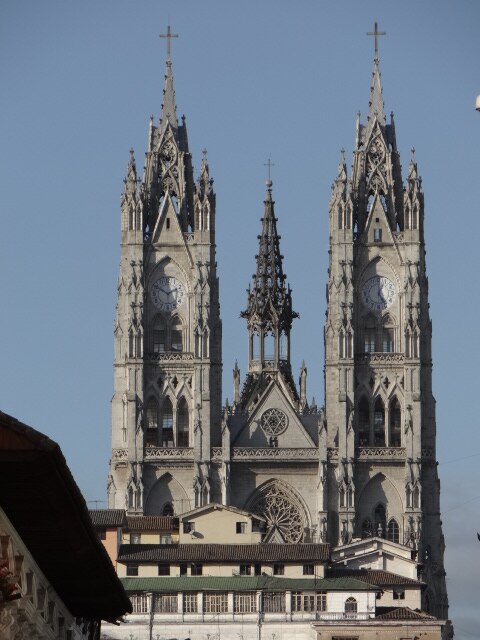
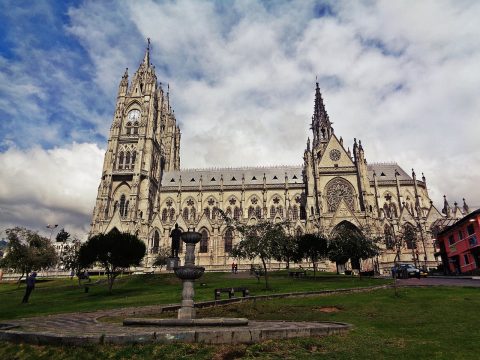
An magnificent neo-Gothic basilica that dominates Quito's skyline, featuring intricate stone carvings, towering spires, and stunning architecture. Visitors can climb the interior towers for panoramic city views. The basilica incorporates indigenous elements unique to Ecuador, such as Galápagos iguanas replacing traditional European gargoyles.
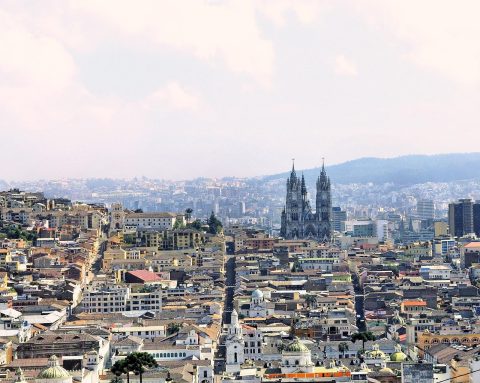
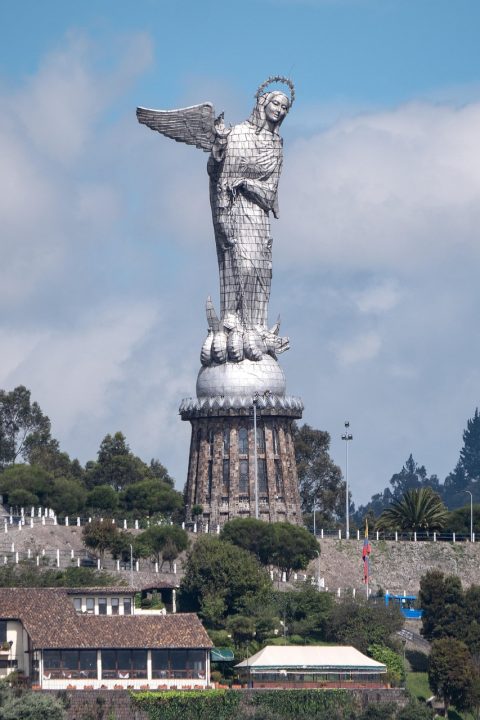
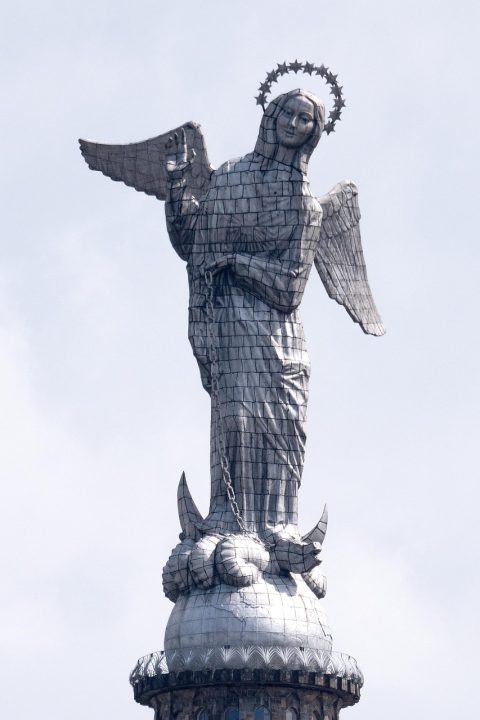
A towering monument in the heart of Quito's historic center, commemorating Ecuador's independence. The statue features a winged angel and serves as a gathering point for locals and tourists. Excellent viewing platform provides sweeping vistas of the old city's colonial architecture and surrounding mountains.
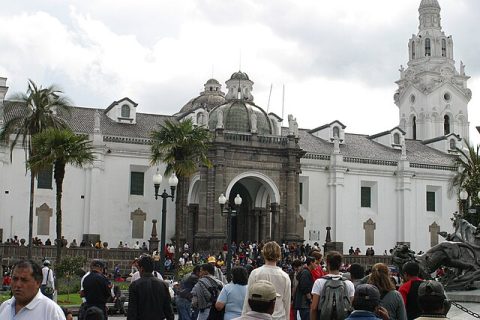
The oldest cathedral in South America, completed in 1696, showcasing stunning Spanish colonial architecture with ornate decorative elements. The cathedral features gilded altars, religious artwork, and intricate woodwork. Located on Plaza Grande, it remains the spiritual heart of Quito and continues to serve as an active place of worship.
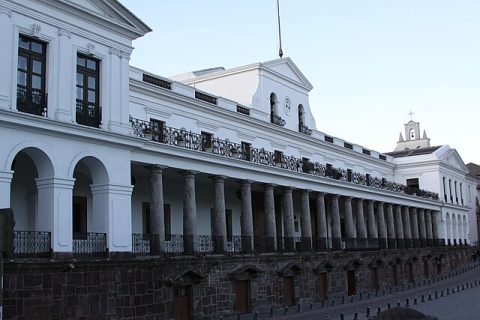
The official residence and workplace of Ecuador's president, featuring distinctive yellow colonial architecture. Built in the 18th century, the palace showcases Ecuadorian neoclassical design. While tours are limited due to its function as a working government building, the exterior and surrounding Plaza Grande provide excellent photo opportunities and architectural appreciation.
Tips for Landmarks & Monuments
- Visit the basilica early morning to avoid crowds and get best light for photography
- The historic center is best explored on foot; wear comfortable shoes for steep cobblestone streets
- Many landmarks are concentrated in the old city, allowing efficient route planning
- Security is good in main tourist areas; hire a guide for deeper historical context
Quito's museums showcase Ecuador's rich pre-Columbian heritage, colonial religious art, and contemporary creativity. From indigenous artifacts to modern installations, these institutions provide cultural insight into the region's diverse artistic traditions.
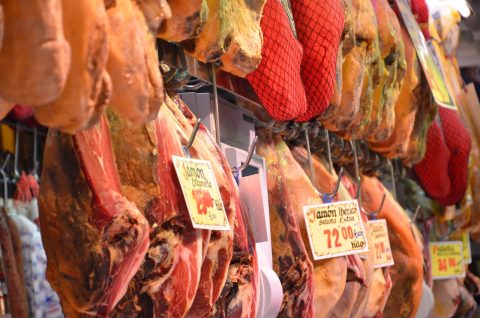
Ecuador's premier museum featuring extensive collections of pre-Columbian gold, colonial art, and religious artifacts. The gold room contains masterpieces of indigenous craftsmanship spanning thousands of years. Modern and contemporary art sections document Ecuador's artistic evolution, with well-curated exhibitions and interactive displays for visitors of all ages.
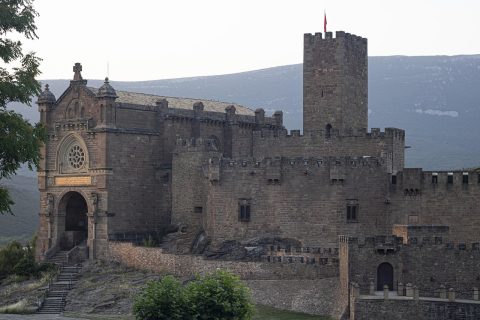
A religious art museum housed in a beautifully restored colonial building, displaying ecclesiastical artifacts, religious paintings, and sculptures from the 16th to 20th centuries. The collection emphasizes Baroque art and includes works depicting Ecuador's Catholic heritage. The intimate setting enhances appreciation of individual artworks.
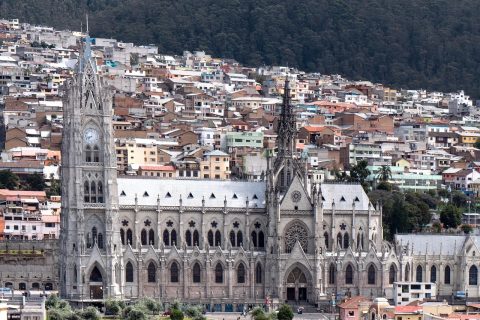
A pre-Columbian art museum specializing in artifacts from Ecuador's ancient cultures, including ceramics, stone sculptures, and textiles. Housed in a beautifully preserved colonial mansion, the intimate museum allows close examination of delicate objects. The collection spans 3,500 years and provides archaeological context for understanding Ecuador's indigenous heritage.
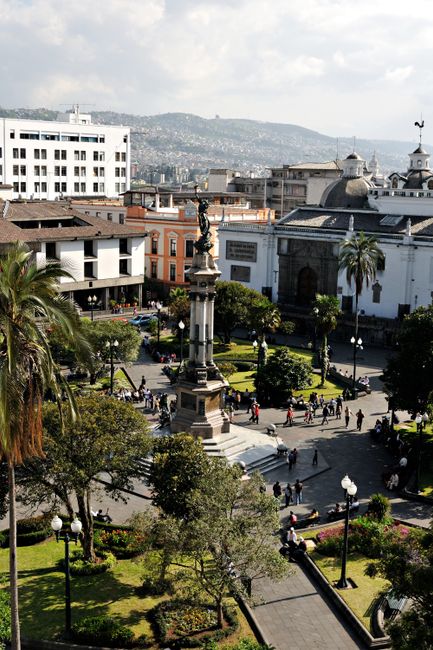
Dedicated to Quito's urban history from pre-Columbian times through contemporary periods. Interactive exhibits, photographs, and multimedia presentations trace the city's development. Located in a historic hospital building, the museum explores social, cultural, and architectural evolution with engaging displays suitable for family visits.
Tips for Museums & Galleries
- Most museums offer guided tours in Spanish and English; advance booking recommended
- Photography policies vary; ask staff before taking pictures
- Museums typically close Mondays; verify hours before visiting
- Banco Central offers the most comprehensive collection; allocate substantial time
- Student and senior discounts often available with valid ID
Quito's religious architecture reflects its role as a major colonial spiritual center. Ancient churches and convents showcase intricate baroque decoration, gold leaf altars, and centuries of artistic devotion, making them essential cultural monuments beyond their religious significance.
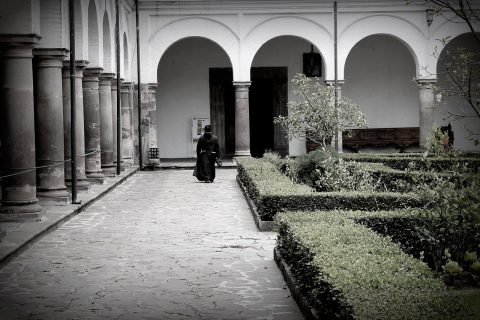
One of the most impressive baroque churches in the Americas, featuring elaborate interior decoration with gilded altars, religious paintings, and carved wooden details. The church was completed in 1604 and represents peak Spanish colonial religious architecture. The attached convent and museum display religious artifacts and colonial period furnishings.
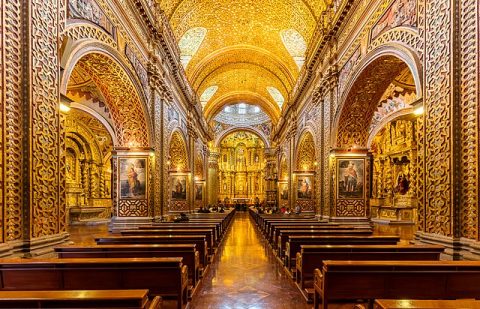
A breathtaking example of baroque architecture with one of the most ornate interiors in South America. The church features multiple chapels, each elaborately decorated with gold leaf, mirrors, paintings, and sculptures. Construction spanned over 160 years, and the result is a masterpiece of colonial religious art that astounds visitors with its intricate detail.
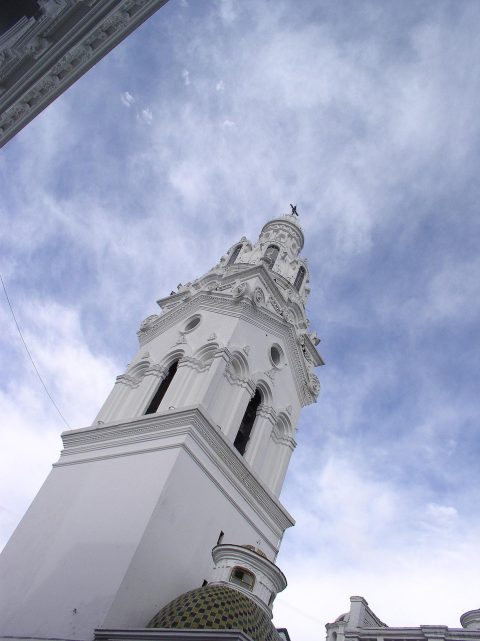
A 16th-century Dominican convent featuring distinctive colonial architecture and a museum showcasing religious art and historical artifacts. The cloister provides peaceful respite, and the adjacent church contains baroque altars and religious paintings. The site documents the Dominican order's role in colonial Quito's spiritual and intellectual life.
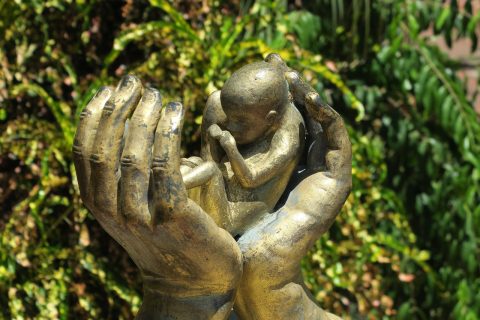
Featuring an elaborate baroque façade and interior rich with religious artwork, sculptures, and ornamental details. The church's paintings depict religious scenes and saints, while the architecture represents masterful colonial craftsmanship. Active worship continues alongside tourist visits, creating authentic spiritual atmosphere.
Tips for Religious Sites
- Most churches have active worship schedules; be respectful and dress modestly
- Photography inside churches is often restricted; ask permission
- Visit early morning for peaceful atmosphere and better interior lighting
- Guided tours by trained historians enhance understanding of baroque symbolism and techniques
- Some churches charge modest entrance fees to support preservation efforts
Beyond the colonial era, Quito sits on foundations of pre-Columbian settlement and holds sites revealing Ecuador's indigenous heritage. Archaeological sites and museums preserve evidence of sophisticated ancient civilizations that flourished in the Andean region.
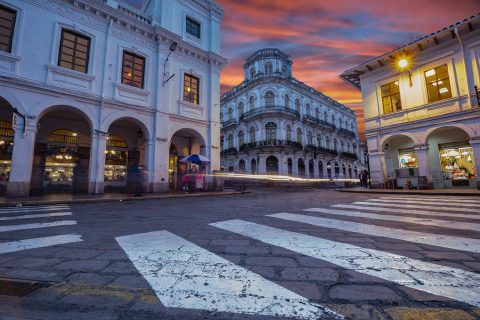
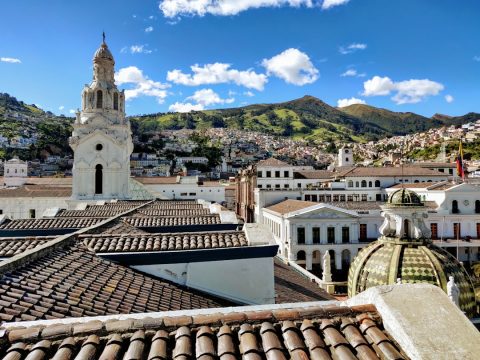
Quito's historic center maintains remarkable colonial street patterns established in 1534, making walking tours through the old city an archaeological experience in urban planning. Streets reveal layers of cultural influence, while building facades showcase architectural evolution. Many colonial buildings have been converted into museums, shops, and restaurants while maintaining historical integrity.
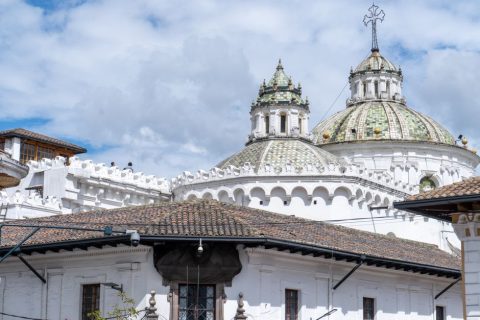
An important pre-Columbian settlement site offering insights into the region's indigenous cultures before Spanish conquest. Partially excavated structures, artifact displays, and interpretive signage help visitors understand ancient settlement patterns and daily life. The site sits within Quito's expansion, making it a unique bridge between modern and ancient urban development.
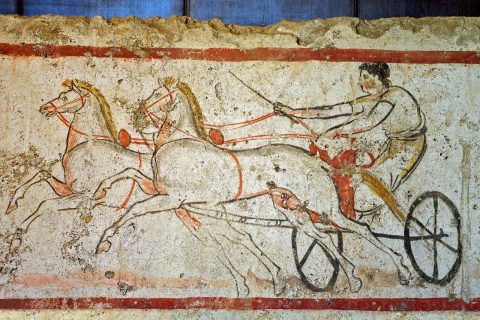
While Ingapirca's main site is located 2 hours south of Quito, the archaeological museum in the city provides detailed information about this important Inca site. Artifacts, reconstructions, and interpretive displays explain the 15th-century Inca fortress's significance. The museum contextualizes Ecuador's role within the broader Inca empire.
Tips for Ancient & Historical Sites
- Hire a local guide for deeper understanding of pre-Columbian history
- Many archaeological artifacts are housed in central museums rather than dispersed sites
- The historic center is a UNESCO World Heritage Site with preservation standards
- Walking tours at dawn provide best lighting for photography and fewer crowds
Quito's public spaces represent the city's social and political heart, where colonial architecture frames vibrant plazas. These squares have hosted celebrations, protests, and daily life for nearly five centuries, making them essential to understanding the city's character.
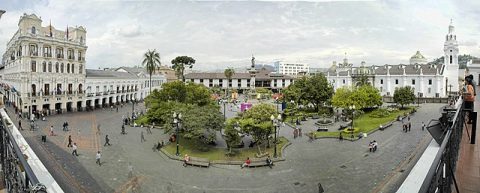
Quito's most important square, surrounded by the Cathedral, Government Palace, Archbishop's Palace, and Municipal Building. The plaza features colonial arcades, local artists displaying work, and the central Independence Monument. Historically and presently the hub of Ecuadorian political and spiritual life, it captures the essence of Quito's heritage.
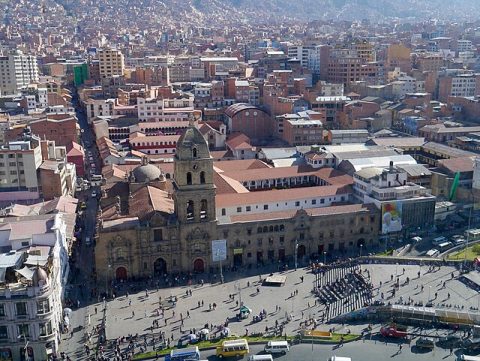
Anchored by the magnificent Church of San Francisco, this plaza represents quintessential Spanish colonial design. Surrounding arcades house shops, restaurants, and galleries. The square provides gathering space with atmospheric colonial architecture and remains a vibrant meeting point where locals and tourists converge.
Quito's most historic pedestrian street, running north-south through the colonial center. Lined with colonial buildings housing museums, galleries, restaurants, and shops, it offers immersive cultural experience. Street-level activity mingles with architectural appreciation, making it essential for understanding Quito's daily life and heritage.
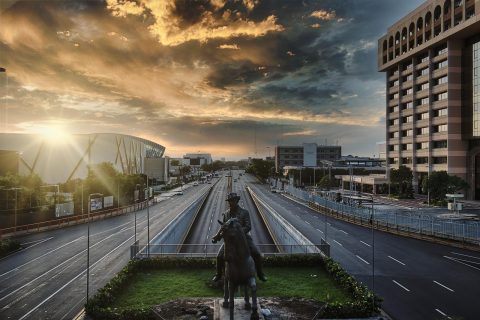
A charming square featuring the Church of Santo Domingo and convent, surrounded by restored colonial buildings and local businesses. The plaza maintains authentic neighborhood character with less tourist presence than Plaza Grande. Artists often display work, and evening gatherings create convivial atmosphere under colonial arcades.
Tips for Squares & Streets
- Early morning and late afternoon light provides best photography conditions
- Plazas are safest and most vibrant during daytime hours
- Many surrounding buildings now house quality restaurants and cafes
- Sunday afternoons are most lively with families and street performers
- Walking between plazas creates natural tourism circuit through historic center
Beyond the colonial center, Quito's diverse neighborhoods each possess distinct character. From artistic enclaves to modern urban centers, these districts reveal the city's contemporary vitality alongside historical depth.
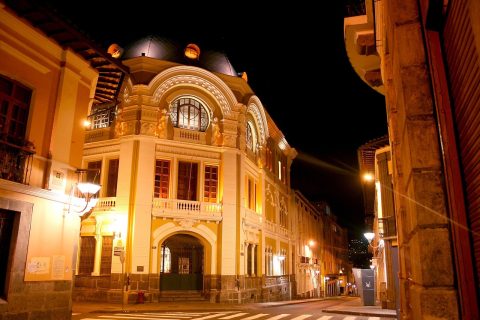
UNESCO World Heritage Site encompassing the colonial old city with narrow streets, colonial architecture, and cultural landmarks. Home to museums, galleries, restaurants, and artisan shops. Despite some urban challenges, the historic center maintains remarkable architectural coherence spanning nearly 500 years. Best experienced through walking tours with knowledgeable guides.
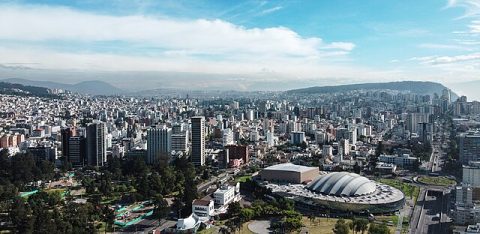
A cosmopolitan neighborhood popular with tourists and expatriates, featuring restaurants, bars, hotels, and shops catering to international visitors. The district boasts excellent dining options ranging from Ecuadorian to international cuisine, alongside nightlife venues. Modern amenities and relative safety make it appealing for visitors, though it contrasts sharply with the historic center's colonial atmosphere.
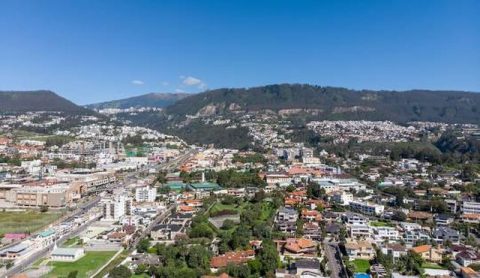
An upscale suburban neighborhood east of central Quito, known for fine dining, art galleries, and pleasant climate. The area attracts affluent residents and tourists seeking contemporary cultural venues and sophisticated dining experiences. Located in a valley with stunning views, Cumbayá offers modern amenities while maintaining connection to Andean landscape.
An artistic neighborhood becoming increasingly popular with galleries, boutique shops, and creative businesses. The district showcases street art, local artists' studios, and craft breweries. Growing culinary scene and cultural venues attract younger demographics and travelers seeking contemporary Ecuadorian culture beyond colonial architecture.
Tips for Neighborhoods & Districts
- Historic center best visited during daylight hours with awareness of surroundings
- La Mariscal is convenient for dining and nightlife but avoid walking alone at night
- Cumbayá offers peaceful retreat but requires short taxi ride from city center
- Each neighborhood reflects different aspects of Ecuadorian culture and modernity
- Hiring a local guide helps navigate safely and understand neighborhood history
Quito's green spaces provide respite from urban energy while offering panoramic views of surrounding Andean peaks. Parks range from intimate gardens to sprawling reserves, each offering unique ecosystem and recreational opportunities at high altitude.
Quito's largest urban park, offering hiking trails through protected cloud forest with stunning city and mountain views. The park features diverse flora and fauna including indigenous trees and birds. Multiple trail options accommodate various fitness levels, from leisurely walks to challenging climbs. The park serves as Quito's lungs, preserving natural habitat within city limits.
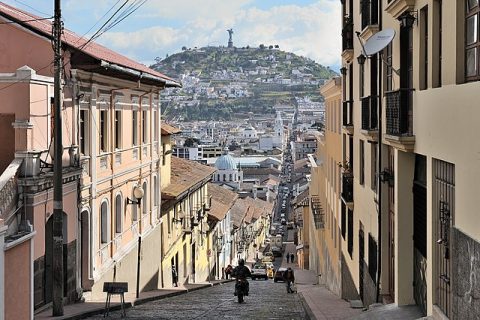
A distinctive hill rising above historic center, topped by the Winged Virgin statue (Virgin of Quito). The viewing area provides 360-degree panoramic views of the city, surrounding valleys, and mountain peaks including Pichincha, Cotopaxi, and Chimborazo. Best visited during daylight hours, though evening visits offer stunning city lights views.
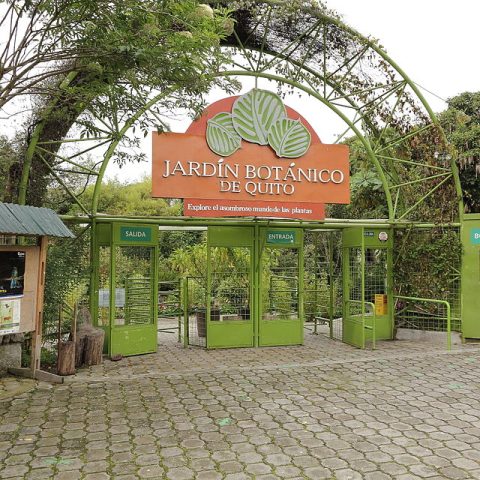
A peaceful garden featuring Ecuador's diverse plant species, including orchids, bromeliads, and native flora. The garden educates visitors about Ecuador's botanical richness while providing serene environment for relaxation. Well-maintained pathways, themed sections, and informative signage make it ideal for nature enthusiasts and photographers.
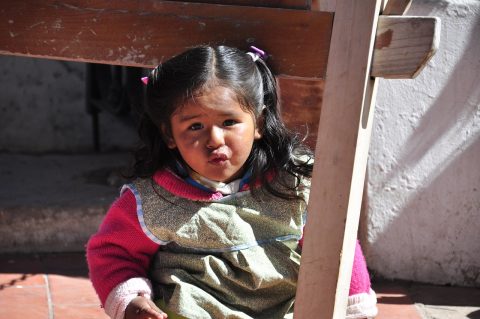
A charming neighborhood park in northern Quito featuring jogging paths, sports facilities, and green space. The park represents modern urban recreation with good maintenance and safety. Popular with local families and fitness enthusiasts, it offers glimpse into contemporary Quiteño daily life away from tourist areas.
Tips for Parks & Gardens
- Bring layers as Quito's weather changes rapidly despite high elevation
- Morning visits to parks offer clearest views of surrounding peaks
- Parque Metropolitano trails are well-marked but hiring guide recommended for first-time visitors
- El Panecillo is safest during daylight hours; sunset is popular but depart before dark
- Parks at high altitude; allow time for altitude acclimation if arriving recently
Quito serves as base for diverse experiences ranging from cultural immersion in colonial streets to outdoor adventures in nearby ecosystems. Professional guides enhance understanding and ensure safety for visitors of all interests and abilities.
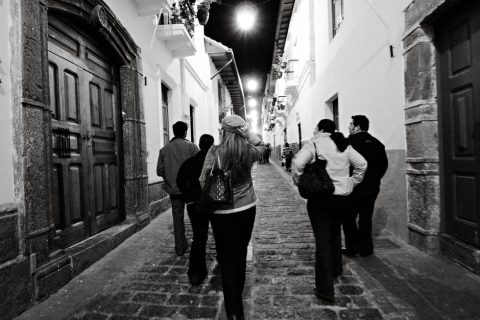
Guided tours through historic center highlighting architectural styles, historical narratives, and cultural significance. Professional guides provide context on colonial period, independence era, and modern Quito. Tours customize duration and focus based on interests, from architectural appreciation to social history. Groups small enough for meaningful interaction.
Visit the equatorial monument located approximately 22 kilometers north of Quito where the equator crosses Ecuador. The site features museum, gift shop, and locations for iconic photos straddling both hemispheres. The drive through Andean landscape offers perspective on Ecuador's geography and climate. Often combined with visit to nearby Intiñan Museum.
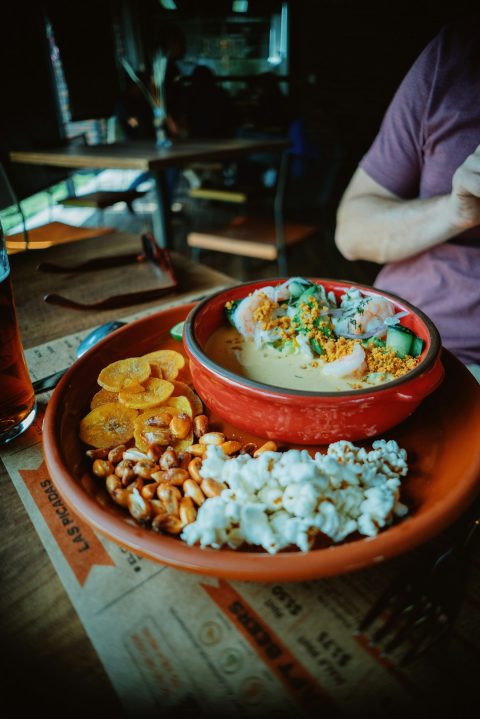
Experience Ecuador's culinary traditions through guided market tours and cooking classes. Expert guides introduce local ingredients, traditional recipes, and contemporary Ecuadorian cuisine. Visitors often prepare and enjoy meals with instructors, gaining hands-on cooking skills and cultural understanding. Options range from casual market visits to sophisticated restaurant experiences.
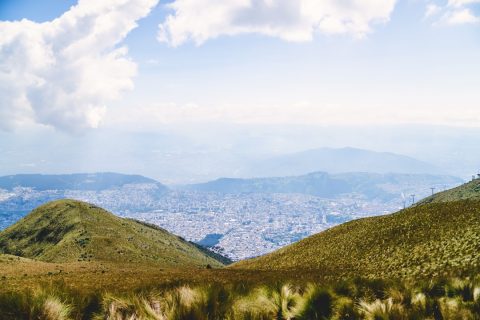
Day hikes to nearby peaks including Pichincha and Cotopaxi offer stunning views and immersive nature experiences. Options range from moderate 4-hour hikes to challenging multi-day climbing expeditions. Acclimatization important given Quito's elevation; guides provide essential support and ensure safety on technical routes. Early morning starts capture best conditions.
Immersive experiences visiting indigenous markets, artisan cooperatives, and cultural centers. Guides with indigenous heritage provide authentic perspectives on traditional practices, textile production, and indigenous worldviews. Encounters often include opportunities to meet artisans, understand production methods, and purchase directly from creators at fair prices.
Tips for Tours & Activities
- Book tours through reputable operators or hotel concierge for reliability
- Acclimatize to altitude before strenuous activities; drink water and take rest days
- Early morning departures common for outdoor activities to maximize daylight
- Small group tours often provide better experience than large groups
- Guides with local heritage credentials ensure authentic cultural experiences
Quito's high-altitude location within Ecuador's mountainous spine positions it ideally for day excursions to diverse ecosystems, historical sites, and indigenous communities. Several destinations accessible within 1-4 hours showcase Ecuador's remarkable natural and cultural diversity.
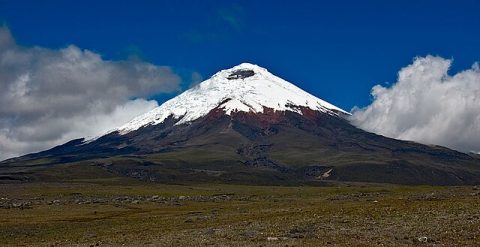
A stunning day trip featuring Ecuador's second-highest volcano with snow-capped peak rising to 5,897 meters. The park encompasses diverse ecosystems from high-altitude páramo grasslands to cloud forests. Visitors can hike to Limpiopungo Lagoon for close volcano views or take longer routes for technical climbing. The dramatic landscape and abundant wildlife make it unforgettable destination.
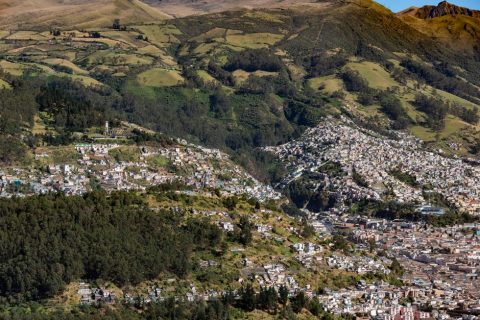
A picturesque mountain town 3 hours southeast, famous for adventure activities and thermal hot springs. Situated in dramatic valley surrounded by waterfalls and misty mountains, Baños offers hiking, rafting, zip-lining, and waterfall visits. The town's vibrant character appeals to adventure travelers, while thermal waters provide relaxation. Many visitors stay overnight to fully experience offerings.
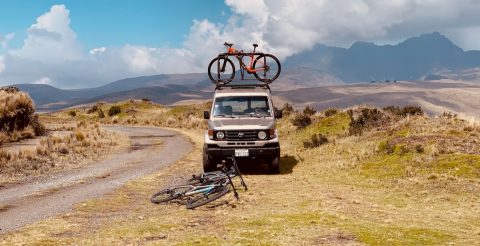
Famous indigenous market town 2 hours north featuring Saturday markets showcasing textiles, crafts, and indigenous goods. The market represents living indigenous commerce and culture, with vendors often wearing traditional dress. Surrounding region offers visits to artisan communities, weaving demonstrations, and cultural immersion impossible in urban Quito. Excellent base for exploring indigenous highlands.
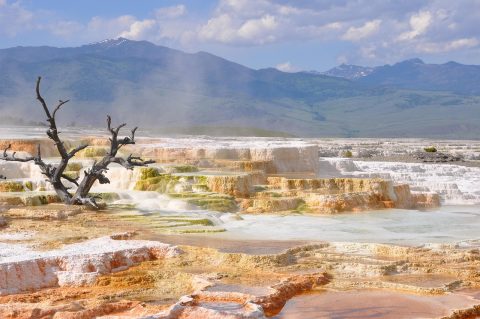
Natural hot springs and spa resort 1.5 hours northeast, nestled in cloud forest at 3,400 meters elevation. Multiple thermal pools at varying temperatures offer relaxation and therapeutic benefits after Quito activities. The pristine cloud forest setting, professional spa services, and accommodation options make it ideal for relaxation-focused day trip or overnight getaway.
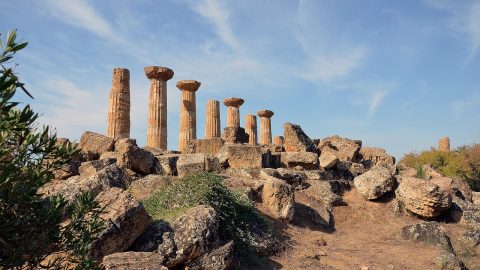
Ecuador's most important Inca archaeological site, located 2 hours south. Partially excavated ruins reveal stone constructions dating to 15th century Inca occupation. The site provides perspective on Inca empire's expansion into Ecuador and architectural sophistication. Interpretive signage and museums help visitors understand layout and historical significance.
Tips for Day Trips & Excursions
- Early morning departures essential to maximize daylight hours
- Road conditions vary; use reliable tour operators or arrange ground transportation
- Altitude differences between Quito and day trip destinations affect acclimatization
- Bring layers, sunscreen, and water regardless of season
- Many destinations better experienced as overnight trips; consider multi-day excursions
Real, highly-rated Restaurants in Quito, sourced from Google Places (rating above 4★).
X LO ALTO RESTAURANTE is a highly-rated restaurant in Quito, rated 4.9★ from 455 reviews. Located at Montevideo Oe-648 y, Panamá, 170103 Quito, Ecuador.
Opening Hours
- Monday: 12:30 – 3:30 PM, 6:30 – 10:00 PM
- Tuesday: 12:30 – 3:30 PM, 6:30 – 10:00 PM
- Wednesday: 12:30 – 3:30 PM, 6:30 – 10:00 PM
- Thursday: 12:30 – 3:30 PM, 6:30 – 10:00 PM
- Friday: 12:30 – 3:30 PM, 6:30 – 10:00 PM
- Saturday: 12:30 – 4:00 PM
- Sunday: Closed
Fogo de Chão Ecuador is a highly-rated restaurant in Quito, rated 4.9★ from 5197 reviews. Located at Av. Francisco de Orellana 1172 y, 170505 Quito, Ecuador.
Opening Hours
- Monday: 12:00 – 3:00 PM, 5:00 – 11:00 PM
- Tuesday: 12:00 – 3:00 PM, 5:00 – 11:00 PM
- Wednesday: 12:00 – 3:00 PM, 5:00 – 11:00 PM
- Thursday: 12:00 – 3:00 PM, 5:00 – 11:00 PM
- Friday: 12:00 – 3:00 PM, 5:00 – 11:00 PM
- Saturday: 12:00 – 3:00 PM, 5:00 – 11:00 PM
- Sunday: 12:00 – 3:00 PM, 5:00 – 11:00 PM
Raíces South American Fine Cuisine is a highly-rated restaurant in Quito, rated 4.9★ from 209 reviews. Located at Av. Francisco de Orellana 1172, 170517 Quito, Ecuador.
Opening Hours
- Monday: 5:00 – 10:30 PM
- Tuesday: 5:00 – 10:30 PM
- Wednesday: 5:00 – 10:30 PM
- Thursday: 5:00 – 10:30 PM
- Friday: 5:00 – 10:30 PM
- Saturday: 5:00 – 10:30 PM
- Sunday: 5:00 – 10:30 PM
Explore Quito on the Map
Climate: Quito's high-altitude location (2,850m) provides spring-like weather year-round, with temperatures ranging 10-25°C (50-77°F). Altitude means weather changes rapidly; rain common in afternoons.
Dry Season (June-August, December-January): Most predictable weather with clear skies, excellent for mountain views and outdoor activities. These months see highest tourist numbers and peak prices.
Wet Season (February-May, September-November): Frequent afternoon rains but mornings often clear. Fewer tourists, lower prices, lush green landscapes. Outdoor activities still possible with proper planning.
Temperature: Consistent year-round due to equatorial location and altitude. Bring layers as weather varies throughout day and between sunny/shaded areas.
Best Months: June-August offers best conditions for mountain activities and photography. December-January combines good weather with festive atmosphere. September-November and February-May offer excellent value and fewer crowds.
Getting To Quito: Mariscal Sucre International Airport (UIO) serves most visitors. Airport located 20km east; taxi, ride-share, or shuttle services transport visitors to city (30-60 minutes depending on traffic).
Within Quito: Buses are primary local transport but challenging for tourists; use Metro system, taxis (hail street taxis or call), or ride-sharing apps (Uber, Beat). Walking feasible in central areas but requires caution.
Metro: Quito's new metro (Line A operational since 2023) provides efficient north-south transport with tourist-friendly modern stations and clear signage. One trip costs under $1.
Taxis: Yellow taxis abundant; negotiate rates beforehand or use meter. Average short trip costs $2-5. Night rides safer using radio taxis or apps.
Ride-Sharing: Uber and Beat operate citywide; popular with tourists for convenience and documented pricing.
Day Trip Transportation: Tourist operators provide guided transportation to nearby sites. Alternatively rent car with driver or use intercity bus services, though organization takes more time.
✈️ Airport Transfer
Mariscal Sucre International Airport (UIO) to city center:
- Aeroservicios Express Bus: Runs roughly every 30 minutes to Río Coca or Quitumbe terminal in about 60-75 minutes, $8
- Official Airport Taxi: Fixed-rate yellow cooperative taxi to city center (La Mariscal or downtown) in 45-60 minutes, around $26-28
- Private Transfer: Pre-booked door-to-door van or car service to hotels in 45-60 minutes, roughly $35-45
- Rental Car: Major agencies operate arrivals-hall counters, with the drive into Quito taking 45-60 minutes depending on traffic on the E35
What to Buy: Textiles and crafts (ponchos, weavings, hammocks) from indigenous artisans offer authentic Ecuadorian goods. Jewelry, ceramics, and wood carvings showcase local artistry. Coffee beans, chocolate, and spices make excellent edible souvenirs. Panama hats originate from Ecuador despite the name.
Shopping Areas: Historic Center streets (especially Calle García Moreno) feature numerous shops and galleries. La Mariscal offers modern shopping with international brands alongside Ecuadorian goods. Artisan markets like Otavalo (day trip) provide authentic crafts at lower prices.
Markets: Plaza de Santa Clara hosts weekend crafts market; Mercado Iñaquito features local produce and goods. San Roque district known for artisan crafts and vintage items.
Haggling: Common in markets and with street vendors; less standard in established shops. Bargaining expected for crafts, souvenirs, and informal vendors but respectful negotiation crucial.
Shopping Hours: Most shops open 9am-6pm weekdays, 9am-5pm Saturdays, with limited Sunday hours. Many businesses close for lunch 12-2pm.
Fiestas de Quito (December 5-6): Celebrates Quito's founding with parades, cultural performances, bullfights, and street celebrations. Festive atmosphere fills the city with traditional music, dancing, and food.
Carnival (February/March): Before Lent, Ecuador celebrates with water games, costumes, and street parties. Quito's celebrations less intense than coastal regions but still vibrant.
Good Friday (March/April): Solemn religious processions through historic center draw thousands. Colorful indigenous participation creates unique spiritual atmosphere.
Day of the Dead (November 2): Families visit cemeteries with flowers and food; churches host special masses. Markets overflow with traditional dishes and marigolds.
Christmas and New Year: December sees festive decorations, special masses, and family celebrations. Quito's civic celebrations include fireworks and street events.
Indigenous Celebrations: Kichwa and other indigenous communities celebrate Inti Raymi (summer solstice in June) and other cultural events. Timing and locations vary; local guides help access authentic celebrations.
Day 1 - Colonial Quito Exploration: Start at Plaza Grande visiting Cathedral and Government Palace. Explore adjacent streets and churches (San Francisco, La Compañía). Walk Calle García Moreno stopping at museums. Climb El Panecillo for sunset views. Evening dinner in historic center.
Day 2 - Museums and Art: Visit Museo del Banco Central (pre-Columbian gold and modern art). Explore Casa del Alabado for ancient artifacts. Afternoon in Cumbayá neighborhood visiting galleries and cafes. Dinner at upscale restaurant.
Day 3 - Nature and Views: Morning hike in Parque Metropolitano cloud forest trails. Afternoon botanical garden or Parque Sucre relaxation. Visit Panecillo again for different light and clearer peak views. Early dinner and rest for next activities.
Day 4 - Equator and Indigenous Culture: Day trip to Middle of the World (Mitad del Mundo) monument. Visit Intiñan Museum. Afternoon visit indigenous market or artisan cooperative. Return to Quito for evening.
Day 5 - Adventure and Culture: Optional: Cotopaxi National Park day trip for dramatic volcano scenery and hiking. Or choose Baños hot springs and waterfall adventures. Or Otavalo market and highland communities. Return to Quito evening.
El Panecillo Viewpoint: Golden hour (sunrise or sunset) offers stunning panoramic city views with mountain peaks. Arrive early or during golden hour. The Winged Virgin statue makes iconic foreground element.
Plaza Grande at Sunrise: Empty plazas with warm early light reveal colonial architecture in peaceful moments. Cathedral façade particularly photogenic with directional light. Arrive before 7am.
Church Interiors - Early Morning: Golden light streaming through windows illuminates baroque details. La Compañía and San Francisco offer most dramatic interior light around 9-10am. Ask permission for photography.
Calle García Moreno at Golden Hour: Narrow streets with colonial buildings create atmospheric perspective. Street vendors and locals add authentic character. Best light late afternoon into evening.
Parque Metropolitano Lookout Points: Cloud forest framing city views in morning light creates dreamlike atmosphere. Trails offer varied perspectives of urban landscape within natural setting.
Street Markets - Early Morning: Otavalo, Santa Clara, and local markets capture authentic commerce with best colors and light before crowds. Indigenous vendors in traditional dress add cultural element.
Mountain Peaks from Quito: Clear mornings reveal Cotopaxi, Pichincha, Chimborazo. Quito's north end or parks offer best unobstructed views. Photography best 7-9am before clouds.
Voltage: Ecuador uses 110V AC, 60Hz electrical current, same as North America. No voltage converter needed for devices from United States, Canada, or other 110V regions.
Plug Types: Ecuador uses Type A and Type B plugs (North American two and three rectangular-prong configuration). Devices with these plugs work directly.
Adapters: Visitors from Europe, Australia, Asia with Type C, E, F, G, I plugs require adapters. Universal adapters purchased before traveling more affordable than buying in Ecuador.
Backup Power: Consider portable power banks for phones and devices given occasional power fluctuations. Major hotels and commercial areas have reliable electricity; some residential areas experience occasional outages.
Charging Options: Most hotels, restaurants, shopping centers provide charging outlets. USB charging ports increasingly common in public spaces.
Must-Try Traditional Dishes: Ceviche (fresh seafood in citrus marinade), Llapingachos (potato and cheese pancakes), Locro (hearty potato and cheese stew), Empanadas (fried pastry pockets), Cuy (roasted guinea pig - traditional Andean delicacy).
Indigenous Staples: Potatoes in countless varieties, corn preparations, quinoa dishes reflect pre-Columbian agricultural traditions. Bean-based dishes, tropical fruits unavailable elsewhere.
Street Food: Roasted corn, empanadas, fresh fruit juices, grilled meats on skewers represent authentic casual eating. Markets offer affordable, authentic meals locals frequent.
Dining Culture: Lunch is main meal (12-2pm) featuring set menus (menú del día) offering excellent value. Dinner lighter, eaten 7-9pm. Restaurant service leisurely; tipping 10% customary for good service.
Restaurants: Historic center features restaurants in converted colonial buildings with cultural atmosphere. La Mariscal and Cumbayá neighborhoods offer sophisticated dining. Markets provide authentic, affordable meal experiences.
Coffee: Ecuador produces world-class coffee often underappreciated domestically. Café con leche (coffee with milk) traditional breakfast. Espresso-style coffee gains popularity in modern establishments.
Tourist Passes
QUITO FOREVER Card
Offers discounts on museums, restaurants, and attractions throughout Quito. Unlimited museum entry discounts (20-30%) at major institutions, restaurant discounts, tour operator specials, and shopping discounts at participating venues. Valid for 7-30 days depending on tier purchased.
www.quitoforever.ecHistoric Center Walking Tours - Multi-Pass
Tour operators offer discounted multi-day walking tour packages covering different areas and themes. Advantages include knowledgeable guides, skip-the-line museum access, and organized route planning eliminating planning burden. Prices vary by operator; book directly or through hotels.