Cairo compresses five thousand years of history into a handful of unmissable stops. The Pyramids of Giza and Great Sphinx remain the obvious starting point, the last surviving wonder of the ancient world still standing at the desert's edge. The new Grand Egyptian Museum now houses Tutankhamun's full treasure trove, while the older Egyptian Museum in Tahrir Square keeps its own trove of mummies and royal artifacts. For a change of era, the Citadel of Saladin and its Mosque of Muhammad Ali overlook the city from above, and Khan el-Khalili Bazaar delivers centuries of Islamic Cairo's street life in one dense, walkable quarter.
Cairo is the gateway to Egypt's most iconic ancient wonders. Stand before the last surviving wonder of the ancient world, explore pharaonic tombs, and discover archaeological treasures that span over 5,000 years of civilization.
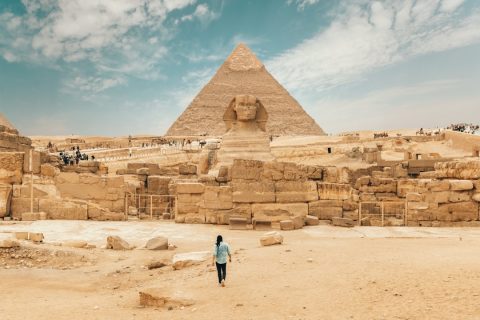
The Pyramids of Giza are Egypt's most iconic landmarks and one of the Seven Wonders of the Ancient World. Built over 4,500 years ago, the complex includes the Great Pyramid of Khufu (originally 147 meters tall), the Pyramid of Khafre, and the Pyramid of Menkaure. The enigmatic Great Sphinx guards the plateau with its lion's body and pharaoh's face. You can enter the pyramids for an additional fee, ride camels across the desert, and visit the Solar Boat Museum housing Khufu's reconstructed funerary boat. Arrive early morning to beat crowds and heat, and beware of aggressive vendors and unofficial guides.
Tips for Ancient & Historical Sites
- Book combination tickets: Save money by purchasing combined entry to Giza, Saqqara, and Memphis
- Hire a guide: The historical context greatly enhances the experience at these sites
- Timing matters: Visit pyramids at opening time (8am Oct-Apr, 7am May-Sep) to avoid crowds
- Photography: Bring cameras but note that photography inside pyramids may require additional permits
Cairo's museums house the world's most significant collections of Egyptian antiquities, from golden death masks to mummified pharaohs. These institutions offer climate-controlled sanctuary from the desert heat while providing deep insight into Egypt's extraordinary past.
The Grand Egyptian Museum is the world's largest archaeological museum, located near the Giza Pyramids. With over 100,000 artifacts displayed across state-of-the-art facilities, the GEM showcases the complete treasures of King Tutankhamun including items never before displayed. The museum's striking pyramid-inspired architecture features a huge triangular entrance and multiple glass triangular elements. Note: As of 2025, the Tutankhamun galleries are expected to fully open in July 2025. The GEM offers interactive exhibits, multimedia presentations, and stunning pyramid views, representing a modern complement to Egypt's ancient heritage.
Located in downtown Cairo's Tahrir Square, the Egyptian Museum houses over 120,000 artifacts spanning thousands of years. Founded in 1857 by French Egyptologist Auguste Mariette, it remains one of the world's most important museums. The collection includes the famous golden mask of Tutankhamun, royal mummies, delicate pharaonic jewelry, colorful vases, and rare artifacts. The Royal Mummies Hall is particularly impressive, displaying actual preserved pharaohs. The museum is not air-conditioned, so visit in the morning for comfort. Consider hiring a guide to fully appreciate the historical context of the extensive collection.
Tips for Museums & Galleries
- Combo visits: Combine GEM morning visit with afternoon Giza Pyramids tour
- Gift shops: Museum gift shops, especially at the Egyptian Museum, offer premium quality souvenirs
- Photography rules: Check current photography policies; some areas prohibit cameras
- Stay hydrated: The Egyptian Museum lacks air conditioning; bring water
Cairo is known as the 'City of a Thousand Minarets' for good reason. The city's skyline is punctuated by stunning mosques, churches, and religious monuments representing Islam, Christianity, and Judaism, showcasing centuries of religious harmony and architectural brilliance.
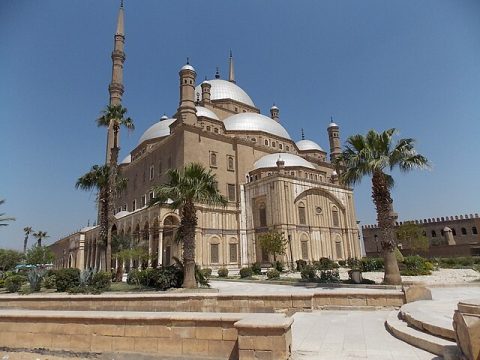
Perched atop the Citadel of Saladin, the Mosque of Muhammad Ali is Cairo's most photographed mosque. Built between 1824-1857 in Ottoman style, it features grand domes, gleaming alabaster walls, intricate interiors, and soaring minarets. The mosque offers spectacular free panoramic views of Cairo, and on clear days, you can even spot the Giza Pyramids in the distance. The courtyard's clock tower was a gift from France's King Louis Philippe. Remove shoes before entering and dress modestly (women should cover shoulders and hair). Visit early morning for the best light and fewer crowds.
Tips for Religious & Spiritual Sites
- Prayer times: Muslims pray five times daily; you may need to wait until prayers finish to explore mosques
- Modest dress required: Cover shoulders and knees; women should bring a scarf for mosque visits
- Remove shoes: Always remove footwear before entering mosques
- Friday visits: Many shops and some sites close or open late on Fridays (holy day)
- Respect silence: Maintain quiet and respectful behavior in all religious sites
Medieval fortresses dominate Cairo's skyline, offering both historical insight and spectacular city views. These military strongholds tell stories of Saladin, the Mamluks, and centuries of defense against invaders.
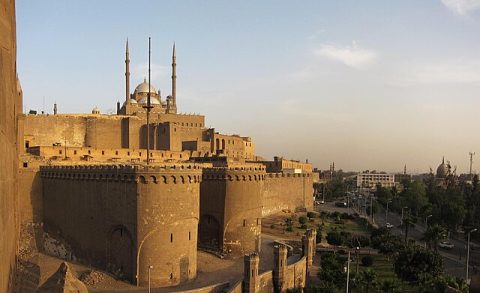
The massive Citadel of Saladin was built in the 12th century by the legendary Muslim leader Salah ad-Din (Saladin) to protect Cairo from Crusader attacks. This medieval Islamic fortress complex was crowned 700 years later with the magnificent Mosque of Muhammad Ali. The Citadel offers stunning panoramic views over Cairo and contains several museums including the Military Museum and Police Museum. The fortification walls, gates, and towers provide excellent examples of medieval military architecture. Allocate time to explore the entire complex including the mosque, ramparts, and museums for a comprehensive historical experience.
Tips for Citadels & Fortifications
- Combine attractions: Visit the Citadel and Muhammad Ali Mosque together in one trip
- Best photography: Morning light is ideal for photographing the Citadel's exterior
- Climb for views: Don't miss climbing Bab Zuweila's towers for panoramic perspectives
- Bring water: Limited shade and facilities; stay hydrated during exploration
Cairo's markets are sensory explosions of color, scent, and sound. From medieval bazaars to modern malls, shopping in Cairo ranges from haggling for spices and lanterns to browsing international brands.
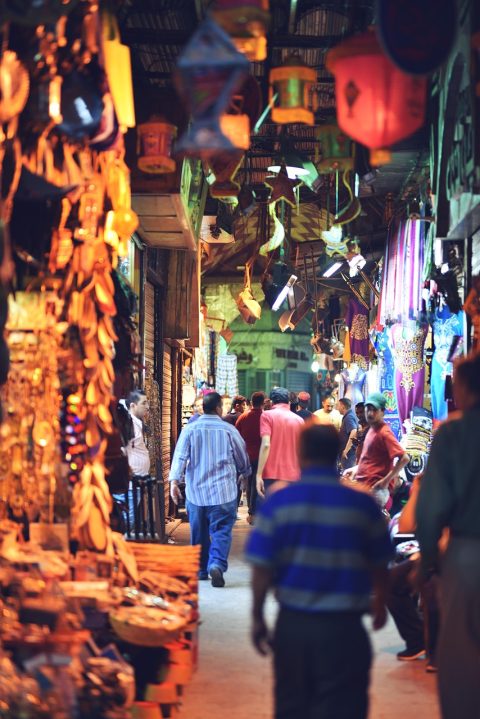
Established in 1382, Khan el-Khalili is Cairo's most famous market and one of the world's oldest continuously operating bazaars. This vibrant open-air marketplace is a UNESCO World Heritage site filled with over 4,000 shops selling everything: brass lanterns, hand-punched metal lamps, perfume oils, spices, papyrus, silver and gold jewelry, textiles, leather goods, shisha pipes, and Egyptian antiques. The narrow, winding alleys buzz with energy haggling is expected and part of the cultural experience (start at 30-50% of asking price). The bazaar is surrounded by beautiful medieval mosques and Islamic architecture. Open daily 9:30am-11pm, though many shops open late (around 3pm) on Fridays. Evening visits offer magical atmosphere with glowing lanterns.
Tips for Markets & Shopping Districts
- Bargaining expected: Start at 30-50% of initial price; walking away often results in better offers
- Best timing: Visit mornings (before 11am) for fewer crowds or evenings (after 6pm) for magical atmosphere
- What to buy: Hand-punched lanterns, perfume oils, spices, papyrus art, silver jewelry, Egyptian cotton
- Avoid Friday mornings: Many shops closed or open late due to Friday prayers
- Stay hydrated: Bring water, especially in summer months (June-August)
- Beware scams: Agree on prices before services (photos, camel rides); stick to reputable shops
Cairo's diverse neighborhoods each have distinct characters. From the medieval streets of Islamic Cairo to the upscale island of Zamalek, exploring different districts reveals the city's multifaceted personality.
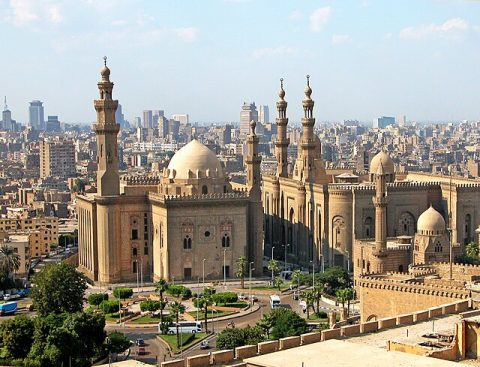
Islamic Cairo is the medieval heart of the city, featuring narrow streets, ornate mosques, and centuries-old architecture. This UNESCO World Heritage area centers around Al-Muizz Street, one of the oldest streets in Cairo with stunning examples of Mamluk and Fatimid architecture. The district includes Khan el-Khalili bazaar, Al-Azhar Mosque, Sultan Hassan Mosque, Bab Zuweila gate, and dozens of other historic monuments. Walking through Islamic Cairo feels like stepping back in time expect to encounter traditional crafts workshops, spice vendors, and local cafes. Best explored on foot with comfortable shoes. The district is particularly magical in the evening when lit up.
Tips for Neighborhoods & Districts
- Walking Islamic Cairo: Wear comfortable shoes; streets are uneven and exploration requires walking
- Combine attractions: Link Islamic Cairo with Khan el-Khalili and Al-Azhar Mosque visits
- Downtown traffic: Use metro or walk; traffic congestion is severe
- Zamalek dining: Reserve tables at popular restaurants, especially weekends
Real, highly-rated Restaurants in Cairo, sourced from Google Places (rating above 4★).
ENOCI Bistro is a highly-rated restaurant in Cairo, rated 4.9★ from 4330 reviews. Located at 1085 Nile Corniche, Qasr El Nil, Cairo Governorate 11332, Egypt.
Opening Hours
- Monday: 9:00 AM – 1:00 AM
- Tuesday: 9:00 AM – 1:00 AM
- Wednesday: 9:00 AM – 1:00 AM
- Thursday: 9:00 AM – 1:00 AM
- Friday: 9:00 AM – 1:00 AM
- Saturday: 9:00 AM – 1:00 AM
- Sunday: 9:00 AM – 1:00 AM
Cairo Vista Restaurant & Bar is a highly-rated restaurant in Cairo, rated 4.9★ from 267 reviews. Located at 11613, 29 El Falaky Street, Ad Dawawin, Abdeen, Cairo Governorate 11613, Egypt.
Opening Hours
- Monday: 10:00 AM – 2:00 AM
- Tuesday: 10:00 AM – 2:00 AM
- Wednesday: 10:00 AM – 2:00 AM
- Thursday: 10:00 AM – 2:00 AM
- Friday: 10:00 AM – 2:00 AM
- Saturday: 10:00 AM – 2:00 AM
- Sunday: 10:00 AM – 2:00 AM
Al Khal Egyptian Restaurant is a highly-rated restaurant in Cairo, rated 4.8★ from 2420 reviews. Located at Omar Ibn El-Khattab, Masaken Al Mohandesin, Heliopolis, Cairo Governorate 11737, Egypt.
Opening Hours
- Monday: 1:00 PM – 12:00 AM
- Tuesday: 1:00 PM – 12:00 AM
- Wednesday: 1:00 PM – 12:00 AM
- Thursday: 1:00 PM – 12:00 AM
- Friday: 1:00 PM – 12:00 AM
- Saturday: 1:00 PM – 12:00 AM
- Sunday: 1:00 PM – 12:00 AM
Gemini restaurant&Cafè is a highly-rated restaurant in Cairo, rated 4.8★ from 4099 reviews. Located at Mamsha Ahl Masr Cornish El Nile, سوق العصر، بولاق، محافظة القاهرة 11111, Egypt.
Opening Hours
- Monday: 9:00 AM – 3:00 AM
- Tuesday: 9:00 AM – 3:00 AM
- Wednesday: 9:00 AM – 3:00 AM
- Thursday: 9:00 AM – 3:00 AM
- Friday: 9:00 AM – 3:00 AM
- Saturday: 9:00 AM – 3:00 AM
- Sunday: 9:00 AM – 3:00 AM
Culina is a highly-rated restaurant in Cairo, rated 4.8★ from 454 reviews. Located at 1113 Nile Corniche, El Nil, DownTown, Cairo Governorate 4272080, Egypt.
Opening Hours
- Monday: 6:30 – 11:00 AM, 12:30 – 4:00 PM
- Tuesday: 6:30 – 11:00 AM, 12:30 – 4:00 PM
- Wednesday: 6:30 – 11:00 AM, 12:30 – 4:00 PM
- Thursday: 6:30 – 11:00 AM, 12:30 – 4:00 PM
- Friday: 6:30 – 11:00 AM, 1:30 – 5:30 PM
- Saturday: 6:30 – 11:00 AM, 12:30 – 4:00 PM
- Sunday: 6:30 – 11:00 AM, 12:30 – 4:00 PM
Dahabiya Cairo is a highly-rated restaurant in Cairo, rated 4.7★ from 1423 reviews. Located at 106 Nile St, Ad Doqi A, Dokki, Giza Governorate 3753452, Egypt.
Opening Hours
- Monday: 9:00 AM – 2:00 AM
- Tuesday: 9:00 AM – 2:00 AM
- Wednesday: 9:00 AM – 2:00 AM
- Thursday: 9:00 AM – 2:00 AM
- Friday: 9:00 AM – 2:00 AM
- Saturday: 9:00 AM – 2:00 AM
- Sunday: 9:00 AM – 2:00 AM
LUUMA is a highly-rated restaurant in Cairo, rated 4.7★ from 15589 reviews. Located at Abou El Feda, Zamalek, Cairo Governorate 4271104, Egypt.
Opening Hours
- Monday: 8:00 AM – 5:00 AM
- Tuesday: 8:00 AM – 5:00 AM
- Wednesday: 8:00 AM – 5:00 AM
- Thursday: 8:00 AM – 5:00 AM
- Friday: 8:00 AM – 5:00 AM
- Saturday: 8:00 AM – 5:00 AM
- Sunday: 8:00 AM – 5:00 AM
Lavender Restaurant & Lounge is a highly-rated restaurant in Cairo, rated 4.7★ from 1893 reviews. Located at 9 El Gabalaya St, Al Gabalayah, Zamalek, Cairo Governorate 4270101, Egypt.
Opening Hours
- Monday: 4:00 PM – 4:00 AM
- Tuesday: 4:00 PM – 4:00 AM
- Wednesday: 4:00 PM – 4:00 AM
- Thursday: 4:00 PM – 4:00 AM
- Friday: 4:00 PM – 4:00 AM
- Saturday: 4:00 PM – 4:00 AM
- Sunday: 4:00 PM – 4:00 AM
The Grill Dining & Lounge is a highly-rated restaurant in Cairo, rated 4.7★ from 913 reviews. Located at Cornich, Semiramis InterContinental, El Nile, قصر الدوبارة، قسم قصر النيل، محافظة القاهرة 11511, Egypt.
Opening Hours
- Monday: 7:00 PM – 12:00 AM
- Tuesday: 7:00 PM – 12:00 AM
- Wednesday: 7:00 PM – 12:00 AM
- Thursday: 7:00 PM – 12:00 AM
- Friday: 7:00 PM – 12:00 AM
- Saturday: 7:00 PM – 12:00 AM
- Sunday: 7:00 PM – 12:00 AM
Gingko is a highly-rated restaurant in Cairo, rated 4.7★ from 318 reviews. Located at Nile City Towers 2005 B, Nile Corniche, Boulaq Num.1, Bulaq, Cairo Governorate 11311, Egypt.
Opening Hours
- Monday: 5:00 PM – 1:00 AM
- Tuesday: 5:00 PM – 1:00 AM
- Wednesday: 5:00 PM – 1:00 AM
- Thursday: 5:00 PM – 1:00 AM
- Friday: 5:00 PM – 1:00 AM
- Saturday: 5:00 PM – 1:00 AM
- Sunday: 5:00 PM – 1:00 AM
La Terrace Restaurant & Lounge is a highly-rated restaurant in Cairo, rated 4.6★ from 1404 reviews. Located at St President Hotel، 22 Taha Hussein, Abu Al Feda, Zamalek, Cairo Governorate 4271150, Egypt.
Opening Hours
- Monday: 7:00 AM – 11:30 PM
- Tuesday: 7:00 AM – 11:30 PM
- Wednesday: 7:00 AM – 11:30 PM
- Thursday: 7:00 AM – 11:30 PM
- Friday: 7:00 AM – 11:30 PM
- Saturday: 7:00 AM – 11:30 PM
- Sunday: 7:00 AM – 11:30 PM
Zitouni is a highly-rated restaurant in Cairo, rated 4.6★ from 1318 reviews. Located at 1089 Nile Corniche, Qasr El Nil, Cairo Governorate 11519, Egypt.
Opening Hours
- Monday: 6:00 – 11:30 AM, 1:00 – 5:00 PM, 6:00 – 11:00 PM
- Tuesday: 6:00 – 11:30 AM, 1:00 – 5:00 PM, 6:00 – 11:00 PM
- Wednesday: 6:00 – 11:30 AM, 1:00 – 5:00 PM, 6:00 – 11:00 PM
- Thursday: 6:00 – 11:30 AM, 1:00 – 5:00 PM, 6:00 – 11:00 PM
- Friday: 6:00 – 11:30 AM, 1:00 PM – 12:00 AM
- Saturday: 6:00 – 11:30 AM, 1:00 – 5:00 PM, 6:00 – 11:00 PM
- Sunday: 6:00 – 11:30 AM, 1:00 – 5:00 PM, 6:00 – 11:00 PM