Beyond the postcard views, Lyon rewards the curious with quiet courtyards, oddball museums, and neighborhoods locals keep mostly to themselves. These spots trade crowds for character, and most take under an hour to fully enjoy.
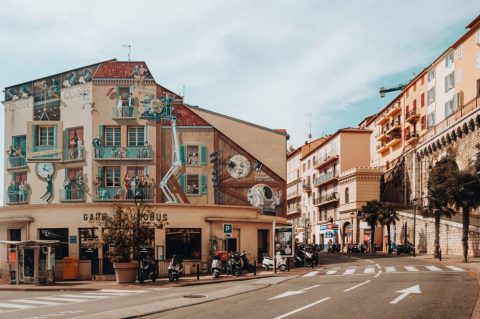
Tucked into the Croix-Rousse hillside, this trompe-loeil mural spans an entire building facade and depicts the daily life of Lyons 19th-century silk weavers, the canuts, in astonishing three-dimensional detail. Locals pause here on their way up the slope, but few tourists wander this far from the Presquile. The painting is regularly updated to reflect changes in the real neighborhood around it, so returning visitors sometimes spot new details. It is free, unguarded, and best appreciated slowly from the small square directly across the street. Pair it with a stroll through the surrounding Croix-Rousse streets, where steep staircases and hidden passageways reveal the working-class soul of the district far from the main tourist flow.
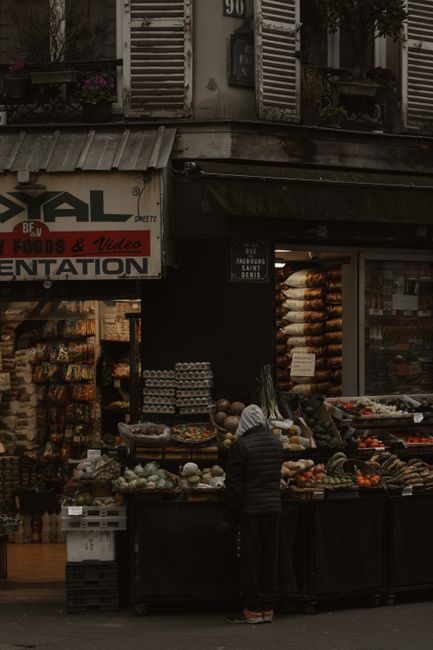
A working neighborhood market hall in the Croix-Rousse district, far removed from the more famous covered market near Part-Dieu. Small producers sell cheese, charcuterie, and seasonal vegetables to residents rather than sightseers, and the atmosphere is unhurried and genuinely local. Mornings are liveliest, when regulars greet vendors by name and haggling over quality, not price, is the norm. It is a good spot to assemble a picnic before heading to a nearby park or terrace. Nothing here is staged for visitors, which is exactly the appeal; expect to hear almost no English and to be treated like anyone else doing their weekly shop. Cash is still preferred by several stalls, so bring some along.
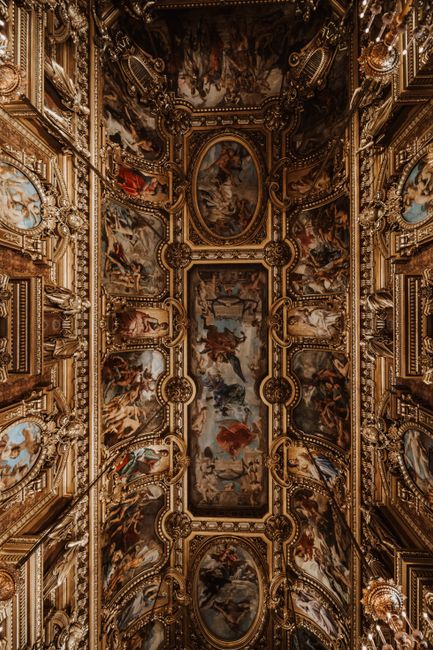
An unusual open-air museum in the Etats-Unis housing district where the blank facades of 1930s social housing blocks have been transformed into giant painted frescoes celebrating the visionary urban planner Tony Garnier. Visitors walk a self-guided trail through a genuine residential neighborhood, well outside the routes most tourists ever take, where children play football beneath murals the size of apartment buildings. A small on-site apartment-museum recreates a period interior for those who want context, though the murals themselves are the main draw and can be seen anytime, free of charge. It offers a rare look at Lyons 20th-century architectural ambitions rather than its medieval or Roman past. Comfortable shoes help, since the full walking trail covers several streets.
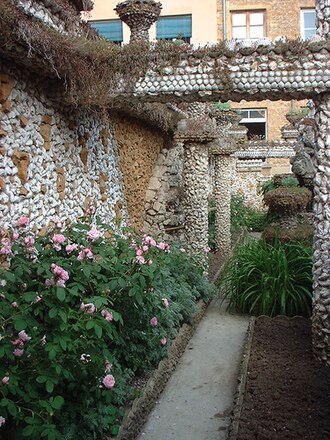
A tiny, almost secret mosaic garden hidden behind an unmarked door on the Croix-Rousse slopes, built by a Spanish mason in the 1960s as a tribute to his mother. Every surface, from benches to shell-encrusted walls, is covered in colorful tilework and found objects, creating a folk-art fantasy barely large enough for a dozen visitors at once. It keeps famously limited opening hours, so checking ahead saves a wasted trip. Because it is run by volunteers and rarely advertised, even longtime Lyon residents are often unaware it exists. The scale is small, but the craftsmanship rewards a slow, attentive look rather than a quick photo. Donations to help maintain the garden are appreciated on entry.
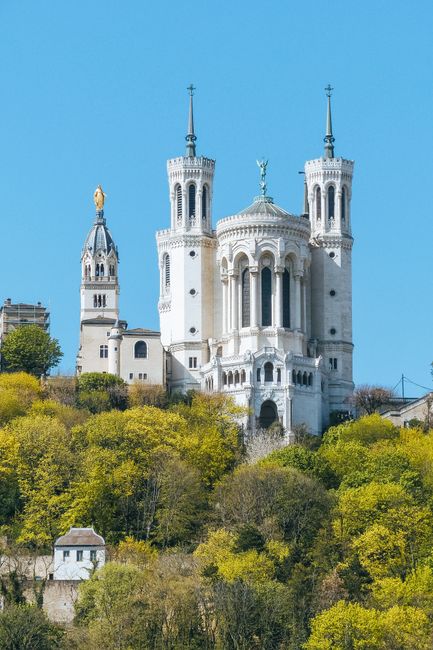
Perched on the Fourvière hill behind the basilica, this sprawling 19th-century cemetery is Lyons oldest and offers ornate tombs, leafy avenues, and sweeping city views without a single tour group in sight. Silk merchants, resistance fighters, and forgotten local notables rest beneath elaborate stone chapels that rival small churches in detail. The layout follows the hillside, so paths climb and dip past sculpted angels and weathered family crypts slowly reclaimed by ivy. It is a peaceful place to walk in the late afternoon, when light filters through the trees and the noise of the city below fades away completely. Respectful, quiet visiting is expected, as burials and family visits still take place regularly.
Tips for Hidden Gems
- Visit the Croix-Rousse sites (mural, market, garden) together since they sit within a short walk of each other on the same hillside
- Check opening times for Jardin Rosa Mir before going, as its hours are limited and volunteer-run
- Weekday mornings give the most authentic feel at Halle du Faubourg, before weekend crowds of locals arrive
- Combine Cimetiere de Loyasse with a Fourvière visit, but approach from the quieter back streets to avoid the main tourist stairs