Beyond the harbor and the basilica hilltop, Marseille hides a scatter of pockets where the city still feels lived-in rather than photographed. These spots reward slow wandering: a cove where fishermen still moor their boats, a modernist housing block turned cultural landmark, and a former tobacco factory now buzzing with artists.
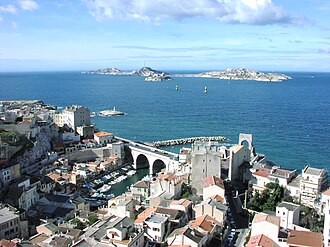
Vallon des Auffes
Tucked beneath the Corniche coastal road, this tiny fishing cove is one of the most photogenic corners of Marseille yet barely registers on most itineraries. Colorful wooden boats bob in a narrow inlet lined with pastel cabanons (fishermen's huts), and a small stone bridge frames the scene perfectly at sunset. A handful of no-frills seafood restaurants serve the day's catch right on the water, and locals still swim off the rocks in summer. Arrive in late afternoon when the light turns golden and the working boats return. It is a five-minute detour from the Corniche walking or cycling path, making it an easy add-on rather than a special trip, yet most visitors speed past on the tram without ever noticing the cove below.
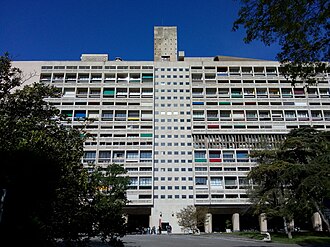
Cite Radieuse (Le Corbusier's Unite d'Habitation)
This 1952 concrete apartment block by Le Corbusier is a UNESCO-listed icon of modernist architecture, yet almost no visitors outside architecture circles seek it out. The building functions as a self-contained vertical village, with internal streets, a rooftop running track, a small amphitheater, and sweeping city views. Its ground-floor pilotis, brise-soleil facade, and Modulor-based proportions changed the course of postwar housing design worldwide. Visitors can browse a small design shop, dine at the rooftop restaurant, or book a guided tour to see a furnished apartment interior. The rooftop terrace is free to access and offers one of the best panoramic views in the city, looking toward the sea and the Calanques. It sits in a quiet residential district, a genuine architectural pilgrimage rather than a tourist stop.
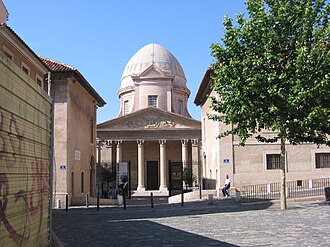
La Vieille Charite
Hidden within the narrow lanes of the old quarter stands this 17th-century former almshouse, a striking Baroque complex built around a chapel with an oval dome and colonnaded courtyard arcades. Today it houses museums of Mediterranean archaeology and African, Oceanic, and Native American art, plus rotating contemporary exhibitions, a bookshop, and a peaceful cafe in the courtyard. Architect Pierre Puget designed it originally to shelter the city's poor and homeless, and the building's history adds weight to its striking symmetry. Because it sits just off the main lanes, many visitors miss it entirely even while exploring the surrounding streets. The courtyard alone is worth a quiet ten minutes, even without visiting the exhibitions, as one of the calmest architectural spaces in the city center.
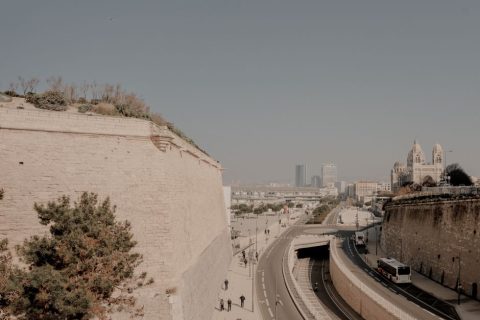
La Friche la Belle de Mai
A former state tobacco factory turned into a sprawling independent arts and culture complex, home to artist studios, a skate park, experimental theater, radio stations, a bookshop, and a rooftop bar with panoramic views over the city's rail yards. The programming shifts constantly: contemporary art exhibitions, concerts, film screenings, and a lively Saturday market for local producers. It draws Marseille's creative community rather than tour groups, giving it a distinctly unpolished, work-in-progress energy that contrasts with the postcard old town. Families gather on the rooftop terrace at dusk, and the on-site restaurant serves affordable, inventive food. Check the events calendar before visiting, since a concert or exhibition opening can transform an ordinary afternoon into something memorable. It lies a short tram ride north of the center, in a neighborhood few guidebooks cover.
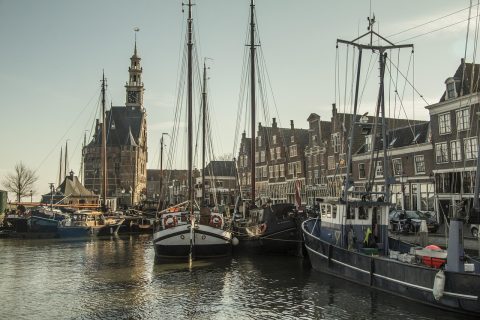
Malmousque Fishing Village
Wedged between the Corniche and the sea, this miniature fishing village feels like a separate town stitched onto Marseille's edge. Narrow lanes wind past low stone houses, a small chapel, and a rocky point where locals sunbathe and swim away from the crowds at Prado or Pointe Rouge. There are no major sights here, which is exactly the appeal: it is a place to wander without an agenda, watch pétanque games in a shaded square, and catch a quiet sunset over the water. A handful of small cafes serve simple, inexpensive food to a mostly local crowd. Wear good shoes, as the paths to the water are uneven rock rather than sand. Few visitors venture past the main Corniche viewpoints to find it, despite its being only minutes on foot from the road.
Tips for Hidden Gems
- Combine Vallon des Auffes and Malmousque into one Corniche walk to see both hidden coves in a single outing.
- Visit Cite Radieuse in the morning to avoid the midday sun on the exposed rooftop terrace.
- La Friche la Belle de Mai is most lively on weekend afternoons and evenings; check listings for concerts or markets before going.
- La Vieille Charite is easy to combine with a quiet stroll through the surrounding old quarter, away from the busier tourist lanes.