Beyond the cathedral and Pompidou-Metz, the city hides a quieter layer of medieval gateways, ancient churches and wartime memorials that few visitors ever find. These spots reward a bit of wandering off the main pedestrian routes, from a Roman-era chapel tucked behind the university to a fortified river gate locals cross without a glance. Give yourself an extra afternoon to see the Metz that stays off the postcards.
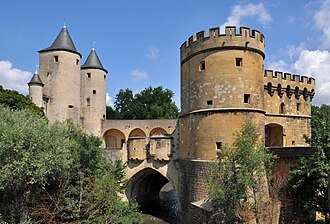
Straddling the Seille river at the eastern edge of the old town, the Porte des Allemands is a fortified double gate built in stages from the 13th to 15th centuries, its twin round towers once guarding the road to Germany. Most visitors photograph it briefly on their way elsewhere without realizing they can walk the riverside path beneath its arches or climb up during occasional open-heritage weekends. The combination of medieval towers rising directly from the water makes it one of the most photogenic and least crowded spots in the city, especially at dusk when the stone catches the light. Locals use the surrounding streets as a quiet residential shortcut, and a small garden nearby offers a peaceful spot to sit and study the fortifications up close, away from the busier squares near the cathedral.
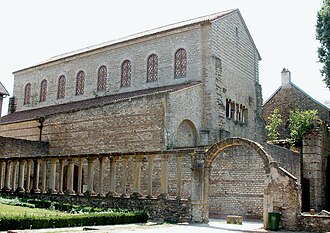
Saint-Pierre-aux-Nonnains is widely considered one of the oldest church buildings in France, with walls dating back to a 4th-century Roman civil basilica later converted into a monastic chapel. Tucked inside the Esplanade district near the ramparts, it draws a fraction of the visitors that the cathedral does, despite its extraordinary age. The interior is now used as a venue for exhibitions and concerts rather than regular worship, so opening hours vary and it rewards checking ahead. Standing inside, you can trace masonry layers spanning nearly two millennia in a single room. Pair a visit with the adjoining Chapelle des Templiers, an octagonal 12th-century Templar chapel just steps away that is equally overlooked and often visited by nobody but a stray student from the nearby campus.
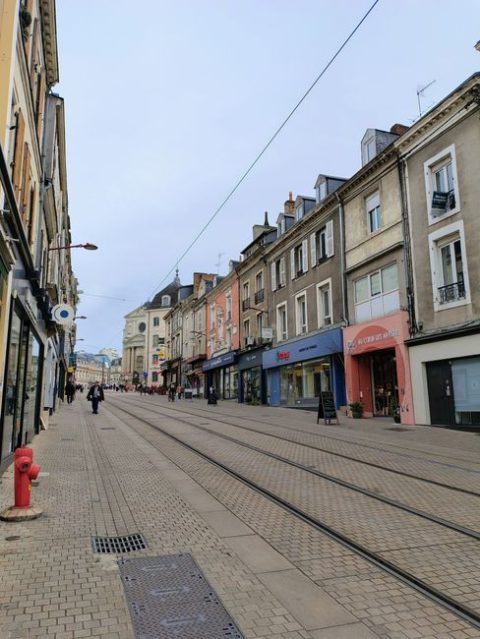
Set in a former bishop's palace behind the cathedral, the Marché Couvert de Metz is a 19th-century covered market where locals still do their weekly shopping among cheese, charcuterie and produce stalls. Visitors who stick to the cathedral square rarely step inside, missing a genuinely local scene with none of the souvenir-shop feel found elsewhere in the old town. Arrive in the morning to see it at its busiest, or grab a coffee and a slice of quiche at one of the small counters tucked between stalls. Look up at the vaulted stonework that still hints at the building's ecclesiastical past, a detail most shoppers walk past without noticing. It is an easy, low-cost way to taste Lorraine specialties without booking a formal food tour.
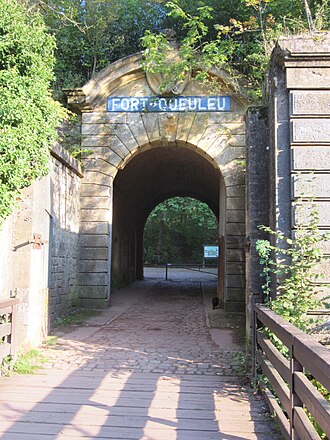
On a wooded hill southeast of the center, Fort de Queuleu is a 19th-century fortress that became a Gestapo internment site during the Second World War, and today it stands as a somber memorial rather than a polished museum. Guided tours, run mostly by volunteers on select weekends, lead through original cells and interrogation rooms with survivor testimony woven throughout. Almost no tourist itinerary includes it, which is precisely what makes a visit feel genuine rather than staged. The surrounding earthworks and tree-covered ramparts are open more freely and make for a reflective walk even outside tour hours. It is a heavier stop than the rest of Metz sightseeing, best suited to visitors interested in twentieth-century history rather than a quick photo opportunity.
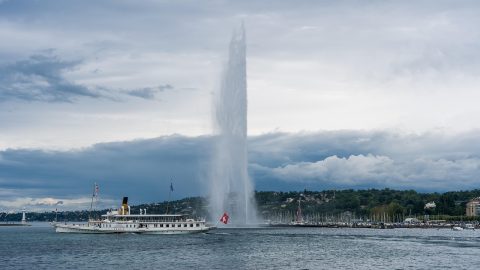
West of the city center, the Île du Saulcy is a river island occupied largely by the university campus, wrapped by a network of footbridges and a wide artificial lake known as the Plan d'Eau. Few sightseers make it this far from the historic core, leaving the shaded paths and lakeside benches to students, joggers and swans. Rowers and small sailing dinghies use the water on weekends, and the surrounding lawns are a favorite spot for locals to picnic in warmer months. The view back toward the cathedral spire across open water is one of the best in the city and is almost never crowded. It is a good place to slow down for an hour, especially in late afternoon when the light over the lake turns golden.
Tips for Hidden Gems
- Fort de Queuleu tours run on a limited weekend schedule and fill up, so check the official site before planning your visit around it.
- Saint-Pierre-aux-Nonnains keeps irregular hours tied to whatever exhibition is showing, so confirm access the same day.
- The covered market is quietest right at opening and busiest on Saturday mornings.
- Combine the Porte des Allemands with a stroll along the Seille riverbank rather than just viewing it from the road.