Beyond the château and the mechanical elephants, Nantes hides a quieter city of tilting merchant houses, riverside fishing villages, and neighborhood markets that most visitors never find. These spots reward travelers willing to wander a few streets off the tourist axis, offering a more intimate, local view of the city. Bring comfortable shoes and a bit of curiosity.

Once a true island in the Loire before the river was filled in during the 19th century, Île Feydeau is a compact grid of streets lined with elegant 18th-century shipowner mansions built on wooden piles driven into the riverbed. Decades of subsidence have left many facades visibly cracked and leaning, earning the quarter its nickname of the sinking ships. Look up to spot the elaborate carved mascarons, grinning faces, exotic figures, and mythological creatures decorating the doorways, a legacy of the colonial trade fortunes that funded the neighborhood. Jules Verne was born just steps away, and locals like to say the tilting buildings sparked his early imagination. Quiet and residential, the quarter is easy to walk past if you stick to the main shopping streets, yet it rewards a slow fifteen-minute detour with some of the most atmospheric architecture in the city.
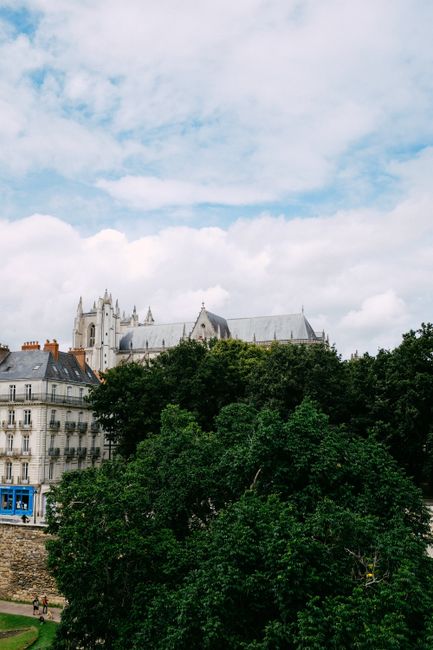
A short hop across the Loire on the navibus ferry lands you in Trentemoult, a former fishing village now absorbed into the suburb of Rezé but still feeling like its own world. Narrow lanes wind between brightly painted low houses, once home to sailors and their families, now dotted with independent boutiques, small galleries, and relaxed cafes. There are no big monuments here, just a genuine sense of village life within sight of the city skyline, and locals treat it as an easy weekend escape rather than a tourist stop. Sit at a waterfront terrace and watch the ferries cross, or duck into the maze of side streets to find murals and hand-painted shutters. The crossing itself, on a small passenger boat rather than a bridge, is part of the charm and offers one of the best low-key views of the Nantes riverfront.
Perched above the former shipbuilding district of Chantenay, the Butte Sainte-Anne is a small hilltop park that most visitors never climb to, despite offering one of the widest panoramas over the Loire, the city rooftops, and the old dry docks below. A statue of Saint Anne watches over the terrace, and a modest memorial recalls the district's wartime and industrial past, when this bluff overlooked one of France's busiest shipyards. Benches scattered along the ridge make it a favorite spot for locals to watch the sunset, read, or simply escape the busier streets of the center. There are no ticket booths or gift shops, just a quiet green space and a view that puts the scale of the river city into perspective. Come in late afternoon for the best light over the water.
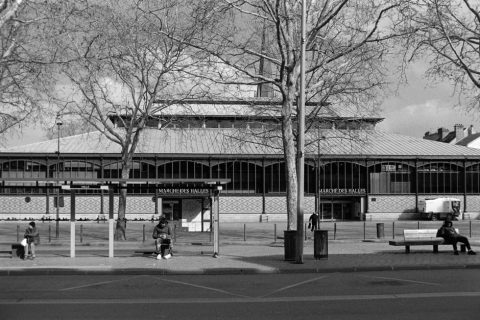
Housed in a handsome Belle Époque iron-and-glass hall, the Marché de Talensac is the daily food market Nantes locals actually shop at, tucked into the bohemian Madeleine neighborhood a short walk from the historic center. Stalls overflow with Breton oysters, local cheeses, seasonal produce, and fresh bread, and the surrounding streets are lined with small independent shops, bars, and record stores rather than tourist boutiques. Mornings are the liveliest time to visit, when the market hums with regulars picking up ingredients for lunch and vendors calling out the day's catch. Even without buying anything, wandering the aisles gives a far more genuine sense of everyday Nantes than the postcard sights downtown. Pair a visit with a coffee at one of the neighboring cafes to watch the quartier go about its ordinary business.
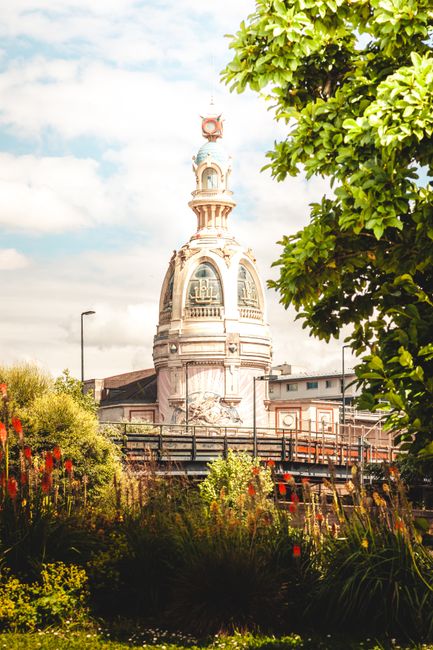
Laid out in the 19th century on a hillside overlooking the city, the Cimetière de la Miséricorde is Nantes at its most theatrical and least visited. Elaborate family tombs, weathered angel statues, and moss-covered chapels climb the slope in tiers, resting places for shipowners, artists, and civic figures who built the Nantes of the industrial era. Unlike the crowded landmarks downtown, the cemetery is almost always silent, making it a favorite among photographers and anyone curious about the city's funerary art and sculpture. Paths wind past ornate ironwork gates and crumbling mausoleums half-swallowed by ivy, with occasional gaps in the trees opening onto views of the Loire below. It is not a conventional attraction, but for travelers interested in local history away from the crowds, few places in Nantes feel this atmospheric.
Tips for Hidden Gems
- Take the navibus ferry (covered by a standard Nantes transit ticket) to reach Trentemoult across the Loire.
- Visit Île Feydeau in the late afternoon when low sunlight highlights the leaning facades and carved mascarons.
- The Marché de Talensac is busiest and freshest before noon, especially Tuesday to Sunday.
- Combine Butte Sainte-Anne with a walk through the old Chantenay shipyards for a full afternoon off the main tourist track.