When the sun sets, Paris trades museums for music, wine bars for craft cocktails, and quiet courtyards for late-night dancing. From speakeasy-style cocktail dens to legendary jazz cellars and rooftop terraces with skyline views, the city rewards those who stay out past dinner.
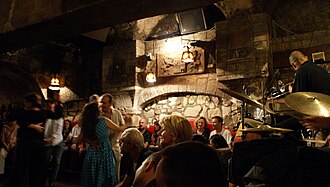
A Left Bank institution since the 1940s, Le Caveau de la Huchette is a subterranean jazz club housed in a medieval stone cellar in the Latin Quarter. Legends like Dizzy Gillespie and Count Basie once played its cramped, vaulted stage, and the tradition of live swing, bebop, and jazz continues nightly. What sets it apart is the dancing: couples swing and lindy-hop on the tiny floor well past midnight, creating an infectious, joyful energy rare among Paris nightspots. The narrow stone staircase down into the cave sets the mood before the music even starts. Arrive early on weekends, as the club fills quickly and lines form outside. It is an unpretentious, sweaty, thoroughly memorable night out, especially for anyone with even a casual interest in jazz history or social dancing.
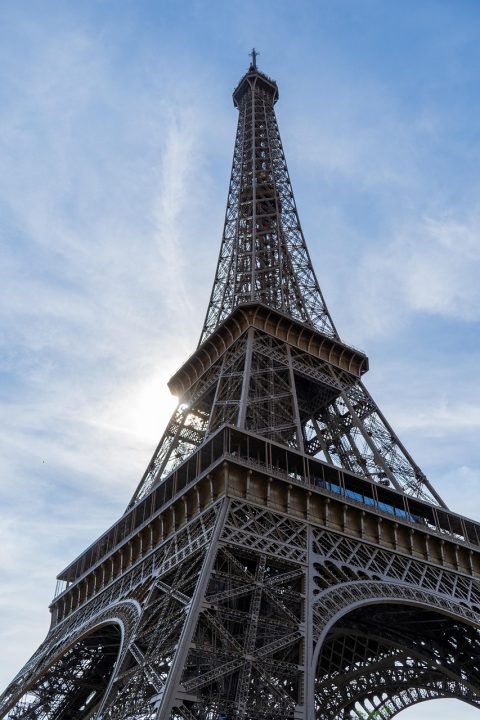
Tucked behind an unmarked door along the Canal Saint-Martin, Le Comptoir General is a sprawling, jungle-themed concept bar spread across several eccentric rooms filled with vintage curiosities and colonial-era bric-a-brac. It functions as part bar, part cultural venue, hosting DJ sets, exhibitions, and themed parties that draw a young, creative crowd. The rum-heavy cocktail menu leans into tiki and Afro-Caribbean flavors, served in a candlelit, overgrown-greenhouse atmosphere that feels worlds away from central Paris. Weekend nights get lively with dancing, while early evenings suit a laid-back drink among the taxidermy and retro signage. It is a favorite for visitors wanting something more atmospheric than a standard bar crawl stop, and the canal-side neighborhood offers plenty of nearby spots to continue the night.
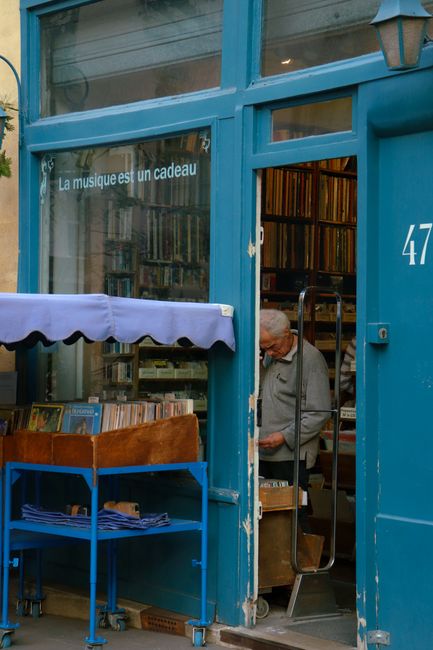
Perched atop a building in the Marais, Le Perchoir Marais is one of the city's most celebrated rooftop bars, offering sweeping views over Parisian rooftops toward the Centre Pompidou and beyond. The mismatched vintage furniture, string lights, and open-air terrace create a relaxed, sunset-drinks atmosphere that shifts into a livelier scene as the night progresses and DJs take over. Seasonal cocktails and small plates keep the crowd fed between rounds, and the mix of locals and travelers gives it a genuinely social buzz rather than a tourist-trap feel. Because there is no elevator and space is limited, arriving before peak evening hours or reserving ahead is wise, especially in warmer months when the terrace is the main draw. It pairs well with an early dinner in the Marais before heading up for the view.
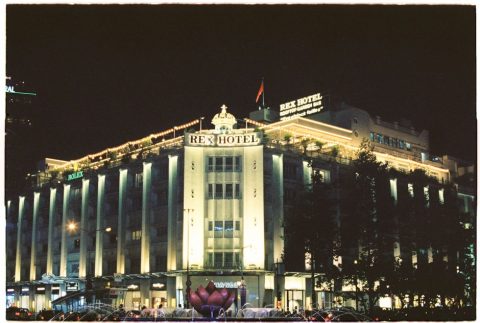
A cornerstone of the Parisian electronic music scene since 1988, Rex Club sits beneath the Grand Rex cinema near the Grands Boulevards and remains one of Europe's most respected techno and house venues. Its powerful sound system and no-frills industrial interior put the focus squarely on the music, drawing both international headliners and underground DJs to its dark, pulsing dance floor. The crowd is serious about music rather than dressed to be seen, and nights often run until dawn. It is a favorite among Paris's electronic music devotees and a good entry point for visitors wanting an authentic club night rather than a mainstream tourist venue. Doors typically open late, and lines can form for popular lineups, so checking the schedule and arriving with tickets in hand is recommended for sold-out nights.
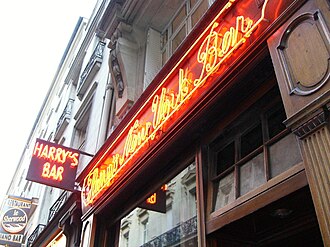
Opened in 1911 near the Opera Garnier, Harry's New York Bar claims to be the birthplace of cocktails like the Bloody Mary and the Sidecar, and its wood-paneled, clubby interior has hosted everyone from Ernest Hemingway to visiting jazz musicians over the decades. The bar retains an old-world, unhurried charm, with bow-tied bartenders mixing classics rather than chasing trends. A small piano bar downstairs adds live music some evenings, giving the venue a layered, speakeasy feel beneath the street-level room. It suits travelers who want a taste of Paris's cocktail history alongside a well-made Manhattan or martini, away from flashier modern bars. The clientele mixes regulars, expats, and curious visitors drawn by its literary reputation, making for easy conversation at the bar.
Tips for Nightlife & Entertainment
- Many clubs and rooftop bars do not get busy until after 11pm, but jazz clubs and cocktail bars start filling by early evening
- Reserve rooftop terraces in advance during summer months, as good weather fills them fast
- Carry ID, as many venues strictly enforce age checks even for visibly older patrons
- The Metro stops running around 1am on weeknights (2am on weekends), so plan a taxi or rideshare for late departures