Beyond the cathedral and the champagne cellars, Reims hides a quieter side: Roman ruins tucked under a square, an Art Deco market hall still buzzing at dawn, and a chapel painted by a Japanese master. These spots see a fraction of the crowds but reward the curious traveler with real local texture.
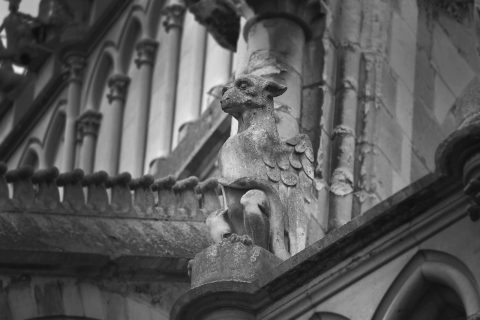
Beneath the Place du Forum lies a half-buried Gallo-Roman gallery dating to the 1st century AD, once part of the ancient forum of Durocortorum, the Roman name for Reims. The vaulted stone corridors are eerily quiet compared to the square above, and information panels explain how the structure supported the forum's terrace. It's free to enter and rarely crowded, making it an easy stop for anyone curious about the citys pre-medieval past. Bring a light jacket, as the underground chambers stay cool year-round. The site is compact, so it pairs well with a stroll through the surrounding streets rather than standing alone as a destination. Local guides sometimes offer short talks on weekends, but even without one, the atmosphere of standing in a 2,000-year-old passage is worth the short detour from the main tourist track.
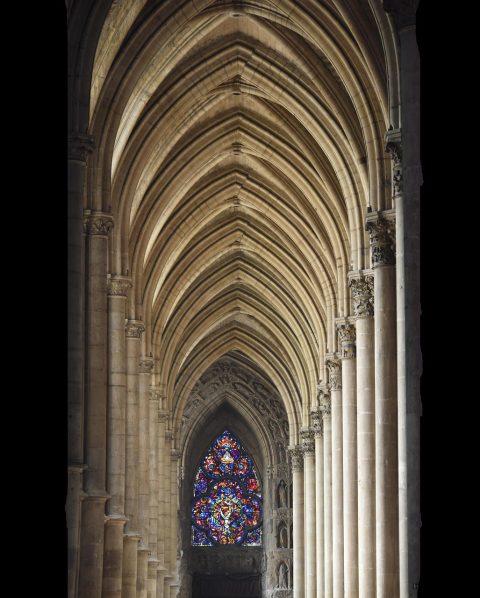
This tiny chapel, formally called Notre-Dame-de-la-Paix, was entirely designed and painted in 1966 by Léonard Foujita, a Japanese-French artist who converted to Christianity late in life and treated the building as his final masterpiece. Inside, delicate frescoes blend Japanese brushwork with Christian iconography, covering nearly every surface in soft, luminous tones. The space seats only a handful of visitors at a time, which keeps it intimate and largely missed by bus-tour crowds. Because it functions more like a private art installation than a working church, opening hours are limited, so checking ahead is worthwhile. Photography is usually restricted to protect the pigments. For anyone interested in 20th-century religious art or the unexpected cultural crossovers found in provincial France, this is one of the most surprising stops in Reims.

An Art Deco covered market built in 1929 by architect Emile Maigrot, the Halles du Boulingrin was restored in the 2010s and remains a working food market rather than a museum piece. Its sweeping concrete-and-glass roof was innovative for its era, and beneath it local vendors sell cheese, produce, seafood, and regional specialties on market mornings, typically Wednesday and Saturday. Visiting early lets travelers see daily Reims life up close, away from souvenir shops, and grab a coffee or fresh pastry among locals doing their weekly shopping. Even outside market hours, the exterior architecture is worth a look for fans of interwar design. It sits an easy walk from the cathedral, so it's simple to fold into a morning itinerary without needing a special trip.

Funded by a grant from American industrialist Andrew Carnegie after World War I devastated the citys original library, this 1928 building is a showcase of Art Deco design, with ornate wrought-iron doors, stained glass skylights, and geometric stone carvings. It still operates as a public library today, so visitors can quietly wander in to admire the reading rooms and architectural details without paying an entrance fee. The building represents an unusual chapter of Franco-American history, built as reconstruction aid rather than a typical tourist monument. Architecture enthusiasts in particular will appreciate the symmetrical facade and period detailing, which has been carefully preserved. It's a short walk from the city center and makes a peaceful, air-conditioned break between busier sightseeing stops, especially on a hot afternoon.
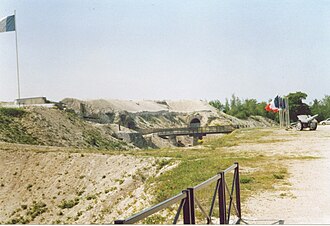
Just outside the city, this restored fort played a critical defensive role in World War I, withstanding repeated German assaults and helping protect Reims from occupation. Today it houses a well-curated museum of uniforms, weapons, and personal soldiers' effects from both French and German forces, along with preserved trenches and underground galleries visitors can walk through. It's far less visited than the citys central landmarks, which makes for an unhurried, reflective visit for anyone interested in military history. The surrounding earthworks and gun emplacements are still visible, giving a tangible sense of the front line that once ran near the city. A car or short taxi ride is the easiest way to reach it, and it pairs naturally with a broader look at the region's WWI battlefield heritage.
Tips for Hidden Gems
- The Cryptoportique and Chapelle Foujita both have limited or seasonal opening hours, so check ahead rather than showing up unannounced.
- Visit Halles du Boulingrin in the morning, ideally on a Wednesday or Saturday, when the market stalls are actually open.
- Fort de la Pompelle requires a car, bike, or taxi since it sits outside the walkable city center.
- Combine the Cryptoportique, Bibliothèque Carnegie, and Chapelle Foujita into one walking loop since they sit relatively close together.