Athens compresses millennia into a walkable core, so prioritizing wisely matters on a short trip. The Parthenon crowns the Acropolis as the essential first stop, its neighboring Erechtheion adding a quieter, more delicate counterpoint with its caryatid porch. Just downhill, the Acropolis Museum houses the site's original sculptures in daylight-filled galleries, while the Ancient Agora traces the birthplace of democracy through scattered stoas and temples. For a break from ruins, Plaka's tangled lanes and Monastiraki Square offer tavernas and markets minutes from the monuments. Together these picks cover ancient grandeur, museum context, and everyday city life without wasting a single afternoon.
Athens boasts some of the world's most iconic ancient landmarks that have shaped Western civilization. These architectural marvels stand as testaments to the city's glorious past and attract millions of visitors annually.
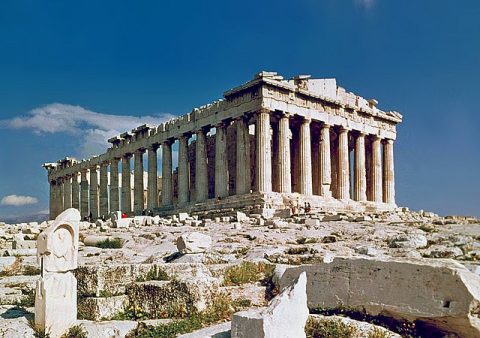
The crown jewel of ancient Athens, this magnificent temple dedicated to goddess Athena was completed in 438 BC. Despite centuries of damage, its Doric columns and sculptural refinement continue to inspire awe. The monument represents the peak of classical Greek architecture and symbolizes democracy and Western civilization. Currently undergoing careful restoration to preserve it for future generations while maintaining its historical integrity and breathtaking presence on the Acropolis hill.
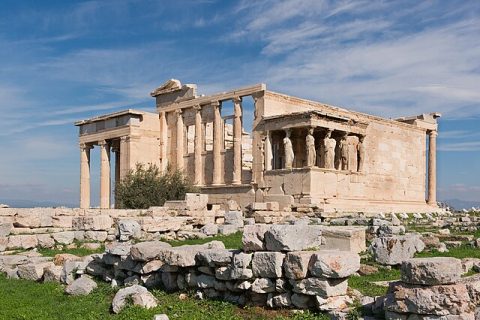
Famous for its Porch of the Caryatids, where six elegant female figures serve as architectural columns. This sacred temple, completed in 406 BC, honored both Athena and Poseidon. The asymmetrical design accommodates sacred sites and incorporates Ionic architectural elements. The caryatids you see today are replicas; originals are preserved in the Acropolis Museum. The temple's complex layout reflects multiple religious functions and demonstrates sophisticated ancient engineering adapted to the irregular rocky terrain of the Acropolis.
Tips for Landmarks & Monuments
- Book Acropolis tickets online to avoid long queues, especially during summer months
- Visit early morning (8 AM opening) or late afternoon for fewer crowds and better lighting for photos
- Wear comfortable shoes with good grip as ancient marble surfaces can be slippery
- Bring sun protection, water, and hat - there's minimal shade on the Acropolis
- Consider the combined ticket (€30) covering Acropolis and 6 other archaeological sites, valid for 5 days
Athens houses world-class museums showcasing ancient artifacts, classical sculptures, and contemporary art. These institutions preserve and present Greece's extraordinary cultural heritage alongside modern artistic expressions.

This architectural masterpiece opened in 2009, specifically designed to house treasures from the Acropolis. The building itself is remarkable, with glass floors revealing ancient ruins beneath. The top floor replicates the Parthenon's dimensions, displaying the original frieze sculptures in their proper orientation. The museum houses the authentic Caryatids from the Erechtheion, pediment sculptures, and thousands of artifacts. Natural light illuminates the galleries, while panoramic views of the Acropolis create an unforgettable connection between ancient and modern. The museum presents compelling arguments for returning the Parthenon Marbles from London.
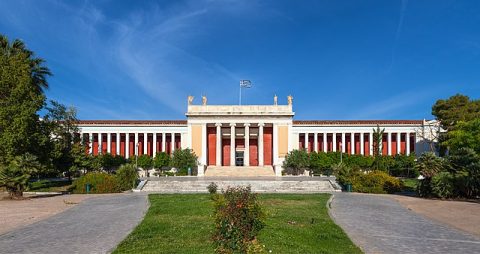
Greece's largest museum and one of the world's most important archaeological institutions. The vast collection spans 5,000 years, featuring the Mask of Agamemnon, exquisite Cycladic figurines, the Antikythera mechanism (ancient computer), and spectacular bronze sculptures recovered from shipwrecks. Dedicated galleries cover prehistoric, sculpture, pottery, metallurgy, and Egyptian collections. The museum provides comprehensive understanding of ancient Greek civilization. Recent renovations have modernized displays while maintaining scholarly depth. Essential for serious archaeology enthusiasts and anyone wanting to understand ancient Greece beyond monuments.
Tips for Museums & Galleries
- Museum pass options available for multiple venues - check official websites for current offers
- Many museums offer free admission on specific days - typically first Sunday of the month (November-March)
- Audio guides enhance understanding of complex archaeological contexts
- Photography usually permitted without flash - check individual museum policies
- Visit National Archaeological Museum on weekday mornings for optimal experience
- Acropolis Museum restaurant offers excellent dining with Acropolis views
Beyond the Acropolis, Athens contains numerous archaeological sites that reveal layers of ancient civilization. These ruins tell stories of democracy, philosophy, commerce, and daily life in classical antiquity.
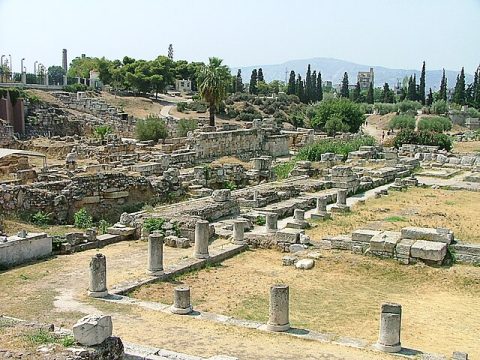
The heart of ancient Athenian life, this sprawling site was the civic center where democracy was born. Citizens gathered here for political assemblies, philosophical discussions, and commerce. The well-preserved Temple of Hephaestus (one of the best-preserved Greek temples) dominates the site. The reconstructed Stoa of Attalos now houses the Agora Museum with fascinating everyday artifacts. Walk the same paths as Socrates, Plato, and Aristotle. Excavations reveal foundations of government buildings, law courts, and shops. The site powerfully evokes ancient civic life and the foundations of Western democracy.
Tips for Ancient & Historical Sites
- The €30 combined ticket covers Ancient Agora, Roman Agora, Kerameikos, Theatre of Dionysus, and more - valid 5 days
- Visit archaeological sites in early morning or late afternoon to avoid midday heat
- Bring water and sun protection - ancient sites have limited shade
- Wear sturdy walking shoes for uneven ancient pathways
- Consider hiring a licensed guide for deeper historical context and stories
- Free admission days: March 6, April 18, May 18, last weekend of September, October 28, every first Sunday Nov-March
Athens' vibrant public squares and streets serve as the city's social heart. These spaces blend history, commerce, and contemporary life, offering authentic glimpses of modern Athenian culture.
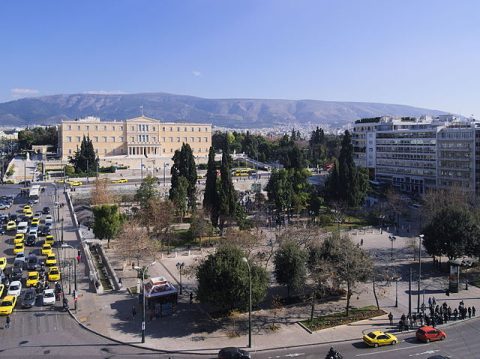
Athens' central square and the city's political heart, facing the Hellenic Parliament building. The square's name means 'Constitution Square,' commemorating the 1843 constitution. The iconic Changing of the Guard ceremony at the Tomb of the Unknown Soldier occurs hourly, with elaborate Sunday 11 AM ceremony. The Evzones guards wear traditional uniforms with distinctive pom-pom shoes. The square features fountains, cafes, and metro station with archaeological displays. Major protests and celebrations happen here. The square connects major streets and provides access to the National Garden, making it the perfect starting point for exploring Athens.
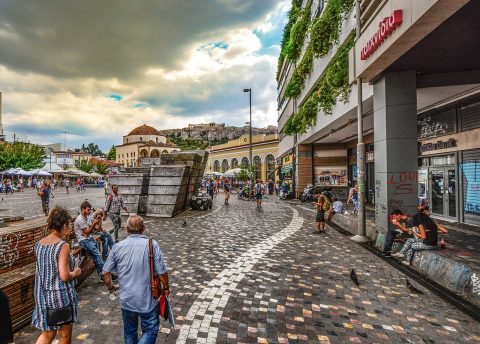
This bustling square merges ancient and modern Athens with remarkable energy. The name means 'little monastery' from a Byzantine church in the square. Surrounding the square are the Ancient Agora, Roman Agora, and Hadrian's Library. The famous flea market sprawls through adjacent streets every Sunday. Cafes with Acropolis views line the square. The metro station features glass floors revealing archaeological excavations. Street performers, vendors, and crowds create vibrant atmosphere. The square perfectly captures Athens' layered history and contemporary vitality. Essential for experiencing authentic Athenian street life and shopping for souvenirs.
Tips for Squares & Streets
- Changing of the Guard at Syntagma occurs every hour on the hour; Sunday 11 AM ceremony most elaborate
- Monastiraki flea market best on Sunday mornings for antiques, vintage items, and unique finds
- Ermou Street shopping: most stores open Monday-Saturday; limited Sunday hours
- Try cafe culture: order frappe or Greek coffee and relax like locals - no rush to leave
- Kolonaki cafes excellent for authentic Athenian social experience
- Evening strolls especially pleasant when streets cool and locals emerge
Athens' diverse neighborhoods each possess distinct character, from ancient Plaka's village charm to Psiri's edgy nightlife. Exploring these districts reveals authentic local life beyond tourist landmarks.
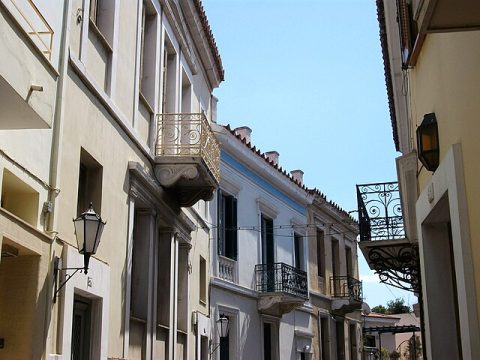
The 'Neighborhood of the Gods' nestles below the Acropolis with narrow pedestrian streets, neoclassical architecture, and village atmosphere. This historic district features tavernas with live music, souvenir shops, small museums, and Byzantine churches. Bougainvillea cascades from balconies. Despite tourist crowds, Plaka retains authentic charm, especially in quieter side streets. Ancient ruins emerge unexpectedly between buildings. The area exemplifies traditional Greek neighborhood character with outdoor dining, friendly shopkeepers, and relaxed pace. Evening visits particularly magical with illuminated Acropolis above. Essential for experiencing old Athens atmosphere and traditional Greek hospitality in the city center.
Tips for Neighborhoods
- Plaka evenings offer romantic atmosphere with illuminated Acropolis - book taverna with view
- Psiri nightlife starts late: arrive after 10 PM for full energy
- Anafiotika best explored early morning or late afternoon for peaceful experience and photos
- Exarcheia safe during day but exercise normal urban caution at night
- Koukaki perfect for apartment rentals - authentic neighborhood with great location
- Each neighborhood has unique dining character - explore beyond hotel recommendations
Athens offers efficient public transportation making navigation easy and affordable. The metro system is modern, clean, and doubles as an archaeological museum with excavation displays in stations.

The modern metro system efficiently connects major sites, neighborhoods, and the airport. Three lines (Blue, Red, Green) intersect at key points. Many stations, especially Syntagma and Acropolis, display archaeological finds discovered during construction behind glass walls. The system is clean, air-conditioned, and user-friendly with English signage. Trains run frequently from 5:30 AM to midnight (later on weekends). Single tickets (€1.20) valid 90 minutes; day passes available. The airport express (Line 3) reaches the city in 40 minutes. The metro represents successful modernization preserving ancient heritage. Essential for efficient, affordable city navigation avoiding traffic.
Tips for Transportation
- Multi-day tickets offer best value: 5-day pass €9, 3-day pass €22 covers all public transport
- Airport metro ticket (€9) valid 90 minutes on all transport
- Validate tickets before boarding - inspectors fine €60 for invalid tickets
- Keep ticket until exit - needed for metro gates
- Download Athens transport app for routes and schedules
- Taxis affordable for groups or late night; use Beat app for reliable service
- Acropolis and Syntagma stations display archaeological finds - mini-museum visits during transit
Athens' location enables spectacular day trips to ancient sites, coastal temples, and scenic destinations. These excursions reveal Greece beyond the capital while returning by evening.
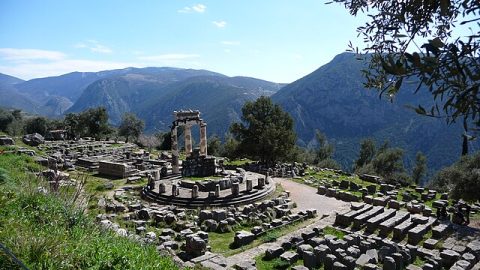
The ancient 'center of the world' sits on Mount Parnassus' dramatic slopes, 2.5 hours northwest of Athens. This UNESCO World Heritage Site was antiquity's most important oracle where priestess Pythia channeled Apollo's prophecies. The extensive ruins include the Temple of Apollo, ancient theatre with stunning mountain views, stadium, and treasuries. The excellent museum displays the Charioteer of Delphi and other masterpieces. The setting is breathtaking cliffs, valleys, and olive groves create mystical atmosphere explaining why ancients considered it sacred. Organized tours handle transportation and provide expert guides. Essential day trip for understanding ancient Greek religion and seeing spectacular archaeological site beyond Athens.

This clifftop temple dramatically overlooks the Aegean Sea at Attica's southern tip, 70km from Athens. Built in 444 BC, the Temple of Poseidon features elegant Doric columns silhouetted against sea and sky. Lord Byron carved his name on a column during his visit. The coastal drive passes beaches and seaside towns. Sunset visits are spectacular the temple glows golden before the sun sinks into the sea, creating magical atmosphere. The archaeological site is manageable in size, allowing time to explore and photograph. Tours from Athens include transportation and guide, or drive independently. Essential for combining ancient history with stunning natural beauty and sunset experience.
Tips for Day Trips
- Book organized day trips for distant sites like Delphi and Meteora - transportation logistics challenging independently
- Sunset tours to Cape Sounion incredibly popular - book several days ahead
- Bring swimsuit for Hydra - swimming opportunities from rocks
- Ferry tickets to islands available at Piraeus port or online - check schedules in advance
- Delphi and Meteora require full commitment - early departure, late return, but absolutely worth it
- Pack water, snacks, and sun protection for archaeological sites
- Modest dress required for Meteora monasteries - cover shoulders and knees
Real, highly-rated Restaurants in Athens, sourced from Google Places (rating above 4★).
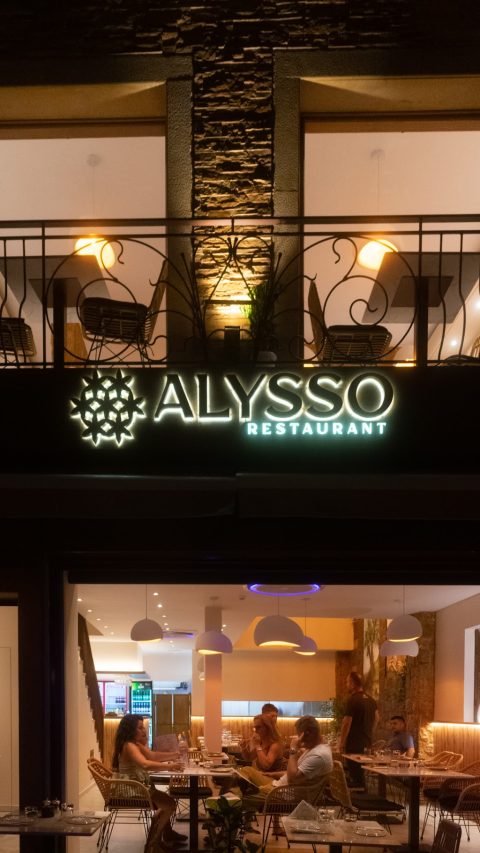
Alysso Restaurant is a highly-rated restaurant in Athens, rated 4.9★ from 952 reviews. Located at Ναυάρχου Αποστόλη 11, Athina 105 54, Greece.
Opening Hours
- Monday: 1:00 PM – 12:00 AM
- Tuesday: 1:00 PM – 12:00 AM
- Wednesday: 1:00 PM – 12:00 AM
- Thursday: 1:00 PM – 12:00 AM
- Friday: 1:00 PM – 12:00 AM
- Saturday: 1:00 PM – 12:00 AM
- Sunday: 1:00 PM – 12:00 AM

Zohόs is a highly-rated restaurant in Athens, rated 4.9★ from 397 reviews. Located at Navarchou Nikodimou 18-20, Athina 105 57, Greece.
Opening Hours
- Monday: 7:00 – 11:30 PM
- Tuesday: 7:00 – 11:30 PM
- Wednesday: 7:00 – 11:30 PM
- Thursday: 7:00 – 11:30 PM
- Friday: 7:00 – 11:30 PM
- Saturday: 7:00 – 11:30 PM
- Sunday: 7:00 – 11:30 PM
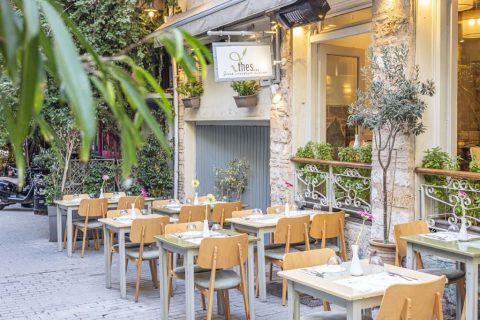
Thes ''Greek Creative Cuisine'' is a highly-rated restaurant in Athens, rated 4.9★ from 3473 reviews. Located at Taki 16, Athina 105 54, Greece.
Opening Hours
- Monday: 5:00 – 11:30 PM
- Tuesday: 5:00 – 11:30 PM
- Wednesday: 5:00 – 11:30 PM
- Thursday: 5:00 – 11:30 PM
- Friday: 12:30 – 11:30 PM
- Saturday: 12:30 – 11:30 PM
- Sunday: 12:30 – 11:30 PM
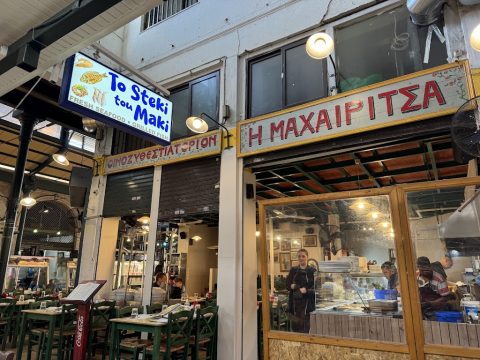
To Steki Tou Maki is a highly-rated restaurant in Athens, rated 4.9★ from 674 reviews. Located at Sofokleous, Athanaton 17-19, Athina 105 52, Greece.
Opening Hours
- Monday: 9:00 AM – 6:00 PM
- Tuesday: 9:00 AM – 6:00 PM
- Wednesday: 9:00 AM – 6:00 PM
- Thursday: 9:00 AM – 6:00 PM
- Friday: 9:00 AM – 6:00 PM
- Saturday: 9:00 AM – 6:00 PM
- Sunday: Closed
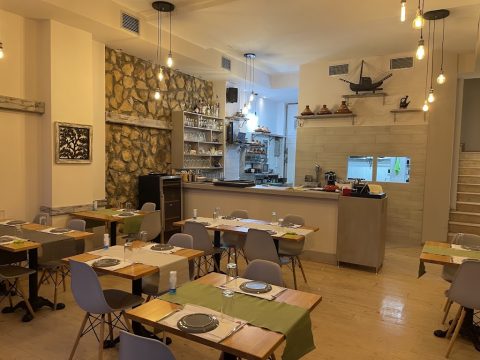
A Little Taste of Home Restaurant is a highly-rated restaurant in Athens, rated 4.8★ from 2704 reviews. Located at Astiggos 8, Athina 105 55, Greece.
Opening Hours
- Monday: 1:00 – 10:00 PM
- Tuesday: Closed
- Wednesday: 1:00 – 10:00 PM
- Thursday: 1:00 – 10:00 PM
- Friday: 1:00 – 10:30 PM
- Saturday: 1:00 – 10:30 PM
- Sunday: 1:00 – 10:00 PM
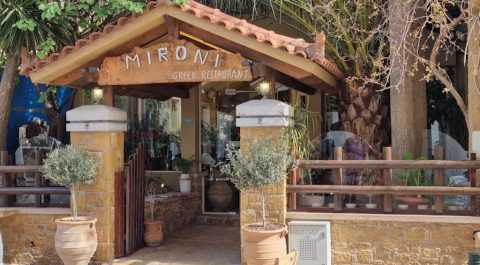
MIRONI Restaurant - Greek Kitchen is a highly-rated restaurant in Athens, rated 4.8★ from 5978 reviews. Located at Meg. Alexandrou 7, Athina 104 37, Greece.
Opening Hours
- Monday: 12:00 PM – 1:00 AM
- Tuesday: 12:00 PM – 1:00 AM
- Wednesday: 12:00 PM – 1:00 AM
- Thursday: 12:00 PM – 1:00 AM
- Friday: 12:00 PM – 1:00 AM
- Saturday: 12:00 PM – 1:00 AM
- Sunday: 12:00 PM – 1:00 AM
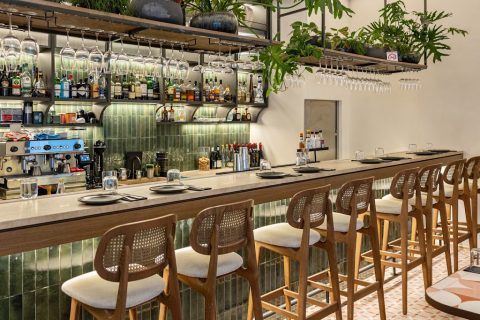
Yphes Restaurant Athens is a highly-rated restaurant in Athens, rated 4.8★ from 708 reviews. Located at Ktena 3, Athina 105 63, Greece.
Opening Hours
- Monday: 8:00 AM – 12:00 AM
- Tuesday: 8:00 AM – 12:00 AM
- Wednesday: 8:00 AM – 12:00 AM
- Thursday: 8:00 AM – 12:00 AM
- Friday: 8:00 AM – 12:30 AM
- Saturday: 8:00 AM – 12:30 AM
- Sunday: 8:00 AM – 12:00 AM
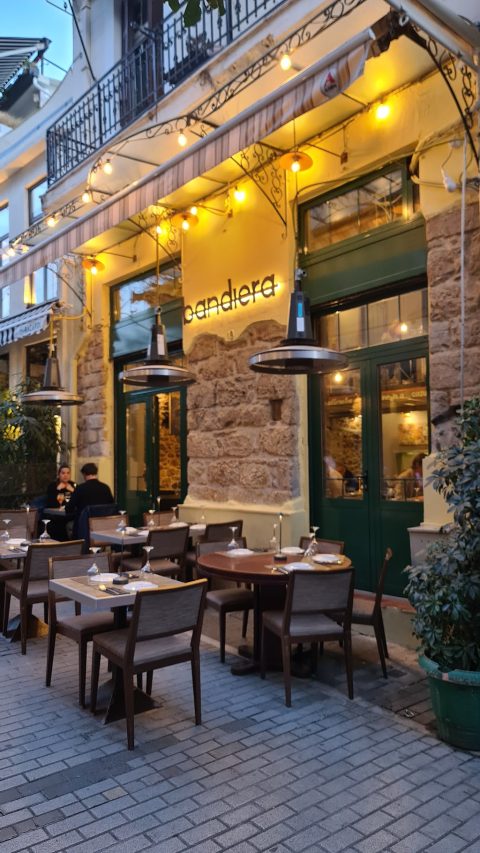
Bandiera is a highly-rated restaurant in Athens, rated 4.8★ from 5374 reviews. Located at Taki 19, Athina 105 54, Greece.
Opening Hours
- Monday: Closed
- Tuesday: 1:00 – 11:00 PM
- Wednesday: 1:00 – 11:00 PM
- Thursday: 1:00 – 11:00 PM
- Friday: 1:00 – 11:00 PM
- Saturday: 1:00 – 11:00 PM
- Sunday: 1:00 – 11:00 PM
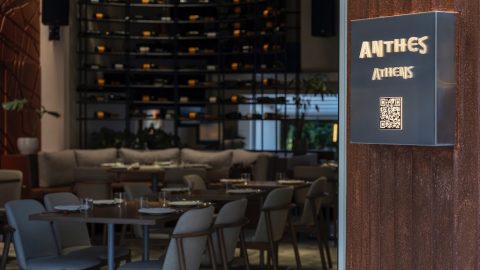
ANTHES RESTAURANT is a highly-rated restaurant in Athens, rated 4.8★ from 601 reviews. Located at Skoufou 3, Athina 105 57, Greece.
Opening Hours
- Monday: 5:00 PM – 1:00 AM
- Tuesday: 5:00 PM – 1:00 AM
- Wednesday: 5:00 PM – 1:00 AM
- Thursday: 5:00 PM – 1:00 AM
- Friday: 5:00 PM – 1:00 AM
- Saturday: 5:00 PM – 1:00 AM
- Sunday: Closed
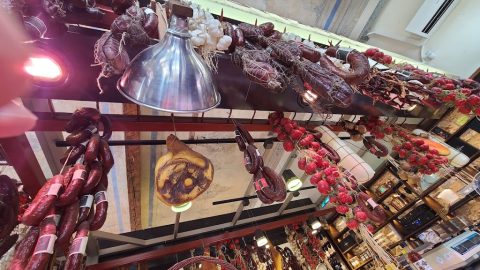
Karamanlidika is a highly-rated restaurant in Athens, rated 4.7★ from 13831 reviews. Located at Evripidou 52, Athina 105 52, Greece.
Opening Hours
- Monday: 9:00 AM – 11:00 PM
- Tuesday: 9:00 AM – 11:00 PM
- Wednesday: 9:00 AM – 11:00 PM
- Thursday: 9:00 AM – 11:00 PM
- Friday: 9:00 AM – 11:00 PM
- Saturday: 9:00 AM – 11:00 PM
- Sunday: Closed
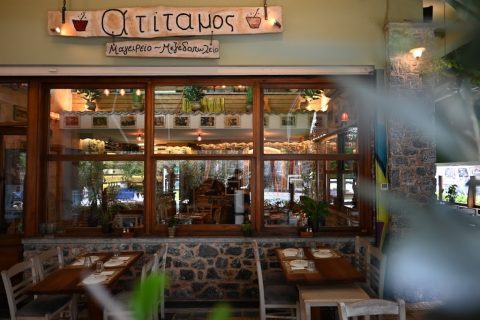
Ατίταμος is a highly-rated restaurant in Athens, rated 4.7★ from 8238 reviews. Located at Kapodistriou 2, Athina 106 83, Greece.
Opening Hours
- Monday: 12:00 PM – 1:00 AM
- Tuesday: 12:00 PM – 1:00 AM
- Wednesday: 12:00 PM – 1:00 AM
- Thursday: 12:00 PM – 1:00 AM
- Friday: 12:00 PM – 1:00 AM
- Saturday: 12:00 PM – 1:00 AM
- Sunday: 12:00 PM – 1:00 AM
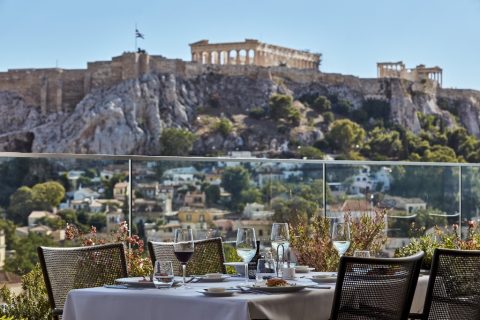
Metropolis Roof Garden is a highly-rated restaurant in Athens, rated 4.7★ from 1574 reviews. Located at Mitropoleos 15, Athina 105 57, Greece.
Opening Hours
- Monday: 7:00 AM – 12:00 AM
- Tuesday: 7:00 AM – 12:00 AM
- Wednesday: 7:00 AM – 12:00 AM
- Thursday: 7:00 AM – 12:00 AM
- Friday: 7:00 AM – 12:00 AM
- Saturday: 7:00 AM – 12:00 AM
- Sunday: 7:00 AM – 12:00 AM
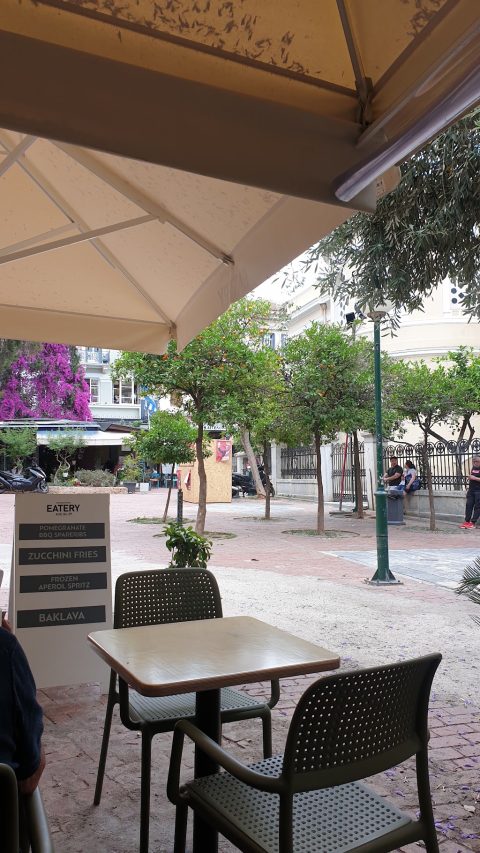
EATERY Bairaktaris Aiolou 29 is a highly-rated restaurant in Athens, rated 4.7★ from 3322 reviews. Located at Aiolou 29, Athina 105 51, Greece.
Opening Hours
- Monday: 9:00 AM – 11:00 PM
- Tuesday: 9:00 AM – 11:00 PM
- Wednesday: 9:00 AM – 11:00 PM
- Thursday: 9:00 AM – 11:00 PM
- Friday: 9:00 AM – 12:00 AM
- Saturday: 9:00 AM – 12:00 AM
- Sunday: 9:00 AM – 11:00 PM
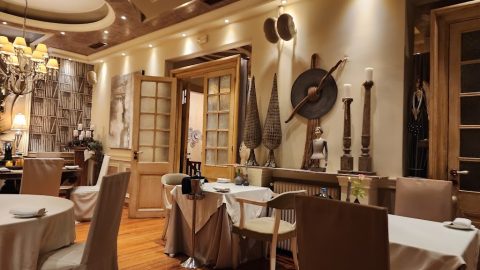
Aleria Restaurant is a highly-rated restaurant in Athens, rated 4.7★ from 1649 reviews. Located at Meg. Alexandrou 57, Athina 104 35, Greece.
Opening Hours
- Monday: 7:00 PM – 12:30 AM
- Tuesday: 7:00 PM – 12:30 AM
- Wednesday: 7:00 PM – 12:30 AM
- Thursday: 7:00 PM – 12:30 AM
- Friday: 7:00 PM – 12:30 AM
- Saturday: 7:00 PM – 12:30 AM
- Sunday: Closed
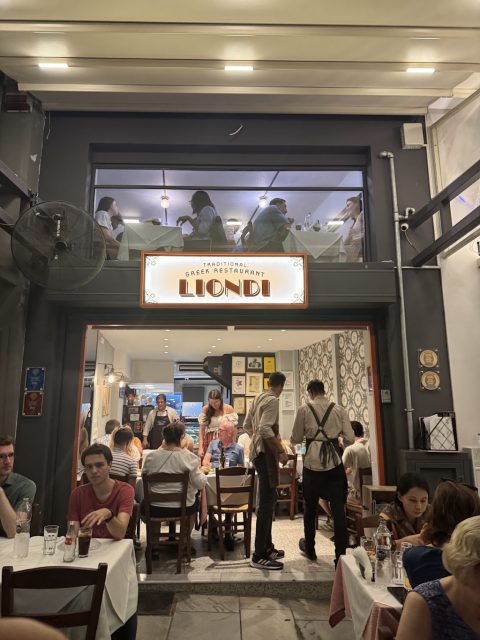
LIONDI Traditional Greek Restaurant is a highly-rated restaurant in Athens, rated 4.7★ from 6929 reviews. Located at Makrigianni 19-21, Athina 117 42, Greece.
Opening Hours
- Monday: 11:00 AM – 10:00 PM
- Tuesday: 11:00 AM – 10:00 PM
- Wednesday: 11:00 AM – 10:00 PM
- Thursday: 11:00 AM – 10:00 PM
- Friday: 11:00 AM – 10:00 PM
- Saturday: 11:00 AM – 10:00 PM
- Sunday: 11:00 AM – 10:00 PM