Things to do in Thessaloniki
Iconic structures that define Thessaloniki's skyline and cultural heritage, from Ottoman-era landmarks to Paleochristian treasures
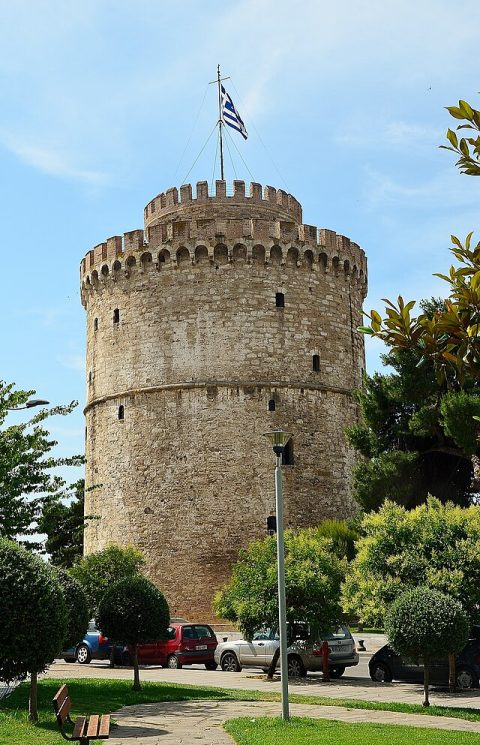
Thessaloniki's most iconic landmark, this 15th-century Ottoman tower dominates the waterfront. Once a fortress, now a symbol of the city. The tower offers 360-degree views from its upper levels and houses a museum showcasing the city's Ottoman history. The white marble exterior gives it its distinctive appearance.
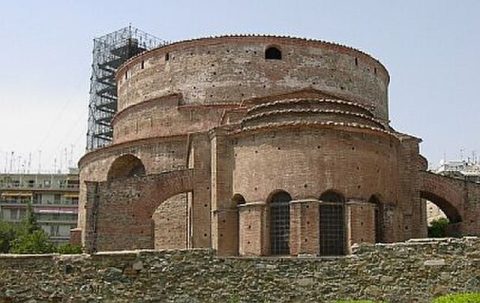
A magnificent triumphal arch built in the 4th century AD to commemorate Roman emperor Galerius's victory over the Persians. Featuring intricate relief sculptures depicting military processions and sacrificial scenes, this partially preserved monument showcases exceptional Roman craftsmanship and provides insight into ancient provincial architecture.
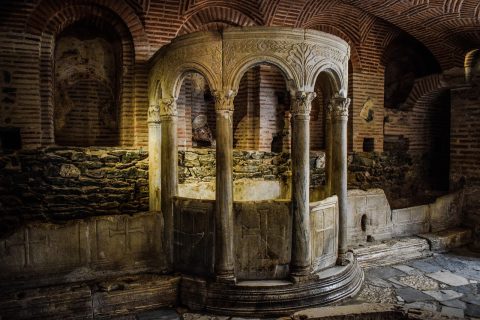
Originally constructed as a Roman mausoleum in the 4th century, this perfectly circular structure was later converted into a church. The massive dome and intricate Byzantine mosaics are stunning examples of early Christian art. The building's acoustics and architectural proportions remain impressive even today.
Tips for Landmarks & Monuments
- Visit the White Tower at sunset for the best photography opportunities
- Combine the Arch of Galerius and Rotunda visit in a single walking tour
- Many monuments offer free entry; check opening hours before visiting
- Bring water and wear comfortable shoes for extensive walking
Explore Thessaloniki's profound historical legacy spanning Greek, Roman, and Byzantine periods with significant archaeological remains
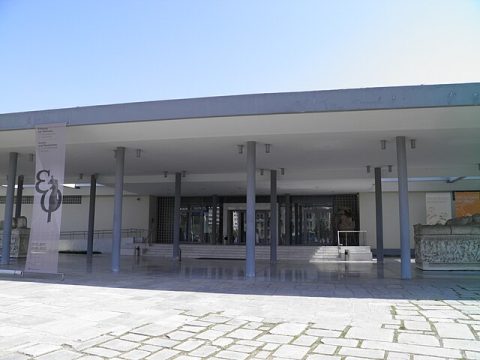
One of Greece's finest museums housing an exceptional collection of Macedonian treasures including artifacts from the royal tombs of Vergina, ancient Greek sculptures, Byzantine mosaics, and Hellenistic jewelry. The museum's modern exhibits and interactive displays provide comprehensive context for understanding ancient Macedonian civilization.
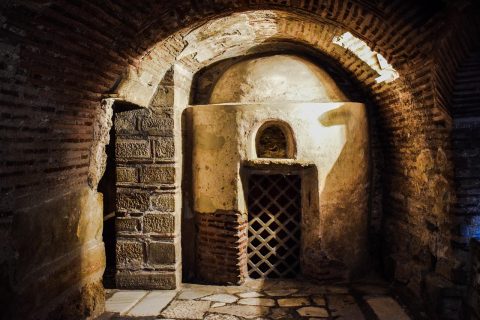
The remains of ancient Thessaloniki's main marketplace showcase Hellenistic and Roman period architecture. Partially excavated columns, foundations, and scattered artifacts tell stories of commerce and daily life. The site offers insight into the city's importance as a major Mediterranean trading center.
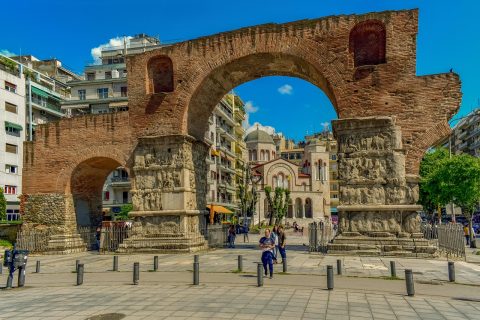
Extensive ruins of the lavish imperial palace of Roman Emperor Galerius, featuring hypocaust heating systems, marble floors, and intricate mosaics. The complex reveals the grandeur of Roman provincial administration and includes remains of administrative buildings, baths, and residential quarters spread across multiple levels.
Tips for Ancient & Historical Sites
- The Archaeological Museum and ancient sites are best visited in cooler morning hours
- Consider hiring a guide for deeper historical context and stories
- Many sites lack extensive shade; bring sunscreen and hats
- Some excavations are ongoing; certain areas may be cordoned off
Discover magnificent Byzantine churches and ancient religious structures showcasing centuries of spiritual and artistic devotion
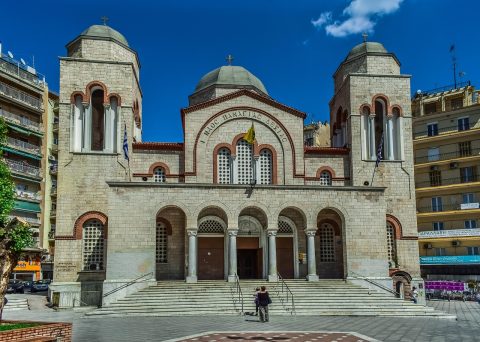
One of the most important Byzantine churches in Greece, dedicated to St. Demetrius, the patron saint of Thessaloniki. The extraordinary gold mosaics and marble columns create an atmosphere of spiritual magnificence. The crypt houses the shrine of St. Demetrius and features remarkable frescos depicting early Christian martyrdom scenes.
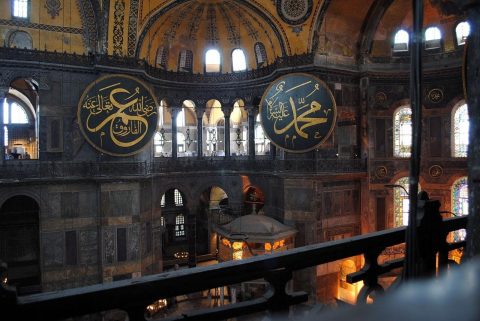
A stunning Byzantine basilica featuring a massive dome and intricate mosaics depicting Christ and the Virgin Mary. The soaring interior space and harmonious proportions reflect sophisticated Byzantine architectural principles. The church underwent several transformations, serving as mosque during Ottoman rule before restoration to its original splendor.
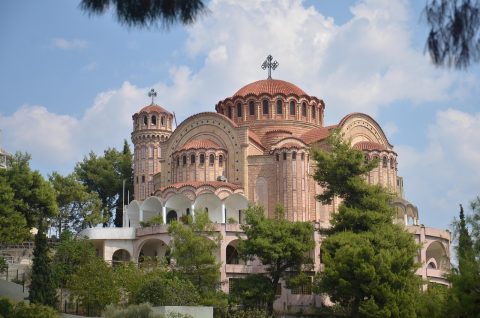
Named 'made without hands,' this Early Christian basilica dates to the 5th century and features beautiful Byzantine mosaics and intricate marble decorations. The church's three aisles and original columns create an awe-inspiring atmosphere. The building showcases the evolution from Late Antique to Byzantine architectural styles.
Tips for Religious Sites
- Dress respectfully when entering churches; shoulders and knees should be covered
- Services are often held in early mornings and evenings; plan visits accordingly
- Photography may be restricted in some areas; ask permission before photographing
- Visit early morning or late afternoon for the best interior lighting and fewer crowds
Immerse yourself in art and culture through diverse collections spanning ancient artifacts to contemporary works
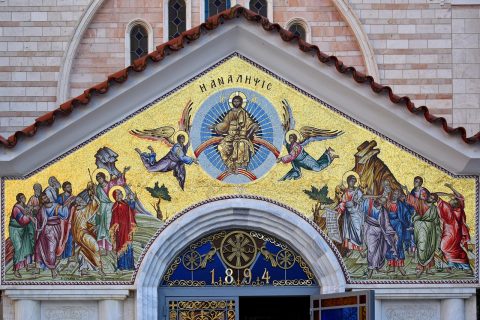
An exceptional collection of Byzantine religious art, icons, manuscripts, and ecclesiastical treasures spanning over a thousand years. The museum's careful curation and excellent lighting showcase the spiritual and artistic achievements of Byzantine civilization. Interactive displays and detailed explanations enhance understanding of Byzantine iconography.
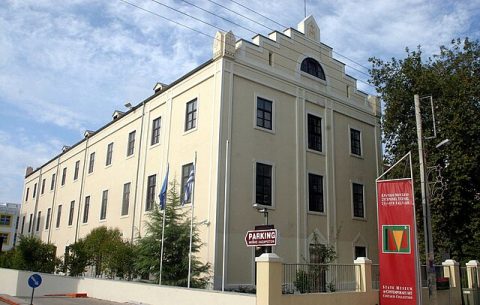
Housed in a striking modern building, this museum features contemporary Greek and international artists. The rotating exhibitions showcase cutting-edge works from painting and sculpture to digital installations. The architecture itself is an artistic statement, with spacious galleries and innovative display techniques.
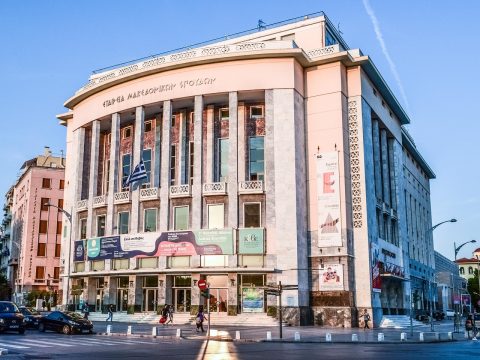
Dedicated to the history of Macedonia and Greek independence struggles, this museum houses weapons, photographs, documents, and personal artifacts. The well-documented narrative spans centuries of regional history and cultural identity. Exhibits provide context for understanding modern Greek nationalism and historical conflicts.
Tips for Museums & Galleries
- Many museums offer discounted rates for students and seniors with valid ID
- Consider purchasing a combined ticket if visiting multiple state museums
- Most museums have excellent gift shops with quality reproductions and books
- Audio guides are available in multiple languages at major museums
Experience the vibrant heart of Thessaloniki through its lively squares, charming streets, and public gathering places
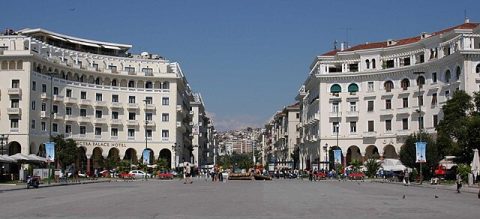
The city's grand central plaza, framed by elegant Parisian-style Belle Époque buildings and featuring a magnificent fountain. The square is perfectly symmetrical and beautifully proportioned, designed in the early 20th century after the great fire. It's the social hub of Thessaloniki, constantly bustling with locals and visitors enjoying cafés and people-watching.
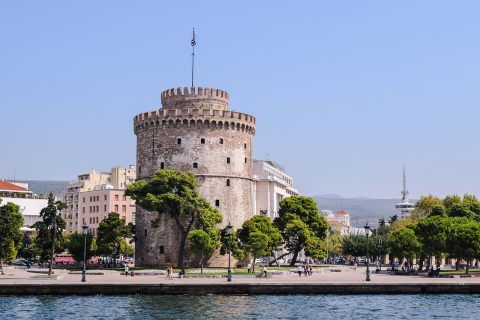
An extensive seafront boulevard stretching along the Thermaic Gulf, featuring walkways, gardens, cafés, and excellent views of the water. The perfectly maintained promenade is ideal for evening strolls and offers refreshing breezes. Street performers and local vendors add vibrant atmosphere, especially during summer months and weekends.

A historic covered market in the heart of the city, bustling with fruit vendors, fish stalls, spice merchants, and traditional shops. The ornate iron and glass roof structure is architecturally significant, dating from the early 1900s. The market offers an authentic glimpse into local life and is perfect for sampling fresh produce and regional specialties.
Tips for Squares & Streets
- Visit Aristotelous Square in early evening when locals gather for the traditional volta (evening stroll)
- The Modiano Market is liveliest in early mornings; visit before 2 PM for best selection
- The waterfront promenade is perfect for sunset walks; bring comfortable shoes
- Street cafés offer excellent people-watching and are great for people-watching and socializing
Explore distinct neighborhoods, each with unique character, history, and local flavor
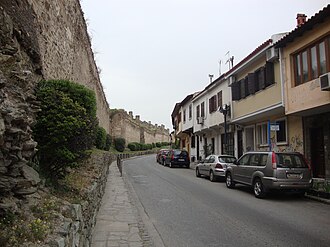
The old town perched on a hillside with narrow winding streets, whitewashed houses, and panoramic city views. This picturesque maze of alleyways preserves traditional architecture and village atmosphere. Residents maintain gardens with flowers and vines, creating a charming and intimate environment that transports visitors to another era.

A restored historic quarter once famous for oil production, now transformed into a charming neighborhood of traditional tavernas, wine bars, galleries, and artisan shops. The authentic restored buildings maintain original architectural features while housing modern businesses. Evening atmosphere is particularly vibrant with live music and social gatherings.
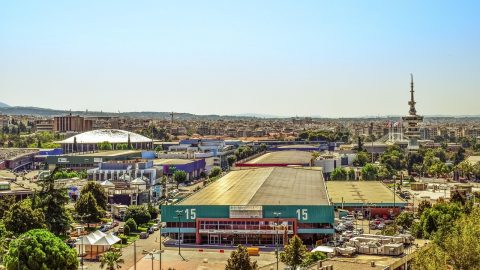
A coastal suburb offering beaches, seaside restaurants, and a more relaxed atmosphere than the city center. The long pebble beach is ideal for swimming and water sports. Modern amenities coexist with traditional tavernas serving fresh seafood, making it popular with locals seeking respite from urban life.
Tips for Neighborhoods & Districts
- Wear comfortable walking shoes in Ano Poli; streets are steep and winding
- Ladadika is best explored in the evening when restaurants open and atmosphere is lively
- Kalamaria beaches are ideal in summer; visit early to secure good spots
- Each neighborhood has distinct local character; allow time for unplanned discoveries
Discover peaceful gardens and parks offering respite from urban hustle and natural beauty
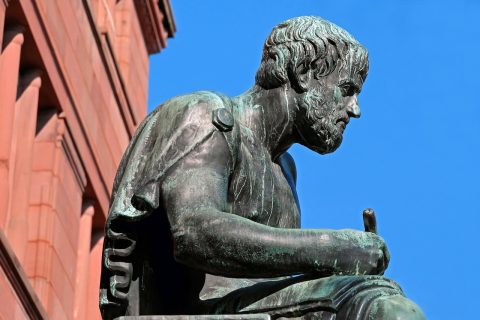
A verdant oasis featuring diverse plant species, flowering trees, and peaceful walking paths. The well-maintained gardens showcase botanical collections from Mediterranean and temperate climates. Benches and shaded areas provide perfect spots for relaxation, reading, or quiet contemplation amidst natural beauty.
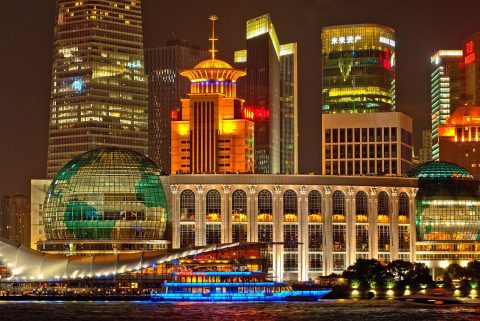
A modern waterfront park combining recreation, entertainment, and natural beauty with walking and cycling paths, playgrounds, and recreational facilities. The thoughtfully designed green space integrates seamlessly with the surrounding cityscape. Evening illumination creates magical atmosphere, popular with families and couples.
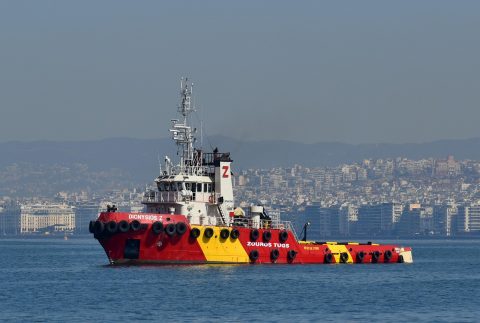
A natural forest reserve on the slopes overlooking Thessaloniki, featuring hiking trails, scenic viewpoints, and peaceful woodland atmosphere. The pine and oak trees provide cool shade and relief from summer heat. Panoramic views from higher elevations showcase the city below and the Thermaic Gulf, especially stunning at sunset.
Tips for Parks & Gardens
- Parks are most pleasant in spring and fall; summer heat can be intense
- Seich Sou Forest is best visited in morning or late afternoon to avoid midday heat
- The waterfront park is excellent for cycling; bike rentals available nearby
- Bring water and sun protection; limited shade in many areas
Engage in guided experiences and activities that reveal the city's stories and culture
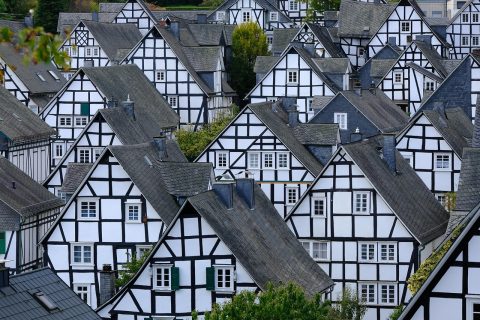
Professionally guided tours exploring major historical sites, architectural treasures, and cultural landmarks. Expert guides provide detailed historical context and fascinating stories about Byzantine, Ottoman, and modern periods. Tours typically include the White Tower, Arch of Galerius, major churches, and local neighborhoods with authentic experiences.
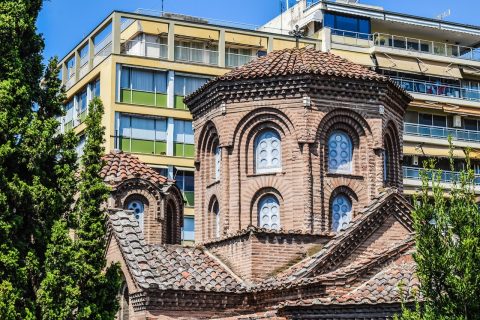
Curated tours focusing on Byzantine churches, mosaics, and religious art with expert art historians explaining iconography and historical significance. The experience includes detailed examination of artistic techniques and spiritual symbolism. Visits to major churches with detailed study of specific artworks enhance understanding and appreciation.
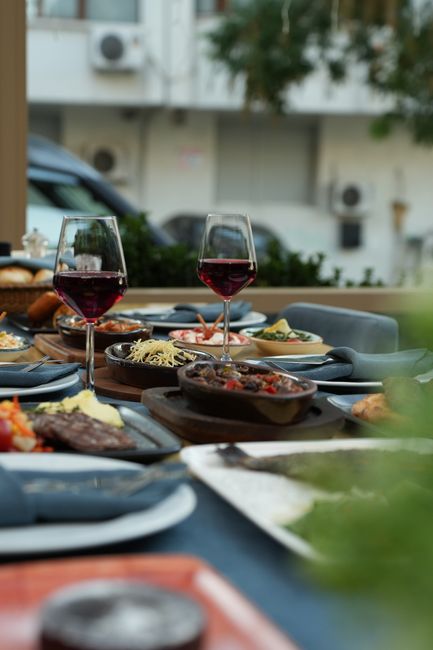
Local cuisine exploration featuring traditional restaurants, market visits, and tastings of regional specialties including cheese, olives, wines, and seafood. Knowledgeable guides share culinary traditions, recipes, and stories connecting food to culture and history. Interactions with local producers and merchants provide authentic cultural immersion.
Tips for Tours & Activities
- Book tours in advance, especially during high season (May-September)
- Early morning tours offer better light for photography and fewer crowds
- Choose English-speaking guides; most major tour companies offer multilingual options
- Food tours should be booked with companies that support local restaurants
Explore fascinating destinations within easy reach of Thessaloniki for extended adventures
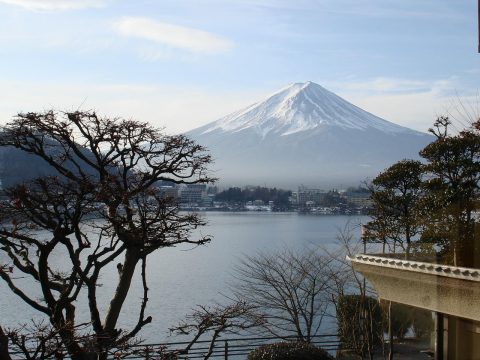
Visit the sacred monastic republic featuring twenty monasteries perched on dramatic cliffsides. The centuries-old monasteries house incredible Byzantine art, ancient manuscripts, and spiritual treasures. Visitors can observe monks' daily routines and experience the peaceful, contemplative atmosphere (women must visit via boat tour; men can arrange permits for entry).
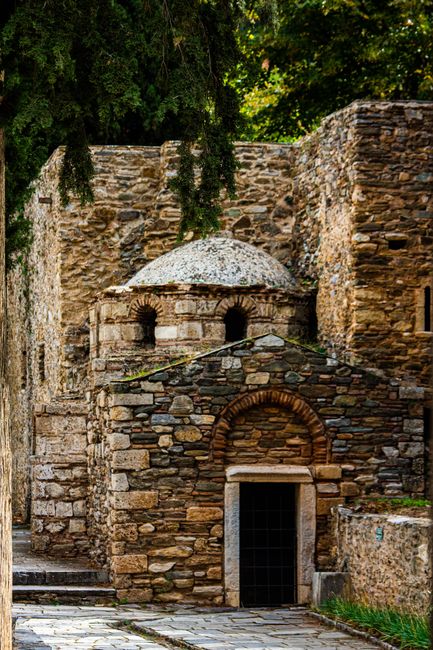
Visit the ancient Macedonian capital where the spectacular royal tombs of Philip II and Alexander the Great's family were discovered. The museum displays golden artifacts, armor, and burial goods of extraordinary craftsmanship. The site offers profound insights into Macedonian power, wealth, and funeral practices during antiquity's greatest empire.
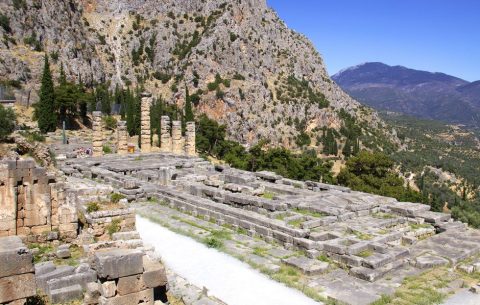
Explore one of ancient Greece's most important sanctuaries perched on Mount Parnassus. The magnificent ruins include the Temple of Apollo, Theater, and Stadium where the Delphi Museum houses the famous Charioteer statue. The site's dramatic setting and historical significance as an oracle sanctuary make it profoundly meaningful and visually spectacular.
Tips for Day Trips & Excursions
- Mount Athos requires special permits and has gender restrictions; book with specialized tour operators
- Vergina and Delphi are best visited via organized tours or rental car with GPS
- Early departures maximize time at destinations and avoid afternoon heat
- Bring water, snacks, and sunscreen for full-day excursions
Real, highly-rated Restaurants in Thessaloniki, sourced from Google Places (rating above 4★).

Iliopetra is a highly-rated restaurant in Thessaloniki, rated 4.9★ from 1441 reviews. Located at Eschilou 5, Thessaloniki 546 34, Greece.
Opening Hours
- Monday: Closed
- Tuesday: 2:00 – 10:00 PM
- Wednesday: 2:00 – 10:00 PM
- Thursday: 2:00 – 10:00 PM
- Friday: 2:00 – 10:00 PM
- Saturday: 2:00 – 10:00 PM
- Sunday: Closed

Pites tis Polis is a highly-rated restaurant in Thessaloniki, rated 4.9★ from 2663 reviews. Located at Dim. Gounari 50, Thessaloniki 546 35, Greece.
Opening Hours
- Monday: 9:00 AM – 10:30 PM
- Tuesday: 9:00 AM – 11:00 PM
- Wednesday: 9:00 AM – 11:00 PM
- Thursday: 9:00 AM – 11:00 PM
- Friday: 9:00 AM – 11:00 PM
- Saturday: 9:00 AM – 11:00 PM
- Sunday: 9:00 AM – 11:00 PM

Kanoula is a highly-rated restaurant in Thessaloniki, rated 4.8★ from 4785 reviews. Located at Taskou Papageorgiou 4, Thessaloniki 546 31, Greece.
Opening Hours
- Monday: 1:00 PM – 12:00 AM
- Tuesday: 1:00 PM – 12:00 AM
- Wednesday: 1:00 PM – 12:00 AM
- Thursday: 1:00 PM – 12:00 AM
- Friday: 1:00 PM – 12:00 AM
- Saturday: 1:00 PM – 12:00 AM
- Sunday: 1:00 PM – 12:00 AM
Explore Thessaloniki on the Map
Best Time to Visit Thessaloniki
Spring (April-May): Mild temperatures (15-25°C), blooming flowers, and Easter celebrations create an ideal visiting season. The city awakens after winter with outdoor activities and festivals.
Fall (September-October): Warm but not excessively hot (20-28°C), perfect for exploring on foot. The summer heat subsides, making sightseeing comfortable and pleasant.
Summer (June-August): Hot and dry (25-32°C) with occasional heatwaves. Beaches and waterfront areas are popular, but city exploration requires early morning or evening visits. Tourist season is peak with higher prices and crowds.
Winter (November-March): Cool and occasionally rainy (5-15°C), but fewer tourists and lower prices. Some outdoor attractions may have limited hours. Indoor museums and indoor markets are ideal activities.
Climate Summary: Mediterranean climate with hot summers and mild winters. Thessaloniki experiences roughly 300 days of sunshine annually. August is typically the hottest and busiest month; avoid visiting if seeking lower prices or avoiding crowds.
Getting Around Thessaloniki
Public Transportation: An extensive network includes buses, trolleybuses, and trams operated by OASTH. Single tickets cost €0.90, with day passes (€2.50) and multi-day passes available. The system is efficient and covers all major tourist sites.
Metro: Currently under construction with partial lines operational. When completed, it will provide fast connectivity; check current status before planning.
Taxis: Readily available and relatively inexpensive. Official taxis are white with blue markings and use meters. Average cost from airport to city center: €10-15. Ride-sharing apps like Uber and Beat operate in the city.
Rental Cars: Available from multiple agencies at the airport and city center. Useful for day trips to Vergina, Delphi, or Mount Olympus. Parking can be challenging in the historic center; use designated paid parking lots.
Walking: The city center is highly walkable, with most attractions within 20-30 minutes on foot. Comfortable shoes essential due to varied terrain and cobblestone streets in the old town.
Cycling: Growing bike lane network; rental shops available throughout the city. Ideal for exploring the waterfront and less crowded areas.
✈️ Airport Transfer
Thessaloniki Makedonia International Airport (SKG) to city center:
- Bus 78/78N: Runs to the city center and railway station in about 40-45 minutes, tickets cost €2
- Taxi: Fixed rate of roughly €25-30 to the city center in about 20-25 minutes
- Private transfer: Pre-booked car service to hotels in the center takes about 20 minutes and costs around €35-40
Shopping in Thessaloniki
Traditional Markets: Modiano Market and Vatatzes Square offer fresh produce, spices, traditional foods, and local goods in vibrant, authentic settings. Open mornings until early afternoon. Perfect for sampling regional specialties and finding local products.
Designer & Brand Shopping: Tsimiski Street features international brands and upscale boutiques. Mitropoleos Street offers more accessible clothing and shoe stores. Both streets are pedestrian-friendly with excellent shopping infrastructure.
Souvenirs & Crafts: Traditional craft shops in the old town (Ano Poli) sell handmade ceramics, textiles, and artisan goods. Support local artisans by purchasing directly from their shops rather than commercial tourist retailers.
What to Buy: Greek olive oil (excellent quality and affordable), feta cheese, ouzo, Greek wine, Byzantine art reproductions, ceramics, worry beads, and traditional sweets (loukoumi, galaktoboureko). Spice markets offer saffron, sumac, and other Mediterranean seasonings.
Bargaining: Acceptable in traditional markets and when purchasing multiple items from artisan shops. Prices in large retail stores are fixed. Haggling is expected and enjoyed as part of the cultural experience.
Opening Hours: Most shops open 9 AM-2 PM and 5 PM-8 PM; some remain open on Sundays. Markets busiest in early mornings; many close by 2 PM.
Annual Festivals & Events
Thessaloniki International Film Festival (September): A major cultural event showcasing Greek and international cinema. Screenings occur throughout the city with red-carpet premieres and industry gatherings.
Dimitria Festival (October-November): Week-long celebration honoring the city's patron saint with concerts, theatrical performances, exhibitions, and traditional events throughout Thessaloniki.
Easter: Celebrated with religious processions, church services, and family gatherings. The city's Orthodox Christian tradition is evident in elaborate celebrations. Dates vary yearly based on Orthodox calendar.
Trade Fair of Thessaloniki (September): Greece's largest trade and consumer exhibition featuring international exhibitors, entertainment, food festivals, and cultural performances.
Summer Outdoor Cinema: June-August features open-air screenings of films in parks and squares, providing free or low-cost entertainment under stars.
Wine Festival (August): Celebration of Greek wines with tastings, food pairings, and entertainment in various venues throughout the city.
New Year's Celebrations: Traditional customs, street performances, and fireworks displays welcome each new year. The city center hosts organized events and celebrations.
Sample Day Itineraries
Day 1 - Ancient Thessaloniki: Begin at the Archaeological Museum (2 hours) to understand the city's Macedonian heritage. Walk to the Arch of Galerius and explore the Galerius Palace complex (1.5 hours). Lunch at a traditional taverna. Visit the Rotunda of St. George (30 minutes) and ascend the White Tower (1 hour) for sunset views. Evening stroll along the waterfront promenade.
Day 2 - Byzantine Beauty: Start at Church of Agios Demetrios (1.5 hours), viewing remarkable mosaics and the sacred crypt. Visit Church of Agia Sophia (1 hour) to admire Byzantine architecture. Explore the Ladadika district (2 hours) with its charming streets and traditional tavernas. Lunch at a local restaurant. Visit the Byzantine and Christian Museum (1.5 hours). Evening drink with views from a rooftop café.
Day 3 - Old Town Exploration: Navigate the narrow streets of Ano Poli (2 hours), enjoying panoramic city views and traditional architecture. Visit the Church of Acheiropoietos (45 minutes). Lunch at a traditional taverna. Explore the Modiano Market (1.5 hours). Visit the State Museum of Contemporary Art (1.5 hours). Dinner in the Ladadika district with evening entertainment.
Day 4 - Culture & Nature: Take a short excursion to Seich Sou Forest (2-3 hours) for hiking and panoramic views. Return to the city for lunch. Visit the Museum of the Struggle of the Macedonian People (1.5 hours). Spend afternoon in Kalamaria on the beach or waterfront (2-3 hours). Dinner with fresh seafood overlooking the sea.
Day 5 - Relaxation & Local Life: Morning at Aristotelous Square people-watching and enjoying coffee (1.5 hours). Stroll the waterfront Paralia (2 hours). Lunch at the Modiano Market sampling local specialties. Afternoon at a local beach or in a neighborhood taverna. Evening walking tour of illuminated city monuments. Final dinner at a traditional Greek restaurant.
Best Photography Locations
White Tower at Sunset (Recommended: 6-7 PM): The iconic tower's reflection in the sea creates magical golden-hour photography. Position yourself on the promenade for unobstructed views. The white marble glows beautifully in warm light, with the city skyline behind creating stunning composition.
Aristotelous Square (Best: Early morning 7-8 AM or evening 6-8 PM): The symmetrical architecture and central fountain provide excellent framing opportunities. Low-angle sun creates dramatic shadows and highlights architectural details. The square is less crowded in early morning, ideal for clean compositions.
Ano Poli Viewpoint (Best: Late afternoon, 4-6 PM): The winding streets and whitewashed houses create picturesque Mediterranean scenes. Position yourself at higher elevations for panoramic city views below. Golden evening light transforms the old town into a photographer's paradise with warm amber tones.
Arch of Galerius (Best: Morning 8-9 AM or late afternoon 5-6 PM): Side-lit conditions reveal sculptural details and architectural nuances. The surrounding park provides green vegetation framing the ancient monument. Avoid midday direct light that creates harsh shadows.
Waterfront Promenade (Best: Around sunset 6-7 PM): Extended golden-hour light creates silhouettes and reflections. Capture the sea, sky, and city lights as evening descends. The diverse subjects include ships, street life, and architectural reflections.
Ladadika Streets (Best: Evening 6-8 PM): Street lamps, traditional balconies, and cozy tavernas create atmospheric scenes. The winding streets offer compositional depth with layered architectural elements. Street-level perspective captures authentic local life and vibrant evening atmosphere.
Electricity & Power Standards
Voltage: Greece uses 230 volts AC at 50 Hz frequency, standard throughout continental Europe.
Plug Types: Greece uses European Type C (two round pins) and Type F (two round pins with earth) sockets. These plugs are standard in most continental European countries.
Adapters & Converters: Visitors from the UK, USA, Australia, and countries using different standards must bring universal travel adapters. Most 3-4 star hotels provide adapters on request. Many electronics are dual-voltage (check device specifications); only single-voltage devices require converters, which are bulky and expensive.
USB Charging: Modern hotels and many cafés increasingly offer USB charging ports. Portable power banks are convenient for day-long sightseeing and are available for purchase at electronics shops and supermarkets.
Important Notes: European plugs differ from UK, US, and other countries. Bring adapters before arrival as they're expensive to purchase in Greece. Check your devices' voltage compatibility before packing to avoid electrical issues or damage.
Food & Dining Guide
Must-Try Dishes: Moussaka (layered eggplant and meat sauce with béchamel), Souvlaki (grilled meat skewers), Spanakopita (spinach and feta pie), Saganaki (fried cheese), Grilled Octopus, Gemista (tomato and rice stew), Pastitsio (Greek pasta bake), and Bougatsa (custard pastry).
Seafood Specialties: Thessaloniki's coastal location ensures excellent fresh seafood. Garides Saganaki (fried shrimp), Htapodi Sti Skhara (grilled octopus), Psari Sti Skhara (grilled fish), and Mussels Saganaki are exceptional. Waterfront and Kalamaria restaurants offer the best selections.
Local Wines: Greek wines pair beautifully with Mediterranean cuisine. Try Macedonian white wines (Retsina, Assyrtiko) and reds (Xinomavro). Wine bars and tavernas offer tastings and knowledgeable recommendations.
Dining Customs: Greeks dine late; dinner typically begins at 9-10 PM. Restaurants rarely serve before 7 PM. Tipping 5-10% is customary for good service, though not mandatory. Greeks enjoy leisurely meals with family and friends.
Budget Guide: Inexpensive taverna meal: €8-12. Mid-range restaurant: €15-25. Fine dining: €30+. Coffee at street café: €1.50-3. Greek salad with feta: €4-6. Souvlaki: €3-5.
Cooking Classes: Local cooks offer classes teaching traditional Greek cuisine, providing cultural insights and hands-on culinary experience.
Tourist Passes
Thessaloniki Tourist Pass
Includes entry to major museums and attractions with discounted access to public transportation. The 3-day pass offers best value for visitors planning concentrated sightseeing. Benefits include skip-the-line entry at popular attractions and priority access to guided tours.
www.thessaloniki.travelArchaeological Museum Pass
Special rate for the city's premier museum with option to combine with other state museums. The pass provides unlimited visits during validity period plus access to special exhibitions. Significant savings for multi-day visits to Athens museums also possible with reciprocal agreements.
www.amth.grPublic Transportation Card
Rechargeable cards offering discounted fares on buses, trolleys, and trams. A 24-hour unlimited card costs €2.50 with multi-day options available. Cards provide convenience and savings compared to single-journey tickets, allowing unlimited travel within validity period.
www.oasth.grByzantine Churches Access Card
Combination ticket providing entry to major Byzantine churches with guided or self-guided audiovisual explanations. The package includes detailed historical and artistic information enhancing understanding and appreciation of Byzantine art and architecture throughout the city.
www.thessaloniki.travel