Things to do in Delhi
Delhi's skyline is shaped by millennia of empire — Mughal mausoleums, British colonial edifices, and post-independence icons all stand within a single city, making it one of the world's richest concentrations of monumental architecture.
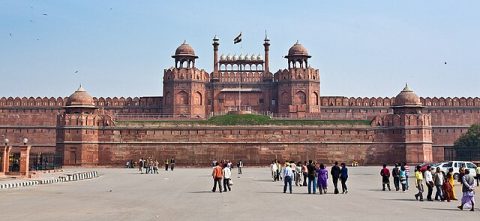
The Red Fort is Delhi's most iconic landmark — a UNESCO World Heritage Site built by Emperor Shah Jahan in 1639 as the seat of Mughal power. Its massive red sandstone ramparts enclose palaces, audience halls, and gardens. The Diwan-i-Aam and Diwan-i-Khas showcase the pinnacle of Mughal craftsmanship. India's Prime Minister addresses the nation from its ramparts on Independence Day every August 15.
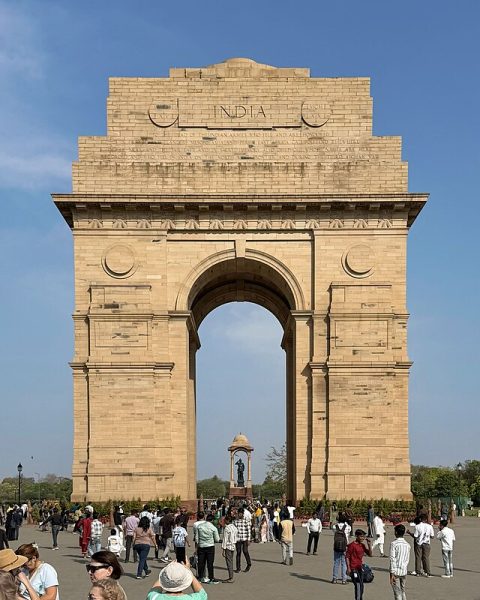
India Gate is a 42-metre war memorial designed by Edwin Lutyens, erected in 1931 to honour 70,000 Indian soldiers who died in World War I. Inscribed with 13,300 names, it stands at the eastern end of Kartavya Path surrounded by lawns that become a beloved evening promenade. Beautifully illuminated at night, it is best visited after sunset for the most dramatic effect.
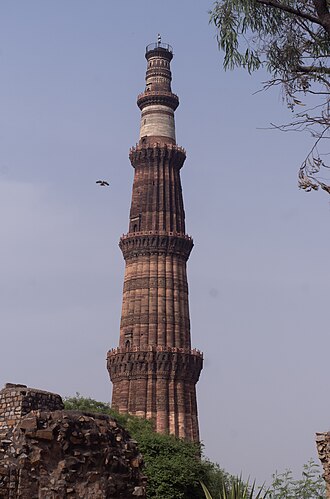
At 73 metres, Qutub Minar is the tallest brick minaret in the world and a UNESCO World Heritage Site. Built in 1193 by Qutb ud-Din Aibak, its five tapering storeys are ornately carved with Quranic verses. The complex also contains the Iron Pillar of Delhi — a 4th-century metallurgical marvel that has never rusted — and the ruins of India's first mosque, Quwwat-ul-Islam.
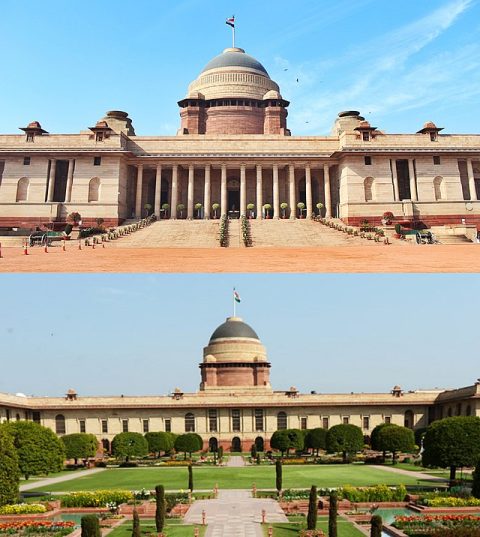
The official residence of India's President, Rashtrapati Bhavan has 340 rooms and is one of the world's largest heads-of-state residences. Designed by Lutyens and completed in 1929, it blends Baroque, classical, and Indian elements. Its Amrit Udyan (Mughal Gardens) opens to the public for several weeks each spring, showcasing geometric layouts, fountains, and over 70 varieties of roses.
Tips for Landmarks & Monuments
- Hire an ASI-approved guide at the Red Fort ticket counter for deeper historical context.
- India Gate lawns are best visited at dusk — street food stalls serving kulfi and chaat appear as the sun sets.
- Qutub Minar complex is least crowded on weekday mornings before 9 am.
- Combine Rashtrapati Bhavan garden visits (Feb–Mar) with a stroll down Kartavya Path.
Delhi's museums house some of Asia's most extraordinary collections, spanning 5,000 years of Indian civilisation — from Indus Valley seals to Mughal miniatures, Partition testimonies to contemporary art.
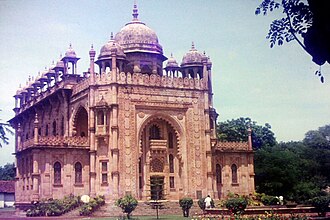
India's premier museum holds over 200,000 artefacts spanning 5,000 years — Indus Valley terracotta figurines, Mauryan stone sculpture, Mughal miniature paintings, tribal jewellery, and Gandhara Buddhist art. Highlights include the Dancing Girl bronze from Mohenjo-daro (2500 BCE) and a manuscript of the Rigveda. Regular temporary exhibitions and evening lecture series make repeat visits worthwhile.
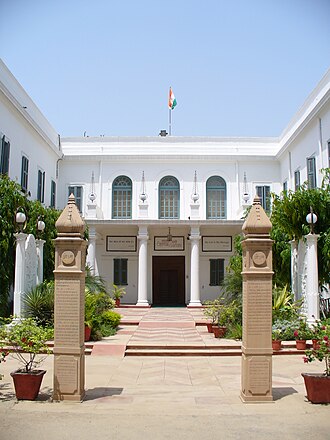
The house where Mahatma Gandhi spent his last 144 days and was assassinated on January 30, 1948, Gandhi Smriti (formerly Birla House) is now a moving memorial museum. Personal belongings — spinning wheel, walking stick, spectacles — are displayed alongside photographs tracing the independence movement. The garden path to the spot of his assassination is marked with footprints cast in stone.

Spread over 10 acres, the National Rail Museum displays over 100 locomotives and carriages — from the Fairy Queen (1855, the world's oldest working steam engine) to ornate Viceregal dining cars. Children delight in the narrow-gauge toy train ride around the grounds. The indoor gallery features scale models, signal equipment, and the lavishly appointed Prince of Wales saloon car. A nostalgic experience for all ages.
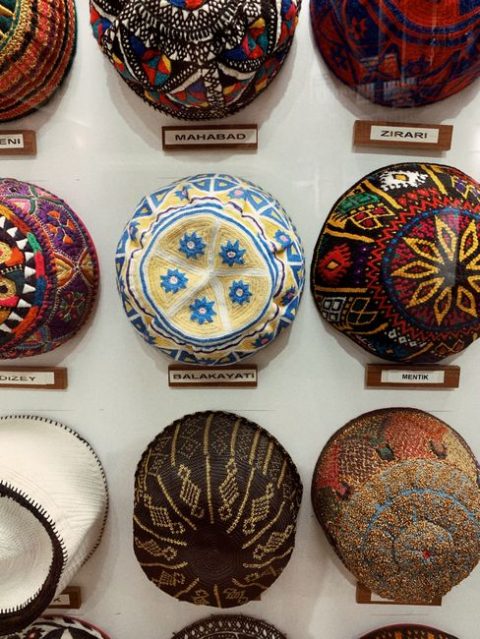
One of India's finest living museums, the Crafts Museum showcases traditional crafts from every state — embroidery, pottery, woodcarving, metalwork, and tribal art in recreated village settings. Resident artisans demonstrate their skills in open workshops, and a shop sells authentic crafts at fixed prices. The adjacent Café Lota serves regional Indian cuisine, making it a perfect half-day cultural outing near Pragati Maidan.
Tips for Museums & Galleries
- National Museum is closed on Mondays — plan accordingly.
- Audio guides at the National Museum are available in multiple languages and greatly enhance the experience.
- National Rail Museum is ideal on winter mornings when outdoor steam engine demonstrations run.
- Crafts Museum entry is free for Indian nationals on Sundays.
Delhi is a city of many faiths — its skyline punctuated by mosque minarets, temple shikhars, Sikh gurudwaras, and Jain derasars. Visiting its religious sites is one of the most profound ways to understand the city's multicultural soul.
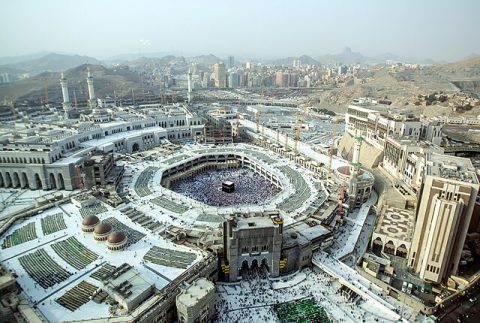
Built by Shah Jahan between 1644 and 1656, Jama Masjid is India's largest mosque, capable of holding 25,000 worshippers. Its three imposing gateways, two 40-metre minarets, and vast courtyard of red sandstone and white marble are breathtaking. Visitors can climb the south minaret for panoramic views of Old Delhi's rooftops. Relics of the Prophet Muhammad are kept in a chamber inside. Non-Muslims are welcome outside prayer times.
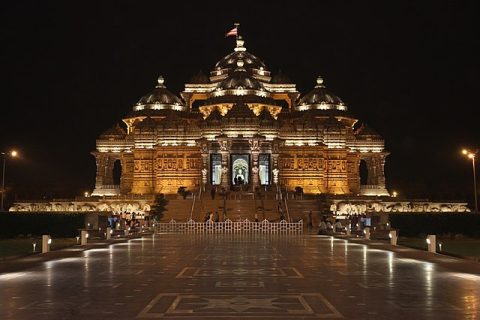
Completed in 2005 and a Guinness World Record holder for the world's largest comprehensive Hindu temple, Akshardham is a vision in pink Rajasthani sandstone and white Italian marble. The central monument — carved with 234 pillars, 9 domes, and 20,000 statues — took 11,000 artisans five years to complete. The complex features a boat ride through Indian history and a spectacular musical fountain show at dusk. Photography not permitted inside.
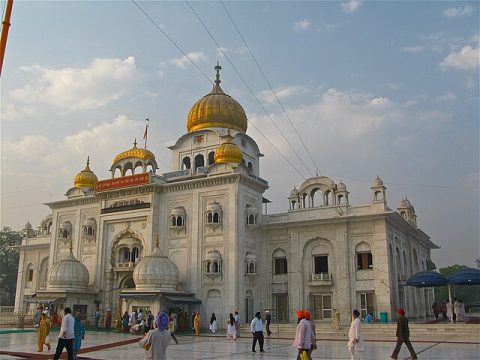
Gurudwara Bangla Sahib is Delhi's most prominent Sikh shrine, built on the site where the eighth Sikh Guru, Har Krishan, stayed in 1664 and aided smallpox victims. Its gilded dome gleams above Connaught Place and the sacred sarovar (pool) is believed to have healing properties. The langar kitchen serves free meals to up to 10,000 people daily — a profound demonstration of Sikh selfless service. All faiths are welcome; head covering required.
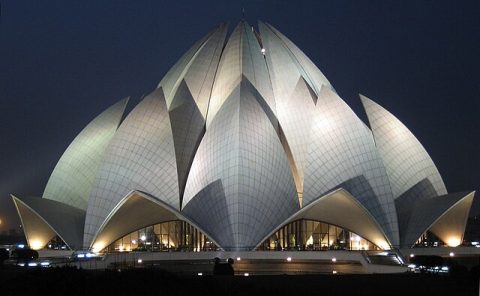
Designed by Fariborz Sahba and completed in 1986, the Lotus Temple is one of the world's most photographed buildings. Its 27 free-standing marble petals unfurl around a central prayer hall seating 2,500 people. Open to all religions with no sermons or rituals, it stands as a monument to the Bahá'í principle of unity. The surrounding gardens and reflecting pools make it one of Delhi's most serene escapes, particularly beautiful at golden hour.
Tips for Religious Sites
- Dress modestly at all religious sites — shoulders and knees covered; remove shoes at temples, gurudwaras, and mosques.
- Photography is restricted inside Akshardham — all cameras and phones must be deposited at the entrance.
- Visit Jama Masjid early morning for atmospheric light; avoid Friday midday prayer times unless you plan to observe.
- Bangla Sahib langar is open 24 hours — experiencing the free community meal is one of Delhi's unmissable activities.
No city has been continuously inhabited as long as Delhi, which has served as capital to at least eight successive empires. Walking its ruins is walking through layers of civilisation — each stratum revealing a different dynasty's vision of power and beauty.
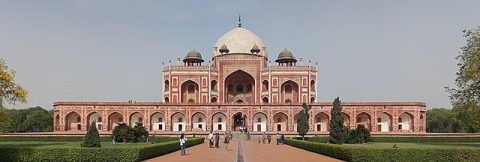
A UNESCO World Heritage Site and architectural ancestor of the Taj Mahal, Humayun's Tomb (1572) was India's first garden tomb — a Persian charbagh divided by water channels symbolising paradise. The double-domed mausoleum of white marble and red sandstone rises 47 metres. Designed by Persian architect Mirak Mirza Ghiyuath, it also contains graves of over 100 Mughal family members. Recently restored to pristine condition by the Aga Khan Trust for Culture.
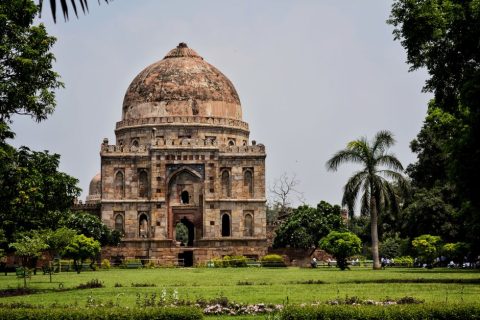
Lodi Garden is a 90-acre park where Mughal and Sayyid dynasty tombs (15th–16th century) rise among manicured lawns, bougainvillea hedges, and ancient trees. The octagonal tomb of Mohammed Shah and the domed Shish Gumbad are architecturally exquisite. Locals use the park for morning yoga and evening walks, creating a magical juxtaposition of the living and the historic. Dawn here with birdsong and soft light on stone is one of Delhi's unmissable experiences.
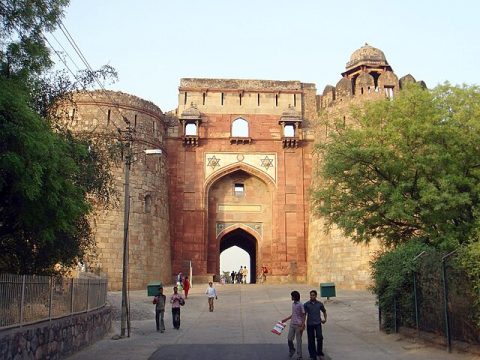
Purana Qila is believed built on the site of Indraprastha, the mythical city of the Mahabharata, making it potentially the oldest inhabited site in Delhi. The current fort dates from the 16th century — begun by Humayun and completed by Sher Shah Suri. The octagonal Sher Mandal tower and elegant Qila-i-Kuhna Mosque are highlights. The surrounding moat is now a boating lake popular with families on weekends.
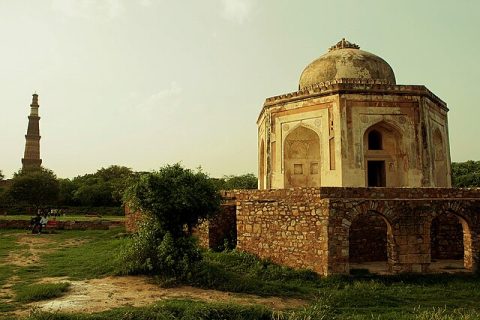
Spread over 100 acres adjacent to the Qutub complex, Mehrauli Archaeological Park contains over 100 monuments — tombs, mosques, step-wells — spanning 1,000 years of history, yet remains largely overlooked by tourists. The haunting Jamali Kamali tomb-mosque, the stepwell of Rajon ki Baoli, and ruins of Delhi's second city Siri are all within walking distance. Heritage walks by INTACH offer expert-guided explorations on weekend mornings.
Tips for Ancient & Historical Sites
- Humayun's Tomb and nearby Nizamuddin dargah can be combined in a rewarding half-day heritage walk.
- Lodi Garden is open from sunrise — go early on weekday mornings for a near-solitary experience among the tombs.
- Purana Qila hosts a Sound and Light show on winter evenings — check ASI website for current timings.
- INTACH and Delhi Heritage Walks offer excellent guided tours of Mehrauli on weekend mornings.
Delhi's great streets and squares are stages where history, commerce, and daily life intersect. From the Mughal-era spice markets of Chandni Chowk to the colonial grandeur of Connaught Place, each thoroughfare tells a story of the city's evolution through the centuries.
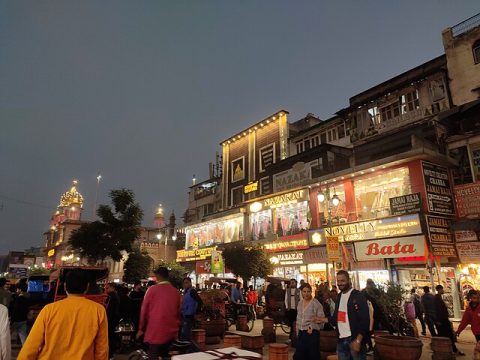
Chandni Chowk — 'Moonlit Square' — was laid out in 1650 as one of Asia's grandest marketplaces and remains one of Delhi's most overwhelming sensory experiences. The main boulevard feeds into specialised gallis: Khari Baoli (Asia's largest spice market), Dariba Kalan for jewellery, Nai Sarak for books, and Paranthe Wali Gali for legendary stuffed flatbreads. Best explored on foot or by cycle-rickshaw in early morning before heat and crowds peak.
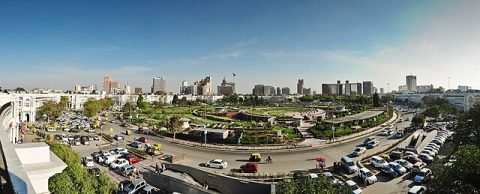
The commercial heart of New Delhi, Connaught Place is a Georgian-style circular arcade designed by Robert Tor Russell in the 1930s. Its white colonnaded buildings house flagship stores, restaurants, and the underground Palika Bazaar. Rajiv Chowk metro station beneath it is one of the world's busiest. The Central Park hub is dotted with fountains and street performers. Heritage restaurants like Wengers (est. 1926) and United Coffee House anchor the outer circle.
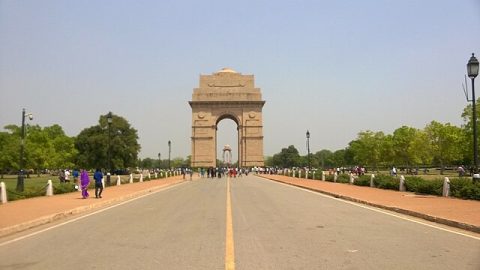
The ceremonial axis of New Delhi stretches 3 km from Rashtrapati Bhavan to India Gate. Flanked by lawns, canals, and reflecting pools, it was redesigned in 2022 as a pedestrian-friendly boulevard. On Republic Day (January 26) it hosts India's spectacular military parade with tableaux from every state. In evenings, families picnic on its lawns while monuments are dramatically illuminated. The adjacent Central Vista development includes India's new Parliament building.
Tips for Squares & Streets
- Chandni Chowk is closed on Sundays — plan your Old Delhi visit for a weekday morning.
- Hire a cycle-rickshaw at the Chandni Chowk metro exit for a guided loop of the main lanes and gallis.
- Connaught Place's underground Palika Bazaar is good for cheap electronics and souvenirs — bargaining expected.
- Visit Kartavya Path at sunset for golden light on the sandstone buildings and dramatic long-exposure photography opportunities.
Delhi's neighbourhoods are worlds unto themselves — each with its own culinary identity, social texture, and architectural era. Understanding the city means moving beyond its monuments and into its mohallas and urban villages.
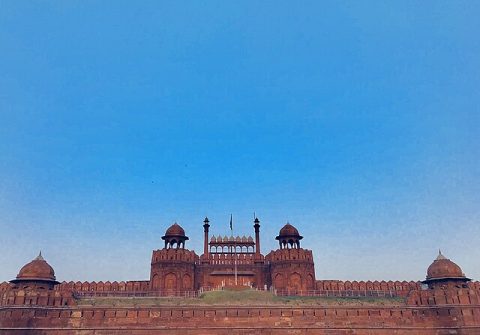
Old Delhi is Mughal Delhi — built by Shah Jahan in the 17th century, it retains its original street grid of narrow lanes, havelis, and bazaars. Dominated by the Red Fort and Jama Masjid, the neighbourhood is a living heritage site where craftsmen still ply unchanged trades: kite-makers in Ballimaran, attar perfumers near Jama Masjid, halwais on every corner. The evening call to prayer echoing over the rooftops is an unforgettable sound.
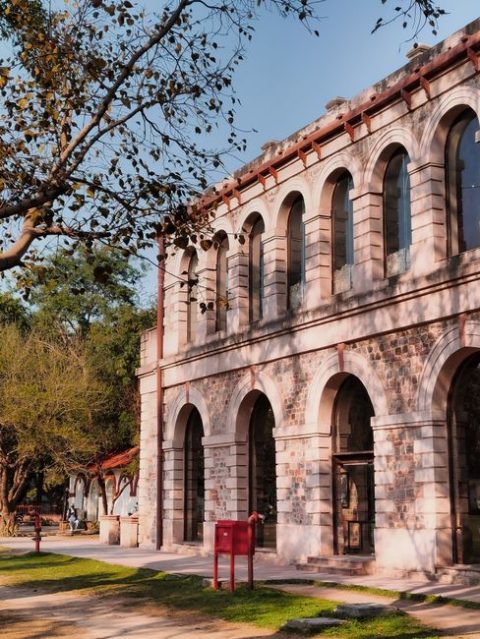
Built around a 14th-century Sultanate water reservoir and madrasa, Hauz Khas Village has evolved into Delhi's most fashionable urban village — a juxtaposition of medieval ruins and contemporary boutiques, rooftop bars, and art galleries. The ruins of the madrasa and Feroz Shah's tomb overlooking the lake are atmospheric at dusk. The adjacent deer park provides a green lung for the surrounding suburbs and is excellent for birdwatching in the cooler months.
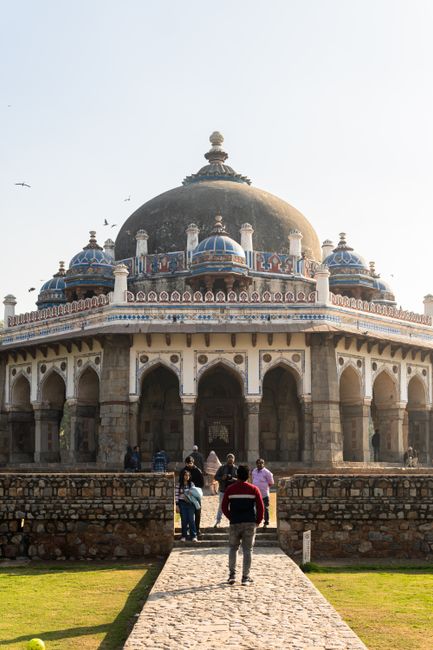
The neighbourhood of Nizamuddin clusters around the dargah of the 14th-century Sufi saint Hazrat Nizamuddin Auliya, creating one of South Asia's most spiritually charged urban environments. Every Thursday evening, qawwali singers perform devotional music at the shrine — one of Delhi's most moving free experiences. The neighbourhood also holds the tomb of Mughal court poet Amir Khusro and lies adjacent to Humayun's Tomb and Lodi Garden.
Tips for Neighborhoods & Districts
- Old Delhi is best explored before 10 am before heat and crowds intensify — pair with early breakfast at Paranthe Wali Gali.
- Thursday qawwali at Nizamuddin dargah begins around 6 pm — arrive 30 minutes early for space near the shrine.
- Hauz Khas Village restaurants are excellent for dinner with views over the medieval reservoir lit up at night.
Delhi's green spaces range from Mughal-era charbagh gardens to modern urban forests. In a megacity of 20+ million, its parks serve as essential breathing rooms and are magnificently biodiverse, especially for wintering migratory birds.
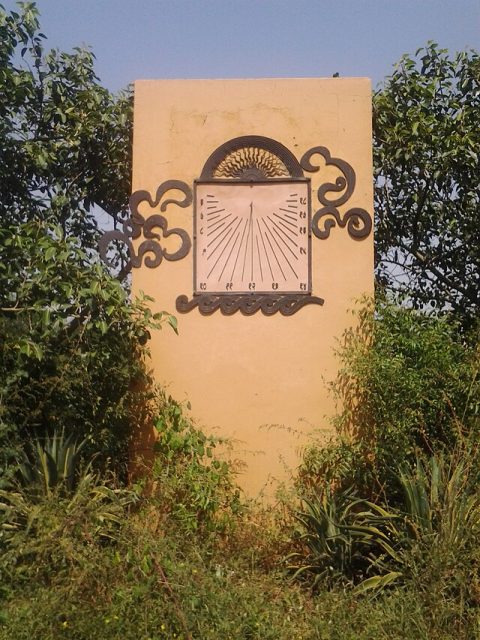
Spread over 20 acres near Mehrauli, the Garden of Five Senses is designed to stimulate all five senses through themed zones, water features, sculptures, and seasonal flower displays. Sections include a spice garden, bamboo court, solar energy park, and an amphitheatre hosting cultural events. The garden peaks in February–March during the annual flower festival. An on-site restaurant and rotating art installations make it ideal for a leisurely afternoon outing.
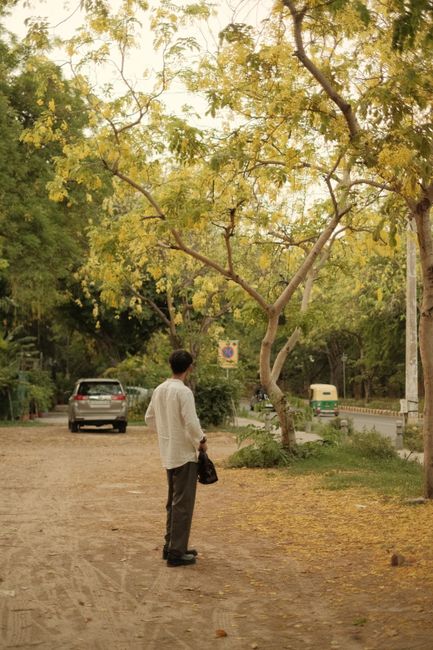
Sanjay Van is a 780-acre urban forest reserve in South Delhi — a rare wilderness within the city limits. Its dense ridge forest shelters foxes, monitor lizards, and over 200 bird species. Ruins of Sultanate-era tombs and mosque fragments punctuate the forest paths, creating an eerie combination of nature and history. Dawn walks here offer complete solitude from the surrounding urban noise — one of Delhi's best-kept secrets for nature lovers and serious birdwatchers.
Tips for Parks & Gardens
- Delhi's parks close at sunset — verify entry times before planning a late visit.
- Lodi Garden (listed under Historical Sites) doubles as one of the city's finest parks — tombs and trees in perfect combination.
- The Yamuna Biodiversity Park is excellent for birdwatching in winter months (Oct–Mar) when migratory species arrive.
- Carry water and sunscreen for any outdoor visit from March onwards as temperatures rise sharply after 10 am.
Delhi rewards those who dig below its surface. Guided food walks through Old Delhi, cycling heritage trails, and cultural immersion tours reveal the city's many layers in ways that independent sightseeing simply cannot match.
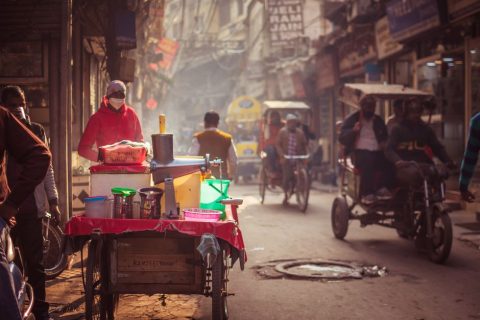
An Old Delhi food walk is arguably the best single activity in the city. Tours include tasting stops at Paranthe Wali Gali (stuffed flatbreads since 1875), Natraj Dahi Bhalle (lentil dumplings in yogurt), Old Famous Jalebi Wala (crispy fried spirals since 1884), and century-old chai shops. Operators like Delhi Food Walks and Culinary on Road run excellent morning tours with 8–12 tastings over 3–4 hours. Book at least 48 hours in advance.
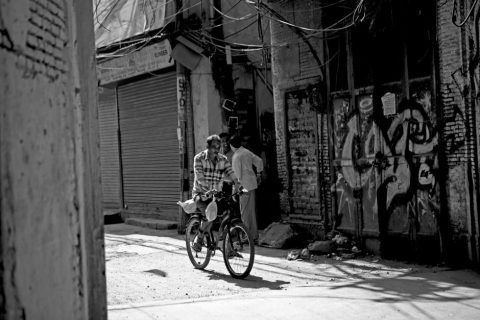
Delhi by Cycle operates early-morning bicycle tours through Old Delhi, New Delhi, and the Yamuna riverfront — an exhilarating way to experience the city before traffic builds. The Old Delhi at Sunrise tour (5:30 am departure) winds through sleeping bazaars past the Red Fort and Jama Masjid as traders set up for the day. All cycling levels welcome; hybrid bicycles and helmets provided. Known for knowledgeable local guides who bring history alive with personal stories.
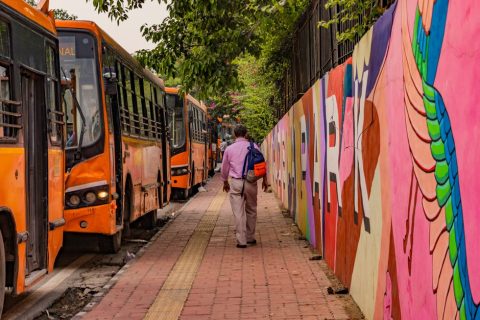
Run by young adult graduates of a street-children rehabilitation programme, Salaam Baalak Trust walks offer a 2-hour tour of the New Delhi Railway Station area from the perspective of those who grew up on the streets. Guides share personal stories and all proceeds support the NGO's ongoing work with homeless children. One of Delhi's most human and humbling travel experiences. Tours depart from the Trust's office near Paharganj; advance booking strongly recommended.
Tips for Tours & Activities
- Book food and cycle tours at least 48 hours in advance, especially in peak season (Oct–Feb).
- Wear comfortable shoes and loose cotton clothing for any Old Delhi walking tour.
- Early morning (6–9 am) is the ideal time for any Old Delhi exploration — before heat and crowds.
- Carry cash for tipping local guides and impromptu street food purchases along the way.
Delhi's position in the heart of northern India makes it an ideal base for extraordinary day trips — from the Taj Mahal to medieval ghost cities. The capital sits at the hub of India's fastest train network, putting iconic destinations within easy reach.
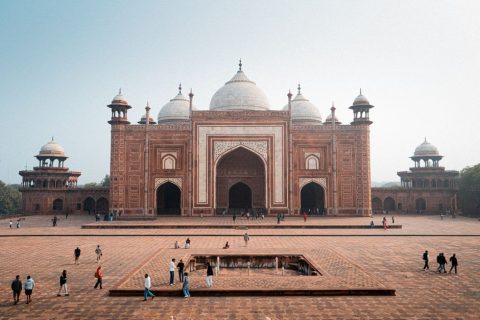
The Taj Mahal in Agra is the world's most celebrated building — a white marble mausoleum built by Shah Jahan for his empress Mumtaz Mahal (1632–1653). At 200 km from Delhi, it's accessible by the Gatimaan Express (100 minutes) or by road (3–4 hours). Visit at sunrise for ethereal light and smallest crowds. Combine with the Agra Fort and Baby Taj (Itmad-ud-Daulah) for a full day. Pre-book tickets online. Closed on Fridays.
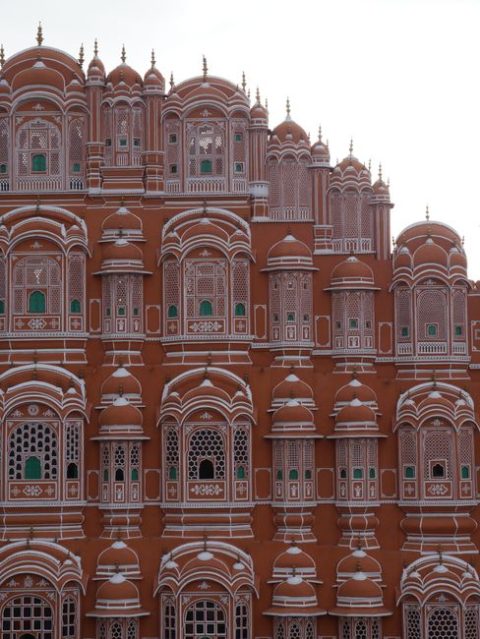
Capital of Rajasthan and 280 km from Delhi, Jaipur dazzles with its rose-pink sandstone old city, the fairy-tale Amber Fort, and the iconic Hawa Mahal (Palace of the Winds). It anchors India's famous 'Golden Triangle' tourist circuit. The Shatabdi Express covers the route in 4.5 hours. Rajasthan's food — dal baati churma, laal maas — is itself reason to visit, and the gem and textile markets are world-renowned for quality and variety.
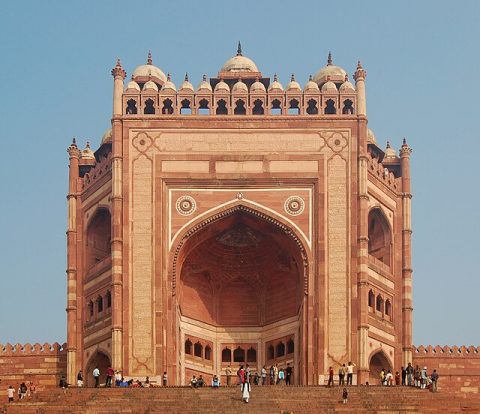
A UNESCO World Heritage Site 40 km from Agra, Fatehpur Sikri was Mughal Emperor Akbar's magnificent sandstone capital built in 1571 and abandoned after just 15 years — possibly due to water scarcity. Today it stands in near-perfect condition: the Buland Darwaza (Gate of Victory), Jama Masjid, and Panch Mahal form one of the most complete Mughal urban ensembles anywhere. Easily combined with an Agra day trip as a 40 km detour.
Tips for Day Trips & Excursions
- Book Gatimaan or Shatabdi Express trains through IRCTC at least a week in advance for best availability.
- For Agra, a private car (INR 3,000–4,500 for 12 hours) allows flexibility to add Fatehpur Sikri en route back.
- Depart by 5 am to reach the Taj Mahal at sunrise — the single most rewarding time to experience it.
- Pre-book Taj Mahal entry tickets via the ASI website to avoid long queues at the gate.
Real, highly-rated Restaurants in Delhi, sourced from Google Places (rating above 4★).
The Mandi Chowk is a highly-rated restaurant in Delhi, rated 4.8★ from 1354 reviews. Located at 1st Floor Premises No. 3/90 Block - P Connaught Place, Block P, CANTONMENT, Delhi, New Delhi, Delhi 110001, India.
Opening Hours
- Monday: 11:30 AM – 11:00 PM
- Tuesday: 11:30 AM – 11:00 PM
- Wednesday: 11:30 AM – 11:00 PM
- Thursday: 11:30 AM – 11:00 PM
- Friday: 11:30 AM – 12:00 AM
- Saturday: 11:30 AM – 12:00 AM
- Sunday: 11:30 AM – 12:00 AM
Indian Accent is a highly-rated restaurant in Delhi, rated 4.7★ from 8054 reviews. Located at The Lodhi, Lodhi Rd, CGO Complex, Pragati Vihar, New Delhi, Delhi 110003, India.
Opening Hours
- Monday: 12:00 – 2:30 PM, 6:45 – 9:00 PM, 9:45 PM – 12:00 AM
- Tuesday: 12:00 – 2:30 PM, 6:45 – 9:00 PM, 9:45 PM – 12:00 AM
- Wednesday: 12:00 – 2:30 PM, 6:45 – 9:00 PM, 9:45 PM – 12:00 AM
- Thursday: 12:00 – 2:30 PM, 6:45 – 9:00 PM, 9:45 PM – 12:00 AM
- Friday: 12:00 – 2:30 PM, 6:45 – 9:00 PM, 9:45 PM – 12:00 AM
- Saturday: 12:00 – 2:30 PM, 6:45 – 9:00 PM, 9:45 PM – 12:00 AM
- Sunday: 12:00 – 2:30 PM, 6:45 – 9:00 PM, 9:45 PM – 12:00 AM
Megu is a highly-rated restaurant in Delhi, rated 4.7★ from 4930 reviews. Located at Africa Ave, Diplomatic Enclave, Chanakyapuri, New Delhi, Delhi 110023, India.
Opening Hours
- Monday: 12:30 – 2:30 PM, 7:00 PM – 12:00 AM
- Tuesday: 12:30 – 2:30 PM, 7:00 PM – 12:00 AM
- Wednesday: 12:30 – 2:30 PM, 7:00 PM – 12:00 AM
- Thursday: 12:30 – 2:30 PM, 7:00 PM – 12:00 AM
- Friday: 12:30 – 2:30 PM, 7:00 PM – 12:00 AM
- Saturday: 12:30 – 2:30 PM, 7:00 PM – 12:00 AM
- Sunday: 12:30 – 2:30 PM, 7:00 PM – 12:00 AM
Explore Delhi on the Map
Best Time to Visit Delhi
| Season | Months | Weather | Verdict |
|---|---|---|---|
| Winter | November – February | 10–25°C, sunny days, cold mornings | Best season — ideal for sightseeing; Republic Day parade Jan 26 |
| Spring | March – April | 20–35°C, pleasant, some dust | Good — gardens in bloom; Holi festival in March |
| Summer | May – June | 35–47°C, very hot, dusty | Challenging — outdoor sightseeing only at dawn or dusk |
| Monsoon | July – September | 25–35°C, humid, heavy rain | Mixed — greener city, lower prices, but heat and flooding possible |
| Post-monsoon | October | 25–35°C, hazy, early smog season | Moderate — Diwali spectacular but air quality deteriorates sharply |
Peak season: November to February — book accommodation at least 2–3 weeks in advance. December average temperature: 7–21°C.
Getting Around Delhi
Delhi Metro
Delhi's metro network (390 km, 9 lines) is the fastest, cheapest, and most comfortable way to move around the city. Runs 5:30 am–11:30 pm. Buy a Tourist Card (1-day: INR 200, 3-day: INR 500) at any station for unlimited rides. Yellow Line is the main north-south spine; Blue Line connects major monuments. Women-only coaches are the first and last carriages on every train.
App-Based Cabs
Ola and Uber operate extensively and are the most convenient option for point-to-point travel, especially from airports and stations late at night. Rapido offers bike taxis for short hops in congested areas.
Auto-Rickshaws
Insist on the meter or agree a fare before boarding. Prepaid auto counters at all major railway stations charge fixed rates. Cycle-rickshaws are ideal for the narrow lanes of Old Delhi.
✈️ Airport Transfer
Indira Gandhi International Airport (IATA: DEL) is 16 km southwest of Connaught Place. The Airport Express Metro (orange line) connects T3 to New Delhi station in 20 minutes (INR 60). Official taxis take 30–60 minutes to central Delhi and cost INR 400–700.
Arriving by Rail
Delhi has five major stations — New Delhi, Hazrat Nizamuddin, Old Delhi, Anand Vihar, and Sarai Rohilla. Most tourist trains use New Delhi or Nizamuddin. Book through IRCTC well in advance for best availability and pricing.
Shopping in Delhi
What to Buy
- Textiles: Pashmina shawls, block-printed cotton, Banarasi silk, khadi — best from government emporia on Baba Kharak Singh Marg
- Handicrafts: Blue pottery, brass idols, papier-mâché, woodcarving, silver jewellery from Rajasthan and beyond
- Spices: Saffron, cardamom, dried rose petals from Khari Baoli — Asia's largest wholesale spice market in Old Delhi
- Books: Excellent second-hand bookshops at the Daryaganj Sunday book market (one of Asia's largest)
- Gems & Jewellery: Dariba Kalan in Old Delhi is the city's traditional jewellery street, operating for over 500 years
Key Shopping Areas
- Chandni Chowk: Wholesale fabrics, spices, jewellery, street food — Old Delhi's 400-year-old bazaar; closed Sundays
- Dilli Haat (INA & Pitampura): Government-run craft fair with fixed prices; stalls from every Indian state — best for authentic crafts without bargaining
- Lajpat Nagar Central Market: Fabrics, costume jewellery, wedding wear — popular with locals for value
- Sarojini Nagar: Cheap export surplus Western clothing — extraordinary value for budget shoppers
- Khan Market: Boutiques, bookshops (Full Circle, Bahrisons), gourmet food — South Delhi's premium enclave
- Select CITYWALK (Saket): Best mall for Indian designer labels and international fashion brands
Bargaining Tips
Bargaining is expected at markets and informal shops but not in government emporia or fixed-price stores. Start at 40–50% of the asking price and negotiate upwards. A polite smile and willingness to walk away are your most effective tools.
Festivals & Events in Delhi
- Republic Day (26 January): India's most spectacular national event — the military parade along Kartavya Path features elaborate state tableaux, military fly-pasts, and folk performances. Book seats via the Ministry of Defence portal weeks in advance.
- Holi (February/March): The festival of colours transforms Delhi into a riot of powder paint, water balloons, and festive sweets. Organised celebrations in DLF grounds and select hotels are safest for tourists.
- Surajkund Crafts Mela (February): Asia's largest crafts fair in Faridabad (30 km south) — artisans from across India and neighbouring countries display traditional crafts over two weeks.
- Delhi International Arts Festival (January): Concerts, art exhibitions, theatre, and film screenings across the city's major cultural venues for two winter weeks.
- Diwali (October/November): The festival of lights turns Delhi's markets into luminous spectacles of diyas and lanterns. Connaught Place and Chandni Chowk are especially atmospheric though air quality deteriorates from fireworks.
- Eid-ul-Fitr & Eid-ul-Adha: Jama Masjid hosts Delhi's most atmospheric Eid prayers, drawing tens of thousands before sunrise, followed by communal feasting in Old Delhi's lanes throughout the day.
- Delhi Half Marathon (November): One of Asia's largest running events — 30,000 runners on a course that passes the city's major monuments in the cool early morning.
Sample Delhi Itineraries
Day 1 — Imperial Delhi
Begin at Red Fort (8 am, 2 hrs) before the crowds arrive; walk through Chandni Chowk sampling street breakfast at Paranthe Wali Gali; visit Jama Masjid and climb the minaret; cycle-rickshaw through the spice lanes of Khari Baoli. Afternoon: India Gate and Kartavya Path. Sunset at Hauz Khas Village. Evening dinner at Bukhara (ITC Maurya) for world-renowned dal makhani.
Day 2 — Mughal Heritage Trail
Morning: Humayun's Tomb (2 hrs) + stroll through Nizamuddin neighbourhood and dargah. Afternoon: Qutub Minar complex (2 hrs) + Mehrauli Archaeological Park. Evening: sunset walk at Lodi Garden. Dinner at Indian Accent or Threesixtyone for new Indian cuisine.
Day 3 — Spiritual & Cultural Delhi
Early morning: dawn at Nizamuddin Dargah. Mid-morning: Akshardham Temple (3–4 hrs; deposit cameras at entrance). Afternoon: National Museum (3 hrs). Evening: langar at Bangla Sahib Gurudwara. Sunset: Lotus Temple. Night market at Sarojini Nagar.
Day 4 — Art, Food & South Delhi
Morning: Crafts Museum + breakfast at Café Lota. Mid-morning: National Gallery of Modern Art. Lunch at Soda Bottle Opener Wala (Parsi cuisine). Afternoon: Garden of Five Senses. Dusk drinks at Hauz Khas Village rooftop. Dinner in Defence Colony's restaurant lane.
Day 5 — Day Trip to Agra
Depart 5 am by car or 6 am Gatimaan Express. Taj Mahal at sunrise (2.5 hrs). Agra Fort (2 hrs). Optional: Fatehpur Sikri en route back (1.5 hrs). Return to Delhi by 8 pm. Recovery dinner: butter chicken at Moti Mahal in Daryaganj — the restaurant that invented the dish in 1948.
Best Photography Locations in Delhi
- Red Fort south tower at dawn: Climb before 7 am for mist over Old Delhi's rooftops with the sandstone glowing in first light. Long lens recommended for rooftop texture shots across the old city.
- Humayun's Tomb central water channel: The charbagh's water channel creates a perfect mirror image of the dome — best at sunrise when shadows are deep, crowds absent, and the sky reflects in the still pool.
- Chandni Chowk at 6 am: The main street before traffic — cyclists, milk vendors, sleeping shopkeepers — offers authentic documentary street photography at its most unguarded.
- Jama Masjid south minaret: The panorama across Old Delhi's rooftop tangle toward the Red Fort is one of Delhi's great urban views. Golden hour light on the terracotta rooftops is extraordinary — a 35mm or 50mm lens works best.
- India Gate at night: The floodlit arch reflected in the canal pools, with Kartavya Path stretching behind, is a classic long-exposure composition. Best on weekdays for fewer people cluttering the foreground.
- Lodi Garden at sunrise: Medieval tombs emerging from morning mist surrounded by ancient trees — a genuinely magical setting that feels entirely removed from the surrounding metropolis.
- Lotus Temple at dusk: The marble petals turn gold-pink in the setting sun; the surrounding reflection pools multiply the structure beautifully for wide-angle compositions and reflections.
- Qutub Minar through the mosque colonnade: Frame the minaret through the pillars of Quwwat-ul-Islam mosque for a layered architectural shot with depth and historical resonance unique to this complex.
Electricity & Plug Adapters
Voltage: 230V / 50Hz — the same as Europe and Australia. American and Japanese devices (110V/60Hz) require a voltage converter unless they auto-switch (check the label for '100–240V' to confirm).
Plug types: India primarily uses Type C (two round pins) and Type D (three large round pins in a triangular arrangement). Many modern hotels also have Type G (UK-style) and universal sockets built in. Carry a universal travel adapter as a safeguard in older budget guesthouses.
Power cuts: Brief load shedding can occur in residential areas, though all hotels maintain backup generators. Carry a portable power bank for long sightseeing days when charging opportunities are limited.
USB charging: Available on newer Delhi Metro rolling stock and in most mid-range to upscale hotel rooms. Airport lounges and major railway station waiting areas also have USB points.
Food & Dining in Delhi
Must-Try Delhi Dishes
- Butter Chicken (Murgh Makhani): Invented in Delhi at Moti Mahal restaurant in Daryaganj in the 1950s — the original location still serves the founding recipe.
- Dal Makhani: Black lentils slow-cooked overnight in cream and butter; perfected at ITC Maurya's legendary Bukhara restaurant, which has served heads of state for 40 years.
- Chole Bhature: Spiced chickpeas with puffed deep-fried bread — the essential Old Delhi breakfast; best at Sita Ram Diwan Chand, a Paharganj institution since 1942.
- Paranthe: Stuffed flatbreads (potato, paneer, cauliflower, mixed pickle) from Paranthe Wali Gali in Chandni Chowk — three family shops maintaining a 150-year tradition.
- Jalebi: Crispy orange spirals of fried batter soaked in sugar syrup; best at Old Famous Jalebi Wala near Chandni Chowk metro, operating continuously since 1884.
- Nihari: Slow-braised mutton stew of Mughal origin, traditionally eaten for breakfast in Old Delhi; best at Al Jawahar (est. 1947) or Karim's (est. 1913) near Jama Masjid.
- Kulfi Faluda: Dense frozen milk dessert on a stick served with rose water vermicelli and basil seeds — a street institution near India Gate, Jama Masjid, and Chandni Chowk.
Where to Eat
- Old Delhi: Karim's (Mughal cuisine, est. 1913), Al Jawahar, Paranthe Wali Gali — historic, irreplaceable, and remarkably inexpensive
- Connaught Place: Wengers bakery (est. 1926), United Coffee House — heritage restaurants with old-school colonial elegance
- Hauz Khas Village: Rooftop restaurants with medieval ruin views — best for atmospheric dinner in winter months
- Khan Market: Full Circle café, Perch wine bar, Mamagoto — upscale casual dining for mid-budget travellers in a tree-lined market
Dietary Notes
Delhi is highly vegetarian-friendly — most menus have extensive veg and Jain sections. Vegan options are increasingly available. Beef is generally unavailable (sacred to Hindus); pork is limited but found in some Christian and tribal areas. Always specify your spice tolerance — 'less spicy' in India may still be hot by Western standards, so be explicit.
Tourist Passes
Delhi Metro Tourist Card
Available at all Delhi Metro stations, the Tourist Card offers unlimited metro travel for 1 day (INR 200) or 3 days (INR 500). No queuing for individual tokens — tap and go. Covers all lines including the Airport Express orange line. A smart purchase from day one that pays for itself within 3–4 journeys across the city.
www.delhimetrorail.comASI Composite Ticket (Heritage Monuments)
The Archaeological Survey of India offers a composite ticket valid for multiple Delhi monuments — Qutub Minar, Red Fort, Humayun's Tomb, and Purana Qila — on a single day. Significant savings versus individual entry. Foreign nationals: INR 600 composite; Indian nationals: INR 40 composite. Available at any participating monument's ticket counter on the day of visit.
asi.nic.inDelhi Tourism DTTDC Conducted Tours
Delhi Tourism (DTTDC) operates half-day and full-day conducted bus tours departing from Connaught Place at fixed low rates. Packages include a New Delhi Tour (India Gate, Qutub Minar, Humayun's Tomb, Lotus Temple) and an Old Delhi Tour (Red Fort, Jama Masjid, Raj Ghat). Budget-friendly with English-speaking guides — ideal for first-time visitors wanting an efficient overview of the major sites.
delhitourism.gov.in