Mumbai moves fast, so a short visit works best when it is anchored around a handful of icons. The Gateway of India remains the city's grand welcome, its waterfront arch facing the Arabian Sea beside the colonial-era Taj hotel. From there it is an easy walk into Colaba, followed by the Gothic spires of Chhatrapati Shivaji Terminus, a working railway station and UNESCO landmark in one. Add the offshore rock-cut shrines of Elephanta Caves and an evening stroll along Marine Drive as the lights come on, and you cover history, faith, and the city's restless energy without wasting a single day.
Mumbai's iconic landmarks tell the story of a city shaped by colonial rule, maritime trade, and independence struggles. From the majestic Gateway of India overlooking the Arabian Sea to the architectural marvel of Chhatrapati Shivaji Terminus, these monuments represent Mumbai's layered history and enduring grandeur.
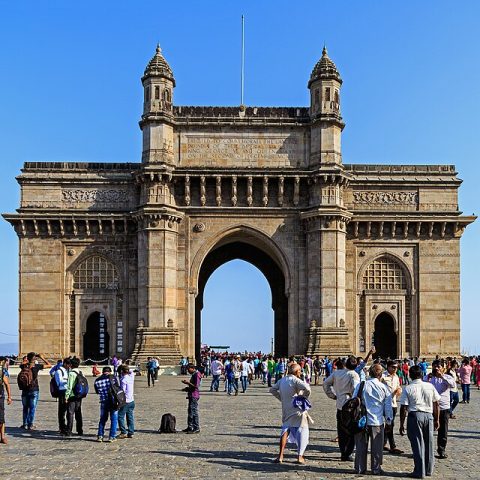
This monumental 85-foot basalt arch, built in 1924, stands as Mumbai's most iconic landmark and symbol of the city. Designed in Indo-Saracenic architecture blending Indian, Islamic, and European styles, it was constructed to commemorate the visit of King George V and Queen Mary in 1911. Located at Apollo Bunder in Colaba, this magnificent structure overlooks Mumbai Harbor and serves as the embarkation point for ferries to Elephanta Caves. The bustling promenade around it offers street vendors, photographers, and stunning views of the Taj Mahal Palace Hotel directly across. Best visited during sunrise or sunset when golden light bathes the honey-colored stone, creating perfect photo opportunities. The monument has witnessed historic moments, including the departure of the last British troops in 1948, marking India's true independence.
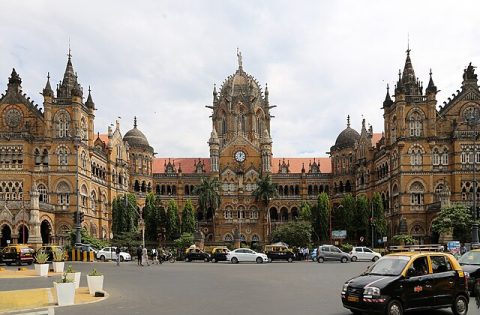
Recognized as a UNESCO World Heritage Site, this stunning railway station is a masterpiece of Victorian Gothic Revival architecture fused with traditional Indian palace design. Built in 1888 and originally named Victoria Terminus, the station features soaring spires, ornate stone carvings, stained-glass windows, and an impressive octagonal dome topped by a statue representing Progress. Designed by British architect F.W. Stevens, it houses intricate details including gargoyles, turrets, and pointed arches adorned with sculptures of lions, monkeys, and peacocks carved into pillars. Currently serving over 3 million commuters daily, it remains India's busiest railway station while maintaining its architectural splendor. The facade is particularly spectacular when illuminated at night. Though still a functional terminus, visitors can admire the exterior and main hall's grandeur. The building exemplifies Mumbai's role as India's most beautiful railway station.
Tips for Landmarks & Monuments
- Best Time: Visit Gateway of India and Marine Drive during early morning or sunset for the best lighting and fewer crowds
- Photography: Chhatrapati Shivaji Terminus looks stunning when lit up at night exterior photography is allowed
- Combined Visit: Gateway of India, Taj Hotel, and Colaba Causeway can be covered in a single half-day tour
- Security: Major landmarks have security checks; avoid carrying large bags
Mumbai's museums showcase everything from ancient Indian artifacts and colonial history to contemporary art and Bollywood memorabilia. The city's cultural institutions preserve India's rich heritage while promoting modern artistic expression, offering visitors deep insights into the nation's artistic, archaeological, and scientific achievements.
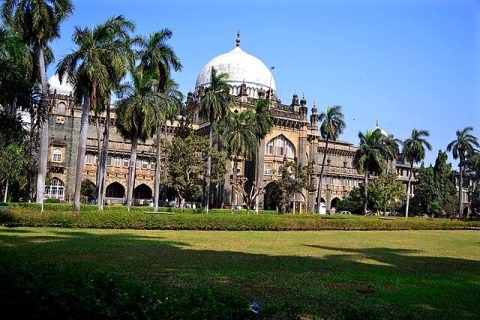
Mumbai's premier museum, formerly the Prince of Wales Museum, houses over 50,000 artifacts spanning art, archaeology, and natural history. Built in stunning Indo-Saracenic architecture with Mughal, Maratha, and Jain influences, the museum was founded in 1905 and designed by George Wittet (who also designed the Gateway of India). Collections include ancient sculptures from the Gupta period, Buddhist images from Gandhara, Maratha and Rajasthani miniature paintings, European decorative arts, and Chinese jade. The Natural History section features dioramas of Indian wildlife and geology. Notable highlights include terracotta figurines from Harappan excavations, exquisite ivory carvings, and the impressive Key Gallery displaying various art forms. The museum building itself, set in formal gardens with palm trees, is an architectural masterpiece worth admiring. Well-curated exhibits provide comprehensive context about India's cultural tapestry from prehistoric times to the modern era.
Tips for Museums & Galleries
- Timing: Most museums are closed on Mondays and public holidays check schedules before visiting
- Photography: Many museums prohibit photography or charge extra fees; check rules at entry
- Guided Tours: Chhatrapati Shivaji Maharaj Vastu Sangrahalaya offers audio guides for deeper understanding
- Combo Ticket: Some museums offer discounted entry for students and seniors with valid ID
- Kala Ghoda Walk: Combine multiple galleries in the Kala Ghoda area with a walking tour
Mumbai's diverse religious landscape reflects the city's pluralistic character, where Hindu temples, Islamic dargahs, Christian churches, and Buddhist viharas coexist harmoniously. These sacred spaces serve as active places of worship while welcoming visitors to experience India's spiritual traditions and architectural beauty.
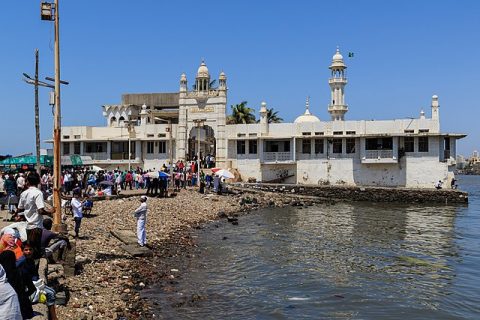
This stunning white marble mausoleum and mosque sits on an islet 500 meters off the Worli coast, connected to the mainland by a narrow causeway that becomes submerged during high tide. Built in 1431, it enshrines the tomb of the Muslim Sufi saint Haji Ali Shah Bukhari, a wealthy merchant who renounced worldly possessions. The monument showcases exquisite Indo-Islamic architecture with its 85-foot minaret and onion-shaped dome. The marble used is said to be similar to that of the Taj Mahal. Accessible only during low tide when the causeway is walkable, the approach features vendors selling flowers, incense, and offerings. The dargah receives over 40,000 pilgrims weekly from all faiths who seek blessings and spiritual solace. The interior features beautiful mirror work, colorful marble, and chandeliers. Thursday evenings feature qawwali devotional music performances. The sight of the white structure surrounded by the Arabian Sea, especially during sunset, creates an ethereal atmosphere.
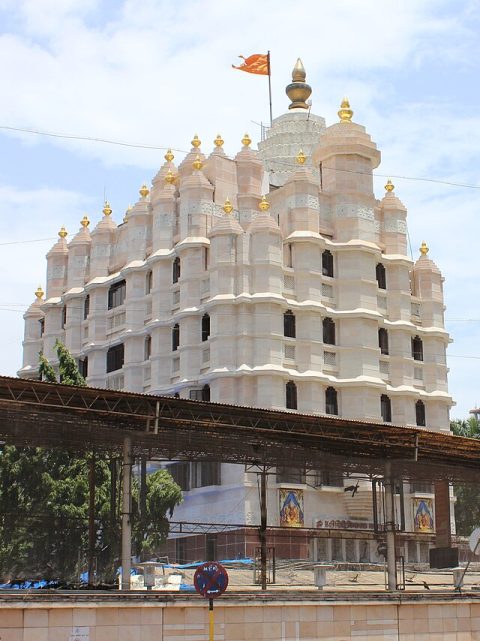
One of Mumbai's most revered Hindu temples, dedicated to Lord Ganesha, Siddhivinayak attracts over 2 million devotees annually, including celebrities, politicians, and business leaders seeking blessings. Built in 1801, the temple features a small black stone idol of Ganesha adorned with precious stones, including diamonds in the eyes and a gold-plated inner sanctum ceiling. The wooden doors showcase intricate carvings depicting the eight forms of Ganesha (Ashtavinayak). Located in Prabhadevi, the modern marble temple complex can accommodate thousands of worshippers. Tuesday is considered especially auspicious for Ganesha worship, resulting in massive crowds and long queues. During the annual Ganesh Chaturthi festival in August-September, the temple overflows with devotees from across India. The temple trust operates charitable activities and provides free meals to devotees. Despite crowds, the spiritual atmosphere and architectural beauty make this a significant cultural experience.
Tips for Religious Sites
- Dress Code: Dress modestly when visiting religious sites cover shoulders and knees, remove footwear where required
- Haji Ali Timing: Check tide timings before visiting; the causeway is only accessible during low tide
- Siddhivinayak Crowds: Visit early morning (before 7 AM) or late evening to avoid massive queues, especially on Tuesdays
- Respectful Behavior: Maintain silence in prayer areas, don't photograph without permission, and respect ongoing worship
- Offerings: Purchase flowers, coconuts, or sweets from vendors outside temples for traditional offerings
Mumbai's ancient heritage extends back over 2,000 years, with rock-cut Buddhist caves, colonial-era forts, and archaeological sites that predate the modern city. These historical treasures offer glimpses into the region's Buddhist past and maritime history.
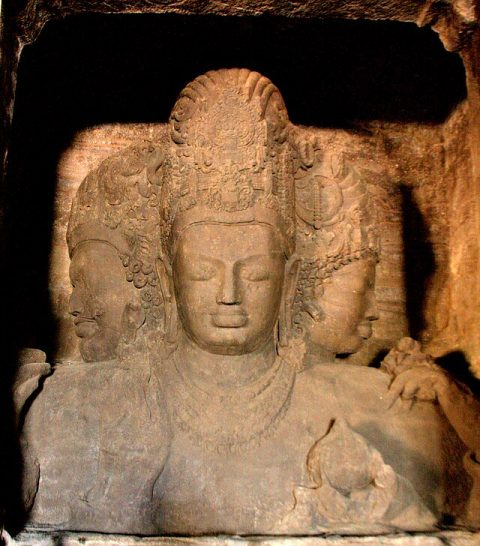
This UNESCO World Heritage Site comprises magnificent rock-cut cave temples on Elephanta Island, just a 1-hour ferry ride from the Gateway of India. Dating from the 5th to 8th centuries, the caves contain some of India's most exquisite rock sculptures dedicated to Lord Shiva. The main cave features the iconic 20-foot Trimurti (three-faced Shiva) sculpture representing the creator, preserver, and destroyer aspects of the deity. Other remarkable carvings depict Shiva as Nataraja (cosmic dancer), Ardhanarishvara (half-male, half-female form), and various mythological scenes. The intricate details showcase exceptional ancient Indian artistry and religious devotion. After exploring the caves via a steep climb of 120 steps from the jetty, visitors can enjoy the island's natural beauty and panoramic harbor views. The site includes both Hindu and Buddhist sections. Guides available at the island provide rich historical context. The ferry journey itself offers stunning views of Mumbai's skyline and the Arabian Sea.
Tips for Ancient & Historical
- Elephanta Ferry: Ferries run from 9 AM to 3:30 PM; return by 5:30 PM. Book tickets at Gateway of India; arrive early on weekends
- Cave Climb: Wear comfortable shoes for the steep climb to caves; avoid monsoon season when paths become slippery
- Guides: Hiring a local guide at Elephanta Caves enriches the experience with historical and mythological context
- Combined Visits: Kanheri Caves can be combined with Sanjay Gandhi National Park safari for a full-day nature and history tour
- Best Season: Visit October to March when weather is pleasant and caves are easily accessible
Mumbai's diverse neighborhoods each possess distinct personalities from the colonial architecture of Colaba and Fort to the Bollywood glamour of Bandra and the traditional markets of Bhuleshwar. Exploring these districts reveals the city's multifaceted character and authentic local life.
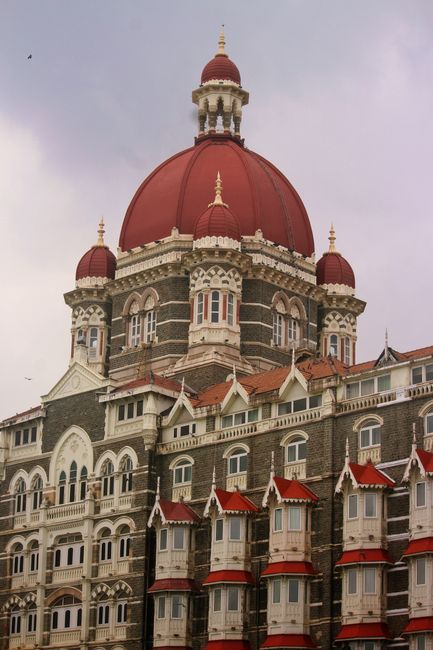
This historic peninsula at Mumbai's southern tip is the city's premier tourist district, packed with colonial-era buildings, art galleries, restaurants, and the famous Colaba Causeway market. The area centers around the Gateway of India and extends to the Afghan Church, Leopold Café (featured in the novel Shantaram), and Sassoon Docks. Colaba's tree-lined streets showcase beautiful Victorian and Art Deco architecture, housing boutique hotels, trendy cafes, antique shops, and bars. The neighborhood buzzes with both tourists and locals exploring its eclectic mix of old-world charm and contemporary culture. Street vendors sell everything from handicrafts to fashion accessories along the Causeway. The area offers excellent dining options ranging from Irani cafes serving chai and bun maska to upscale restaurants. Regal Cinema, one of Mumbai's oldest theaters, adds to the area's heritage. Colaba's cosmopolitan atmosphere, walkability, and proximity to major attractions make it an ideal base for exploring Mumbai.
Tips for Neighborhoods & Districts
- Walking Tours: Join guided heritage walks in Colaba, Fort, and Kala Ghoda to learn fascinating historical details
- Evening Time: Bandra Bandstand and Marine Drive are best experienced during sunset hours
- Shopping Strategy: Bargain at street markets but expect fixed prices in boutiques and galleries
- Cafe Culture: Allocate time to experience Mumbai's famous Irani cafes and modern coffee culture
- Safety: These areas are generally safe but remain vigilant in crowded markets and at night
Despite being a dense megacity, Mumbai offers surprising green escapes and beautiful beaches along its 150-kilometer coastline. From the wilderness of Sanjay Gandhi National Park to the iconic curve of Marine Drive, these spaces provide essential breathing room and recreational opportunities.
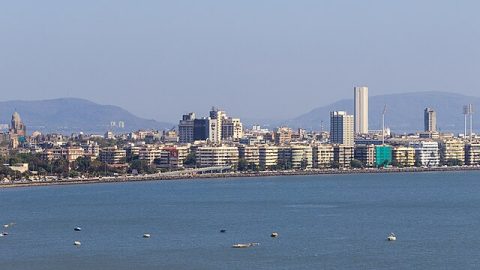
This iconic 3.6-kilometer C-shaped promenade along the Arabian Sea connects Nariman Point to Babulnath, earning its nickname 'Queen's Necklace' from the glittering arc of streetlights visible at night. Built on reclaimed land in the 1920s, Marine Drive features Art Deco buildings on one side and the sea on the other, creating Mumbai's most recognizable skyline. The wide pedestrian walkway attracts joggers, walkers, and couples at all hours, but sunset is particularly magical when locals gather to watch the sun sink into the Arabian Sea. The promenade offers unobstructed views of the sweep of Mumbai's western coastline from Malabar Hill to Worli. Street vendors sell bhel puri, kulfi, and peanuts. The area is safe, well-lit, and perfect for evening strolls. Nearby Chowpatty Beach at the northern end hosts food stalls and is famous for Ganesh Visarjan processions. Marine Drive embodies Mumbai's essence where the city meets the sea, creating a space for everyone.
Tips for Parks, Gardens & Beaches
- Beach Safety: Don't swim at Mumbai beaches due to strong currents; enjoy from the shore
- Best Time: Visit Marine Drive and beaches during sunset for the most beautiful views and pleasant weather
- National Park Entry: Sanjay Gandhi National Park charges nominal entry; arrive early for safari bookings
- Monsoon Magic: The national park is stunning during monsoon but check accessibility before visiting
- Street Food: Try Mumbai's famous beach snacks but choose busy stalls with high turnover for freshness
Real, highly-rated Restaurants in Mumbai, sourced from Google Places (rating above 4★).
Saffron is a highly-rated restaurant in Mumbai, rated 4.8★ from 910 reviews. Located at 6th Floor, Pooja, Jw Marriott Mumbai Juhu, Jw Marriott, Juhu Tara Rd, Juhu Tara, Juhu, Mumbai, Maharashtra 400049, India.
Opening Hours
- Monday: 7:00 PM – 12:00 AM
- Tuesday: 7:00 PM – 12:00 AM
- Wednesday: 7:00 PM – 12:00 AM
- Thursday: 7:00 PM – 12:00 AM
- Friday: 7:00 PM – 12:00 AM
- Saturday: 12:30 – 3:30 PM, 7:00 PM – 12:00 AM
- Sunday: 12:30 – 3:30 PM, 7:00 PM – 12:00 AM
Lake View Cafe is a highly-rated restaurant in Mumbai, rated 4.7★ from 8188 reviews. Located at The Westin Mumbai Powai Lake, Plot No 2 & 3B, Saki Vihar Rd, near Chinmayanand Ashram, Kailash Nagar, Mayur Nagar, Morarji Nagar, Powai, Mumbai, Maharashtra 400087, India.
Opening Hours
- Monday: 6:30 AM – 11:00 PM
- Tuesday: 6:30 AM – 11:00 PM
- Wednesday: 6:30 AM – 11:00 PM
- Thursday: 6:30 AM – 11:00 PM
- Friday: 6:30 AM – 11:00 PM
- Saturday: 6:30 AM – 11:00 PM
- Sunday: 6:30 AM – 11:00 PM
Peshwa Pavilion is a highly-rated restaurant in Mumbai, rated 4.7★ from 2893 reviews. Located at Itc Maratha, International Airport, Chhatrapati Shivaji Maharaj Int'l Airport Rd, Ashok Nagar, Andheri East, Mumbai, Maharashtra 400099, India.
Opening Hours
- Monday: 6:30 AM – 11:30 PM
- Tuesday: 6:30 AM – 11:30 PM
- Wednesday: 6:30 AM – 11:30 PM
- Thursday: 6:30 AM – 11:30 PM
- Friday: 6:30 AM – 11:30 PM
- Saturday: 6:30 AM – 11:30 PM
- Sunday: 6:30 AM – 11:30 PM
JYRAN - TANDOOR DINING & LOUNGE is a highly-rated restaurant in Mumbai, rated 4.7★ from 2054 reviews. Located at C 57, G Block BKC, Bandra Kurla Complex, Bandra East, Mumbai, Maharashtra 400051, India.
Opening Hours
- Monday: 12:30 – 3:00 PM, 7:00 – 11:30 PM
- Tuesday: 12:30 – 3:00 PM, 7:00 – 11:30 PM
- Wednesday: 12:30 – 3:00 PM, 7:00 – 11:30 PM
- Thursday: 12:30 – 3:00 PM, 7:00 – 11:30 PM
- Friday: 12:30 – 3:00 PM, 7:00 – 11:30 PM
- Saturday: 12:30 – 3:00 PM, 7:00 – 11:30 PM
- Sunday: 12:30 – 3:00 PM, 7:00 – 11:30 PM
KOKO is a highly-rated restaurant in Mumbai, rated 4.6★ from 4362 reviews. Located at Ground Floor, C Wing, Trade World, Kamala Mills Compound, Lower Parel, Mumbai, Maharashtra 400013, India.
Opening Hours
- Monday: 12:00 – 4:00 PM, 7:00 PM – 1:00 AM
- Tuesday: 12:00 – 4:00 PM, 7:00 PM – 1:00 AM
- Wednesday: 12:00 – 4:00 PM, 7:00 PM – 1:00 AM
- Thursday: 12:00 – 4:00 PM, 7:00 PM – 1:00 AM
- Friday: 12:00 – 4:00 PM, 7:00 PM – 1:00 AM
- Saturday: 12:00 – 4:00 PM, 7:00 PM – 1:00 AM
- Sunday: 12:00 – 4:00 PM, 7:00 PM – 1:00 AM