Things to do in Mexico City
Mexico City's most iconic landmarks showcase the city's rich history from pre-Hispanic times through colonial rule to modern achievements.
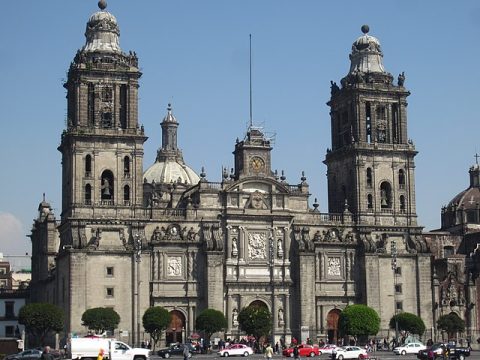
The largest cathedral in the Americas, built on the site of the Aztec Templo Mayor. This stunning example of Spanish colonial architecture features intricate stone carvings and houses important religious artifacts. The cathedral's construction spanned 250 years and showcases a blend of architectural styles.
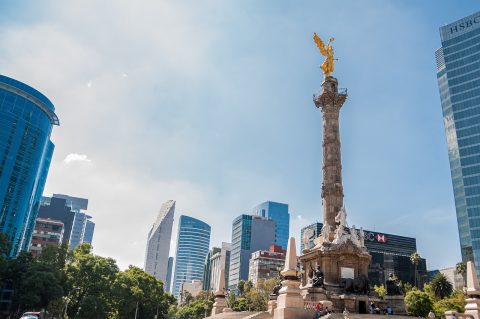
A towering golden angel atop a Corinthian column in Paseo de la Reforma, symbolizing Mexican independence. Completed in 1910, this 36-meter monument is one of Mexico's most recognizable symbols. Visitors can take an elevator inside for panoramic city views.
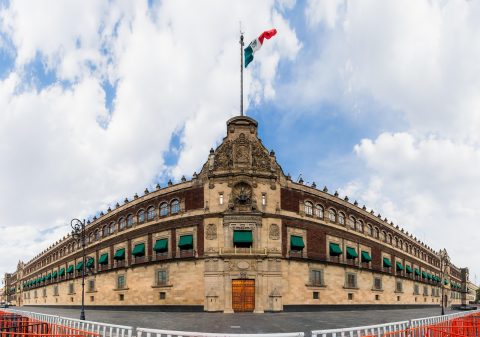
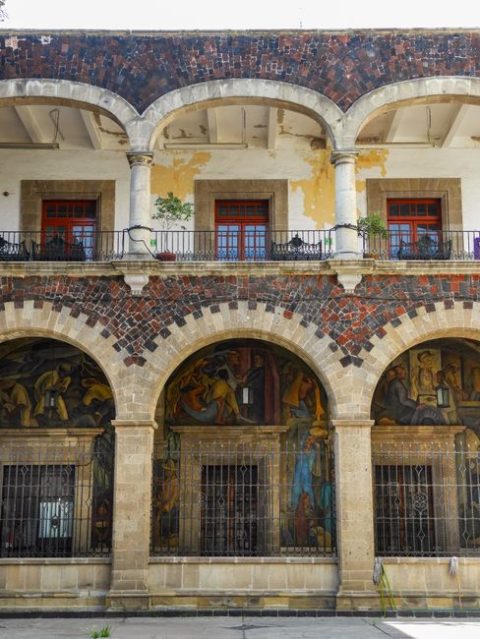
The official residence and workplace of the President of Mexico, featuring spectacular Diego Rivera murals depicting Mexican history. The main staircase wall hosts the monumental 'Dream of a Sunday Afternoon in Alameda Park'. Free entry with ID required.
Tips for Landmarks & Monuments
- Visit the Cathedral early morning to avoid crowds
- The Angel is especially beautiful illuminated at night
- Palacio Nacional visits are free but arrive early on weekends
- Many landmarks are in the Historic Center; consider a walking tour
Mexico City boasts world-class museums housing everything from pre-Hispanic artifacts to contemporary art, with some of the finest collections in the Americas.
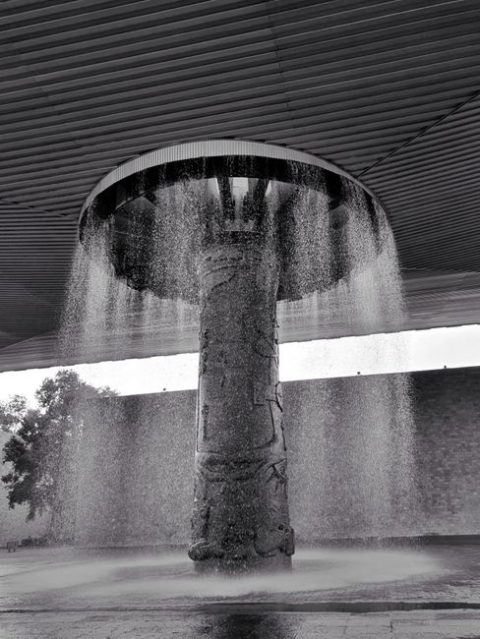
One of Mexico's most important museums, housing the Aztec Sun Stone and the Mayan city of Palenque artifacts. This architectural masterpiece features a stunning central courtyard with a massive stone canopy. The collection spans 13 rooms showcasing Mesoamerican civilizations with meticulously preserved sculptures and pottery.
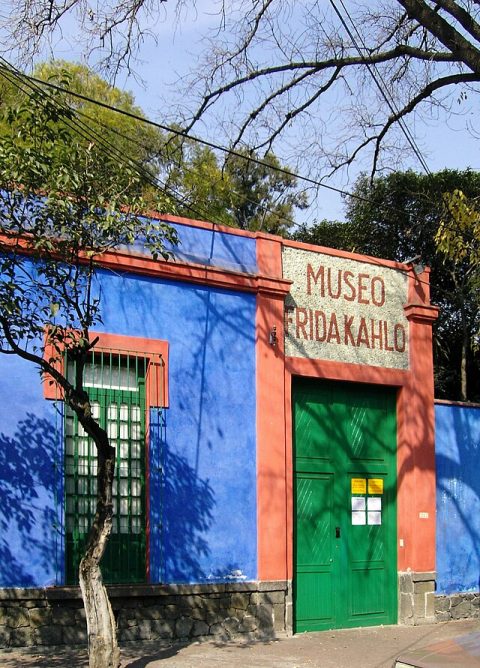
La Casa Azul, the iconic blue house where Mexican artist Frida Kahlo lived and created her masterpieces. The museum displays original paintings, photographs, and personal artifacts offering intimate insight into her life and artistic journey. The garden and kitchen are equally captivating.
Dedicated to the works and life of iconic Mexican artist Diego Rivera, featuring murals, sketches, and sculptures. The museum occupies the historic San Ángel neighborhood with beautiful colonial architecture and provides deep insight into Rivera's artistic evolution and political activism.
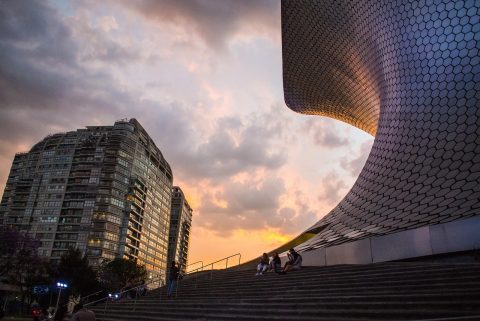
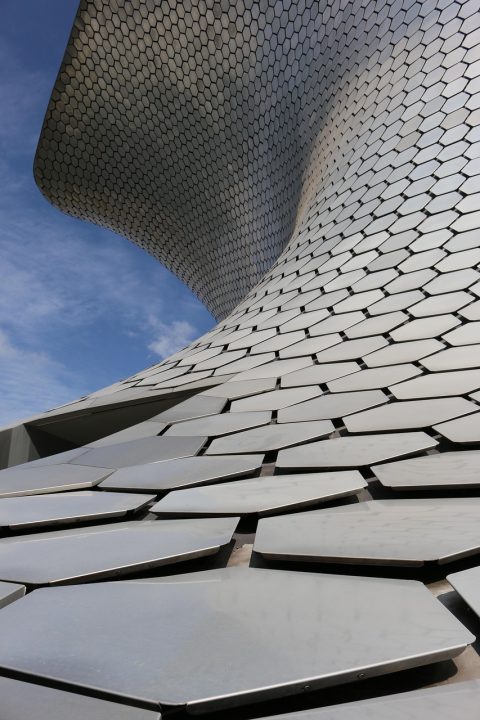
A contemporary art museum with rotating exhibitions focusing on modern and contemporary works from Mexican and international artists. The sleek architecture and thoughtfully curated displays make it a must-visit for art enthusiasts seeking cutting-edge works and installations.
Tips for Museums & Galleries
- Buy tickets online to avoid long queues at major museums
- Many museums offer free entry on Sundays
- The Anthropology Museum deserves a full morning or afternoon
- Book Frida Kahlo Museum in advance; it sells out quickly
Explore pre-Hispanic ruins and archaeological sites that reveal the sophistication of ancient Mesoamerican civilizations.
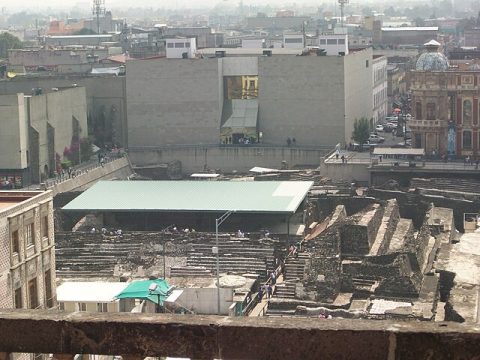
The ceremonial center of the Aztec city Tenochtitlan, excavated in the heart of Mexico City. The archaeological complex features twin pyramids dedicated to the rain god Tlaloc and the war god Huitzilopochtli. The adjacent museum displays artifacts including the famous Coyolxauhqui Stone and offers multimedia presentations on Aztec civilization.
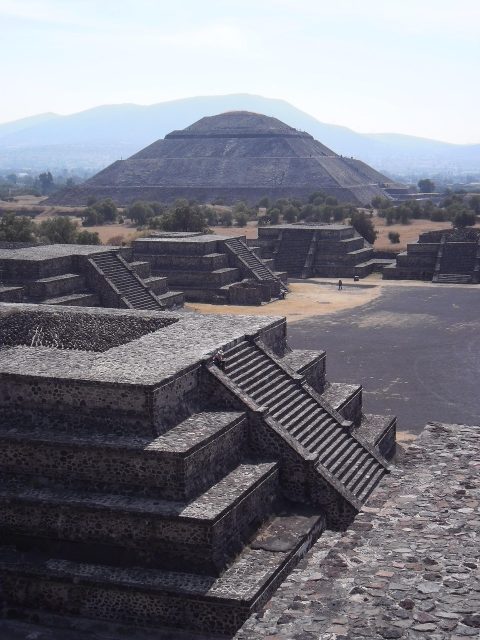
One of the largest Pre-Columbian sites outside the city, featuring the monumental Pyramid of the Sun and Pyramid of the Moon. Located 50km northeast, this UNESCO World Heritage site offers a glimpse into a civilization that predated the Aztecs. Climb the pyramids for breathtaking views of the archaeological complex and surrounding landscape.
Tips for Ancient & Historical Sites
- Wear comfortable hiking boots for climbing pyramids
- Start early to avoid midday heat and crowds
- Bring plenty of water and sunscreen
- Guided tours from the city are readily available
- Teotihuacán visits are best done as a day trip
Sacred spaces reflecting Mexico's spiritual heritage blend indigenous traditions with Spanish colonial religious architecture.
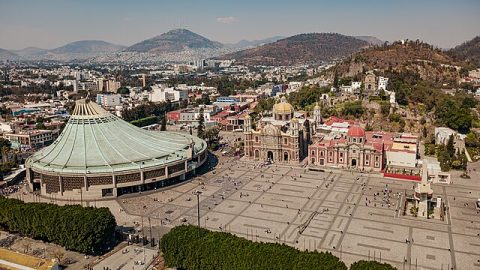
One of the most important pilgrimage sites in the Catholic world, dedicated to the Virgin of Guadalupe. The modern basilica features a rotating altar allowing priests to celebrate mass from both sides. The tilma with the image of the Virgin is displayed behind protective glass, and visitors can pray in the vast interior or walk on the moving walkway past the sacred cloth.
A stunning baroque church in the historic center featuring ornate architectural details and sacred religious artwork. The interior showcases gilded altarpieces and columns reflecting the wealth and power of Spanish colonial rule. Still an active parish, it remains one of Mexico City's most beautiful colonial churches.
Tips for Religious Sites
- Dress respectfully when entering religious sites
- Basilica is busiest on Sundays and holy days
- Photography may be restricted in some areas
- Visit early morning for a more peaceful experience
Each neighborhood has its own character, from bohemian artist enclaves to upscale shopping districts and historic colonial streets.
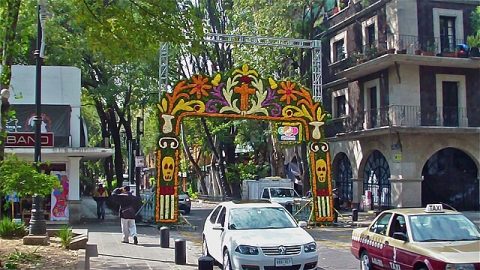
A charming bohemian neighborhood in the south with tree-lined streets, colonial architecture, and vibrant cultural scene. Home to famous intellectuals and artists, Coyoacán offers cobblestone plazas, independent galleries, cafés, and bookstores. The main plaza is perfect for people-watching, and nearby markets sell local crafts and authentic cuisine.
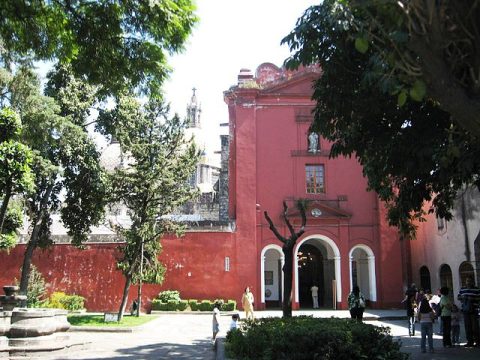
An upscale neighborhood known for its colonial charm and artistic heritage. Tree-lined cobblestone streets lead to galleries, boutique shops, and excellent restaurants. The Saturday Bazar del Sábado art market is legendary, featuring work by local artisans. The neighborhood's plazas and museums make it ideal for leisurely exploration.
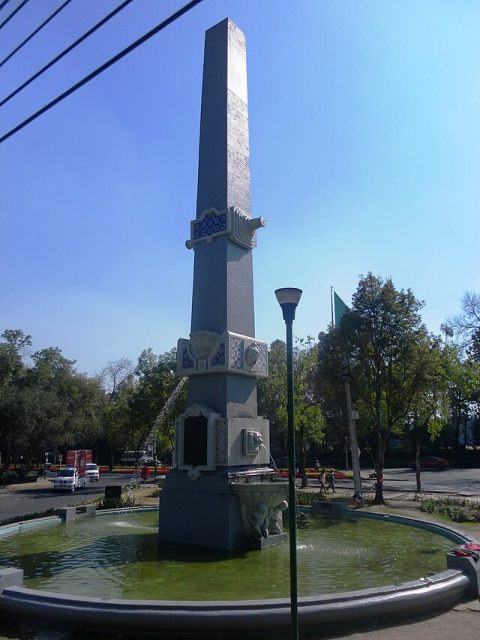
Mexico City's most upscale neighborhood featuring luxury shopping, fine dining, and high-end hotels. The area is home to major museums, exclusive restaurants, and designer boutiques. Polanco is perfect for shopping enthusiasts and offers some of the city's best culinary experiences with Michelin-starred restaurants.
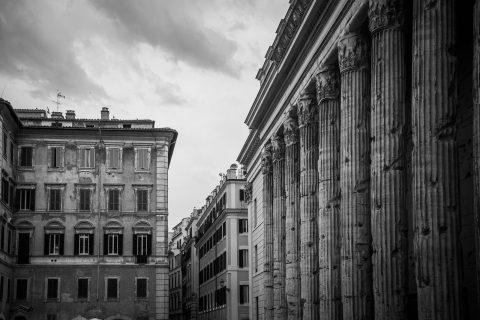
A trendy, up-and-coming neighborhood with vintage shops, contemporary galleries, hip cafés, and innovative restaurants. The bohemian vibe attracts young creatives, and tree-lined streets are perfect for wandering. Street art adorns the buildings, and the neighborhood's independent businesses offer authentic local experiences.
Tips for Neighborhoods & Districts
- Each neighborhood has distinct character; don't rush
- Sundays are best for exploring Coyoacán and San Ángel
- Take a guided neighborhood tour for hidden gems
- Use Metro to travel between neighborhoods efficiently
- Enjoy local dining in residential areas for authentic food
Green spaces offering respite from urban hustle, with gardens, lakes, and recreational areas beloved by locals and visitors.
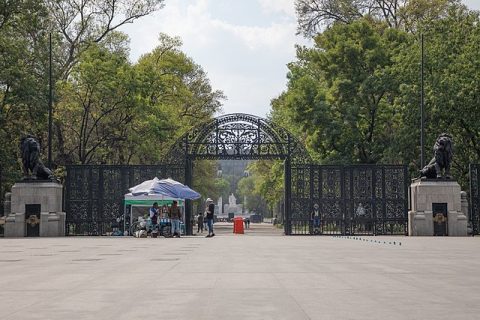
One of the world's largest urban parks spanning 864 acres with forests, lakes, museums, and monuments. The Chapultepec Castle offers panoramic city views, while the park's museums include the Museo de Antropología and Museo Tamayo. The ancient cypress trees and peaceful walks make it a local favorite for recreation and cultural exploration.
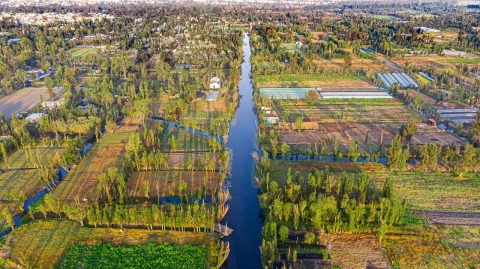
A UNESCO World Heritage site featuring ancient floating gardens and scenic waterways. Visitors can rent traditional colorful gondolas for boat rides through the canals, observing the unique ecosystem and visiting floating gardens. The park also has restaurants, shops, and museums. Best visited on weekends when atmosphere is lively.
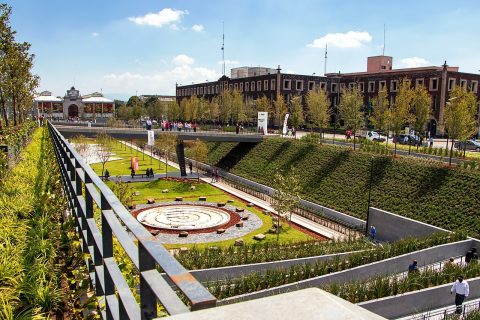
A modern green space in Santa Fe featuring artificial lakes, walking trails, and recreational facilities. Popular with joggers, cyclists, and families, the park offers a peaceful escape with modern amenities. The landscape design integrates water features and native vegetation in a contemporary setting.
Tips for Parks & Gardens
- Visit Chapultepec early morning to avoid crowds
- Xochimilco gondola rides are most atmospheric on weekends
- Bring water and sunscreen for outdoor park time
- Parks are excellent for observing daily Mexican life
- Many parks have food vendors offering local snacks
Historic plazas and pedestrian streets are the heart of Mexico City's social and cultural life, where locals gather and history comes alive.
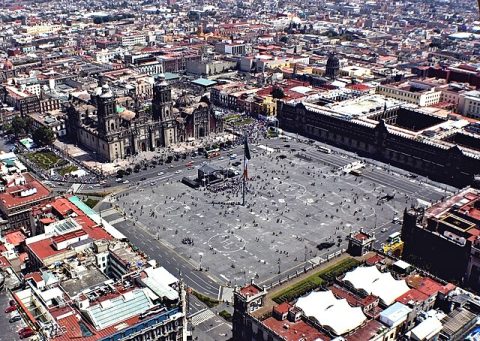
The main square of Mexico City and one of the world's largest plazas, surrounded by the Metropolitan Cathedral and Palacio Nacional. The expansive paved plaza hosts cultural events, markets, and gatherings. The square's history spans from Aztec times through colonial periods to modern Mexico, making it the symbolic heart of the nation.
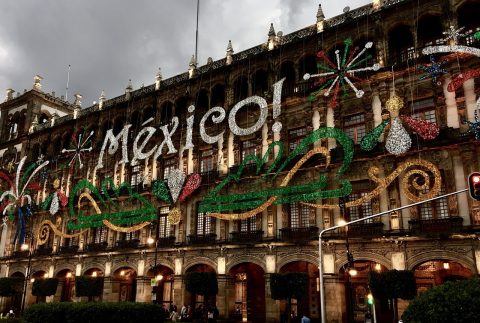
The colonial heart of Mexico City featuring colonial architecture, historic buildings, plazas, and museums. Walking through narrow cobblestone streets reveals layers of Mexican history from Aztec foundations to Spanish conquest to modern vibrant culture. The district is compact and perfect for walking tours.
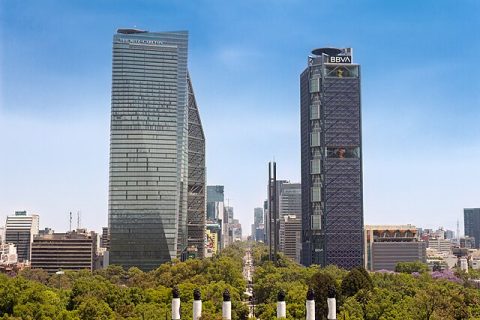
A magnificent tree-lined avenue stretching through Mexico City connecting Chapultepec Park to the Historic Center. The boulevard features the Angel of Independence monument, upscale shopping, museums, and important buildings. The modern infrastructure and historical significance make it perfect for leisurely strolls and exploring the city.
Tips for Squares & Streets
- Visit Zócalo early morning or evening for better lighting
- Use Metro to access different points on Paseo de la Reforma
- Centro Histórico is best explored with a walking guide
- Avoid walking alone in Centro Histórico after dark
- Street performers and vendors are active in main plazas
Guided experiences and specialized activities offering deeper insights into Mexico City's culture, cuisine, history, and vibrant street life.
Experience ancient floating gardens via traditional gondola boats decorated with colorful flowers. Vendors sell food and drinks along the waterways. The peaceful ride offers unique perspective on Mexico City's pre-Hispanic engineering and natural beauty.
Explore Mexico City's vibrant street art scene with expert guides who explain artistic movements and social messages. Tours cover neighborhoods like La Roma, Condesa, and Coyoacán, revealing the city's contemporary cultural expression through murals, stencils, and installations by local and international artists.
Taste authentic Mexican cuisine while learning about food history and traditions from knowledgeable local guides. Tours include visits to markets, street food stalls, and family-run restaurants. Sample tacos, tamales, mole, and regional specialties while understanding the cultural significance of Mexican gastronomy.
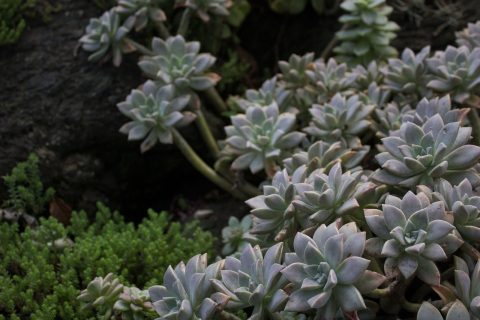
Experience Mexico's theatrical masked wrestling tradition at the historic Arena de México. Wrestlers in colorful costumes perform acrobatic moves and dramatic storytelling. The enthusiastic crowds and vibrant atmosphere make it an unforgettable cultural experience of Mexican entertainment.
Tips for Tours & Activities
- Book guided tours in advance during peak seasons
- Culinary tours are best for authentic food experiences
- Street art tours support local artists and guides
- Lucha Libre matches are most authentic with local crowds
- Many tour companies offer flexible scheduling
Nearby destinations offering alternative perspectives on Mexican culture, nature, and history within easy reach of Mexico City.
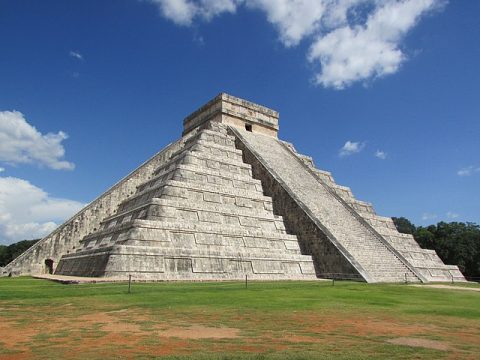
Ancient pre-Columbian city 50km northeast featuring massive pyramids and archaeological sites. The Pyramid of the Sun and Pyramid of the Moon dominate the landscape. Climb the pyramids for stunning views and explore the Avenue of the Dead, understanding a civilization that predated the Aztecs. UNESCO World Heritage site.
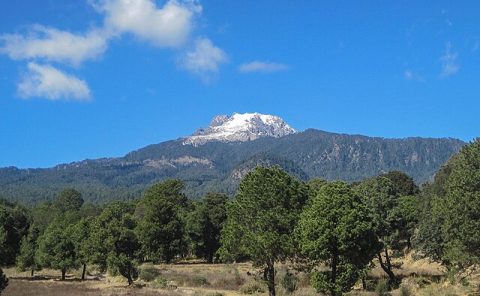
Colonial city 90km east featuring well-preserved Spanish architecture and indigenous heritage. The central plaza, cathedral, and governor's palace showcase colonial period. Local markets offer traditional textiles and crafts. The smaller city provides authentic Mexican atmosphere away from capital's hustle.
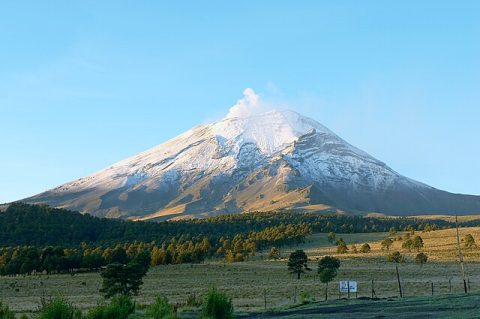
Mexico's second-highest peak at 5,426 meters, accessible via day trips from Mexico City. The snow-capped active volcano dominates the landscape and offers hiking opportunities. The nearby village of Amecameca provides base for exploration. Clear days offer views across Mexico's central highlands.
Tips for Day Trips & Excursions
- Teotihuacán is best visited with guided tour or early morning
- Wear comfortable shoes for climbing and walking
- Bring plenty of water and sun protection
- Book organized day trips to ensure safety and logistics
- Day trips require 4-6 hours; plan accordingly
Real, highly-rated Restaurants in Mexico City, sourced from Google Places (rating above 4★).
Ling Ling by Hakkasan is a highly-rated restaurant in Mexico City, rated 4.9★ from 41342 reviews. Located at Av. P.º de la Reforma 509-Piso 56, Cuauhtémoc, 06500 Ciudad de México, CDMX, Mexico.
Opening Hours
- Monday: 1:00 PM – 12:00 AM
- Tuesday: 1:00 PM – 12:00 AM
- Wednesday: 1:00 PM – 12:00 AM
- Thursday: 1:00 PM – 12:00 AM
- Friday: 1:00 PM – 12:00 AM
- Saturday: 1:00 PM – 12:00 AM
- Sunday: 1:00 – 11:00 PM
Maza Bistrot is a highly-rated restaurant in Mexico City, rated 4.9★ from 1054 reviews. Located at Plaza Washington, C. Dinamarca 47B, Juárez, Cuauhtémoc, 06600 Ciudad de México, CDMX, Mexico.
Opening Hours
- Monday: 2:00 – 10:00 PM
- Tuesday: Closed
- Wednesday: 2:00 – 10:00 PM
- Thursday: 2:00 – 10:00 PM
- Friday: 2:00 – 10:00 PM
- Saturday: 2:00 – 10:00 PM
- Sunday: 2:00 – 10:00 PM
Restaurante Cerrojo Zócalo "Cocina Mexicana Contemporánea" is a highly-rated restaurant in Mexico City, rated 4.9★ from 359 reviews. Located at C. de Monte de Piedad 11-Piso 1, Centro Histórico de la Cdad. de México, Centro, Cuauhtémoc, 06000 Ciudad de México, CDMX, Mexico.
Opening Hours
- Monday: 8:30 AM – 10:00 PM
- Tuesday: 8:30 AM – 10:00 PM
- Wednesday: 8:30 AM – 10:00 PM
- Thursday: 8:30 AM – 10:00 PM
- Friday: 8:30 AM – 10:00 PM
- Saturday: 8:30 AM – 10:00 PM
- Sunday: 8:30 AM – 8:00 PM
Explore Mexico City on the Map
Best Time: October to April offers pleasant weather with mild temperatures and low rainfall. December sees holiday festivities. Peak Season: December-January and Easter week attract most tourists. Weather: Mexico City sits at high altitude (2,250m), resulting in mild year-round temperatures (15-25°C). Rainy season runs May-September with afternoon showers. Crowds: Shoulder seasons (March-April, September-November) offer good weather with fewer tourists and better deals.
Getting Around
Metro: Mexico City's efficient subway system is the fastest way to navigate the city. Single ride costs $0.50 USD, 10-ride pass available. Lines cover all major attractions and neighborhoods. Avoid rush hours (7-10am, 5-8pm) on weekdays. Buses: Extensive bus network covers areas Metro doesn't. More challenging for tourists; use apps like Moovit. Taxis & Rideshare: Use official white taxis, Uber, or Beat for safety and reliability. Standard taxis cheaper than rideshare but less convenient. Bicycles: Ecobici bike-sharing system popular in Polanco, Condesa, and Roma for short trips. Walking: Centro Histórico, Coyoacán, San Ángel ideal for walking.
Getting to Mexico City: Benito Juárez International Airport (MEX) is 7km east. Airport Express, buses, and taxis serve the airport. Ride-share (Uber) typically costs $15-25 to central neighborhoods. Hotels arrange transfers. Bus Stations: Multiple first-class bus stations (TAPO, Norte) connect Mexico City to other Mexican cities.
✈️ Airport Transfer
Mexico City International Airport (MEX) to city center:
- Metro Line 5: From Terminal 1 to downtown in about 45 minutes, costs 5 pesos but is not recommended with luggage during rush hour
- Metrobús Line 4: Direct service from both terminals to the historic center in 40 to 60 minutes, around 30 pesos
- Authorized airport taxi: Fixed-rate sitio taxi from official booths inside the terminal to Zona Rosa or Reforma in 30 to 45 minutes, roughly 250 to 350 pesos
- Private transfer or Uber: Pre-booked private car or app-based ride to Polanco or Roma Norte in 30 to 50 minutes depending on traffic, about 300 to 450 pesos
Shopping & Markets
Modern Shopping: Polanco features luxury malls with designer brands. Condesa and Roma have trendy independent boutiques and vintage shops. Santa Fe shopping center is Mexico City's largest mall.
Traditional Markets: Mercado de la Merced (massive wholesale market), Mercado Juárez (crafts and souvenirs), Jamaica Market (flowers and vegetables) offer authentic local experiences. Saturday Bazar del Sábado in San Ángel features local artisans and craftspeople. Coyoacán weekend markets sell art, crafts, and antiques.
Bargaining: Expected in markets but not in stores. Start at 60-70% of asking price. Vendors expect negotiation in tourist-oriented markets.
What to Buy: Mexican textiles (serapes, rebozos), hand-painted ceramics, silver jewelry, leather goods, traditional crafts, Day of the Dead figurines, artisan chocolate, vanilla from Oaxaca. Souvenirs: Frida Kahlo merchandise, Lucha Libre masks, colorful folk art.
Festivals & Celebrations
Día de Muertos (Day of the Dead) — November 1-2: Mexico's most important festival celebrating deceased loved ones with colorful altars, marigolds, sugar skulls, and traditional foods. Parades and cultural events throughout the city. Historic sites display elaborate installations.
Carnaval — February/March: Pre-Lenten celebrations with parades, music, dancing, and street parties throughout the city. Especially vibrant in certain neighborhoods.
Independence Day — September 15-16: National holiday celebrating Mexican independence with parades, concerts, and flag-waving. The Grito de Dolores ceremony at Palacio Nacional draws massive crowds.
Christmas & New Year — December-January: Religious celebrations, Christmas markets, Las Posadas processions. New Year celebrations in major plazas and nightclubs.
Benito Juárez Birthday — March 21: National holiday honoring the beloved former president with celebrations and closures of some attractions.
Other Events: International Film Festival (August), Viva México Festival, Art Fair Mexico (contemporary art), numerous neighborhood fiestas honoring patron saints.
5-Day Itinerary
Day 1: Historic Center & Museums — Start at Zócalo, visit Metropolitan Cathedral and Palacio Nacional (see Diego Rivera murals). Explore Centro Histórico streets. Afternoon: visit Templo Mayor archaeological site. Evening: dinner in historic area.
Day 2: Art & Culture — Morning: Museo Nacional de Antropología (pre-Hispanic artifacts). Lunch in Polanco. Afternoon: visit Museo Tamayo or contemporary galleries. Evening: explore Condesa neighborhood, find dinner spot.
Day 3: Neighborhoods & Markets — Morning: visit Coyoacán with bohemian plazas, Frida Kahlo Museum (book ahead). Afternoon: explore San Ángel with colonial streets and galleries. Evening: Bazar del Sábado if available (Saturday) or other markets.
Day 4: Parks & Xochimilco — Morning: Parque Chapultepec with castle and museums. Afternoon: day trip to Xochimilco for gondola boat rides through floating gardens. Dinner with local cuisine.
Day 5: Day Trip & Relaxation — Early morning to Teotihuacán Pyramids (hire guide, climb pyramids, explore complex). Afternoon: return to Mexico City. Evening: street art walking tour or Lucha Libre wrestling match.
Photography Locations
Sunrise/Early Morning: Teotihuacán Pyramids at sunrise offers stunning golden light on ancient structures. Parque Chapultepec in morning mist is atmospheric. Zócalo at sunrise is less crowded.
Daytime: Centro Histórico cobblestone streets with colorful buildings. Paseo de la Reforma with tree-lined avenue and Angel monument. Xochimilco floating gardens and boats. Frida Kahlo Museum's iconic blue house. Street art in La Roma and Condesa neighborhoods.
Golden Hour/Sunset: Paseo de la Reforma with golden light on buildings. Chapultepec Park with sunset over city. Basilica de Guadalupe grounds. Coyoacán main plaza with warm light on colonial architecture.
Night: Zócalo illuminated with projected images. Angel of Independence monument lit at night. Historic center churches illuminated. Polanco restaurant areas with ambient lighting. Condesa and Roma neighborhoods with vibrant nightlife.
Instagram-Worthy Moments: Frida Kahlo Museum's blue walls, colorful street murals, traditional markets with local vendors, candlelit altars during Day of the Dead, gondola boats in Xochimilco, Lucha Libre performers in vibrant costumes.
Electrical Information
Voltage & Frequency: Mexico operates on 125V, 60Hz electrical system. North American appliances work directly. European appliances require step-down transformer.
Plug Types: Mexico primarily uses two-prong flat parallel plugs (Type A) identical to US standard. Some establishments have three-prong grounded outlets (Type B).
Adapters & Converters: US travelers need no adapter. UK/EU/Australian travelers need Type A/B adapter. Step-down transformer required for 220V appliances. Dual-voltage devices (many modern electronics) work with just an adapter.
Availability: Adapters and converters available at airport, hotels, and electronics stores. Recommend bringing from home for compatibility and cost savings. USB power banks useful for charging devices on-the-go.
Safety: Mexican outlets generally safe but facilities older than North American standards. Use surge protectors for valuable electronics. Hotel staff can facilitate charging if adapters unavailable.
Mexican Cuisine & Dining
Must-Try Dishes: Tacos (corn tortillas with meat, onions, cilantro — al pastor, carnitas, carne asada varieties), Mole (complex sauce with chocolate, spices, chilies), Chiles Rellenos (stuffed poblano peppers), Tamales (corn dough with fillings steamed in husks), Enchiladas (rolled tortillas with sauce), Pozole (hominy soup), Chilaquiles (tortilla chips with sauce), Quesadillas (cheese/filling in tortillas).
Regional Specialties: Fresh squeezed juices and smoothies, huevos rancheros for breakfast, elote (corn with mayo and cheese), pan de muerto (Day of the Dead bread), chocolate hot drink.
Dining Culture: Lunch (comida) is main meal at 1-3pm. Dinner (cena) is lighter at 7-9pm. Tipping 15-20% expected in restaurants. Street food widely available and safe at busy stalls. Markets offer fresh produce and prepared foods.
Dining Recommendations: Fine dining in Polanco (Michelin-starred restaurants), casual street tacos in Centro Histórico and neighborhoods, traditional markets for authentic experience, rooftop restaurants with city views, mezcal bars for local spirits.
Tourist Passes
Mexico City Tourism Card
Comprehensive pass offering discounts on museums, restaurants, and attractions throughout Mexico City. The card provides access to major sites including Museo de Antropología with reduced entrance fees. Valid for multiple days with various tier options. Benefits: Skip-the-line access to select museums, restaurant discounts up to 30%, free public transportation included in some packages.
www.mexico-citycard.comMuseo Pase Turístico (Tourist Museum Pass)
Discounted pass providing access to multiple major museums at reduced combined price. Includes Museo de Antropología, Museo Tamayo, and other important cultural institutions. Savings: 25-35% savings versus individual tickets. Duration: Valid for one to seven days depending on pass type. Perfect for museum-focused itineraries.
www.gob.mxMetro Card (Tarjeta del Sistema de Transporte Colectivo)
Rechargeable transit card for Mexico City's metro, metrobús, and light rail systems. Single rides cost approximately $0.50 USD. Purchase 10-ride or multi-day passes for convenience and savings. Convenience: Faster boarding than individual tickets. Coverage: Covers entire metro system reaching all major attractions and neighborhoods.
www.metro.cdmx.gob.mx