Podgorica works best as a base for exploring Montenegro rather than a sightseeing destination in itself, and this list reflects that. The Millennium Bridge and the Cathedral of the Resurrection of Christ anchor the compact city center, easily covered in a morning, while Stara Varoš preserves the old Ottoman-era streets worth a slow wander. The real draw, though, lies just outside town: day trips to Kotor, Budva, and Lake Skadar National Park deliver the coastline and mountain scenery Montenegro is famous for, and the Ostrog Monastery excursion adds a striking spiritual landmark carved into a cliffside. Prioritizing these keeps a short stay efficient without missing the country's highlights.
Podgorica's landmarks tell the story of a city that has risen from the ashes multiple times throughout history. From ancient Roman settlements to Ottoman fortresses and striking modern bridges, these monuments showcase the resilience and diversity of Montenegro's capital.
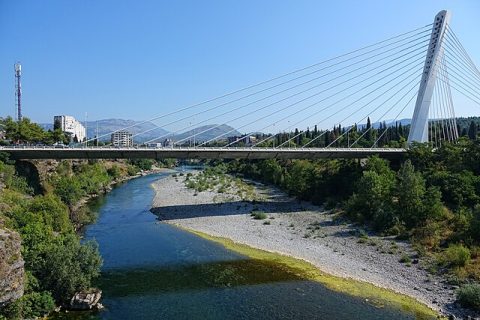
The Millennium Bridge is Podgorica's most iconic modern landmark and a stunning feat of contemporary engineering. Completed in 2005, this elegant cable-stayed bridge spans 173 meters across the Morača River, connecting the city's two sides with its gleaming white pylons and suspended deck. The bridge is particularly spectacular when illuminated at night, creating a breathtaking reflection on the water below. It's become a symbol of modern Montenegro and offers excellent photo opportunities, especially during sunset. Pedestrians can walk across the bridge to enjoy panoramic views of the city and surrounding mountains.
Tips for Landmarks & Monuments
- Best photography: Visit Millennium Bridge at sunset or after dark for stunning illuminated views
- Walking tour: Combine Clock Tower with Stara Varoš exploration for complete Ottoman heritage experience
- Local tip: The Clock Tower may not keep perfect time, but locals love it anyway as a quirky historic character
Podgorica's religious architecture reflects the diverse spiritual heritage of Montenegro, where Orthodox Christianity, Islam, and Catholicism have coexisted for centuries. From magnificent modern cathedrals to historic mosques and unique cave monasteries, these sacred sites offer profound cultural insights and architectural beauty.
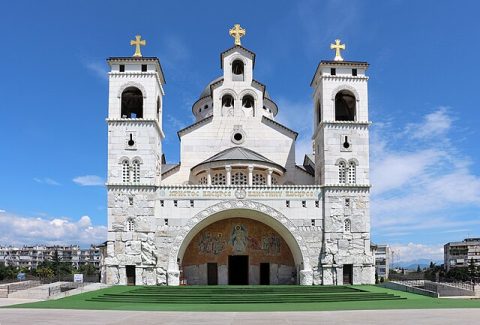
The magnificent Cathedral of the Resurrection of Christ is the spiritual heart of modern Podgorica and an architectural marvel. Completed in 2013 after 20 years of construction, this Serbian Orthodox cathedral ranks among the largest in the Balkans. Its gleaming golden domes, intricate stone carvings, and monumental white stone towers dominate Podgorica's skyline. Inside, visitors discover awe-inspiring spaces adorned with vibrant mosaics, stunning frescoes painted directly onto walls and ceilings, and detailed iconography that creates an atmosphere of profound reverence. The cathedral's grand scale and masterful craftsmanship make it a must-visit landmark representing Montenegro's deep Orthodox Christian traditions. The serene ambiance invites contemplation and provides respite from urban life.
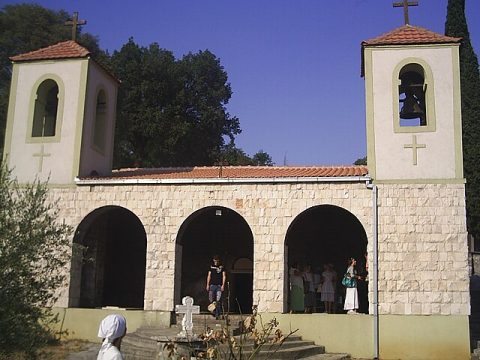
The Dajbabe Monastery offers one of Montenegro's most unique spiritual experiences. Established in 1897 as a dedication to the Holy Virgin, this Orthodox monastery is partially carved into a natural cave on the slopes of Dajbabe hill. The monastery's hidden location and intimate atmosphere create an extraordinarily special visit. Frescoes are painted directly onto the cave walls, producing an organic, ancient feeling that connects visitors with Montenegro's deep spiritual roots. The combination of natural rock formations and religious art creates a mystical environment unlike any traditional church. Visiting Dajbabe provides a peaceful retreat from city life and ranks among Podgorica's most memorable hidden gems.
Tips for Religious Sites
- Dress code: Wear modest clothing covering shoulders and knees when visiting churches and mosques
- Photography: Ask permission before taking photos inside religious buildings
- Visiting hours: Religious sites may close during services; early morning or late afternoon typically works best
- Cave monastery: Dajbabe requires travel outside city center but is absolutely worth the journey
- Respectful behavior: Maintain quiet, reverent demeanor inside all religious sites
Podgorica's ancient roots run deep, with archaeological treasures revealing centuries of human habitation. From Roman cities to Ottoman fortresses, these historical sites connect visitors to the region's rich and layered past.
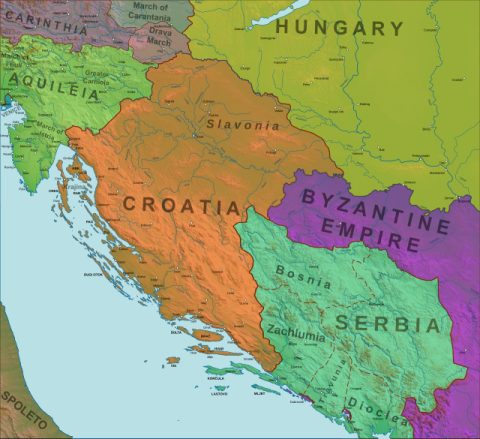
Doclea represents Podgorica's most significant archaeological treasure and has been submitted for UNESCO World Heritage consideration. Located just 5 kilometers from the city center, these extensive Roman ruins date back to the Illyrian and Roman periods, revealing the once-thriving ancient city that stood here. Visitors can explore remnants of a Roman basilica, forum, thermae (public baths), defensive walls, and various residential structures scattered across the site. Walking through Doclea feels like stepping directly into history, where stone foundations and columns whisper tales of daily life nearly two millennia ago. The site offers excellent insight into Roman urban planning and architecture. Despite limited restoration, the ruins maintain evocative power and archaeological significance. This open-air museum is essential for history enthusiasts and provides fascinating context for understanding Podgorica's ancient origins as the Roman settlement of Dioclea.
Tips for Ancient & Historical Sites
- Doclea essentials: Bring water, sun protection, and comfortable walking shoes; the site is largely uncovered
- Best timing: Visit Doclea in morning or late afternoon to avoid midday heat
- Guided tours: Consider hiring a local guide to fully appreciate the historical significance of Roman ruins
- Combined visit: Pair historical sites with nearby Dajbabe Monastery for a full day of exploration
- Budget-friendly: Most archaeological sites charge minimal or no entrance fees
Podgorica's urban fabric weaves together distinct neighborhoods and public spaces, each with its own character and story. From the atmospheric Ottoman quarter to modern shopping districts, exploring these areas reveals the city's diverse identity.
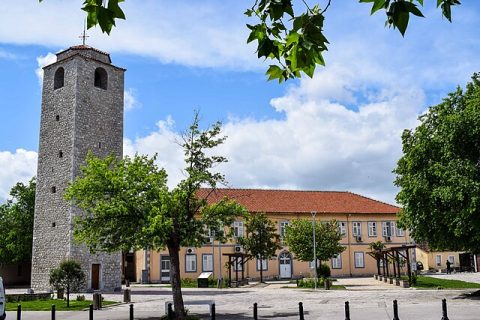
Stara Varoš is Podgorica's most atmospheric neighborhood and a testament to the city's 400-year Ottoman past. This historic quarter retains traces of its Turkish heritage through winding narrow streets, traditional architecture, and historic structures like mosques and the Clock Tower. Unlike newer districts destroyed in World War II, Stara Varoš preserves the intimate scale and character of the old Turkish town that was once Podgorica's bustling center. Walking these streets offers a stark contrast to modern Podgorica and provides essential context for understanding the city's layered history. Visitors discover small cafes, traditional shops, and residential buildings that maintain their historic character. The neighborhood rewards slow, exploratory wandering to appreciate architectural details and absorb the distinctive atmosphere of this cultural heritage zone.
Tips for Squares, Streets & Neighborhoods
- Walking tours: Stara Varoš is best explored on foot; wear comfortable shoes for cobblestone streets
- Evening atmosphere: Downtown comes alive after 6 PM when locals fill cafes and restaurants
- Local cafes: Stop for Montenegrin coffee and rakija to experience authentic cafe culture
- Architecture enthusiasts: Blok 5 offers unusual photographic opportunities for brutalism fans
- Orientation: Podgorica's compact size makes neighborhoods easy to explore in a single day
Podgorica is blessed with abundant green spaces that provide essential relief from urban life. These parks and natural areas offer recreational opportunities, scenic beauty, and connections to the surrounding landscape that gives the city its name.
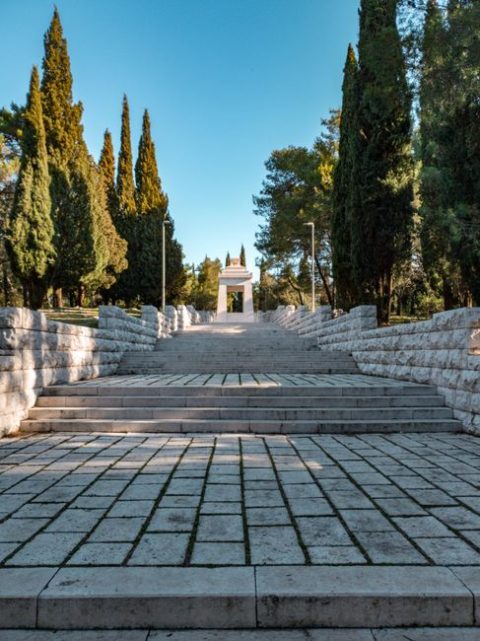
Gorica Hill is the small forested hill that gives Podgorica its name (meaning 'under Gorica') and serves as the city's beloved green lung. This natural park features well-maintained hiking and jogging trails winding through forest that lead to viewpoints offering panoramic vistas of the entire city, rivers, and surrounding mountains. The hill provides essential outdoor recreation for locals who come here for morning walks, afternoon picnics, evening runs, and weekend family outings. The trails range from easy strolls to more vigorous climbs, accommodating all fitness levels. Fresh air, birdsong, and natural beauty create a refreshing escape just minutes from downtown. The summit rewards hikers with spectacular 360-degree views, especially beautiful at sunrise or sunset. Gorica Hill exemplifies Podgorica's fortunate combination of urban convenience and natural proximity.
Tips for Parks & Gardens
- Hiking Gorica: Start early morning for cooler temperatures and beautiful light for photography
- Bring essentials: Carry water, especially when hiking; public fountains are not always available
- Family-friendly: King's Park and Ivana Milutinovića Park offer best facilities for children
- Sunset viewing: Gorica Hill's summit provides spectacular sunset panoramas over the city
- Dog-walking: Parks welcome dogs but keep them leashed and clean up after them
- Summer cooling: Morača riverbank offers free swimming alternative to paid pools during hot months
Podgorica serves as an excellent base for exploring Montenegro's incredible diversity. From wine tasting in nearby vineyards to adventure activities and cultural experiences, these tours and activities help visitors discover the best of the region.
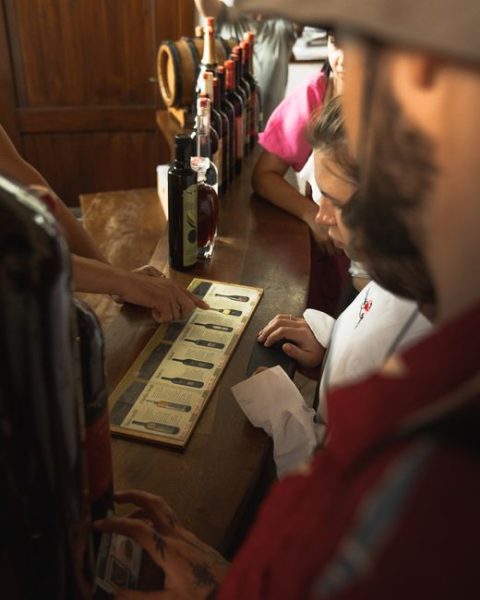
Montenegro's wine culture centers around Plantaže, one of Europe's largest single-estate vineyards located just outside Podgorica. This massive operation cultivates approximately 2,300 hectares of vines, primarily featuring the indigenous Vranac grape variety that produces robust red wines. Organized wine tours take visitors through the vineyards to learn about traditional and modern winemaking techniques, visit underground cellars where wines age in controlled conditions, and participate in professional tastings of multiple wine varieties. The tours typically include sampling of Vranac, Krstač (a local white grape), and other regional wines paired with local cheeses and prosciutto. Guides explain Montenegro's unique terroir and growing winemaking reputation. These tours offer excellent value and authentic insight into Montenegrin viticulture while supporting local industry.
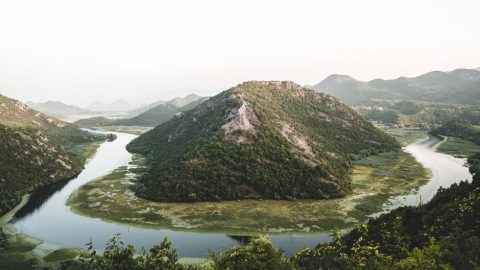
Lake Skadar, the largest lake in the Balkans, lies just 30 kilometers from Podgorica and ranks among Montenegro's most spectacular natural treasures. Day tours from the capital typically include boat rides across the lake's pristine waters, visits to historic island monasteries, birdwatching opportunities (the lake hosts over 280 bird species), swimming in designated areas, and traditional Montenegrin lunch in lakeside villages. The lake's beauty varies dramatically with seasons spring brings wildflowers and nesting birds, summer offers perfect swimming conditions, and autumn provides stunning foliage reflections. Tours often include stops at viewpoints like Pavlova Strana for panoramic vistas. These excursions showcase Montenegro's natural heritage and provide refreshing escapes from urban Podgorica.
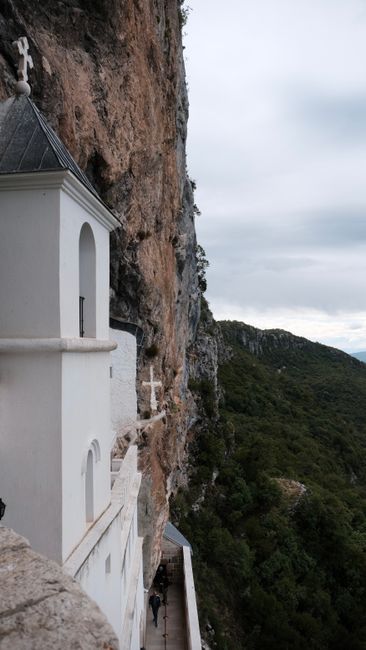
Ostrog Monastery is Montenegro's most important Orthodox pilgrimage site and one of the world's most dramatically situated monasteries. Built directly into a vertical cliff face 900 meters above the Zeta valley, this 17th-century marvel appears to defy gravity. Day trips from Podgorica (about 1 hour drive) take visitors to both the lower and upper monastery complexes. The upper monastery houses the sacred relics of Saint Basil of Ostrog and features stunning frescoes painted directly onto cave walls. The location offers breathtaking views and profound spiritual atmosphere that attracts over 100,000 pilgrims annually from all religious backgrounds. Tours typically include time for prayer, contemplation, and photography. The monastery's miraculous construction and continued importance make it an unforgettable experience.
Tips for Tours & Activities
- Advance booking: Popular tours (especially Lake Skadar and Ostrog) fill quickly during peak season; reserve early
- Tour operators: Book through established local companies or hotel concierge for reliability
- Weather dependent: Many outdoor activities require good weather; have backup indoor options
- Group vs private: Private tours cost more but offer flexibility in timing and itinerary
- Combination deals: Some operators offer multi-day packages combining several destinations at discounted rates
- Physical requirements: Check activity difficulty levels; rafting and hiking require moderate fitness
Podgorica's central location makes it the perfect base for exploring Montenegro's remarkable diversity. Within one to three hours, visitors can reach coastal towns, mountain monasteries, pristine national parks, and historic cities each offering completely different landscapes and experiences.
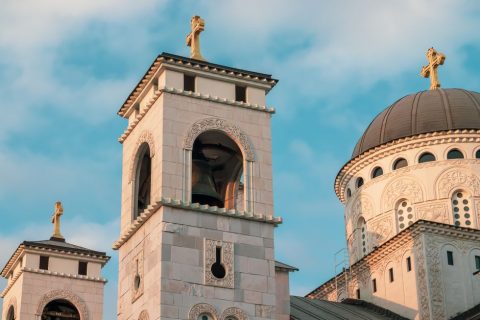
Cetinje served as Montenegro's historical capital and royal seat, and this small mountain town retains extraordinary cultural significance far exceeding its size. Located just 30 km from Podgorica (about 45 minutes drive), Cetinje feels worlds apart with its elegant 19th-century architecture, tree-lined streets, and collection of important museums. Must-see attractions include the Cetinje Monastery (housing sacred Orthodox relics), King Nikola's Palace Museum (beautifully preserved royal residence), the National Museum, and several elegant former embassies that earned Cetinje the nickname 'Valley of the Embassies.' The town's refined atmosphere and historical importance make it essential for understanding Montenegrin national identity and culture. Combine with a drive up to Mount Lovćen and the magnificent Njegoš Mausoleum for spectacular mountain views.
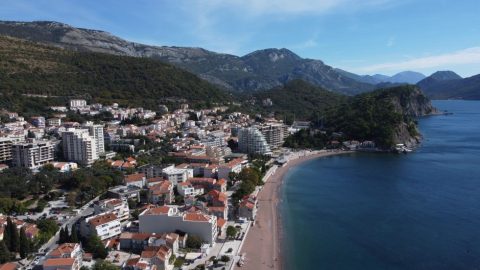
Budva is Montenegro's premier coastal destination, combining medieval charm with modern beach resort amenities. Located 65 km from Podgorica (about 1 hour drive), Budva features a beautifully preserved walled Stari Grad (Old Town) dating to the 15th century, with narrow stone streets, ancient churches, and atmospheric squares perched on a peninsula jutting into the Adriatic. Beyond the historic center, Budva offers excellent beaches, vibrant nightlife, waterfront promenades lined with restaurants and cafes, and stunning mountain-meets-sea scenery. Popular beaches include Mogren, Jaz, and Bečići. The town serves as a gateway to nearby luxury resort island of Sveti Stefan. Day trips easily combine cultural exploration with beach time and fresh seafood dining.
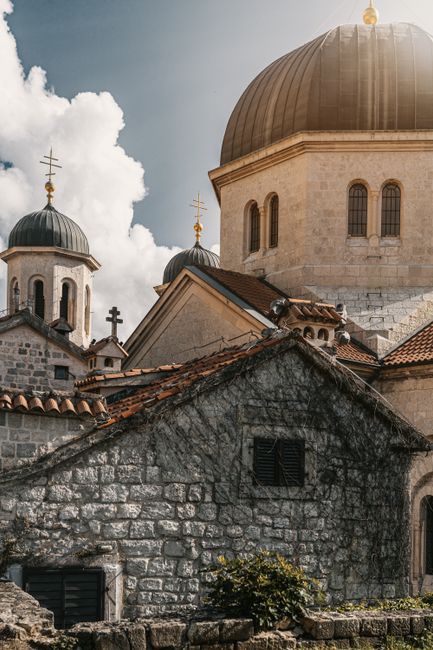
Kotor ranks among the Mediterranean's most spectacular destinations, where medieval architecture meets dramatic fjord-like scenery. Located 90 km from Podgorica (1.5 hours drive), Kotor's UNESCO-listed Old Town is a masterpiece of Venetian architecture, featuring maze-like marble streets, elegant palaces, beautiful churches, and lively squares surrounded by imposing city walls. The Cathedral of Saint Tryphon dates to 1166, while the Maritime Museum chronicles Kotor's seafaring heritage. Adventurous visitors climb the ancient city walls (1,350 steps!) to the San Giovanni Fortress for breathtaking panoramic views over the Bay of Kotor. The bay itself often called Europe's southernmost fjord offers stunning scenery at every turn. Kotor's combination of history, architecture, natural beauty, and atmosphere makes it Montenegro's most essential destination.
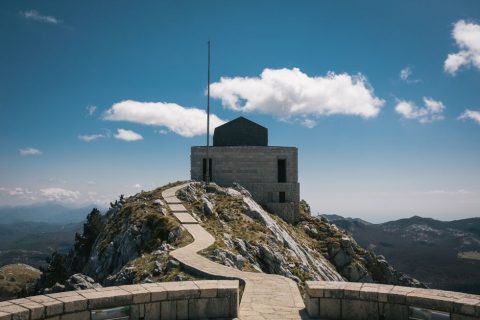
Lovćen National Park encompasses the mountain that Montenegrins consider the heart of their nation. The park's highlight is the Njegoš Mausoleum, perched at 1,657 meters atop Mount Lovćen's second-highest peak. This monumental mausoleum honors Petar II Petrović-Njegoš, Montenegro's beloved 19th-century ruler, philosopher, and poet. After climbing 461 steps through a tunnel carved into the mountain, visitors reach the mausoleum's interior featuring a massive golden mosaic and granite sculpture of Njegoš. The external viewing platform delivers absolutely jaw-dropping 360-degree panoramas encompassing mountains, the Bay of Kotor, and on clear days even Albania and Croatia. The serpentine road climbing to Lovćen through 25 hairpin turns is an adventure itself. This spiritual and scenic pilgrimage offers profound insight into Montenegrin national consciousness.
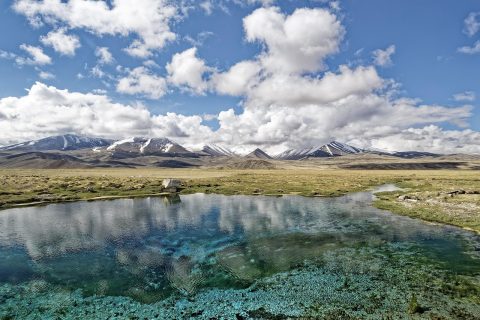
Skadar Lake, shared between Montenegro and Albania, is the Balkans' largest lake and a biodiversity paradise. Just 30-40 km from Podgorica, the lake offers numerous access points and activities. Virpazar village serves as the main gateway, where visitors can arrange boat tours, rent kayaks, or hire local fishermen as guides. The lake hosts over 280 bird species including rare Dalmatian pelicans, making it a premier birdwatching destination. Historic island monasteries like Beška and Starčevo dot the waters. The lake's edges feature picturesque fishing villages, traditional restaurants serving fresh carp and eel, swimming beaches, and hiking trails through wetlands. Wine lovers should visit Godinje village, perched on hillsides covered with vineyards. Sunset boat tours offer magical experiences as golden light illuminates water lilies and mountain reflections.
Tips for Day Trips from Podgorica
- Transportation: Rent a car for maximum flexibility; public buses serve major destinations but with limited schedules
- Early start: Leave Podgorica early morning to maximize day trip time, especially for distant destinations like Durmitor
- Combination strategy: Combine nearby destinations (Kotor + Perast, Budva + Sveti Stefan, Cetinje + Lovćen)
- Coastal summer: Expect crowds and traffic at coastal destinations July-August; visit in shoulder seasons for better experience
- Mountain weather: Lovćen and Durmitor can be significantly cooler; bring layers even in summer
- Booking ahead: Reserve accommodations if planning overnight trips during peak season
- Fuel up: Fill your tank in Podgorica; mountain area gas stations are less frequent
Real, highly-rated Restaurants in Podgorica, sourced from Google Places (rating above 4★).

Restoran Protokol is a highly-rated restaurant in Podgorica, rated 4.9★ from 664 reviews. Located at 1/1 Ulica Marka Đukanovića, Podgorica, Montenegro.
Opening Hours
- Monday: 8:00 AM – 12:00 AM
- Tuesday: 8:00 AM – 12:00 AM
- Wednesday: 8:00 AM – 12:00 AM
- Thursday: 8:00 AM – 12:00 AM
- Friday: 8:00 AM – 12:00 AM
- Saturday: 8:00 AM – 12:00 AM
- Sunday: 8:00 AM – 12:00 AM

Segredo restoran & wine bar is a highly-rated restaurant in Podgorica, rated 4.9★ from 107 reviews. Located at 16 Vojvode Maša Đurovića, Podgorica, Montenegro.
Opening Hours
- Monday: 8:00 AM – 12:00 AM
- Tuesday: 8:00 AM – 12:00 AM
- Wednesday: 8:00 AM – 12:00 AM
- Thursday: 8:00 AM – 12:00 AM
- Friday: 8:00 AM – 12:00 AM
- Saturday: 8:00 AM – 12:00 AM
- Sunday: 8:00 AM – 12:00 AM

MASLACA MASALA | Indian Restaurant in Montenegro. is a highly-rated restaurant in Podgorica, rated 4.9★ from 129 reviews. Located at br.12 Filipa Bajkovica, Podgorica 81000, Montenegro.
Opening Hours
- Monday: 7:30 AM – 11:00 PM
- Tuesday: 7:30 AM – 11:00 PM
- Wednesday: 7:30 AM – 11:00 PM
- Thursday: 7:30 AM – 11:00 PM
- Friday: 7:30 AM – 11:00 PM
- Saturday: 7:30 AM – 11:00 PM
- Sunday: Closed

Zheng He Centar is a highly-rated restaurant in Podgorica, rated 4.9★ from 870 reviews. Located at Karađorđeva, Podgorica, Montenegro.
Opening Hours
- Monday: 8:00 AM – 12:00 AM
- Tuesday: 8:00 AM – 12:00 AM
- Wednesday: 8:00 AM – 12:00 AM
- Thursday: 8:00 AM – 12:00 AM
- Friday: 8:00 AM – 12:00 AM
- Saturday: 12:00 PM – 12:00 AM
- Sunday: 12:00 PM – 12:00 AM

Tekstura Restaurant is a highly-rated restaurant in Podgorica, rated 4.9★ from 181 reviews. Located at 16 Pera Šoća, Podgorica 81000, Montenegro.
Opening Hours
- Monday: 8:00 AM – 12:00 AM
- Tuesday: 8:00 AM – 12:00 AM
- Wednesday: 8:00 AM – 12:00 AM
- Thursday: 8:00 AM – 12:00 AM
- Friday: 8:00 AM – 12:00 AM
- Saturday: 8:00 AM – 12:00 AM
- Sunday: Closed

DI MARCO is a highly-rated restaurant in Podgorica, rated 4.9★ from 291 reviews. Located at 33 Marka Radovića, Podgorica, Montenegro.
Opening Hours
- Monday: 9:00 AM – 10:00 PM
- Tuesday: 9:00 AM – 10:00 PM
- Wednesday: 9:00 AM – 10:00 PM
- Thursday: 9:00 AM – 10:00 PM
- Friday: 9:00 AM – 10:00 PM
- Saturday: 10:00 AM – 10:00 PM
- Sunday: 10:00 AM – 10:00 PM

SPAGO is a highly-rated restaurant in Podgorica, rated 4.8★ from 1774 reviews. Located at 35 Radoja Dakića, Podgorica 81000, Montenegro.
Opening Hours
- Monday: 8:00 AM – 12:00 AM
- Tuesday: 8:00 AM – 12:00 AM
- Wednesday: 8:00 AM – 12:00 AM
- Thursday: 8:00 AM – 12:00 AM
- Friday: 8:00 AM – 12:00 AM
- Saturday: 8:00 AM – 12:00 AM
- Sunday: 8:00 AM – 12:00 AM

Diplomat Restoran is a highly-rated restaurant in Podgorica, rated 4.8★ from 647 reviews. Located at 7 Miljana Vukova, Podgorica 81000, Montenegro.
Opening Hours
- Monday: 7:00 AM – 12:00 AM
- Tuesday: 7:00 AM – 12:00 AM
- Wednesday: 7:00 AM – 12:00 AM
- Thursday: 7:00 AM – 12:00 AM
- Friday: 7:00 AM – 12:00 AM
- Saturday: 7:00 AM – 12:00 AM
- Sunday: 7:00 AM – 12:00 AM

Ginger Gastro Bar is a highly-rated restaurant in Podgorica, rated 4.8★ from 241 reviews. Located at Central Point Marka Radovića, 15 Lamela A, Podgorica 81000, Montenegro.
Opening Hours
- Monday: 7:00 AM – 12:00 AM
- Tuesday: 7:00 AM – 12:00 AM
- Wednesday: 7:00 AM – 12:00 AM
- Thursday: 7:00 AM – 12:00 AM
- Friday: 7:00 AM – 12:00 AM
- Saturday: 7:00 AM – 12:00 AM
- Sunday: 7:00 AM – 12:00 AM

Grill House Roštiljijada is a highly-rated restaurant in Podgorica, rated 4.8★ from 1915 reviews. Located at Goričani bb, Podgorica 81000, Montenegro.
Opening Hours
- Monday: 9:00 AM – 10:00 PM
- Tuesday: 9:00 AM – 10:00 PM
- Wednesday: 9:00 AM – 10:00 PM
- Thursday: 9:00 AM – 10:00 PM
- Friday: 9:00 AM – 10:00 PM
- Saturday: 9:00 AM – 10:00 PM
- Sunday: 9:00 AM – 10:00 PM

Wine Bar Bucca is a highly-rated restaurant in Podgorica, rated 4.8★ from 266 reviews. Located at Baku, Podgorica, Montenegro.
Opening Hours
- Monday: 8:00 AM – 12:00 AM
- Tuesday: 8:00 AM – 12:00 AM
- Wednesday: 8:00 AM – 12:00 AM
- Thursday: 8:00 AM – 12:00 AM
- Friday: 8:00 AM – 12:00 AM
- Saturday: 8:00 AM – 12:00 AM
- Sunday: 8:00 AM – 12:00 AM

Konoba 'Lanterna' Podgorica is a highly-rated restaurant in Podgorica, rated 4.7★ from 1926 reviews. Located at 36 Kralja Nikole, Podgorica, Montenegro.
Opening Hours
- Monday: 12:00 – 11:00 PM
- Tuesday: 12:00 – 11:00 PM
- Wednesday: 12:00 – 11:00 PM
- Thursday: 12:00 – 11:00 PM
- Friday: 12:00 – 11:00 PM
- Saturday: 12:00 – 11:00 PM
- Sunday: 12:00 – 11:00 PM

Babi Gourmet & Wine is a highly-rated restaurant in Podgorica, rated 4.7★ from 1614 reviews. Located at Šeika Zaida, Podgorica 81120, Montenegro.
Opening Hours
- Monday: 8:00 AM – 12:00 AM
- Tuesday: 8:00 AM – 12:00 AM
- Wednesday: 8:00 AM – 12:00 AM
- Thursday: 8:00 AM – 12:00 AM
- Friday: 8:00 AM – 12:00 AM
- Saturday: 8:00 AM – 12:00 AM
- Sunday: 8:00 AM – 12:00 AM

HEMERA Restaurant & Bar is a highly-rated restaurant in Podgorica, rated 4.7★ from 372 reviews. Located at 17 Njegoševa, Podgorica, Montenegro.
Opening Hours
- Monday: 7:00 AM – 1:00 AM
- Tuesday: 7:00 AM – 1:00 AM
- Wednesday: 7:00 AM – 1:00 AM
- Thursday: 7:00 AM – 1:00 AM
- Friday: 7:00 AM – 1:00 AM
- Saturday: 7:00 AM – 1:00 AM
- Sunday: 7:00 AM – 1:00 AM

Restoran VAGAN is a highly-rated restaurant in Podgorica, rated 4.7★ from 155 reviews. Located at Most Mijajla Nišinog Vučinića, Podgorica, Montenegro.
Opening Hours
- Monday: 8:00 AM – 11:00 PM
- Tuesday: 8:00 AM – 11:00 PM
- Wednesday: 8:00 AM – 11:00 PM
- Thursday: 8:00 AM – 11:00 PM
- Friday: 8:00 AM – 11:00 PM
- Saturday: 8:00 AM – 11:00 PM
- Sunday: 8:00 AM – 11:00 PM