Things to do in Kathmandu
Iconic structures that define Kathmandu's skyline and heritage. These ancient monuments showcase the city's historical significance and architectural brilliance.
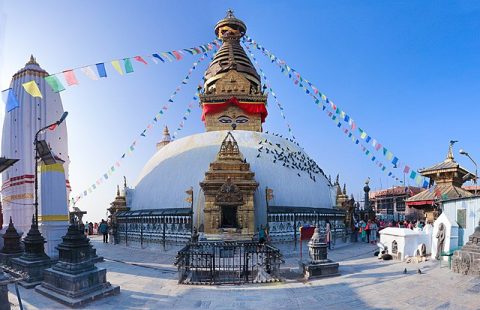
One of Asia's oldest and most sacred Buddhist shrines, perched atop a hill overlooking the Kathmandu Valley. The golden dome and pair of watchful eyes symbolize the wisdom of Buddha. The surrounding monasteries, prayer wheels, and peacocks create a mystical atmosphere. UNESCO World Heritage Site with stunning 360-degree valley views.
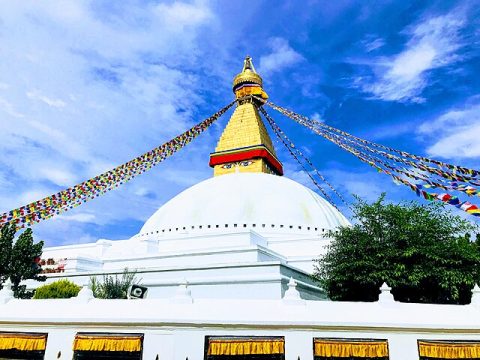
The world's largest stupa and a UNESCO World Heritage Site, this massive white dome dominates the landscape with its serene presence. A sacred pilgrimage site for Tibetan Buddhists, featuring prayer wheels, butter lamps, and daily circumambulations. The surrounding monasteries and Tibetan restaurants create an authentic spiritual atmosphere.
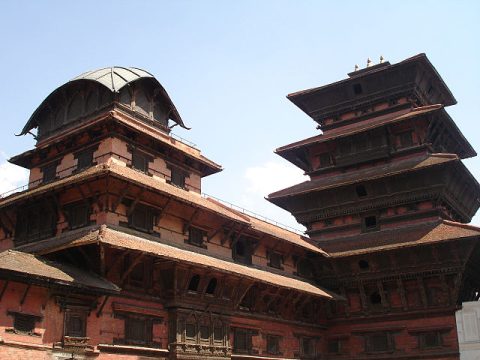
A magical medieval plaza showcasing Newari architecture and intricate woodcarving. Home to the Hanuman Dhoka Palace, fifty-five-window palace, and ancient temples. The square pulses with daily life: vendors selling marigolds, pigeons flying overhead, and locals gathering. Partially reconstructed after the 2015 earthquake, this UNESCO site remains the cultural heart of Kathmandu.
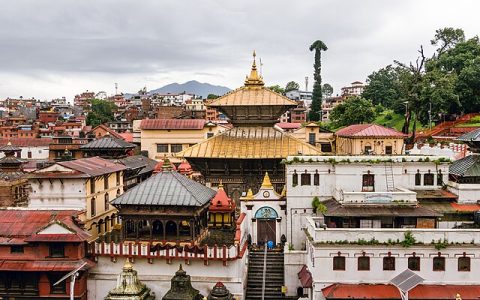
One of the most sacred Hindu temples in the world, dedicated to Lord Shiva. Built on the banks of the Bagmati River, the temple's intricate wooden carvings and golden roof are architectural marvels. This living pilgrimage site hosts continuous religious ceremonies, cremations, and devotional activities. Access to inner sanctum restricted for non-Hindus, but the complex is visitable.
Tips for Landmarks & Monuments
- Visit Swayambhunath early morning to avoid crowds and capture sunrise photos
- Wear respectful clothing and remove shoes when entering temples
- Bring water and comfortable walking shoes for the steep stairs
- Photography may be restricted in certain temple areas; always ask permission
World-class institutions preserving Nepal's artistic heritage, royal artifacts, and contemporary works. These museums provide deep insights into the region's history and culture.
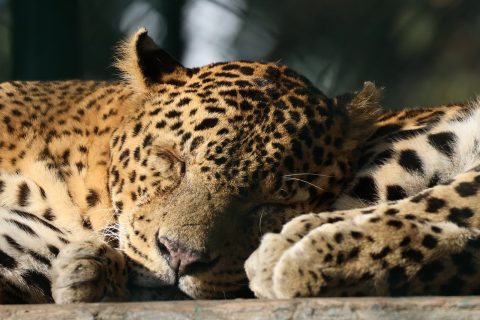
Nepal's premier museum housing an extensive collection of historical artifacts, royal regalia, weapons, paintings, and sculptures spanning centuries. The museum traces Nepal's evolution from ancient kingdoms through the Malla period to modern times. Displays include intricate bronze sculptures, religious masks, and royal costumes that showcase the craftsmanship of Nepali artisans.
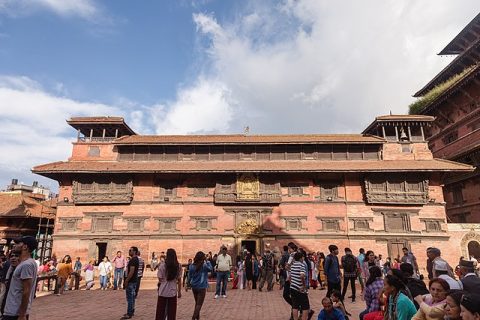
Housed in a beautifully restored Newari palace, this museum showcases exceptional bronze sculptures, stone carvings, and religious artifacts from the Patan Valley. The multi-story courtyard with traditional architecture provides context for the displayed masterpieces. Collections include gilt copper sculptures, wooden doors, and sacred religious objects that exemplify Newari craftsmanship.
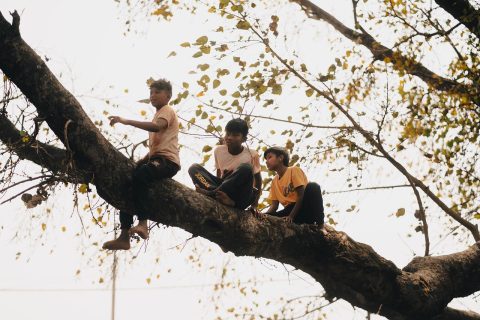
A modern museum dedicated to preserving the cultural memory of Kathmandu city itself. Interactive exhibits explore the valley's urban development, traditional crafts, and daily life through photographs, artifacts, and multimedia displays. The museum celebrates Newari culture, traditional festivals, and the architectural heritage that makes Kathmandu unique.
Tips for Museums & Galleries
- Purchase a combined ticket for multiple museums to save money
- Audio guides are available in multiple languages at major museums
- Photography may be restricted; check with staff before taking photos
- Tuesday is closed for most major museums; verify opening hours before visiting
Sacred temples and pilgrimage destinations where spirituality permeates the atmosphere. These sites represent the deep devotional traditions of Hindu and Buddhist faiths.
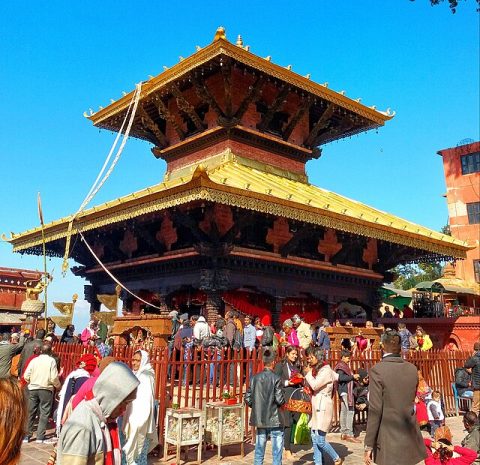
Perched atop a mountain, this temple dedicated to Goddess Manakamana attracts pilgrims seeking blessings for desires and prosperity. Accessible by scenic cable car ride offering panoramic Himalayan views. The temple complex features traditional architecture, peacocks, and devotional activities. The cable car journey itself is a unique experience, gliding over terraced farmland and villages.
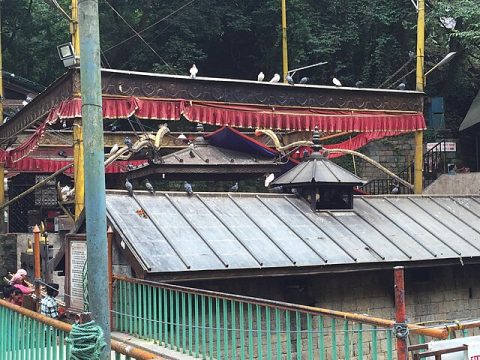
A sacred temple situated where two rivers meet, dedicated to the fierce form of the goddess Kali. Pilgrims come to perform animal sacrifices as devotional offerings, particularly on Saturdays and Tuesdays. While the sacrificial practices may seem harsh, they represent ancient Hindu traditions deeply embedded in Nepali spirituality. The natural setting with flowing streams adds to the mystical atmosphere.
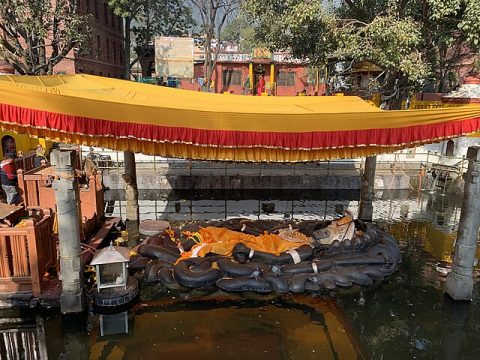
Home to a magnificent 5-meter-long stone sculpture of Lord Vishnu reclining in a meditation pose, submerged in a sacred water pool. One of Nepal's most important religious sites, the temple exemplifies classical Hindu iconography and sculptural excellence. The serene setting surrounded by nature provides a tranquil escape from urban hustle. Daily worship rituals create a spiritual ambiance.
Tips for Religious Sites
- Dress conservatively; cover shoulders and knees when entering temples
- Remove shoes before entering inner sanctum areas
- Photography rules vary by temple; ask before taking photos
- Visit early morning for quieter spiritual experiences and best light
Archaeological treasures and heritage structures that reveal layers of Kathmandu's ancient history. These sites showcase architectural evolution and historical significance.
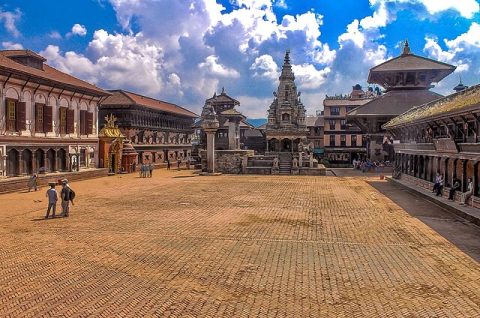
A meticulously preserved medieval plaza in neighboring Bhaktapur, showcasing exceptional Newari architecture and traditional city planning. The 55-window palace, Nyatapola Temple with 5 tiers, and elaborate wooden carvings demonstrate ancient craftsmanship. The square functions as a living community space where locals conduct daily life amid historical monuments. Less crowded than Kathmandu Durbar Square, it provides authentic cultural immersion.
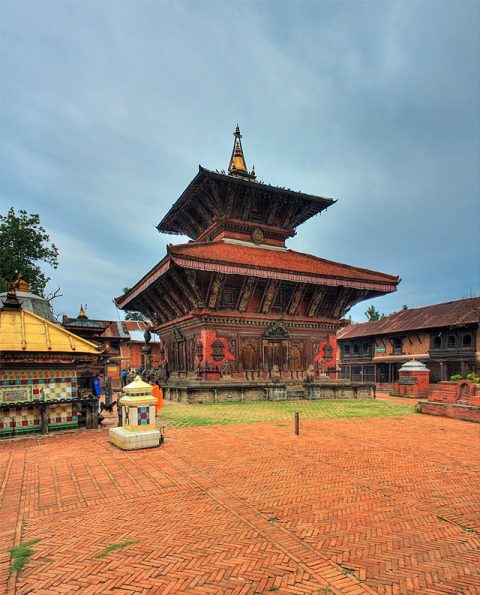
Perched on a hilltop overlooking Bhaktapur, this ancient Hindu temple dedicated to Lord Vishnu is among Nepal's oldest, with origins tracing to the 4th century. The temple features exquisite stone and wooden carvings, intricate roof designs, and a sacred lingam. UNESCO World Heritage Site offering panoramic valley views and peaceful spiritual ambiance away from tourist crowds.
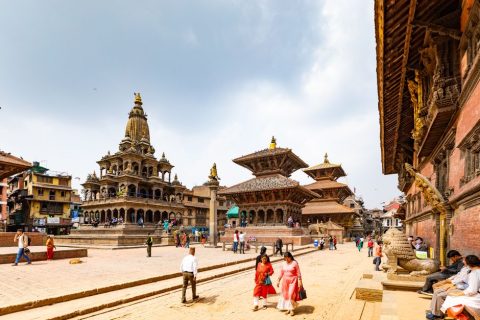
The former royal residence of Nepali monarchs, now a museum showcasing royal artifacts, furniture, and memorabilia. The palace architecture blends Newari and modern elements with ornate interiors. Historical exhibits trace Nepal's royal lineage and political evolution. The well-maintained gardens and grand halls provide insights into royal life and the country's historical transitions.
Tips for Ancient & Historical Sites
- Hire a local guide to fully understand historical context and architectural details
- Bhaktapur is best explored on foot; allow extra time for the hilly terrain
- Bring water and sun protection for outdoor historical sites
- Naryanhiti Palace requires advance ticket purchase; book online to save time
Distinct areas with unique character, each offering authentic cultural experiences and local flavor. These neighborhoods reveal the true essence of Kathmandu beyond tourist zones.
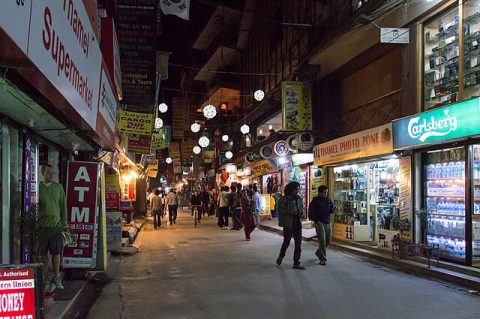
Kathmandu's vibrant tourist hub and cultural epicenter, packed with eclectic shops, restaurants, and guesthouses. Narrow winding streets create an energetic maze of activity with everything from budget lodges to upscale dining. While touristy, Thamel remains the best base for exploring, offering convenience, diverse cuisine, and easy access to trekking information. The district pulses with international travelers, creating a cosmopolitan yet distinctly Nepali atmosphere.
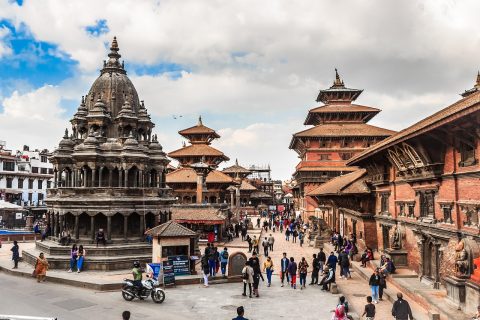
An ancient city within Kathmandu Valley known as the 'City of Fine Arts,' featuring exceptional Newari architecture and artistic traditions. The main Durbar Square showcases four-tiered temples and intricately carved palaces. Local artisans maintain traditional crafts: metal casting, woodcarving, and painting. Quieter and more authentic than Kathmandu proper, Patan offers deep cultural immersion and exceptional handicraft shopping opportunities.
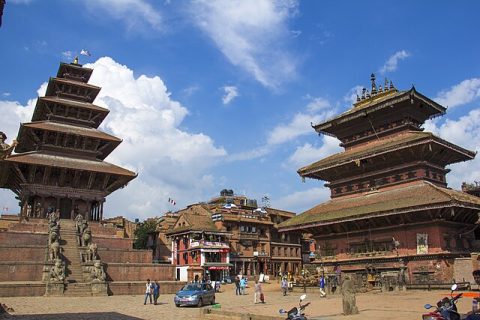
The oldest and most preserved of the three ancient cities in Kathmandu Valley, maintaining medieval charm with minimal modern intrusion. Brick-paved streets, traditional pottery workshops, and family-run restaurants create an authentic Newari cultural experience. The city charges a nominal entrance fee for foreigners, helping fund preservation. Local artisans still practice traditional crafts, making it ideal for understanding pre-modern Nepali life.
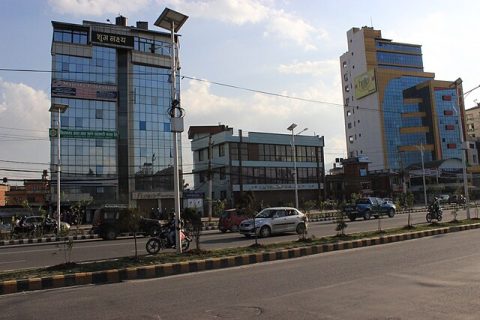
A traditional Newari neighborhood with local temples, small shops, and authentic restaurants frequented by residents rather than tourists. The area retains a village-like atmosphere despite proximity to the city center. Local markets sell fresh produce, traditional sweets, and spices. Baneshwor provides genuine cultural immersion and opportunities to experience daily Nepali life without tourist mediation.
Tips for Neighborhoods & Districts
- Explore neighborhoods on foot to discover hidden temples, courtyards, and local eateries
- Visit local markets in early morning for the most authentic experience
- Learn basic Nepali phrases; locals appreciate genuine efforts at communication
- Seek local recommendations for restaurants and hidden gems in each neighborhood
Green spaces providing respite from urban energy while offering natural beauty and recreational opportunities. These parks showcase local flora and valley landscape.
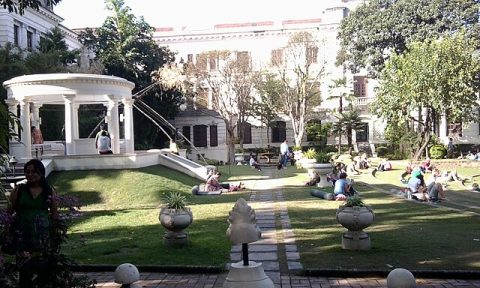
A beautifully restored Edwardian garden hidden within Kathmandu's urban landscape, featuring seven small theme gardens with fountains, sculptures, and exotic plants. Built in 1920s, this peaceful retreat underwent extensive restoration and now operates as a cultural space with a café and regular events. The intricate pathways, secluded courtyards, and artistic landscaping create a dreamlike atmosphere perfect for meditation and photography.
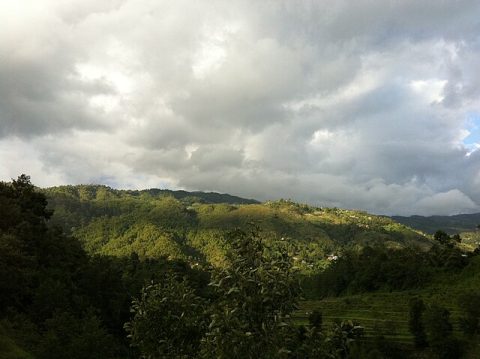
Nepal's first national park, located just north of Kathmandu, offering diverse ecosystems from subtropical forests to alpine meadows at 2,732 meters elevation. Scenic hiking trails range from easy walks to challenging day hikes, with excellent panoramic views of the Kathmandu Valley and Himalayan peaks. The park protects biodiversity including rhododendron forests, wildlife, and numerous bird species. Peaceful escape for trekking and nature appreciation.
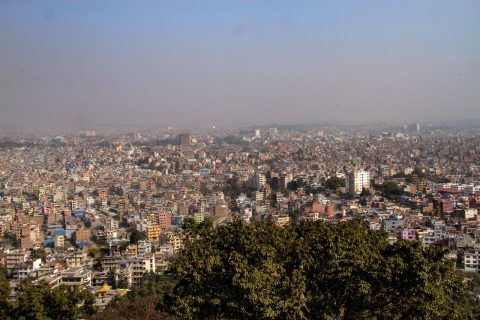
A serene botanical garden located at the foothills, featuring diverse plant species, walking trails, and natural beauty. The well-maintained garden showcases indigenous plants, medicinal herbs, and ornamental varieties. Peaceful atmosphere attracts locals and visitors seeking nature immersion. The garden includes research facilities and educational exhibits about Nepali biodiversity.
Tips for Parks & Gardens
- Visit Garden of Dreams early morning to avoid afternoon crowds and enjoy coffee
- Bring proper hiking gear for Shivapuri park; terrain is uneven and weather changes rapidly
- Botanical gardens are best visited in spring (March-May) for blooming flowers
- Wear comfortable walking shoes and bring water for outdoor explorations
Guided experiences and adventure activities providing structured exploration and adrenaline-pumping adventures. These activities cater to various interests and skill levels.
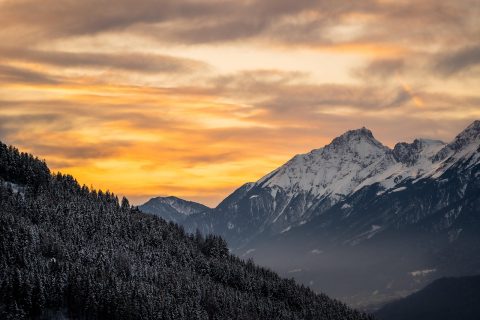
A popular early morning trek from Kathmandu Valley leading to Nagarkot's viewpoint, offering spectacular Himalayan sunrise views. The 2-3 hour trek ascends through terraced fields, forests, and small villages, providing intimate cultural encounters. Nagarkot sits at 2,195 meters, providing panoramic vistas of snow-capped peaks including Everest on clear days. The cooler mountain air and serene morning atmosphere make this an unforgettable experience.
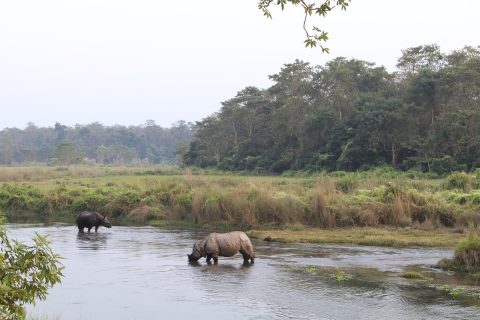
A full-day excursion to Nepal's premier wildlife sanctuary, offering jungle safari experiences seeking Bengal tigers, one-horned rhinoceros, and diverse wildlife. Professional guides lead jeep safaris through pristine ecosystems. The park protects endangered species within lush forest habitats. Visitors often spot rhinoceros, deer, wild boar, and numerous bird species. An elephant safari option provides unique vantage for wildlife viewing and immersive jungle experience.
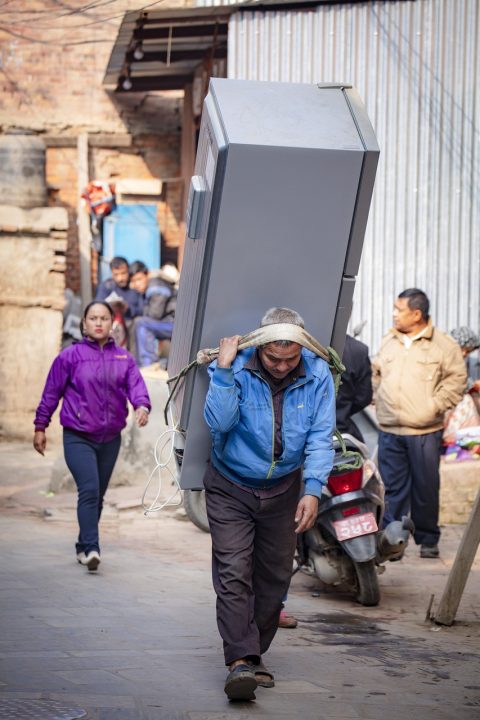
An exhilarating adventure sport launched from Sarangkot hill near Pokhara, offering breathtaking aerial views of the Annapurna Range and Phewa Lake. Tandem flights with experienced pilots provide safety for first-timers. The thermals and mountain winds create ideal conditions for extended flights. Unforgettable perspective of the Himalayas and Pokhara valley from the sky, accessible to all fitness levels.
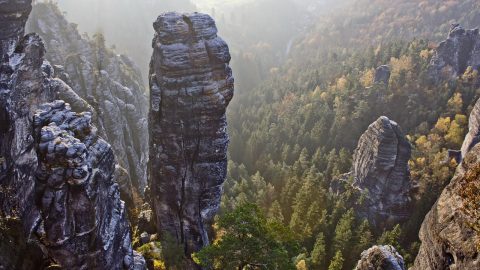
Adventure climbing opportunities at Narikot Climbing Area near Kathmandu, featuring diverse rock formations suitable for beginners to intermediate climbers. Local climbing guides provide instruction and safety equipment. Natural rock faces offer engaging technical challenges with rewarding summit views. The activity combines physical challenge with scenic beauty, attracting climbing enthusiasts from worldwide.
Tips for Tours & Activities
- Book tours through reputable operators; verify guide certifications and safety records
- Sunrise treks require early 4-5 AM starts; prepare accordingly with warm clothing
- Bring adequate sun protection, water, and snacks for outdoor activities
- Physical fitness requirements vary; discuss with tour operators before booking
Nearby destinations easily accessible from Kathmandu for short excursions. These day trips expand exploration beyond the city proper.
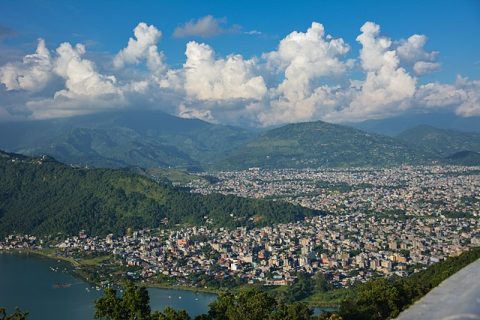
A stunning lakeside city 200km west featuring pristine Phewa Lake with backdrop of Annapurna and Machapuchare (Fishtail) mountains. The city serves as gateway to major trekking routes and adventure activities. Serene lakeside walks, boating, and waterside restaurants create relaxed atmosphere. Pokhara International Airport and bus connections make it accessible. The city offers perfect blend of natural beauty, adventure tourism, and cultural attractions within short journey.
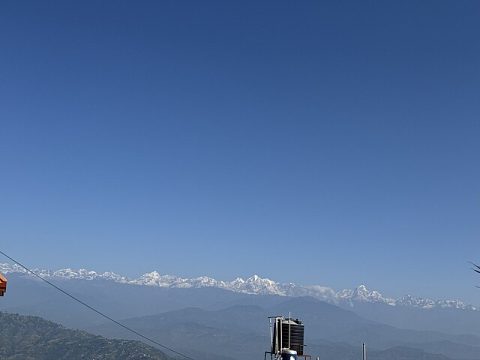
An ancient Newari town on the old trade route, located 30km east of Kathmandu, featuring well-preserved medieval architecture and several significant temples. The town served historically as a major trading hub, and maintains traditional bazaars and courtyards. Notable sites include Narayanhiti Temple and numerous ancient shrines. Local artisans practice traditional pottery and metalwork. The town offers authentic cultural experience with manageable tourist infrastructure.
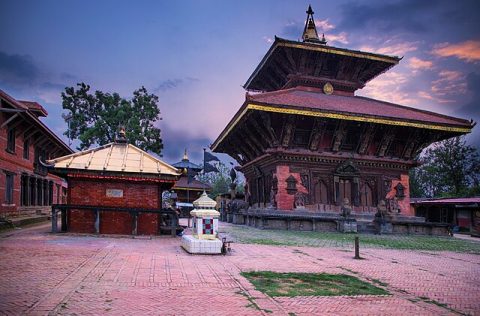
A hilltop village northeast of Kathmandu accessible via scenic bike ride or hiking trek, featuring traditional Newari culture and stunning valley views. The elevation provides panoramic perspectives of Kathmandu Valley and distant Himalayan peaks on clear days. Local villages maintain traditional lifestyles with agricultural practices. The peaceful setting attracts visitors seeking authentic cultural immersion and natural beauty away from urban centers.
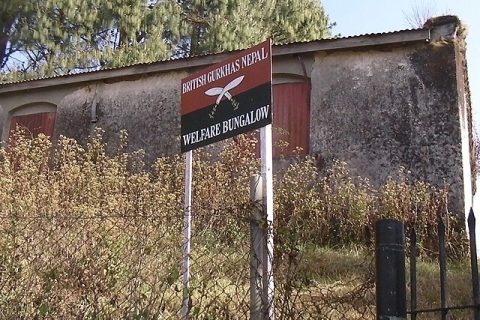
A scenic hilltop destination northwest of Kathmandu at 2,000 meters elevation, accessible via a scenic drive through mountain passes and terrace fields. The viewpoint offers panoramic Himalayan vistas, particularly impressive at sunrise. Cool climate and peaceful atmosphere contrast with valley heat. Local tea gardens, traditional villages, and hiking trails provide outdoor recreation. The journey itself through mountain landscape is as rewarding as the destination.
Tips for Day Trips & Excursions
- Public bus transportation is cheap but slow; hire a driver for faster, more comfortable travel
- Start early morning for full-day excursions to maximize daylight hours
- Hire a local guide to discover hidden cultural sites and understand local contexts
- Bring weather-appropriate clothing; mountain climate changes rapidly throughout the day
Markets and shopping districts offering everything from tourist souvenirs to authentic handicrafts. These venues showcase local artistry and commercial culture.
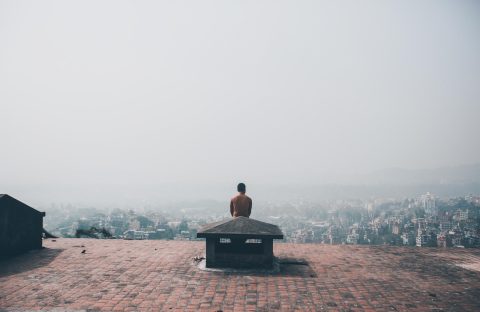
Kathmandu's oldest and most vibrant traditional market, operating for centuries as the commercial heart. Narrow lanes overflow with vendors selling spices, textiles, religious items, and local products. The sensory experience—aromas of cardamom and turmeric, colorful displays, shouting merchants—immerses visitors in authentic Nepali commerce. Popular with locals seeking everyday goods and tourists hunting authentic souvenirs. Street food vendors prepare traditional snacks amidst the commercial chaos.
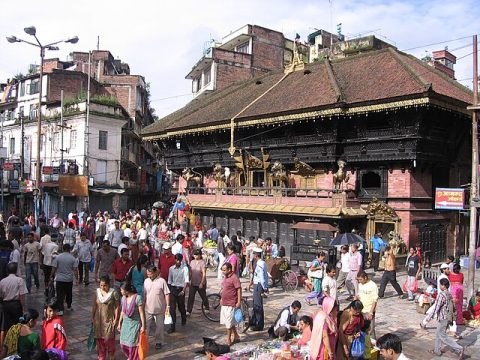
A historic marketplace in old Kathmandu featuring traditional shops selling textiles, metalwork, jewelry, and handicrafts. The square itself is dominated by an ornate Aksheshwar Mahadev temple surrounded by commerce. Narrow alleyways branch into specialty shops: silversmiths, statue makers, and textile merchants. The traditional shopping experience reflects centuries of commercial practice with minimal modernization. Perfect for discovering authentic handmade souvenirs.
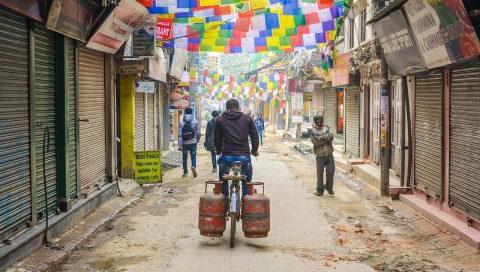
Tourist-focused shopping area with countless stores selling souvenirs, handicrafts, clothing, and trekking gear. While commercialized, quality merchandise and fair prices make it convenient for tourist shopping. Shops include bookstores, sporting goods, jewelry, and reproductions of traditional artifacts. The district also features Western-style cafés, restaurants, and services catering to international travelers. Represents modern commercial Nepal alongside traditional markets.
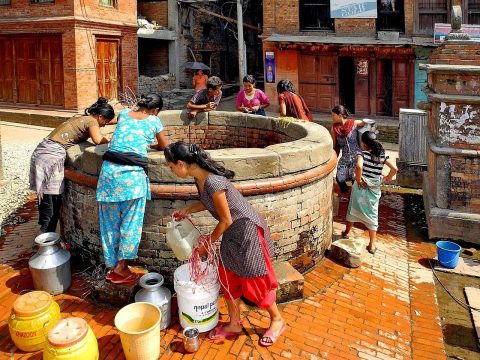
A dedicated artisan district where traditional potters create handmade ceramics using ancient techniques passed through generations. Visitors watch artisans at work on wheels and hand-molding clay into decorative and functional pieces. The square features numerous pottery shops where customers can purchase directly from creators. The craft represents an important Newari tradition, and purchases directly support local artisans. Unique opportunity to observe traditional manufacturing.
Tips for Shopping & Markets
- Bargaining is expected at traditional markets; polite negotiation can reduce prices 10-30%
- Avoid buying items made from endangered species or sacred materials
- Traditional markets are crowded; secure valuables and watch for pickpockets
- Shop early morning for best selection and fewer crowds in traditional bazaars
Artistic installations and decorative fountains that enhance urban landscapes and provide gathering spaces. These works reflect Nepali artistic traditions.
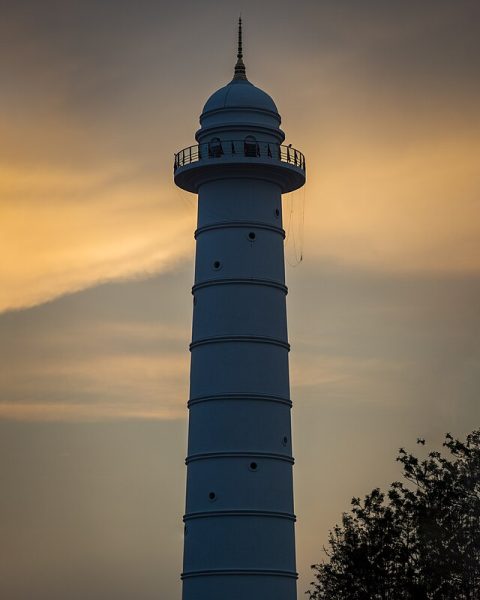
An iconic white tower located in central Kathmandu, originally constructed in 1832 as a memorial and lookout point. The tower's cylindrical structure stands seven stories, offering panoramic city views from its observation platform. While partially damaged in the 2015 earthquake, restoration efforts have strengthened the structure. The tower remains a recognizable cityscape feature and historical landmark representing Kathmandu's architectural heritage.
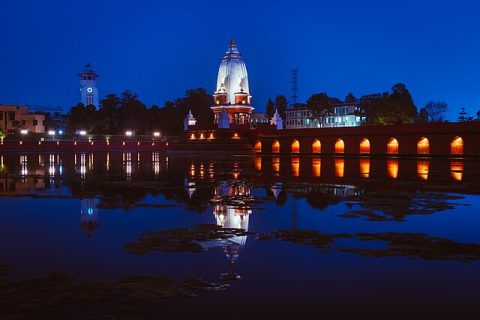
A sacred square pond in central Kathmandu surrounded by a decorative stone wall featuring an ornate Shiva temple at its center. Constructed in 1670 by a queen mourning her son, the pond traditionally served religious and cultural functions. The site underwent significant renovation including the temple restoration. Locals gather for ritual bathing and spiritual purposes. The peaceful water feature provides respite from urban bustle while maintaining spiritual significance.
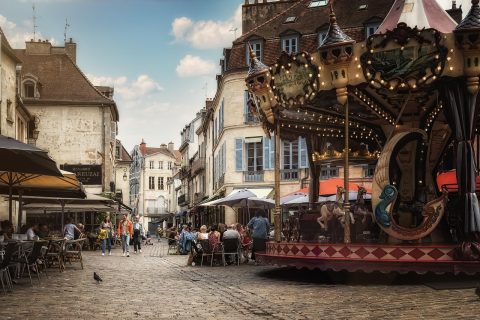
Contemporary murals and street art installations that have transformed formerly plain walls into vibrant artistic expressions. The district features local and international artists' works depicting cultural themes, environmental messages, and creative designs. Pokhara Street represents the modern artistic movement emerging alongside traditional Newari crafts. The evolving street art scene reflects younger generation's artistic expression and Kathmandu's cultural dynamism.
Tips for Fountains & Public Art
- Dharahara closure depends on restoration status; verify access before visiting
- Photograph street art respectfully; some artists appreciate documentation of their work
- Early morning light provides best photography opportunities for public installations
- Ranipokhari is best visited during morning ritual bathing times for cultural immersion
Real, highly-rated Restaurants in Kathmandu, sourced from Google Places (rating above 4★).
Graveaty Restaurant and Bar is a highly-rated restaurant in Kathmandu, rated 4.8★ from 817 reviews. Located at Chhusya Galli, Kathmandu 44600, Nepal.
Opening Hours
- Monday: 8:00 AM – 11:30 PM
- Tuesday: 8:00 AM – 11:30 PM
- Wednesday: 8:00 AM – 11:30 PM
- Thursday: 8:00 AM – 11:30 PM
- Friday: 8:00 AM – 11:30 PM
- Saturday: 8:00 AM – 11:30 PM
- Sunday: 8:00 AM – 11:30 PM
Swarg Pure Vegetarian Restaurant is a highly-rated restaurant in Kathmandu, rated 4.8★ from 2268 reviews. Located at Paryatan Marg, Kathmandu 44600, Nepal.
Opening Hours
- Monday: 10:00 AM – 11:00 PM
- Tuesday: 10:00 AM – 11:00 PM
- Wednesday: 10:00 AM – 11:00 PM
- Thursday: 10:00 AM – 11:00 PM
- Friday: 10:00 AM – 11:00 PM
- Saturday: 10:00 AM – 11:00 PM
- Sunday: 10:00 AM – 11:00 PM
Yala Cafe & Coffee Shop is a highly-rated restaurant in Kathmandu, rated 4.8★ from 1788 reviews. Located at Kwabahal, Thamel Marg, Kathmandu 44600, Nepal.
Opening Hours
- Monday: 7:45 AM – 10:00 PM
- Tuesday: 7:45 AM – 10:00 PM
- Wednesday: 7:45 AM – 10:00 PM
- Thursday: 7:45 AM – 10:00 PM
- Friday: 7:45 AM – 10:00 PM
- Saturday: 7:45 AM – 10:00 PM
- Sunday: 7:45 AM – 10:00 PM
Explore Kathmandu on the Map
Best Time to Visit
October to November (Autumn): Ideal season with clear skies, perfect temperatures (15-25°C), and best Himalayan visibility. Weather is stable and comfortable for sightseeing and trekking. Visibility for mountain views is excellent.
February to March (Spring): Mild temperatures (10-20°C), blooming rhododendrons, and clear mountain vistas. Slightly more rainfall than autumn but manageable. Good for trekking with fewer tourists than peak season.
December to January (Winter): Cold but clear weather (5-15°C), fewer tourists, and excellent photography conditions. Higher altitude areas may have snow limiting some activities. Winter trekking possible for experienced hikers.
Avoid: June-September (monsoon) brings heavy rainfall, landslides, poor visibility, and leeches on trekking trails. March onwards sees increasingly hazy skies affecting views.
Getting Around Kathmandu
Within the City:
- Taxis: Metered taxis are abundant and affordable. Rates typically ₹300-500 for short distances. Uber and local apps available for tourists.
- Tuk-tuks: Three-wheeled auto-rickshaws offer quick short-distance travel. Negotiate fares before boarding; expect ₹50-200 per ride.
- Buses: Extensive public bus network is very cheap (₹10-50) but crowded and confusing for newcomers.
- Motorcycles: Bike taxis available for adventurous travelers; quick but risky given chaotic traffic.
- Walking: Central areas are pedestrian-friendly; a good way to discover hidden courtyards and local life.
To Nearby Destinations:
- Buses: Comfortable long-distance buses to Pokhara (6-7 hours), Bhaktapur (45 minutes), Dhulikhel (1 hour). Budget buses are cheapest; tourist coaches offer comfort.
- Private Taxis/Drivers: Hotels can arrange drivers for day trips. More expensive but flexible and comfortable for small groups.
- Flights: Kathmandu International Airport offers connections to Pokhara and other regional destinations.
✈️ Airport Transfer
Tribhuvan International Airport (KTM) to city center:
- Prepaid Taxi: Official prepaid counter inside arrivals, about 30-45 minutes to Thamel depending on traffic, NPR 700-1000
- Hotel Private Transfer: Pre-booked car with driver waiting at arrivals, roughly 30 minutes to central Kathmandu, USD 15-20
- Local Bus: Public bus from just outside the terminal to Ratna Park, around 45-60 minutes, NPR 20-30 but crowded and impractical with luggage
- Ride-hailing App: Pathao or InDrive booked from outside the terminal gate, about 30-40 minutes to city center, NPR 400-600
Shopping in Kathmandu
Traditional Handicrafts: Pashmina shawls, hand-woven textiles, stone carvings, bronze sculptures, and traditional masks are iconic souvenirs. Quality varies; inspect carefully before purchasing. Patan remains the best destination for authentic artisan pieces directly from makers.
Spices & Tea: Buy genuine Himalayan spices and quality Nepali tea from traditional markets like Asan Bazaar. Packaged souvenir spices are more expensive; visit local spice shops for better values.
Jewelry & Metalwork: Intricate silver jewelry, traditional ornaments, and decorative metalwork reflect centuries of craftsmanship. Indra Chowk and Patan specialize in authentic pieces. Verify material quality; counterfeit items exist.
Books & Antiquities: Used bookstores in Thamel offer excellent deals on Nepal guides and regional literature. Genuine antiques are expensive; reproductions offer similar aesthetic value at fraction of cost.
Bargaining Tips: Expected in traditional markets; start with 30% below asking price and negotiate to 60-70% of original. Shopkeepers respect polite, good-humored bargaining. Fixed prices at tourist shops and restaurants are non-negotiable.
Festivals & Celebrations
Dashain (September-October): Nepal's biggest festival celebrating victory of good over evil. Families prepare festive meals, exchange gifts, and seek blessings. The festival spans 15 days with temples crowded with worshippers. Swing installations appear in public spaces. Book accommodations in advance as hotels fill with visitors.
Tihar (October-November): The Festival of Lights celebrated for five days. Communities decorate with oil lamps, colorful garlands, and lights. Children sing door-to-door collecting treats. Fireworks illuminate the skies nightly. The festival honors various animals considered sacred: crows, cows, and dogs. Particularly beautiful with city decorated with thousands of lights.
Losar (February-March): Tibetan New Year celebrated by Kathmandu's Tibetan Buddhist community. Colorful ceremonies at Boudhanath Stupa and local monasteries. Street processions, traditional music, and masked dances. Non-Buddhists can observe respectfully from designated areas.
Bisket Jatra (April): Nepali New Year celebration in Bhaktapur marked by massive chariot processions and tug-of-war games. Thousands gather to participate. The festival represents the new agricultural year with traditional rituals.
Janai Purnima (July-August): Full moon festival where Hindu men replace sacred threads. Pilgrims visit the Gosaikund Lake at high altitude for ritual bathing and spiritual renewal.
Sample Day-by-Day Itineraries
Day 1: Ancient Temples & Spiritual Heritage
- Morning: Visit Swayambhunath Stupa for sunrise and panoramic valley views (2-3 hours)
- Lunch: Local restaurant near Durbar Marg for traditional Nepali dal bhat rice meal
- Afternoon: Explore Kathmandu Durbar Square—palace, temples, and intricate woodcarvings (2-3 hours)
- Evening: Stroll to Hanuman Dhoka for sunset photos and soak in the ancient atmosphere
- Dinner: Thamel area restaurants featuring Newari cuisine
Day 2: Buddhist Sacred Sites
- Early Morning: Sunrise at Nagarkot viewpoint (start 4:30 AM from hotel, 2-hour trek)
- Return to Kathmandu for breakfast and rest
- Afternoon: Boudhanath Stupa—walk the kora (circumambulation), observe meditation and prayers, visit surrounding monasteries (3 hours)
- Evening: Pashupatinath Temple to witness evening rituals on the Bagmati River ghats
- Dinner: Local Tibetan or Sherpa restaurants in Boudhanath area
Day 3: Valley's Three Ancient Cities
- Morning: Private taxi tour visiting Patan Durbar Square and Patan Museum (2-3 hours)
- Late Morning: Changu Narayan Temple—Nepal's oldest temple with panoramic hill views (1.5 hours)
- Lunch: Local restaurant in Bhaktapur
- Afternoon: Explore Bhaktapur Durbar Square—55-window palace, Nyatapola Temple, pottery workshops (3-4 hours)
- Evening: Sunset views from Bhaktapur's pottery area overlooking the valley
Day 4: Adventure & Nature
- Early Morning: Depart for Nagarkot sunrise trek (5-6 hours including return)
- Alternatively: Shivapuri National Park day hike through forests with valley and mountain views (4-6 hours)
- Late Morning: Rest and lunch in trekking village
- Afternoon: Return to Kathmandu
- Evening: Relax at Garden of Dreams café with cultural performances
Day 5: Cultural Immersion & Shopping
- Morning: Traditional market tour—Asan Bazaar and Indra Chowk with local guide (2-3 hours)
- Late Morning: Visit pottery workshops in Bhaktapur or metalwork shops in Patan
- Lunch: Street food exploration—samosas, momos, local snacks
- Afternoon: Shopping at Thamel or local artisan shops purchasing souvenirs, handicrafts, and textiles
- Evening: Nepal National Museum to understand broader cultural context (1.5-2 hours)
- Dinner: Upscale Nepali restaurant in Lazimpat area
Best Photography Locations
Swayambhunath Stupa: Golden dome catches first light beautifully. Sunrise (5:30-6:30 AM) provides soft morning light and clear air. The surrounding monasteries and valley panorama create iconic compositions. Bring a wide-angle lens for expansive views.
Kathmandu Durbar Square: Golden hour (late afternoon 4-6 PM) bathes the temples in warm light. The Hanuman Dhoka Palace and ornate temple spires photograph beautifully against sunset skies. Avoid midday harsh shadows. Early morning offers fewer tourists for clean compositions.
Boudhanath Stupa Evening Light: The massive white stupa glows beautifully in evening light around 5-6 PM. The surrounding devotees circumambulating create human interest. Prayer wheels, monasteries, and decorations add layers to compositions.
Nagarkot Sunrise: Dramatic sunrise over the Himalayan range creates unforgettable images. High elevation (2,195 m) means clearer air and better visibility. Be at viewpoint by 5:45 AM for pre-dawn positioning. Snowy peaks glow golden as sun rises.
Pashupatinath Evening Rituals: Late afternoon (4-6 PM) captures pilgrims at the Bagmati River, oil lamps, and temple activity. The reflected light on the river and golden temples creates atmospheric images. Respect religious sensitivity when photographing rituals.
Thamel Street Life: Early morning (6-8 AM) captures shopkeepers opening, vendors setting up stalls, and street life before tourist crowds. The narrow lanes with traditional architecture and local commerce create candid documentary-style images.
Patan's Architectural Details: Close-up photography of ornate wooden windows, brass door knockers, and carved stone work. Macro lens reveals craftsmanship details. Softer overcast mornings provide even light for architectural details.
Electricity & Power
Voltage & Frequency: Nepal uses 230V AC, 50 Hz. This is different from North American 110V; check device compatibility before plugging in.
Plug Types: Nepal primarily uses three main types: Type C (two round holes—European style), Type D (three round pins in triangular pattern—British India style), and Type M (three thick round pins). Most modern hotels have Type C. Dual-voltage laptops and phone chargers work with simple adapters.
Power Outages (Load Shedding): Despite improvements, occasional rolling power outages occur, particularly during winter. Hotels in Kathmandu rarely experience outages thanks to backup generators. Carry a portable power bank for devices. Battery-powered lights recommended for travelers staying in budget accommodations.
Adapters & Converters: Purchase a universal adapter with Type D support (covers British, Indian, and Nepali plugs). Most importantly: verify device voltage compatibility. Converters for high-wattage devices (hair dryers) may be necessary.
USB Charging: Many hotels, cafés, and restaurants in Thamel offer USB charging points. Carry a USB power adapter to charge phones and tablets without requiring plug adapter.
Nepali Cuisine & Dining
Must-Try Dishes:
- Dal Bhat Tarkaari: Staple rice meal with lentil soup and vegetable curry. Authentic and filling for ₹100-200. The national dish representing daily Nepali meals.
- Momos: Dumplings with meat or vegetable filling, served steamed or fried. Available everywhere from street vendors to restaurants. Typically ₹30-50 for six pieces with sauce.
- Newari Bhoya: Traditional Newari feast with multiple curries, chutneys, fried foods, and sweets. Experience full Newari culinary tradition in restaurants in Patan and Bhaktapur.
- Gundruk: Fermented leafy green soup, traditional Nepali comfort food. Vegetarian, tangy, and authentic taste of Nepal.
- Yak Momo & Cheese: Tibetan-influenced dumplings using yak meat, particularly in Boudhanath area. Creamy yak cheese appears in local cuisines.
- Chatamari: Rice flour pancake topped with egg and meat, Newari specialty street food. Savory and affordable at ₹30-60.
- Himalayan Trout: Fresh fish from mountain rivers, grilled or curried. Available in restaurants throughout Kathmandu valley.
Dining Tips:
- Street food is delicious and safe at busy stalls with high turnover. Avoid food sitting exposed for extended periods.
- Vegetarian options are abundant and well-prepared; Nepal's vegetarian tradition is strong.
- Tap water is not potable; order boiled water (usually free at restaurants) or bottled water (₹20-50).
- Meal times: breakfast 7-9 AM, lunch 12-2 PM, dinner 6-9 PM. Many traditional restaurants close by 8 PM.
- Tipping: 10% at upscale restaurants optional; street food vendors don't expect tips.
Tourist Passes
Nepal Tourism Pass
Comprehensive pass providing access to major attractions including Swayambhunath, Boudhanath, Pashupatinath, and Kathmandu Durbar Square. Price: ₹1,000 (approximately $8 USD) for foreigners. Duration: Valid for multiple days. Represents significant savings compared to individual ticket purchases. Available at major sites or through tourism offices.
www.nepalculture.orgBhaktapur Entry Ticket
Mandatory entry fee for Bhaktapur's preserved city core. Price: ₹500 (approximately $4 USD) for foreigners, ₹50 for Nepali citizens. Valid for: One day of unlimited entry to all Bhaktapur city sites including Durbar Square. Funds support city preservation and maintenance. Essential for exploring the ancient city.
www.bhaktapur.org.npNepal National Museum Ticket
Individual admission to Nepal's premier museum. Price: ₹200 for adults. Hours: Tuesday to Sunday 10 AM to 5 PM, closed Mondays. Highlights: Royal artifacts, historical sculptures, weapons, and paintings. Audio guides available in multiple languages for additional cost.
www.museumnepal.gov.npPatan Museum Ticket
Entry to the renowned Patan Museum housed in a restored Newari palace. Price: ₹300 for foreigners. Features: Exceptional bronze sculptures, religious artifacts, and architectural details showcasing Newari craftsmanship. Audio guides available. The palace courtyard itself is worth the admission.
www.patanmuseum.gov.npManakamana Cable Car Ticket
Round-trip cable car access to Manakamana Temple. Price: ₹600 return ($5 USD). Experience: Breathtaking cable car ride across valley for 2.7 km with panoramic views. The ride to the mountaintop temple is an attraction itself. Lines may be long on weekends.
manakamana.com.np