Things to do in Warsaw
Warsaw's iconic landmarks tell stories of architectural achievement and historical significance, from royal palaces to modern skyscrapers that define the city's skyline.
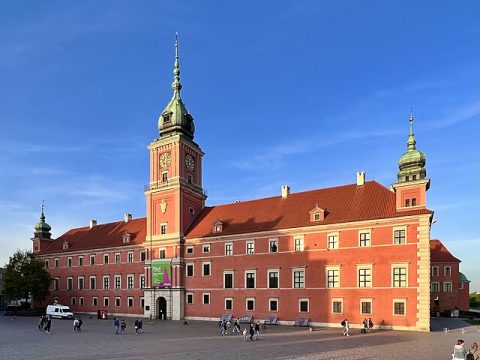
A magnificent reconstruction of the 17th-century royal residence, destroyed during WWII and meticulously rebuilt. This stunning Baroque palace features ornate interiors, royal chambers, and art collections spanning centuries. The castle overlooks the Old Town and serves as a symbol of Warsaw's resilience and cultural pride.
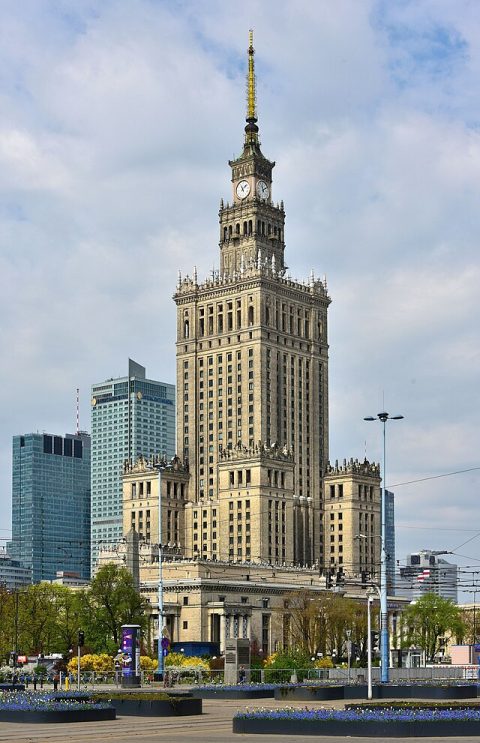
An imposing Soviet-era Gothic skyscraper standing 237 meters tall, once a gift from Stalin to Warsaw. This architectural landmark dominates the skyline and houses museums, theaters, and cultural institutions. Visitors can ascend to the observation deck for panoramic city views and explore exhibitions within.
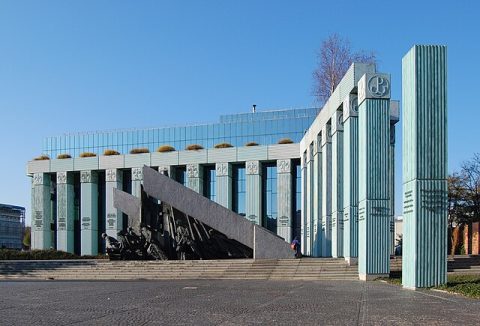
A powerful bronze sculpture commemorating the 1944 Warsaw Uprising, depicting fighters and civilians during WWII resistance. Located in the Old Town, this emotional memorial represents the city's fight for freedom and is one of Warsaw's most iconic monuments.
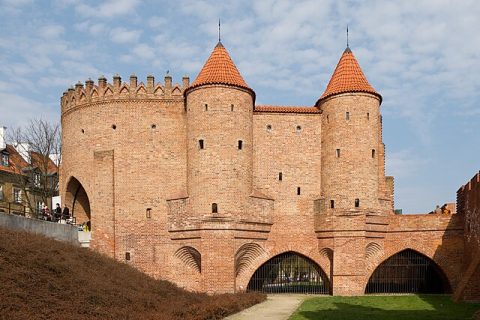
A Renaissance defensive structure built in 1548, this red-brick fortification stands as a gateway to the Old Town. Originally part of Warsaw's city walls, the Barbican now houses small galleries and shops, offering insights into medieval Warsaw's defenses.
Tips for Landmarks & Monuments
- Visit the Royal Castle early to avoid crowds
- The Palace of Culture observation deck offers the best sunset views of Warsaw
- Combine monument visits with walks through the reconstructed Old Town
- Evening illumination of landmarks is spectacular for photography
Warsaw's museums showcase everything from wartime history to contemporary art, offering deep dives into Polish culture, WWII heritage, and artistic expression.

A world-class museum dedicated to 1,000 years of Polish Jewish history. Located in a striking modern building, POLIN features interactive exhibits, multimedia presentations, and authentic artifacts. The permanent exhibition spans from medieval times through the Holocaust and contemporary Jewish life in Poland.
A compelling and emotional museum documenting the 1944 Warsaw Uprising against Nazi occupation. With photographs, documents, weapons, and personal testimonies, it provides context for one of WWII's most significant resistance movements and Warsaw's transformation.
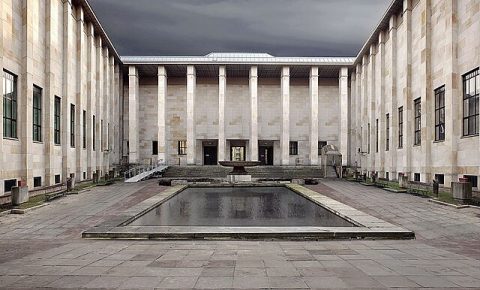
Poland's largest art museum featuring medieval art, Renaissance paintings, and contemporary installations. The collection includes works by Polish and European masters, ancient artifacts, and decorative arts. Its neoclassical building is itself an architectural landmark.

A dedicated museum celebrating Frédéric Chopin's life and musical legacy, housed in an 18th-century Ostrogski Palace. Interactive exhibits, audio installations, and manuscript displays immerse visitors in the composer's genius and his deep connection to Polish nationalism and culture.
Tips for Museums & Galleries
- Book POLIN tickets online in advance during peak season
- The Warsaw Uprising Museum has powerful exhibits—allow time to absorb the narratives
- National Museum offers free admission on select days
- Audio guides enhance the Chopin Museum experience significantly
Warsaw's churches and religious landmarks reflect centuries of Polish spirituality, from Gothic cathedrals to contemporary houses of worship, many rebuilt after wartime destruction.
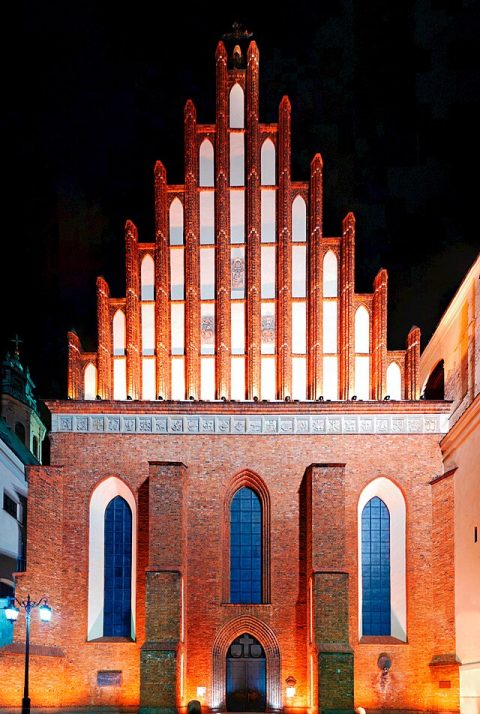
Warsaw's oldest church dating back to the 14th century, this Gothic masterpiece was destroyed in WWII and meticulously reconstructed. Located in the Old Town, its striking red-brick exterior and intricate interior decorations make it a spiritual and architectural centerpiece.
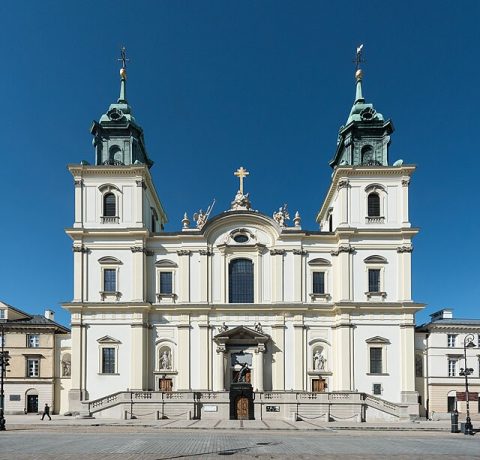
A stunning Baroque church notable for its twin towers, where Chopin's heart is preserved in an urn within the church pillar. This sacred space combines architectural grandeur with deep cultural significance for Polish music and spirituality.
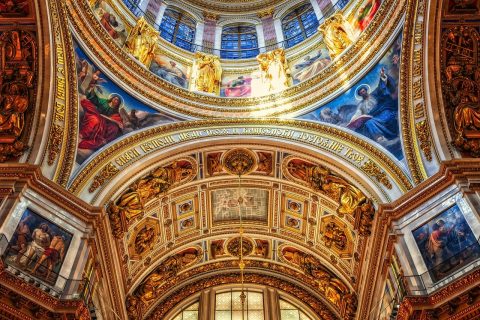
A striking Russian Orthodox cathedral with golden domes, built in the 19th century during Russian occupation. Its Byzantine architecture stands distinct in Warsaw's skyline, representing the city's complex multi-ethnic history.
Tips for Religious Sites
- St. John's Cathedral hosts beautiful evening concerts during summer
- Visit Holy Cross Church early morning for peaceful contemplation
- Most churches observe visiting hours—check before planning visits
- Photography inside churches may be restricted; ask permission first
Warsaw's reconstructed Old Town is a UNESCO World Heritage site, featuring meticulously restored Renaissance and medieval architecture surrounding charming cobblestone squares.
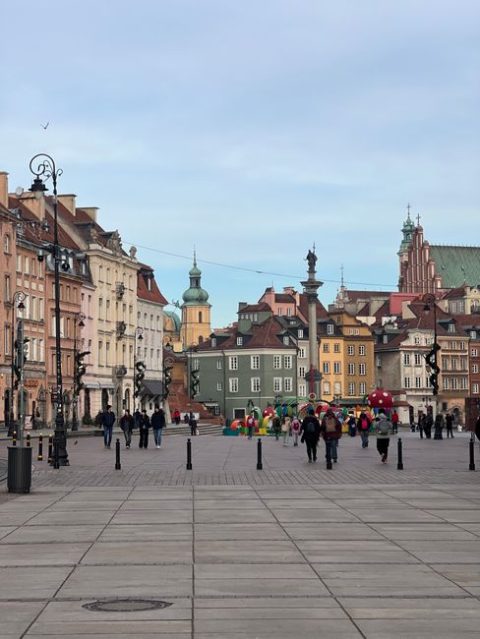
The heart of Warsaw's Old Town, rebuilt after 85% destruction in WWII, this picturesque square features colorful townhouses, outdoor cafés, and the iconic Warsaw Mermaid statue. The square buzzes with street artists, musicians, and visitors year-round.
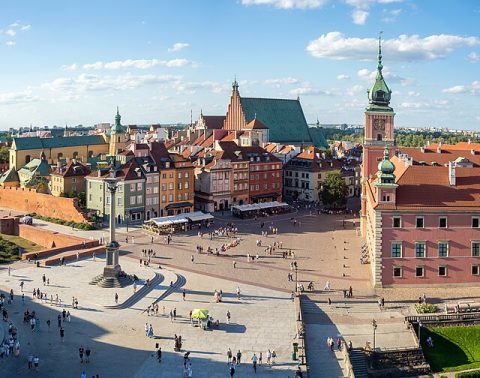
An expansive plaza fronting the Royal Castle, this symbolic square hosts monuments and seasonal events. The dramatic backdrop of the castle and surrounding historic architecture makes it perfect for photography and people-watching.
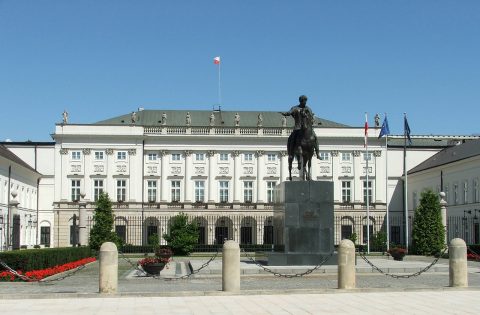
This historic thoroughfare stretches from Castle Square to University Square, lined with elegant Baroque townhouses, cafés, and shops. Once Warsaw's most prestigious address, it remains one of the most atmospheric streets in the city.
Tips for Squares & Streets
- Visit Old Town early morning before crowds arrive
- Explore side streets for hidden cafés and galleries
- Castle Square offers the best views at sunset
- Summer street performances add vibrant atmosphere to squares
Warsaw offers lush green spaces perfect for relaxation, featuring palaces, gardens, and natural beauty throughout the city.
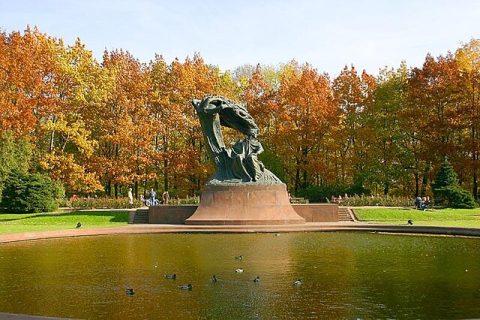
Warsaw's largest and most beautiful park, spanning 76 hectares with lakes, gardens, and the stunning Lazienki Palace. Home to peacocks, swans, and over 100 sculptures, the park offers serene landscapes for walking, picnicking, and cultural exploration.
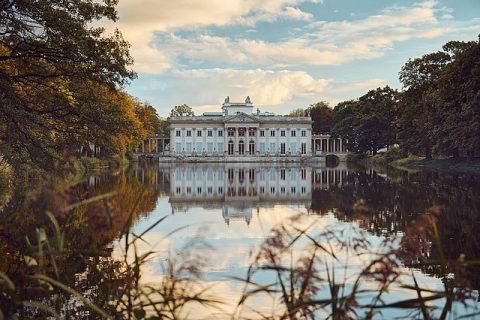
A neoclassical masterpiece set on an island within Lazienki Park, this 18th-century royal residence features elegant interiors, art collections, and surrounded by formal gardens. Summer outdoor theater performances take place in the adjacent amphitheater.
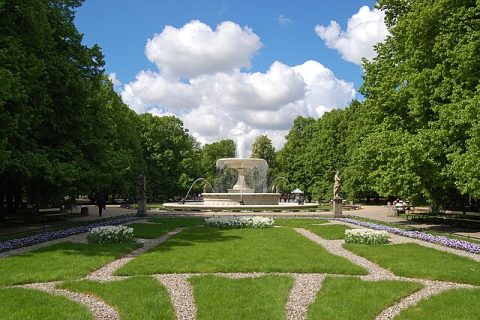
A historic baroque garden dating to the 18th century, offering peaceful pathways, fountains, and classical sculptures. Once the finest garden in Warsaw, it provides a tranquil escape from urban bustle in the city center.
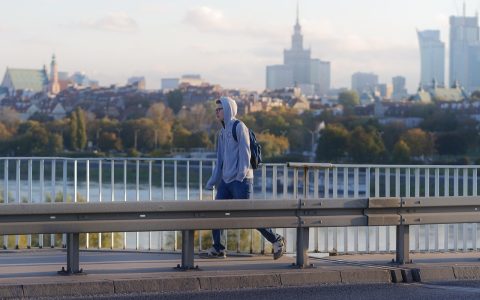
Scenic riverside promenades along the Vistula River offering parks, bike paths, and recreational areas. The recently developed boulevards feature beaches, outdoor gyms, and panoramic views of Warsaw's skyline reflected in the water.
Tips for Parks & Gardens
- Lazienki Park is best visited on warm, clear days
- Bring bread for the park's famous peacocks and waterfowl
- Free concerts occur in Lazienki Park amphitheater in summer
- Vistula Boulevards are perfect for evening walks and cycling
Each Warsaw neighborhood offers distinct character, history, and local flavor—from bohemian Praga to trendy Powiśle.
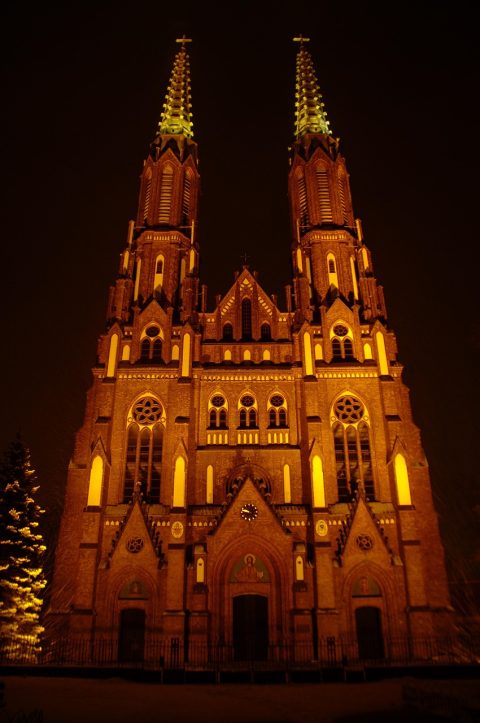
Warsaw's bohemian East Bank neighborhood known for street art, independent galleries, and eclectic cafés. Once working-class and overlooked, Praga has transformed into a creative hub with colorful murals, vintage shops, and vibrant nightlife while retaining authentic local character.
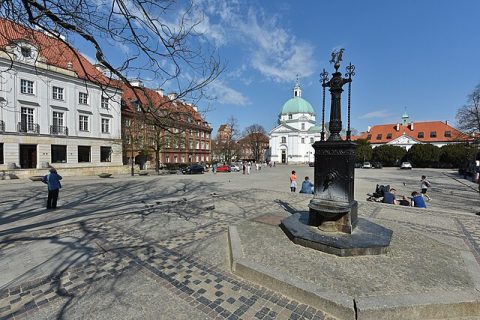
A historic neighborhood developed in the 15th century, adjacent to the Old Town. With narrower streets, modest townhouses, and intimate squares, the New Town offers authentic Warsaw atmosphere and excellent local restaurants without Old Town crowds.
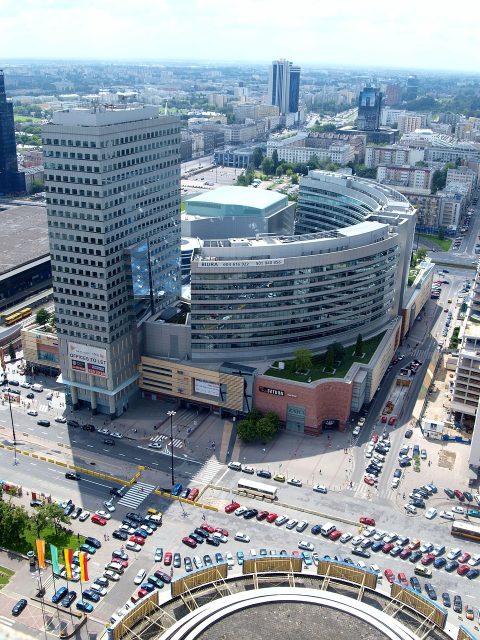
A riverside neighborhood undergoing creative renaissance with galleries, design studios, and waterfront venues. Near the Vistula, Powiśle appeals to young professionals and artists, featuring trendy restaurants, craft breweries, and cultural spaces in renovated industrial buildings.
Tips for Neighborhoods & Districts
- Praga is safest and most lively in daytime and evening
- New Town locals frequent small taverns offering authentic Polish food
- Powiśle weekend markets feature local art and crafts
- Guided neighborhood tours provide deeper cultural insights
Guided experiences that deepen understanding of Warsaw's complex history, culture, and contemporary life.
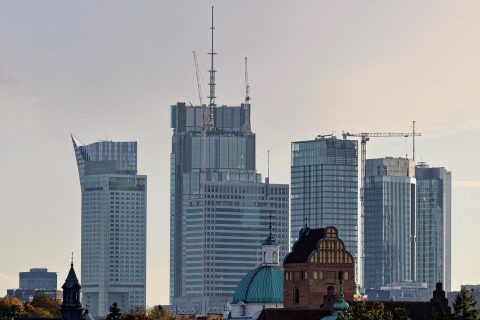
A historically focused guided walk through sites of the 1944 uprising, with expert guides explaining resistance stories, bunkers, and memorial sites. Tours typically cover the Old Town and surrounding neighborhoods where fierce fighting occurred.
An emotional and educational tour exploring 1,000 years of Polish Jewish history, visiting synagogues, the Ghetto memorial sites, and POLIN Museum. Expert guides provide context on Warsaw's once-thriving Jewish community and WWII impact.
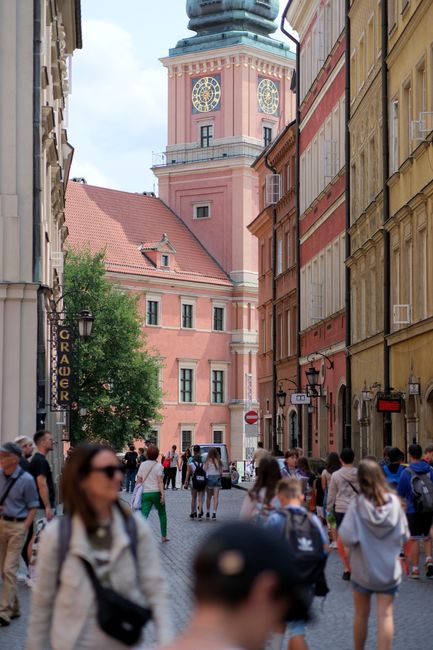
An artistic exploration of Praga's vibrant street art scene and underground creative culture. Local guides showcase murals, graffiti, independent galleries, and introduce visitors to Warsaw's contemporary art movements and emerging artists.
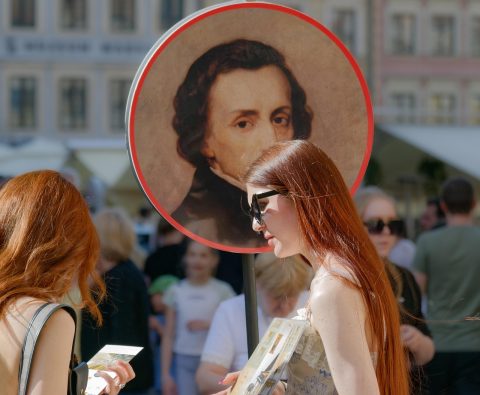
Evening chamber concerts featuring Chopin's compositions performed in intimate concert halls. Many venues offer pre-concert piano recitals in historic churches and music halls, connecting visitors emotionally to the composer's legacy.
Tips for Tours & Activities
- Book tours 24 hours in advance for guaranteed availability
- Walking tours are best in comfortable shoes on dry weather days
- Expert guides provide deeper insights than self-guided experiences
- Chopin concerts sell out quickly in summer—reserve early
Easy escapes from Warsaw offering historical sites, natural beauty, and cultural experiences within 1-2 hours by train or car.
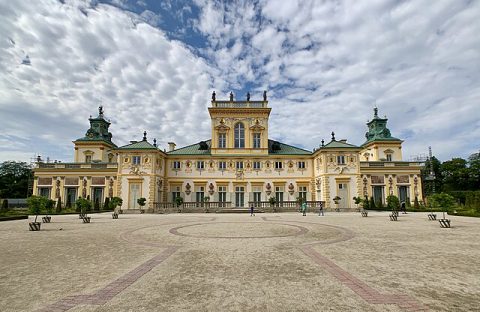
A stunning Baroque royal palace located on Warsaw's south side, serving as an escape from city bustle. The palace features opulent interiors, museums, and beautiful gardens. Extensive art collections and historical exhibitions fill this magnificently preserved residence.
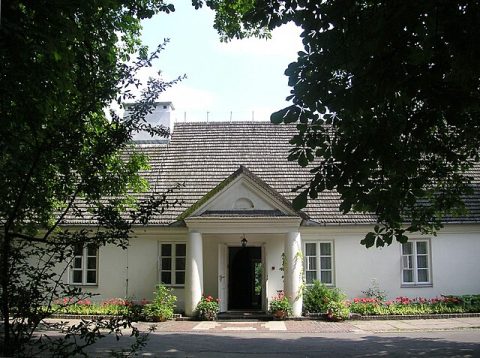
The charming manor house where Frédéric Chopin was born, located 50 kilometers west of Warsaw. Now a museum dedicated to the composer, it features period furnishings, memorabilia, and beautiful garden grounds where outdoor concerts are held in summer.
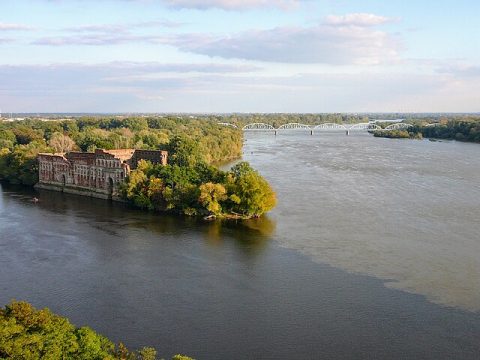
A historic 19th-century military fortress 40 kilometers north of Warsaw, featuring massive brick fortifications, museums, and exhibitions on military history. The well-preserved structure offers insights into Polish-Russian military architecture and strategy.
Tips for Day Trips & Excursions
- Wilanów Palace is accessible by tram directly from city center
- Zelazowa Wola offers best experience during summer concert season
- Rent a car or join organized tours for fortress excursions
- Pack picnic supplies for palace gardens in good weather
Warsaw's culinary scene ranges from traditional Polish cuisine in family-run taverns to innovative modern restaurants earning international recognition.
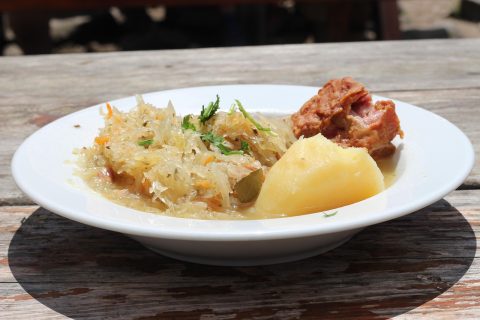
Traditional Polish Cuisine
Hearty, soul-satisfying Polish dishes including bigos (hunter's stew), pierogi (stuffed dumplings), żurek (sour rye soup), and schab mielony (pork cutlet). Traditional taverns (pubs) serve generous portions at reasonable prices. Essential specialties: kielbasa (sausage), potato and mushroom soups, and cabbage-based dishes.
Restauracja Primitivo Kuchnia i Wino - kuchnia śródziemnomorska Warszawa is a highly-rated restaurant in Warsaw, rated 4.9★ from 6193 reviews. Located at Waliców 13, 00-851 Warszawa, Poland.
Opening Hours
- Monday: 12:00 – 10:00 PM
- Tuesday: 12:00 – 10:00 PM
- Wednesday: 12:00 – 10:00 PM
- Thursday: 12:00 – 11:00 PM
- Friday: 12:00 – 11:00 PM
- Saturday: 12:00 – 11:00 PM
- Sunday: 12:00 – 10:00 PM
Baires Warsaw is a highly-rated restaurant in Warsaw, rated 4.9★ from 1413 reviews. Located at Leszczyńska 6, 00-339 Warszawa, Poland.
Opening Hours
- Monday: Closed
- Tuesday: 5:00 – 10:00 PM
- Wednesday: 5:00 – 10:00 PM
- Thursday: 5:00 – 10:00 PM
- Friday: 5:00 – 10:00 PM
- Saturday: 12:00 – 10:00 PM
- Sunday: 12:00 – 9:00 PM
Tips for Food & Dining
- Milk bars (Bar Mleczny) offer authentic Polish food at budget prices
- Old Town restaurants are tourist-oriented—explore local neighborhoods for authentic dining
- Sunday family dinners at traditional taverns are quintessential Warsaw experience
- Desserts: sernik (cheesecake), pączki (jelly donuts), and apple cake are must-tries
Explore Warsaw on the Map
Best Time to Visit Warsaw
May to September offers the most pleasant weather with temperatures between 15-24°C (59-75°F), perfect for sightseeing and outdoor activities. This is peak season, so expect larger crowds and higher prices.
April and October are excellent shoulder seasons with mild weather (10-18°C / 50-64°F), fewer tourists, and beautiful natural scenery as spring blossoms or autumn foliage accent the city.
Winter (December-February) brings cold temperatures (–5 to 2°C / 23-36°F) but creates a magical atmosphere with holiday markets, ice skating, and snow-covered historic sites. Cultural venues and museums are less crowded.
Avoid: March-April can be wet and muddy; July-August brings peak crowds and heat.
Getting Around Warsaw
Public Transit (Recommended): The efficient metro, tram, and bus system covers the city. Day passes (Dobowy Bilet Turystyczny) provide unlimited travel. Trams are scenic for sightseeing; metro is fastest for long distances.
Taxis & Rideshare: Yellow taxis are reliable; apps like Uber and Bolt operate extensively. Ride-shares are affordable and convenient for tourists unfamiliar with routes.
Bicycles: Flat terrain and growing bike lanes make cycling popular. Bike-sharing stations (Veturilo) offer short-term rentals throughout the city.
Walking: The Old Town and central districts are pedestrian-friendly with compact, navigable streets perfect for exploring on foot.
Airport Transfer: Warsaw Chopin Airport (30 minutes): Express train (fastest), airport shuttle buses, or taxis. Pre-arranged transfers offer convenience.
✈️ Airport Transfer
Warsaw Chopin Airport (WAW) to city center:
- Train (SKM/KM): Direct rail to central Warsaw stations in about 20 minutes, around 4.40 PLN
- City Bus 175: Runs to the city center in roughly 30-40 minutes, standard ticket about 4.40 PLN
- Taxi: Around 25-30 minutes to downtown, typically 60-80 PLN metered fare
- Private Transfer: Pre-booked car service to your hotel in about 25 minutes, roughly 120-150 PLN
Shopping & Markets
Souvenir Shopping: Old Town Square features Polish crafts, amber jewelry, wooden toys, and traditional folk art. Quality varies—inspect items carefully.
Amber: Warsaw is famous for Baltic amber. Authentic pieces are expensive; shop at reputable jewelers to avoid counterfeits.
Shopping Malls: Westfield Polska (Złote Tarasy), Galeria Mokotów, and Blue City offer international brands and Polish stores in modern settings.
Local Markets: Sunday Stadion Dziesięciolecia Flea Market offers vintage goods, antiques, and collectibles. Kermess markets spring up seasonally.
Food Souvenirs: Żubrówka vodka (grass-flavored), Polish chocolate, oscypek (smoked cheese), and traditional spice blends make memorable gifts.
Bargaining: Not customary in shops or established markets; however, flea market vendors may negotiate on larger purchases.
Annual Events & Festivals
Summer Jazz Days (June-July): Free open-air jazz concerts in various city squares and parks, celebrating Warsaw's vibrant jazz heritage.
Warsaw International Book Fair (June): Poland's largest book fair featuring author readings, publishing exhibitions, and literary events.
Chopin Piano Competition (October, every 5 years): International competition attracting world-class pianists; next competition 2030.
Polin Festival (September): Celebrating Polish Jewish culture through theater, music, dance, and exhibitions commemorating Polish Jewish heritage.
Warsaw Autumn International Festival of Contemporary Music (September): World premieres and avant-garde compositions from leading composers.
Christmas Markets (November-December): Traditional holiday markets in Old Town Square and Palace of Culture selling gifts, decorations, mulled wine, and seasonal treats.
New Year's Eve: Massive public celebrations in city center with concerts, fireworks, and street festivities.
Sample Warsaw Itineraries
Day 1: Historic Warsaw & Monuments
Morning: Visit Old Town Square, explore narrow streets, visit St. John's Cathedral. Lunch at traditional tavern. Afternoon: Royal Castle tour. Evening: Walk Castle Square at sunset, dinner on Krakowskie Przedmieście.
Day 2: Museums & Culture
Morning: POLIN Museum or Warsaw Uprising Museum (book in advance). Lunch near city center. Afternoon: National Museum or Chopin Museum. Evening: Classical concert or theater performance.
Day 3: Parks & Palaces
Full day exploring Lazienki Park: visit Palace on the Isle, walk lakeside paths, watch peacocks. Picnic in gardens. Evening: Vistula Boulevards walk at sunset.
Day 4: Contemporary Warsaw
Morning: Praga neighborhood street art tour. Lunch at alternative café. Afternoon: Powiśle galleries and Vistula riverside. Evening: Modern restaurant dinner or craft brewery in trendy district.
Day 5: Day Trips
Visit Wilanów Palace morning and afternoon, returning to city evening. Alternatively, full-day excursion to Zelazowa Wola (Chopin's birthplace) with concert if in season. Or explore Modlin Fortress for military history enthusiasts.
Best Photography Locations
Old Town Square at Dawn: Colorful townhouses without crowds, soft morning light ideal for architectural photography. Arrive before 7 AM in summer.
Castle Square at Sunset: Golden light on Royal Castle and surrounding historic buildings creates dramatic silhouettes. Visit 1-2 hours before sunset.
Lazienki Palace Across Water: Reflections in the lake create stunning mirror-image compositions, especially in calm evening conditions.
Praga Street Art Walls: Vibrant murals and graffiti offer colorful subject matter. Best light: morning side-lighting. Early morning = fewer pedestrians.
Vistula Riverbanks at Dusk: Skyline reflections and riverside silhouettes. Golden hour provides warm, flattering light on iconic buildings.
Warsaw Uprising Monument from Multiple Angles: Bronze sculpture catches light dramatically; photograph from different distances for varying composition scales.
Palace of Culture from Below: Looking upward emphasizes height and architectural drama; nighttime illumination creates moody, impressive images.
Electricity & Technical Information
Voltage & Frequency: Poland uses 230V AC, 50Hz (standard European current).
Plug Types: Type C (two round pins) and Type E (two round pins + earth hole) are standard. North American appliances require 110-230V converters.
Adapter & Converter Recommendations: Purchase European Type C/E adapters before traveling. Most hotels provide adapters at reception. Universal adapters compatible with multiple plug types ensure flexibility across Europe.
Electronics Tips: Check appliance labels for dual voltage (100-240V) before plugging in. Phone chargers and laptop adapters are typically dual voltage.
Power Outlets: Widely available in hotels, cafés, airports, and public spaces. WiFi is excellent throughout Warsaw; most establishments offer free connections.
Polish Cuisine & Dining Guide
Must-Try Dishes: Bigos (hunter's stew of meat and cabbage), pierogi (dumplings with potato, cheese, or meat fillings), żurek (sour rye soup), schab mielony (breaded pork cutlet), kielbasa (Polish sausage), and placki ziemniaczane (potato pancakes).
Desserts & Sweets: Sernik (Polish cheesecake), pączki (fried jelly donuts—especially popular on Fat Thursday before Lent), apple cake, makowiec (poppy seed cake), and trójniak (honey cake).
Beverages: Polish beer is excellent—try local brands like Żywiec, Tyskie, or Okocim. Żubrówka (bison grass vodka) is iconic. Traditional mead is historic. Hot żurek served in bread bowls is winter comfort food.
Dining Culture: Lunch (12-2 PM) is the main meal; dinner is lighter. Service charge not always included—tip 10-15% if satisfied. Casual taverns (bary mleczne) offer budget Polish comfort food; upscale restaurants require reservations.
Dietary Notes: Vegetarian options exist but Warsaw traditionally emphasizes meat. Inform servers of allergies or restrictions; many chefs accommodate special requests.
Tourist Passes
Warsaw Tourist Card (Karta Turystyczna)
All-in-one pass providing unlimited public transport plus free or discounted museum entry for 24, 48, or 72 hours. Includes Museum of John Paul II Culture, National Museum, select palaces, and other attractions. Excellent value for museum-heavy itineraries.
www.warsawtouristcard.comDobowy Bilet Turystyczny (Public Transport Day Ticket)
Unlimited metro, tram, and bus travel for 24 hours at a fraction of individual ticket costs. Available from metro stations and kiosks. Essential for visitors relying on public transit.
www.ztm.waw.plMuseum Passes
Individual museum passes or multi-museum packages provide skip-the-line access and discounted entry to major attractions like POLIN Museum, National Museum, Chopin Museum, and Lazienki Palaces. Many offer online booking discounts.
www.polin.pl