Things to do in Cape Town
Cape Town's most iconic structures and historical monuments that define the city's skyline and heritage.
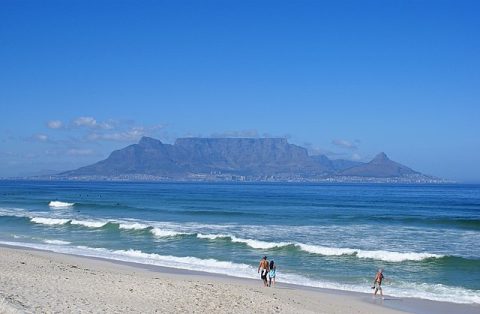
The most recognizable landmark in South Africa, this flat-topped mountain offers breathtaking 360-degree views of Cape Town, the surrounding beaches, and the Atlantic Ocean. Accessible via rotating cable car (3.6 tons capacity, 65-person rotation every 2.5 minutes) or hiking trails of varying difficulty. The summit features a rotating restaurant and visitor facilities.
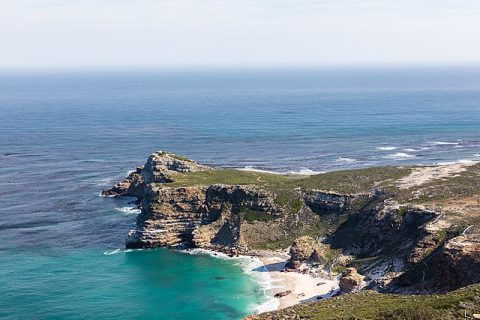
A dramatic promontory where the Atlantic and Indian Oceans meet (not the actual Cape of Good Hope as commonly believed). This scenic reserve encompasses 7,750 hectares of pristine coastline with hiking trails, panoramic viewpoints, and diverse flora. Home to Cape mountain zebras, baboons, and endemic plant species. Two viewpoints offer stunning vistas—one a short funicular ride away, the other via a challenging 1.3km hike.
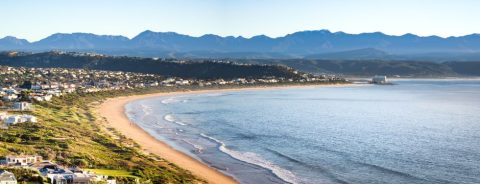
A historic 7,300-hectare estate featuring manicured gardens, archaeological sites, and heritage structures. Originally established in 1657, it now includes Groote Schuur Hospital (site of the world's first successful heart transplant in 1967), the National Botanical Garden, and peaceful walking trails through native Cape flora and fynbos vegetation.
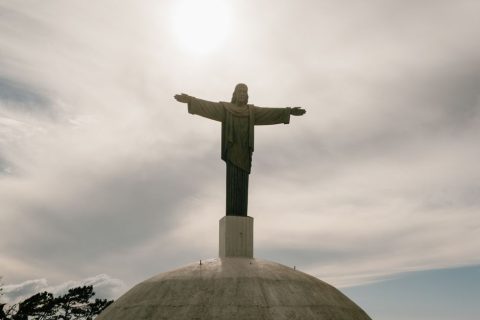
While not yet constructed (unlike Rio's famous statue), plans exist for a monumental Christ statue on Signal Hill overlooking the city. This remains a future landmark project that would complement Table Mountain as a spiritual and tourist symbol of Cape Town.
Tips for Landmarks & Monuments
- Book cable car tickets online to skip queues during peak season (December-February)
- Table Mountain closes if winds exceed 63 km/h—check conditions before visiting
- Best light for photography at Table Mountain is late afternoon golden hour
- Combine Table Mountain with nearby Kirstenbosch Botanical Garden in one day trip
World-class institutions showcasing South African art, history, natural sciences, and contemporary works.
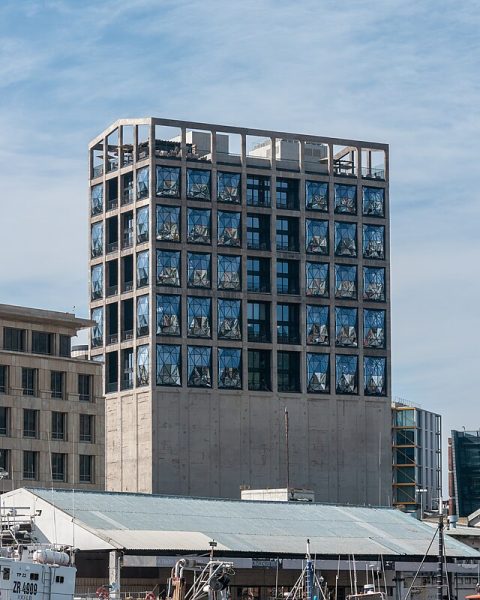
Housed in a bold geometric structure at the V&A Waterfront, this cutting-edge museum showcases contemporary African and international art across nine levels. The iconic cantilever design by British architect Thomas Heatherwick features a dramatic cylindrical void carved through the building's core, creating an Instagram-worthy architectural experience alongside world-class exhibitions.
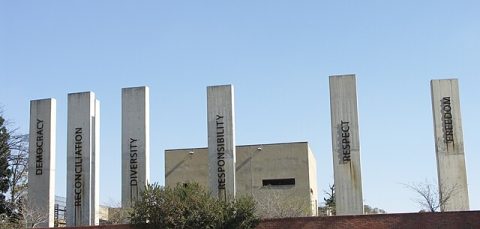
A powerful and moving institution documenting South Africa's apartheid era (1948-1994) through photographs, videos, artifacts, and personal testimonies. The journey through segregation policies, resistance movements, and reconciliation is both educational and emotionally resonant, essential for understanding contemporary South Africa.
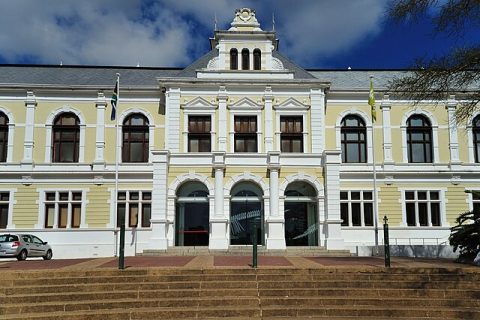
Located in the Company's Garden complex, this comprehensive museum features extensive exhibits on South African natural history, indigenous cultures, and the skeleton of Lucy, a 3.2-million-year-old human ancestor. Permanent galleries cover paleontology, cultural heritage, and the San people's rock art traditions.
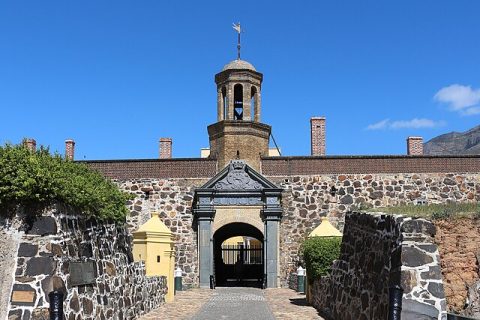
A 17th-century fortress built in 1666, this pentagonal structure served as the administrative headquarters of the Dutch East India Company. Now a museum featuring military artifacts, period furnishings, and gardens. The castle's bastions offer harbor views and its interior galleries document colonial history through weapons, documents, and interactive exhibits.
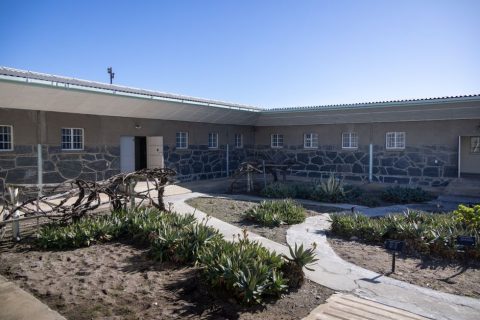
Underground museum displaying the remains of an 18th-century Dutch-built battery fort beneath the surface of the V&A Waterfront. Excavated in 1999, it features preserved cannon, historical artifacts, and interpretive displays about Cape Town's maritime military history.
Tips for Museums & Galleries
- Museums offer free entry on some scheduled free times—check websites for dates
- Book Zeitz MOCAA tickets online; it's one of the most visited museums in the Southern Hemisphere
- Combine Castle of Good Hope with nearby Chavonnes Battery Museum
- Bring comfortable walking shoes; most museums involve extensive floor coverage
Sacred spaces reflecting Cape Town's diverse spiritual heritage and architectural traditions.
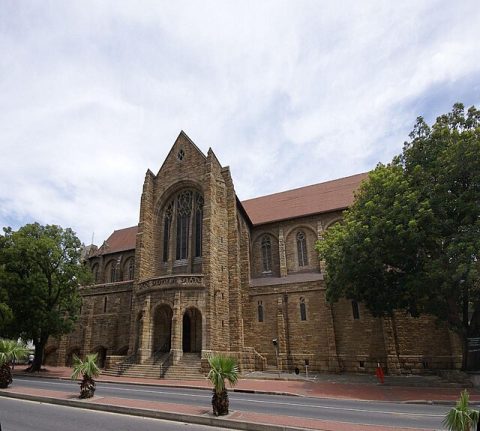
A magnificent Gothic Revival cathedral built in 1834, featuring stunning stained glass windows and a soaring nave. This Anglican place of worship hosted Nelson Mandela's 1990 post-release thanksgiving service and serves as a symbol of spiritual reconciliation. The peaceful interior and detailed architectural elements make it a must-see even for non-religious visitors.
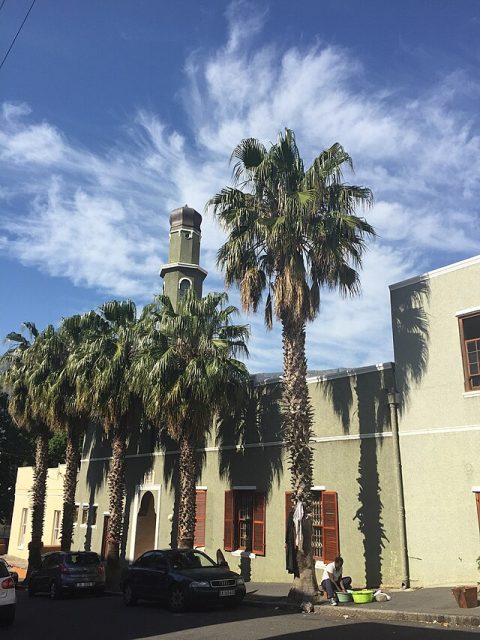
Africa's first mosque, established in 1794 in the Bo-Kaap neighborhood. This white-washed historic structure represents Cape Town's significant Muslim community heritage. The mosque combines Islamic architecture with colonial influences and remains an active place of worship with a peaceful courtyard and decorative tile work.
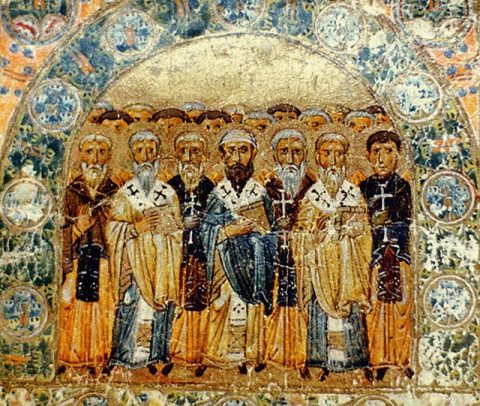
Cape Town's oldest church, built in 1704, featuring Dutch Reformed architecture and historic baptismal font from the 1600s. Located in the city center, the church combines baroque and neoclassical elements with an ornate wooden pulpit and architectural significance spanning three centuries of South African religious history.
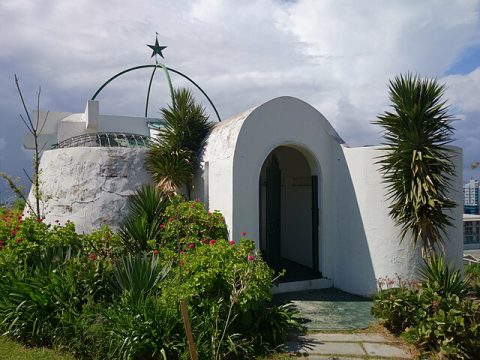
A sacred Muslim burial ground in the Bo-Kaap containing the graves of spiritual leaders and political exiles from the 18th century onward. The cemetery's green-painted shrines and decorative stones reflect Islamic traditions and honor important figures in Cape Town's Islamic heritage and resistance history.
Tips for Religious Sites
- Respect prayer times when visiting active mosques; check schedules beforehand
- Dress modestly (covered shoulders and knees) when entering mosques
- Women may be required to wear headscarves in some mosques—ask respectfully
- Many sites have opening hours; verify before visiting
Lush green spaces and botanical gardens showcasing Cape Town's unique fynbos ecosystem and cultivated landscapes.
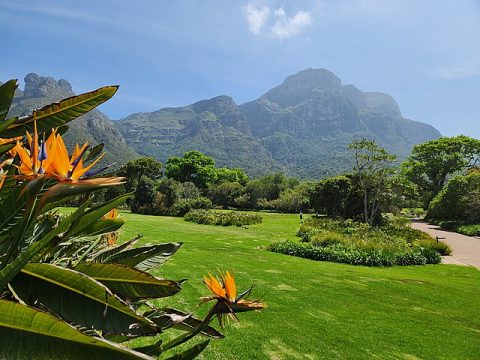
One of the world's most beautiful botanical gardens spanning 528 hectares on the eastern slopes of Table Mountain. Home to over 9,000 plant species, with a focus on South African flora. Features picnic lawns, tree-lined trails, bird watching opportunities, and seasonal concerts. The garden transitions seamlessly from cultivated areas into pristine fynbos vegetation.
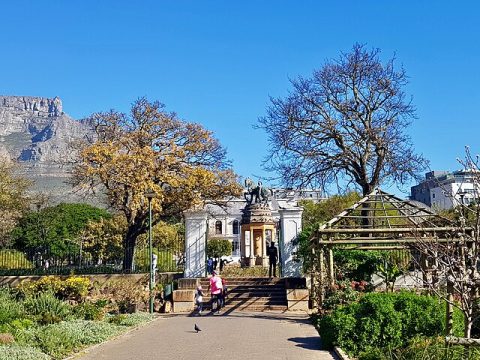
A historic 4-hectare urban garden in the city center, originally established in 1652 to supply fresh produce to ships. Today it offers peaceful walking paths, formal gardens, duck ponds, and heritage structures. Free to enter and perfect for lunch breaks or quiet reflection amid historical surroundings.
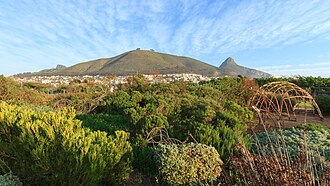
A modern urban green space featuring walking and cycling paths, open lawns, and recreational facilities. Located near the waterfront with views toward Signal Hill and Table Mountain. The park includes playgrounds, sports courts, and landscaped gardens, making it popular with locals and visitors seeking outdoor activity.
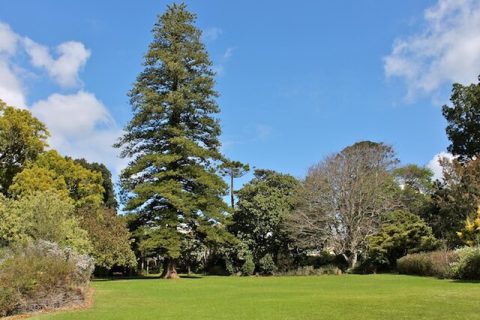
A hidden gem 9-hectare estate garden featuring rare plants, specimen trees, and serene water features. This private garden turned public attraction showcases exotic flora from around the world alongside indigenous plants in a peaceful, parkland setting with shaded walks and picnic areas.
Tips for Parks & Gardens
- Visit Kirstenbosch in spring (September-November) for wildflower displays
- Summer sunset concerts at Kirstenbosch are popular—book tickets in advance
- Bring picnic supplies; most gardens allow picnicking on lawns
- Early morning visits offer best light for photography and fewer crowds
Distinctive districts with unique character, cultural significance, and local charm.
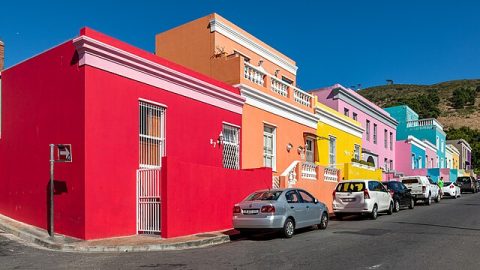
Cape Town's most colorful and culturally vibrant neighborhood featuring row houses painted in brilliant hues of pink, yellow, blue, and green. This historic area, traditionally home to the Cape Malay community, offers narrow winding streets, local restaurants, art galleries, and the Auwal Mosque. Perfect for photography, cultural immersion, and authentic local experiences.

Cape Town's premier shopping, dining, and entertainment destination surrounding a working harbor. Features upscale shops, restaurants, museums (Zeitz MOCAA, Chavonnes Battery), and harbor-side promenades. The waterfront captures the city's maritime heritage while offering modern amenities, street performers, and views of Table Mountain and Robben Island.
A formerly rough industrial neighborhood transformed into a creative hub featuring street art murals, independent galleries, craft breweries, and trendy restaurants. The Old Biscuit Mill houses artisan shops and food markets. Street art tours showcase works by local and international artists, and the neighborhood's gritty aesthetic contrasts beautifully with Table Mountain views.
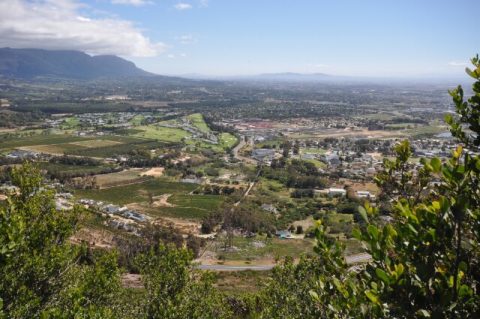
An upscale leafy suburb famous for wine estates, fine dining, and country estates. Home to Constantia Nek mountain pass offering panoramic views and several acclaimed wineries including Constantia Glen and Klein Constantia. The area combines rural charm with sophisticated dining and wine tasting experiences.
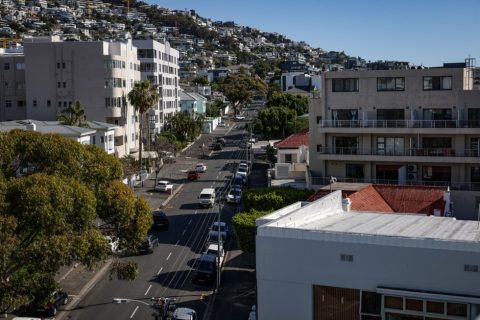
Cape Town's most vibrant commercial thoroughfare stretching from the city center to the slopes of Table Mountain. Lined with backpacker hostels, vintage shops, street food vendors, art galleries, and eclectic restaurants. The street pulses with nightlife and daytime activity, featuring colonial architecture mixed with modern businesses and street art.
Tips for Neighborhoods & Districts
- Bo-Kaap's steep streets can be challenging—wear comfortable walking shoes
- Visit Woodstock Street Art Market on weekends for local crafts and street food
- Book V&A Waterfront restaurants in advance during peak season
- Explore Long Street's Victorian buildings and hidden courtyards between main shops
Stunning coastal stretches offering swimming, sunbathing, water sports, and scenic beauty.
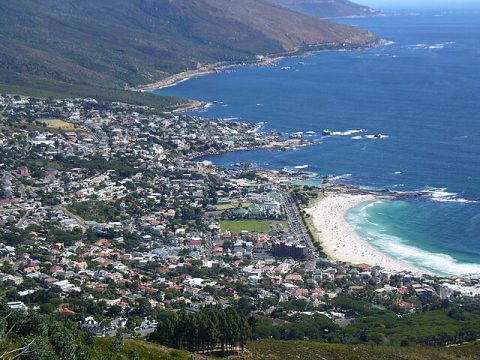
Cape Town's most glamorous and popular beach featuring white sand, turquoise water, and a dramatic backdrop of the Twelve Apostles mountain range. The palm-lined promenade is lined with restaurants, beach bars, and trendy boutiques. Perfect for swimming, sunbathing, and sunset viewing. Summer crowds can be heavy but the scene is vibrant and cosmopolitan.
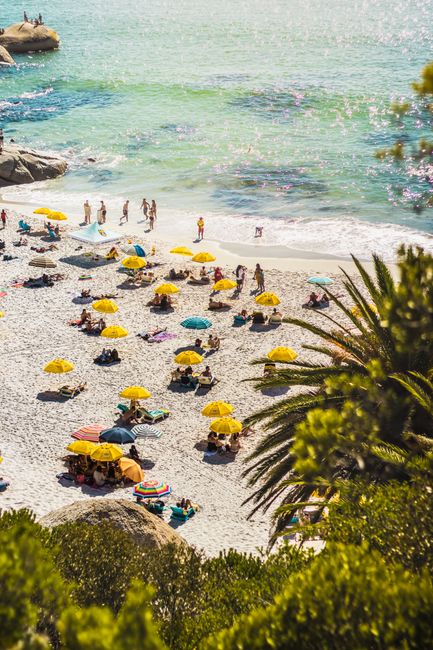
Four exclusive sheltered coves (Clifton 1-4) featuring pristine white sand and crystal-clear water. Protected from wind and surrounded by expensive residential areas, these are the warmest and safest beaches. Clifton 4 is most family-friendly while Clifton 1 attracts a younger, trendier crowd. Fine restaurants and boutiques overlook the sandy shores.
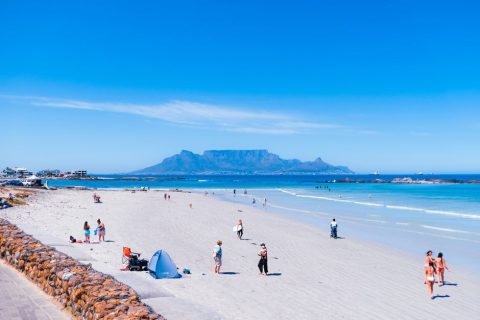
The ultimate Table Mountain viewing location with unobstructed, postcard-perfect panoramic views. Popular with kiteboarding and windsurfing enthusiasts due to consistent winds. The long sandy beach stretches for kilometers with water sports facilities, casual restaurants, and less crowded than Camps Bay. Best visited in morning light for photography.
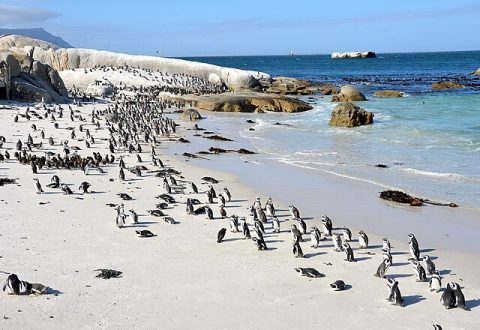
Unique beach featuring giant granite boulders and a small population of African penguins (jackass penguins) living in their natural habitat. The only mainland penguin colony in Africa. Bathers swim among the rocks while penguins waddle and dive nearby. The contrast of luxury homes, pristine beach, and wildlife creates an unforgettable experience.
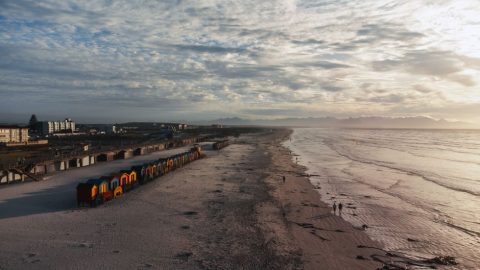
A historic and colorful beach famous for its row of candy-colored Victorian beach huts. More casual and family-oriented than Atlantic seaboard beaches, with warmer water on the False Bay side. The beach is an important historical site of apartheid-era swimming restriction markers. Today it's a vibrant community beach with shops, restaurants, and surf schools.
Tips for Beaches & Coastal Areas
- Clifton and Camps Bay are best October-April; Atlantic water is cold year-round
- False Bay beaches (Muizenberg) have warmer water—check seasonal temperatures
- Lifeguards patrol main beaches during summer; swim in designated areas
- Boulders Beach: maintain distance from penguins; they can bite if cornered
- Sunset views are spectacular from Camps Bay and Bloubergstrand
Guided experiences and adventure activities for deeper exploration and adrenaline seekers.
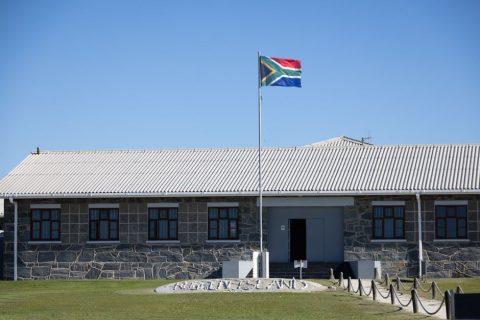
A poignant 3-hour tour of South Africa's most historically significant island where Nelson Mandela was imprisoned for 18 of his 27 years. Ferries depart from the V&A Waterfront, and tours include the cell block, lime quarry where prisoners labored, and political exhibits. Former prisoners serve as tour guides, providing intimate first-hand accounts of apartheid-era incarceration.
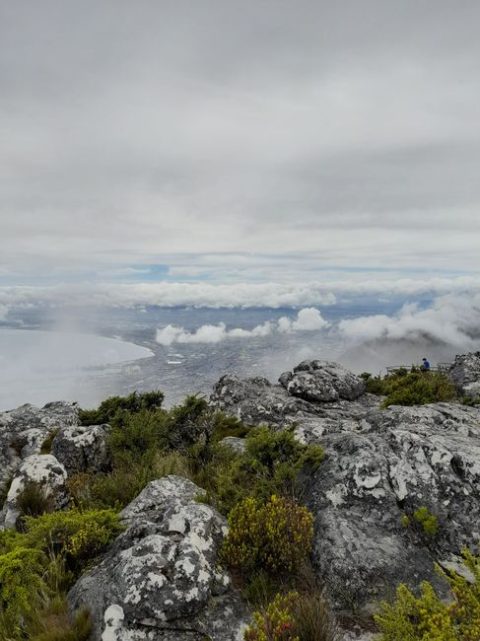
Multiple scenic hiking routes up Table Mountain ranging from moderate 1-2 hour climbs (Platteklip Gorge) to leisurely 3-4 hour trails (Skeleton Gorge, India Venster). All trails offer breathtaking views, diverse fynbos vegetation, and wildlife sightings. Descend via cable car for a unique round trip. Experienced guides available for technical routes.
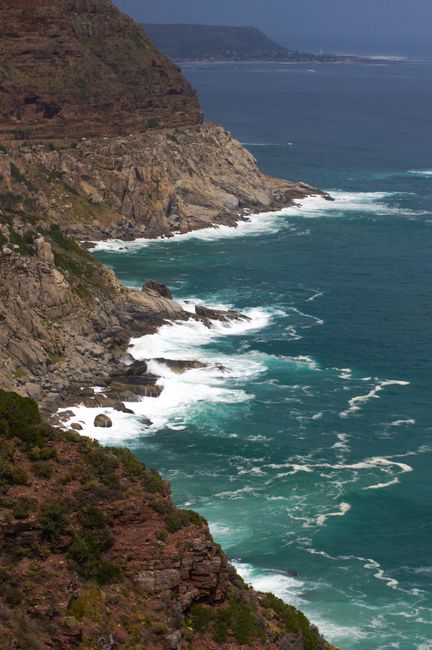
A spectacular 110 km scenic route following the peninsula's coastline from Cape Town to Cape Point. Guided tours cover Camps Bay, Llandudno, Hout Bay, and Cape Point Nature Reserve with stops for photography, swimming, and seafood lunches. Private tours allow flexible pacing; group tours provide narrated history and geology of the region.
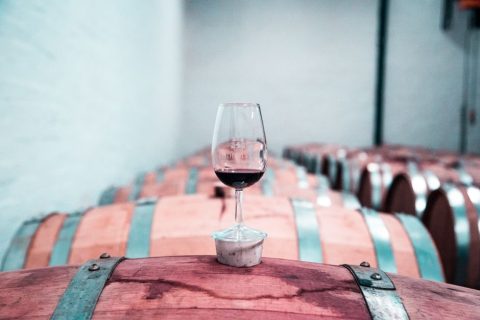
Guided tours of renowned Cape Winelands featuring visits to 3-4 estate wineries with tastings and food pairings. Tours depart from the city center and cover the Constantia Valley, Stellenbosch, or Franschhoek regions. Includes transportation, knowledgeable commentary on South African wine production, and lunch at a vineyard restaurant.
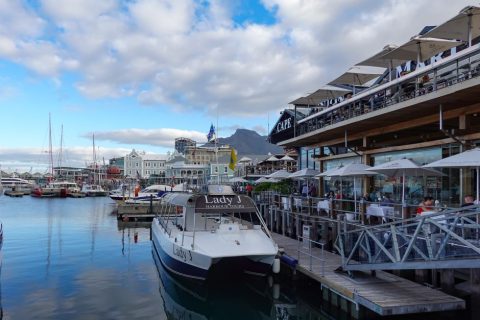
An adrenaline-pumping encounter with great white sharks at Gansbaai, 1.5 hours from Cape Town. Tourists descend in protective cages while sharks are attracted to the boat. Day tours include boat rides, protective suit, breakfast, and lunch. Advance bookings recommended; conditions dependent on sea state and shark activity.
Tips for Tours & Activities
- Book Robben Island tickets at least 1-2 days in advance; ferries often sell out
- For hiking, start early (7-8am) to avoid afternoon heat and ensure sunset descent
- Shark cage diving: take motion sickness medication if prone; sea conditions variable
- Wine tours: many include wine tastings—plan to not drive; use tour transportation
Nearby destinations and excursions extending beyond Cape Town for diverse experiences.
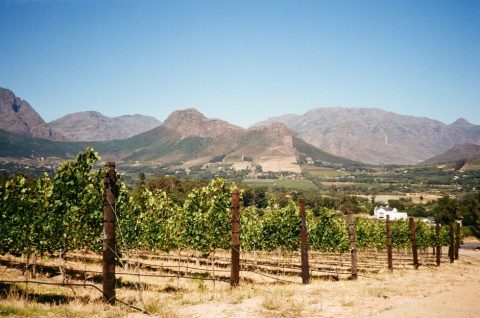
A picturesque wine region 60 km from Cape Town featuring 45+ wineries in a stunning mountain valley. The charming town of Franschhoek offers Cape Dutch architecture, art galleries, gourmet restaurants, and the scenic Franschhoek Pass. The Franschhoek wine route can be explored via tasting room tour, hot air balloon, or scenic train journey along historic rail lines.
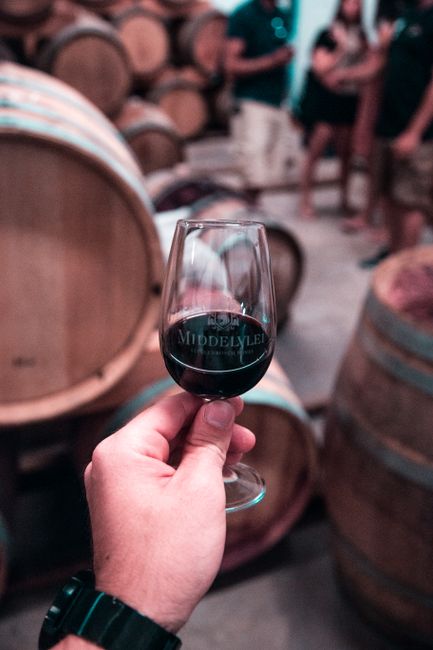
South Africa's oldest wine region featuring 150+ wineries within 30 km of Cape Town. The university town of Stellenbosch preserves 17th-century Cape Dutch architecture alongside cosmopolitan dining and shopping. Winery visits range from exclusive private estates to casual tasting rooms. The surrounding mountains and vineyards create postcard-perfect scenery.
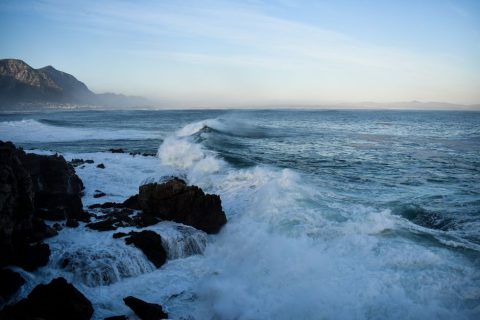
A coastal town 120 km east famous for southern right whale watching June-December. Whales migrate to the bay's shallow waters for breeding. The town features land-based viewing points, boat tours, and the annual Hermanus Whale Festival in September. Combine with scenic coastal walks and local restaurants for a perfect day excursion.
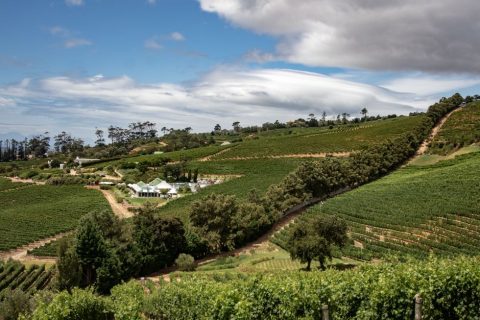
A historic railway journey through the Cape Winelands featuring luxury dining on board vintage trains (Franschhoek Wine Tram, Rovos Rail). Multi-course meals, wine tastings, and stops at wineries combine with stunning scenery. Multiple routes available from half-day to multi-day journeys ending at boutique hotels.
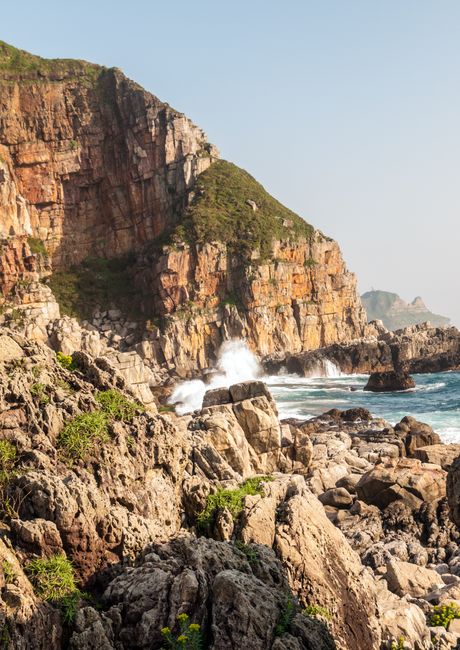
A coastal town featuring cave systems with archaeological significance and prehistoric finds dating back 80,000+ years. De Kelders Caves offer hiking and historical exhibits. Combine with shark cage diving, whale watching (seasonal), or nearby seal island boat tours. The surrounding marine sanctuary offers rich biodiversity and coastal beauty.
Tips for Day Trips & Excursions
- Whale watching season: June-November for southern right whales, December-May for humpback whales
- Book wine region tours that include transportation—roads can be tricky; designated driver needed
- Franschhoek: reserve restaurants ahead; gourmet dining books quickly
- Hermanus: best viewing from land-based cliffs; boat tours available but less reliable
Sculptures, public installations, and artistic expressions throughout the city.
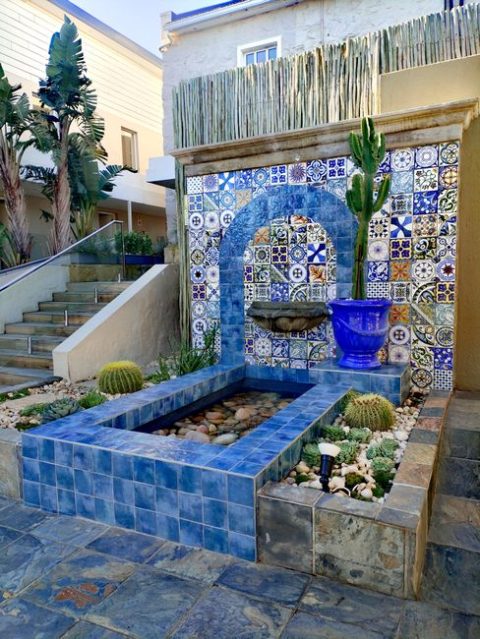
A historic centerpiece fountain within the Company's Garden featuring ornate stonework and water features. The fountain dates to the colonial era and represents one of the garden's iconic elements, providing peaceful water sounds and visual focal points amid landscaped grounds and heritage walks.
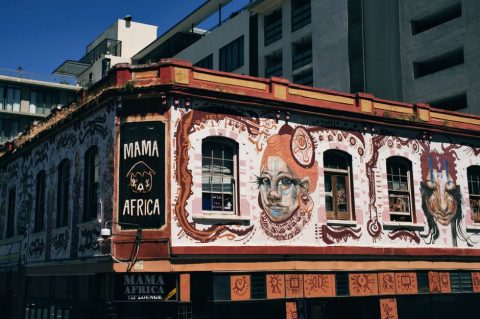
Vibrant murals and street art covering buildings throughout the Woodstock neighborhood. Local and international street artists have transformed industrial facades into galleries. Notable murals depict cultural themes, protest art, and social commentary. Walking tours highlight the best pieces and artist stories; new art appears regularly.
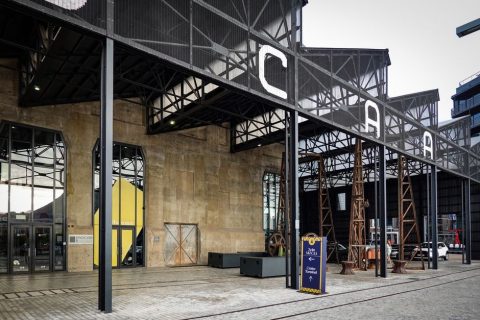
The V&A Waterfront plaza surrounding the Zeitz MOCAA features rotating contemporary art installations, sculptures, and outdoor exhibitions. The plaza itself is architecturally significant with artistic landscaping, seating areas designed for contemplation, and carefully curated public art pieces that complement the world-class museum interior.
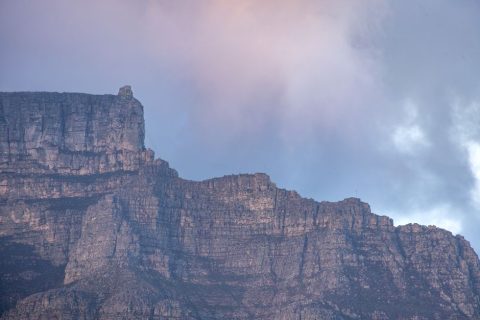
Public art installations celebrating Table Mountain's iconic status, found at various viewpoints and sculptures parks. These artworks in various media (metal, stone, mixed media) honor the mountain's cultural significance and provide unique photo opportunities at scenic locations.
Tips for Fountains & Public Art
- Photography at street art locations best in morning or late afternoon light
- Join organized street art walking tours for artist stories and context
- New murals appear regularly; revisit favorite areas for changing artwork
- Respect private property; artists' permission required for commercial photography
Real, highly-rated Restaurants in Cape Town, sourced from Google Places (rating above 4★).
Rose's Table is a highly-rated restaurant in Cape Town, rated 4.9★ from 125 reviews. Located at 79 Roeland St, District Six, Cape Town, 8001, District Six, Cape Town, 8000, South Africa.
Opening Hours
- Monday: Closed
- Tuesday: Closed
- Wednesday: 6:00 – 10:30 PM
- Thursday: 6:00 – 11:00 PM
- Friday: 6:00 – 11:00 PM
- Saturday: 6:00 – 11:00 PM
- Sunday: Closed
Reverie Social Table is a highly-rated restaurant in Cape Town, rated 4.9★ from 271 reviews. Located at 226A Lower Main Rd, Observatory, Cape Town, 7925, South Africa.
Opening Hours
- Monday: Closed
- Tuesday: 6:30 – 11:00 PM
- Wednesday: 6:30 – 11:00 PM
- Thursday: Closed
- Friday: Closed
- Saturday: Closed
- Sunday: Closed
Belly of the beast is a highly-rated restaurant in Cape Town, rated 4.8★ from 1205 reviews. Located at 110 Harrington St, Cape Town City Centre, Cape Town, 8000, South Africa.
Opening Hours
- Monday: 6:30 – 10:00 PM
- Tuesday: 12:00 – 3:00 PM, 6:30 – 10:00 PM
- Wednesday: 12:00 – 3:00 PM, 6:30 – 10:00 PM
- Thursday: 12:00 – 3:00 PM, 6:30 – 10:00 PM
- Friday: 12:00 – 3:00 PM, 6:30 – 10:00 PM
- Saturday: 12:00 – 3:00 PM, 6:30 – 10:00 PM
- Sunday: Closed
Real, highly-rated Beach Bars in Cape Town, sourced from Google Places (rating above 4★).
Harveys Bar @ The Winchester is a highly-rated beach bar in Cape Town, rated 4.7★ from 25 reviews. Located at 221 Beach Rd, Sea Point, Cape Town, 8060, South Africa.
Opening Hours
- Monday: 7:00 AM – 10:30 PM
- Tuesday: 7:00 AM – 10:30 PM
- Wednesday: 7:00 AM – 10:30 PM
- Thursday: 7:00 AM – 10:30 PM
- Friday: 7:00 AM – 10:30 PM
- Saturday: 7:00 AM – 10:30 PM
- Sunday: 7:00 AM – 10:30 PM
Café Caprice is a highly-rated beach bar in Cape Town, rated 4.5★ from 4298 reviews. Located at 37 Victoria Rd, Camps Bay, Cape Town, 8005, South Africa.
Opening Hours
- Monday: 12:00 PM – 12:00 AM
- Tuesday: 9:00 AM – 12:00 AM
- Wednesday: 9:00 AM – 12:00 AM
- Thursday: 9:00 AM – 12:00 AM
- Friday: 9:00 AM – 1:00 AM
- Saturday: 9:00 AM – 1:00 AM
- Sunday: 9:00 AM – 1:00 AM
fable is a highly-rated beach bar in Cape Town, rated 4.5★ from 532 reviews. Located at Corner Bree &, Wale St, Cape Town City Centre, Cape Town, 8000, South Africa.
Opening Hours
- Monday: Closed
- Tuesday: Closed
- Wednesday: 5:00 PM – 12:00 AM
- Thursday: 5:00 PM – 1:00 AM
- Friday: 12:00 PM – 1:00 AM
- Saturday: 12:00 PM – 1:00 AM
- Sunday: 5:00 PM – 12:00 AM
Explore Cape Town on the Map
Seasonal Overview
Summer (December-February): Peak season with warm temperatures (25-28°C/77-82°F), perfect beach weather, and long daylight hours. Expect crowded attractions, higher prices, and strong summer winds. Ideal for swimming and outdoor activities despite increased tourism.
Autumn (March-May): Excellent weather with mild temperatures (18-24°C/64-75°F), fewer crowds, and clear skies. This is considered the best time to visit—comfortable hiking conditions, optimal photography light, and moderate pricing. Occasional rain in May.
Winter (June-August): Cool temperatures (12-17°C/54-63°F) with possible rainfall, but best for whale watching (June-November) near Hermanus. Winter storms create dramatic Table Mountain views. Hotels offer lower rates and fewer tourists provide intimate experiences.
Spring (September-November): Wildflowers bloom (peak September-October) transforming Table Mountain slopes and Winelands into colorful carpets. Temperatures warm progressively (16-22°C/61-72°F). Excellent hiking and wine region visits with manageable crowds. Spring winds can be strong by November.
Getting Around Cape Town
Airport Transfer: Cape Town International Airport is 20km from city center. Uber, Bolt, and Taxify apps provide reliable rides (R150-250/$8-15). Airport shuttles and car rental available. Journey time 20-40 minutes depending on traffic.
MyCiti Bus: Modern rapid transit bus system with dedicated lanes covering major routes. Day passes available; contactless payment cards used. Covers waterfront, city center, airport, and southern suburbs. Reliable but slower than taxis for long distances.
Uber & Ride-Apps: Convenient point-to-point transportation. Uber popular in city center and tourist areas; fares reasonable by international standards (R30-50/km). Always verify driver details before entry for safety.
Metered Taxis: Negotiate fares beforehand; meters often not used. Reliable for known routes. Longer waits than app-based services. Avoid late night travel or unfamiliar areas.
Hop-On-Hop-Off Buses: Double-decker tourist buses covering major attractions with commentary. 24 and 48-hour passes available. Convenient for orientation but slower than direct transport.
Car Rental: International companies available at airport. Driving on the left; road conditions generally good in city and winelands. Parking can be challenging in central areas; premium parking required at attractions. Consider guided tours instead for wine regions due to drink-drive laws.
Tipping: Not mandatory but appreciated. Uber drivers: 10-15%; guides: R50-100 per person; restaurants: 10-15%.
✈️ Airport Transfer
Cape Town International Airport (CPT) to city center:
- MyCiTi Airport Bus: Route A01 runs every 20 minutes to the city center in about 30 to 40 minutes for around R110 one-way
- Shared Shuttle: Door-to-door shared van service to most city hotels in 30 to 45 minutes for roughly R280 per person
- Metered Taxi or Uber: About 20 to 30 minutes to the city center or Waterfront, typically R250 to R400 depending on traffic and demand
- Private Transfer: Pre-booked private car direct to your accommodation in 20 to 30 minutes for around R450 to R600
Shopping & Souvenirs
Shopping Districts: V&A Waterfront offers international brands, local boutiques, and specialty shops in a scenic waterfront setting. Long Street features vintage, local design, and street markets. Constantia shopping centers cater to upscale preferences with designer brands and fine dining. Woodstock's Old Biscuit Mill hosts artisan crafts, jewelry, and local designers.
What to Buy: South African wine (world-renowned, duty-free exports available), rooibos tea (local caffeine-free herbal tea), biltong (dried cured meat), local art and crafts from township artists, jewelry featuring local gemstones (amethyst, garnet), beaded items from Zulu artisans, and handwoven baskets.
Markets: Greenmarket Square downtown features fresh produce, crafts, and souvenirs (Mon-Sat). Milnerton Flea Market offers vintage, antiques, and curios (weekends). Oranjezicht City Farm Market provides organic produce and artisan goods (Wed-Sun mornings). Street markets at Long Street offer affordable clothing and crafts daily.
Bargaining: Expected at markets and street stalls but not in shops or malls. Start with 50-70% of asking price; negotiate to mutual agreement. Respectful bartering is part of the experience. Fixed prices in established retail stores.
Shipping: Courier services available for larger purchases (wine, art). VAT refunds available for tourists spending over R250 at participating retailers with passport documentation.
Store Hours: Most shops open 9am-5pm weekdays, 9am-3pm Saturdays, closed Sundays except malls. Waterfront shops open 7 days. Banking hours 9am-3:30pm weekdays.
Annual Events & Festivals
Hermanus Whale Festival (late September): Three-day celebration featuring land-based whale watching, marine talks, food, and cultural performances. Thousands gather for this iconic event marking the height of southern right whale season. Accommodation books years in advance.
Cape Town International Jazz Festival (March-April): Two-day music festival at the waterfront featuring world-class jazz, world music, and contemporary artists. Draws international performers and 40,000+ music lovers. Multiple stages and outdoor venues.
Two Oceans Marathon (April): One of the world's largest marathons with 25,000 participants running a scenic 56km ultramarathon along the Cape Peninsula coastline. Viewed as a festival atmosphere with cheering crowds throughout.
Cape Town Festibrew (August): Annual craft beer festival featuring local and international breweries, food trucks, and live music. Held at scenic waterfront venue. Growing celebration of South African craft beer culture.
Summer Sunset Concerts at Kirstenbosch (December-February): Outdoor concerts on the garden lawns featuring local and international musicians. Bring picnics; seating on grass. Sunset performances create magical atmosphere beneath Table Mountain. Popular with locals and tourists.
New Year's Day Parade & Carnival (January 2): Colorful street parade (Minstrel Carnival) of marching bands, decorated floats, and performers in traditional dress parading through city streets. Historic community celebration dating to slavery era; joyful celebration now.
National South African Holiday (various dates): Including Freedom Day (April 27), Workers' Day (May 1), Youth Day (June 16). Museums offer special exhibitions; attractions remain open with modified hours.
Sample Day-by-Day Itineraries
Day 1 - Classic Cape Town: Start early at Table Mountain cable car (arrive 7am for shorter queues). Spend 2-3 hours at summit exploring walking trails and viewpoints. Descend and lunch at Camps Bay Beach with Table Mountain views. Afternoon stroll through Bo-Kaap's colorful streets, visiting the Auwal Mosque. End with dinner at a Long Street restaurant and evening walk through historic city center. Distance: mostly walking with cable car transport.
Day 2 - Beaches & Penguin Encounter: Early drive to Cape Point Nature Reserve (1 hour) for dramatic coastal hiking and ocean views. Lunch at Simonstown. Afternoon visit to Boulders Beach to swim alongside African penguins (small entry fee). Return to Camps Bay or Clifton beaches for sunset drinks. Explore beachfront promenade for dinner. Distance: 60km round trip from city.
Day 3 - Culture & Art: Morning tour of Robben Island (3 hours including ferry, book in advance). Afternoon at Zeitz MOCAA or South African Museum exploring contemporary and historical art. Explore V&A Waterfront shops and restaurants. Evening street art walking tour in Woodstock with local guide, ending at trendy brewery or rooftop bar. Distance: ferry from waterfront, walking tours.
Day 4 - Wine Region Escape: Full-day guided wine tour covering Constantia Valley (3-4 wineries with tastings and lunch). Alternative: Franschhoek day trip featuring Cape Dutch architecture, gourmet restaurants, and scenic mountain drive. Return to city by early evening. Distance: 45-70km from city depending on region chosen.
Day 5 - Adventure Activities: Early morning Table Mountain hiking (Platteklip Gorge trail, 1.5-2 hours ascent). Or: Shark cage diving excursion to Gansbaai (full day, 1.5 hour drive each way). Or: Paragliding from Signal Hill with ocean/city views. Evening recovery with spa treatment or casual dining. Distance: varies by activity chosen.
Best Photography Locations & Timing
Table Mountain Sunrise: Photograph from Bloubergstrand or Signal Hill facing east during golden hour (6:30-7:30am). Table Mountain silhouette with sun behind creates dramatic contrast. Second best time: late afternoon (4-5:30pm) for warmer tones on the mountain face. Conditions: clear skies essential; strong winds can obscure the peak.
Bo-Kaap Colorful Houses: Best light: morning (8-10am) shooting from Wale Street looking downhill. Afternoon backlighting creates house shadows. Avoid midday harsh shadows. Capture street-level perspectives mixing colors with people and street vendors. Drone photography available with permits for elevated views of the entire neighborhood.
Camps Bay Sunset: Position at beach or promenade 30-60 minutes before sunset (varies by season: 5:30pm winter, 8:30pm summer). Silhouettes against the Twelve Apostles create dramatic frames. Water reflections extend golden hour; best light lasts 20-30 minutes. Crowds manageable if you arrive early; avoid peak sunset times.
Cape Point Meeting of Oceans: Golden hour both morning (sunrise) and evening (sunset) create warm atmospheric light. Mid-morning (9-11am) shows ocean colors and detail. Afternoon clouds often obscure the point. Hiking viewpoints offer more dramatic angles than the main lookout platform. Weather critical: mist and wind can close views unexpectedly.
V&A Waterfront Night Photography: Blue hour (45 minutes after sunset, approximately 5-6:30pm winter / 8-9:30pm summer) best for building lights and Table Mountain background. Zeitz MOCAA's cylindrical structure creates striking geometric frames. Harbor lights reflect on water; multiple angles from different piers. Tripod recommended for low-light clarity.
Boulders Beach Penguins: Penguins most active morning (7-10am) and late afternoon (3-5pm). Avoid harsh midday sun. Close-up portraits challenging; zoom lens helpful. Wide shots capturing penguins in natural beach habitat more accessible. Respect 1.5-meter distance requirement; photography without disturbing wildlife achieves best authentic images.
Kirstenbosch Gardens Wildflowers: Peak flower season September-October (spring). Early morning (7-9am) when flowers fully open and sunlight is soft. Macro photography captures flower details; wide shots show mountain backdrop and garden sweep. Afternoon provides warmer color tones; morning light more natural and crisp.
Sunset at Clifton: Golden hour before sunset creates warm beach tones with mountain silhouettes. Protected cove location provides calm water reflections. Close-ups of beachgoers, swimmers, and sunset atmosphere. Slightly less dramatic than Camps Bay but more intimate, fewer photographers.
Electrical Standards & Practical Utilities
Voltage & Frequency: South Africa operates at 230 volts AC, 50 Hz. Different from US (110V) and some other countries. Using incorrect voltage can damage equipment; transformers/converters required for non-compliant devices. Most modern phones and laptop chargers support 110-240V universal input.
Plug Types: South Africa uses large three rectangular pins in a triangular arrangement (Type M plugs). Different from US (Type A flat parallel), European (Type C round), and UK (Type G) plugs. Adapter plugs readily available at airports, electronics shops, and hotels (R20-50/$1-3). Universal travel adapters covering multiple plug types recommended.
Adapter & Converter Information: Many appliances now support dual voltage (110-240V) making converters unnecessary—check device labels. Converters heavier/bulkier than adapters and less portable. Adapters simply redirect plug shape without voltage conversion; compatible only with dual-voltage devices.
Outlet Location: Standard wall outlets (sockets) found in most hotel rooms, accommodations, and public areas. Outlet height typically 1 meter above floor. Some older buildings may have limited outlets; power strips/extension cords helpful for charging multiple devices. Bathrooms sometimes lack outlets near sinks for safety reasons.
Power Reliability: Generally reliable in city center and tourist areas. Water shortages (2018+) occasionally cause outages; hotels and attractions have generators. Rolling blackouts (load shedding) possible; check local schedules if visiting during stated blackout times. Power surges possible; surge protectors recommended for valuable electronics.
Water & Plumbing: Tap water in Cape Town safe to drink in most areas; however, periodic water restrictions may limit supply. Bottled water widely available. Water pressure can be low; check shower pressure before booking accommodations. Dual-flush toilets standard; squat toilets in rural areas.
Must-Try Dishes & Dining Experiences
Cape Malay Cuisine: A unique fusion developed by enslaved populations from Indonesia and Malaysia centuries ago. Must-try dishes include bobotie (spiced mince meat baked with egg topping), sosaties (skewered meat with tamarind sauce), breyani (fragrant rice dish), and koesister (fried pastry with syrup). Bo-Kaap neighborhood houses traditional restaurants; wander side streets for authentic family-run eateries.
Seafood & Fish: Fresh line fish caught daily from South African waters—kingklip, snoek, and cob are local specialties. Fish and chips serves fresh-battered fish with crispy fries; Codfather at the Waterfront is popular. Oysters from Hermanus and mussels from West Coast. Calamari (squid) grilled or fried with lemon; must-try local preparation.
Biltong & Boerewors: Biltong is air-dried cured meat (beef, kudu, or springbok) sliced thin—salty, savory, perfect with beer or wine. Available at markets and grocery stores as portable snack. Boerewors (farmer's sausage) grilled at braai (barbecue) with pap (cornmeal mush). Street vendors throughout city offer both as quick meals.
Braai Culture: South African barbecue tradition central to social gatherings. Restaurants and beer gardens offer braai platters with grilled meat, vegetables, and traditional sides. Waterfront restaurants and Constantia venues offer upscale braai experiences. Participatory dining; social aspect as important as food.
Rooibos & Herbal Teas: Caffeine-free South African tea, naturally sweet with vanilla notes. Often served with honey. Local specialty and popular take-home gift. Find at markets, supermarkets, and restaurants. Iced rooibos refreshing in summer; hot version comforting in winter.
Local Fruits & Markets: Seasonal produce includes yellow mangoes, guavas, kiwi fruit, and citrus (June-August oranges especially). Sunday farmers markets offer fresh fruit, vegetables, and artisan produce. Milnerton and Oranjezicht markets feature organic options with direct producer contact.
Fine Dining Restaurants: Constantia valley offers Michelin-level restaurants with views; book well in advance. Waterfront restaurants combine fine dining with scenic vistas. Long Street and Bo-Kaap neighborhoods feature creative contemporary South African cuisine merging traditions with modern techniques. Price range R150-800+ per person depending on establishment.
Street Food & Casual Eats: Lunch quality variable but often excellent value. Sausage and mash stalls, bunny chow (curry in bread), chicken and chips popular. Avoid street food in quiet areas after dark; busy commercial streets safer. Health/hygiene standards generally good at established food stalls.
Dining Hours & Tipping: Breakfast 7-10am; lunch 12-2pm; dinner 6-10pm (later in trendy areas). Tipping not mandatory but appreciated (10-15% for table service). Card tipping increasing; cash tipping also acceptable. Some restaurants include service charge; verify on bill.
Tourist Passes
Cape Town Tourism Card (CTC)
A multi-day pass offering discounts at major attractions including Table Mountain cable car (20-30% discount), Zeitz MOCAA, South African Museum, District Six Museum, and 40+ other venues plus restaurants. Available for 3, 5, or 7 days. Purchase online or at tourism offices. Estimated savings R400-800 depending on pass duration and attractions visited.
www.capetowntourismcard.co.zaTable Mountain Circular Tour Pass
A combination package including Table Mountain cable car and a hop-on-hop-off bus day pass. Convenient for first-time visitors exploring major attractions. Ticket allows flexible routing with bus stops at multiple city sites including waterfront, city center, and mountain attractions. Valid for 24-48 hours depending on option chosen.
www.tablemountain.netMyCiti Bus Pass
The local rapid transit day pass providing unlimited travel on all MyCiti bus routes covering airport, city center, waterfront, and southern suburbs. Day passes cost approximately R100-150 with unlimited hop-on-hop-off privileges. 3 and 7-day passes available at lower per-day rates. Contactless payment cards used; rechargeable at multiple outlets.
www.myciti.org.zaRobben Island Premium Tour Package
A guided island experience combining ferry transport, prison museum tour led by former political prisoners, and lunch at the island restaurant. Premium packages include helicopter tours departing the island. Must book in advance during peak season (December-February). Tour provides intimate historical perspective unavailable in independent visits.
www.robben-island.org.zaWine Route Day Pass (Constantia/Stellenbosch)
Regional wine-tasting passes offering discounted tastings at 3-5 selected wineries plus lunch and transport. Various operators provide hop-on-hop-off wine shuttle services with scheduled stops at major estates. Passes eliminate driving concerns and provide knowledgeable commentary. Cost approximately R300-500 including tastings and light meals.
www.constantiavalley.co.za