Things to do in Chiang Mai
Chiang Mai is home to over 300 Buddhist temples, each offering spiritual insight and architectural beauty. These sacred sites showcase centuries of Thai craftsmanship and remain active places of worship and meditation.
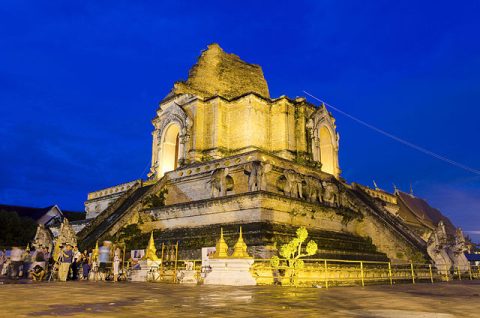
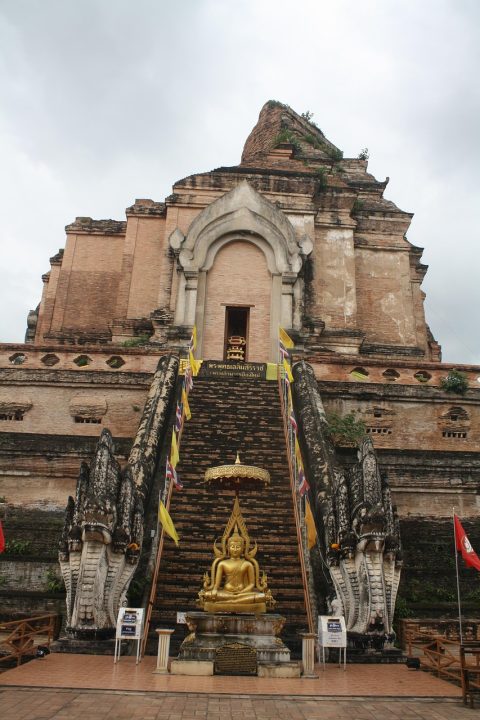
This massive 14th-century temple dominates the Old City skyline with its iconic crumbling chedi (stupa) standing 80 meters tall. Partially damaged by an earthquake, it remains an impressive architectural marvel showcasing Lanna style. Visitors can explore the peaceful courtyard, meet monks, and participate in meditation sessions.
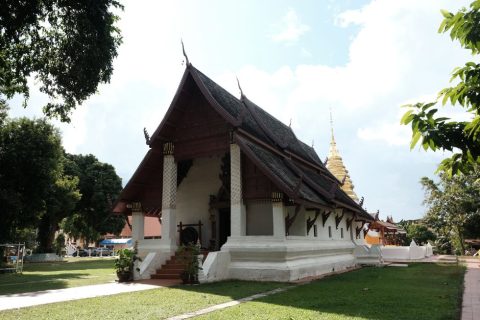
Located in the heart of Old City, this beautiful 15th-century temple features intricate wood carvings and ornate decorative elements. The temple houses revered Buddha images and remains a spiritual center for locals. Its serene atmosphere and artistic details make it a must-visit for temple enthusiasts.
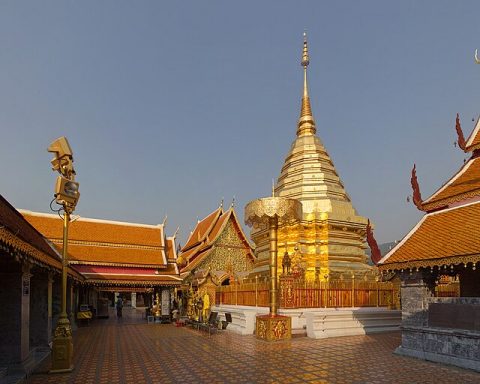
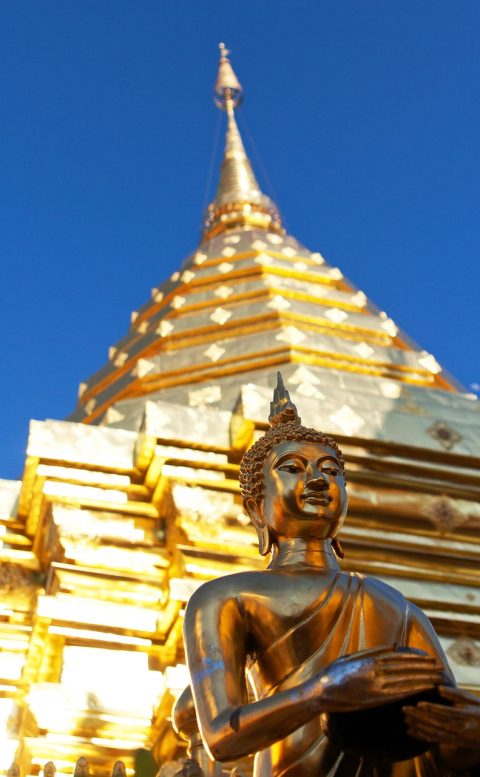
Perched on a mountain 1,000 meters high, this golden temple is Chiang Mai's most iconic landmark. Built in 1383, it offers breathtaking city views and spiritual serenity. Visitors must climb 300 steps or ride a tram. The temple's pristine golden chedi and peaceful atmosphere create an unforgettable experience.
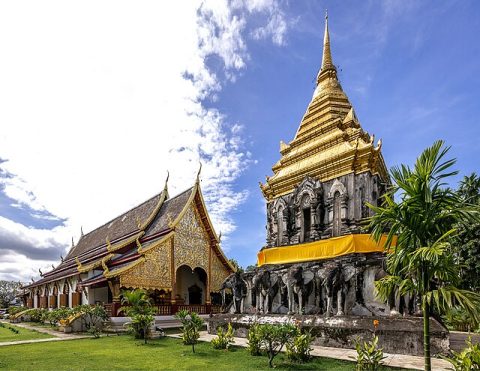
The oldest temple in Chiang Mai, founded in 1296, features impressive Lanna architecture and houses two precious Buddha images. The temple complex includes elephant statues, ornate chedis, and peaceful meditation gardens. Morning alms-giving ceremonies offer authentic spiritual experiences.
Tips for Religious Sites
- Dress respectfully: cover shoulders and knees when entering temples
- Remove shoes before entering sacred buildings
- Visit early morning for fewer crowds and alms-giving ceremonies
- Photography may be restricted in certain areas—ask permission
The heart of Chiang Mai, enclosed by ancient moats and walls, preserves the city's rich medieval history. Walking through narrow streets reveals traditional wooden houses, temples, and local life unchanged for centuries.
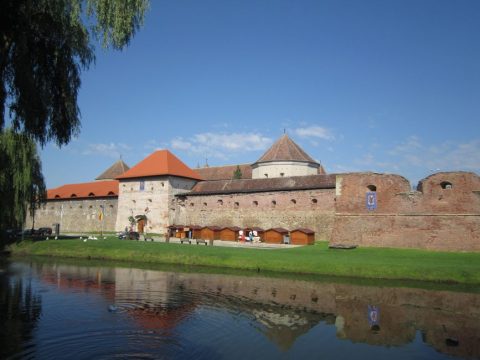
Built in 1296, the ancient city walls once completely encircled Chiang Mai. Today, sections remain intact, with the moat providing a scenic walk perfect for sunrise strolls. The walls represent one of Southeast Asia's best-preserved medieval fortifications.
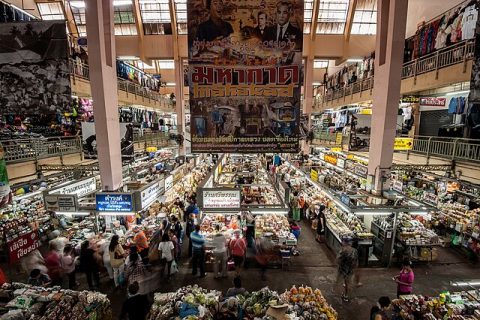
Chiang Mai's largest traditional market, operating since 1910, bustles with energy selling fresh produce, handicrafts, textiles, and local goods. The maze-like stalls offer authentic shopping experiences, incredible food, and vibrant local culture. Best visited early morning.
Tips for Neighborhoods & Districts
- Explore the Old City on foot or by bicycle for intimate discoveries
- Visit markets early morning (6-9 AM) for best selection and cooler temperatures
- Most temples are within walking distance of each other in Old City
- Hire a local guide for deeper historical insights
Chiang Mai is a shopper's paradise with everything from night bazaars to artisan workshops. The city is famous for handcrafted goods, textiles, souvenirs, and authentic Thai products at exceptional prices.
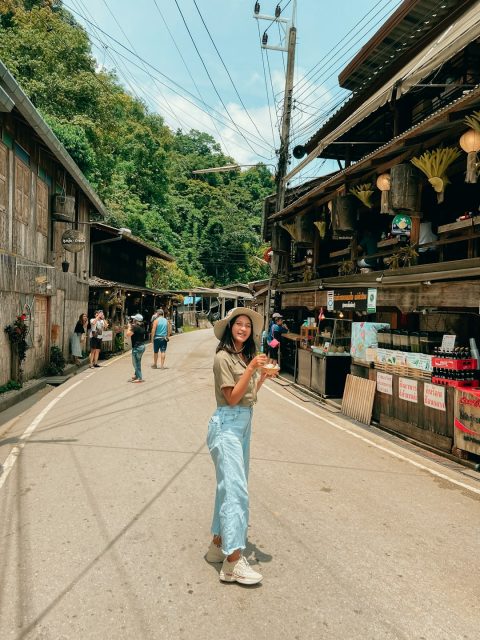
Every weekend, Chiang Mai's main streets transform into pedestrian zones filled with vendors, artisans, food stalls, and street performers. The Nimmanhaemin and Old City routes showcase local crafts, hill tribe goods, artwork, and authentic street food experiences.
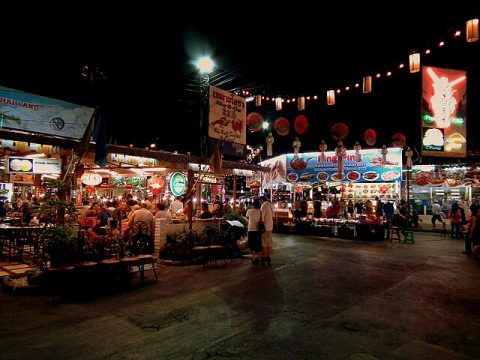
Located on Chang Khlan Road, the bustling night market (4 PM - midnight) features hundreds of vendor stalls selling clothing, handicrafts, souvenirs, and street food. The covered market provides a colorful cultural experience with excellent bargaining opportunities and local atmosphere.
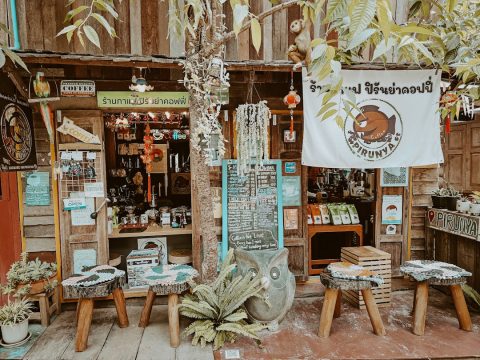
Chiang Mai is renowned for handcrafted goods. Visit umbrella-making workshops, woodcarving studios, celadon pottery factories, and silk weaving centers. Many offer demonstrations and direct purchasing at workshop prices, supporting local artisans while acquiring authentic souvenirs.
Tips for Shopping & Markets
- Bargaining is expected and encouraged at markets—start at 60-70% of asking price
- Visit Walking Streets on Friday evenings (preview) or Saturday/Sunday for best selection
- Buy directly from artisan workshops for better prices and authentic products
- Carry small bills for easier transactions with street vendors
Nature & Mountains
Surrounded by lush mountains and verdant valleys, Chiang Mai offers spectacular natural landscapes. From mountain treks to waterfalls and national parks, outdoor enthusiasts will find endless adventures in the northern Thai countryside.
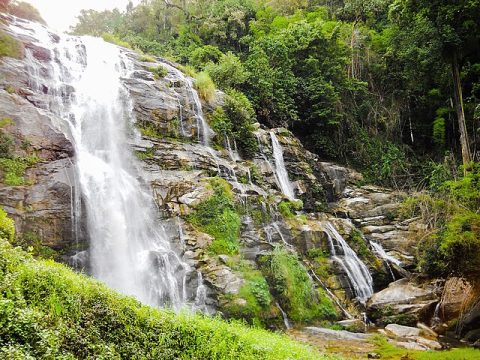
Home to Thailand's highest peak (2,565 meters), this pristine national park features trekking trails, waterfalls, and diverse ecosystems. The park offers cool mountain air, misty landscapes, and panoramic viewpoints. Multiple trails suit all fitness levels, from easy walks to challenging hikes.

Accessible by road or hiking trail, Doi Pui offers cool mountain refuge with strawberry farms and misty viewpoints overlooking Chiang Mai. The scenic drive takes visitors through changing vegetation zones. Popular for sunrise visits and escaping the city heat.

This historic hiking trail from Chiang Mai to Doi Suthep follows the path used by monks for centuries. The 3-4 hour trek winds through forests, local villages, and agricultural areas, offering immersive nature experiences and cultural encounters with authentic northern Thai communities.
Tips for Nature & Mountains
- Bring plenty of water, sun protection, and sturdy hiking boots for trails
- Visit higher elevations early morning for best visibility and cooler temperatures
- Book guided treks through reputable operators for safety and local knowledge
- Best trekking season: November to February (cool, dry weather)
Elephant Sanctuaries & Wildlife
Ethical wildlife encounters are a highlight of visiting Chiang Mai. Sanctuaries and wildlife centers offer responsible interactions with elephants and other animals while supporting conservation efforts and animal welfare.

A renowned ethical sanctuary rescuing abused elephants, offering visitors authentic interactions without exploitation. Visitors help with feeding, bathing, and caring for rescued animals. The center emphasizes education about elephant welfare and conservation, with guides sharing individual elephant stories.
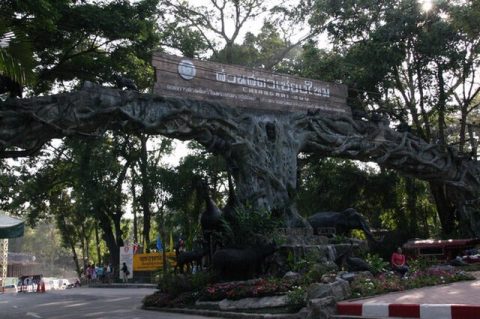
One of Thailand's largest zoos, featuring pandas, tigers, giraffes, and diverse wildlife. The zoo prioritizes animal welfare with spacious habitats. Sections include a night safari, aquarium, and botanical garden. Educational programs and feeding shows entertain and inform visitors.
Tips for Elephant Sanctuaries & Wildlife
- Choose ethical sanctuaries that prioritize animal welfare over entertainment
- Avoid facilities offering elephant rides or performances
- Book in advance for popular sanctuaries, especially during peak season
- Bring swimwear and towels if planning water activities with animals
Chiang Mai's museums preserve the region's rich cultural heritage, art, and history. These institutions offer deep insights into Lanna traditions, Buddhist culture, and local contemporary art scenes.
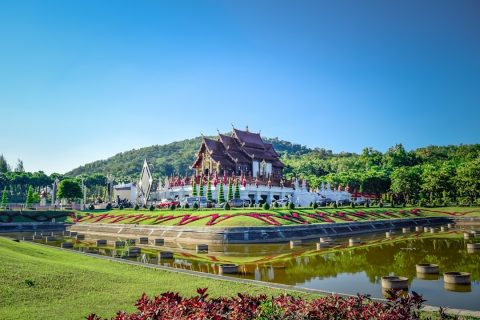
This modern cultural institution showcases the city's artistic and historical evolution. Interactive exhibits explore Lanna history, traditional crafts, and contemporary art. The center offers workshops, performances, and cultural events, making history accessible and engaging for all visitors.

Dedicated to Thai textile traditions, this museum displays traditional weaving techniques, beautiful fabrics, and historical garments. Exhibits explain the significance of colors, patterns, and regional styles. Visitors can see artisans working and understand the intricate craft behind Thai textiles.
Tips for Museums & Galleries
- Many museums are closed on Mondays—check hours before visiting
- Photography restrictions may apply in some exhibit areas
- Audio guides and English translations enhance understanding
- Visit museums in afternoon when temple crowds subside
Chiang Mai offers diverse guided experiences, from cooking classes to adventure sports. These activities provide hands-on cultural immersion and memorable skills to take home.
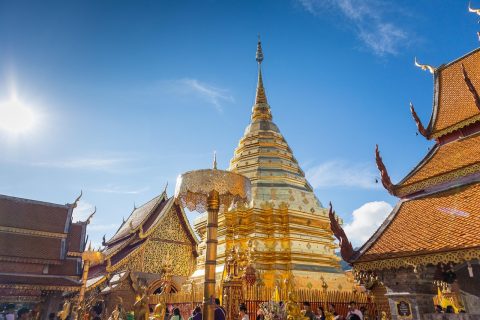
Learn authentic Thai cuisine from professional chefs in hands-on cooking classes. Most include market visits, ingredient explanations, and preparation of multiple dishes. Classes range from 3-4 hours for basic techniques to multi-day intensive programs, all concluding with enjoying your creations.
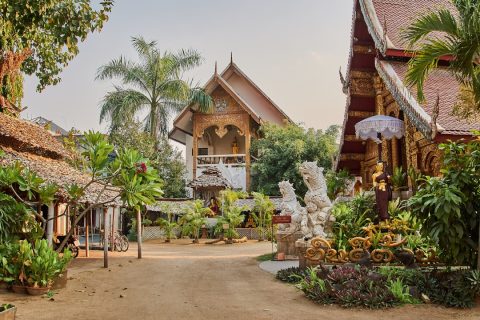
Enroll in traditional Thai massage training ranging from one-day introductions to certified two-week courses. Instructors teach techniques, anatomy, and philosophy of healing touch. Classes are affordable and culminate in certificates recognized internationally.
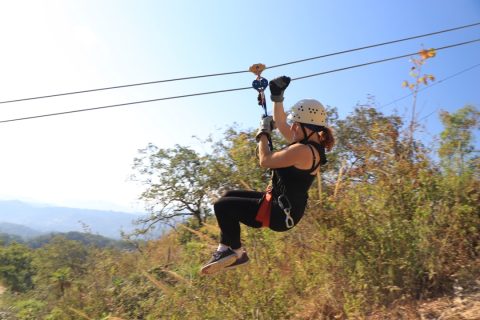
For thrill-seekers, zip-line courses through forest canopies offer adrenaline-pumping adventures. Multiple operators provide varying difficulty levels over stunning natural landscapes. Other options include rock climbing, mountain biking, and white-water rafting for active visitors.
Tips for Tours & Activities
- Book activities 1-2 days in advance through reputable operators
- Verify safety records and insurance coverage before booking adventure activities
- Many cooking classes and courses offer hotel pickup and drop-off
- Compare prices and reviews across multiple operators for best value
Beyond Chiang Mai lie fascinating destinations easily accessible for day trips, from hill tribe villages to waterfalls and historic cities, each offering unique experiences.
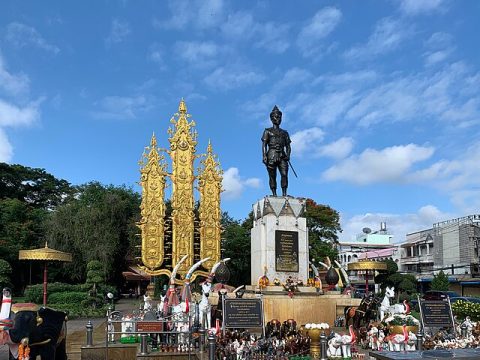
Located 1.5-2 hours north, Chiang Rai features the stunning White Temple (Wat Rong Khun), Golden Triangle region, and pristine natural landscapes. The province offers cultural diversity, scenic beauty, and unique attractions like the renowned night markets and hot springs.
Visit ethnic minority communities in northern mountains, including Karen, Hmong, and Akha tribes. Responsible tours support villages directly while visitors experience authentic traditional lifestyles, homestays, and cultural exchanges. Look for ethical operators emphasizing education over exploitation.
A charming bohemian mountain town 2 hours north, famous for scenic backroads and artistic communities. Pai offers hot springs, waterfalls, adventure activities, and a relaxed atmosphere. The scenic drive crosses multiple mountain passes with spectacular viewpoints.
Tips for Day Trips & Excursions
- Hire a private driver or join organized tours for safe hill tribe visits
- Respect local communities—seek permission before photographing people
- Day trips require early starts; arrange transport the evening before
- Bring sun protection, water, and comfortable shoes for all-day excursions
Real, highly-rated Restaurants in Chiang Mai, sourced from Google Places (rating above 4★).
Garden to Table Chiangmai is a highly-rated restaurant in Chiang Mai, rated 4.9★ from 1951 reviews. Located at 136 4 Ratchapakhinai Rd Old City Tambon Si Phum, Amphoe Mueang Chiang Mai, Chang Wat Chiang Mai 50200, Thailand.
Opening Hours
- Monday: 4:00 – 9:00 PM
- Tuesday: 2:00 – 9:00 PM
- Wednesday: 2:00 – 8:30 PM
- Thursday: 2:00 – 9:00 PM
- Friday: 2:00 – 9:00 PM
- Saturday: 2:00 – 9:00 PM
- Sunday: Closed
B Samcook Home16 is a highly-rated restaurant in Chiang Mai, rated 4.9★ from 1983 reviews. Located at 5 Soi Kamphaeng Din 3, Tambon Hai Ya, Amphoe Mueang Chiang Mai, Chang Wat Chiang Mai 50100, Thailand.
Opening Hours
- Monday: Closed
- Tuesday: 11:00 AM – 8:30 PM
- Wednesday: 11:00 AM – 8:30 PM
- Thursday: 11:00 AM – 8:30 PM
- Friday: 11:00 AM – 8:30 PM
- Saturday: 11:00 AM – 8:30 PM
- Sunday: 11:00 AM – 8:30 PM
Blanc Chiang Mai is a highly-rated restaurant in Chiang Mai, rated 4.8★ from 627 reviews. Located at 27 Siri Mangkalajarn S. 13 Tambon Su Thep, Amphoe Mueang, Chang Wat Chiang Mai 50200, Thailand.
Opening Hours
- Monday: 11:00 AM – 10:00 PM
- Tuesday: 11:00 AM – 10:00 PM
- Wednesday: 11:00 AM – 10:00 PM
- Thursday: 11:00 AM – 10:00 PM
- Friday: 11:00 AM – 10:00 PM
- Saturday: 11:00 AM – 10:00 PM
- Sunday: Closed
Explore Chiang Mai on the Map
Best Time to Visit Chiang Mai
Cool Season (November - February) is optimal: temperatures range 15-25°C (59-77°F), humidity is low, and skies are clear. This is peak tourist season with perfect weather for exploring temples, trekking, and outdoor activities.
Hot Season (March - May) brings temperatures exceeding 35°C (95°F). Although hot, this period offers fewer tourists, lower prices, and occasional festivals. Cool nights in mountain areas provide relief.
Rainy Season (June - October) features afternoon downpours and high humidity, transforming landscapes into lush green. Fewer tourists visit, accommodation prices drop significantly, and cultural festivals occur regularly. Best for nature lovers accepting wet conditions.
Getting Around Chiang Mai
Within the City: Tuk-tuks are the primary transport, with negotiated fares typically 40-100 baht for short trips. Songthaews (shared red trucks) follow set routes for 20 baht. Renting a scooter or bicycle (available at most hotels) offers flexibility for exploring.
Airport Transfer: Chiang Mai International Airport is 4 km southwest. Official airport taxis charge 150 baht, or arrange hotel pickup. Some hotels offer free transfer.
Long Distance: Buses connect to Bangkok (9-12 hours), Chiang Rai (2 hours), and other cities. The Arcade Bus Terminal handles intercity services. Domestic flights to Bangkok are available but relatively expensive.
Car Rentals: Car rentals cost $20-40 daily. International driving permits are recommended. Traffic in Old City can be congested; arrange parking at hotels.
✈️ Airport Transfer
Chiang Mai International Airport (CNX) to city center:
- Airport Taxi: Metered taxis from the official counter take about 15 minutes to the Old City for around 150-200 baht
- Grab: Ride-hailing app pickup takes roughly 15-20 minutes to the city center and costs approximately 120-180 baht
- Airport Limousine Service: Pre-booked fixed-rate car from the airport counter reaches most hotels in 15-25 minutes for about 200-300 baht
- Private Transfer: Pre-arranged air-conditioned car with driver meets you at arrivals and reaches the city or Nimman area in 15-30 minutes for around 400-600 baht
Shopping in Chiang Mai
What to Buy: Chiang Mai is renowned for handcrafted silk, celadon pottery, wooden carvings, cotton textiles, hill tribe handicrafts, and umbrellas. Jewelry, spices, and dried fruits are also excellent souvenirs at reasonable prices.
Shopping Venues: Night Bazaar (4 PM-midnight) features vendor stalls; Walking Streets (Sat/Sun) showcase artisan goods; Artisan workshops offer direct purchases supporting craftspeople; Traditional markets (Warorot, Ton Payom) sell everything from fresh goods to handicrafts.
Bargaining Tips: Bargaining is customary at markets and stalls but not in malls or restaurants. Start offers at 60-70% of asking price, negotiate respectfully, and accept the first agreed price. Small cash transactions work best. Weekend Walking Streets prices are fixed.
Shipping: Many shops offer international shipping. Verify reliability and insurance. Keep receipts for customs at departure.
Festivals & Celebrations in Chiang Mai
Songkran Festival (April 13-15) marks the Thai New Year with water-splashing festivities. Moats fill with water, locals and tourists engage in friendly water fights, and parades feature temple processions. Hotels and guesthouses often close during peak celebration days.
Loy Krathong (November Full Moon) is magical: thousands release illuminated floating baskets (krathongs) on water. The Ping River glows with thousands of lights. Temple ceremonies, fireworks, and celebrations last several days. Hotels book months ahead; reservation essential.
Yi Peng Lantern Festival (November) coincides with Loy Krathong. Thousands of illuminated paper lanterns float skyward at night. The aerial display creates breathtaking scenes against the dark sky. This festival has grown exponentially popular.
Chiang Mai Flower Festival (February) celebrates blooming flowers with parades, flower floats, beauty pageants, and contests. Floral decorations transform the city into a botanical garden.
Sample Day Itineraries for Chiang Mai
Day 1: Temple Heritage Tour
Start sunrise at Wat Phra That Doi Suthep for golden temple views and monk chanting. Descend to Old City and explore Wat Chedi Luang, meeting monks inside. Visit Wat Phra Singh's intricate carvings. Lunch at traditional Khao Soi restaurant. Afternoon: Wat Chiang Man oldest temple. Evening: Relax at local spa or Thai massage.
Day 2: Old City & Markets
Early morning: Warorot Market fresh produce, street food, handicrafts. Explore Old City walls and moat by bicycle. Lunch at street stalls. Visit an artisan workshop (umbrella-making, pottery, or weaving). Afternoon: Rest at café. Evening: Night Bazaar shopping, dinner, people-watching.
Day 3: Nature & Mountain Adventure
Full day at Doi Inthanon National Park. Trek through forests, visit viewpoints, experience cool mountain air. Multiple waterfall stops. Packed lunch at park. Return to city by evening. Optional sunset from mountain viewpoint. Dinner at local restaurant.
Day 4: Cultural Immersion
Morning: Cooking class with market visit and ingredient lessons. Prepare 4-5 dishes, enjoy lunch with friends. Afternoon: Thai massage school introduction or museum visit. Evening: Hill tribe village tour exploring traditional crafts, homestays, cultural interactions.
Day 5: Adventure & Relaxation
Morning: Zip-lining through forest canopy or rock climbing for active visitors. Lunch at jungle restaurant. Afternoon: Elephant sanctuary visit, ethical animal interactions, learning conservation stories. Evening: Sunset at Monk's Viewpoint overlooking city lights. Farewell dinner.
Best Photography Locations in Chiang Mai
Wat Phra That Doi Suthep at Sunrise (5:30-7:00 AM)
The golden temple glows magnificently at sunrise with misty valleys below. Arrive early to beat crowds. The sweeping stairs and intricate details photograph beautifully. Bring telephoto lens for distant city views.
Old City Moat at Sunrise (6:00 AM)
Peaceful reflection shots of temples mirrored in water. Local joggers and monks create authentic scenes. Soft morning light perfectly illuminates Lanna architecture across the moat.
Warorot Market Morning (6:30-8:30 AM)
Vibrant, colorful scenes of vendors, flowers, produce, and locals. Golden light between buildings creates dramatic shadows. Capture authentic Thai market culture with permission-based portraits.
Walking Streets Evening (5:00 PM onwards)
Thousands of vendor stalls with artistic goods, illuminated signs, and lively crowds. Colorful handicrafts and local artistry create composition-rich frames. Evening lighting adds warmth to night photography.
Monk's Viewpoint for City Lights (6:00-7:30 PM)
Panoramic city twinkling lights with surrounding mountains. Perfect golden hour lighting transitions to night photography. Drone footage (if permitted) captures expansive vistas. Located northwest of Old City.
Electricity & Power Information
Voltage: Thailand uses 220 volts, 50 Hz (not compatible with 110V American appliances). Transformers or voltage converters are necessary for foreign electronics.
Plug Types: Thailand uses Type A (two round pins), Type B (two round pins + ground), and Type C (two small round pins) sockets. Type A is most common. Type F (two round pins, contact grounding) appears in some locations.
Adapters & Converters: Universal adapters are readily available at electronics shops and convenient stores (7-Eleven). Purchase upon arrival if not bringing one. High-wattage appliances require heavy-duty converters.
Power Reliability: Power is generally reliable with rare outages. However, during rainy season, occasional short outages occur. Hotels provide 24/7 generator backup. Carry portable chargers for essential devices.
Charging Facilities: Most accommodations, cafés, malls, and shopping centers have charging outlets. USB charging ports are increasingly common in hotels and public spaces.
Must-Try Food & Dining in Chiang Mai
Khao Soi: Chiang Mai's iconic dish—egg noodles in spiced curry broth topped with crispy fried noodles, pickled mustard greens, and lime. Every restaurant and street stall serves unique versions. This northern specialty is not found elsewhere in Thailand.
Sai Oua (Northern Sausage): Spiced pork sausage made with herbs, chilies, and galangal. Grilled and served with sticky rice, fresh vegetables, and spicy dipping sauces. A beloved street food and breakfast staple.
Nam Prik Ong: A tomato-based dip mixed with pork and shrimp, served with vegetables and sticky rice. The comforting, complex flavors represent northern Thai home cooking traditions.
Larb: A spicy northeastern meat salad combining ground meat, lime juice, fish sauce, fresh herbs, and toasted rice powder. Northern variations use pork or chicken. Served with vegetables and sticky rice.
Street Food & Snacks: Mango sticky rice, grilled fish cakes, satay skewers, spring rolls, fresh tropical fruits, and roasted chicken are everywhere. Night markets offer incredible variety at unbeatable prices. Always eat where locals queue.
Dining Tips: Meal costs range 30-150 baht for street food to 200-500 baht for restaurants. Tipping (5-10%) is appreciated but not obligatory. Spice levels vary dramatically; always confirm with vendors. Vegetarian options are readily available.
Tourist Passes
Chiang Mai 3-Day Temple Pass
Discounted combined admission to major temples with skip-the-line benefits. Includes Wat Phra That Doi Suthep, Wat Chedi Luang, and Wat Chiang Man. Typically costs 900-1,200 baht. Available at major tourist centers and hotels. Entrance passes are personal and non-transferable.
www.chiangmai-tourism.comDoi Inthanon National Park Pass
Day-use park entry pass (400 baht per vehicle, 200 baht per person) grants access to all trails, viewpoints, and facilities. Passes purchased at park entrance gates valid for one day. Multi-day passes available. Parking fees included with admission.
www.doiinthanon.comChiang Mai City Tourist Card
A discount card offering reduced admission to museums, temples, and attractions throughout the city. Includes discounts at restaurants and shops. Cards cost 300-500 baht, available at visitor centers and major hotels. Discounts typically range 10-20% at participating venues.
www.chiangmai-tourism.com