Beyond the resort gates and postcard beaches, Hilton Head hides a quieter side: forgotten cemeteries, alligator-laced ponds, and a working rum distillery tucked between strip malls. These spots reward travelers willing to slow down and skip the crowds clustered around the island's famous lighthouse and beaches.
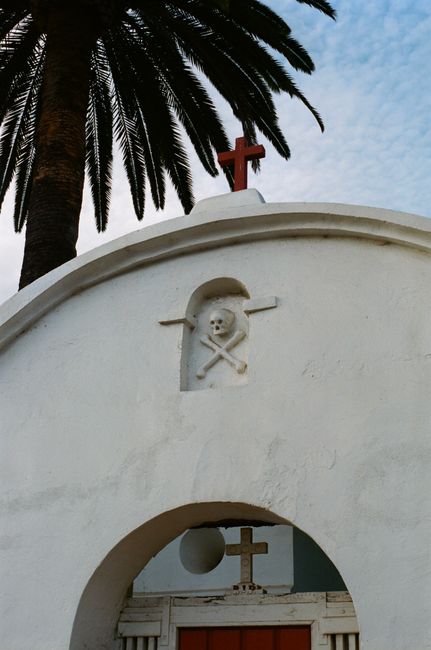
Zion Chapel of Ease Cemetery
Hidden behind a stand of live oaks off William Hilton Parkway, this small fenced cemetery is easy to drive past without noticing. It contains graves connected to an 18th-century Episcopal chapel that once served island planters, along with later burials tied to Hilton Head's freedmen community, making it a rare physical link between the island's plantation era and its post-Civil War Gullah history. There are no ticket booths or gift shops, just weathered headstones, moss-draped trees, and a small historical marker explaining the site's layered past. It pairs naturally with a visit to the nearby Mitchelville area for travelers piecing together the island's lesser-told history. Visit respectfully and quietly, as it remains an active historic burial ground rather than a tourist attraction. Ten minutes is enough to take it in, but the context lingers longer.
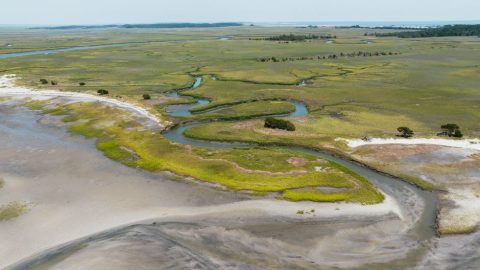
Fish Haul Creek Park (Mitchelville Beach)
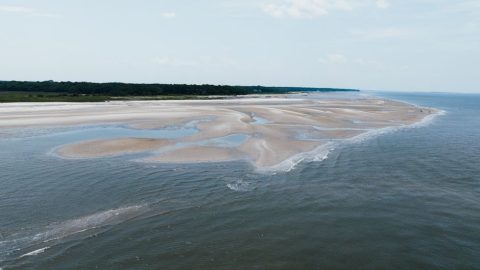
Locals know this small waterfront park as one of the island's most peaceful spots, but almost no visitors make the detour. It sits on the site of an ancient shell midden left by Native Americans centuries before European contact, and the beach here faces Port Royal Sound rather than the open Atlantic, so the water stays calm and shallow. There is a short boardwalk trail through maritime forest, a small dock popular with local crabbers, and views across to Parris Island. Because it borders the historic Mitchelville settlement area, early morning visitors often have the entire shoreline to themselves. Bring a blanket and binoculars rather than a cooler and umbrella; this is a spot for quiet observation, not a beach day. Sunrise here is dramatically underrated compared to the island's ocean-facing beaches.
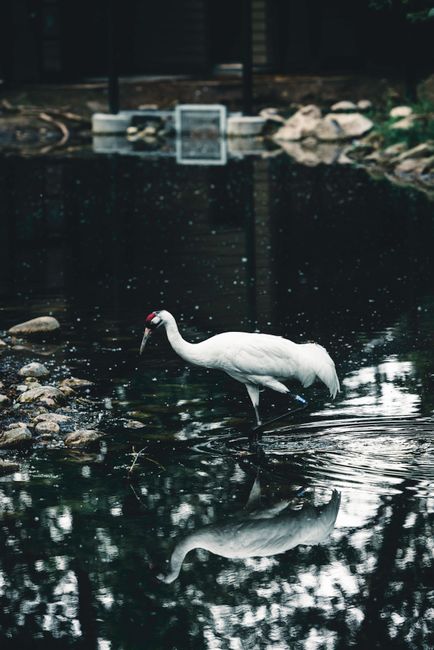
Whooping Crane Pond Nature Trail
Tucked inside the Palmetto Dunes resort area, this short loop trail circles a freshwater lagoon that most guests drive right past on their way to the beach. A wooden boardwalk and packed-dirt path wind through subtropical vegetation, and it is one of the most reliable places on the island to spot American alligators basking along the banks, along with herons, egrets, and the occasional otter. The trail is flat, shaded, and takes well under an hour, making it an easy add-on for families staying nearby who want a genuine wildlife encounter without booking a tour. There is no fee and no crowd management, just a quiet pond and a footpath. Go in the late afternoon when gators are often sunning themselves closest to the trail edge, and keep a respectful distance at all times.
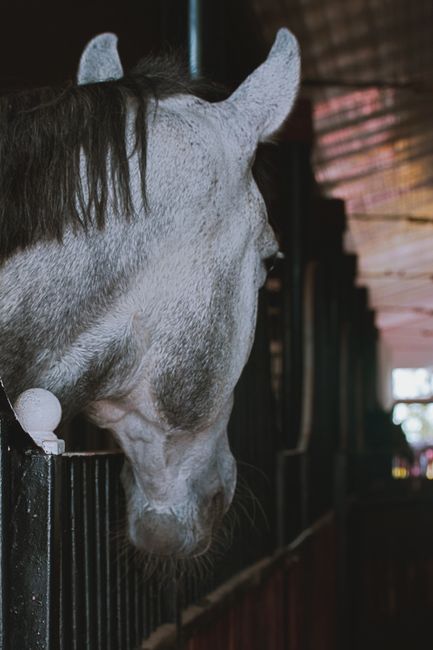
Lawton Stables
Buried deep in the forest of Sea Pines, this working horse stable is easy to miss amid the resort's golf courses and beach access points. Visitors can book a trail ride through maritime woodland, take a pony ride for younger kids, or simply wander the small on-site petting zoo with goats, rabbits, and other farm animals for a modest admission fee. It has operated for decades as a low-key alternative to the island's more commercial attractions, and the horseback trails wind past lagoons and under Spanish-moss canopies without another tourist in sight. No riding experience is necessary for the guided walking trail rides, though advance booking is recommended in peak season. It is a genuinely local outfit, not a franchise operation, and feels like it. Weekday mornings tend to be quietest for a ride.
Hilton Head Distillery
Set in an unassuming industrial park space, this small-batch rum and spirits distillery is the kind of place travelers stumble onto rather than plan around. Guided tastings walk through the production process using locally sourced ingredients, and the tasting room has a relaxed, unpolished feel that is a world away from the island's resort bars. It is one of very few working distilleries in the Lowcountry open for public tours, and bottles here are not widely distributed off the island, making a visit the only practical way to try some releases. Tours run on a set schedule and are worth calling ahead to confirm. It makes a good rainy-day or late-afternoon stop for travelers who have already covered the beaches. Tastings are casual and unhurried, with staff happy to talk through the process in detail.
Tips for Hidden Gems
- Most of these spots have little to no signage, so save the map links before heading out
- Fish Haul Creek Park and the Whooping Crane trail are both free and take under an hour, easy to pair in one outing
- Call ahead for Lawton Stables and Hilton Head Distillery, as hours shift seasonally and both can sell out in high season
- Treat the Zion Chapel of Ease Cemetery as a historic site, not a photo backdrop