Vienna's imperial past is concentrated enough to see the essentials in a day or two if you prioritize well. Schönbrunn Palace and its expansive Schönbrunn Gardens reveal the Habsburgs at their most ambitious, while the Hofburg Imperial Palace shows where that same dynasty actually ruled from for centuries. St. Stephen's Cathedral anchors the Innere Stadt, the compact old town where most sights sit within easy walking distance of each other. Add the Kunsthistorisches Museum for one of Europe's great art collections, and the Belvedere Palace for Klimt and baroque grandeur, and you have a shortlist that captures Vienna's architecture, art, and history without wasted time crossing the city.
Vienna's imperial heritage shines through its magnificent palaces, grand monuments, and architectural masterpieces that tell the story of the Habsburg Empire and Austria's rich history.
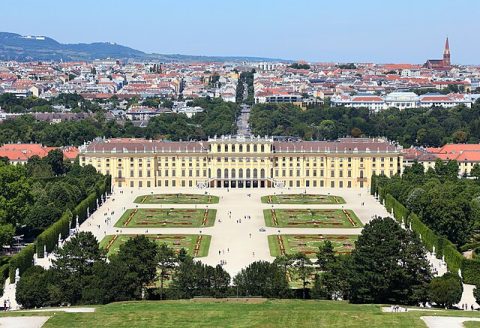
The magnificent summer residence of the Habsburgs features 1,441 rooms, including the opulent Great Gallery and the Mirror Room where Mozart performed as a child. The palace is surrounded by stunning baroque gardens spanning 460 acres, complete with the Gloriette monument, Neptune Fountain, and the world's oldest zoo. Highlights include Maria Theresa's private apartments, the Chinese Cabinets with their intricate lacquer work, and seasonal classical concerts. The gardens offer maze adventures, palm houses with exotic plants, and panoramic views of Vienna from the Gloriette terrace.
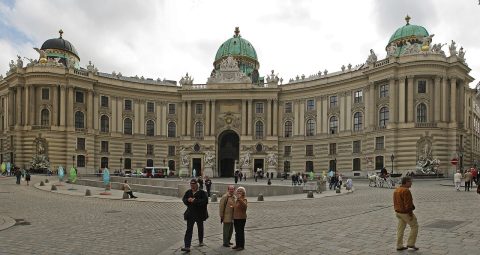
The official residence of Habsburg emperors for over 600 years now houses the Austrian President's offices, several museums, and the Spanish Riding School. Explore the Imperial Apartments where Emperor Franz Joseph and Empress Elisabeth (Sisi) lived, the Sisi Museum dedicated to the enigmatic empress, and the Imperial Silver Collection with elaborate dining services. The palace complex includes 2,600 rooms and encompasses the National Library's State Hall, the Imperial Chapel where the Vienna Boys' Choir performs, and the Treasury housing the imperial crown jewels and sacred relics.
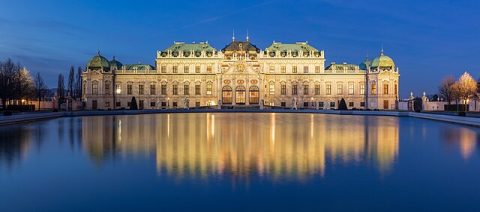
This stunning baroque palace complex consists of two magnificent buildings (Upper and Lower Belvedere) connected by landscaped gardens. The Upper Belvedere houses Austria's largest collection of Gustav Klimt paintings, including the iconic The Kiss and Judith. The palace was built as the summer residence of Prince Eugene of Savoy and features elaborate ceiling frescoes, marble halls, and the historic Marble Hall where the Austrian State Treaty was signed in 1955. The terraced gardens offer spectacular views of Vienna's skyline and feature baroque sculptures, fountains, and seasonal flower displays.
Tips for Landmarks & Monuments
- Book online in advance for Schönbrunn and Hofburg palaces to skip ticket lines, especially during peak season (April-October)
- Purchase combination tickets like the Sisi Ticket for savings on Hofburg, Schönbrunn, and Imperial Furniture Collection
- Visit Schönbrunn Palace early morning or late afternoon to avoid crowds and enjoy better lighting for photos
- Consider guided tours for deeper historical context, especially at Hofburg and Belvedere
- Check opera standing room ticket availability (€10-15) for same-day performances at the State Opera
Vienna ranks among the world's premier museum cities, housing extraordinary art collections from Old Masters to contemporary works, alongside specialized museums dedicated to music, history, and culture.
One of the world's finest art museums houses the Habsburg's vast collections across multiple floors. The picture gallery features masterpieces by Bruegel (including the famous Tower of Babel), Vermeer, Rembrandt, Raphael, Caravaggio, Titian, and Velázquez. The Egyptian and Near Eastern Collection spans 4,000 years, while the Greek and Roman Antiquities include the famous Gemma Augustea cameo. Don't miss the Kunstkammer with its elaborate mechanical devices, ivory carvings, and Benvenuto Cellini's golden salt cellar. The museum's architecture itself is stunning, with the grand staircase and café under the cupola offering a unique dining experience.
Tips for Museums & Galleries
- Many museums offer free admission on specific days or times - check individual websites
- The Vienna Pass or MuseumsQuartier Combined Ticket can provide significant savings for museum enthusiasts
- Visit Kunsthistorisches Museum on Thursday evenings when it's open until 9 PM with fewer crowds
- Photography without flash is usually permitted in permanent collections but prohibited in special exhibitions
- Museum cafés and restaurants often offer excellent dining in historic settings - try the café under the Kunsthistorisches Museum's cupola
Vienna's churches represent centuries of architectural evolution, from Romanesque foundations to Gothic spires and Baroque splendor, serving as spiritual centers and artistic treasures.
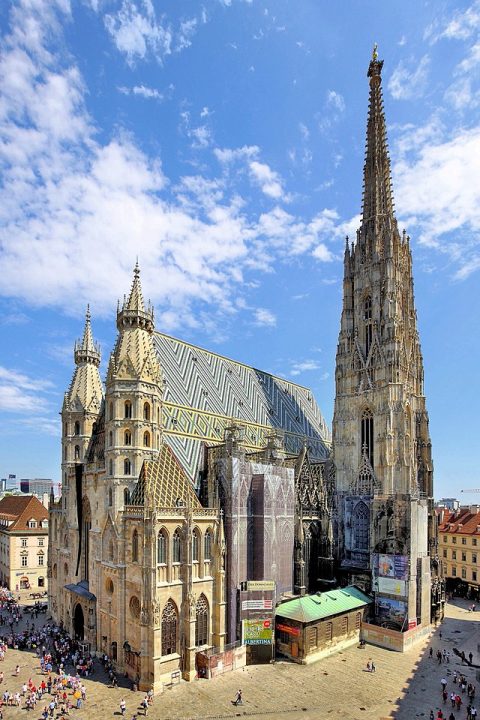
Vienna's most iconic Gothic cathedral dominates the city center with its distinctive multi-colored tile roof and 137-meter South Tower (Steffl). Construction began in the 12th century, with major Gothic additions in the 14th-15th centuries. Interior highlights include the carved stone pulpit by Anton Pilgram, the Wiener Neustadt Altar, the tomb of Emperor Frederick III, and stunning stained glass windows. Climb 343 steps up the South Tower for panoramic views, or take the elevator to the North Tower to see the Pummerin bell. The catacombs house the remains of plague victims and Habsburg organs. Classical concerts are regularly held inside.
Tips for Religious Sites
- Dress modestly when visiting churches - shoulders and knees should be covered
- Many churches host free or low-cost classical concerts in the evenings - check schedules at church entrances
- Stephansdom tower climbs require moderate fitness - over 300 steps with narrow spiral staircases
- Visit churches during quiet hours (mid-morning weekdays) for contemplation and better photography opportunities
- Respect services in progress - wait until they conclude before exploring or taking photos
Each Viennese district (Bezirk) offers distinct character, from the medieval lanes of the Inner City to bohemian quarters, diplomatic districts, and vibrant multicultural areas.
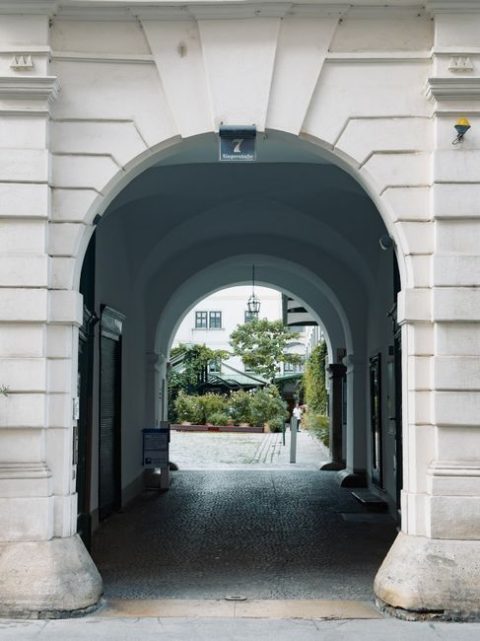
The historic center and UNESCO World Heritage site contains most major attractions within the Ringstrasse. Medieval street patterns merge with baroque palaces and modern shops. Every corner reveals architectural treasures, from Gothic Stephansdom to the Hofburg complex. The district encompasses premier shopping streets, traditional coffee houses, world-class museums, and elegant restaurants. Despite tourist crowds, hidden courtyards (Durchhäuser) and quiet lanes offer respite. The mix of imperial grandeur and intimate scale makes it endlessly explorable. Living museums like the Jewish Museum, Clock Museum, and various small galleries add cultural depth. Evening brings opera-goers, concert attendees, and diners creating an sophisticated atmosphere.
Tips for Neighborhoods
- Explore neighborhoods on foot or by bike to discover hidden courtyards, local shops, and authentic restaurants
- The 7th District (Neubau) offers the best vintage shopping and independent boutiques - explore side streets around Kirchengasse
- Visit Karmelitermarkt on Saturday mornings for a local market experience away from tourist crowds
- Many neighborhoods host local festivals - check event calendars for street fairs, wine tastings, and cultural events
- Use public transport confidently - the U-Bahn and tram system makes all districts easily accessible
Vienna's extensive green spaces range from formal baroque gardens to sprawling natural parks, providing recreation, relaxation, and natural beauty within the urban landscape.
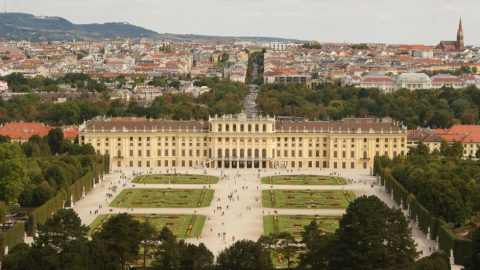
The magnificent baroque gardens at Schönbrunn Palace span 460 acres with geometric flowerbeds, manicured hedges, fountains, and sculptures. Highlights include the Neptune Fountain, Roman ruins, Gloriette monument offering panoramic views, the Maze and Labyrinth, and Palm House with tropical plants. The gardens are free to enter (palace requires tickets) and perfect for strolling, jogging, or relaxing. Seasonal flower displays create changing landscapes throughout the year. The world's oldest zoo (Tiergarten Schönbrunn, 1752) adjoins the gardens. Children enjoy the playgrounds and desert house. The gardens host outdoor classical concerts in summer. Open dawn to dusk, they're magical at sunset with golden light illuminating the palace.
Tips for Parks & Gardens
- Parks are generally free and open from dawn to dusk - perfect for budget-conscious visitors
- Bring a blanket for picnics - supermarkets and bakeries offer excellent provisions for park dining
- Bike rentals (Citybike Wien or private rentals) enhance park exploration, especially the Prater and Donauinsel
- Visit rose gardens in early June for peak blooming at Volksgarten and Belvedere
- Many parks have free WiFi, making them pleasant spots to work or relax with connectivity
Vienna's central location makes it an excellent base for exploring nearby attractions, from imperial hunting lodges and monasteries to the wine country and historic towns of Lower Austria.
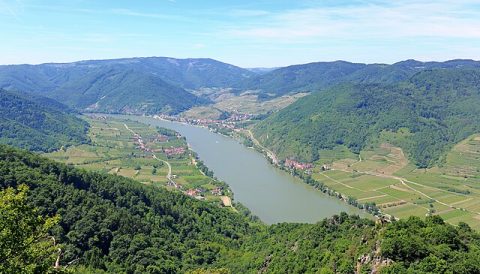
The UNESCO World Heritage Danube valley between Melk and Krems features terraced vineyards, medieval castles, apricot orchards, and charming towns. Highlights include Melk's baroque abbey with its magnificent library, the ruined castle above Dürnstein where Richard the Lionheart was imprisoned, and the wine town of Krems. The region produces excellent white wines, especially Grüner Veltliner and Riesling. Visit wineries for tastings, enjoy apricot products (Marillenknödel dumplings, schnapps), and explore picturesque villages. Cycling the Danube bike path offers active exploration. River cruises provide scenic perspectives. Spring brings apricot blossoms; autumn offers grape harvests and colorful foliage. Day trips easily combine multiple towns, wine tastings, and historical sites for varied experiences.
Tips for Day Trips
- ÖBB (Austrian Railways) offers excellent regional train connections - book online for advance purchase discounts
- Wachau Valley is best explored spring through autumn; winter sees many attractions closed
- Rent bikes in Krems or Melk to cycle portions of the Danube cycle path through Wachau
- Consider guided day trips for convenience, especially to multiple Wachau sites or Vienna Woods locations
- Bratislava requires passport/ID for EU citizens; non-EU visitors should verify visa requirements
Real, highly-rated Restaurants in Vienna, sourced from Google Places (rating above 4★).

Restaurant JOLA is a highly-rated restaurant in Vienna, rated 5★ from 446 reviews. Located at Salzgries 15, 1010 Wien, Austria.
Opening Hours
- Monday: Closed
- Tuesday: Closed
- Wednesday: 6:00 – 11:00 PM
- Thursday: 6:00 – 11:00 PM
- Friday: 6:00 – 11:00 PM
- Saturday: 6:00 – 11:00 PM
- Sunday: Closed

SIXTA is a highly-rated restaurant in Vienna, rated 4.9★ from 2640 reviews. Located at Schönbrunner Str. 21, 1050 Wien, Austria.
Opening Hours
- Monday: Closed
- Tuesday: Closed
- Wednesday: 6:00 PM – 12:00 AM
- Thursday: 6:00 PM – 12:00 AM
- Friday: 6:00 PM – 12:00 AM
- Saturday: 6:00 PM – 12:00 AM
- Sunday: 6:00 PM – 12:00 AM

Glasswing Restaurant by Alexandru Simon is a highly-rated restaurant in Vienna, rated 4.9★ from 184 reviews. Located at Kärntner Ring 8, 1010 Wien, Austria.
Opening Hours
- Monday: Closed
- Tuesday: 6:00 – 11:00 PM
- Wednesday: 6:00 – 11:00 PM
- Thursday: 6:00 – 11:00 PM
- Friday: 6:00 – 11:00 PM
- Saturday: 6:00 – 11:00 PM
- Sunday: Closed

Z‘Som Restaurant is a highly-rated restaurant in Vienna, rated 4.9★ from 528 reviews. Located at Gußhausstraße 12, 1040 Wien, Austria.
Opening Hours
- Monday: Closed
- Tuesday: Closed
- Wednesday: 6:00 – 11:00 PM
- Thursday: 6:00 – 11:00 PM
- Friday: 6:00 – 11:00 PM
- Saturday: 6:00 – 11:00 PM
- Sunday: 6:00 – 11:00 PM

DEVAL is a highly-rated restaurant in Vienna, rated 4.9★ from 324 reviews. Located at Doblhoffgasse 5, 1010 Wien, Austria.
Opening Hours
- Monday: Closed
- Tuesday: 6:00 – 11:00 PM
- Wednesday: 6:00 – 11:00 PM
- Thursday: 6:00 – 11:00 PM
- Friday: 6:00 – 11:00 PM
- Saturday: 6:00 – 11:00 PM
- Sunday: Closed

Restaurant Vienne/OnurChefs is a highly-rated restaurant in Vienna, rated 4.8★ from 10075 reviews. Located at Fleischmarkt 20/22, 1010 Wien, Austria.
Opening Hours
- Monday: 10:30 AM – 11:00 PM
- Tuesday: 10:30 AM – 11:00 PM
- Wednesday: 10:30 AM – 11:00 PM
- Thursday: 10:30 AM – 11:00 PM
- Friday: 10:30 AM – 11:00 PM
- Saturday: 10:30 AM – 11:00 PM
- Sunday: 10:30 AM – 11:00 PM

Terrae. tuscan kitchen is a highly-rated restaurant in Vienna, rated 4.8★ from 405 reviews. Located at Dorotheergasse 19, 1010 Wien, Austria.
Opening Hours
- Monday: 6:00 – 11:00 PM
- Tuesday: 12:00 – 3:00 PM, 6:00 – 11:00 PM
- Wednesday: 12:00 – 3:00 PM, 6:00 – 11:00 PM
- Thursday: 12:00 – 3:00 PM, 6:00 – 11:00 PM
- Friday: 12:00 – 3:00 PM, 6:00 – 11:00 PM
- Saturday: 12:00 – 3:00 PM, 6:00 – 11:00 PM
- Sunday: Closed

Apron is a highly-rated restaurant in Vienna, rated 4.8★ from 434 reviews. Located at Am Heumarkt 35, 1030 Wien, Austria.
Opening Hours
- Monday: Closed
- Tuesday: 6:00 – 10:00 PM
- Wednesday: 6:00 – 10:00 PM
- Thursday: 6:00 – 10:00 PM
- Friday: 6:00 – 10:00 PM
- Saturday: 6:00 – 10:00 PM
- Sunday: Closed

ef16 Restaurant Weinbar is a highly-rated restaurant in Vienna, rated 4.7★ from 2002 reviews. Located at Fleischmarkt 16, 1010 Wien, Austria.
Opening Hours
- Monday: 5:30 – 11:30 PM
- Tuesday: 5:30 – 11:30 PM
- Wednesday: 5:30 – 11:30 PM
- Thursday: 5:30 – 11:30 PM
- Friday: 5:30 – 11:30 PM
- Saturday: 5:30 – 11:30 PM
- Sunday: Closed

The Bank Brasserie & Bar is a highly-rated restaurant in Vienna, rated 4.6★ from 2018 reviews. Located at Bognergasse 4, 1010 Wien, Austria.
Opening Hours
- Monday: 7:00 – 10:30 AM, 12:00 – 2:30 PM, 6:00 – 10:30 PM
- Tuesday: 7:00 – 10:30 AM, 12:00 – 2:30 PM, 6:00 – 10:30 PM
- Wednesday: 7:00 – 10:30 AM, 12:00 – 2:30 PM, 6:00 – 10:30 PM
- Thursday: 7:00 – 10:30 AM, 12:00 – 2:30 PM, 6:00 – 10:30 PM
- Friday: 7:00 – 10:30 AM, 12:00 – 2:30 PM, 6:00 – 10:30 PM
- Saturday: 7:00 – 11:00 AM, 12:30 – 2:30 PM, 6:00 – 10:30 PM
- Sunday: 7:00 – 11:00 AM, 6:00 – 10:30 PM

Huth Gastwirtschaft is a highly-rated restaurant in Vienna, rated 4.6★ from 3163 reviews. Located at Schellinggasse 5, 1010 Wien, Austria.
Opening Hours
- Monday: 12:00 – 11:00 PM
- Tuesday: 12:00 – 11:00 PM
- Wednesday: 12:00 – 11:00 PM
- Thursday: 12:00 – 11:00 PM
- Friday: 12:00 – 11:00 PM
- Saturday: 12:00 – 11:00 PM
- Sunday: 12:00 – 11:00 PM