Things to do in Vienna
Vienna's imperial heritage shines through its magnificent palaces, grand monuments, and architectural masterpieces that tell the story of the Habsburg Empire and Austria's rich history.
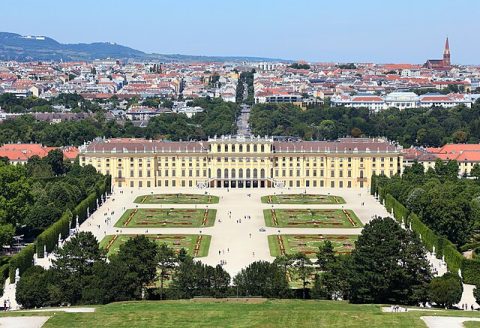
The magnificent summer residence of the Habsburgs features 1,441 rooms, including the opulent Great Gallery and the Mirror Room where Mozart performed as a child. The palace is surrounded by stunning baroque gardens spanning 460 acres, complete with the Gloriette monument, Neptune Fountain, and the world's oldest zoo. Highlights include Maria Theresa's private apartments, the Chinese Cabinets with their intricate lacquer work, and seasonal classical concerts. The gardens offer maze adventures, palm houses with exotic plants, and panoramic views of Vienna from the Gloriette terrace.
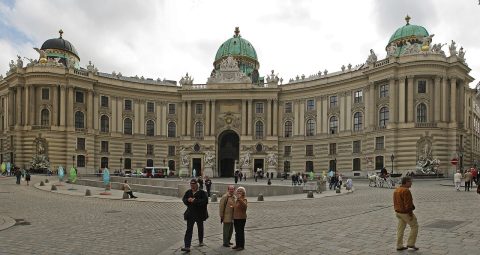
The official residence of Habsburg emperors for over 600 years now houses the Austrian President's offices, several museums, and the Spanish Riding School. Explore the Imperial Apartments where Emperor Franz Joseph and Empress Elisabeth (Sisi) lived, the Sisi Museum dedicated to the enigmatic empress, and the Imperial Silver Collection with elaborate dining services. The palace complex includes 2,600 rooms and encompasses the National Library's State Hall, the Imperial Chapel where the Vienna Boys' Choir performs, and the Treasury housing the imperial crown jewels and sacred relics.
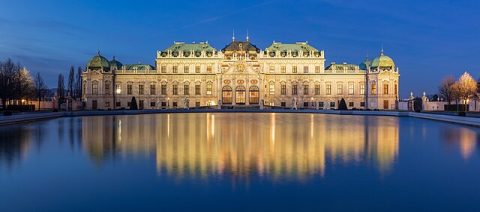
This stunning baroque palace complex consists of two magnificent buildings (Upper and Lower Belvedere) connected by landscaped gardens. The Upper Belvedere houses Austria's largest collection of Gustav Klimt paintings, including the iconic The Kiss and Judith. The palace was built as the summer residence of Prince Eugene of Savoy and features elaborate ceiling frescoes, marble halls, and the historic Marble Hall where the Austrian State Treaty was signed in 1955. The terraced gardens offer spectacular views of Vienna's skyline and feature baroque sculptures, fountains, and seasonal flower displays.
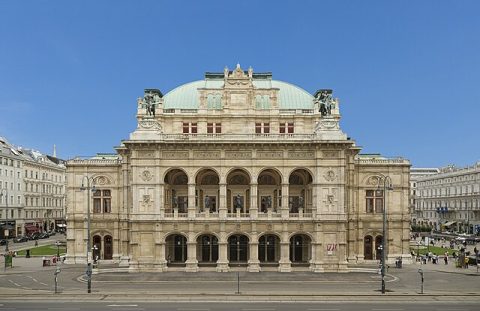
One of the world's most prestigious opera houses, the Vienna State Opera hosts over 300 performances annually featuring ballet, opera, and classical music. The neo-Renaissance building was inaugurated in 1869 with Mozart's Don Giovanni. Guided tours reveal the magnificent auditorium with its gilded boxes, the Tea Salon with its tapestries, the grand staircase, and the Schwind Foyer with frescoes depicting scenes from Mozart's The Magic Flute. The famous Vienna Philharmonic Orchestra regularly performs here, and standing room tickets make performances accessible to all.
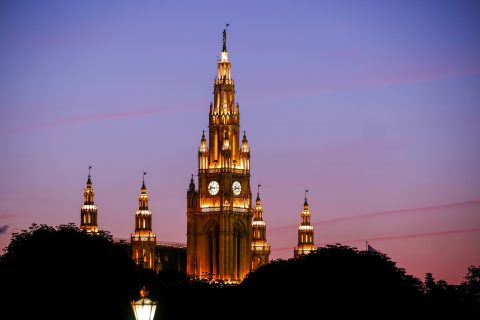
The magnificent neo-Gothic city hall dominates Rathausplatz with its 98-meter central tower topped by the Rathausmann statue. Built between 1872-1883, the building features seven courtyards and serves as the seat of Vienna's mayor and city council. The Rathaus hosts numerous events throughout the year, including the famous Christmas Market, Film Festival screenings on a giant outdoor screen, and the Life Ball. Free guided tours showcase the magnificent Festival Hall, arcaded courtyards, and historic council chambers. The surrounding Rathauspark provides green space and summer concerts.
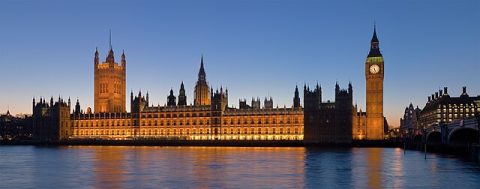
The striking Greek Revival parliament building features massive Corinthian columns and the famous Pallas Athena Fountain in front. Completed in 1883, the building houses both chambers of the Austrian Parliament. The fountain depicts the Greek goddess of wisdom surrounded by allegorical figures representing the major rivers of the Austro-Hungarian Empire. Guided tours (available when parliament is not in session) showcase the magnificent columned hall, the historic assembly chambers, and provide insights into Austrian democracy and parliamentary procedures. The building recently underwent extensive renovation to restore its original splendor.
Tips for Landmarks & Monuments
- Book online in advance for Schönbrunn and Hofburg palaces to skip ticket lines, especially during peak season (April-October)
- Purchase combination tickets like the Sisi Ticket for savings on Hofburg, Schönbrunn, and Imperial Furniture Collection
- Visit Schönbrunn Palace early morning or late afternoon to avoid crowds and enjoy better lighting for photos
- Consider guided tours for deeper historical context, especially at Hofburg and Belvedere
- Check opera standing room ticket availability (€10-15) for same-day performances at the State Opera
Vienna ranks among the world's premier museum cities, housing extraordinary art collections from Old Masters to contemporary works, alongside specialized museums dedicated to music, history, and culture.
One of the world's finest art museums houses the Habsburg's vast collections across multiple floors. The picture gallery features masterpieces by Bruegel (including the famous Tower of Babel), Vermeer, Rembrandt, Raphael, Caravaggio, Titian, and Velázquez. The Egyptian and Near Eastern Collection spans 4,000 years, while the Greek and Roman Antiquities include the famous Gemma Augustea cameo. Don't miss the Kunstkammer with its elaborate mechanical devices, ivory carvings, and Benvenuto Cellini's golden salt cellar. The museum's architecture itself is stunning, with the grand staircase and café under the cupola offering a unique dining experience.
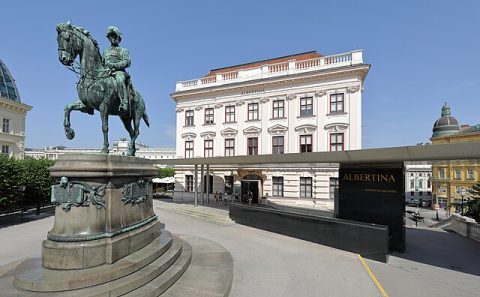
Housing one of the world's most important graphic art collections with over one million prints and 60,000 drawings, including works by Dürer, Michelangelo, Rubens, and Klimt. The Albertina also features the Batliner Collection with impressionist and early 20th-century works by Monet, Renoir, Picasso, and Chagall. The Habsburg State Rooms showcase the grandeur of imperial apartments with magnificent halls and chambers. The museum hosts rotating exhibitions of modern and contemporary art, photography, and architecture. The rooftop terrace offers views of the Opera and Hofburg Palace.
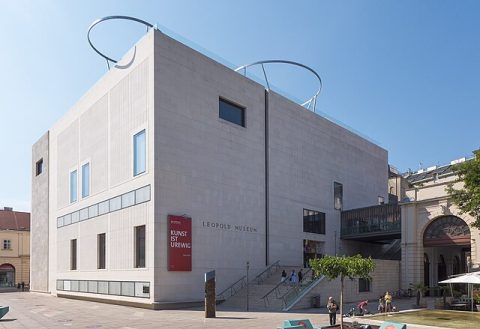
Located in the MuseumsQuartier, this museum houses the world's largest collection of Egon Schiele works and a comprehensive overview of Austrian art from 1900 to 1960. The collection includes major works by Gustav Klimt, Oskar Kokoschka, and Richard Gerstl, documenting Vienna's Secession movement and Expressionism. The white cube architecture by Ortner & Ortner contrasts beautifully with the baroque surroundings. Special exhibitions explore various aspects of modern Austrian art and international modernism. The museum café offers views over the MuseumsQuartier courtyard.
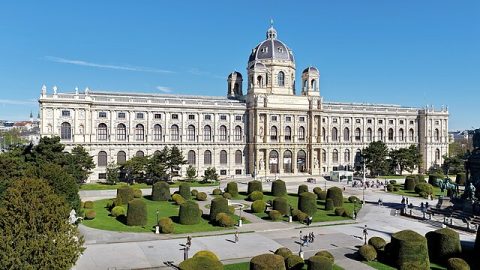
The Natural History Museum, architecturally identical to its twin Kunsthistorisches Museum across Maria-Theresien-Platz, houses over 30 million objects. Highlights include the 29,500-year-old Venus of Willendorf figurine, the world's largest meteorite collection, extinct species displays including dinosaur skeletons, and spectacular mineral specimens. The vivarium showcases living insects and aquatic species. The museum's roof offers panoramic city views (guided tours available). The planetarium presents shows about astronomy and space exploration. The ornate interior architecture with its grand staircases and painted ceilings rivals the exhibits themselves.
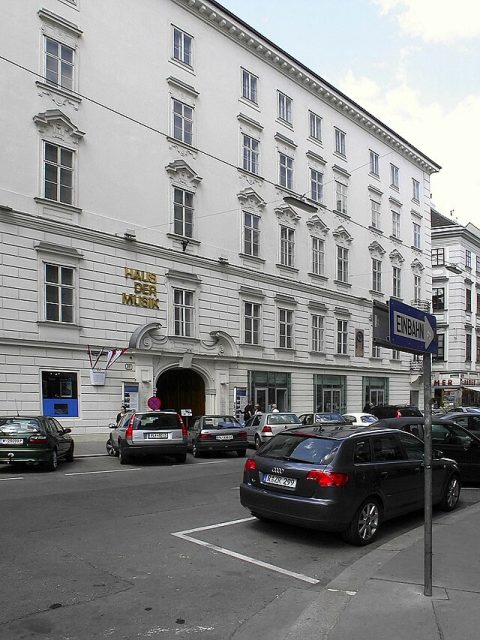
An interactive sound museum exploring the physics of sound, music history, and Vienna's musical legacy across four floors. Experiment with musical phenomena, conduct the Vienna Philharmonic Orchestra virtually, create electronic music compositions, and explore exhibits dedicated to famous composers like Mozart, Beethoven, and Strauss. The museum occupies the historic palace where Otto Nicolai founded the Vienna Philharmonic in 1842. The Namadeus installation allows visitors to compose music using their names. The museum combines education with entertainment, making it perfect for all ages and music enthusiasts.
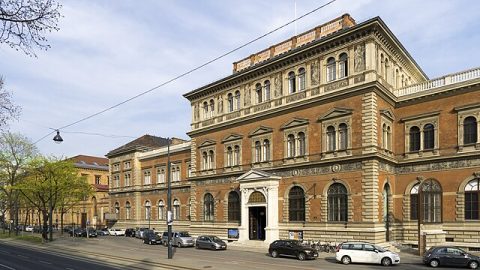
The MAK showcases Austrian and international design, contemporary art, and applied arts from the Middle Ages to the present. Permanent collections include Vienna Secession furniture, Thonet bentwood chairs, Wiener Werkstätte objects, Asian art, textiles, and glass. The museum pioneered innovative display concepts, with artists like Donald Judd and Barbara Bloom designing exhibition spaces. The building itself, completed in 1871, features a magnificent columned hall. The MAK Design Shop offers unique design objects, and the elegant café occupies a beautiful arcaded courtyard. Regular special exhibitions focus on architecture, design, and contemporary art.
Tips for Museums & Galleries
- Many museums offer free admission on specific days or times - check individual websites
- The Vienna Pass or MuseumsQuartier Combined Ticket can provide significant savings for museum enthusiasts
- Visit Kunsthistorisches Museum on Thursday evenings when it's open until 9 PM with fewer crowds
- Photography without flash is usually permitted in permanent collections but prohibited in special exhibitions
- Museum cafés and restaurants often offer excellent dining in historic settings - try the café under the Kunsthistorisches Museum's cupola
Vienna's churches represent centuries of architectural evolution, from Romanesque foundations to Gothic spires and Baroque splendor, serving as spiritual centers and artistic treasures.
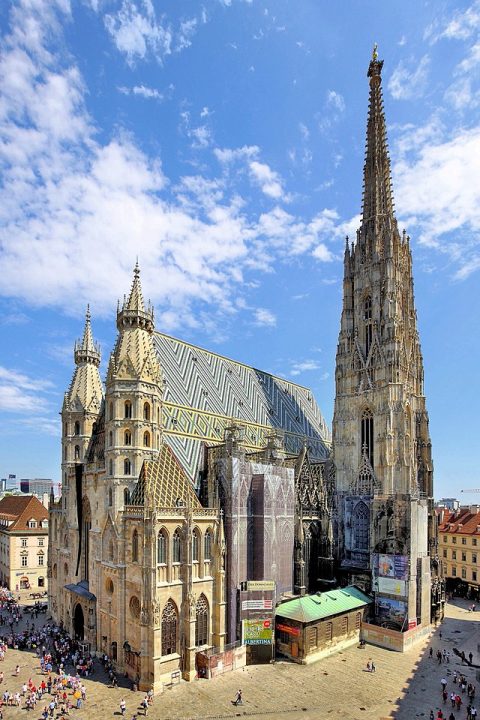
Vienna's most iconic Gothic cathedral dominates the city center with its distinctive multi-colored tile roof and 137-meter South Tower (Steffl). Construction began in the 12th century, with major Gothic additions in the 14th-15th centuries. Interior highlights include the carved stone pulpit by Anton Pilgram, the Wiener Neustadt Altar, the tomb of Emperor Frederick III, and stunning stained glass windows. Climb 343 steps up the South Tower for panoramic views, or take the elevator to the North Tower to see the Pummerin bell. The catacombs house the remains of plague victims and Habsburg organs. Classical concerts are regularly held inside.
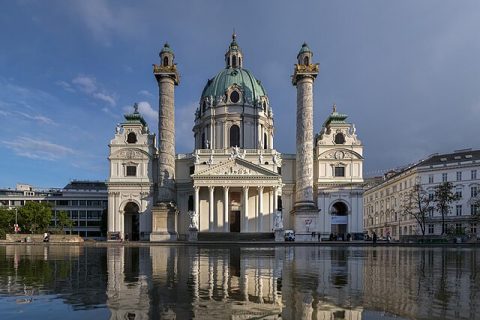
A magnificent Baroque masterpiece commissioned by Emperor Charles VI after the plague of 1713, dedicated to St. Charles Borromeo. The church features a striking 72-meter-high dome flanked by two columns inspired by Trajan's Column in Rome, illustrating scenes from St. Charles's life. The interior is adorned with stunning frescoes by Johann Michael Rottmayr. A panoramic elevator takes visitors up to the dome for close-up views of the frescoes and stunning perspectives of the church's architecture. The church sits beside a reflecting pool in Resselpark, creating picture-perfect reflections. Regular classical concerts take advantage of the exceptional acoustics.
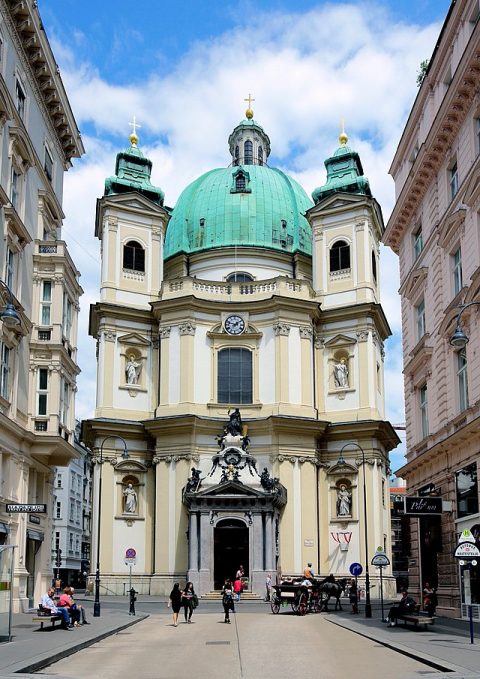
An exquisite Baroque church tucked into the narrow streets near Graben, featuring an oval dome covered with frescoes depicting the Assumption of Mary. Built on the site of Vienna's oldest church, the current structure dates from 1733. The lavishly decorated interior includes gilded stucco work, marble columns, and a magnificent high altar. The church hosts free classical concerts nearly every evening, offering an intimate musical experience in a stunning setting. The compact size creates an unexpectedly grand impression, making it one of Vienna's hidden gems. Entry is free, making it accessible to all visitors.
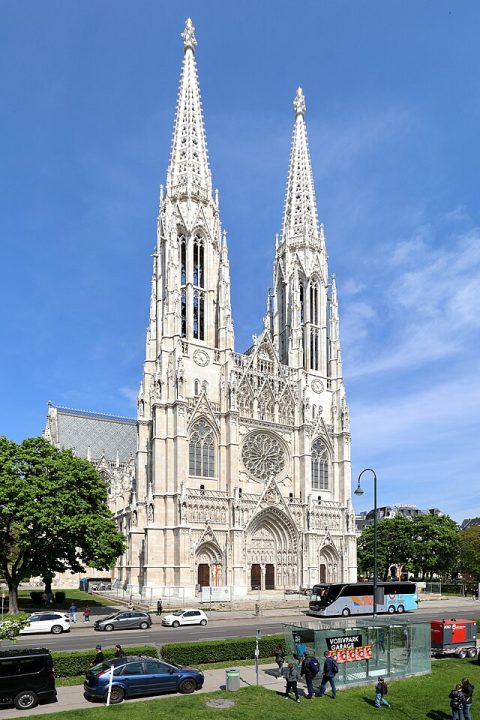
A stunning Neo-Gothic church built between 1856-1879 as a votive offering after Emperor Franz Joseph survived an assassination attempt. The twin spires reach 99 meters and dominate the Ringstrasse. The interior features soaring vaulted ceilings, the Renaissance-style Antwerp Altar, and beautiful stained glass windows. The church houses the tomb of Count Niklas Salm, defender of Vienna during the 1529 Ottoman siege. A small museum documents the church's construction and significance. The church is particularly atmospheric during evening services with organ music. The parklike setting with Sigmund Freud Park nearby provides pleasant surrounding spaces.
Tips for Religious Sites
- Dress modestly when visiting churches - shoulders and knees should be covered
- Many churches host free or low-cost classical concerts in the evenings - check schedules at church entrances
- Stephansdom tower climbs require moderate fitness - over 300 steps with narrow spiral staircases
- Visit churches during quiet hours (mid-morning weekdays) for contemplation and better photography opportunities
- Respect services in progress - wait until they conclude before exploring or taking photos
Vienna's elegant squares and historic streets form the social heart of the city, lined with cafés, shops, and architectural landmarks that invite leisurely strolls and people-watching.
Vienna's most elegant pedestrian shopping street occupies the site of a Roman moat (graben means ditch). Lined with luxury boutiques, jewelry stores, and traditional shops, the street features impressive architecture including Art Nouveau façades and historic buildings. The centerpiece is the elaborate Baroque Plague Column (Pestsäule) erected in 1693 to commemorate the end of the plague. Street musicians and outdoor cafés create a lively atmosphere. Notable buildings include the Anker House with its Art Nouveau clock and the traditional Manner store. The street connects to Kohlmarkt, leading to Hofburg Palace, creating a premier shopping route.
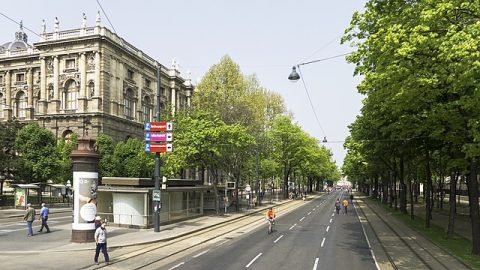
The magnificent circular boulevard replaced the city walls in the 1860s and showcases monumental architecture from Vienna's imperial heyday. The 5.3-kilometer ring road passes grand buildings including the Opera House, Parliament, City Hall, Burgtheater, University, and various museums. Tram lines 1 and 2 provide scenic circular tours with recorded commentary. The broad sidewalks lined with trees make for excellent walks or bike rides. Each section has distinct character - from the cultural institutions near the MuseumsQuartier to the parks and monuments along the eastern stretch. The Ringstrasse represents 19th-century urban planning at its finest.
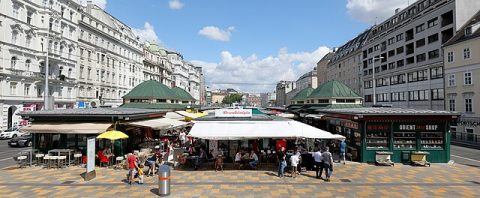
Vienna's most popular market stretches for 1.5 kilometers, offering fresh produce, spices, seafood, cheeses, and international delicacies. Dating to the 16th century, the market features over 120 market stands and restaurants serving cuisines from around the world - Middle Eastern, Indian, Italian, Asian, and traditional Viennese. Saturday flea markets attract bargain hunters searching for antiques, vintage clothing, and curiosities. The market is flanked by stunning Jugendstil (Art Nouveau) buildings designed by Otto Wagner. It's a feast for all senses and the perfect place to sample Viennese culinary diversity, grab fresh ingredients, or enjoy breakfast or lunch at one of many eateries.
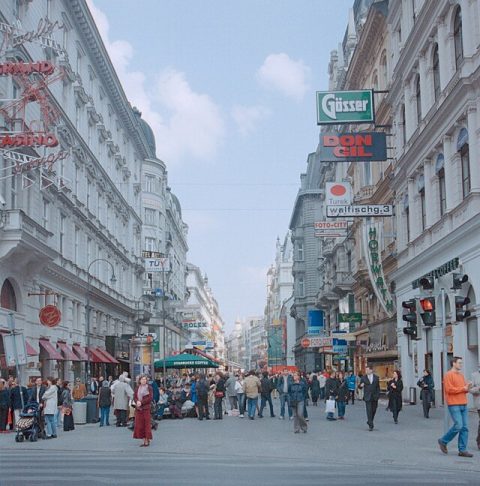
The main pedestrian shopping boulevard connecting Stephansplatz to the Opera House, always bustling with shoppers, street performers, and tourists. This historic street features international fashion brands, traditional Viennese shops, restaurants, and cafés. Architecture ranges from historic buildings to modern glass facades. Notable stops include the Malteser Church, various dessert shops offering Viennese pastries, and quick-service food options. The street provides convenient access to major attractions while offering people-watching opportunities. Evening brings a different atmosphere with illuminated storefronts and busy restaurant terraces. It's the perfect route for combining shopping with sightseeing.
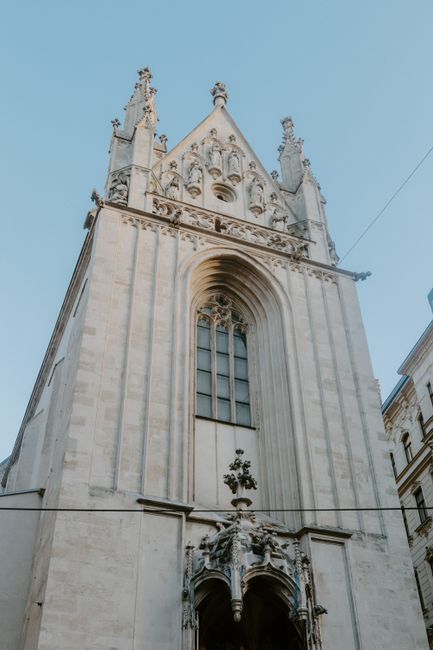
One of Vienna's oldest and largest squares, historically the site of markets, tournaments, and public executions. The baroque façade of the Church Am Hof dominates one side. The Bürgerliches Zeughaus (Civic Armory) now houses the fire brigade museum. The square hosts various markets throughout the year, including antiques markets and the atmospheric Christmas market. Surrounded by elegant town houses and palaces, many now containing galleries, restaurants, and shops. The central Mariensäule (Column of Our Lady) commemorates the end of Swedish invasion. Outdoor seating at surrounding cafés makes it perfect for relaxation while observing Viennese life.
Tips for Squares & Streets
- Take Vienna Ring Tram (lines 1 or 2) for a narrated circular tour of Ringstrasse's monuments
- Visit Naschmarkt Saturday mornings for the flea market, but arrive early (before 10 AM) for best selection
- Graben and Kärntner Strasse are most atmospheric in early evening when locals are out shopping and dining
- Many shops close Sundays except in the main tourist zone and train stations
- Look up while walking - Vienna's façades hide numerous architectural details and Art Nouveau decorations
Each Viennese district (Bezirk) offers distinct character, from the medieval lanes of the Inner City to bohemian quarters, diplomatic districts, and vibrant multicultural areas.
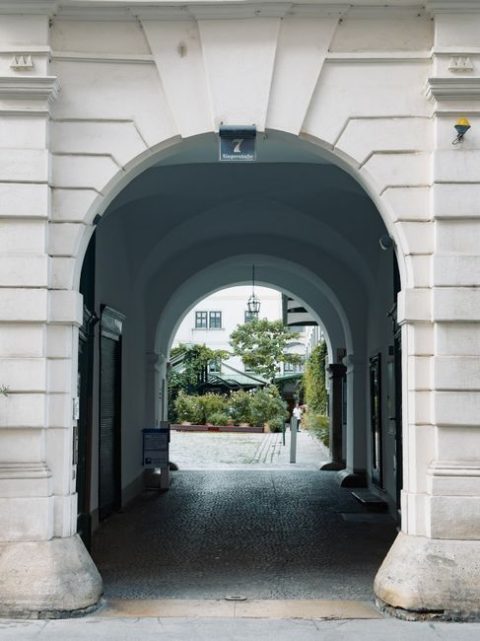
The historic center and UNESCO World Heritage site contains most major attractions within the Ringstrasse. Medieval street patterns merge with baroque palaces and modern shops. Every corner reveals architectural treasures, from Gothic Stephansdom to the Hofburg complex. The district encompasses premier shopping streets, traditional coffee houses, world-class museums, and elegant restaurants. Despite tourist crowds, hidden courtyards (Durchhäuser) and quiet lanes offer respite. The mix of imperial grandeur and intimate scale makes it endlessly explorable. Living museums like the Jewish Museum, Clock Museum, and various small galleries add cultural depth. Evening brings opera-goers, concert attendees, and diners creating an sophisticated atmosphere.
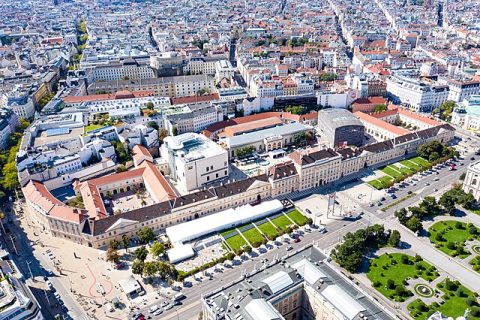
One of the world's largest cultural complexes housed in former imperial stables, combining baroque architecture with contemporary buildings. Beyond the Leopold Museum and MUMOK (modern art museum), the quarter includes theaters, performance spaces, design shops, and cafés. The central courtyard with colorful outdoor seating (Enzis) serves as Vienna's living room, hosting events, DJ sessions, and festivals. The area bridges historic 1st District and trendy 7th District (Neubau), known for independent boutiques, vintage shops, and restaurants. Architecture enthusiasts appreciate the contrast between Maria-Theresien yellow baroque and modern white limestone cubes. Free WiFi and relaxed atmosphere attract students, artists, and visitors.
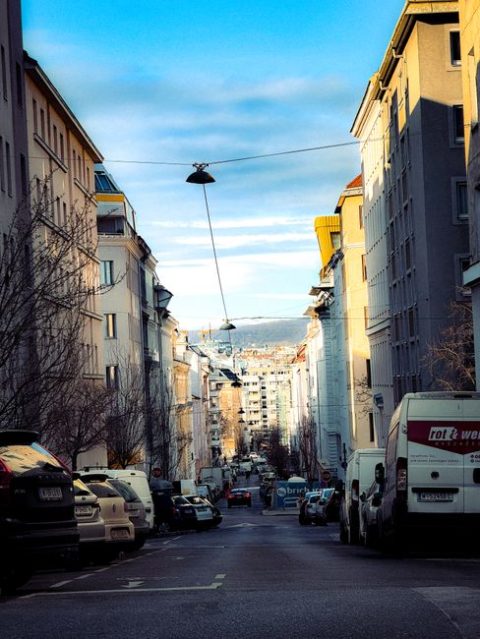
A charming Biedermeier quarter with cobblestone lanes, pastel-colored houses, and hidden courtyards. Once a working-class neighborhood, now gentrified with artisan shops, galleries, cozy wine taverns (Heurigen), and restaurants. The pedestrianized streets create an intimate village atmosphere within the city. The area is particularly magical during the Christmas market, considered Vienna's most atmospheric. Summer brings outdoor dining on every corner. Art studios, craft shops, and small boutiques make it perfect for finding unique souvenirs. The architecture represents 18th-19th century Vienna, preserved when surrounding areas were modernized. Weekly markets and cultural events maintain community character despite tourism.
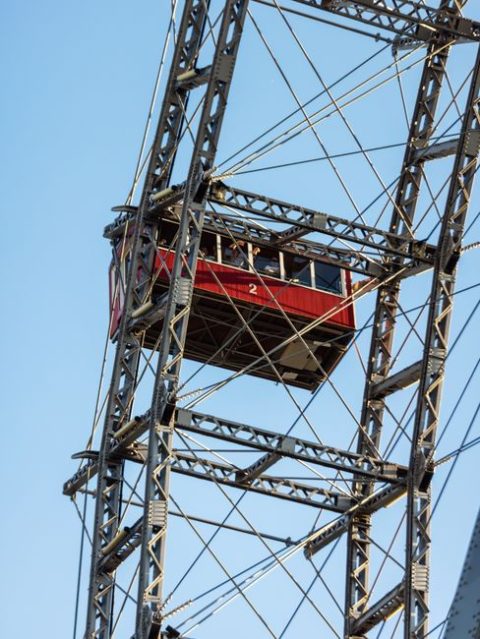
The diverse 2nd district encompasses the famous Prater park, the historic Jewish quarter (Mazzesinsel), and the Danube waterfront. The Wurstelprater amusement park with its iconic Giant Ferris Wheel contrasts with the vast green Prater meadows perfect for cycling and jogging. Leopoldstadt's Karmelitermarkt offers authentic local atmosphere with traditional food stands. The area has seen significant revitalization, with new restaurants, bars, and cultural spaces. The Augarten with its baroque palace and Vienna Boys' Choir school provides cultural attractions. Proximity to Danube Island and Copa Cagrana beach bars makes it popular in summer. The district balances tourist attractions with residential authenticity.
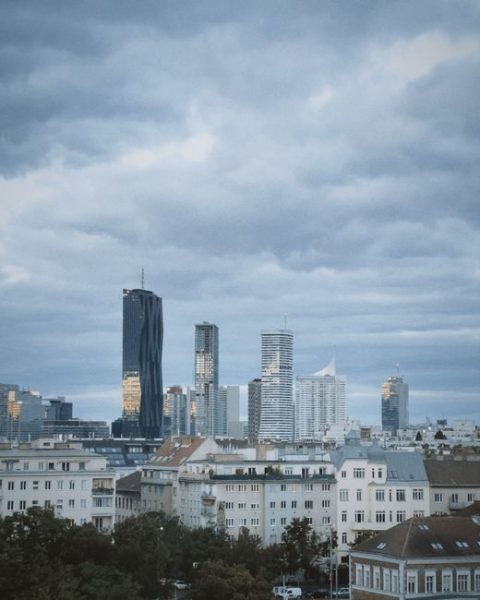
A hip, multicultural neighborhood near Naschmarkt known for vintage shops, international restaurants, and alternative culture. The area escaped wartime destruction, preserving 19th-century architecture and authentic character. Rechte and Linke Wienzeile streets offer Art Nouveau buildings by Otto Wagner. The district attracts artists, students, and young professionals, creating a creative atmosphere. Independent boutiques, record stores, and concept shops line side streets. Diverse dining options range from Turkish kebab stands to trendy brunch spots. Theater an der Wien, one of Vienna's premier opera and musical venues, anchors the cultural scene. The neighborhood feels genuinely Viennese rather than tourist-oriented.
Tips for Neighborhoods & Districts
- Explore neighborhoods on foot or by bike to discover hidden courtyards, local shops, and authentic restaurants
- The 7th District (Neubau) offers the best vintage shopping and independent boutiques - explore side streets around Kirchengasse
- Visit Karmelitermarkt on Saturday mornings for a local market experience away from tourist crowds
- Many neighborhoods host local festivals - check event calendars for street fairs, wine tastings, and cultural events
- Use public transport confidently - the U-Bahn and tram system makes all districts easily accessible
Vienna's extensive green spaces range from formal baroque gardens to sprawling natural parks, providing recreation, relaxation, and natural beauty within the urban landscape.
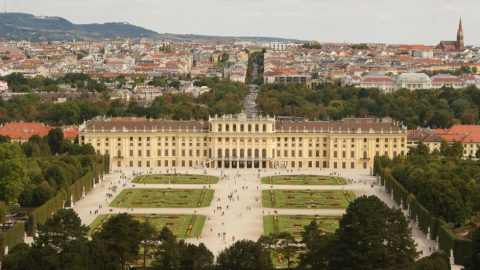
The magnificent baroque gardens at Schönbrunn Palace span 460 acres with geometric flowerbeds, manicured hedges, fountains, and sculptures. Highlights include the Neptune Fountain, Roman ruins, Gloriette monument offering panoramic views, the Maze and Labyrinth, and Palm House with tropical plants. The gardens are free to enter (palace requires tickets) and perfect for strolling, jogging, or relaxing. Seasonal flower displays create changing landscapes throughout the year. The world's oldest zoo (Tiergarten Schönbrunn, 1752) adjoins the gardens. Children enjoy the playgrounds and desert house. The gardens host outdoor classical concerts in summer. Open dawn to dusk, they're magical at sunset with golden light illuminating the palace.
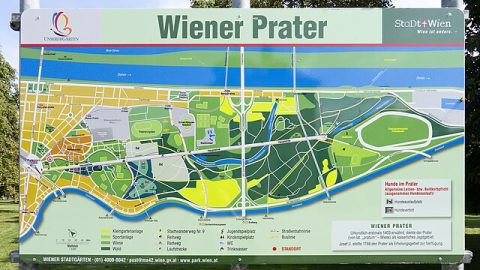
A vast 6-square-kilometer public park offering diverse recreation - from the famous Wurstelprater amusement park with its Giant Ferris Wheel to endless green meadows perfect for jogging, cycling, and picnicking. The Hauptallee, a 4.5-kilometer tree-lined avenue, attracts runners, cyclists, and inline skaters. The Prater meadows (Praterwiesen) host open-air concerts and festivals. Numerous restaurants and beer gardens provide refreshment. The park has historical significance as former imperial hunting grounds opened to the public in 1766. Sports facilities include swimming pools, stadium, golf course, and horse racing track. It's where Viennese escape urban density, especially on weekends. Free entry makes it accessible to all.
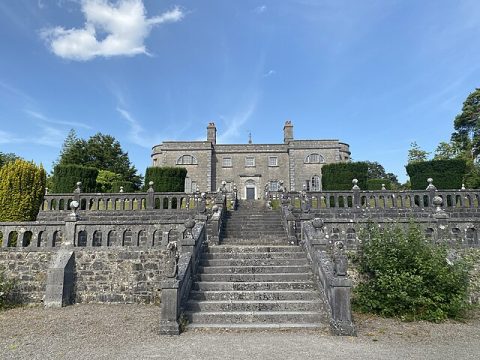
The stunning French-style baroque gardens connecting the Upper and Lower Belvedere palaces cascade down three terraced levels with fountains, sculptures, and perfectly manicured hedges. The symmetrical design offers classic photo opportunities with the palace reflected in fountain pools. Allegorical sculptures representing the Four Elements and mythological figures line the pathways. The gardens provide spectacular views across Vienna's rooftops toward Stephansdom. Spring tulip displays and summer roses create colorful scenes. The formal gardens contrast with the wilder Alpine Garden showcasing mountain plants. Free to enter, the gardens offer a tranquil escape and are less crowded than Schönbrunn. Sunset visits provide magical lighting.
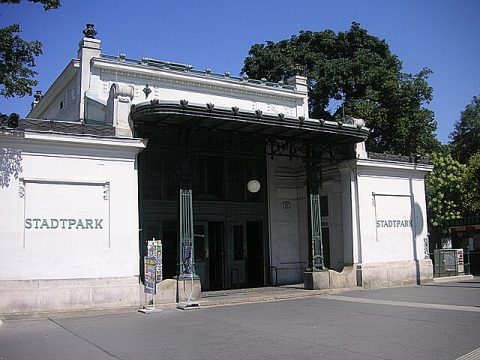
Vienna's most popular inner-city park, opened in 1862, famous for the gilded Johann Strauss monument - Vienna's most photographed sculpture. The English landscape-style park features winding paths along the Wien River, flowerbeds, ponds, and monuments to famous composers including Schubert, Bruckner, and Lehár. The Kursalon building hosts daily Strauss and Mozart concerts. Children enjoy playgrounds and duck feeding. The park serves as a green oasis between the city center and Belvedere, perfect for picnics or afternoon strolls. Spring brings cherry blossoms, while autumn colors create stunning photography opportunities. Local offices workers lunch on the lawns, giving authentic Viennese atmosphere.
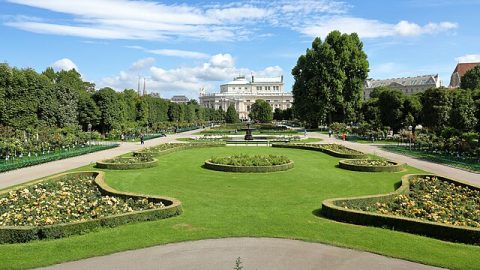
A romantic rose garden beside the Hofburg Palace featuring over 3,000 rose bushes representing 200 varieties. Created in 1823 on the site of fortifications destroyed by Napoleon, it's Vienna's first public park. The neoclassical Theseus Temple (replica of Athens' Theseion) houses a marble sculpture. Empress Elisabeth monument and other memorials dot the landscape. The park is especially stunning in June when roses bloom. Surrounding gravel paths invite leisurely strolls under mature trees. The Volksgarten Pavilion café offers elegant dining. The park provides a peaceful retreat steps from the Ringstrasse's grandeur. Evening brings a romantic atmosphere with illuminated fountains and monuments.
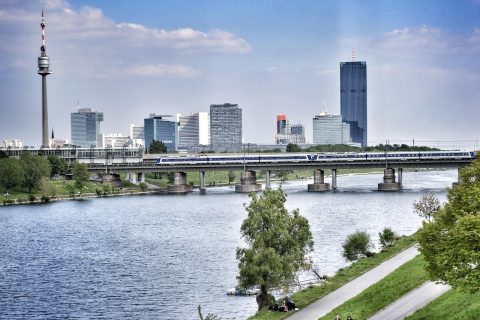
A 21-kilometer-long artificial island between the Danube River and New Danube canal, serving as Vienna's recreational playground. Free beaches, swimming areas, cycling paths, inline skating routes, and sports facilities attract locals year-round. Summer brings beach bars (Copa Cagrana), restaurants, and water sports. The annual Donauinselfest music festival (June) attracts millions with free concerts. Multiple U-Bahn stops provide access along the entire length. The island offers escape from urban density with natural landscapes, birdwatching opportunities, and endless space. It's perfect for jogging, cycling (bring your own or rent), picnicking, or simply relaxing by the water. Locals consider it Vienna's summer living room.
Tips for Parks & Gardens
- Parks are generally free and open from dawn to dusk - perfect for budget-conscious visitors
- Bring a blanket for picnics - supermarkets and bakeries offer excellent provisions for park dining
- Bike rentals (Citybike Wien or private rentals) enhance park exploration, especially the Prater and Donauinsel
- Visit rose gardens in early June for peak blooming at Volksgarten and Belvedere
- Many parks have free WiFi, making them pleasant spots to work or relax with connectivity
Vienna offers diverse experiences beyond museum visits, from classical concerts in historic venues to culinary adventures, river cruises, and unique cultural activities that bring the city to life.
Witness the magnificent Lipizzaner stallions perform classical dressage in the stunning baroque Winter Riding School at the Hofburg. This 450-year-old equestrian tradition represents the highest level of classical horsemanship. The horses and riders execute precise movements to classical music in an ornate hall with crystal chandeliers. Morning training sessions offer behind-the-scenes glimpses of daily practice, while formal performances showcase the full repertoire. The horses are bred at the Piber Stud Farm in Styria specifically for the school. Advance booking is essential for performances; training sessions can be booked shorter notice. The combination of athletic excellence, tradition, and baroque splendor creates an unforgettable experience.
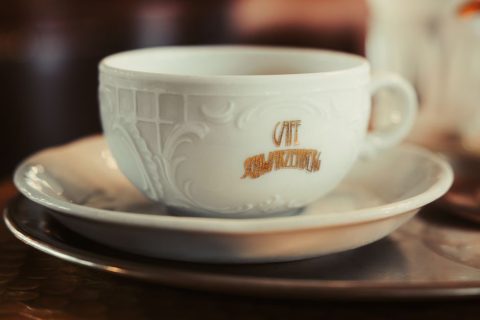
Explore Vienna's legendary café culture through guided tours or independent café-hopping. Traditional coffee houses like Café Central, Café Sperl, and Café Hawelka preserve 19th-century atmosphere with marble tables, Thonet chairs, newspapers, and unhurried service. Learn to order coffee Viennese-style (Melange, Einspänner, Kleiner Brauner) and enjoy classic pastries like Sachertorte, Apfelstrudel, and Kaiserschmarrn. Many cafés have literary or artistic associations - Stefan Zweig, Freud, and Klimt frequented these establishments. The café tradition represents a lifestyle - reading, conversing, working, or simply watching time pass. UNESCO recognized Vienna's coffee house culture as Intangible Cultural Heritage. Allow time to truly experience the pace and atmosphere.
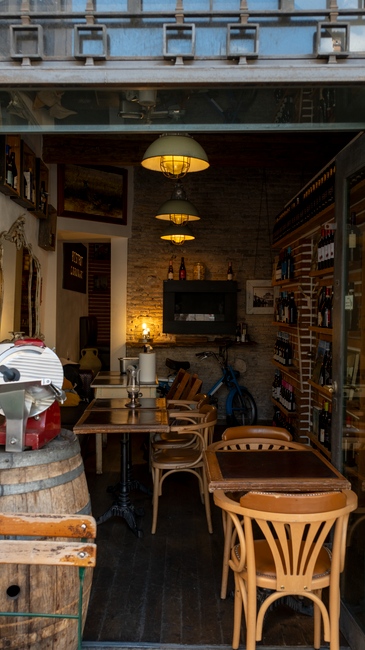
Visit traditional wine taverns in Vienna's wine-growing suburbs (Grinzing, Nussdorf, Neustift am Walde) where winemakers serve their new wine with buffet-style cold food. The Heuriger tradition dates back to 1784 when Emperor Joseph II allowed winemakers to sell their wine. Look for the pine branch sign indicating wine is being served. Authentic Heurigen offer rustic atmosphere with shared wooden tables, accordion music, and local wines (Grüner Veltliner, Riesling, Gemischter Satz). The buffet includes spreads, cold meats, cheeses, and pickled vegetables. Some are tourist-oriented, others frequented by locals. Many wine taverns close in winter. The experience combines wine tasting with traditional Austrian culture and cuisine in charming village settings.
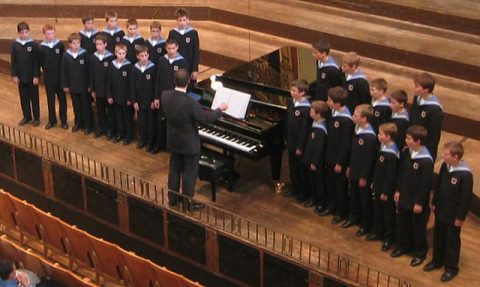
Experience the angelic voices of the world-famous boys' choir founded in 1498 by Emperor Maximilian I. The choir performs during Sunday mass (September-June) at the Hofburg's Imperial Chapel, continuing a 500-year tradition. Friday and Saturday evening concerts at MuTh (their concert hall in Augarten) offer secular repertoire in excellent acoustics. The choir tours internationally but Vienna performances have special significance in their historic home. Seating at Imperial Chapel is limited; arrive very early for free standing room or book paid seating in advance. The combination of musical excellence and historic setting creates a uniquely Viennese cultural experience.
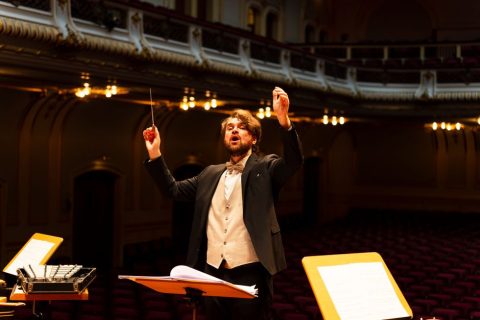
Numerous venues host Mozart and Strauss concerts featuring costumed musicians and singers performing greatest hits in elegant historic halls. Popular venues include Kursalon Stadtpark, Musikverein Golden Hall, Konzerthaus, and various palaces. Programs typically feature waltzes, operetta excerpts, and classical favorites. Some concerts include optional dinner packages. While touristy, they provide accessible introductions to Vienna's musical heritage in atmospheric settings. Standing room tickets at the State Opera offer affordable access to world-class opera performances. Church concerts (Karlskirche, Peterskirche, St. Anne's) provide intimate settings with excellent acoustics. Quality varies, so research venues and orchestras before booking.
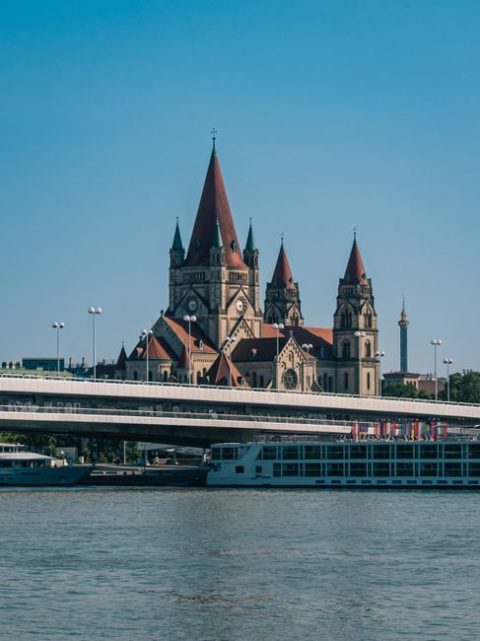
Explore the Danube by boat with cruises ranging from short city tours to day trips through the Wachau Valley wine region. Vienna city cruises show the modern Danube City architecture, UNO City, and provide different perspectives on the city. Longer cruises travel to Dürnstein and Melk Abbey through UNESCO-listed Wachau landscapes with terraced vineyards and medieval castles. Boats operate April-October with various operators offering different routes and amenities. Evening dinner cruises provide romantic atmospheres with city illuminations. The Blue Danube may not live up to Strauss's musical portrayal, but the river remains integral to Vienna's identity. Combination tickets with train returns allow one-way river travel through the scenic Wachau region.
Tips for Tours & Activities
- Book popular performances (Spanish Riding School, opera, major concerts) weeks or months in advance during peak season
- Standing room tickets at State Opera (Stehplätze) cost €10-15 but require queuing 1-2 hours before performance
- Traditional coffee houses expect leisurely visits - don't rush, tip around 10%, and embrace the unhurried atmosphere
- Heuriger wine taverns are best visited in groups for sharing food and atmosphere; public transport serves most locations
- Free or low-cost concerts occur daily in churches - check schedules posted at entrances for authentic experiences
Vienna's central location makes it an excellent base for exploring nearby attractions, from imperial hunting lodges and monasteries to the wine country and historic towns of Lower Austria.
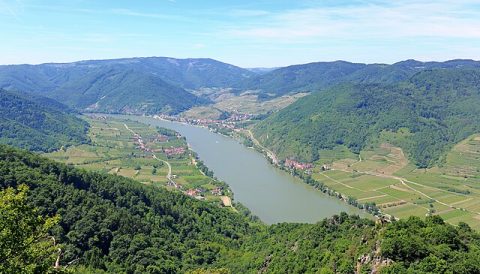
The UNESCO World Heritage Danube valley between Melk and Krems features terraced vineyards, medieval castles, apricot orchards, and charming towns. Highlights include Melk's baroque abbey with its magnificent library, the ruined castle above Dürnstein where Richard the Lionheart was imprisoned, and the wine town of Krems. The region produces excellent white wines, especially Grüner Veltliner and Riesling. Visit wineries for tastings, enjoy apricot products (Marillenknödel dumplings, schnapps), and explore picturesque villages. Cycling the Danube bike path offers active exploration. River cruises provide scenic perspectives. Spring brings apricot blossoms; autumn offers grape harvests and colorful foliage. Day trips easily combine multiple towns, wine tastings, and historical sites for varied experiences.
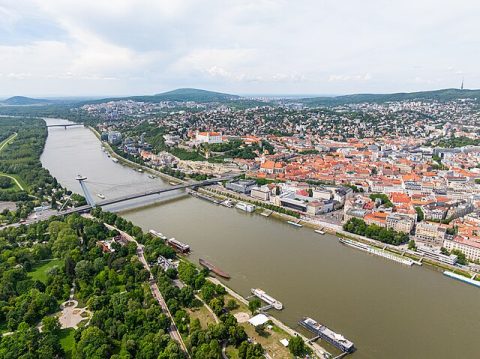
Slovakia's capital lies just 60 kilometers east of Vienna, making it Europe's closest capital cities (1 hour by train or boat). The compact old town features a medieval castle overlooking the Danube, narrow pedestrian streets, Art Nouveau architecture, and numerous cafés. Highlights include St. Martin's Cathedral, Michael's Gate, the quirky statues scattered throughout the city, and UFO observation deck for panoramic views. Bratislava offers more affordable dining and shopping than Vienna. The historic center is easily explored in half a day. Combination tickets allow boat travel one direction, train return. The city represents Slovakia's transition from communist past to EU member, with mix of restored historic buildings and modern developments.
The Vienna Woods (Wienerwald) southwest of Vienna offers nature and history. Mayerling hunting lodge, site of Crown Prince Rudolf's mysterious death in 1889 (the Mayerling Incident), now houses a Carmelite monastery and memorial. Nearby Heiligenkreuz Abbey, a 12th-century Cistercian monastery, features Romanesque and Gothic architecture, a cloister with 300 marble columns, and the tomb of Babenberg dukes. The monks' Gregorian chant performances add spiritual atmosphere. The surrounding Vienna Woods provide hiking trails, traditional restaurants (Gasthaus), and scenic drives. Combine with visits to Baden's spa town, Seegrotte underground lake, or the atmospheric Hinterbrühl. The area offers escape into nature while exploring lesser-known historical sites.
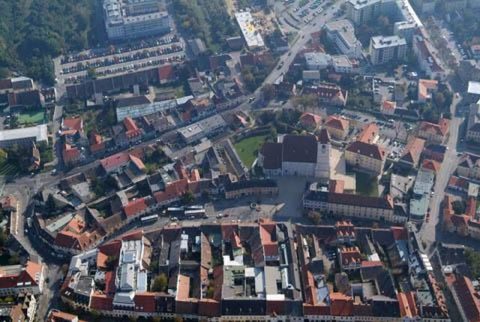
The capital of Burgenland province (40 km south) is famous as Joseph Haydn's workplace for 30 years. The Esterházy Palace, where Haydn served as court musician, features the ornate Haydnsaal concert hall with incredible acoustics. Haydn's house museum displays his life and works; he's buried in the Bergkirche. The town offers laid-back Austrian provincial atmosphere with wine taverns serving Burgenland wines. The surrounding region known for wine production (especially Blaufränkisch red wine) and traditional hospitality. Combine with visits to Lake Neusiedl (Neusiedler See), a shallow steppe lake popular for windsurfing and birdwatching. The area provides authentic Austrian countryside experiences away from tourist trails.
Tips for Day Trips & Excursions
- ÖBB (Austrian Railways) offers excellent regional train connections - book online for advance purchase discounts
- Wachau Valley is best explored spring through autumn; winter sees many attractions closed
- Rent bikes in Krems or Melk to cycle portions of the Danube cycle path through Wachau
- Consider guided day trips for convenience, especially to multiple Wachau sites or Vienna Woods locations
- Bratislava requires passport/ID for EU citizens; non-EU visitors should verify visa requirements
Real, highly-rated Restaurants in Vienna, sourced from Google Places (rating above 4★).

Restaurant JOLA is a highly-rated restaurant in Vienna, rated 5★ from 446 reviews. Located at Salzgries 15, 1010 Wien, Austria.
Opening Hours
- Monday: Closed
- Tuesday: Closed
- Wednesday: 6:00 – 11:00 PM
- Thursday: 6:00 – 11:00 PM
- Friday: 6:00 – 11:00 PM
- Saturday: 6:00 – 11:00 PM
- Sunday: Closed

SIXTA is a highly-rated restaurant in Vienna, rated 4.9★ from 2640 reviews. Located at Schönbrunner Str. 21, 1050 Wien, Austria.
Opening Hours
- Monday: Closed
- Tuesday: Closed
- Wednesday: 6:00 PM – 12:00 AM
- Thursday: 6:00 PM – 12:00 AM
- Friday: 6:00 PM – 12:00 AM
- Saturday: 6:00 PM – 12:00 AM
- Sunday: 6:00 PM – 12:00 AM

Glasswing Restaurant by Alexandru Simon is a highly-rated restaurant in Vienna, rated 4.9★ from 184 reviews. Located at Kärntner Ring 8, 1010 Wien, Austria.
Opening Hours
- Monday: Closed
- Tuesday: 6:00 – 11:00 PM
- Wednesday: 6:00 – 11:00 PM
- Thursday: 6:00 – 11:00 PM
- Friday: 6:00 – 11:00 PM
- Saturday: 6:00 – 11:00 PM
- Sunday: Closed
Explore Vienna on the Map
Seasonal Guide to Vienna
Spring (April-May): Ideal visiting season with mild temperatures (15-20°C/59-68°F), blooming gardens, and fewer crowds than summer. Easter markets add festive atmosphere. Parks burst with flowers, especially rose gardens in May. Concert season remains active before summer break.
Summer (June-August): Peak tourist season with warm weather (20-28°C/68-82°F) but also highest prices and crowds. Many locals vacation in July-August. Outdoor festivals include Donauinselfest (June) and Film Festival at Rathausplatz. Palace gardens are magnificent. Some concert venues close; outdoor performances increase.
Autumn (September-October): Excellent time to visit with pleasant temperatures (10-18°C/50-64°F), autumn colors in parks, wine harvest festivals, and cultural season resuming. Opera and concert halls reopen. Fewer tourists after mid-September. October brings crisp days perfect for walking.
Winter (November-March): Cold weather (0-5°C/32-41°F) but magical atmosphere, especially during Christmas market season (mid-November to December). Lower hotel prices except Christmas/New Year. Vienna Ball Season (January-February) brings glamorous events. Museums, cafés, and concert halls offer cozy cultural experiences. Snow occasionally dusts the city beautifully.
Best Overall: May, September, and early October offer optimal weather, manageable crowds, and full cultural programming. December combines festive markets with winter charm despite cold temperatures.
Getting Around Vienna
Public Transportation
Vienna's excellent public transport system (Wiener Linien) includes U-Bahn (metro), trams (Straßenbahn), buses, and trains. The integrated network operates 5 AM-midnight daily, with night buses continuing service.
- U-Bahn: Five lines (U1-U6) connect major attractions. Fast, frequent, and air-conditioned. Stations marked with blue 'U' signs
- Trams: Extensive network including Ring Tram (1, 2) circling historic center. Scenic but slower than metro. Trams 1, 2, D are particularly tourist-useful
- Buses: Fill gaps in rail network. Less tourist-oriented except airport buses and night services
- S-Bahn: Suburban trains connecting outer districts and nearby towns
Tickets & Passes
- Single Ticket: €2.40 (valid 90 minutes, one direction)
- 24-Hour Pass: €8.00
- 48-Hour Pass: €14.10
- 72-Hour Pass: €17.10
- Weekly Pass: €17.10 (Monday-Monday)
- Vienna City Card: Includes unlimited transport plus museum discounts (€17/24h, €25/48h, €29/72h)
Tickets available from machines at stations, tobacco shops (Tabak-Trafik), and via smartphone app. Must validate tickets before first use at blue machines. Inspectors check frequently; fines are €105.
✈️ Airport Transfer
- CAT (City Airport Train): 16 minutes to Wien Mitte, €12 one-way, €19 return, departs every 30 minutes
- S7 Train: 25 minutes to Wien Mitte, continues to other stations, €4.40, departs every 30 minutes - best value
- Airport Buses: Various routes to different areas, €8-13, 20-45 minutes
- Taxi: €35-45 to city center, 20-30 minutes. Use official taxi stands or apps (Uber available)
Alternative Transport
- Bicycles: Citybike Wien offers first hour free, additional hours €1-4. 120+ stations citywide. Extensive bike lanes make cycling safe and pleasant
- E-Scooters: Multiple providers (Lime, Bird, Tier) available via apps. Popular but watch for restrictions in pedestrian zones
- Walking: Inner city is compact and pedestrian-friendly. Most attractions within 1st District are walkable
- Fiaker (Horse Carriages): Tourist experience, €55 for 20 minutes, €80 for 40 minutes. Negotiate price before boarding
Tips
- Download the Wiener Linien app for route planning and mobile tickets
- Keep validated tickets until leaving the system - no exit gates but random inspections
- Transport passes valid in zones 100 (Vienna core) and 100/101 for airport connections
- Consider Vienna Pass if visiting many attractions - includes transport and skip-the-line entry
Shopping in Vienna
What to Buy
- Sachertorte: Original from Hotel Sacher or Demel, comes in sealed wooden boxes for travel
- Mozart Kugeln (Mozartkugel): Marzipan-nougat chocolates. Buy authentic Fürst from Salzburg or various Vienna brands
- Manner Wafers: Pink-packaged hazelnut wafers, quintessentially Viennese snack
- Augarten Porcelain: Fine china from Vienna's historic manufactory since 1718
- Swarovski Crystal: Austrian crystal jewelry and decorative items
- Petit Point: Intricate embroidered items (bags, coin purses) from Stransky or Zur Schwäbischen Jungfrau
- Pumpkin Seed Oil: Styrian specialty, dark green oil with nutty flavor
- Austrian Wine: Grüner Veltliner, Riesling, or Zweigelt from Wachau or Burgenland
- Music: Classical CDs, sheet music, or instruments from specialized shops
- Christmas Decorations: Year-round at Käthe Wohlfahrt or seasonal markets
Shopping Areas
Luxury & International Brands:
- Kohlmarkt & Graben: Premier shopping with Chanel, Louis Vuitton, Tiffany, plus traditional Viennese shops
- Kärntner Strasse: Mainstream international brands, department stores
- Goldenes Quartier: Luxury shopping district near Graben with high-end boutiques
Local & Independent:
- Neubau (7th District): Vintage shops, independent designers, concept stores around Kirchengasse and Neubaugasse
- Freihausviertel (4th District): Antiques, records, quirky boutiques
- Spittelberg: Artisan workshops, crafts, galleries
Markets:
- Naschmarkt: Food, spices, delicacies; Saturday flea market for antiques
- Karmelitermarkt: Authentic local market with fresh produce (2nd District)
- Brunnenmarkt: Vienna's longest market, multicultural atmosphere (16th District)
- Christmas Markets: Mid-November to December at Rathausplatz, Schönbrunn, Spittelberg, Belvedere
Department Stores & Malls:
- Steffl: Upscale department store on Kärntner Strasse with rooftop restaurant
- Gerngross: Traditional department store on Mariahilfer Strasse
- Ringstrassen Galerien: Shopping arcade near Opera with boutiques and cafés
Shopping Tips
- Hours: Typically Monday-Friday 9/10 AM-6/7 PM, Saturday until 6 PM. Most shops closed Sundays except tourist areas and train stations
- Tax Refund: Non-EU residents can claim VAT refund (20%) on purchases over €75. Ask for Tax Free form, get stamped at airport customs before checking bags
- Bargaining: Not customary except at flea markets. Prices are fixed in shops
- Payment: Credit cards widely accepted, though smaller shops may prefer cash. Contactless payment common
- Sales: Major sales in January-February (winter) and July-August (summer)
Annual Events & Festivals
Major Festivals
- Vienna Ball Season (January-February): Over 450 balls including the famous Opera Ball, offering glimpses of imperial elegance. Evening gowns and tuxedos required. Tickets range from accessible to extremely expensive
- Easter Markets (March-April): Decorated eggs, crafts, and spring atmosphere at various locations including Freyung and Schönbrunn
- Vienna Festival (Wiener Festwochen) (May-June): International performing arts festival with theater, dance, music, and visual arts at venues citywide
- Donauinselfest (June): Europe's largest free open-air festival with 3 million+ visitors. Three days of music across multiple stages on Danube Island featuring rock, pop, folk, and electronic music
- Film Festival (July-August): Free outdoor screenings of opera, ballet, and concerts on giant screen at Rathausplatz. Food stalls represent different countries. Magical summer atmosphere
- ImPulsTanz (July-August): International dance festival with performances and workshops attracting contemporary dance enthusiasts worldwide
- Jazz Fest Wien (June-July): Renowned jazz festival bringing international artists to historic venues
- Vienna Coffee Festival (September): Celebration of coffee culture with tastings, barista championships, and workshops
- Viennale (October): Vienna's international film festival screening art-house and independent films
- Wien Modern (October-November): Contemporary classical music festival featuring world premieres and experimental works
- Christmas Markets (Mid-November-December 26): Vienna's most magical season with markets at Rathausplatz, Schönbrunn, Spittelberg, Karlsplatz, Belvedere, and more. Mulled wine (Glühwein), roasted chestnuts, handicrafts, and festive atmosphere
- New Year's Concert (January 1): Vienna Philharmonic's televised concert from Musikverein Golden Hall. Tickets allocated by lottery months in advance
National Holidays
- January 1: New Year's Day
- January 6: Epiphany
- Easter Monday (variable)
- May 1: Labour Day
- Ascension Day (39 days after Easter)
- Whit Monday (50 days after Easter)
- Corpus Christi (60 days after Easter)
- August 15: Assumption Day
- October 26: National Day
- November 1: All Saints' Day
- December 8: Immaculate Conception
- December 25: Christmas Day
- December 26: St. Stephen's Day
Note: Most shops, banks, and some attractions close on national holidays. Restaurants and cafés typically remain open. Public transport runs on Sunday schedules.
Sample Day Itineraries
Day 1: Imperial Vienna
Morning: Start at Schönbrunn Palace (arrive at opening, 8:30 AM). Tour the palace rooms (1.5 hours), then explore gardens and climb to Gloriette for views (1.5 hours). Take U4 metro back to city center.
Lunch: Traditional lunch at Figlmüller (famous for schnitzel) or Café Central for lighter fare in historic setting.
Afternoon: Visit Hofburg Palace complex including Imperial Apartments and Sisi Museum (2 hours). Walk through Graben and Kohlmarkt shopping streets to Stephansdom. Climb South Tower for panoramic views (30 minutes).
Evening: Aperitif at rooftop bar (Lamée Rooftop or SKY Bar), followed by dinner in the Inner City. Optional: Attend classical concert at Musikverein, State Opera, or church concert.
Day 2: Art & Culture
Morning: Visit Kunsthistorisches Museum when it opens (10 AM). Focus on highlights: Bruegel room, Egyptian collection, Kunstkammer (2.5 hours). Coffee break at museum's café under the cupola.
Lunch: Walk to MuseumsQuartier. Lunch at one of the courtyard cafés or restaurants.
Afternoon: Choose Leopold Museum (Schiele collection) or MUMOK (modern art) (2 hours). Alternatively, visit Belvedere Palace to see Klimt's The Kiss and baroque gardens (take tram D).
Evening: Explore Spittelberg neighborhood for dinner at cozy wine tavern. Walk through MuseumsQuartier in evening when it's illuminated and often hosts events.
Day 3: Musical Vienna & Local Life
Morning: Attend Spanish Riding School morning training (10 AM) or performance if available (1.5 hours). Visit Haus der Musik interactive sound museum (1.5 hours).
Lunch: Naschmarkt - explore the stalls, sample international foods, enjoy vibrant atmosphere. Don't miss the Otto Wagner buildings flanking the market.
Afternoon: Take tram 1 or 2 around the Ringstrasse for architectural tour (30 minutes). Get off to visit Karlskirche and take elevator up to dome frescoes (1 hour). Relax in Stadtpark, photograph golden Strauss monument.
Evening: Experience Heuriger wine tavern in Grinzing or Nussdorf. Take tram 38 to wine-growing suburbs for authentic atmosphere, local wines, and buffet-style Austrian food.
Day 4: Hidden Vienna & Alternative Scene
Morning: Visit Karlsplatz to see Otto Wagner's Art Nouveau metro pavilions and Karlskirche. Walk to Secession Building to see Klimt's Beethoven Frieze (1 hour). Explore Freihausviertel neighborhood for vintage shops and alternative vibes.
Lunch: Trendy brunch spot in 4th or 7th District - try Café Ansari, Vollpension, or Tian Bistro.
Afternoon: Visit MAK Museum for design and applied arts (1.5 hours). Alternative: Albertina for graphic arts collection. Walk along the Danube Canal (Donaukanal) to see street art and hip bars.
Evening: Explore Prater amusement park. Ride the Giant Ferris Wheel at sunset for spectacular views (30 minutes). Dinner at traditional Prater restaurant like Schweizerhaus (famous for Stelze - pork knuckle) or modern options in Leopoldstadt.
Day 5: Day Trip & Relaxation
Full Day Option: Wachau Valley day trip. Take early train to Krems (1 hour), explore the medieval town, then train or boat to Dürnstein (visit castle ruins), continue to Melk (tour magnificent abbey). Return by train. Stops for wine tasting and apricot specialties.
Alternative Relaxed Day: Morning: Late breakfast at traditional coffee house (Café Sperl or Café Hawelka). Browse bookshops and boutiques in 7th District. Afternoon: Picnic in Schönbrunn Gardens or Donauinsel. Rent bikes for leisurely ride. Visit Tiergarten Schönbrunn (world's oldest zoo). Evening: Early dinner, then attend State Opera or Volksoper performance (standing room tickets if budget-conscious).
Tips for Itinerary Planning
- Book in advance: Palace tours, Spanish Riding School, popular restaurants, and evening performances
- Start early: Major attractions are less crowded before 10 AM
- Pace yourself: Vienna rewards leisurely exploration. Build in coffee breaks and strolls
- Check closing days: Some museums close Mondays or Tuesdays
- Mix famous and local: Balance tourist sites with authentic neighborhoods for complete experience
- Use public transport: Efficient and connects everything. Get multi-day pass
Best Photography & Instagram Locations
Iconic Views
- Gloriette at Schönbrunn: Classic palace view with Vienna skyline backdrop. Best at golden hour (sunset) or blue hour. Arrive early morning for empty shots
- Belvedere Upper Palace Reflection: Shoot from fountain pool for perfect symmetrical reflection. Midday for bright colors, evening for illuminated palace
- Stephansdom South Tower: 360° panoramic views over Vienna's rooftops. Best in clear weather, golden hour provides warm light on buildings
- Giant Ferris Wheel (Riesenrad): Iconic Prater landmark against sky. Shoot from below for dramatic angle, or from cabin for views. Sunset rides offer spectacular city vistas
- Karlskirche with Reflecting Pool: Perfect mirror reflection in Resselpark pond. Best on calm days without wind. Dawn or dusk for fewer people
Architectural Details
- Graben Plague Column: Baroque monument with pedestrian street life. Morning light illuminates details. Include surrounding elegant buildings
- Otto Wagner Buildings at Naschmarkt: Art Nouveau façades with golden details. Best photographed in morning light from market side
- Secession Building: Golden dome ('golden cabbage') of the Jugendstil masterpiece. Shoot straight-on for symmetry or from angle for context
- Hundertwasserhaus: Colorful, whimsical residential building with uneven floors and trees growing from apartments. Best midday when colors pop. Nearby Kunsthaus Wien offers another unique façade
- Parliament & Athena Fountain: Neoclassical columns with goddess statue. Best photographed from Maria-Theresien-Platz for full composition
Hidden Gems
- Peterskirche Interior: Intimate baroque church with stunning oval dome frescoes. Interior photography allowed. Midday for natural light through dome
- Austrian National Library State Hall: Breathtaking baroque library with frescoed ceiling and ancient globe collection. Photography permitted (fee). Morning for fewer visitors
- Palmenhaus Schönbrunn: Art Nouveau glass palm house with tropical plants. Morning light through glass creates magical atmosphere
- Spanish Riding School Arena: White baroque hall with chandeliers. Photography restricted during performances but allowed on tours
- Haas-Haus Reflections: Modern building's curved glass reflects Stephansdom creating artistic juxtaposition of old and new
Street Photography
- Naschmarkt: Colorful produce displays, spice mountains, multicultural vendors. Saturday flea market adds vintage treasures and quirky finds
- Spittelberg Lanes: Cobblestone streets, pastel houses, flower boxes. Christmas market season adds festive decorations
- Danube Canal Street Art: Urban art along waterfront, especially between Schwedenplatz and Friedensbrücke. Golden hour for warm light on murals
- Coffee House Interiors: Café Central, Café Sperl for classic Viennese atmosphere. Ask permission before photographing. Afternoon provides authentic local scenes
- Fiaker Horses on Michaelerplatz: Traditional horse carriages in front of Hofburg entrance. Morning when horses are fresh and less crowded
Seasonal Spots
- Spring: Volksgarten rose blooms (June), Schönbrunn Gardens tulips (April-May), cherry blossoms in Stadtpark (late March-April)
- Summer: Danube Island beaches, MuseumsQuartier courtyard life, outdoor concerts at Rathausplatz
- Autumn: Schönbrunn Gardens fall foliage, Vienna Woods golden colors, grape harvest in urban vineyards
- Winter: Christmas markets (Rathausplatz most spectacular), snow-dusted palaces, ice skating at Rathausplatz or Wiener Eistraum
Timing Tips
- Golden Hour: Summer 7-8 PM, Winter 4-5 PM. Provides warm light on historic buildings
- Blue Hour: 30 minutes after sunset. Illuminated monuments glow against blue sky
- Early Morning: 7-9 AM for empty streets and attractions, especially Graben, Stephansplatz, and palace gardens
- Avoid Midday: Harsh overhead light unflattering for architecture. Exception: colorful subjects like Hundertwasserhaus
Photography Etiquette
- Churches: Check if photography allowed. Never use flash. Respect services in progress
- Museums: Many permit photos in permanent collections (no flash). Special exhibitions often prohibit photography. Look for signs or ask
- People: Ask permission before photographing individuals, especially at markets or events
- Performance Venues: Photography usually prohibited during performances but allowed before/after or on tours
- Drones: Heavily restricted in Vienna, especially near airports and historic center. Check regulations
Electricity & Adapters
Voltage: 230V
Frequency: 50Hz
Plug Type: Type F (Schuko) - two round pins with grounding clips. Also accepts Type C (Europlug) - two round pins without grounding
Adapter Requirements
- From UK: Need adapter (UK uses Type G - three rectangular pins)
- From USA/Canada: Need adapter AND voltage converter/transformer if device isn't dual-voltage (USA uses 120V Type A/B)
- From Australia: Need adapter (Australia uses Type I - two/three flat pins)
- From EU/Most of Europe: No adapter needed (except UK and Ireland)
Important Notes
- Check Device Voltage: Most modern electronics (phones, laptops, cameras, tablets) are dual-voltage (100-240V) and only need a plug adapter. Check device label or power adapter
- Single-Voltage Devices: Hair dryers, straighteners, curling irons from 110V countries need voltage converter OR purchase dual-voltage model. Hotels often provide hair dryers
- USB Charging: Many hotels have USB ports. Bring USB cables for direct charging without adapters
- Where to Buy Adapters: Airport shops, electronics stores (MediaMarkt, Saturn), larger pharmacies (DM, Bipa), hardware stores
- Universal Adapters: Consider investing in quality universal travel adapter with multiple plug types and USB ports for future travels
Power in Public Spaces
- Many cafés and restaurants offer outlets for customer use
- ÖBB trains have power outlets at seats
- Vienna International Airport has charging stations throughout terminals
- Some newer trams and metro stations have USB charging points
- Portable power banks recommended for day-long sightseeing
Viennese Cuisine & Dining
Must-Try Dishes
- Wiener Schnitzel: Breaded and fried veal cutlet, traditionally served with potato salad and lingonberry jam. Authentic versions are thin, large, and golden. Try at Figlmüller, Schnitzelwirt, or Lugeck
- Tafelspitz: Boiled beef (Emperor Franz Joseph's favorite) with horseradish sauce, apple-horseradish, and vegetables. Classic Viennese dish at Plachutta (specialist restaurant)
- Gulasch: Rich beef stew with paprika, often served in bread bowl. Hungarian influence on Viennese cuisine. Try at traditional Beisl (tavern)
- Sachertorte: Dense chocolate cake with apricot jam layer, chocolate icing. Original from Hotel Sacher, rival version at Demel. Served with unsweetened whipped cream (Schlagobers)
- Apfelstrudel: Thin pastry filled with spiced apples, raisins, breadcrumbs. Served warm with vanilla sauce or ice cream. Watch it made at Café Central or Hofburg's Strudel Show
- Kaiserschmarrn: Shredded pancake with caramelized sugar, raisins, served with plum compote. Emperor Franz Joseph's dessert favorite
- Tafelspitz: Best at Plachutta restaurants (multiple locations) specializing in various boiled beef preparations
Coffee Culture
Vienna's coffee house culture is UNESCO-recognized intangible heritage. Traditional coffee houses offer newspapers, unhurried atmosphere, and specific coffee preparations:
- Melange: Similar to cappuccino, coffee with steamed milk and milk foam
- Einspänner: Strong black coffee in glass topped with whipped cream
- Kleiner/Großer Brauner: Espresso/double espresso with splash of milk
- Verlängerter: Espresso 'lengthened' with hot water (like Americano)
- Wiener Eiskaffee: Cold coffee with vanilla ice cream and whipped cream
- Maria Theresia: Coffee with orange liqueur and whipped cream
Famous Coffee Houses: Café Central (grand, touristy but worth it), Café Sperl (authentic, locals favorite), Café Hawelka (bohemian atmosphere), Demel (pastry heaven), Café Landtmann (elegant, near Burgtheater), Café Sacher (luxurious)
Dining Categories
Traditional Options:
- Beisl: Simple tavern serving home-style Viennese cooking, unpretentious atmosphere, good value
- Gasthaus/Gasthof: Traditional restaurant/inn with regional Austrian cuisine
- Heuriger: Wine tavern in wine-growing suburbs serving new wine and cold buffet food
- Coffee House (Kaffeehaus): All-day institutions serving coffee, pastries, light meals. Expect to linger
Modern Dining:
- Steirereck: Two Michelin stars, modern Austrian in Stadtpark (expensive, reservation required)
- Mraz & Sohn: One Michelin star, innovative cuisine (expensive)
- Tian: Vegetarian fine dining, Michelin-starred, creative plant-based cuisine
- Naschmarkt Restaurants: International options from Indian to Middle Eastern to Italian
Budget-Friendly Eating
- Würstelstand: Sausage stands throughout the city. Try Käsekrainer (cheese sausage), Burenwurst, or Bosna. Open late, popular after nights out. Famous: Bitzinger behind Opera
- Nordsee: Seafood chain with affordable fish sandwiches and meals, multiple locations
- Supermarket Prepared Foods: Billa, Spar, Hofer have bakery sections and ready-meals for picnics
- Lunch Specials: Many restaurants offer Mittagsmenü (lunch menus) at reduced prices weekdays
- University Mensas: Cafeterias near universities offer cheap meals (€5-8) open to public
Dining Customs & Tips
- Reservations: Recommended for dinner at popular restaurants, especially weekends. Coffee houses don't take reservations
- Tipping: Round up or add 5-10%. Say the total including tip when paying (e.g., 'Macht 25 Euro' if bill is €22 and you're giving €25)
- Service: Can be brusque, not unfriendly - it's traditional style. Wait for server to come to table; don't expect constant attention
- Water: Tap water safe but restaurants charge for bottled water. Ask for 'Leitungswasser' (tap water) if you want free water, though some may refuse
- Bread: Bread brought to table is usually charged per piece consumed, not complimentary
- Seating: In coffee houses, sit anywhere unless reserved signs visible. Sharing tables common during busy times
- Hours: Lunch 12-2 PM, dinner from 6 PM. Many restaurants close between lunch and dinner. Some close Sunday-Monday
- Smoking: Banned indoors in restaurants since 2019, but some have outdoor smoking sections
Market Dining
- Naschmarkt: Over 120 stalls and restaurants. Saturday mornings busiest. Try Middle Eastern, Asian, Austrian stands
- Karmelitermarkt: Local market in 2nd District with authentic atmosphere, traditional food stands
- Brunnenmarkt: Longest market street, multicultural vendors, cheapest prices
Sweet Treats
- Manner Wafers: Pink hazelnut wafers, Viennese snack icon
- Mozartkugel: Marzipan chocolate balls wrapped in foil
- Punschkrapfen: Pink-iced cake cubes with rum
- Topfenknödel: Sweet cheese dumplings with poppy seeds and butter
- Palatschinken: Thin crepes filled with jam, chocolate, or curd cheese
- Marillenknödel: Apricot dumplings (seasonal, summer)
Food Allergies & Dietary Restrictions
- Vegetarian: Increasing options, though traditional Viennese cuisine meat-heavy. Indian, Middle Eastern, Asian restaurants abundant. Tian for fine vegetarian dining
- Vegan: Growing scene with dedicated restaurants in 7th and 4th Districts. Look for 'vegan' labels in supermarkets
- Gluten-Free: Some restaurants offer gluten-free options. Say 'Ich habe Zöliakie' (I have celiac disease). Specialty shops and supermarkets have gluten-free products
- Kosher: Limited options, mainly in 2nd District. Machsike Hadass has kosher restaurant
- Halal: Many Turkish and Middle Eastern restaurants serve halal meat, though not always certified. Ask 'Ist das Fleisch halal?'
Drinks
- Wine: Austria produces excellent white wines, especially Grüner Veltliner and Riesling. Order by glass (Achtel = 125ml, Viertel = 250ml) or bottle. Wine spritzer (Gespritzt) popular in summer
- Beer: Local brands include Ottakringer, Stiegl, Gösser. 'Seidel' (0.3L) or 'Krügerl' (0.5L) servings
- Schnapps: Fruit brandies served as digestifs. Apricot (Marillenschnaps) from Wachau region particularly prized
- Almdudler: Austrian herbal lemonade, national soft drink
Tourist Passes
Vienna Pass
The most comprehensive tourist pass offering free entry to over 60 attractions plus unlimited public transport and hop-on-hop-off bus. Includes skip-the-line access at major sites like Schönbrunn Palace, Hofburg, Belvedere, and Giant Ferris Wheel. Available in 1-day (€84), 2-day (€114), 3-day (€134), or 6-day (€159) versions. Best value for intensive sightseeing visiting multiple paid attractions daily. The pass pays for itself if you visit 3-4 major sites per day. Includes printed guidebook and free mobile app for planning. Children's passes available at reduced rates. Calculate your intended visits before purchasing - may not be economical for selective sightseers focusing on few attractions.
www.viennapass.comVienna City Card
Offers unlimited public transport plus discounts (not free entry) at 210+ museums, attractions, restaurants, shops, and concerts. Red Card includes transport: 24h (€17), 48h (€25), 72h (€29). White Card offers only discounts without transport: 48h (€13.90), 72h (€16.90). Typical discounts range 10-25% off admission prices. Good value if using public transport extensively and visiting several attractions, but requires paying reduced entry fees. More flexible than Vienna Pass for selective visiting. Available at hotels, tourist info offices, and online. Comes with discount booklet and map. Best for moderate sightseers who want transport included and modest savings.
www.wien.infoSisi Ticket
Combination ticket covering three imperial residences: Schönbrunn Palace (Grand Tour), Hofburg Imperial Apartments & Sisi Museum, and Imperial Furniture Collection. Valid one year from first use, allowing visits on different days. Adult ticket €36 (versus €45+ if purchased separately), children significantly discounted. Includes skip-the-line access. Ideal for visitors focused on Habsburg history and imperial splendor. Purchase at any of the three locations or online. The ticket provides flexibility to spread visits across multiple days without feeling rushed. Excellent value for palace enthusiasts but limited use beyond these three sites.
www.sisiticket.atVienna Flexi Pass
Choose 2, 3, 4, or 5 attractions from a list of top sites including Schönbrunn, Hofburg, Belvedere, Albertina, Leopold Museum, Spanish Riding School, and more. Prices from €49 (2 attractions) to €89 (5 attractions) for adults. Valid 60 days after first use, providing flexibility. Skip-the-line access included at participating venues. Does not include public transport. Good option for selective visitors who know exactly which major attractions they want to see. Digital pass delivered via email, use on smartphone. Children's versions available. Best for focused itineraries hitting specific highlights without comprehensive coverage.
www.viennapass.comMuseumsQuartier Combined Ticket
Covers Leopold Museum, MUMOK, and Kunsthalle Wien in the MuseumsQuartier complex. Adult ticket €28 (individual entries total €38), valid two consecutive days. Perfect for art lovers planning to explore modern and contemporary Austrian art. The combined ticket allows revisiting museums within the validity period. Purchase at any of the three museum ticket desks. The MuseumsQuartier courtyard provides pleasant space between museum visits. Essential for serious art enthusiasts but limited appeal beyond these specific museums. Consider if spending significant time in the MQ cultural complex.
www.mqw.atAustrian Bundesmuseen Annual Pass
Annual pass (€59) grants unlimited entry to federal museums for one year including Kunsthistorisches Museum, Belvedere, Albertina, MAK, Natural History Museum, Imperial Treasury, and more (20+ museums total). Pays for itself after 4-5 museum visits. Ideal for residents, students, or long-term visitors. Skip ticket lines by showing pass at entrances. Includes guest privileges (bring one person at 50% discount on specific days). Available for purchase at any participating museum. Exceptional value for extended stays or multiple Vienna visits within a year. Not practical for typical short tourist visits.
www.bundesmuseen.at