Things to do in Zadar
Zadar's iconic structures tell the story of millennia of civilization, from Roman legacies to Byzantine fortifications.
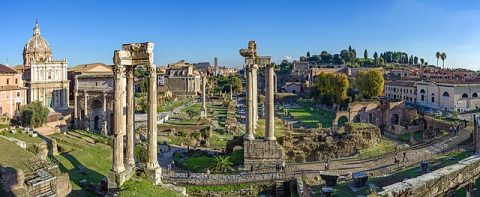
The Roman Forum is one of the largest and best-preserved Roman forums on the eastern Adriatic coast, dating back to the 1st century BC. Built during Emperor Augustus's reign, this impressive archaeological site reveals the grandeur of Roman Zadar (ancient Jadera). The forum once served as the city's civic and commercial center, with temples, shops, and public spaces. Today, visitors can walk among restored columns and ruins that provide insight into daily Roman life. The site is freely accessible and offers stunning views of the historic city center.
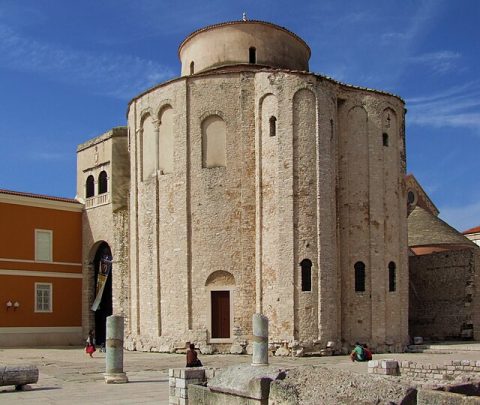
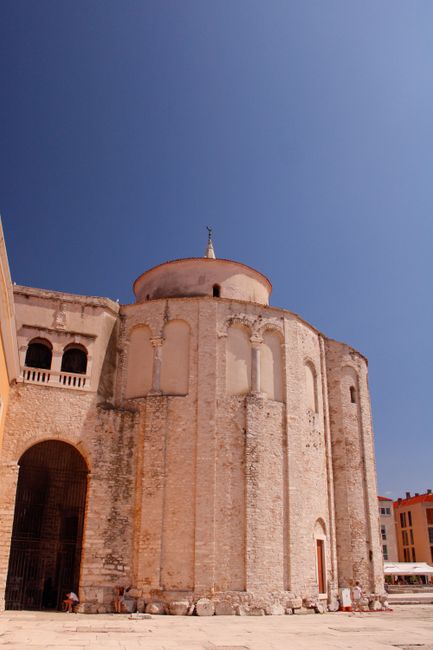
St. Donatus Church is one of the most recognizable Romanesque-Byzantine churches in the Mediterranean. Built in the 9th century on the foundations of a Roman temple, this distinctive round church exemplifies the unique architectural fusion of Byzantine and Romanesque styles. With its characteristic cylindrical shape and blind arcades, it stands as a symbol of Zadar's medieval heritage. Though no longer used for regular worship, the church hosts occasional cultural events and exhibitions. Its hilltop location provides panoramic views of the Old Town and harbor.
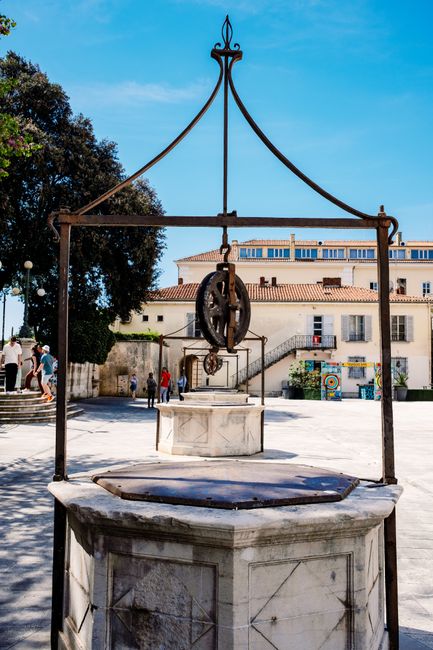
Five Wells Square is a charming Renaissance plaza featuring five ornamental wells that once supplied fresh water to the city. Built in the 16th century after Venetian occupation, these elegant stone wells are surrounded by authentic Dalmatian architecture. The square remains a tranquil gathering place away from the busier harbor, offering outdoor seating at traditional konobas (wine bars). The wells represent an important functional element of medieval city planning and are now protected monuments showcasing Renaissance craftsmanship.
Tips for Landmarks & Monuments
- Visit the Roman Forum early morning or late afternoon for best photography lighting
- Combine a visit to St. Donatus Church with the Archaeological Museum for complete Roman history context
- Explore Five Wells Square during evening hours when locals gather for aperitivo
Discover world-class collections spanning prehistoric artifacts, Roman treasures, contemporary art, and unique cultural exhibits.
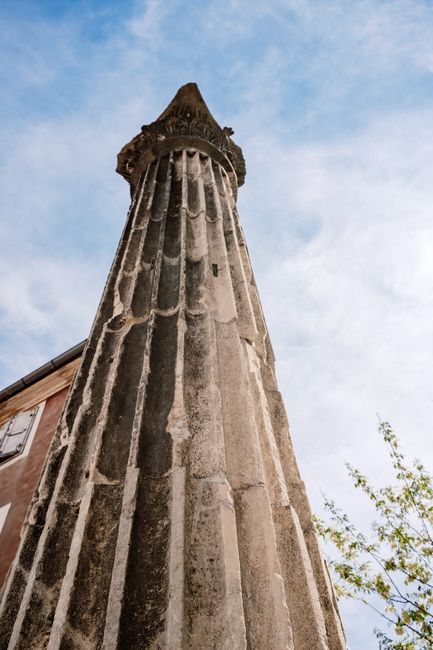
The Archaeological Museum houses one of the most significant collections of Roman glass in the world, along with prehistoric pottery, sculpture, and inscriptions. Located in a 16th-century Cosmacendi Palace, the museum showcases artifacts spanning from the Paleolithic era through the Roman period. The extensive glass collection includes rare blue-glass vessels and delicate Roman tableware. Interactive exhibits explain the city's development from prehistoric settlement to Roman metropolis. The museum also features rotating exhibitions highlighting recent archaeological discoveries in Zadar and the surrounding Dalmatian region.
The Museum of Glass is housed in the stunning Cosmacendi Palace and features a remarkable collection of Roman glass vessels dating from the 1st to 5th centuries. This specialized museum displays intricate glass bowls, vases, oil lamps, and jewelry that showcase the sophisticated craftsmanship of ancient Roman glassmakers. Exhibits explain historical glass-making techniques and the significance of glass in Roman society. The museum's intimate setting in an authentic Renaissance palazzo creates an immersive experience for understanding ancient luxury goods and trade networks.

Located within the historic Cosmacendi Palace, this ethnographic collection preserves traditional Dalmatian heritage through folk costumes, textiles, household objects, and agricultural tools. The exhibits illustrate rural life, seasonal celebrations, and crafts of the Zadar region. Beautifully displayed traditional embroidered garments showcase the artistic heritage of local communities. The palace itself, with its Renaissance architecture and period furnishings, provides authentic context for understanding how Dalmatian families lived and worked through centuries.
Tips for Museums & Galleries
- The Archaeological Museum offers guided tours in multiple languages—book ahead in summer
- Purchase a combined ticket for multiple museums to save money
- Visit museums in the morning when crowds are smaller and lighting is optimal
Zadar's sacred spaces reflect centuries of spiritual devotion and architectural evolution across different faiths and cultures.
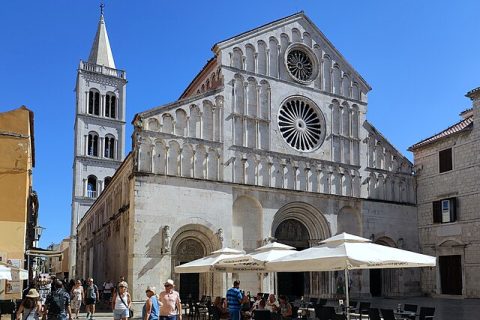
The Cathedral of St. Anastasia is Zadar's most imposing religious structure and one of the largest churches in Croatia. Built over several centuries (12th-18th century), the cathedral represents a magnificent blend of Romanesque and Gothic styles. The impressive bell tower offers panoramic views of the Old Town, harbor, and islands. Inside, visitors find Renaissance altarpieces, sculptures, and religious artworks. The cathedral remains an active place of worship and hosts special masses during religious holidays. Its commanding position in the city center makes it an architectural landmark and spiritual heart of Zadar.
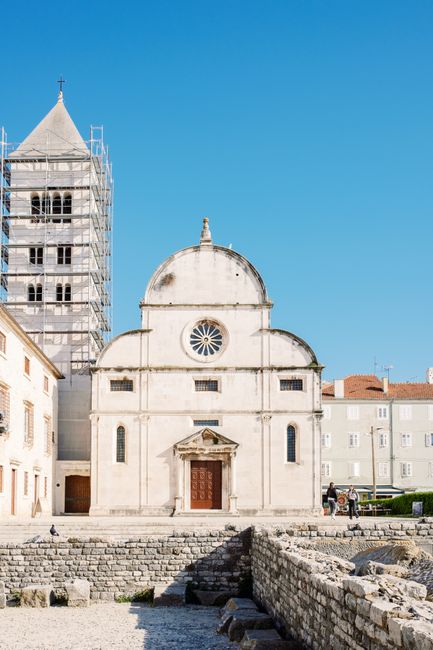
The Church of St. Mary is an elegant Benedictine convent church featuring refined Romanesque-Gothic architecture. Dating from the 12th century, this sacred space showcases graceful lines, arched windows, and interior frescoes. The adjacent Benedictine convent houses a small museum displaying religious art, liturgical objects, and manuscripts. The church's peaceful courtyard offers tranquility in the heart of the bustling Old Town. The nuns still maintain the convent, preserving centuries of monastic traditions and intellectual heritage.
The Church of St. Simeon is a striking Venetian Gothic structure housing the impressive reliquary of Saint Simeon, created in the 14th century. The church features ornate interior decoration with gilded altars and religious artwork. The reliquary itself is a masterpiece of medieval goldsmithing, depicted in precious metal and enamel. Though smaller than the cathedral, this church holds significant religious and artistic importance. Its ornate interior contrasts beautifully with the modest exterior, offering spiritual depth and artistic appreciation.
Tips for Religious Sites
- Respect dress codes—cover shoulders and knees when entering active churches
- Cathedral bell tower climb is worthwhile for city views but has narrow stairs
- Visit churches during quieter afternoon hours rather than during services
Wander through atmospheric plazas and medieval streets that form the vibrant heart of Zadar's Old Town.
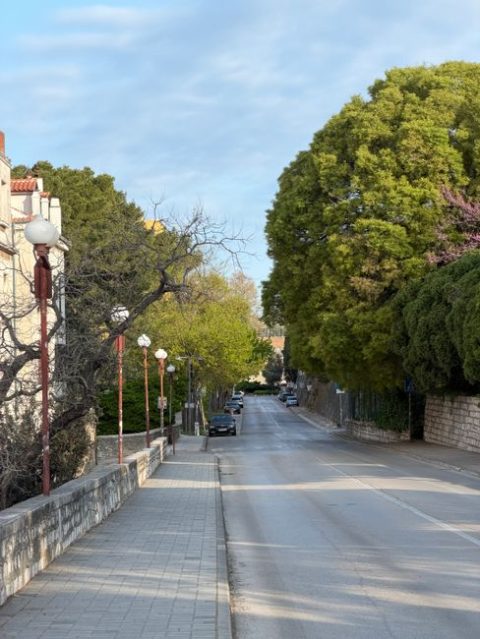
Kalelarga is the main pedestrian street of the Old Town, stretching from the forum to the waterfront. This charming lane is lined with Renaissance and Baroque buildings housing shops, restaurants, cafes, and galleries. The street's name means 'Long Fort,' reflecting its historical importance as a protected pathway within medieval fortifications. Walking along Kalelarga provides an authentic experience of daily Dalmatian life, with locals and tourists mingling at outdoor seating. The street is particularly vibrant during evening passeggiata (evening stroll) when the community gathers for social interaction.
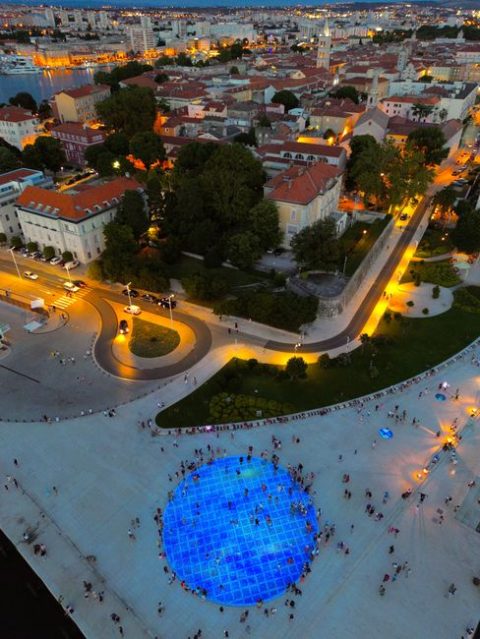
Cosmacendi Square is an elegant Renaissance plaza named after the noble Cosmacendi family. The square is surrounded by historic buildings and features the impressive Cosmacendi Palace, which now houses museums. With outdoor cafes offering shaded seating and a relaxed atmosphere, the square is ideal for people-watching and enjoying local food and drinks. The square showcases authentic Dalmatian architecture and represents the refined urban planning of the Venetian period.
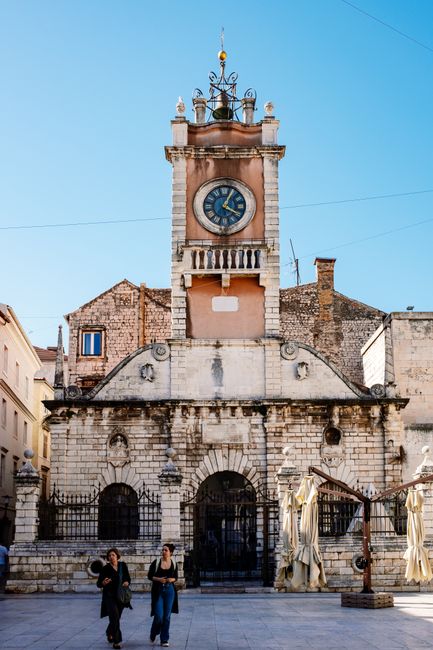
Narodni trg, the main public square, is surrounded by important civic buildings and features the City Loggia, a Renaissance structure that served as the administrative center. The square hosts cultural events, markets, and seasonal celebrations. With its open design and multiple cafes, it's an ideal gathering place to observe the rhythm of city life. The square's recent renovation has enhanced pedestrian access and visibility of surrounding historical structures.
Tips for Squares & Streets
- Explore narrow side streets branching from main thoroughfares for hidden cafes and galleries
- Best times for walking Kalelarga are early morning or after 5 PM when it's cooler
- Visit squares during local events and markets for authentic cultural atmosphere
Modern Art & Public Spaces
Discover contemporary installations and artistic expressions that blend with Zadar's historic landscape.
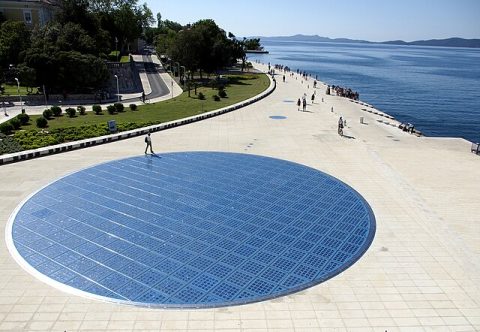
The Greeting to the Sun (Pozdrav Suncu) is a mesmerizing public art installation on the waterfront that consists of 300 glass plates embedded in the ground. During the day, the glass plates collect solar energy, and at night they illuminate in an enchanting light show synchronized with the sunset. Created by artist Nikola Bašić, this unique installation celebrates Zadar's relationship with natural light and has become an iconic symbol of the city. The constantly changing light display provides a magical evening experience and is particularly photogenic during dusk hours.
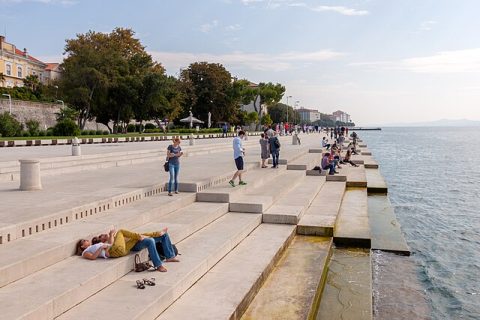
The Sea Organ (Morske Orgulje) is an innovative sound art installation built into the waterfront. This architectural instrument consists of tubes beneath the waterfront steps that produce haunting, musical tones when sea waves move through them. The resulting melodies are unpredictable and ever-changing, creating a natural symphony powered by the Adriatic. Designed by Nikola Bašić alongside Greeting to the Sun, it's a peaceful place to sit and contemplate while listening to nature's music. The experience changes with sea conditions, tide cycles, and wind patterns.
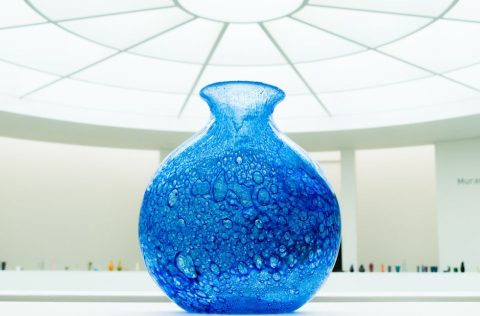
The Museum of Contemporary Glass showcases modern glass art and design installations created by international artists. Housed in a renovated historic building, the museum features innovative glass sculptures, installations, and functional artwork exploring the aesthetic possibilities of the medium. Rotating exhibitions highlight emerging and established contemporary glass artists. The museum celebrates the glassmaking heritage of the region while pushing artistic boundaries with contemporary interpretations.
Tips for Modern Art & Public Spaces
- Visit Greeting to the Sun at sunset for the most spectacular light show
- Best time for Sea Organ is at high tide or when waves are more active
- Both installations are free and accessible 24 hours for outdoor enjoyment
Find peaceful green spaces and natural retreats throughout Zadar's urban landscape.
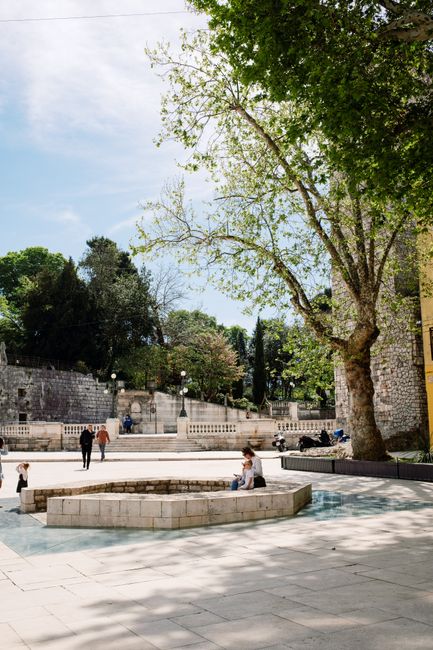
Cosmacendi Park is a tranquil tree-filled plaza offering respite from the bustling Old Town. Named after the influential Cosmacendi family, this park features mature shade trees, benches, and a peaceful atmosphere ideal for relaxation. The surrounding buildings showcase Renaissance and Baroque architecture, creating an elegant setting. The park is frequented by locals enjoying afternoon coffee or evening strolls, providing an authentic glimpse of daily Zadar life away from tourist-heavy areas.
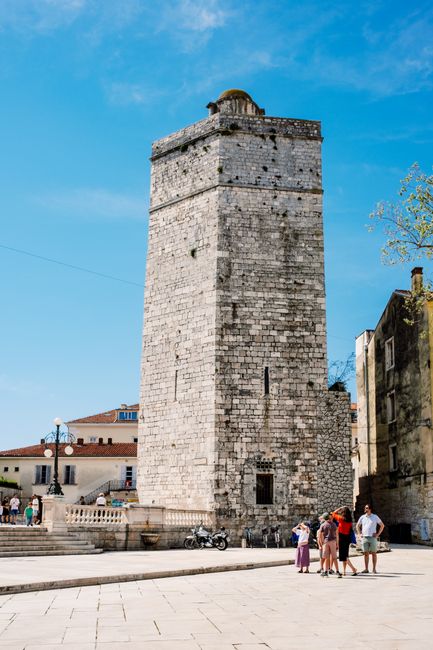
The Reiss Fortification Green Belt encircles the Old Town, providing a scenic walking path with views of the harbor and islands. Built during Venetian rule, the fortification walls have been transformed into a landscaped park with walking trails, scenic overlooks, and seating areas. The green belt connects various parts of the city while offering peaceful nature experiences within an urban setting. Walking the entire circuit provides excellent photography opportunities and panoramic views of Zadar from different vantage points.
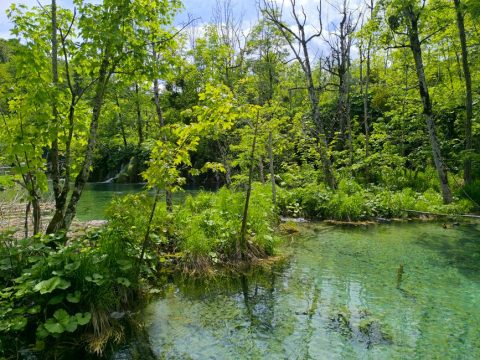
Located just outside the city center, Matošević Forest Preserve offers hiking trails through native Mediterranean vegetation and pine forests. The preserve provides peaceful nature experiences with opportunities for bird watching and photography. Walking trails range from easy strolls to moderate hikes, suitable for various fitness levels. The forest provides a cool retreat during hot summer months and showcases the natural ecosystems of the Dalmatian region.
Tips for Parks & Gardens
- Cosmacendi Park is perfect for morning or evening relaxation before/after exploring the Old Town
- Walk the Reiss Fortification early morning or late afternoon for best lighting and fewer crowds
- Forest trails are best explored with proper footwear and plenty of water
Experience Zadar through guided adventures, water sports, and immersive cultural experiences.
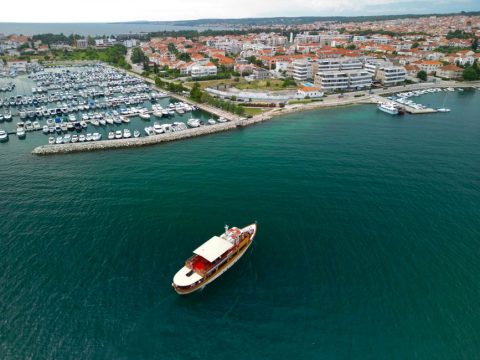
Island-Hopping Tours depart daily from Zadar's harbor, offering excursions to nearby Adriatic islands like Ugljan, Pasman, and Galešnjak. Full-day tours typically include visits to hidden beaches, swimming stops, and visits to charming island villages. Tours often feature local seafood lunches and beverages. Professional boat captains provide maritime history and local knowledge. Tours vary in size from small private boats to larger group vessels. Most operators provide snorkeling equipment for exploring underwater Mediterranean ecosystems and offer flexibility for custom itineraries.
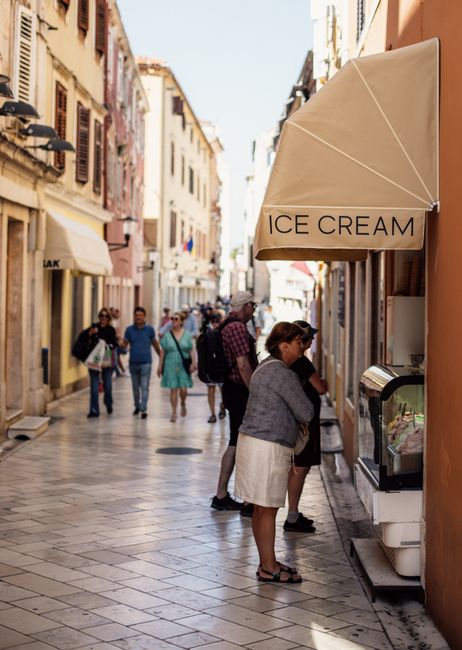
Guided Walking Tours of the Old Town explore historical sites, architectural landmarks, and hidden corners with knowledgeable local guides. Tours typically last 2-3 hours and cover Roman history, medieval fortifications, Renaissance palaces, and modern art installations. Guides share stories of daily life, local legends, and contemporary culture. Small group sizes allow for personalized attention and questions. Tours are available in multiple languages and can be customized for special interests. Evening tours are particularly popular for exploring atmospheric streets and enjoying sunset views from city overlooks.
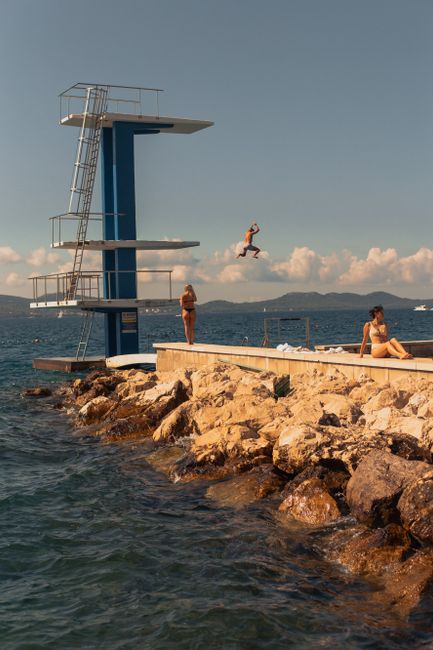
Water Sports operators offer kayaking, windsurfing, paddleboarding, and diving lessons in the pristine Adriatic waters. Local beaches near Zadar provide opportunities for swimming, snorkeling, and beach volleyball. Kayaking trips explore coastal caves and hidden coves. Diving instructors guide visitors to underwater archaeological sites and marine ecosystems. Beach clubs offer water activities alongside sunbathing and refreshment facilities. Seasonal water sports events and competitions attract enthusiasts from across Europe. Equipment rental and lessons are available for all skill levels.
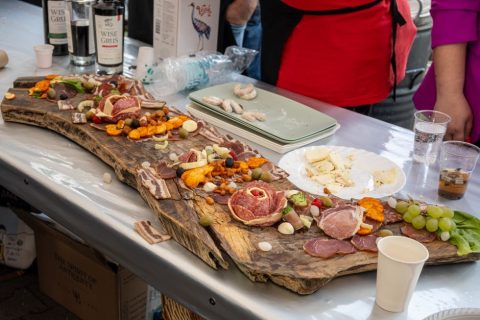
Food & Wine Tours introduce visitors to Dalmatian culinary traditions through tastings at local restaurants, wineries, and markets. Tours typically feature local specialties like pršut (prosciutto), paški sir (cheese), fresh seafood, and local wines from nearby regions. Expert guides share knowledge about food production, regional traditions, and wine pairings. Small group tours create intimate dining experiences at family-run establishments. Some tours include cooking classes where participants prepare traditional dishes. Market tours explore fresh produce, local products, and street food vendors.
Tips for Tours & Activities
- Book island tours in advance during summer season when they fill quickly
- Walking tours in early morning avoid afternoon heat and crowds
- Bring sun protection and comfortable shoes for water sports and beach activities
- Food tours are best reserved for when you have a hearty appetite
Venture beyond Zadar to experience the diverse natural beauty and cultural heritage of the surrounding Dalmatian region.
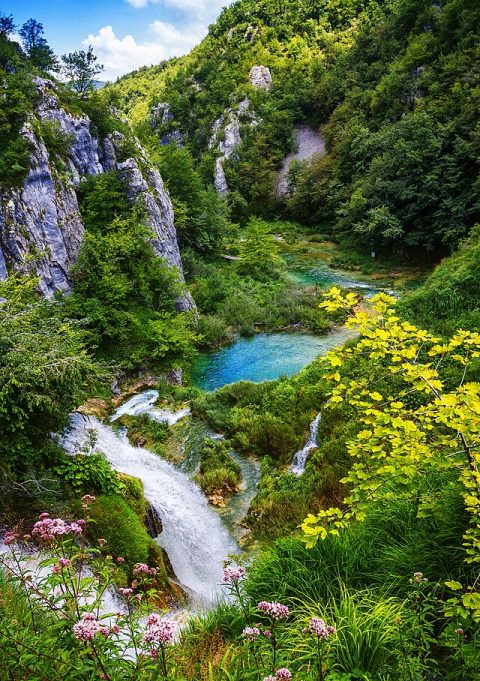
Plitvice Lakes National Park, a UNESCO World Heritage site, is one of Croatia's most spectacular natural attractions. Located 2 hours from Zadar, the park features 16 interconnected lakes with stunning waterfalls, lush vegetation, and diverse wildlife. Walking trails wind through beech and pine forests alongside turquoise lakes fed by underground springs. Boardwalks traverse wetland areas while electric boats navigate larger lakes. The park showcases unique karst geology and pristine ecosystems. Summer crowds are significant, so early morning visits are recommended. The park offers full-day exploration with multiple difficulty levels.
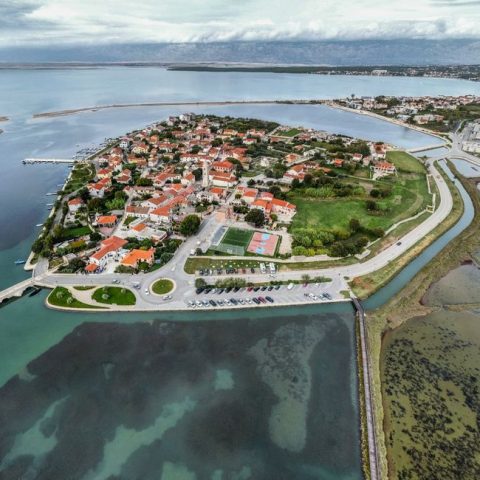
Vrgada Island, accessible by ferry from Zadar, is a charming destination featuring a quaint fishing village, sandy beaches, and Mediterranean vegetation. The small island offers a slower pace of life and authentic Croatian island experience. Visitors can swim at secluded beaches, enjoy fresh seafood at waterfront restaurants, and explore the village's narrow streets. The island's modest infrastructure makes it less crowded than larger islands. Ferries operate year-round but more frequently during summer months. Day trips allow relaxation and snorkeling in pristine waters.
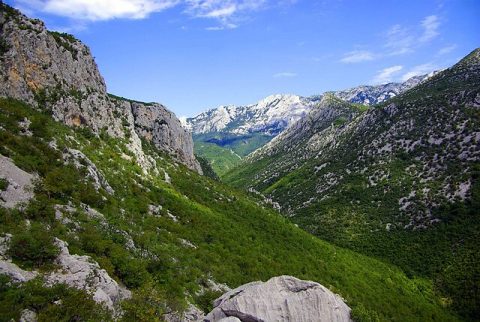
Paklenica National Park, an hour south of Zadar, features dramatic limestone canyons, hiking trails, and climbing routes through Mediterranean landscape. The park's main canyons create spectacular scenery with towering rock walls and mountain streams. Well-marked trails range from easy walks to challenging mountain climbs. Rock climbing is popular in designated areas. The park's ecosystems support diverse flora and fauna including Mediterranean vegetation and mountain wildlife. Visitor centers provide maps and information. Day visitors can enjoy scenic hikes without technical climbing expertise.
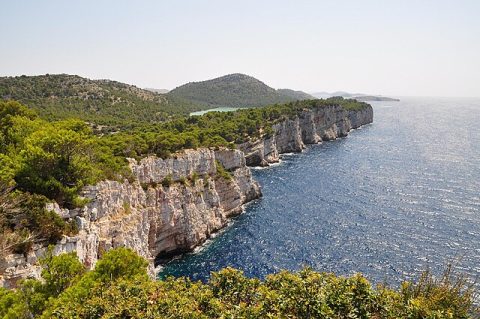
Telašćica Nature Park on Dugi Otok island (accessible by ferry) protects a stunning natural harbor surrounded by high cliffs and Mediterranean vegetation. The park encompasses pristine beaches, hiking trails, and marine ecosystems. The Telašćica Bay is one of the finest natural harbors in the Mediterranean, surrounded by dramatic 161-meter cliffs. The park includes the famous Mir Salt Lake where buoyancy allows swimming without effort. Hiking trails offer panoramic views while protected marine areas support diverse fish and coral species. Day excursions include swimming, snorkeling, and nature walks.
Tips for Day Trips & Excursions
- Plitvice Lakes requires early morning arrival to avoid summer crowds
- Ferry schedules to islands vary seasonally—check before planning day trips
- Bring plenty of water for hiking and national park visits
- Pack sun protection and sturdy footwear for all outdoor excursions
Real, highly-rated Restaurants in Zadar, sourced from Google Places (rating above 4★).

Butler Gourmet&Cocktails Garden is a highly-rated restaurant in Zadar, rated 4.9★ from 8798 reviews. Located at Obala kralja Tomislava 1, 23000, Zadar, Croatia.
Opening Hours
- Monday: Closed
- Tuesday: 12:00 PM – 12:00 AM
- Wednesday: 12:00 PM – 12:00 AM
- Thursday: 12:00 PM – 12:00 AM
- Friday: 12:00 PM – 12:00 AM
- Saturday: 12:00 PM – 12:00 AM
- Sunday: 12:00 – 11:55 PM

The Botanist is a highly-rated restaurant in Zadar, rated 4.9★ from 7155 reviews. Located at Ul. Mihovila Pavlinovića 4, 23000, Zadar, Croatia.
Opening Hours
- Monday: 1:00 – 10:00 PM
- Tuesday: 1:00 – 10:00 PM
- Wednesday: 1:00 – 10:00 PM
- Thursday: 1:00 – 10:00 PM
- Friday: 1:00 – 10:00 PM
- Saturday: 1:00 – 10:00 PM
- Sunday: 1:00 – 10:00 PM

Kolonada Restaurant is a highly-rated restaurant in Zadar, rated 4.9★ from 110 reviews. Located at Trg Stjepana Buzolića 1, 23000, Zadar, Croatia.
Opening Hours
- Monday: 7:00 AM – 10:00 PM
- Tuesday: 7:00 AM – 10:00 PM
- Wednesday: 7:00 AM – 10:00 PM
- Thursday: 7:00 AM – 10:00 PM
- Friday: 7:00 AM – 10:00 PM
- Saturday: 7:00 AM – 10:00 PM
- Sunday: 7:00 AM – 10:00 PM
Explore Zadar on the Map
Best Seasons: May-June and September-October offer ideal conditions with warm temperatures (20-26°C), fewer crowds than July-August, and excellent weather for sightseeing. Summer (July-August) is warmest (28-32°C) but most crowded. Spring (April-May) features blooming flowers and mild temperatures (15-22°C). Autumn (September-October) provides warm sea temperatures perfect for swimming. Winter (November-March) is mild (8-15°C) with occasional rain but minimal tourists and lower prices.
Rainfall: November-March sees occasional rainfall, while summers are almost rain-free. Water Temperature: Warmest from July-September (22-26°C), coolest in February-March (10-12°C).
Arriving in Zadar: Zadar Airport (ZAD) is 10km northeast; shuttle buses, taxis, and rental cars provide ground transport. By Bus: National long-distance buses connect to major Croatian cities and neighboring countries. By Train: Limited train service; bus is more practical for regional travel. By Ferry: Daily ferries connect to nearby islands (Dugi Otok, Vrgada, Pasman). Within Zadar: Old Town is entirely pedestrian-friendly. Public buses cover outer areas and beaches. Bicycles: Bike rentals offer convenient exploration. Car Rental: Useful for visiting national parks and remote beaches, though Old Town has restricted vehicle access.
✈️ Airport Transfer
Zadar Airport (ZAD) to city center:
- Airport shuttle bus: Timed with flight arrivals, runs about 25 minutes to Zadar bus station for around 30 HRK (4 EUR)
- City bus line 32: Regular public bus to the city center in roughly 30 minutes for about 15 HRK (2 EUR), less frequent than the shuttle
- Taxi: About 15 minutes to the old town, typically 150-200 HRK (20-27 EUR) flat or metered fare
- Private transfer: Pre-booked car or van door-to-door in around 15 minutes, roughly 25-35 EUR depending on vehicle size
What to Buy: Pašcal cheese from Pag Island, Dalmatian wine (especially Babić red wine), truffle products, olive oil, lavender items, and traditional lacework. Shopping Areas: Kalelarga Street features boutiques and gift shops. Local markets in Narodni trg offer fresh produce and regional products. Souvenir Shops: Various shops along waterfront and in Old Town sell traditional crafts, jewelry, and local art. Opening Hours: Most shops open 9 AM-2 PM and 5 PM-8 PM with reduced hours Sundays. Bargaining: Not customary in shops but acceptable at markets. Credit Cards: Widely accepted; some small vendors prefer cash.
Zadar Summer Festival (June-August): Music, theater, and cultural performances in historic venues. Zadar Dreams (summer): Electronic music festival and cultural events. Medieval Diners (July-August): Outdoor dining experiences in traditional costumes. Saint Donatus Festival (August): Religious celebrations honoring the city's patron. Easter: Religious processions and traditional celebrations. New Year: Festive celebrations with concerts and fireworks. Easter Eggs Market (Easter): Traditional folk crafts and foods at city markets.
Day 1 - Ancient Zadar: Start at Roman Forum, explore Cathedral of St. Anastasia and climb bell tower for views, lunch at Kalelarga Street, afternoon at Archaeological Museum, evening stroll along Reiss Fortification Green Belt, sunset at Greeting to the Sun.
Day 2 - Medieval & Modern: Morning walking tour of Old Town, visit Church of St. Donatus and St. Mary, explore Five Wells Square, afternoon at Sea Organ and modern art installations, dinner in Cosmacendi Square, evening passeggiata (traditional evening stroll).
Day 3 - Islands & Water: Full-day island-hopping boat tour to nearby islands, swimming and snorkeling, fresh seafood lunch on water, return for sunset.
Day 4 - Nature & Culture: Half-day excursion to Paklenica National Park or Telašćica Nature Park, hiking and scenic views, return for evening food and wine tasting tour.
Day 5 - Regional Exploration: Full-day trip to Plitvice Lakes National Park, walking trails and waterfalls, electric boat rides, return to Zadar for dinner.
Roman Forum at Golden Hour: Best at early morning sunrise or late afternoon (4-6 PM) when light illuminates ancient columns beautifully. Photograph from ground level for dramatic perspectives. St. Donatus Church: Capture at sunset from harbor area when building glows orange-pink. Early morning light creates interesting shadows on cylindrical walls. Greeting to the Sun at Night: Most photogenic at dusk/night when light installation activates (best 1 hour after sunset). Arrive early to secure foreground positions. Sea Organ: Beautiful at any time, especially sunrise when light reflects off water and morning mist rises. Cathedral Bell Tower Views: Climb for panoramic Old Town, harbor, and islands photos; shoot towards setting sun. Kalelarga Street: Photograph early morning for empty street and warm side-lighting; evening offers atmospheric mood. Waterfront Promenade: Best at golden hour when light reflects off water and creates perfect backdrop for harbor and island photos.
Voltage: Croatia uses 230V, 50Hz AC current. Plug Types: Type C (European two-round-pin) and Type F (Schuko) are standard. Adapters: Visitors from UK, US, Canada, Australia need voltage converters and plug adapters. European visitors with Type C/F plugs need no adapter. USB Charging: Most hotels and cafes provide USB charging ports. Power Banks: Recommended for day trips to islands and nature parks. Electronics: Laptops and cameras use universal voltage converters; check device specifications before using.
Must-Try Dishes: Pršut (dry-cured Dalmatian ham), pašticada (beef stew with prunes), black risotto (with squid ink), scampi (Adriatic shrimp), grilled fish, and frog legs. Local Specialties: Paški sir (hard island cheese), fresh mussels, octopus salad, and homemade pasta. Beverages: Local wines (Babić red, white wines), rakija (fruit brandy), and strong Turkish-style coffee. Dining Tips: Lunch is typically noon-2 PM, dinner 7-9 PM. Tipping 10-15% is customary. Waterfront restaurants offer scenic dining but expect higher prices. Local konobas (wine bars) provide authentic, affordable food. Markets: Visit early morning for fresh produce and local products at city markets.
Tourist Passes
Zadar City Card
The Zadar City Card provides entry discounts to museums and attractions including Archaeological Museum, Museum of Glass, and selected galleries. Card holders enjoy discounts at participating restaurants and shops. Available for 24, 48, or 72-hour periods. Card includes unlimited public transportation within Zadar. Provides savings of 20-30% on most attractions when visiting multiple sites. Sold at tourist information centers and hotels.
www.zadar.travelMuseum Combination Ticket
A combined ticket offers discounted entry to multiple archaeological and cultural museums including Archaeological Museum, Museum of Glass, and ethnographic collections. Typically saves 25-30% compared to individual tickets. Valid for several consecutive days, allowing flexible visiting schedule. Available at any participating museum. Particularly valuable for visitors interested in Roman history and glass artworks.
www.zadar.travel