Things to do in Dubrovnik
Dubrovnik's landmarks stand as magnificent testaments to its rich history as a powerful maritime republic. The city's UNESCO World Heritage status reflects its exceptional preservation and cultural significance.
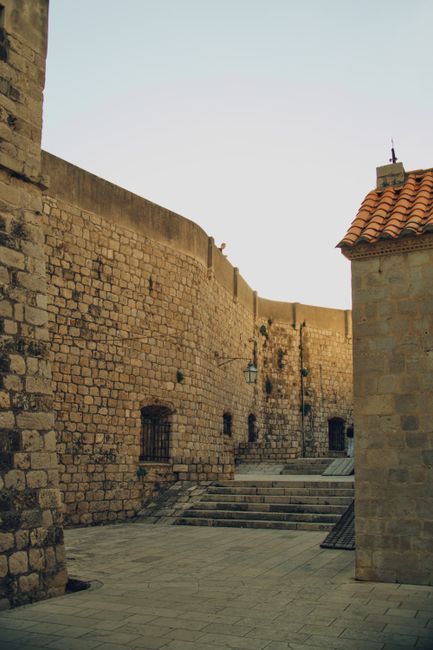
Walk atop the iconic City Walls for spectacular 360-degree views of the Old Town's terracotta roofs, the shimmering Adriatic Sea, and Lokrum Island. These massive stone fortifications, rising up to 25 meters high and 6 meters thick in places, feature defensive towers including the Minčeta Tower, Bokar Fortress, and St. John's Fortress. The complete circuit covers approximately 2 kilometers and offers breathtaking photo opportunities at every turn. Visit early morning or late afternoon to avoid crowds and harsh midday sun.
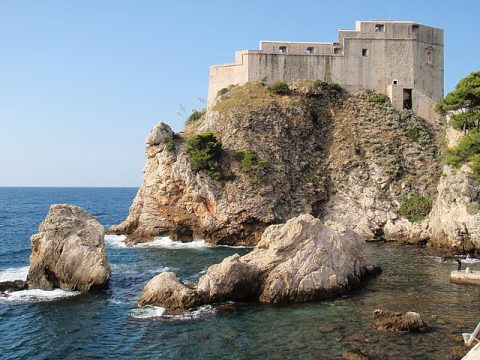
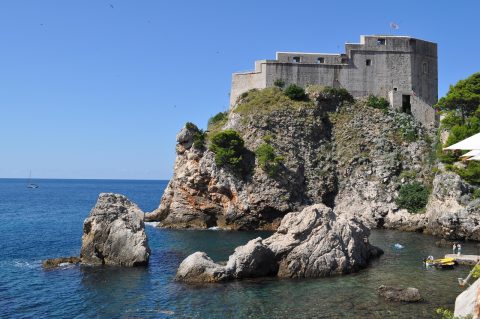
Standing majestically on a 37-meter cliff outside the western wall, Fort Lovrijenac (St. Lawrence Fortress) is nicknamed 'Dubrovnik's Gibraltar.' Built in the 11th century, this triangular fortress defended the city's western approach and served as a symbol of the Republic's freedom. The inscription above the entrance reads 'Non Bene Pro Toto Libertas Venditur Auro' (Freedom is not sold for all the gold in the world). Today, it hosts theatrical performances during the Dubrovnik Summer Festival and offers stunning sunset views. Game of Thrones fans will recognize it as the Red Keep's exterior.
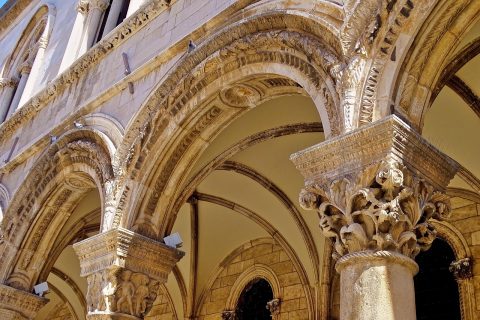
This elegant Gothic-Renaissance palace served as the seat of the Rector of the Republic of Ragusa and now houses the Cultural History Museum. Built in the 15th century after an explosion destroyed the original fortress, the palace showcases exquisite architectural details including ornate capitals, a beautiful atrium, and period furnishings. The rector lived here during his one-month term, never allowed to leave except on official business. Explore the state rooms, prison cells, and collection of paintings, furniture, and coins that tell Dubrovnik's fascinating political history.

The main western entrance to the Old Town, Pile Gate (Gradska vrata Pile) consists of an outer Renaissance gate from 1537 and an inner Gothic gate from 1460. Above the outer gate sits a statue of St. Blaise, Dubrovnik's patron saint. Cross the stone bridge that once had a wooden drawbridge raised every night to enter through this historic portal. The area features the iconic Orlando's Column statue and provides the classic entry experience to Dubrovnik's marble-paved streets.
Tips for Landmarks & Monuments
- Purchase the Dubrovnik Card for combined entry to City Walls and multiple attractions with cost savings
- Start your wall walk early (8 AM opening) or late afternoon to avoid midday heat and cruise ship crowds
- Wear comfortable shoes with good grip - stairs can be steep and uneven
- Bring water and sun protection - there's limited shade on the walls
- Walk counterclockwise from Pile Gate for better photo lighting in the morning
Dubrovnik's museums preserve centuries of artistic, maritime, and cultural heritage. From masterpiece paintings to archaeological treasures, these collections reveal the city's golden age as a Mediterranean power and its enduring cultural legacy.
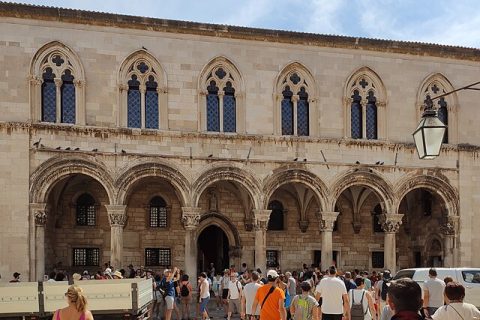
Located within the stunning Rector's Palace, this museum displays over 15,000 artifacts chronicling Dubrovnik's history from ancient times through the Republic of Ragusa period. Collections include period furniture, portraits of notable citizens, coins from the Republic's mint, royal seals, historical documents, and weaponry. The Gothic-Renaissance architecture itself is a masterpiece, featuring a beautiful courtyard with intricately carved capitals. Special exhibits rotate throughout the year, showcasing everything from baroque art to ethnographic collections that illustrate daily life in historic Dubrovnik.
Housed in St. John's Fortress overlooking the Old Port, the Maritime Museum celebrates Dubrovnik's naval heritage as one of history's greatest seafaring republics. Exhibits showcase detailed ship models, navigation instruments, maritime paintings, naval flags, and artifacts from the Republic's powerful merchant and military fleet. Learn about Dubrovnik's sophisticated maritime insurance system (established in 1395) and its diplomatic relations across the Mediterranean. The fortress location provides stunning harbor views and includes the aquarium on the ground floor.

This powerful independent gallery showcases photojournalism from conflict zones worldwide, with a special focus on the 1990s Balkans wars. Founded by renowned New Zealand photojournalist Wade Goddard, the rotating exhibitions feature work by international war photographers documenting human conflict, resilience, and suffering. The gallery occupies a stone building that itself bears scars from the 1991-1992 siege of Dubrovnik. Raw, emotional, and thought-provoking, these images provide crucial historical context and serve as a memorial to those affected by war.
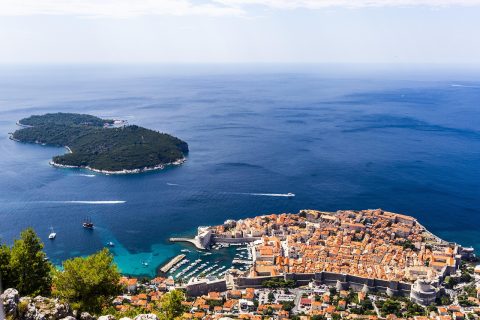
Located in a beautiful 16th-century palace, this museum explores the natural environment of the Adriatic region. Collections include geological specimens, fossils, marine life displays, and taxidermy showcasing local fauna. The museum provides educational insights into the diverse ecosystems of southern Dalmatia, from limestone karst formations to Mediterranean flora and fauna. Particularly interesting for families with children, the museum offers an engaging complement to Dubrovnik's historical attractions with displays on endemic species and environmental conservation efforts.
Tips for Museums & Galleries
- Many museums close on Mondays - verify opening hours before visiting
- Dubrovnik Museum Card offers combined entry to multiple museums at discounted rates
- Air conditioning is limited in historic buildings - visit during cooler morning hours in summer
- Photography policies vary - ask about restrictions before taking photos
- English descriptions are available in most major museums
Dubrovnik's churches and monasteries reflect centuries of Catholic devotion and architectural splendor. These sacred spaces house artistic treasures, religious relics, and provide peaceful sanctuaries within the bustling city.
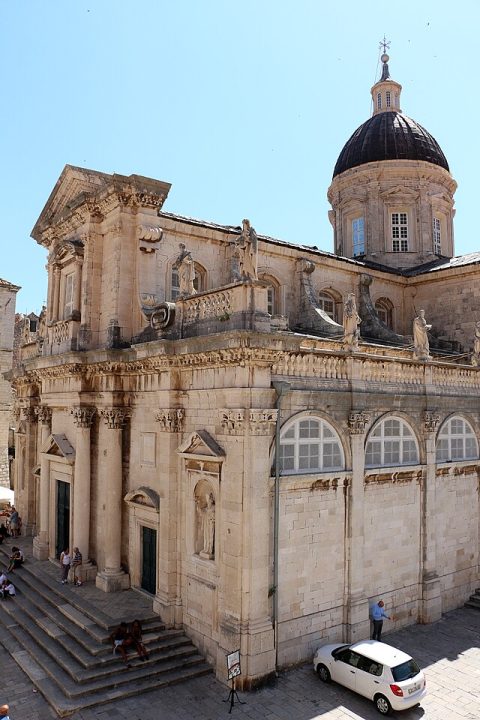
The magnificent baroque Cathedral of the Assumption of the Virgin Mary dominates Poljana Marina Držića square with its imposing dome. Built after the 1667 earthquake destroyed its Romanesque predecessor, legend claims the original was funded by Richard the Lionheart after surviving a shipwreck near Lokrum. The cathedral's treasury houses an exceptional collection including gold and silver reliquaries, 138 relics of saints, and the skull, arms, and leg of St. Blaise (Dubrovnik's patron saint) in elaborate Byzantine craftsmanship. Inside, admire Titian's Assumption of the Virgin and other Renaissance masterpieces.
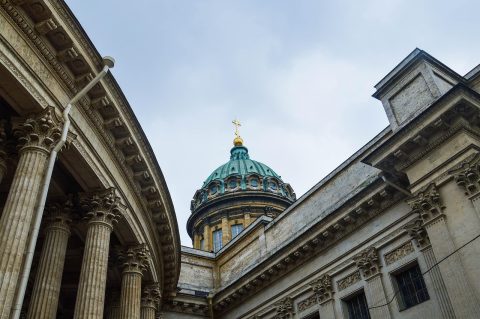
This striking 18th-century baroque church on Luža Square honors St. Blaise (Sveti Vlaho), Dubrovnik's beloved patron saint who allegedly warned the city of a Venetian attack in 971. Rebuilt after the 1667 earthquake, the church features an ornate façade with statues and Corinthian columns. Inside, the high altar displays a 15th-century silver-gilt statue of St. Blaise holding a model of pre-earthquake Dubrovnik - providing the only accurate depiction of the medieval city's appearance. The church remains central to Dubrovnik's identity, with the Feast of St. Blaise (February 3rd) being the city's most important celebration.
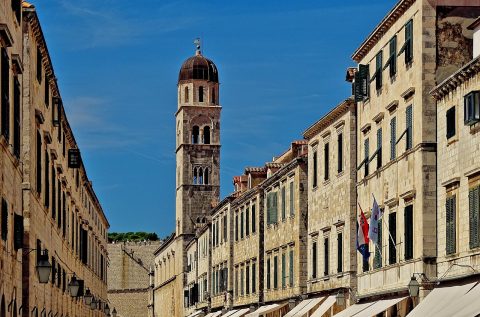
Just inside Pile Gate, the Franciscan Monastery complex dates to 1317 and survived the 1667 earthquake largely intact. The stunning late-Romanesque cloister features delicate double columns with unique capitals, creating one of Dubrovnik's most photographed spaces. The monastery houses Europe's third-oldest functioning pharmacy (established 1317), still operating and selling traditional remedies and cosmetics. The museum displays illuminated manuscripts, liturgical objects, religious art, and pharmacy equipment. The adjacent church contains a beautiful baroque interior and a pietà sculpture above the entrance.
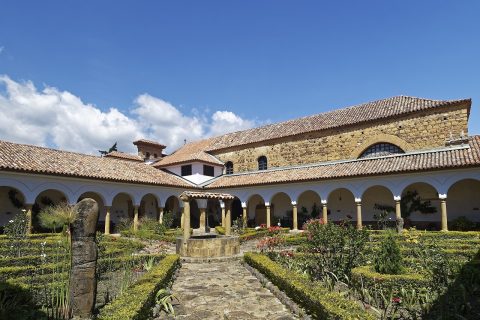
Perched near Ploče Gate, the Dominican Monastery combines Gothic and Renaissance architecture with fortress-like features that helped defend the city's eastern approach. Founded in 1225, the complex includes a peaceful 15th-century cloister with orange trees and a museum housing one of Dalmatia's finest art collections. Highlights include works by Titian, Božidarević, and other Dubrovnik masters, valuable religious manuscripts, and gold-embroidered vestments. The monastery church contains a magnificent gilded altar, beautiful paintings, and a 14th-century stone crucifix. The bell tower offers commanding views over the Old Town rooftops.
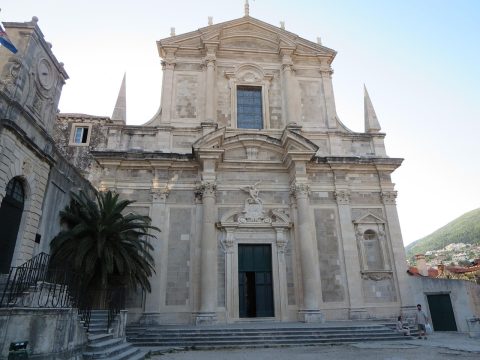
Crowning the monumental Jesuit Staircase (inspired by Rome's Spanish Steps), this baroque church was completed in 1725 after decades of construction. The dramatic stairs provide one of Old Town's most photogenic settings. Inside, the richly decorated interior features impressive frescoes, marble altars, and trompe-l'œil ceiling paintings. The church's elevated position offers beautiful views back down the staircase toward the city. Adjacent Collegium Ragusinum once housed Jesuit scholars and now serves as a cultural venue. Visit late afternoon when sunlight illuminates the façade.
Tips for Religious Sites
- Dress modestly when visiting churches - shoulders and knees should be covered
- Services are held regularly - check schedules to avoid disrupting worship
- Treasury visits may have separate fees and restricted hours
- Photography often prohibited during religious services
- Free entry to most churches but donations are appreciated
Beyond its medieval glory, Dubrovnik's surroundings contain ancient settlements, fortifications, and archaeological sites that reveal layers of history from Roman times through the Ottoman era.
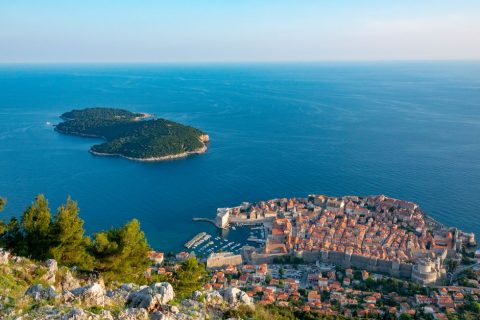
Just 600 meters offshore, Lokrum Island is a protected nature reserve with a fascinating history. According to legend, Richard the Lionheart was shipwrecked here in 1192. The island features ruins of a Benedictine monastery from 1023 (where Dubrovnik nobility once voted on matters of state), botanical gardens with exotic plants including peacocks roaming freely, a small saltwater lake called the Dead Sea, and Fort Royal built by the French in 1806. Rocky beaches offer swimming in crystal-clear waters. The island remained uninhabited after monks cursed anyone who would possess it for personal gain - a curse seemingly fulfilled through centuries of misfortune for various owners.
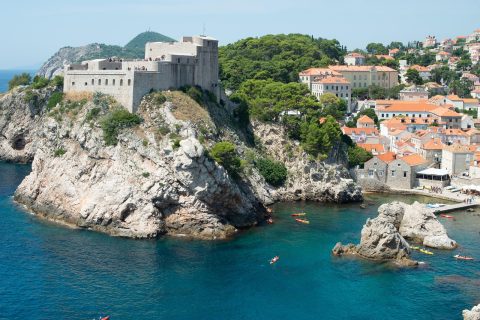
Fort Revelin, standing guard over the Old Port's eastern side, was constructed in the 16th century as an independent fortress to protect against Ottoman expansion. This massive structure took three years to build, with all citizens required to contribute labor. The fortress could function autonomously with its own water supply, ammunition stores, and garrison. Today, its stone halls host cultural events, including the renowned Revelin Club nightclub and exhibition spaces. The fort played a crucial defensive role during the Republic of Ragusa period and now serves as a venue for concerts and the Dubrovnik Summer Festival.
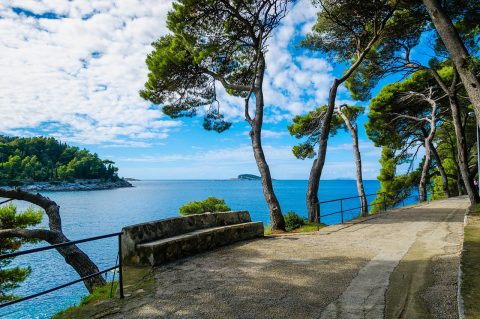
In the charming coastal town of Cavtat (20km south), visit the archaeological collection within the Rector's Palace. The collection showcases artifacts from ancient Epidaurus, the Greek and Roman settlement that predated Dubrovnik. Displays include amphorae, coins, jewelry, and inscriptions that illuminate life in this important Adriatic port from the 3rd century BC onwards. Cavtat itself offers a peaceful alternative to Dubrovnik's crowds, with a beautiful waterfront promenade, beaches, and the Račić Family Mausoleum designed by Croatian sculptor Ivan Meštrović.
Tips for Ancient & Historical Sites
- Lokrum ferries depart regularly from Old Port in summer - arrive early during peak season
- Bring swimming gear for Lokrum - the island has excellent swimming spots
- Wear comfortable walking shoes for exploring archaeological sites
- Combine Cavtat visit with nearby Konavle region wine tasting
- Check opening hours as some smaller sites have limited schedules
Dubrovnik's marble-paved squares and limestone streets form the stage for daily life, lined with cafés, shops, and centuries-old architecture. These public spaces pulse with energy and reveal the city's masterful urban planning.
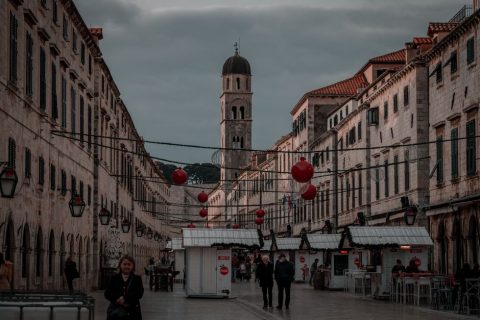
The magnificent Stradun, Dubrovnik's main thoroughfare, stretches 300 meters from Pile Gate to Ploče Gate, dividing the Old Town. This wide, polished limestone promenade follows the channel that once separated the island of Ragusa from the mainland before being filled in the 12th century. Lined with identical baroque townhouses rebuilt after the 1667 earthquake, the Stradun showcases uniform architecture with ground-floor shops and restaurants beneath residential floors. The shiny stone pavement, worn smooth by countless footsteps, reflects golden light at sunset. This is Dubrovnik's living room - the heart of social life where locals and visitors stroll, meet, and celebrate.
Luža Square, at the eastern end of Stradun, forms Dubrovnik's civic center. This elegant space features the Church of St. Blaise, Sponza Palace, Orlando's Column (a carved knight that served as the Republic's standard measure and gathering point), and the City Bell Tower with its bronze bell-ringers (Maro and Baro). The 15th-century Gothic Sponza Palace, one of few buildings to survive the 1667 earthquake, showcases exquisite Renaissance arcade and now houses the State Archives and Memorial Room of Dubrovnik Defenders. The square remains central to city life and celebrations, particularly during the Feast of St. Blaise.
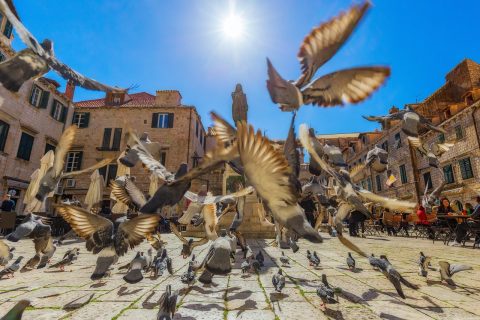
Named after 17th-century poet Ivan Gundulić, this charming square hosts Dubrovnik's vibrant morning market where vendors sell fresh produce, lavender products, olive oil, honey, and handmade crafts. The square features a statue of Gundulić and is surrounded by cafés and restaurants with outdoor seating. Accessed via the grand Baroque Jesuit Staircase, the market provides an authentic glimpse of local life. The dramatic stone steps rising from the square to St. Ignatius Church create one of the Old Town's most Instagram-worthy spots, especially when flower vendors add splashes of color.
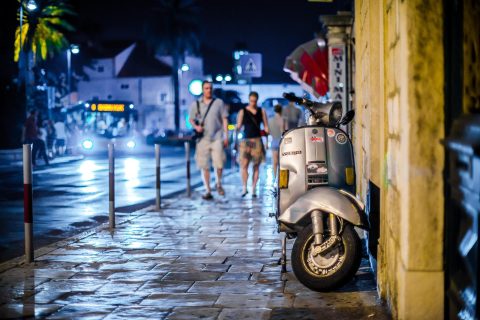
This atmospheric stepped street climbs from Stradun toward the northern walls, epitomizing Old Town's labyrinthine charm. Od Sigurate features stone staircases, arched passageways, hidden courtyards, and centuries-old stone buildings with wooden shutters and flower boxes. The narrow lane provides respite from Stradun's crowds and offers authentic glimpses of residential life within the walls. Cats sunbathe on warm stone steps, laundry dries between buildings, and tiny konobas (taverns) serve meals in intimate settings. This street captures the timeless essence of Mediterranean urban life.
Tips for Squares & Streets
- Visit Gundulić Market early (before 1 PM) for best selection and authentic atmosphere
- Stradun is most magical early morning or late evening when crowds thin
- Explore side streets off main squares to discover hidden gems and avoid tourist masses
- Marble pavement is slippery when wet - wear appropriate footwear
- Café prices are highest on Stradun - venture to side streets for better value
Beyond the Old Town walls, Dubrovnik's diverse neighborhoods reveal different facets of local life, from seaside promenades to hilltop suburbs, each with distinct character and attractions.
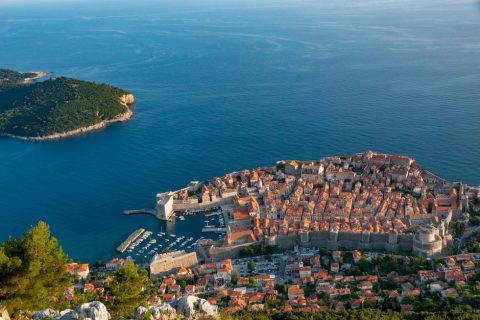
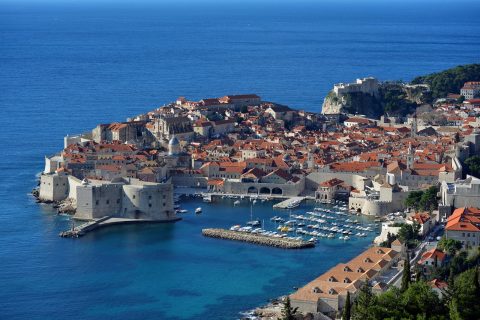
The UNESCO World Heritage Old Town encompasses everything within the medieval city walls - approximately 1,970 meters of perimeter protecting a compact urban maze of marble streets, baroque churches, Renaissance palaces, and hidden squares. Despite the devastating 1667 earthquake and 1991-92 siege damage, meticulous restoration preserved this architectural treasure. The Old Town divides roughly into districts: the flat Stradun area with major sights, the stepped northern quarter with residential character, and the southern section with harbor views. No cars penetrate these walls - only foot traffic on polished stone streets that have witnessed seven centuries of Republic history.
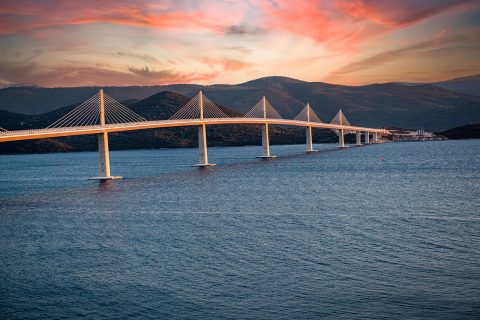
Lapad, west of the Old Town, offers a more relaxed atmosphere with beaches, parks, and modern amenities. This neighborhood features the tree-lined Lapad Bay promenade with cafés, restaurants, and hotels facing a pleasant pebble beach. Nearby Uvala Bay provides another swimming spot with beach clubs and water sports. Lapad is residential with supermarkets, pharmacies, and everyday services - perfect for experiencing local life beyond tourist zones. The Copacabana Beach complex offers organized swimming, while quieter coves dot the rocky coastline. Evening strolls along the seaside promenade are a local tradition.
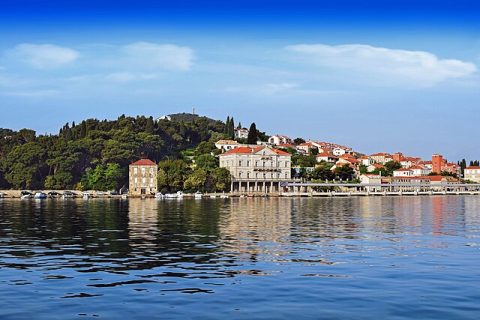
Immediately east of the Old Town walls, Ploče occupies the slopes rising toward Mount Srđ. This upscale residential area features luxury hotels like the famous Hotel Excelsior and Bellevue, plus restaurants with spectacular coastal views. The neighborhood includes Banje Beach, Dubrovnik's most popular city beach with views of the Old Town walls and Lokrum Island. Ploče offers a mix of historic villas, modern development, and dramatic clifftop scenery. The cable car to Mount Srđ departs from this area, making it a gateway to panoramic viewpoints. Less congested than Old Town, Ploče provides upscale dining and accommodation with easy access to cultural sites.
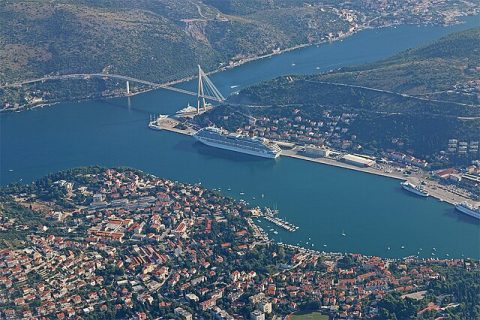
Gruž serves as Dubrovnik's modern commercial heart, located in the bay northwest of the Old Town. This working neighborhood houses the main port where cruise ships and ferries dock, the central bus station, and the lively Gruž Market selling fresh fish, produce, and local products. Less touristy than Old Town, Gruž offers authentic restaurants, cafés where locals gather, and practical shopping. The waterfront promenade provides pleasant walks with yacht views. While not picture-postcard pretty, Gruž reveals everyday Dubrovnik and serves as a transport hub for island ferries and regional buses.
Tips for Neighborhoods & Districts
- Stay in Lapad for better value - hotels and apartments are more affordable than Old Town
- Use local buses (lines 4, 6, 8) to connect neighborhoods efficiently
- Gruž Market is authentic and prices are lower than Old Town tourist shops
- Each neighborhood has distinct character - explore beyond Old Town for complete experience
- Evening promenades in Lapad and Ploče offer scenic walks away from crowds
Dubrovnik's gardens and green spaces provide peaceful retreats from stone streets, showcasing Mediterranean flora, historic landscaping, and breathtaking viewpoints where nature and culture intertwine.
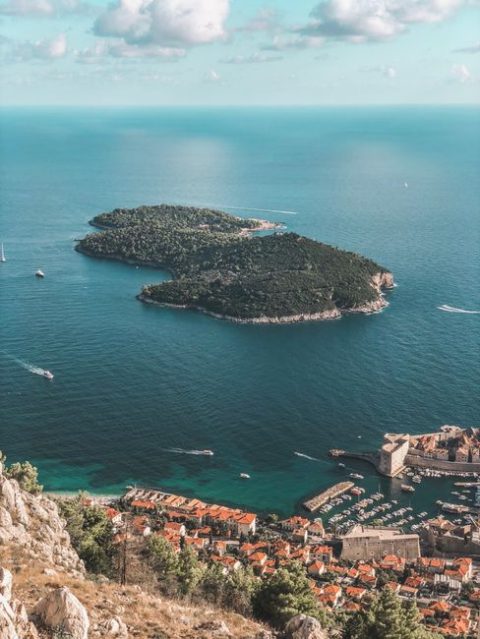
The entire island of Lokrum functions as a nature reserve with remarkable botanical gardens established by Archduke Maximilian of Habsburg in the 19th century. Exotic plants from Australia, South America, and Asia thrive alongside native Mediterranean species - eucalyptus trees, cacti, agaves, and palm groves create diverse botanical zones. Peacocks roam freely through the grounds (descendants of Maximilian's original birds). The gardens surround the ruined Benedictine monastery and include the Mrtvo More (Dead Sea), a small saltwater lake perfect for swimming. Shaded paths wind through subtropical vegetation, offering cool respite and occasional sea views. The island's protected status ensures pristine natural beauty.
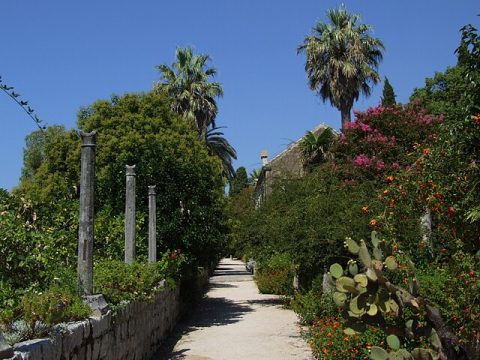
Located 18km northwest of Dubrovnik, Trsteno Arboretum is one of Europe's oldest botanical gardens, established in 1494 by the noble Gučetić family. This Renaissance garden showcases ancient trees (some over 500 years old), exotic plants, formal parterres, stone fountains including a baroque Neptune Fountain, and romantic pavilions. The arboretum occupies a dramatic coastal setting with terraced gardens descending to the sea. Centuries-old plane trees provide magnificent shade. Game of Thrones fans recognize it as the gardens of King's Landing. The combination of historical significance, botanical diversity, and stunning location makes this a worthwhile excursion from Dubrovnik.
Gradac Park in Lapad offers a shaded oasis with Mediterranean pines, cypresses, and palm trees. This seaside park features walking paths, benches with sea views, a small pebble beach, and the impressive Open-Air Theatre that hosts concerts and performances during summer. Built in the 1930s, the park blends natural landscape with designed spaces - perfect for picnics, reading, or escaping the heat. Children's playgrounds and cafés make it family-friendly. The theatre's stone seating and sea backdrop create magical evening entertainment settings. Local families gather here for weekend strolls and relaxation.
Tips for Parks & Gardens
- Visit gardens early morning or late afternoon to avoid midday heat
- Bring sun protection - shade can be limited in some areas
- Lokrum has no fresh water sources - bring adequate drinking water
- Trsteno requires advance planning - arrange transportation (bus, rental car, or taxi)
- Respect nature reserve rules on Lokrum - no picking plants or feeding peacocks
Dubrovnik's historic fountains and monuments served practical purposes while beautifying public spaces. These sculptural works represent centuries of artistic achievement and civic pride.
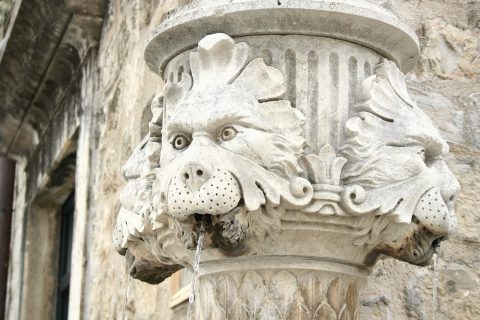
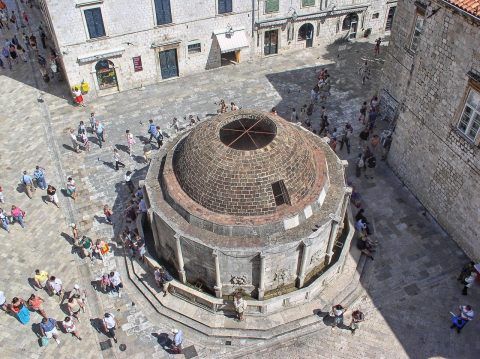
Just inside Pile Gate, Onofrio's Large Fountain (Velika Onofrijeva Fontana) has provided fresh water since 1438. Architect Onofrio della Cava designed this 16-sided domed structure as part of Dubrovnik's sophisticated water supply system, bringing water from the Rijeka Dubrovačka spring 12km away. The fountain features carved stone masks from which water flows into basins - visitors still drink this cold, fresh water. Originally decorated with sculptures damaged in the 1667 earthquake, the fountain retains its polygonal form and practical beauty. It marks the traditional meeting point and starting location for exploring the Old Town.
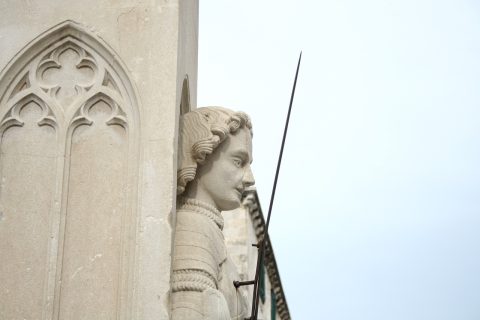
Standing in Luža Square since 1418, Orlando's Column (Orlandov Stup) depicts the legendary knight Roland (Orlando) who allegedly helped Dubrovnik defeat Saracen pirates. This carved stone figure, holding a sword and with a forearm measuring exactly 51.2cm, served as the Republic's official standard measure (the Dubrovnik ell/lakat). Government proclamations were read here, flags flew from the column during festivals, and criminals were punished at its base. The column symbolized the city's freedom and justice. During the Feast of St. Blaise, the Republic's flag still flies from this historic marker of Dubrovnik's independence and civic pride.
Located in Luža Square near the City Bell Tower, Onofrio's Small Fountain (Mala Onofrijeva Fontana) complements its larger sibling. Built in 1446, also by Onofrio della Cava, this Renaissance fountain features elaborate stone carving with decorative reliefs and a small basin. The fountain served the eastern end of the Old Town with drinking water from the same aqueduct system. Its ornate design includes the city's coat of arms and showcases the Republic's commitment to both functionality and artistic beauty in public works. The fountain stands adjacent to historical buildings including the Church of St. Blaise.
Tips for Fountains & Public Art
- The water from Onofrio's fountains is safe to drink - bring reusable bottles to refill
- Fountains are popular photo spots - visit early morning for shots without crowds
- These monuments tell stories - hire a local guide to learn fascinating historical details
- Orlando's Column features prominently in city celebrations and ceremonies
- Look for historical plaques near monuments explaining their significance
Dubrovnik offers efficient transportation options connecting the airport, neighborhoods, and surrounding region. Understanding local transport enhances your visit and provides access to areas beyond the Old Town.
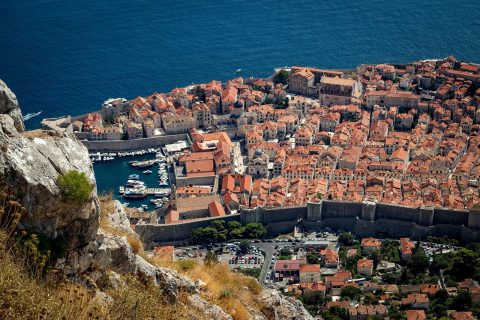
Dubrovnik Airport (Čilipi) lies 20km south of the city. Atlas Airport Shuttle buses coordinate with flight arrivals/departures, running to the main bus station (Gruž) and Pile Gate, taking approximately 30-40 minutes. Purchase tickets at the airport kiosk or online. Taxis offer direct service at higher cost but with convenience - agree on price beforehand or ensure meter usage. Private transfers can be pre-booked for door-to-door service. Some hotels provide shuttle services. During summer peak season, advance booking recommended. The coastal route provides scenic introductions to Dubrovnik's stunning setting.
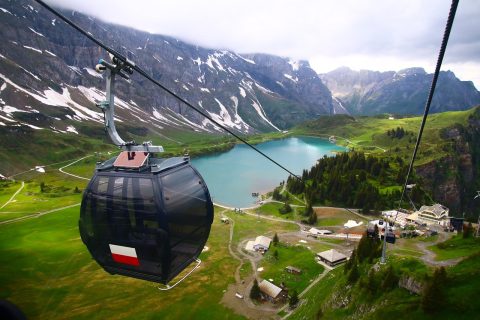
The Dubrovnik Cable Car ascends 778 meters to Mount Srđ summit in just 3-4 minutes, offering spectacular 360-degree views over the Old Town, Adriatic islands, and surrounding mountains. The summit features a restaurant, café, viewing platforms, and the Homeland War Museum documenting the 1991-92 siege. Cable cars depart every 30 minutes from the lower station in Ploče neighborhood. Sunset rides are particularly popular - book online to avoid queues. The summit can also be reached by hiking trail (challenging) or road (taxi/car). Views from the top rank among Europe's finest panoramas, essential for photographers and anyone wanting bird's-eye perspective of Dubrovnik's layout.
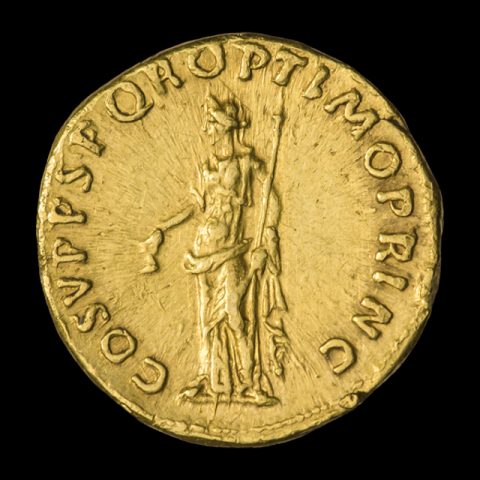
Libertas Dubrovnik operates comprehensive city bus service connecting all neighborhoods. Key routes include Line 1A, 1B, 3 (Pile Gate to Lapad), Line 4 (Old Town circular route), and Line 6 (Gruž to Babin Kuk). Buses run frequently during day (every 10-20 minutes on main routes) with reduced evening/Sunday service. Purchase tickets from drivers (cash only, exact change helpful), newspaper kiosks, or use contactless payment. Single tickets valid for 60 minutes. Consider multi-day passes for frequent use. Buses serve the cable car station, beaches, hotels, and residential areas - essential for budget-conscious travelers.

Water transport includes Jadrolinija ferries to Adriatic islands (Korčula, Mljet, Hvar, Split) departing from Gruž port, Lokrum Island ferries from Old Port (frequent summer service), and water taxis offering point-to-point service along the coast. Regular ferries require advance booking in peak season. Lokrum boats run every 30 minutes May-October. Water taxis provide flexible transport to beaches, restaurants, and hotels with sea access - negotiate prices before boarding. Scenic boat tours circumnavigate the city walls, offering unique perspectives. The Elaphiti Islands day trip ferry connects three beautiful islands. Water transport combines practical utility with sightseeing opportunities.
Tips for Transportation
- Book cable car tickets online to skip queues, especially for sunset time slots
- Validate bus tickets immediately upon boarding to avoid fines
- Airport shuttle times coordinate with flights - check current schedules online
- Walking is best within Old Town - it's entirely pedestrianized
- Taxis use meters but confirm this before departure to avoid disputes
From kayaking adventures to Game of Thrones tours, Dubrovnik offers diverse activities that provide unique perspectives on the city's history, culture, and natural beauty.
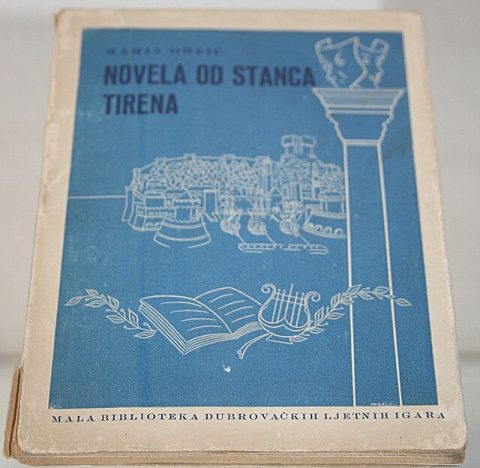
Running mid-July to mid-August since 1950, the Dubrovnik Summer Festival transforms the city into an open-air stage. Over 2,000 artists perform classical music concerts, opera, ballet, theater, and folklore in stunning historic venues: Fort Lovrijenac, Rector's Palace atrium, cathedral steps, and outdoor stages. Shakespeare plays, Croatian drama, symphony orchestras, and contemporary dance grace atmospheric settings with stone walls and starlit skies as backdrop. The festival celebrates high culture and tradition, attracting international performers and audiences. Opening ceremony features the Libertas flag raising. Advance booking recommended for popular performances. The festival embodies Dubrovnik's living cultural heritage.
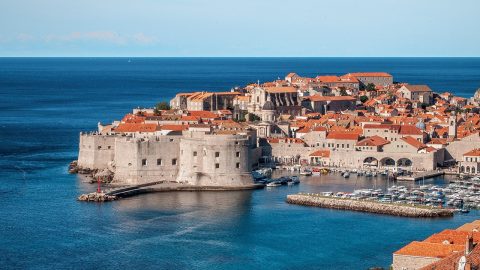
Sea kayaking around Dubrovnik's coast offers an unforgettable perspective of the city walls from water level. Paddle along dramatic cliffs, explore hidden caves, swim in secluded coves, and circumnavigate Lokrum Island. Tours typically include snorkeling equipment, waterproof bags, and experienced guides sharing history and local stories. Sunset kayaking tours provide magical light on the Old Town walls. No experience necessary - guides adjust pace for all fitness levels. Half-day tours depart from Pile Bay or nearby beaches. This active adventure combines exercise, sightseeing, and swimming in crystal-clear Adriatic waters, creating memorable experiences beyond standard tourist activities.
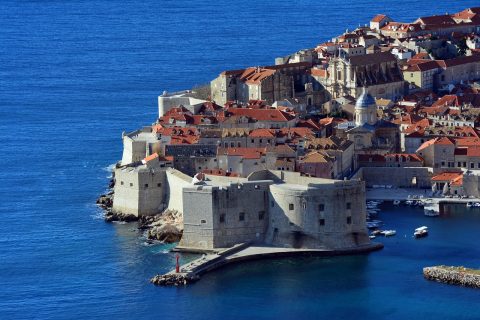
Dubrovnik served as primary filming location for King's Landing in HBO's Game of Thrones. Specialized walking tours visit key locations: the Jesuit Staircase (Cersei's Walk of Shame), Pile Gate (King's Landing entrance), Fort Lovrijenac (Red Keep exterior), Minčeta Tower (House of the Undying), and numerous Old Town streets featured in market and battle scenes. Knowledgeable guides share behind-the-scenes filming stories, show photo comparisons, and explain how locations transformed into Westeros. Tours last 2-3 hours covering major sites. Some include Lokrum Island (where throne replica sits) or Trsteno Arboretum (King's Landing gardens). Essential for series fans wanting deeper connection to iconic scenes.
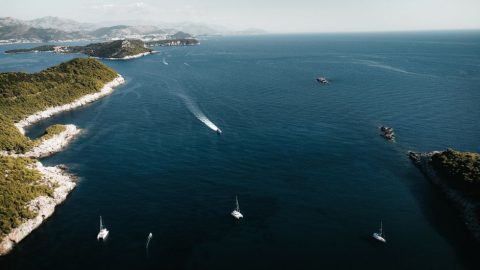
Day trips to the Elaphiti Islands (Koločep, Lopud, Šipan) combine scenic boat cruising with island exploration. These car-free islands feature pine forests, sandy beaches, historic churches, and traditional fishing villages. Tours typically include swimming stops in turquoise bays, lunch at island restaurants (often fresh seafood), and free time to explore coastal paths, visit botanical gardens, or relax on beaches. Lopud's Šunj Beach offers rare sandy shores. The journey provides respite from Dubrovnik's crowds while showcasing pristine Adriatic landscapes. Full-day tours depart from Gruž harbor, offering relaxed pacing and multiple swimming opportunities in crystal-clear waters.
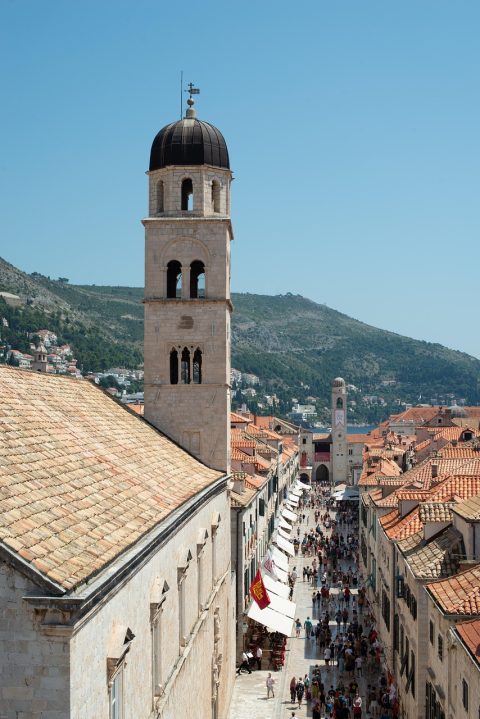
Culinary walking tours introduce Dalmatian cuisine and local food culture through tastings at family-run restaurants, markets, and specialty shops. Sample fresh seafood, peka (slow-cooked meat/vegetables), fritule (sweet fritters), local cheeses, olive oils, wines, and rakija (fruit brandy). Guides explain traditional cooking methods, regional ingredients, and food history while navigating Old Town streets and Gundulić Market. Tours often include 5-7 tasting stops with generous portions constituting a substantial meal. Learn about Dubrovnik's gastronomic heritage, fishing traditions, and Mediterranean diet. Perfect for food enthusiasts wanting authentic culinary experiences beyond tourist restaurant menus.
Tips for Tours & Activities
- Book popular tours in advance especially during July-August peak season
- Small group tours provide better experiences than large bus groups
- Weather-dependent activities (kayaking, boat trips) may be rescheduled - check cancellation policies
- Wear appropriate clothing - modest dress for religious site visits, swimwear for water activities
- Tip guides 10-15% for excellent service as gratuities often aren't included
Dubrovnik's location provides access to stunning destinations within day-trip distance: national parks, historic towns, neighboring countries, and pristine islands that showcase the region's diversity.
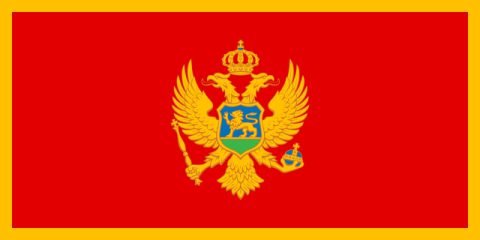
Cross into Montenegro (30km south) to explore the spectacular Bay of Kotor, often called Europe's southernmost fjord. Medieval Kotor features UNESCO-listed Old Town with Venetian architecture, fortified walls climbing steep mountains, and the stunning Cathedral of Saint Tryphon. Nearby Perast, a baroque jewel, offers boat trips to Our Lady of the Rocks island church. The scenic coastal drive passes through Herceg Novi and provides breathtaking mountain-meets-sea vistas. Full-day tours typically include border crossing (bring passport!), guided walks, and free time. The Bay of Kotor's dramatic beauty rivals any Mediterranean destination. Note: border waits can be lengthy in summer.
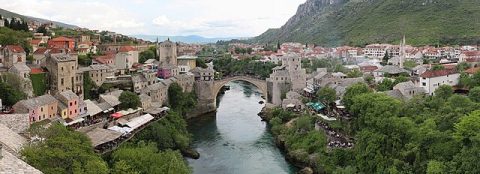
Journey north to Mostar (140km, ~3 hours), famed for its iconic Stari Most (Old Bridge) spanning the turquoise Neretva River. This UNESCO World Heritage site showcases Ottoman architecture, bustling bazaars selling copperware and Turkish delights, and poignant war history. Watch daredevil divers leap from the 24-meter bridge. The old town's cobblestone streets, mosques, and Turkish houses transport visitors to a different cultural world. Tours often include stops at Počitelj (medieval hilltop village), Blagaj Tekke (Dervish monastery built into clifffside), and the Kravice Waterfalls. Essential for understanding the region's complex history and cultural diversity. Bring passport for border crossing.
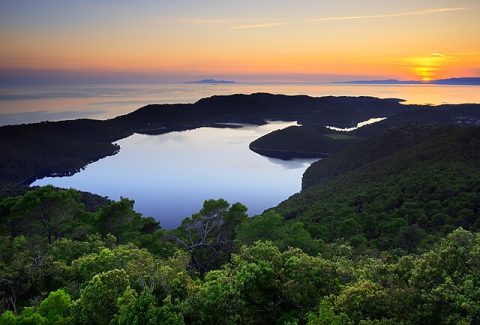
Mljet Island's National Park encompasses pristine forests, two stunning saltwater lakes (Veliko and Malo Jezero), and the tiny islet of St. Mary with its 12th-century Benedictine monastery. The lush island, according to legend, imprisoned Odysseus for seven years. Rent bicycles or hike around the lakes' shores, swim in crystal-clear waters, kayak to the monastery island, or simply relax in unspoiled nature. The park protects Mediterranean pine forests and endemic species. Ferries from Dubrovnik (2 hours) or faster catamarans serve the island. Combine with swimming at Saplunara Beach. Mljet offers tranquil escape from coastal crowds - Croatia's greenest island paradise.
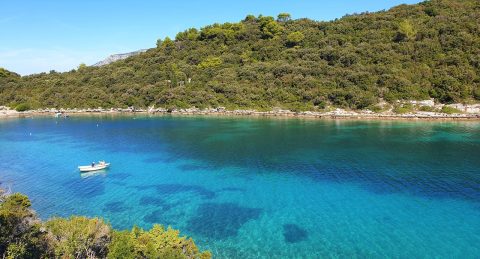
Korčula, claimed birthplace of Marco Polo, enchants with its medieval walled town rising from the Adriatic. The old town's herringbone street pattern, Venetian Gothic architecture, and impressive St. Mark's Cathedral rival Dubrovnik's beauty with fewer crowds. Explore the Marco Polo Museum (in his alleged birth house), watch traditional Moreška sword dance performances, swim at secluded beaches, and taste local wines (Pošip, Grk varieties). The island's dense forests earned it the name 'Black Corfu.' Ferries (3 hours) or faster catamarans connect from Dubrovnik. Combine town exploration with beach time and wine tasting for perfect Dalmatian island experience.
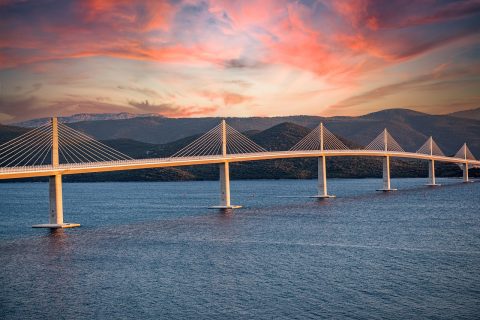
The Pelješac Peninsula (70km northwest) produces Croatia's finest red wines, particularly the indigenous Plavac Mali grape grown on steep coastal vineyards. Visit family-run wineries in Dingač and Postup regions for tastings with sea views. The medieval town of Ston boasts the world's second-longest defensive walls (5.5km) and renowned oyster farms in Mali Ston bay - fresh oysters paired with white wine are heavenly. The peninsula offers beautiful beaches, traditional konobas serving local cuisine, and relaxed island atmosphere. Wine tours combine cultural sights, scenic drives through vineyards, gourmet experiences, and swimming opportunities. Perfect for oenophiles and food lovers.
Tips for Day Trips & Excursions
- Bring your passport for trips to Montenegro and Bosnia - you'll cross international borders
- Book ferries in advance during summer for island day trips
- Organized tours handle logistics but independent travel offers more flexibility
- Start early to maximize time at destinations - many involve 2-3 hour drives
- Check border wait times in peak season when planning Montenegro/Bosnia trips
Real, highly-rated Restaurants in Dubrovnik, sourced from Google Places (rating above 4★).

Dinner In The Sky Dubrovnik is a highly-rated restaurant in Dubrovnik, rated 5★ from 1373 reviews. Located at Ul. Iva Dulčića 34, 20000, Dubrovnik, Croatia.
Opening Hours
- Monday: 2:00 – 10:00 PM
- Tuesday: 2:00 – 10:00 PM
- Wednesday: 2:00 – 10:00 PM
- Thursday: 2:00 – 10:00 PM
- Friday: 2:00 – 10:00 PM
- Saturday: 2:00 – 10:00 PM
- Sunday: 2:00 – 10:00 PM

Public Old Town Croatian Bistro is a highly-rated restaurant in Dubrovnik, rated 5★ from 931 reviews. Located at Prijeko ul. 30, 20000, Dubrovnik, Croatia.
Opening Hours
- Monday: 11:00 AM – 11:00 PM
- Tuesday: 11:00 AM – 11:00 PM
- Wednesday: 11:00 AM – 11:00 PM
- Thursday: 11:00 AM – 11:00 PM
- Friday: 11:00 AM – 11:00 PM
- Saturday: 11:00 AM – 11:00 PM
- Sunday: 11:00 AM – 11:00 PM

Local is a highly-rated restaurant in Dubrovnik, rated 4.9★ from 348 reviews. Located at Ul. Dinka Ranjine 8, 20000, Dubrovnik, Croatia.
Opening Hours
- Monday: 7:00 PM – 12:00 AM
- Tuesday: 7:00 PM – 12:00 AM
- Wednesday: 7:00 PM – 12:00 AM
- Thursday: 7:00 PM – 12:00 AM
- Friday: 7:00 PM – 12:00 AM
- Saturday: 7:00 PM – 12:00 AM
- Sunday: 7:00 PM – 12:00 AM
Explore Dubrovnik on the Map
Seasonal Guide to Dubrovnik
Peak Season (July-August): Warmest weather (28-32°C/82-90°F) with minimal rainfall and longest daylight hours. However, expect massive cruise ship crowds (up to 10,000 daily visitors), highest prices, packed attractions, and difficulty finding accommodation. City walls and Stradun become extremely congested 10am-4pm. Sea temperature perfect for swimming (24-26°C/75-79°F). Book everything months in advance.
Shoulder Season (May-June, September-October) - BEST TIME: Ideal balance of pleasant weather (20-27°C/68-81°F), manageable crowds, and lower prices. May and September offer warm swimming conditions with significantly fewer tourists. October cools but remains comfortable for sightseeing. Accommodation rates drop 30-50% compared to peak summer. All attractions open with normal hours. Perfect for photography without crowds obscuring views.
Low Season (November-April): Quiet period with minimal tourists and lowest prices (50-70% below summer rates). Weather variable - mild winters (8-15°C/46-59°F) with occasional rain. Some restaurants and tour operators close. Reduced ferry schedules to islands. However, you'll experience authentic local life, empty city walls, and magical atmospheres without crowds. December offers festive Christmas markets and decorations.
Special Events: Dubrovnik Summer Festival (mid-July to mid-August) brings cultural performances but also peak crowds. Feast of St. Blaise (February 3) showcases local traditions. Easter and Christmas feature special celebrations with church ceremonies and processions.
Recommendation: Visit in May, early June, or September for optimal weather, comfortable crowds, reasonable prices, and full attraction accessibility. Avoid late July-August unless you thrive in intense heat and massive crowds.
Shopping in Dubrovnik
What to Buy:
- Lavender Products: Croatian lavender (from islands like Hvar) in sachets, essential oils, soaps, and cosmetics. Gundulić Market offers authentic locally-made products. Avoid mass-produced tourist versions.
- Olive Oil: Premium Dalmatian extra virgin olive oil from local producers. Look for protected designation of origin (PDO) labels. Purchase at markets or specialty shops, not souvenir stores.
- Wine: Local varieties including Plavac Mali (red), Pošip, Grk, Malvazija (whites). Wine shops in Old Town offer tastings and expert advice. Pelješac wines highly regarded.
- Truffles: Istrian truffles and truffle products (oils, pastes, spreads) available at gourmet shops. Expensive but authentic Croatian delicacy.
- Rakija: Traditional fruit brandy - grape, plum, herb-infused varieties. Purchase quality brands from liquor shops, not tourist traps.
- Figs: Dried figs, fig jam, and fig liqueur (produced locally). Excellent gift item and regional specialty.
- Jewelry: Konavle traditional jewelry featuring elaborate silver filigree work. Also coral and maritime-inspired pieces.
- Lace: Hand-made Croatian lace, particularly from Konavle region. Authentic pieces are expensive - verify origin.
- Licitar Hearts: Colorful decorated honey cookies, traditional Croatian folk craft (though more associated with northern Croatia).
- Sea Salt: Ston salt from historic salt pans, considered among world's finest. Available in various preparations.
Shopping Areas:
Gundulić Market (Gundulićeva Poljana): Morning market (7am-1pm) for fresh produce, lavender, olive oil, honey, local cheese, handicrafts. Authentic atmosphere with reasonable prices. Best time: early morning for full selection.
Stradun: Main street lined with shops selling jewelry, clothing, souvenirs. Higher prices due to prime location. Luža Boutique and other stores offer quality Croatian products.
Gruž Market: Local market near port selling fresh fish, fruits, vegetables, flowers. More authentic and cheaper than Old Town. Open mornings, best for experiencing daily life.
Od Puča Street: Parallel to Stradun with smaller boutiques, art galleries, craft shops. Less crowded with more unique offerings.
Shopping Centers: Gruž area has Konzum supermarkets for groceries. Avenue Mall (outside city center) offers international brands, though not recommended for souvenir shopping.
Bargaining: Not customary in established shops and markets. Prices generally fixed. However, purchasing multiple items at markets might warrant polite request for small discount. Never aggressive bargaining - Croatians find this disrespectful.
Tips:
- Verify authenticity - many "Croatian" products are imports. Ask about origin.
- Compare prices between shops, especially for expensive items like jewelry, wine, olive oil.
- Shop at markets early for best selection before tourist buses arrive.
- Keep receipts - some items eligible for VAT refund if spending exceeds 740 Kuna.
- Avoid shops immediately at cruise ship docking areas - highest markups.
- Credit cards widely accepted, but markets prefer cash (Kuna or Euro).
Festivals & Annual Events
Feast of St. Blaise (Festa Svetog Vlaha) - February 3: Dubrovnik's most important celebration honoring the city's patron saint. Festivities include morning mass at cathedral, processions through Old Town with saint's relics, releasing of white doves from cathedral steps, traditional music and dancing, local delicacies, and the Libertas flag flying from Orlando's Column. Locals dress in traditional Konavle costumes. The celebration reflects Dubrovnik's deep Catholic heritage and community pride. Entire city participates in this religious and cultural event spanning several days around February 3.
Dubrovnik Summer Festival (Dubrovačke ljetne igre) - Mid-July to Mid-August: Prestigious 47-day festival established in 1950, transforming the city into open-air theater. Over 2,000 artists perform classical music, opera, ballet, drama, and folklore at stunning venues: Fort Lovrijenac, Rector's Palace, cathedral steps, Revelin Fortress. International and Croatian performers present Shakespeare, Croatian classics, symphonies, and contemporary works. Opening ceremony features the Libertas flag raising and proclamation reading. Tickets sell quickly for popular performances - book months ahead. The festival epitomizes Dubrovnik's cultural sophistication and commitment to arts.
Dubrovnik Carnival (Dubro) - February (dates vary): Pre-Lenten celebration with colorful parades, masked balls, street performances, and children's events. Less elaborate than Venice or Rijeka carnivals but charming local tradition. Participants wear costumes, music fills streets, and traditional foods served. Combines Catholic observance with festive revelry before Lenten fasting period.
Good Friday Procession - Easter (date varies): Solemn religious procession through Old Town streets following the Passion of Christ. Confraternities carry religious statuary, participants wear traditional robes, and crowds gather respectfully. Deeply moving spiritual event showcasing Dubrovnik's living religious traditions. Churches hold special services throughout Holy Week.
Libertas Film Festival - September: International film festival focusing on human rights, minority rights, and social justice themes. Screenings at outdoor and indoor venues throughout city. Documentary and feature films from around the world. Discussions with filmmakers, panels, and workshops. Reflects Dubrovnik's commitment to freedom (Libertas) and progressive values.
Dubrovnik International Wine Festival - May: Celebration of Croatian wines with tastings, masterclasses, food pairings, and winery presentations. Held at Lazareti complex. Opportunity to discover regional varieties and meet winemakers. Includes Dalmatian, Istrian, and continental Croatian wines.
Dubrovnik FestiWine - April: Weekend wine festival showcasing local and international wines paired with gastronomic offerings. Held at various Old Town locations with live music and festive atmosphere.
New Year's Eve Celebration - December 31: Stradun transforms into massive street party with live music, performances, fireworks at midnight over Old Town and harbor. Restaurants offer special menus, clubs host parties. Festive atmosphere with locals and tourists celebrating together. Book accommodation far in advance.
National Holidays:
- New Year's Day (January 1)
- Epiphany (January 6)
- Easter Sunday & Monday (dates vary)
- Labour Day (May 1)
- Corpus Christi (date varies, 60 days after Easter)
- Anti-Fascist Struggle Day (June 22)
- Statehood Day (June 25)
- Victory & Homeland Thanksgiving Day (August 5)
- Assumption Day (August 15)
- Independence Day (October 8)
- All Saints' Day (November 1)
- Christmas Day (December 25)
- St. Stephen's Day (December 26)
During national holidays, many shops and some restaurants close. Banks and government offices closed. Plan accordingly. Major attractions typically remain open.
Sample Day Itineraries
Day 1: Classic Dubrovnik - Old Town Essentials
Morning (8:00-12:00): Start early at Pile Gate (8am) before crowds arrive. Walk the City Walls counterclockwise (2-3 hours) - morning light perfect for photography. Bring water and sun protection. Exit near Ploče Gate.
Lunch (12:00-13:30): Fresh seafood at konoba in Old Town or grab light meal at café on Stradun. Try black risotto or grilled fish.
Afternoon (13:30-17:00): Visit Rector's Palace and Cultural History Museum (1 hour). Explore Franciscan Monastery with beautiful cloister and ancient pharmacy (45 min). Walk Stradun, visit Church of St. Blaise and admire Orlando's Column. Browse Gundulić Market for souvenirs (closes early afternoon). Climb Jesuit Staircase to St. Ignatius Church for views.
Late Afternoon (17:00-19:00): Take Cable Car to Mount Srđ for sunset panorama (book time slot in advance). Enjoy drink at summit restaurant while photographing golden hour over Old Town.
Evening (19:00+): Dinner at restaurant with Adriatic views. Evening stroll along city walls' exterior or find quiet spot to watch Old Town illuminated. Gelato on Stradun.
Day 2: Island Escape & Maritime Heritage
Morning (9:00-12:30): Take ferry from Old Port to Lokrum Island (10-minute crossing, ferries every 30 min). Explore botanical gardens, visit ruined Benedictine Monastery, and hike to Fort Royal for elevated views. Swim in Dead Sea lake or rocky beaches. Watch free-roaming peacocks.
Lunch (12:30-14:00): Return to Dubrovnik. Lunch at Old Port area - fresh catch of the day at waterfront restaurant.
Afternoon (14:00-17:00): Visit Maritime Museum in St. John's Fortress (1 hour) learning about Dubrovnik's naval heritage. Explore Dominican Monastery with impressive art collection (1 hour). Walk to Fort Lovrijenac for Game of Thrones location and stunning coastal views (1 hour).
Late Afternoon (17:00-19:00): Relax at Banje Beach - swim, sunbathe, enjoy beach bar with Old Town backdrop.
Evening (19:00+): Sunset dinner at Banje Beach Club or East-West Beach Club. Optional: Explore Ploče neighborhood's upscale restaurants and bars.
Day 3: Cultural Deep Dive & Local Life
Morning (8:00-12:00): Early visit to Gruž Market (8am) for authentic local atmosphere - fresh fish, produce, flowers. Coffee at local café among residents. Take bus to Trsteno Arboretum (30-min ride) - explore Renaissance gardens, ancient trees, Neptune Fountain, and Game of Thrones locations (1.5 hours on-site).
Lunch (12:30-14:00): Return to city. Lunch at family-run konoba in quieter Old Town street. Try peka (slow-cooked traditional dish) - order ahead if possible.
Afternoon (14:00-17:30): Dubrovnik Cathedral and treasury with St. Blaise relics (45 min). War Photo Limited gallery for powerful photojournalism (45 min). Sponza Palace Memorial Room (30 min) honoring 1990s war defenders. Browse artisan shops on Od Puča street.
Late Afternoon (17:30-19:30): Walking food tour or independent tasting at Gundulić Market vendors, local bakeries, wine shops. Sample fritule, fig products, Croatian wines.
Evening (19:30+): Attend Dubrovnik Summer Festival performance if visiting July-August (book ahead). Otherwise, enjoy outdoor dining with live music. Nightcap at jazz bar or Buža Bar (cliffside bar outside walls).
Day 4: Adventure & Day Trip
Full Day Option A - Montenegro: Organized tour or independent drive to Bay of Kotor (depart 8am). Visit medieval Kotor Old Town, baroque Perast, boat to Our Lady of the Rocks island. Lunch with bay views. Return evening (6-7pm). Bring passport for border crossing.
Full Day Option B - Bosnia: Tour to Mostar (depart 7:30am). See iconic Stari Most bridge, Ottoman old town, Turkish bazaar. Stops at Počitelj medieval village, Blagaj Tekke monastery, possibly Kravice Waterfalls. Return evening (7-8pm). Passport required.
Full Day Option C - Islands: Ferry to Mljet National Park or Korčula Island. Explore saltwater lakes, monastery, beaches (Mljet) or medieval town, Marco Polo sites, wine tasting (Korčula). Pack swimming gear.
Full Day Option D - Active Day: Morning sea kayaking tour around city walls and Lokrum (3 hours). Lunch break. Afternoon at Elaphiti Islands (Lopud's Šunj Beach) or Pelješac Peninsula wine tasting and Ston walls/oysters.
Evening: Relaxed dinner after full day. Early night for recovery.
Day 5: Beaches, Views & Farewell
Morning (9:00-12:00): Game of Thrones walking tour (if fan) covering filming locations with behind-scenes stories (2.5 hours). OR revisit favorite Old Town spots, final souvenir shopping, photograph details missed earlier.
Lunch (12:00-14:00): Lunch at restaurant you've saved for special meal - splurge on tasting menu or seafood feast.
Afternoon (14:00-17:00): Beach time at Sveti Jakov Beach (gorgeous views, fewer crowds) or Copacabana Beach (organized facilities). Swimming, sunbathing, water sports.
Late Afternoon (17:00-18:30): Final cable car ride or walk city walls again during golden hour - different perspective than Day 1.
Evening (18:30-21:00): Farewell dinner at memorable location - cliffside restaurant, Old Town terrace, or waterfront venue. Toast to Dubrovnik with local wine.
Night (21:00+): Sunset watching from Buža Bar or city walls exterior. Final evening stroll savoring illuminated Old Town. Gelato tradition. Reflect on incredible journey through Pearl of Adriatic.
Tips for All Itineraries: Adjust timing based on energy levels and interests. Build in flexibility for spontaneous discoveries. Start early to avoid crowds and heat. Book popular activities (cable car, tours, ferries) in advance. Wear comfortable shoes. Stay hydrated. Allow time for simply soaking in atmosphere without rushing.
Best Photography & Instagram Locations
Mount Srđ Summit (Cable Car Station): THE iconic Dubrovnik view - entire Old Town terracotta roofs, city walls, harbor, Lokrum Island, and Adriatic stretching to horizon. Visit for sunrise (ethereal light, no crowds - requires taxi/hike as cable car opens 9am) or sunset (golden hour magic, book time slot). 360-degree panoramas. Telephoto lens captures roof details; wide-angle for sweeping landscapes.
City Walls - Western Section: Walk walls counterclockwise from Pile Gate for morning side-lighting. Key spots: Minčeta Tower (highest point, commanding views), section overlooking Fort Lovrijenac and Adriatic, and angles capturing Stradun from above. Best time: Early morning (8-9am) for soft light and minimal crowds. Golden hour (6-7pm) for warm tones but more crowded.
City Walls - Eastern Section: Overlooks Old Port, St. John's Fortress, and Ploče neighborhood. Afternoon light ideal (3-5pm). Capture colorful boats in harbor, defensive architecture, and coastal vistas. Less crowded than western walls.
Fort Lovrijenac Terrace: Exterior shots of Old Town from elevated western position. Dramatic cliffs, crashing waves (when windy), and walls from unique angle. Sunset golden hour spectacular. Also from base of fort looking up at imposing structure.
Banje Beach: Classic postcard view of Old Town walls from beach level with Lokrum Island backdrop. Best mid-morning (9-11am) or evening (6-8pm) for side lighting. Shoot from beach or adjacent rocks for elevated perspective. Kayakers and clear water add foreground interest.
Stradun (Placa) - Both Ends: From Pile Gate looking east toward clock tower - symmetrical baroque buildings, polished limestone pavement. Early morning (6-7am) or late evening (9-10pm) when empty. From Luža Square looking west captures entire length. Twilight blue hour magical with street lamps glowing.
Jesuit Staircase (Gunduličeva Poljana): Dramatic baroque steps ascending to St. Ignatius Church. Shoot from bottom looking up (wide-angle for drama) or top looking down (capture patterns, people ascending). Mid-morning light (10-11am) illuminates façade. Flower vendors add color when present.
Buža Bar Entrance: Hole in city wall leading to cliffside bar. Unique framing with stone walls, sea beyond. Afternoon/evening for best light. Also from bar itself - sunset over Adriatic with drinks in foreground.
Old Port (Stara Luka): Fishing boats, St. John's Fortress, city walls converging. Early morning for glassy water reflections and working fishermen. Golden hour for warm tones on stone fortifications. Capture from quayside or elevated positions on walls.
Sveti Jakov Beach View: Lesser-known beach south of Old Town accessed by steep stairs. Photograph Old Town from south with dramatic cliffs. Afternoon light ideal. Worth descent for unique perspective.
Lokrum Island - Fort Royal: Elevated French fort ruins provide bird's-eye view of Lokrum's greenery and Dubrovnik across water. Mid-day harsh but works for dramatic shadows. Also peacocks throughout island offer wildlife photography.
Pile Gate & Bridge: External approach to Old Town - stone bridge, gate, St. Blaise statue. Shoot at night with illumination. Morning for front-lighting architecture. Capture crowds entering for human element or empty for architectural purity.
Ploče Gate Side: Eastern entrance less photographed. Medieval gate, drawbridge mechanism, defensive structures. Quieter for unobstructed shots. Morning light favorable.
Narrow Side Streets: Od Sigurate, Nalješkovićeva, small alleyways with stairs, arches, hanging laundry, flower pots. Authentic Old Town character. Midday light filters beautifully through narrow spaces creating dramatic shadows. Look up for architectural details, windows, cats.
Dominican Monastery Cloister: Peaceful arcade with orange trees, Gothic arches, dappled light. Late afternoon sun creates lovely patterns. Also bell tower view over rooftops.
Franciscan Monastery Cloister: Delicate Romanesque double columns with unique capitals. Morning light best. One of most photographed interior spaces. Requires entry fee but worth it.
Orlando's Column & Luža Square: Civic heart with Church of St. Blaise, Sponza Palace, Bell Tower. Evening blue hour when buildings illuminated. Wide-angle captures entire square. Detail shots of Orlando statue, church façade.
Twilight & Night Photography: Old Town transforms when illuminated. Stradun reflections on polished stone. City walls glowing. Church façades spotlit. Blue hour (30 minutes after sunset) ideal - enough ambient light with artificial lighting activated. Tripod recommended for long exposures. Capture from Mount Srđ, Banje Beach, or within Old Town.
Drone Photography: Currently restricted over Old Town (UNESCO protection, crowded airspace). Check current regulations. Permitted in some outlying areas with proper licensing. Always respect no-fly zones.
Photography Tips:
- Early morning (6-8am) offers best light, empty streets, soft atmospheric quality
- Golden hour (hour before sunset) provides warm tones but expect crowds
- Midday harsh light but works for dramatic architectural shadows
- Overcast days provide even lighting ideal for detailed shots
- Bring wide-angle (16-35mm) for sweeping views, standard (24-70mm) for versatility, telephoto (70-200mm+) for Mount Srđ roof details
- Tripod useful for low-light, long exposures, but can be cumbersome on crowded walls
- Polarizing filter reduces glare on stone and water, enhances blue skies
- Respect private property and people - ask permission for portraits
- Consider purchasing wall tickets twice (different times) for varied lighting conditions
- Explore beyond main sights - side streets, local neighborhoods offer authentic moments
Electricity & Adapters
Voltage: Croatia operates on 230 volts AC, 50Hz electrical system, standard throughout European Union. This matches most European countries but differs from North America (110-120V), Japan (100V), and some other regions.
Plug Types: Croatia uses Type C and Type F electrical outlets:
- Type C (Europlug): Two round pins, no grounding. Most common for low-power devices (phone chargers, cameras).
- Type F (Schuko): Two round pins with grounding clips on sides. Used for higher-power appliances.
Both types accommodate standard European plugs. Type C plugs fit into Type F outlets.
Adapter Requirements by Region:
- From UK: Need adapter (UK uses Type G with three rectangular pins). Universal or EU-specific adapter required.
- From USA/Canada: Need adapter (North America uses Type A/B with flat pins). Also check if devices are dual-voltage (110-240V). Single-voltage 110V devices require voltage converter AND adapter, though most modern electronics (phones, laptops, cameras) are dual-voltage (check device specifications or power adapter label).
- From Australia/New Zealand: Need adapter (Type I with angled flat pins differs from EU types).
- From EU/Europe: Generally NO adapter needed if traveling from continental Europe. However, UK/Ireland travelers need adapters.
- From Asia: Depends on origin. Check your country's plug type. Most Asian countries use different configurations requiring adapters.
Voltage Converters: If your device is NOT dual-voltage (only 110-120V), you need a voltage converter/transformer to prevent damage from 230V Croatian outlets. However, most modern travel electronics (smartphone chargers, laptop adapters, camera chargers, electric toothbrushes) are dual-voltage and only require a plug adapter. Always verify device specifications:
- Check power adapter label for "Input: 100-240V" - if present, dual-voltage, only adapter needed
- If label shows only "Input: 110-120V" - single voltage, requires converter
- Hair dryers, straighteners, curling irons often single-voltage - consider purchasing dual-voltage travel versions or using hotel-provided appliances
Where to Purchase Adapters:
- Before departure: Electronics stores, airports (expensive), online retailers (Amazon, etc.)
- In Dubrovnik: Electronics shops in Gruž, supermarkets (Konzum), tourist shops (marked up)
- Hotels: Some provide adapters on loan (ask at reception), but don't rely on availability
Universal Travel Adapters: Recommended for frequent travelers. Single device accommodates multiple plug types with selectable configurations. Often include USB ports for charging multiple devices. Quality brands: EPICKA, Ceptics, Travel Smart.
USB Charging: Most accommodations now provide USB outlets or allow charging via standard adapters. USB standards are universal - no adapter needed for USB cables, only for wall plug portion of chargers.
Multiple Devices: If traveling with numerous electronics (phone, tablet, laptop, camera, etc.), consider bringing:
- Multi-plug adapter or power strip from your country, plus single EU adapter - plug your power strip into Croatian outlet via adapter, then use multiple devices with your native plugs
- Multiple individual adapters
- USB multi-port charger with EU plug - charges several devices simultaneously
Practical Tips:
- Buy adapters before arriving - better selection, lower prices than airport/tourist areas
- Hotels and apartments usually provide some adapters, but don't rely exclusively on this
- Check if accommodation provides hair dryers - avoid bringing single-voltage heat appliances
- Label your adapters to avoid leaving behind in hotel rooms
- Cruise ship cabins typically provide North American AND European outlets
- Cafés, restaurants, airports offer charging stations with various plug types
- Some newer buildings have recessed outlets - bulky adapters may not fit; bring compact adapters
Frequency Difference: Croatia's 50Hz frequency (vs. North America's 60Hz) may cause some electrical devices (particularly those with motors like hair dryers) to operate slightly differently even with proper voltage. This rarely affects charging electronics but can impact appliance performance.
Dalmatian Cuisine & Dining Guide
Must-Try Dishes:
- Crni Rižot (Black Risotto): Creamy risotto colored black with cuttlefish or squid ink. Rich seafood flavor, distinctive appearance. Signature Dalmatian dish.
- Brudet/Brujet: Traditional fisherman's stew with mixed fish, shellfish, tomato sauce, wine, served with polenta. Simple, rustic, flavorful.
- Gregada: White fish stew with potatoes, olive oil, garlic, parsley, white wine. Lighter than brudet, showcasing fresh catch quality.
- Peka: Slow-cooked meat (lamb, veal, octopus) or seafood with vegetables under metal dome covered with hot coals. Must order 2-3 hours ahead. Incredibly tender, aromatic. Traditional countryside cooking.
- Pašticada: Beef roast marinated in vinegar and spices, slow-cooked with wine, prunes, served with gnocchi. Special occasion dish requiring hours of preparation.
- Dalmatinski Pršut (Dalmatian Prosciutto): Air-dried ham similar to Italian prosciutto, cured with sea breezes. Served thin-sliced with cheese, olives, bread.
- Bakalar (Salted Cod): Dried salted cod rehydrated and prepared various ways - with potatoes, as spreads. Traditional preserved fish, particularly at Christmas.
- Lignje (Squid): Grilled, stuffed, fried, or in salad. Fresh from Adriatic, simply prepared.
- Punjene Paprike (Stuffed Peppers): Bell peppers filled with meat and rice mixture, cooked in tomato sauce.
- Soparnik: Traditional savory pie from nearby Poljica region filled with Swiss chard, garlic, parsley, olive oil. UNESCO-protected dish. Simple, delicious.
- Rožata: Croatian crème caramel dessert, similar to flan. Creamy custard with caramel sauce. Dubrovnik specialty.
- Fritule: Small fried dough balls dusted with powdered sugar, flavored with citrus zest, rum, raisins. Traditional festival sweet, especially Christmas.
- Stonske Kamenice (Ston Oysters): Fresh oysters from Mali Ston Bay, considered among world's finest. Served raw with lemon, paired with local white wine.
- Dagnje na Buzaru (Mussels Buzara): Mussels cooked with garlic, white wine, olive oil, breadcrumbs, parsley. Aromatic, garlicky sauce perfect for soaking with bread.
Local Specialties & Ingredients:
- Olive Oil: Premium extra virgin from Dalmatian groves. Peppery, fruity. Used liberally in local cooking.
- Fresh Fish: Daily catch includes brancin (sea bass), orada (gilt-head bream), dentex, John Dory. Typically grilled simply with olive oil, garlic, lemon.
- Konavle Vegetables: Fertile Konavle region south of Dubrovnik produces exceptional produce - tomatoes, peppers, eggplant, chard.
- Pag Cheese: Hard sheep's milk cheese from Pag Island, salty, distinctive. Served with prosciutto.
- Figs: Fresh and dried figs, fig jam, fig cake (smokvenjak). Regional specialty.
Croatian Wines:
- Reds: Plavac Mali (indigenous grape, full-bodied, high alcohol from Pelješac), Dingač and Postup (prestigious Plavac Mali appellations)
- Whites: Pošip (aromatic, full-bodied from Korčula), Grk (dry, minerally from Korčula), Malvazija (crisp, fruity from Istria)
- Dessert: Prošek (sweet wine from dried grapes, similar to passito)
Other Beverages:
- Rakija: Fruit brandy (40%+ alcohol) - grape (loza), plum (šljivovica), herb-infused (travarica). Digestif tradition.
- Limunada/Orangeada: Homemade fresh lemon or orange juice with water and sugar. Refreshing.
- Gemišt: Wine spritzer with mineral water. Summer refreshment.
- Croatian Beer: Ožujsko, Karlovačko brands. Light lagers.
Dining Etiquette & Customs:
- Service Style: More relaxed than Northern Europe/North America. Meals leisurely. Server won't rush you or bring bill until requested.
- Tipping: 10% standard for good service, 15% for exceptional. Round up or leave cash even if paying by card.
- Reservations: Essential for popular restaurants, especially dinner in summer. Book days ahead for top spots.
- Meal Times: Lunch 12pm-3pm (main meal traditionally). Dinner 7pm-10pm. Many restaurants close between lunch and dinner (3-6pm).
- Pace: Meals are social events. Don't expect quick turnaround. Savor the experience.
- Bread & Cover Charge: Some restaurants charge per person cover (couvert) including bread, often 10-20 Kuna. Legal and standard.
- Water: Ask for "voda iz slavine" (tap water, free and safe) or order bottled water (charged). Tap water perfectly drinkable in Dubrovnik.
Restaurant Types:
- Konoba: Traditional tavern, rustic atmosphere, local dishes, family-run. Best for authentic Dalmatian food. Look for ones where locals eat.
- Restoran: More formal restaurant, broader menu, higher prices. Often waterfront locations.
- Gostionica: Simple eatery, casual, affordable. Working-class dining.
- Pizzeria: Pizza excellent in Croatia (Italian influence). Thin-crust, wood-fired.
- Buffet/Bistro: Casual spots for sandwiches, grilled meats, quick meals.
Where to Eat:
- Within Old Town: Convenient but often pricey and touristy. Look for side streets off Stradun for better value. Avoid places with photo menus and aggressive touts. Recommendations: Nautika (splurge, views), Pizzeria Mirakul (excellent pizza), Lady Pi-Pi (grilled meats, terrace).
- Lapad: More affordable, locals eat here. Konoba Dubrava, Konoba Komin offer authentic food.
- Gruž: Working neighborhood, best value. Fish restaurants near market, local konobas.
- Ploče: Upscale restaurants with views. Restaurant 360° (Michelin guide), Orsan (yacht club dining).
- Outside Walls (Banje, Sveti Jakov): Beach clubs and restaurants with Old Town views. Premium prices for location.
Budget Dining Tips:
- Lunch menus (dnevni meni) offer set meals at reduced prices
- Bakeries (pekara) sell burek (meat/cheese pastry), pizza slices, sandwiches - cheap, filling
- Supermarkets (Konzum) for picnic supplies - excellent produce, cheese, prosciutto
- Gundulić Market for fresh fruits, local products
- Share dishes - portions generous
- Eat where locals eat - away from main tourist areas
- Pizzerias more affordable than sit-down restaurants
- Avoid restaurants with views of major attractions - pay premium for location
Dietary Considerations:
- Vegetarian: Improving but still limited. Pasta, risotto, salads available. Grilled vegetables, Swiss chard (blitva), bean soup. Inform server of requirements.
- Vegan: Challenging. Dalmatian cuisine meat/fish-centric. Stick to sides, salads, pasta with tomato sauce. Research vegan-friendly restaurants in advance.
- Gluten-Free: Increasing awareness. Grilled fish, meat, vegetables safe. Some restaurants offer gluten-free pasta/bread. Communicate clearly with servers.
- Seafood Allergies: Common ingredient in soups, sauces. Inform restaurants immediately.
Food Shopping:
- Gundulić Market: Fresh produce, honey, lavender, olive oil. Morning only.
- Gruž Market: Fresh fish, vegetables. Larger, more authentic than Gundulić.
- Konzum Supermarkets: Chain stores throughout city. Full grocery selection.
- Specialty Shops: Wine shops on Od Puča and Stradun. Olive oil, truffle products at gourmet stores.
Don't Miss Experiences:
- Fresh oysters in Ston paired with Pošip wine
- Ordering peka (under the bell) at traditional konoba
- Wine tasting on Pelješac Peninsula
- Black risotto with views of Old Town
- Morning coffee on Stradun watching city wake up
- Sampling local olive oils at market vendors
- Rožata dessert at historic restaurant
- Casual seafood lunch at Gruž harbor
Tourist Passes
Dubrovnik Card
The Dubrovnik Card offers comprehensive access to attractions and transportation. Available in 1-day, 3-day, and 7-day versions. Includes: unlimited city bus transportation (Libertas network), free entry to City Walls (normally 250 Kuna), Rector's Palace/Cultural History Museum, Maritime Museum, Natural History Museum, Rupe Museum, and several other museums. Provides discounts at select restaurants, shops, and tour operators (10-20% typical). Purchase online at dubrovnikcard.com or at tourist information centers (Pile Gate, Gruž, airport). Valid from first use for consecutive days. Cost effectiveness depends on usage - calculate if planned visits exceed card price. Best value for: visitors planning multiple museum visits plus extensive bus use. Cost (approximate): 1-day: 250 Kuna, 3-day: 350 Kuna, 7-day: 450 Kuna. Note: Does NOT include cable car, ferries, or guided tours. Card activated upon first use and valid for consecutive hours/days (not calendar days).
www.dubrovnikcard.comCombined City Walls Ticket
While not a multi-day pass, the City Walls ticket (250 Kuna) provides entry valid for one visit and includes access to Fort Lovrijenac (St. Lawrence Fortress) when visiting same day. This combined ticket offers better value than purchasing separately. Walls ticket includes all fortification sections: main walls circuit, Minčeta Tower, Bokar Fortress, St. John's Fortress. Ticket offices at three entry points: Pile Gate (main, most crowded), Ploče Gate (quieter morning option), and St. John's Fortress (least crowded). Valid for single entry only - once you exit, ticket expires. Plan 2-3 hours for complete circuit without rushing. Skip-the-line option: Purchase online in advance or arrive at opening (8am summer, 9am winter) to avoid queues. Student/senior discounts available with valid ID.
www.citywallsdubrovnik.hrSummer Festival Pass
During the Dubrovnik Summer Festival (mid-July to mid-August), various pass options allow access to multiple performances at reduced rates compared to individual tickets. The festival features 70+ events including theater, classical concerts, opera, ballet, and folklore at atmospheric venues throughout the Old Town. Festival Pass types vary annually but typically include: Full Festival Pass (access to all performances with advanced booking), Multi-Event Packages (discounted bundles of 5-10 events), and Youth Passes (reduced rates for under-30). Individual tickets range 100-400 Kuna depending on event/venue. Passes available at festival box office (Luža Palace) or online. Book well in advance for popular performances - top shows sell out quickly. The pass represents excellent value for culture enthusiasts planning to attend multiple events. Check official website for current season pass structure and pricing.
www.dubrovnik-festival.hr