Dubrovnik's landmarks stand as magnificent testaments to its rich history as a powerful maritime republic. The city's UNESCO World Heritage status reflects its exceptional preservation and cultural significance.
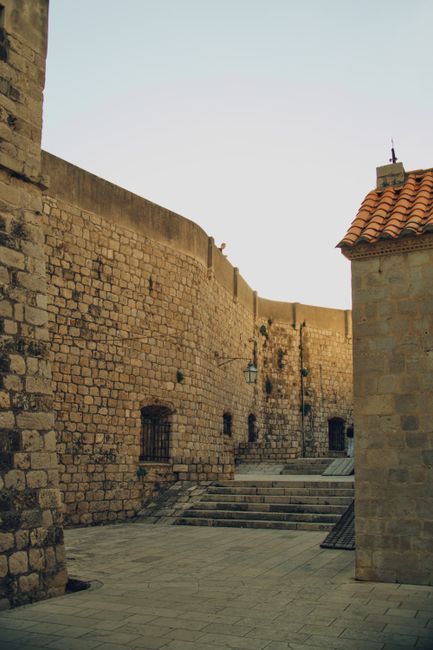
Dubrovnik City Walls
Walk atop the iconic City Walls for spectacular 360-degree views of the Old Town's terracotta roofs, the shimmering Adriatic Sea, and Lokrum Island. These massive stone fortifications, rising up to 25 meters high and 6 meters thick in places, feature defensive towers including the Minčeta Tower, Bokar Fortress, and St. John's Fortress. The complete circuit covers approximately 2 kilometers and offers breathtaking photo opportunities at every turn. Visit early morning or late afternoon to avoid crowds and harsh midday sun.
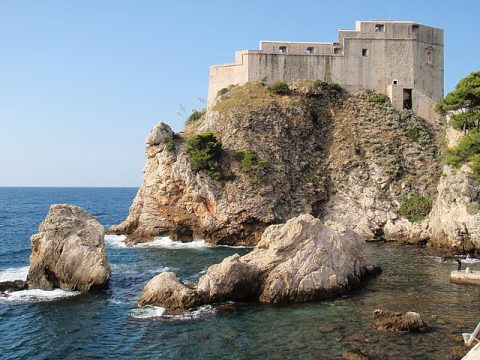
Fort Lovrijenac
Standing majestically on a 37-meter cliff outside the western wall, Fort Lovrijenac (St. Lawrence Fortress) is nicknamed 'Dubrovnik's Gibraltar.' Built in the 11th century, this triangular fortress defended the city's western approach and served as a symbol of the Republic's freedom. The inscription above the entrance reads 'Non Bene Pro Toto Libertas Venditur Auro' (Freedom is not sold for all the gold in the world). Today, it hosts theatrical performances during the Dubrovnik Summer Festival and offers stunning sunset views. Game of Thrones fans will recognize it as the Red Keep's exterior.
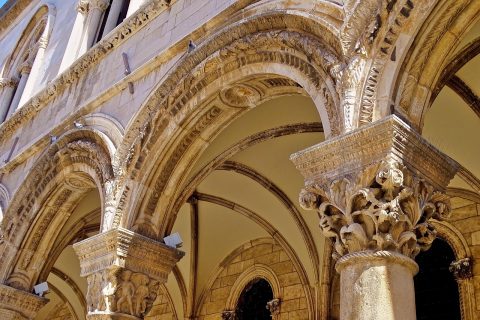
Rector's Palace
This elegant Gothic-Renaissance palace served as the seat of the Rector of the Republic of Ragusa and now houses the Cultural History Museum. Built in the 15th century after an explosion destroyed the original fortress, the palace showcases exquisite architectural details including ornate capitals, a beautiful atrium, and period furnishings. The rector lived here during his one-month term, never allowed to leave except on official business. Explore the state rooms, prison cells, and collection of paintings, furniture, and coins that tell Dubrovnik's fascinating political history.

Pile Gate
The main western entrance to the Old Town, Pile Gate (Gradska vrata Pile) consists of an outer Renaissance gate from 1537 and an inner Gothic gate from 1460. Above the outer gate sits a statue of St. Blaise, Dubrovnik's patron saint. Cross the stone bridge that once had a wooden drawbridge raised every night to enter through this historic portal. It provides the classic entry experience to Dubrovnik's marble-paved streets.
Tips for Landmarks & Monuments
- Purchase the Dubrovnik Pass for combined entry to City Walls and multiple attractions with cost savings
- Start your wall walk early (8 AM opening) or late afternoon to avoid midday heat and cruise ship crowds
- Wear comfortable shoes with good grip - stairs can be steep and uneven
- Bring water and sun protection - there's limited shade on the walls
- Walk counterclockwise from Pile Gate for better photo lighting in the morning