Dubrovnik's location provides access to stunning destinations within day-trip distance: national parks, historic towns, neighboring countries, and pristine islands that showcase the region's diversity.
Montenegro (Kotor & Perast)
Cross into Montenegro (30km south) to explore the spectacular Bay of Kotor, often called Europe's southernmost fjord. Medieval Kotor features UNESCO-listed Old Town with Venetian architecture, fortified walls climbing steep mountains, and the stunning Cathedral of Saint Tryphon. Nearby Perast, a baroque jewel, offers boat trips to Our Lady of the Rocks island church. The scenic coastal drive passes through Herceg Novi and provides breathtaking mountain-meets-sea vistas. Full-day tours typically include border crossing (bring passport!), guided walks, and free time. The Bay of Kotor's dramatic beauty rivals any Mediterranean destination. Note: border waits can be lengthy in summer.
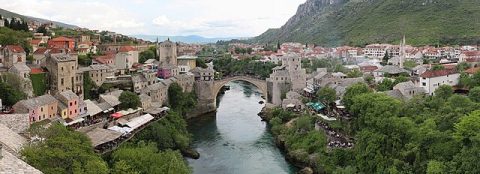
Mostar, Bosnia and Herzegovina
Journey north to Mostar (140km, ~3 hours), famed for its iconic Stari Most (Old Bridge) spanning the turquoise Neretva River. This UNESCO World Heritage site showcases Ottoman architecture, bustling bazaars selling copperware and Turkish delights, and poignant war history. Watch daredevil divers leap from the 24-meter bridge. The old town's cobblestone streets, mosques, and Turkish houses transport visitors to a different cultural world. Tours often include stops at Počitelj (medieval hilltop village), Blagaj Tekke (Dervish monastery built into clifffside), and the Kravice Waterfalls. Essential for understanding the region's complex history and cultural diversity. Bring passport for border crossing.
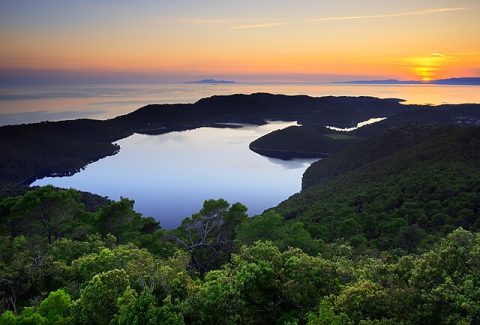
Mljet National Park
Mljet Island's National Park encompasses pristine forests, two stunning saltwater lakes (Veliko and Malo Jezero), and the tiny islet of St. Mary with its 12th-century Benedictine monastery. The lush island, according to legend, imprisoned Odysseus for seven years. Rent bicycles or hike around the lakes' shores, swim in crystal-clear waters, kayak to the monastery island, or simply relax in unspoiled nature. The park protects Mediterranean pine forests and endemic species. Ferries from Dubrovnik (2 hours) or faster catamarans serve the island. Combine with swimming at Saplunara Beach. Mljet offers tranquil escape from coastal crowds - Croatia's greenest island paradise.
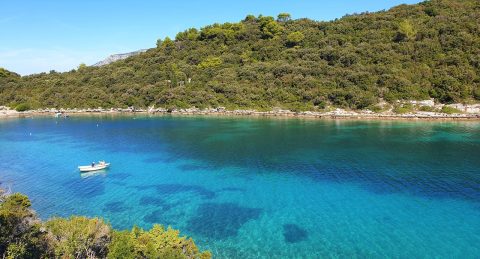
Korčula Island
Korčula, claimed birthplace of Marco Polo, enchants with its medieval walled town rising from the Adriatic. The old town's herringbone street pattern, Venetian Gothic architecture, and impressive St. Mark's Cathedral rival Dubrovnik's beauty with fewer crowds. Explore the Marco Polo Museum (in his alleged birth house), watch traditional Moreška sword dance performances, swim at secluded beaches, and taste local wines (Pošip, Grk varieties). The island's dense forests earned it the name 'Black Corfu.' Ferries (3 hours) or faster catamarans connect from Dubrovnik. Combine town exploration with beach time and wine tasting for perfect Dalmatian island experience.
Pelješac Peninsula Wine Region
The Pelješac Peninsula (70km northwest) produces Croatia's finest red wines, particularly the indigenous Plavac Mali grape grown on steep coastal vineyards. Visit family-run wineries in Dingač and Postup regions for tastings with sea views. The medieval town of Ston boasts the world's second-longest defensive walls (5.5km) and renowned oyster farms in Mali Ston bay - fresh oysters paired with white wine are heavenly. The peninsula offers beautiful beaches, traditional konobas serving local cuisine, and relaxed island atmosphere. Wine tours combine cultural sights, scenic drives through vineyards, gourmet experiences, and swimming opportunities. Perfect for oenophiles and food lovers.
Tips for Day Trips & Excursions
- Bring your passport for trips to Montenegro and Bosnia - you'll cross international borders
- Book ferries in advance during summer for island day trips
- Organized tours handle logistics but independent travel offers more flexibility
- Start early to maximize time at destinations - many involve 2-3 hour drives
- Check border wait times in peak season when planning Montenegro/Bosnia trips