Beyond its medieval glory, Dubrovnik's surroundings contain ancient settlements, fortifications, and archaeological sites that reveal layers of history from Roman times through the Ottoman era.
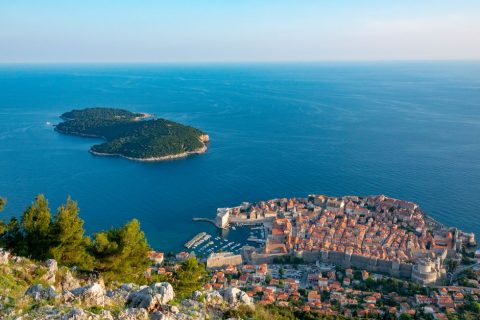
Lokrum Island
Just 600 meters offshore, Lokrum Island is a protected nature reserve with a fascinating history. According to legend, Richard the Lionheart was shipwrecked here in 1192. The island features ruins of a Benedictine monastery from 1023 (where Dubrovnik nobility once voted on matters of state), botanical gardens with exotic plants including peacocks roaming freely, a small saltwater lake called the Dead Sea, and Fort Royal built by the French in 1806. Rocky beaches offer swimming in crystal-clear waters. The island remained uninhabited after monks cursed anyone who would possess it for personal gain - a curse seemingly fulfilled through centuries of misfortune for various owners.
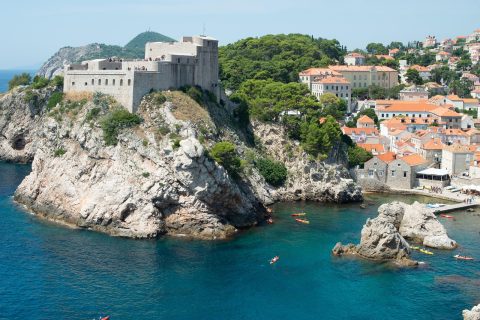
Fort Revelin
Fort Revelin, standing guard over the Old Port's eastern side, was constructed in the 16th century as an independent fortress to protect against Ottoman expansion. This massive structure took three years to build, with all citizens required to contribute labor. The fortress could function autonomously with its own water supply, ammunition stores, and garrison. Today, its stone halls host cultural events, including the renowned Revelin Club nightclub and exhibition spaces. The fort played a crucial defensive role during the Republic of Ragusa period and now serves as a venue for concerts and the Dubrovnik Summer Festival.
Cavtat Archaeological Collection
In the charming coastal town of Cavtat (20km south), visit the archaeological collection within the Rector's Palace. The collection showcases artifacts from ancient Epidaurus, the Greek and Roman settlement that predated Dubrovnik. Displays include amphorae, coins, jewelry, and inscriptions that illuminate life in this important Adriatic port from the 3rd century BC onwards. Cavtat itself offers a peaceful alternative to Dubrovnik's crowds, with a beautiful waterfront promenade, beaches, and the Račić Family Mausoleum designed by Croatian sculptor Ivan Meštrović.
Tips for Ancient & Historical Sites
- Lokrum ferries depart regularly from Old Port in summer - arrive early during peak season
- Bring swimming gear for Lokrum - the island has excellent swimming spots
- Wear comfortable walking shoes for exploring archaeological sites
- Combine Cavtat visit with nearby Konavle region wine tasting
- Check opening hours as some smaller sites have limited schedules