Dubrovnik's churches and monasteries reflect centuries of Catholic devotion and architectural splendor. These sacred spaces house artistic treasures, religious relics, and provide peaceful sanctuaries within the bustling city.
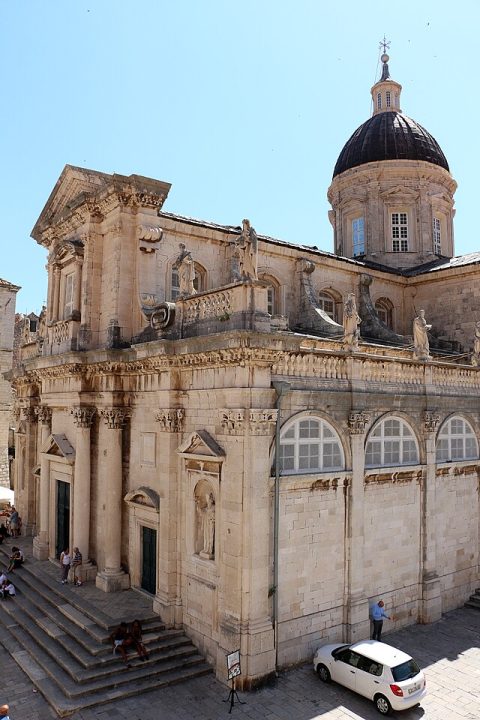
Dubrovnik Cathedral (Cathedral of the Assumption)
The magnificent baroque Cathedral of the Assumption of the Virgin Mary dominates Poljana Marina Držića square with its imposing dome. Built after the 1667 earthquake destroyed its Romanesque predecessor, legend claims the original was funded by Richard the Lionheart after surviving a shipwreck near Lokrum. The cathedral's treasury houses an exceptional collection including gold and silver reliquaries, 138 relics of saints, and the skull, arms, and leg of St. Blaise (Dubrovnik's patron saint) in elaborate Byzantine craftsmanship. Inside, admire Titian's Assumption of the Virgin and other Renaissance masterpieces.
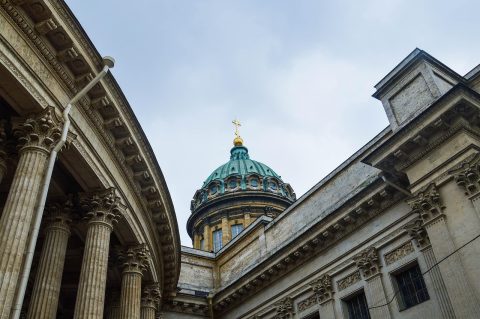
Church of St. Blaise
This striking 18th-century baroque church on Luža Square honors St. Blaise (Sveti Vlaho), Dubrovnik's beloved patron saint who allegedly warned the city of a Venetian attack in 971. Rebuilt after the 1667 earthquake, the church features an ornate façade with statues and Corinthian columns. Inside, the high altar displays a 15th-century silver-gilt statue of St. Blaise holding a model of pre-earthquake Dubrovnik - providing the only accurate depiction of the medieval city's appearance. The church remains central to Dubrovnik's identity, with the Feast of St. Blaise (February 3rd) being the city's most important celebration.
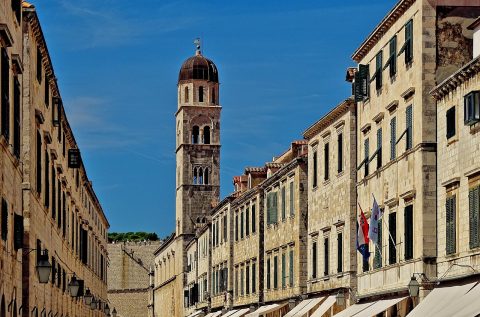
Franciscan Monastery and Museum
Just inside Pile Gate, the Franciscan Monastery complex dates to 1317 and survived the 1667 earthquake largely intact. The stunning late-Romanesque cloister features delicate double columns with unique capitals, creating one of Dubrovnik's most photographed spaces. The monastery houses Europe's third-oldest pharmacy, working continuously since 1317, still operating and selling traditional remedies and cosmetics. The museum displays illuminated manuscripts, liturgical objects, religious art, and pharmacy equipment. The adjacent church contains a beautiful baroque interior and a pietà sculpture above the entrance.
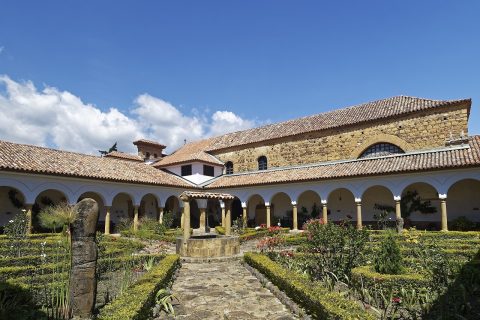
Dominican Monastery and Museum
Perched near Ploče Gate, the Dominican Monastery combines Gothic and Renaissance architecture with fortress-like features that helped defend the city's eastern approach. Founded in 1225, the complex includes a peaceful 15th-century cloister with orange trees and a museum housing one of Dalmatia's finest art collections. Highlights include works by Titian, Božidarević, and other Dubrovnik masters, valuable religious manuscripts, and gold-embroidered vestments. The monastery church contains a magnificent gilded altar, beautiful paintings, and a 14th-century stone crucifix. The bell tower offers commanding views over the Old Town rooftops.
Church of St. Ignatius
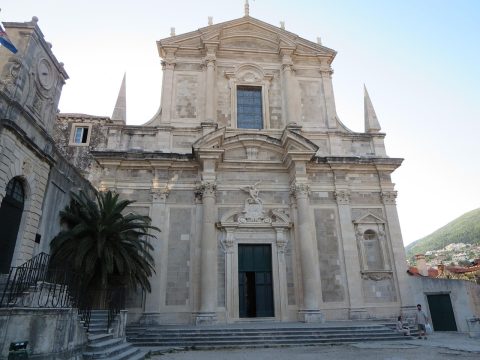
Crowning the monumental Jesuit Staircase (inspired by Rome's Spanish Steps), this baroque church was completed in 1725 after decades of construction. The dramatic stairs provide one of Old Town's most photogenic settings. Inside, the richly decorated interior features impressive frescoes, marble altars, and trompe-l'œil ceiling paintings. The church's elevated position offers beautiful views back down the staircase toward the city. Adjacent Collegium Ragusinum once housed Jesuit scholars and now serves as a cultural venue. Visit late afternoon when sunlight illuminates the façade.
Tips for Religious Sites
- Dress modestly when visiting churches - shoulders and knees should be covered
- Services are held regularly - check schedules to avoid disrupting worship
- Treasury visits may have separate fees and restricted hours
- Photography often prohibited during religious services
- Free entry to most churches but donations are appreciated