Things to do in Bath
Bath's most iconic architectural masterpieces, showcasing Georgian sophistication and historic significance.
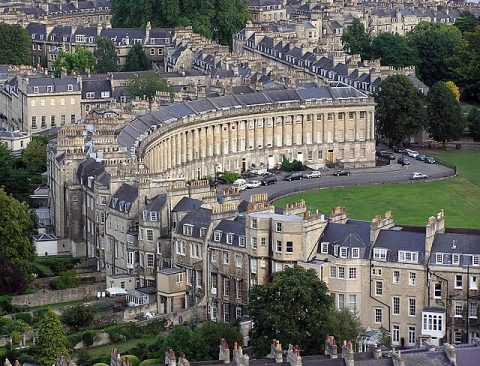
A spectacular horseshoe-shaped row of 30 Georgian townhouses, designed by John Wood the Younger and completed in 1774. This iconic crescent is one of the finest examples of Georgian architecture in Britain. No. 1 Royal Crescent is open as a museum showcasing period furnishings and life in Georgian Bath.
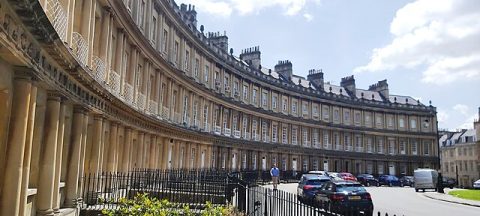
A masterpiece of circular Georgian design featuring three curved rows of townhouses forming a complete circle. Built between 1754-1768, this architectural marvel is considered one of Britain's finest examples of urban design, with intricate stonework and decorative details.
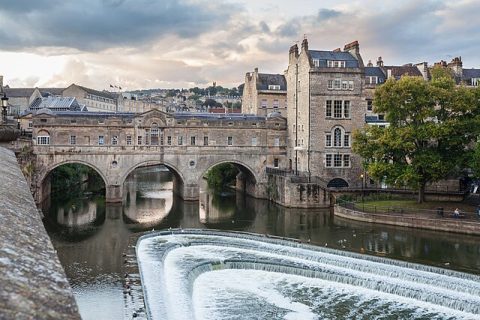
An iconic 18th-century arched stone bridge spanning the River Avon, designed by Robert Adam and completed in 1773. Featuring shops on both sides, it's one of only four bridges in the world with buildings covering its entire length, making it a unique architectural gem.
Tips for Landmarks & Monuments
- Visit at dawn or dusk for the best photography of the golden-hued stone
- The best view of Royal Crescent is from Royal Victoria Park
- Walk along Brock Street to see the transition from Circus to Royal Crescent
Experience Bath's remarkable Roman heritage and medieval structures spanning nearly 2,000 years of history.
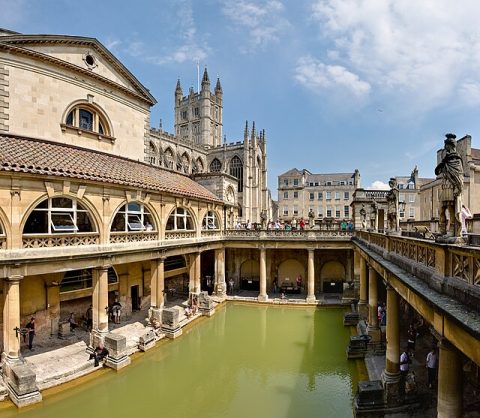
One of the finest surviving examples of Roman architecture and engineering in northern Europe. Built around the natural hot spring known as the Great Bath, this complex reveals how the Romans enjoyed bathing around 2,000 years ago. Walk through authentic remains including the steaming sacred spring, perfectly preserved lead-lined baths, and sophisticated underground chambers. UNESCO World Heritage Site.
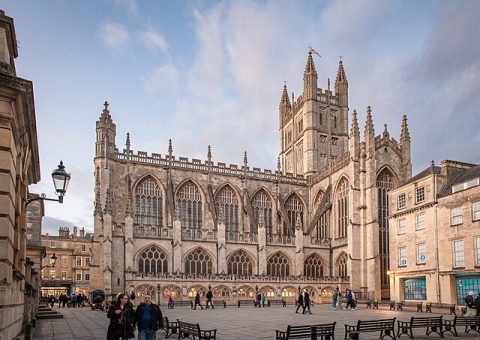
A stunning Late Perpendicular Gothic church dominating the Abbey Churchyard, built between 1499-1616. Known for its magnificent fan vaulting, intricate stone carvings, and dramatic West Front depicting angels climbing to heaven. The abbey sits directly above the Roman Baths' sacred spring. Climb the Tower for panoramic city views.
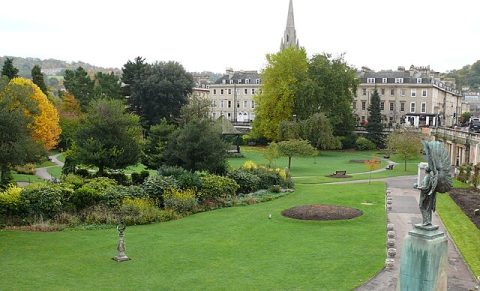
The city's oldest public garden, originally called the Grove, redesigned in 1892. This riverside oasis features herbaceous borders, ornamental fountains, and peaceful walkways along the River Avon. A perfect spot for relaxation with views of Pulteney Bridge and the surrounding Georgian terraces.
Tips for Ancient & Historical Sites
- The Roman Baths museum includes a fascinating audio guide and interactive exhibits
- Book Abbey Tower tickets separately for the climb—rewards with 360° views
- Best time to visit the Baths: early morning or late afternoon to avoid crowds
Explore Bath's rich cultural institutions housing everything from Roman artifacts to contemporary art.

A world-class museum showcasing fashionable dress from the 1600s to the present day. Located in Bath's Assembly Rooms, it features over 100,000 garments and accessories including iconic pieces by world-renowned designers. Interactive galleries let you explore fashion trends through the centuries with digital dressing rooms.
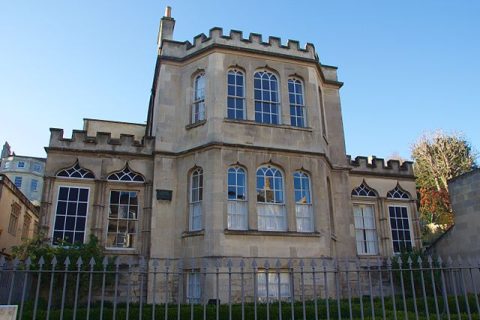
Dedicated to understanding Bath's unique architectural heritage and the Georgian building boom that shaped the city. Located in the Countess of Huntingdon's Chapel, exhibits reveal the stories of architects, builders, and residents who created Bath's iconic streetscapes and the technical innovations behind their construction.
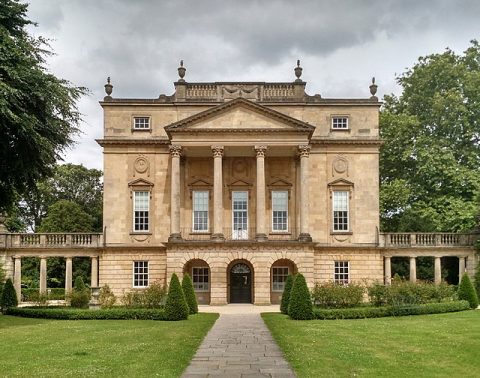
A sophisticated art museum in a Grade I listed building near Sydney Gardens, housing an impressive collection of Old Master paintings, decorative arts, and contemporary pieces. Features works by Turner, Gainsborough, and other renowned artists in elegant Georgian gallery spaces.
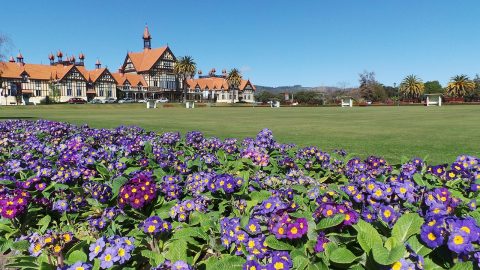
Bath's oldest house (1482), now a quirky museum and café celebrating the legendary 17th-century pastry cook Sally Lunn. Explore the Roman, Saxon, and Medieval periods through the building's layered history while enjoying traditional Sally Lunn buns (sweet, brioche-like pastries) in the intimate tea room.
Tips for Museums & Galleries
- Many museums offer combined tickets—check individual websites for discounts
- The Fashion Museum's temporary exhibitions change seasonally
- Sally Lunn's can get very busy at weekends; visit mid-week
Discover Bath's verdant green spaces, from formal Georgian gardens to wild nature reserves.
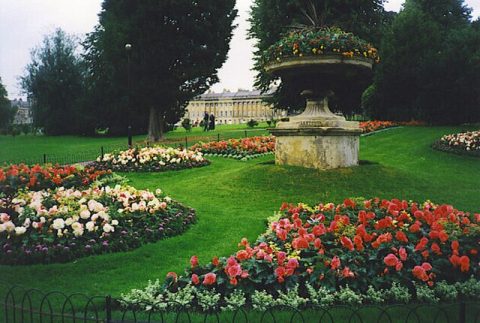
Bath's largest public park, opened in 1830 and named after Princess Victoria. Spanning 57 acres, it offers panoramic views of Bath from the upper terrace, botanical gardens, a lake, and open meadows. The botanical garden features rare plants and exotic species in carefully curated beds with interpretive signage.
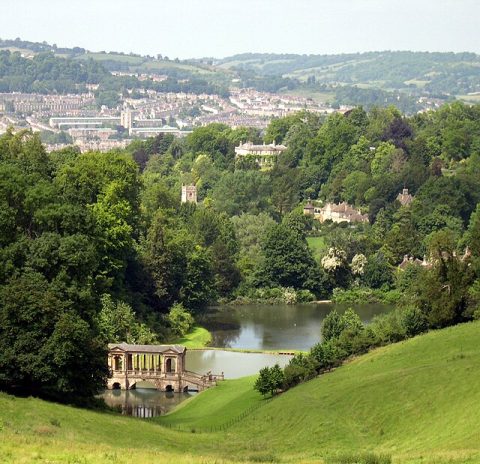
An 18th-century landscape garden designed by Capability Brown, featuring a stunning 18-acre estate with naturalistic gardens, woodland walks, and the iconic Palladian Bridge. Offers breathtaking views across Bath with secluded valleys and a historic Gothic temple. Managed by the National Trust.
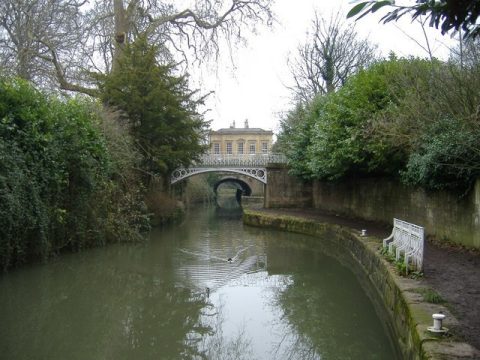
An elegant Victorian pleasure garden bordered by Pulteney Bridge and the Avon Canal, originally opened as a toll garden in 1795. Features manicured lawns, ornamental borders, a fernery, and tree-lined walks. The canal path extends north through scenic countryside—perfect for walks and cycling.
Tips for Parks & Gardens
- Royal Victoria Park offers the best city views; go at sunset for spectacular light
- Prior Park is on a hill—wear comfortable walking shoes
- Sydney Gardens are ideal for picnicking and casual strolling
Experience Bath through guided explorations, wellness experiences, and interactive activities.
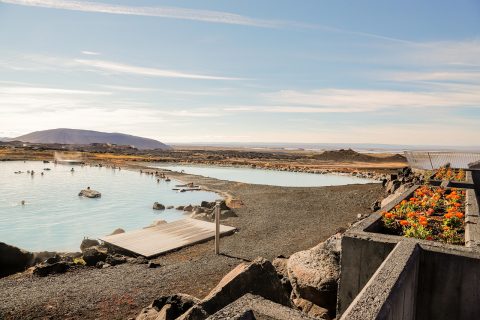
Britain's only spa with naturally heated mineral waters, combining modern wellness facilities with historic bathing traditions. The rooftop pool offers stunning views of Bath's Georgian skyline while you bathe in naturally warm, mineral-rich waters. Spa treatments include traditional rituals and contemporary therapies in a sustainable, LEED-certified building.
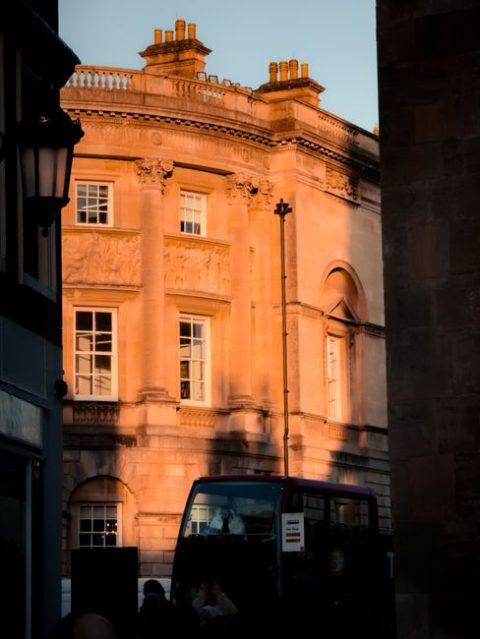
Evening walking tour exploring Bath's dark history, haunted locations, and mysterious tales. Professional guides lead you through atmospheric Georgian streets, revealing stories of famous residents, scandals, and supernatural encounters. Tours depart nightly from various locations and last approximately 1.5-2 hours.
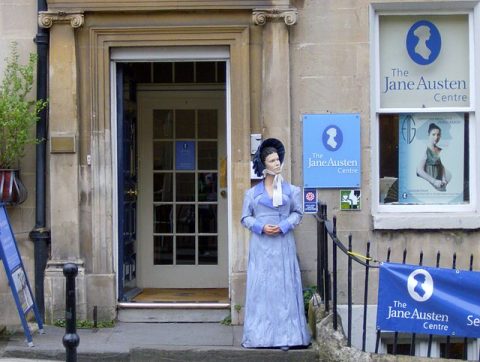
Dedicated to the life and works of Jane Austen, who lived in Bath from 1801-1806. Explore authentic Regency rooms, period costumes, and interactive exhibits revealing how Bath influenced her novels. The centre showcases her correspondence and manuscripts in elegant Georgian townhouse settings.
Tips for Tours & Activities
- Book Thermal Bath Spa in advance, especially for rooftop pool time
- Ghost tours are atmospheric and entertaining; wear comfortable walking shoes
- Jane Austen fans should visit her house location on Sydney Place
Discover Bath's diverse shopping districts, traditional British cuisine, and culinary experiences.
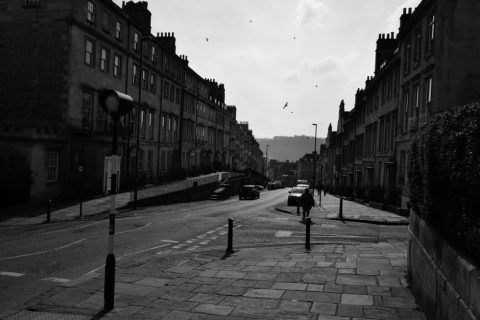
Bath's principal shopping streets lined with independent boutiques, designer shops, and international brands housed in elegant Georgian buildings. Stall Street connects directly to the Roman Baths and Abbey Churchyard. Explore hidden arcades and courtyards featuring artisan shops, galleries, and cafés.
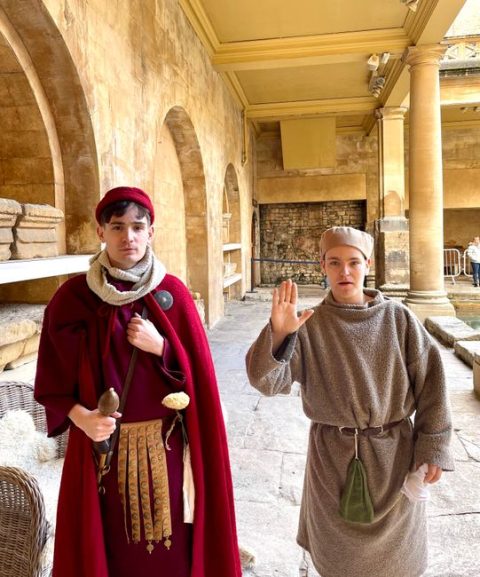
Annual festive market (November-December) in Abbey Churchyard featuring traditional German-style chalets selling crafts, gifts, food, and mulled wine. The magical setting among Bath's historical landmarks creates an enchanting atmosphere, with ice skating rink and daily entertainment.
Tips for Shopping & Markets
- Milsom Street has excellent independent bookstores and homeware shops
- Many Georgian terraces hide charming courtyards with quiet shops and cafés
- Christmas Market is best visited on weekdays to avoid crowds
Explore fascinating destinations within easy reach of Bath, from Stonehenge to charming English villages.
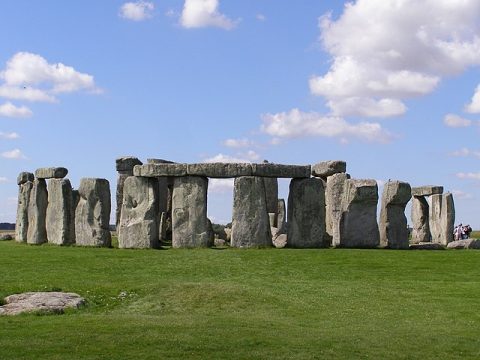
Prehistoric monument located 10 miles north of Salisbury (45 minutes by bus from Bath). This UNESCO World Heritage Site features massive standing stones arranged in concentric circles, constructed around 3000 BC. Visitor centre includes interactive exhibits explaining theories about its construction and purpose. Book tickets online in advance.
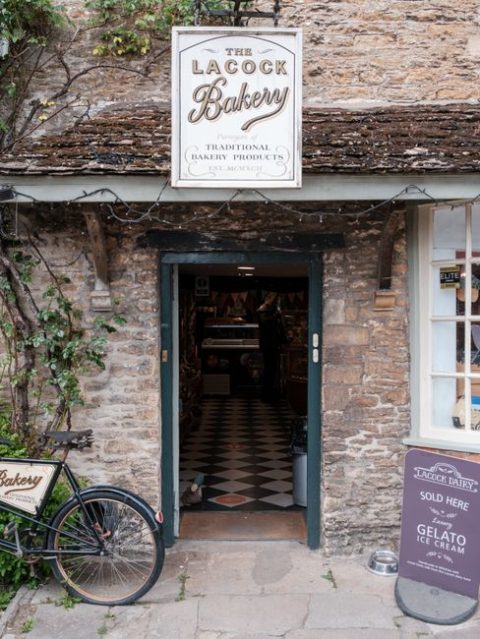
Picture-perfect 13th-century village (20 minutes from Bath) with cobbled streets, timber-framed cottages, and unchanged architecture. Home to Lacock Abbey, a National Trust property and former nunnery featuring Gothic cloisters and beautiful grounds. The village is a favourite filming location for period dramas including 'Pride and Prejudice' and 'Harry Potter'.
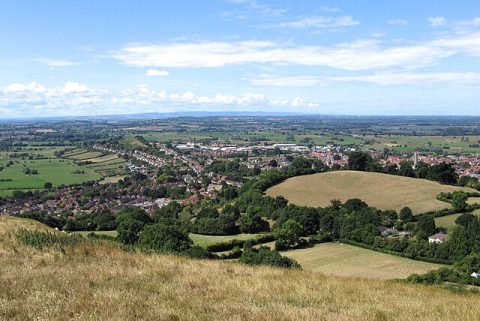
Mystical town (30 minutes south) dominated by Glastonbury Tor, a distinctive hill with a ruined tower commanding panoramic views across Somerset. The town combines historical significance (believed by some to be the legendary Avalon) with spiritual culture, featuring alternative shops, cafés, and the ruins of Glastonbury Abbey where King Arthur allegedly rested.
Tips for Day Trips & Excursions
- Stonehenge: book tickets in advance; early morning visits are less crowded
- Lacock: visit off-season to avoid tour groups; parking is limited
- Glastonbury Tor: wear sturdy shoes for the steep 50-minute climb to the summit
Real, highly-rated Restaurants in Bath, sourced from Google Places (rating above 4★).
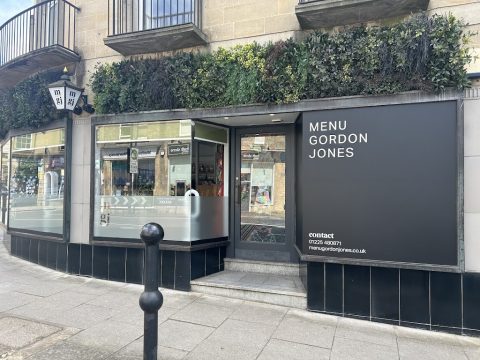
Menu Gordon Jones is a highly-rated restaurant in Bath, rated 4.9★ from 459 reviews. Located at 2 Wellsway, Bath BA2 3AQ, UK.
Opening Hours
- Monday: Closed
- Tuesday: Closed
- Wednesday: 12:30 – 3:00 PM, 7:30 – 10:00 PM
- Thursday: 12:30 – 3:00 PM, 7:30 – 10:00 PM
- Friday: 12:30 – 3:00 PM, 7:30 – 10:00 PM
- Saturday: 12:30 – 3:00 PM, 7:30 – 10:00 PM
- Sunday: Closed
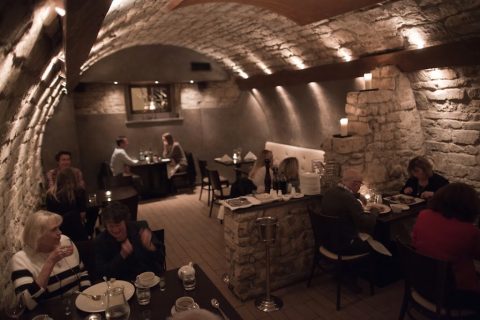
Sotto Sotto is a highly-rated restaurant in Bath, rated 4.8★ from 2413 reviews. Located at 10 N Parade, Bath BA2 4AL, UK.
Opening Hours
- Monday: Closed
- Tuesday: 12:00 – 2:00 PM, 5:00 – 10:00 PM
- Wednesday: 12:00 – 2:00 PM, 5:00 – 10:00 PM
- Thursday: 12:00 – 2:00 PM, 5:00 – 10:00 PM
- Friday: 12:00 – 2:00 PM, 5:00 – 10:00 PM
- Saturday: 12:00 – 2:00 PM, 5:00 – 10:00 PM
- Sunday: Closed

La Terra is a highly-rated restaurant in Bath, rated 4.8★ from 451 reviews. Located at 2 John St, Bath BA1 2JL, UK.
Opening Hours
- Monday: Closed
- Tuesday: 12:00 – 2:30 PM, 6:00 – 9:30 PM
- Wednesday: 12:00 – 2:30 PM, 6:00 – 9:30 PM
- Thursday: 12:00 – 2:30 PM, 6:00 – 9:30 PM
- Friday: 12:00 – 2:30 PM, 5:30 – 10:00 PM
- Saturday: 12:00 – 2:30 PM, 5:30 – 10:00 PM
- Sunday: Closed
Explore Bath on the Map
Best Time to Visit
Spring (April-May): Mild temperatures, blooming flowers in Victoria Park, fewer crowds, perfect weather for walking tours and museum visits.
Summer (June-August): Warmest months but busiest season. Street performers, outdoor cinema, and evening concerts. Book accommodations and attractions well in advance.
Autumn (September-October): Golden light ideal for photography, comfortable walking weather, and excellent for visiting gardens as trees change colour.
Winter (November-February): Festive Christmas Market (Nov-Dec), quieter atmosphere, some attractions have reduced hours. Cold but magical for capturing Bath's Georgian architecture in winter light.
Tip: October and early November offer ideal conditions—pleasant weather, smaller crowds, and autumn beauty.
Getting Around Bath
On Foot: Bath's compact city centre is highly walkable. Most major attractions are within 15-20 minutes on foot from each other. Wear comfortable walking shoes due to frequent hills and cobblestone streets.
Public Transport: Local buses (First Bus network) serve the entire city with frequent service. Single journey tickets or day passes available. Buses are the best option for reaching outer attractions like Prior Park.
Train Station: Bath Spa railway station (30-minute walk south or 10 minutes by bus) connects to London Paddington (1.5 hours) and Bristol Temple Meads (15 minutes).
Airport: Bristol Airport (20 miles west, 45 minutes by bus or hire car) is the nearest major airport with international flights.
Taxis & Ride-Sharing: Licensed black cabs available throughout the city. Uber operates in Bath but can be more expensive during peak times.
Cycling: Bath has dedicated cycling routes and relatively flat central areas. Bike rentals available from several companies. The canal path to Bradford-on-Avon (8 miles) is scenic.
✈️ Airport Transfer
Bristol Airport (BRS) to city center:
- Airport Flyer bus + train: Bus to Bristol Temple Meads in 30 minutes then a 15 minute train to Bath Spa, around £15-20 total
- A4 Airport Flyer to Bath: Direct coach service roughly every 30 minutes, journey takes about 1 hour, tickets around £15 one way
- Taxi: Direct transfer to central Bath in around 45 minutes, fixed rate approximately £55-65
- Private transfer: Pre-booked door to door car service taking about 45 minutes, typically £70-90 depending on vehicle size
Shopping & Souvenirs
What to Buy: Georgian and Regency-inspired jewellery, Jane Austen merchandise, locally-made Bath Bombs, traditional Sally Lunn buns, antique books, and regional cider.
Shopping Districts: Milsom Street and Stall Street for high street brands and independents; Walcot Street for quirky vintage and antique shops; The Podium for modern shopping. Underground arcades on High Street feature independent jewellers, bookshops, and gift retailers.
Markets: Bath Christmas Market (November-December) in Abbey Churchyard; regular farmers markets in the city centre (Wednesdays and Saturdays); antique markets at various locations throughout the year.
Opening Hours: Most shops open 9am-6pm Monday-Saturday; many stay open until 8pm on Thursdays. Sunday hours are typically 10am-4pm.
Bargaining: Not customary in shops. Antique markets may allow negotiation on multiple items.
Annual Events & Festivals
Bath Literature Festival (March): International writers, talks, and book celebrations across venue throughout the city.
Bath Comedy Festival (April): Stand-up comedy, improv shows, and sketch performances at various venues.
Bath Fringe Festival (June): Two weeks of theatre, music, and performance art in independent venues and unusual locations.
Jane Austen Festival (September): Regency costume balls, readings, walks, and celebrations of the author. Locals dress in period clothing.
Bath Christmas Market (November-December): Traditional German-style festive market with crafts, food, and mulled wine in Abbey Churchyard. Ice skating rink and daily entertainment.
Georgian Festival (June, annual): Historic reenactments, period fashion shows, and celebrations of Bath's Golden Age.
Bath Skyline Walk Festival (September): Guided walks exploring Bath's architectural and natural heritage.
Sample Day Itineraries
Day 1: Roman & Medieval Bath (Full Day)
Morning: Roman Baths museum (2 hours). Lunch at nearby café. Afternoon: Bath Abbey and Abbey Churchyard (1 hour). Stroll through Sally Lunn's Historic House (1 hour). Evening: Walk along the riverside path, dinner in the city centre.
Day 2: Georgian Bath & Architecture (Full Day)
Morning: Royal Crescent and The Circus (1 hour each). Coffee break on Brock Street. Afternoon: Building of Bath Museum (1.5 hours). Shopping on Milsom Street (1 hour). Evening: Sunset views from Royal Victoria Park, explore Bath's arcades and courtyards.
Day 3: Culture & Shopping (Full Day)
Morning: Holburne Museum or Fashion Museum (2 hours). Lunch break. Afternoon: More museum or extended shopping (2-3 hours). Evening: Ghost tour or riverside walk, dinner at a traditional British restaurant.
Day 4: Parks & Gardens (Full Day)
Morning: Prior Park Landscape Garden (3 hours). Picnic in the gardens. Afternoon: Return to city, explore Sydney Gardens and Parade Gardens (1.5 hours). Visit Jane Austen Centre (1 hour). Evening: Relax at Thermal Bath Spa (2 hours).
Day 5: Day Trip Adventure
Morning: Coach or bus to Stonehenge (3-4 hours). Return to Bath. Evening: Casual dinner, evening stroll through lit Georgian streets.
Best Photography Locations
Royal Crescent at Dawn: Photograph the elegant curve of townhouses in soft morning light. Best viewed from Royal Victoria Park (5-minute walk). Golden hour light creates stunning shadows on the honey-coloured stone (6-7am in summer, 7-8am in winter).
Pulteney Bridge at Sunset: Capture the bridge spanning the River Avon with the abbey in the background. Best from the bridge itself or the riverbank. Photograph 8-9pm in summer, 5-6pm in winter.
The Circus from Above: Aerial perspective of the circular Georgian perfection. Best viewed from the upper windows of nearby townhouses or from street level during golden hour.
Bath Abbey at Night: Beautifully illuminated Gothic facade against darkening sky. Shoot from Abbey Churchyard around 8-9pm (summer) or 5-6pm (winter).
Parade Gardens with Pulteney Bridge Reflection: Capture the bridge reflected in the river with herbaceous borders in foreground. Best in spring (blooming flowers) or autumn (golden foliage). Morning light (7-8am) or late afternoon (5-6pm).
Royal Victoria Park Panorama: Sweeping views of Bath's skyline from the terrace. Clear days offer distant views to the Cotswolds. Best at sunrise (6-7am) or sunset (8-9pm in summer).
Street-Level Georgian Details: Close-ups of ornate doorways, windows, railings, and stonework throughout the city. Rain-washed stone shows texture and detail beautifully. Overcast days provide even lighting without harsh shadows.
Avon Riverside Path: Walk the river path north toward Sydney Gardens for green landscapes, water reflections, and the Palladian Bridge view from across the water. Morning light ideal for reflections.
Electricity & Power
Voltage: United Kingdom operates on 230V, 50Hz electricity supply.
Plug Types: British Standard G plugs (three rectangular pins) are standard. All electrical outlets use this format.
Adapter Required: Visitors from other countries will need a UK plug adapter. Most hotels provide standard adaptors at no cost, but bringing your own is advisable. Universal adapters (multi-plug) are available for purchase at airports and electronics shops.
Device Compatibility: Most modern electronics (phones, tablets, laptops) accept 100-240V input and only require a plug adapter. Check your device charger for voltage specifications if uncertain.
Shopping for Adapters: Available at Bath airport (expensive), electronics shops (Currys, John Lewis), supermarkets (Tesco, Sainsbury's), and pound shops throughout the city.
USB Charging: Many cafés, restaurants, and hotels offer USB charging ports. Modern hotels typically include USB outlets in guest rooms alongside standard wall sockets.
Food & Dining
Must-Try Dishes: Bath Bun (sweet, spiced bread with sugar topping—try Sally Lunn's Historic House). Cornish Pasty (portable meat and vegetable pastry). Fish and Chips (classic British comfort food, served with malt vinegar). Sunday Roast (traditional roasted meat with Yorkshire pudding and vegetables). Sticky Toffee Pudding (warm sponge cake with toffee sauce).
Local Specialties: West Country cream tea (Devonshire clotted cream and jam on scones). Local cider (award-winning producers from Somerset). British ales and bitters from regional breweries.
Dining Tips: Restaurants open for lunch 12-2:30pm and dinner 6:30-10pm. Booking recommended for evening meals, especially weekends. Casual dress acceptable at most venues except fine dining. Service charge (10-15%) often added automatically; check bill. Tipping not required but appreciated (round to nearest pound or 10% discretionary).
Budget Options: Fish and chip shops, pub food, market vendors, and ethnic restaurants (Indian, Chinese, Thai, Italian) offer good value. Supermarket meal deals available at Tesco, Sainsbury's, and Marks & Spencer.
Fine Dining: The Pump Room (Georgian elegance with formal dining), The Scallop Shell (seafood specialist), Marlborough Tavern (elevated pub cuisine).
Dietary Requirements: Most restaurants accommodate vegetarian, vegan, and gluten-free diets. Indian restaurants particularly excellent for vegan options. Always ask staff about specific allergies.
Tourist Passes
Bath & Northeast Somerset Cultural Pass
Discounted entry to major attractions including Roman Baths, Bath Abbey, Fashion Museum, Building of Bath Museum, and more. Valid for one year from date of purchase. Available online or at TIC visitor information centre.
www.visitbath.co.ukNational Trust Membership
Annual membership includes free entry to over 500 National Trust properties nationwide, including Prior Park Landscape Garden and Glastonbury Tor. Membership fee (£68-140/year) offers excellent value for frequent visitors. Family memberships available.
www.nationaltrust.org.ukEnglish Heritage Membership
Provides unlimited free entry to Stonehenge and over 400 other English Heritage sites. Annual family membership (£125-260) useful for multi-day explorations. Join at visitor centres or online with instant digital pass.
www.english-heritage.org.uk