Things to do in Liverpool
Liverpool is home to some of the most recognizable architectural landmarks in the UK, including Victorian engineering marvels and contemporary monuments that define the city's skyline.
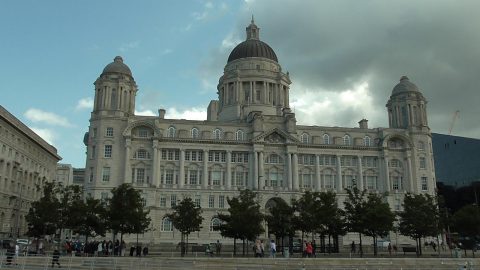
Three iconic Edwardian buildings dominating the Pier Head skyline: the Royal Liver Building (1911), the Cunard Building, and the Port Authority Building. The Royal Liver Building features two distinctive Liver Birds - the symbol of Liverpool - and remains a UNESCO World Heritage Site landmark.
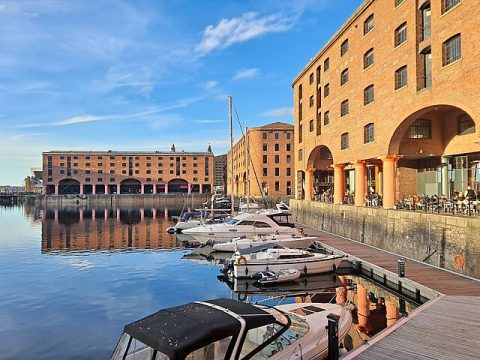
A magnificent Victorian dock complex built in 1846, featuring Grade I listed warehouse buildings encircling a tidal basin. Today it houses museums, galleries, restaurants, and shops, creating a bustling waterfront destination. The Dock is a UNESCO World Heritage Site showcasing stunning architecture and modern attractions.
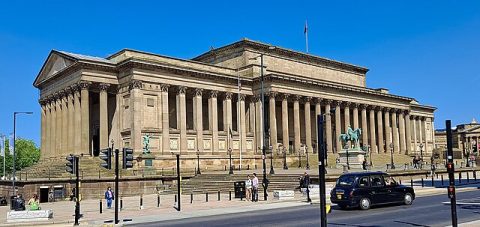
A stunning Grade I listed neoclassical building (1854) featuring grand architecture with a magnificent portico and ornate interior spaces. Once a law court and concert hall, it now hosts exhibitions, concerts, and events. The exterior stone facade and imposing presence make it one of Liverpool's finest Victorian achievements.
Tips for Landmarks & Monuments
- Visit Albert Dock in the early morning to avoid crowds and get the best photos
- The Three Graces are best photographed from across the water at the Pier Head
- Check St George's Hall website for free exhibition days and special events
Liverpool boasts world-class museums and galleries showcasing everything from maritime heritage to contemporary art, with many offering free admission to permanent collections.
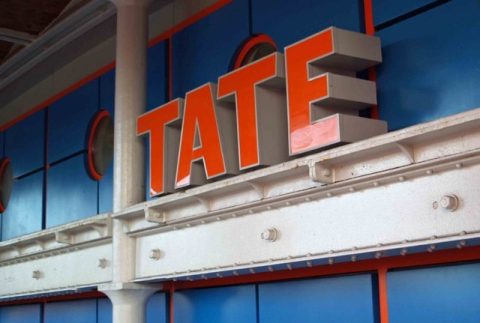
International modern and contemporary art gallery located in a converted warehouse at Albert Dock. Featuring works from the Tate collection plus rotating exhibitions. The gallery spans four floors with stunning views of the dock and is housed in a Grade II listed building from 1885.
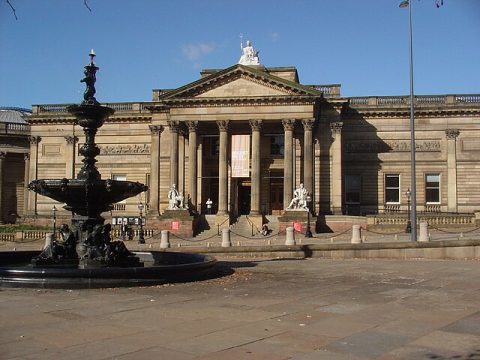
One of the finest art galleries in Europe featuring an outstanding collection spanning medieval times to contemporary works. Houses masterpieces by Rembrandt, Rubens, and Hockney. The neo-Renaissance building is an architectural gem with free admission to the permanent collection.
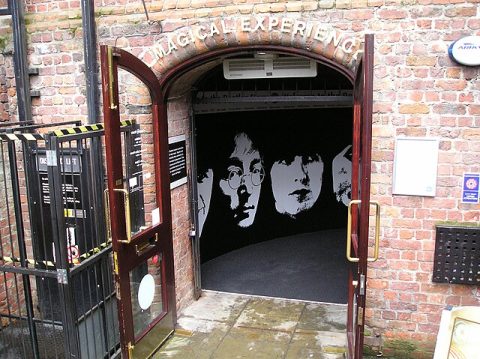
Immersive museum dedicated to The Beatles' extraordinary rise to fame with interactive exhibits, memorabilia, and merchandise. Located at Albert Dock, it features interactive displays, video content, and artifacts spanning the band's career and solo achievements.
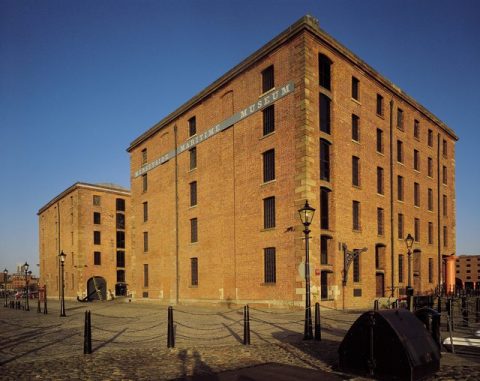
Housed in a converted warehouse at Albert Dock, this museum explores Liverpool's maritime heritage including slave trade history, shipping records, and vessel construction. Features transatlantic slavery exhibitions and interactive displays about the port's significance in global trade.
Tips for Museums & Galleries
- Many museums offer free admission to permanent collections
- Book The Beatles Story in advance during peak season
- Walker Art Gallery frequently hosts special exhibitions
- Tate Liverpool has a café with dock views - perfect for a break
Liverpool's religious architecture spans centuries, from medieval parish churches to magnificent Victorian and contemporary cathedrals, reflecting the city's diverse faith communities and architectural heritage.
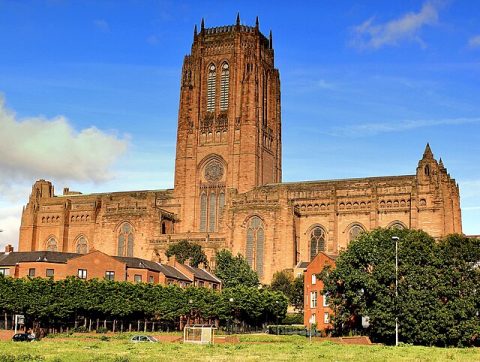
A monumental Gothic Revival cathedral featuring the longest nave and widest transepts of any cathedral in the UK. Built over 74 years (1904-1978), this awe-inspiring structure offers tower access with panoramic city views. The cathedral's vast interior showcases stunning architecture with intricate stonework and grand arches.
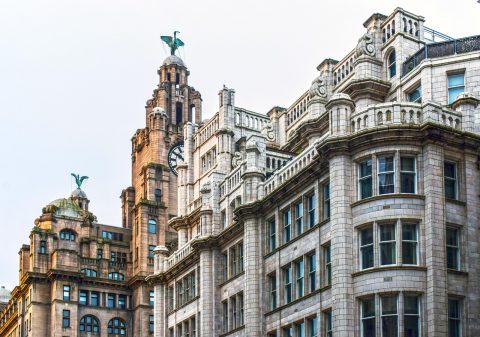
A stunning modern Roman Catholic cathedral with distinctive crown-like architecture (1967). Features a unique circular design with a spacious interior flooded with natural light through the crown's colored glass. The minimalist aesthetic and innovative design make it architecturally significant.
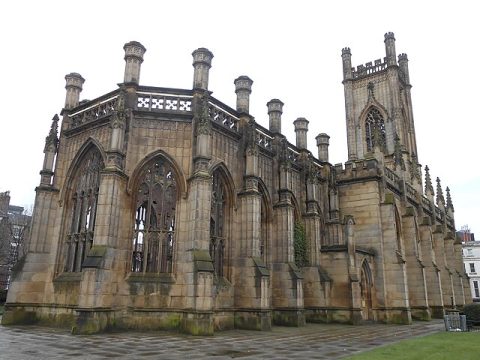
A beautiful Grade I listed Victorian Gothic church built in 1832, currently serving as a cultural venue hosting concerts and exhibitions. The church features a striking red stone facade and elegant interior architecture, providing an intimate concert space.
Tips for Religious Sites
- Liverpool Cathedral offers elevator access to the tower for city views
- Metropolitan Cathedral best visited for midday light through the crown
- Both cathedrals offer evensong services - check schedules online
Green spaces and botanical gardens provide peaceful retreats throughout the city, featuring Victorian landscapes, rare plant collections, and scenic walking routes.
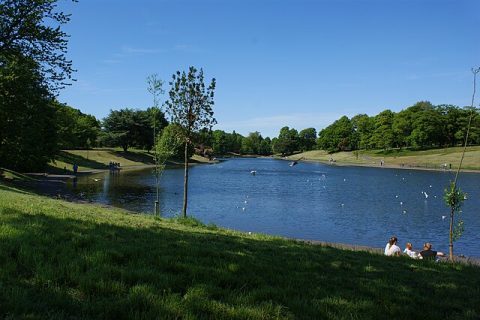
A 235-acre Victorian park featuring the iconic Adelphi Fountain as its centerpiece. With tree-lined pathways, a boating lake, meadows, and abundant wildlife, it's one of northwest England's finest parks. The park includes the restored Palm House and offers stunning seasonal displays of flowers and foliage.
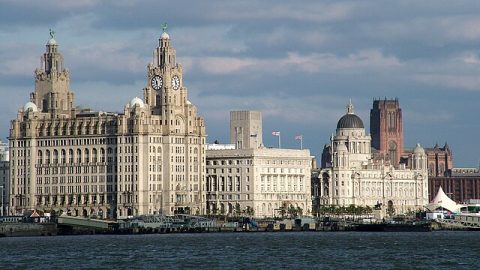
The iconic waterfront location featuring The Three Graces, ferry terminal, and public space for events and gatherings. Offers phenomenal views of the Mersey River and the city skyline. Free to access with numerous viewpoints, cafes, and occasionally hosts open-air concerts and markets.
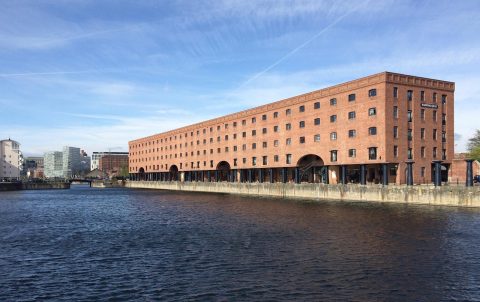
A scenic 2.5-mile riverside promenade stretching from Pier Head to Herculaneum Dock. Perfect for walks with views of the Mersey, featuring public art installations, the Three Graces, and access to museums. The waterfront is beautifully lit at night and offers numerous cafes and restaurants.
Tips for Parks & Gardens
- Sefton Park is ideal for afternoon strolls, especially in spring and summer
- The Waterfront walk is best at sunset for stunning photography
- Bring binoculars to spot birds at the boating lake in Sefton Park
Each neighborhood offers distinct character and charm, from the Georgian grandeur of the Georgian Quarter to the bohemian vibrancy of the Baltic Triangle and artistic Bold Street.
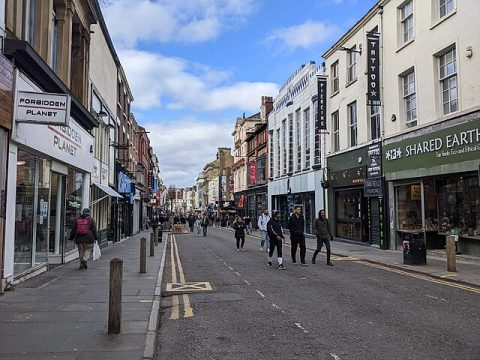
A vibrant pedestrian shopping street famous for independent boutiques, vintage shops, bookstores, and trendy cafes. Tree-lined and atmospheric, the street features colorful independent retailers, street art, and frequent cultural events. A hub for Liverpool's creative and bohemian culture.
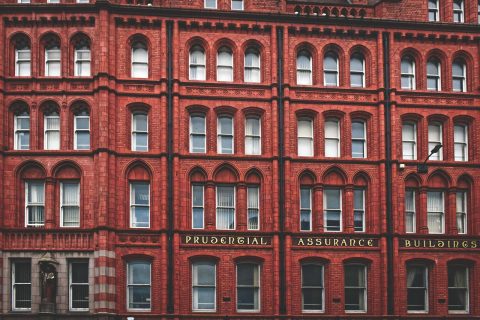
An elegant 18th-century residential area featuring pristine Georgian townhouses, leafy tree-lined streets, and charming squares. Home to Abercromby Square and Canning Street, the area showcases Georgian architecture at its finest with many houses converted to university offices and cultural spaces.
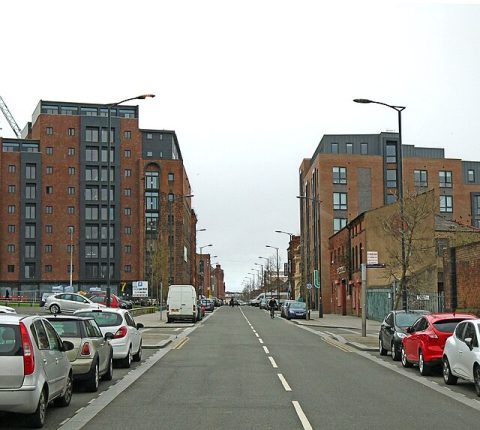
A thriving creative quarter featuring street art, independent galleries, vintage shops, craft breweries, and trendy restaurants. Once an industrial area, it's been transformed into a cultural hub with colorful murals, artist studios, and innovative food venues. Popular with younger visitors seeking authentic Liverpool culture.
Tips for Neighborhoods & Districts
- Bold Street is ideal for weekend shopping and coffee culture
- The Georgian Quarter is perfect for architectural photography
- Baltic Triangle street art changes frequently - visit regularly for new murals
Guided experiences, musical heritage tours, and interactive activities offer deeper insights into Liverpool's culture, history, and connections to The Beatles phenomenon.
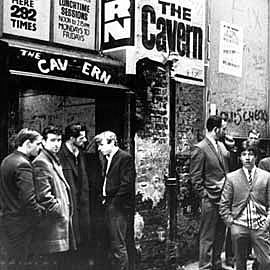
The legendary nightclub where The Beatles performed over 200 times before achieving international fame. Located underground in the original site, the Cavern continues hosting live music nightly with a replica of the original venue. A must-visit for music enthusiasts featuring live rock, pop, and tribute bands.
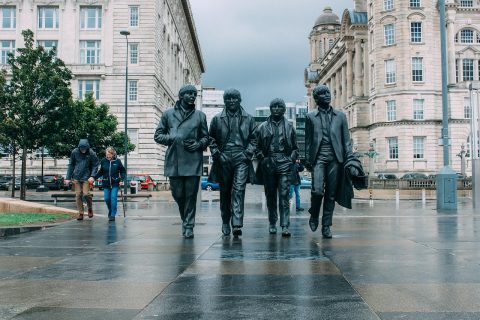
Guided walking tours exploring locations significant to The Beatles' formative years, including childhood homes, early venues, and recording studios. Knowledgeable guides share anecdotes and historical context about each band member's connection to Liverpool's music scene and their rise to stardom.
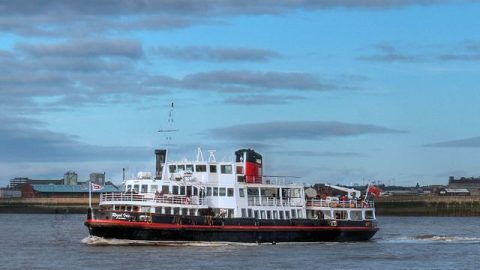
Historic ferries crossing the Mersey River offering panoramic views of the waterfront and city skyline. The famous Dazzle Ferry features artistic design, and crossings provide photo opportunities of the Three Graces. Ferries operate year-round with indoor seating and outdoor decks.
Tips for Tours & Activities
- The Cavern Club is best visited mid-week for a more intimate experience
- Book Beatles tours through reputable companies with high ratings
- Evening Mersey Ferry rides offer stunning illuminated city views
From independent boutiques to modern shopping centers, Liverpool offers diverse retail experiences for every taste and budget, featuring both high street brands and unique local stores.
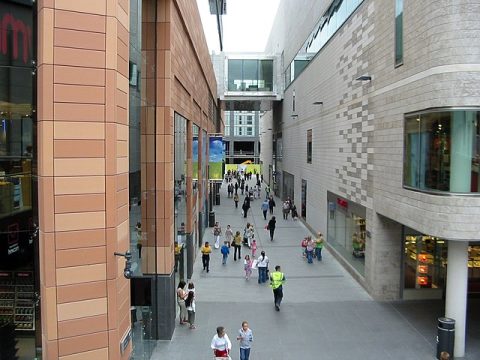
A 54-acre open-air shopping and leisure complex featuring over 170 retailers including major brands, restaurants, and entertainment venues. The development includes contemporary architecture, public spaces, and cafes, creating an urban village atmosphere in the city center.
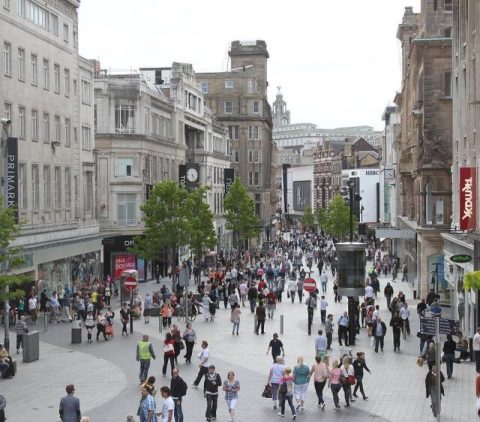
Liverpool's traditional high street featuring major retail chains, department stores, and national brands. A long pedestrian shopping street connecting Bold Street to the city center with covered arcades offering protection from weather. Home to flagship stores and established retailers.
Tips for Shopping & Markets
- Liverpool ONE offers free parking in multiple car parks
- Church Street connects to Bold Street for a full shopping experience
- Many shops offer late evening hours on Thursdays
Real, highly-rated Restaurants in Liverpool, sourced from Google Places (rating above 4★).
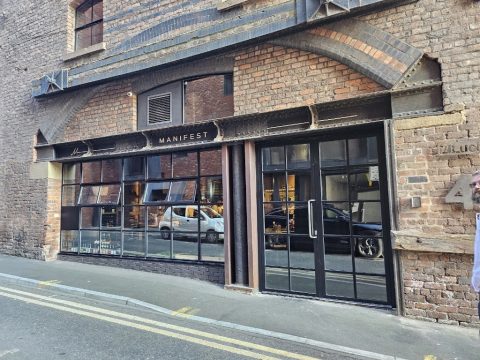
Manifest Restaurant is a highly-rated restaurant in Liverpool, rated 4.9★ from 218 reviews. Located at 4a Watkinson St, Liverpool L1 0AG, UK.
Opening Hours
- Monday: Closed
- Tuesday: Closed
- Wednesday: 12:00 – 2:45 PM, 5:00 – 9:00 PM
- Thursday: 12:00 – 2:45 PM, 5:00 – 9:00 PM
- Friday: 12:00 – 2:45 PM, 5:00 – 9:00 PM
- Saturday: 12:00 – 2:45 PM, 5:00 – 9:00 PM
- Sunday: Closed
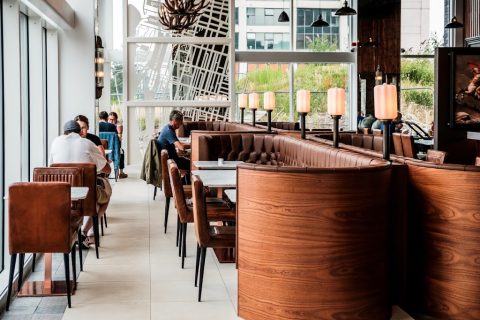
Moose is a highly-rated restaurant in Liverpool, rated 4.9★ from 4372 reviews. Located at William Jessop Way, Liverpool L3 1DZ, UK.
Opening Hours
- Monday: 8:00 AM – 4:00 PM
- Tuesday: 8:00 AM – 4:00 PM
- Wednesday: 8:00 AM – 4:00 PM
- Thursday: 8:00 AM – 4:00 PM
- Friday: 8:00 AM – 4:00 PM
- Saturday: 8:00 AM – 4:00 PM
- Sunday: 8:00 AM – 4:00 PM
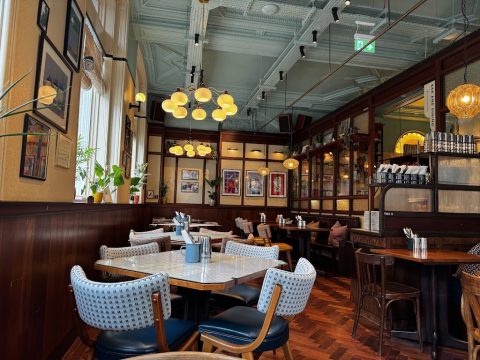
Dishoom Permit Room Liverpool is a highly-rated restaurant in Liverpool, rated 4.9★ from 1211 reviews. Located at 1 Dale St, Liverpool L2 2PP, UK.
Opening Hours
- Monday: 8:00 AM – 10:00 PM
- Tuesday: 8:00 AM – 10:00 PM
- Wednesday: 8:00 AM – 10:00 PM
- Thursday: 8:00 AM – 10:00 PM
- Friday: 8:00 AM – 11:00 PM
- Saturday: 9:00 AM – 11:00 PM
- Sunday: 9:00 AM – 10:00 PM
Explore Liverpool on the Map
Best Time to Visit: May to September offers pleasant weather (12-17°C) with longer daylight hours, ideal for exploring waterfront attractions and outdoor activities. July and August can be busy with tourists. December features festive markets and lights but is cold (2-8°C). Avoid visiting during winter months (January-February) when weather is frequently rainy.
Weather: Liverpool has a temperate maritime climate with frequent rain throughout the year. Pack waterproof jackets and layers. The city experiences unpredictable weather, so bring an umbrella regardless of season.
Getting Around: Liverpool is compact and walkable. The Merseyrail underground system connects the city center to suburbs. Day tickets offer unlimited travel on local transport. Buses serve all neighborhoods with comprehensive route networks.
Airport Transfer: Liverpool John Lennon Airport is 5 miles south of the city. Airlink buses provide direct service (25-30 minutes), costing £3.50 per journey. Taxis and ride-sharing services also available.
Parking: City center car parks include multi-story facilities at Liverpool ONE, St John's Centre, and Municipal Car Parks. Prices range from £1.50-£3 per hour. On-street parking is metered in central areas.
✈️ Airport Transfer
Liverpool John Lennon Airport (LPL) to city center:
- Airport Express Bus 500: Direct service to Liverpool ONE bus station in the city centre in around 30 minutes, tickets from £5 one way
- Bus 86A plus train: Short bus ride to Liverpool South Parkway station in 10 minutes, then a Merseyrail or mainline train into the city centre in about 15 minutes, combined fare around £6
- Taxi: Metered taxi to the city centre takes 20 to 25 minutes and costs roughly £25 to £30
- Private transfer: Pre-booked private car direct to your hotel takes about 20 minutes and typically costs £35 to £45
What to Buy: Beatles memorabilia, vintage records, and music-related souvenirs are quintessential Liverpool purchases. The Four Owls Gallery and independent shops on Bold Street stock unique local artwork and crafts.
Shopping Areas: Liverpool ONE offers mainstream retailers. Bold Street features independent boutiques, vintage shops, and bookstores. Hardman Street has designer fashion. The Baltic Triangle hosts galleries and craft vendors.
Markets: Weekend craft markets at Bold Street and seasonal farmers' markets operate regularly. Vintage fairs and pop-up shops appear throughout the year in the Baltic Triangle.
Annual Events: Mathew Street Festival (August) celebrates The Beatles with live music. Liverpool Biennial (September-November, odd years) showcases contemporary art. Creamfields electronic music festival occurs nearby in August.
Seasonal: Christmas markets operate December at various locations including Pier Head. New Year's Eve sees celebrations at Pier Head with fireworks and live performances. Easter parades and summer festivals populate the calendar year-round.
Day 1: Iconic Waterfront
- Morning: Start at Pier Head, photograph The Three Graces
- Mid-morning: Explore Albert Dock museums (Tate Liverpool or Maritime Museum)
- Lunch: Waterfront cafe with Mersey views
- Afternoon: Walk the 2.5-mile waterfront promenade
- Evening: Visit Cavern Club for live music
Day 2: Beatles & Culture
- Morning: Beatles Story museum at Albert Dock
- Mid-morning: Beatles walking tour exploring formative locations
- Lunch: Bold Street independent cafes
- Afternoon: Walker Art Gallery or specific exhibitions
- Evening: Georgian Quarter walk through elegant squares
Day 3: Architecture & Nature
- Morning: Liverpool Cathedral tower for city views
- Late morning: Metropolitan Cathedral modern architecture
- Lunch: City center restaurant
- Afternoon: Sefton Park botanical gardens and lake walks
- Evening: Sunset views from Waterfront
Day 4: Local Life & Shopping
- Morning: Bold Street independent shopping and boutiques
- Mid-morning: Brunch at Bold Street cafes
- Afternoon: Baltic Triangle street art and galleries
- Late afternoon: Liverpool ONE shopping complex
- Evening: Dinner at Baltic Triangle breweries or restaurants
Day 5: Day Trip & Hidden Gems
- Morning: Mersey Ferry crossing with city views
- Afternoon: Explore residential Georgian Quarter
- Late afternoon: St George's Hall exhibitions
- Evening: Liverpool waterfront for nighttime city lights and reflections
Best Photography Locations:
- Pier Head (The Three Graces): Iconic skyline shots, best at sunset (4:30-6:00 PM depending on season). Use foreground elements like railings for composition.
- Albert Dock: Reflections in the water, colorful warehouses, best light in early morning (7:00-9:00 AM) or late afternoon (5:00-7:00 PM)
- Sefton Park, Adelphi Fountain: Fountain as focal point, best in soft morning light. Colorful tulips in spring provide vibrant foreground.
- Mersey Ferry: City skyline views, photographable from ferry deck with water in foreground. Best during golden hour.
- Baltic Triangle: Colorful street murals and graffiti art, best photographed in soft directional light to show texture and color
- Bold Street: Atmospheric street photography, tree-lined walkway with shop fronts, best on overcast days for even lighting
- Liverpool Cathedral Tower: Panoramic city views and surrounding architecture, best at midday for general overview or golden hour for warm tones
- Metropolitan Cathedral Crown: Unique architectural angles, interior light through colored glass, best photographed from ground level looking up
Voltage & Plugs: UK uses 230V electrical supply with 50Hz frequency. Power outlets use Type G plugs (three rectangular pins in triangular configuration).
Adapters: Visitors from North America, Europe, Asia, and Australia will need adapters. Universal adapters are widely available at airports, travel shops, and hotels. Many hotels provide adapters for guests.
USB Charging: Modern cafes and hotels often provide USB charging ports. Carry portable power banks for all-day exploration.
Must-Try Dishes: Scouse (traditional Liverpool stew with beef, potatoes, and vegetables). Cakes and barm cakes (local bread rolls). Fresh fish and chips from local vendors using fresh Mersey fish. British afternoon tea at heritage cafes.
Local Specialties: Liverpudlian cuisine emphasizes hearty dishes and fresh seafood. Bakeries throughout the city offer unique local pastries and baked goods.
Dining Recommendations: Albert Dock restaurants offer waterfront dining. Bold Street features independent cafes and international cuisine. Baltic Triangle craft breweries serve modern British food. Liverpool ONE food court provides diverse options. Traditional pubs serve authentic British fare with local ales.
Dietary Options: Vegetarian and vegan restaurants are abundant in Bold Street and Baltic Triangle. Most establishments accommodate dietary requirements with advance notice.
Tourist Passes
Merseyside Tourist Pass
Provides discounted entry to major attractions including Tate Liverpool, Walker Art Gallery, Merseyside Maritime Museum, and Liverpool Cathedral. Available for 1-7 days with significant savings compared to individual admissions. Includes some public transport benefits and restaurant discounts.
www.visitliverpool.com