Plan your trip to Naples
- How long
- 3 days: the historic centre and museums, the underground and Vomero, plus a day trip to Pompeii, Herculaneum or the islands.
- Best for
- History, food and archaeology lovers: Neapolitan pizza, the National Archaeological Museum and easy access to Pompeii, Vesuvius and Capri.
- Skip it if
- You want a tidy, relaxed city: Naples is loud, chaotic and gritty, and petty theft is common in crowded areas.
If you only do three things
- The National Archaeological Museum (book ahead) and the historic centre (Spaccanapoli, the Duomo, Santa Chiara).
- Pompeii and Herculaneum (Herculaneum is about 10 km away by Circumvesuviana train).
- The Sansevero Chapel (book 2-3 days ahead) and a pizza in the centre.
A one-day route
- Morning: The National Archaeological Museum.
- Midday: Lunch (pizza) near the centre.
- Afternoon: Spaccanapoli, Santa Chiara and the Sansevero Chapel.
- Evening: The waterfront at Castel dell'Ovo and a seafood dinner.
Before you go
- From Naples Airport, the Alibus runs to Piazza Municipio and the central station in about 30-40 minutes (check the current fare).
- Ferries to Capri take 40-80 minutes, Ischia 50-90 and Procida 35-60; sea conditions can cancel sailings.
- Castel dell'Ovo is free to enter; many state museums are free on the first Sunday of the month.
- Check weather before going up Vesuvius; the summit can close.
Prices, opening status and transport in this plan checked against official sources on 30 September 2026.
Things to do in Naples
Naples boasts an extraordinary collection of historic landmarks that showcase its rich past as one of Europe's most important kingdoms. From medieval castles to royal palaces, these monuments tell the story of centuries of art, power, and culture.
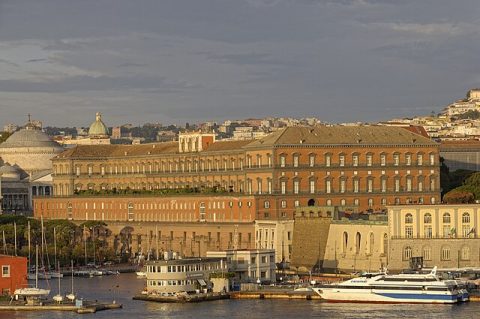
Royal Palace of Naples
Built in 1600, this magnificent baroque palace was home to Spanish and Bourbon kings. The lavishly decorated royal apartments feature original furnishings, tapestries, and artworks. Don't miss the Court Theatre, one of Italy's oldest opera houses, and the impressive facade adorned with statues of Naples' most important kings. The palace offers a glimpse into royal life and Naples' importance as a European capital.
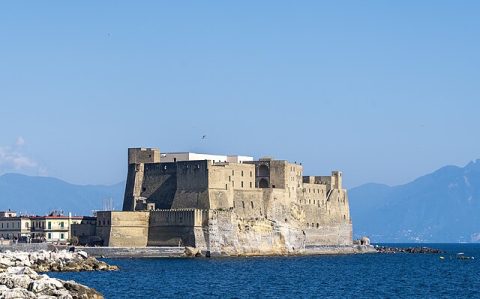
Castel dell'Ovo
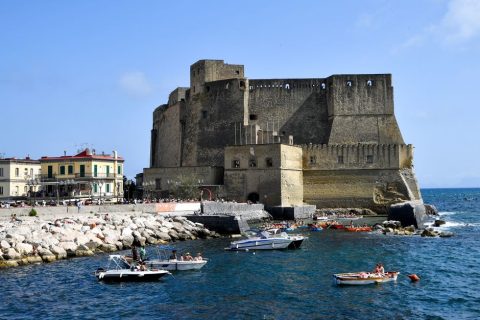
The oldest standing fortification in Naples, this seaside castle sits on the ancient islet of Megaride. According to legend, the Roman poet Virgil placed a magical egg in its foundations, giving the castle its name. Check the Comune’s current access notice before planning a visit; public access has been affected by restoration works. The castle's terraces provide perfect photo opportunities, especially at sunset.
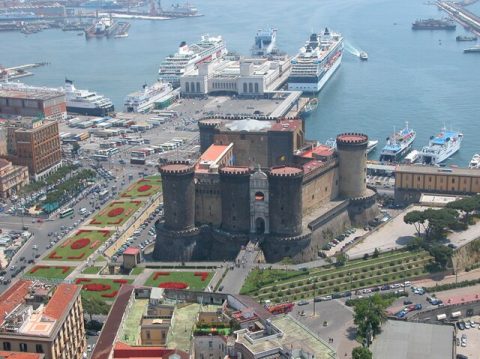
Castel Nuovo (Maschio Angioino)
This medieval fortress from 1279 dominates Piazza Municipio with its imposing towers and Renaissance triumphal arch. Built by Charles I of Anjou, it served as a royal residence and now houses the Civic Museum. The Barons' Hall features stunning frescoes, and the castle's architecture represents the transition from medieval to Renaissance styles.
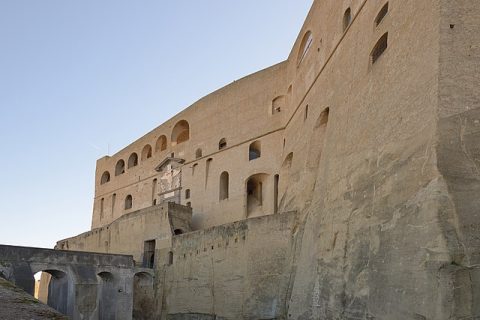
Castel Sant'Elmo
Perched atop Vomero hill, this star-shaped fortress from the 14th century offers the best 360-degree views of Naples, Vesuvius, and the bay. The medieval castle's unique hexagonal design and thick defensive walls are architectural marvels. Today it hosts contemporary art exhibitions and cultural events. The panoramic terrace is particularly magical at sunset and evening.
Tips for Landmarks & Monuments
- Photography: Visit Castel Sant'Elmo at sunset for breathtaking golden-hour photos of the entire city
- Free Entry: Castel dell'Ovo is free to enter and perfect for budget travelers
- Combo Tickets: Purchase the Campania Artecard for discounted entry to multiple monuments
- Timing: Visit castles in the morning to avoid crowds and afternoon heat
Naples houses some of Europe's finest museums, from the unparalleled archaeological treasures of Pompeii and Herculaneum to world-class art collections. The city's museums offer deep insights into ancient civilizations, Renaissance masters, and contemporary art.

National Archaeological Museum
One of the world's most important archaeological museums, housing the finest collection of Roman artifacts, including treasures from Pompeii and Herculaneum. Highlights include the Farnese Collection of classical sculptures, ancient mosaics, the Secret Cabinet of erotic art, and Egyptian antiquities. The museum provides essential context for understanding Vesuvian sites. Allow plenty of time to explore its vast collections spanning millennia.

Capodimonte Museum
Set in a royal palace within a magnificent park, this museum houses one of Italy's richest art collections. Features masterpieces by Caravaggio, Titian, Raphael, and Botticelli, plus the royal apartments with original furnishings and porcelain. The collection spans from medieval to contemporary art, with particular strength in Neapolitan baroque paintings. The surrounding park offers stunning city views.
Certosa di San Martino
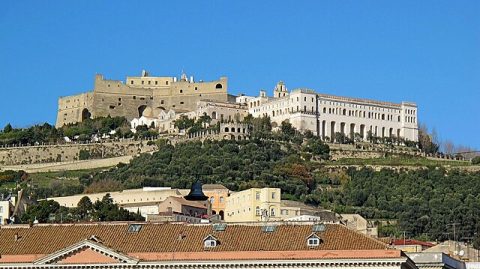
This former Carthusian monastery is now a museum complex showcasing Neapolitan baroque art and culture. The church is adorned with stunning frescoes and marble work. The museum houses the famous Presepe Cuciniello, an elaborate 18th-century nativity scene, plus collections of paintings, sculptures, and historical artifacts. The monastery's terrace offers spectacular panoramic views.
MADRE - Contemporary Art Museum
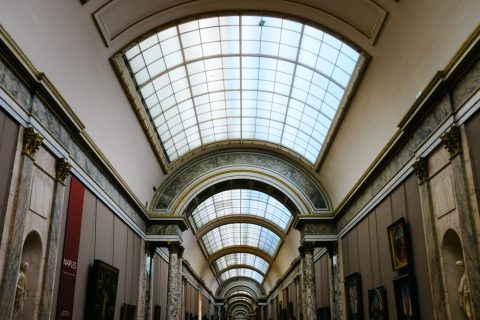
Naples' premier contemporary art museum showcases Italian and international artists from the 1950s onwards. Permanent installations by Anish Kapoor, Sol LeWitt, and Francesco Clemente interact with the historic palazzo's architecture. Rotating exhibitions feature cutting-edge contemporary works. The museum demonstrates Naples' vibrant modern art scene alongside its historic treasures.
Tips for Museums & Galleries
- First Sundays: Many state museums offer free entry on the first Sunday of each month
- Book Ahead: Reserve tickets online for National Archaeological Museum to skip long queues
- Audio Guides: Rent audio guides for deeper understanding of archaeological collections
- Museum Pass: Consider the 3-day Naples museum pass for significant savings
- Photography: Check rules before visiting; some museums prohibit flash photography
Naples' churches are architectural masterpieces filled with priceless artworks, from baroque excess to Gothic simplicity. These sacred spaces showcase centuries of artistic achievement and remain active places of worship, offering spiritual and cultural experiences.
Naples Cathedral (Duomo)
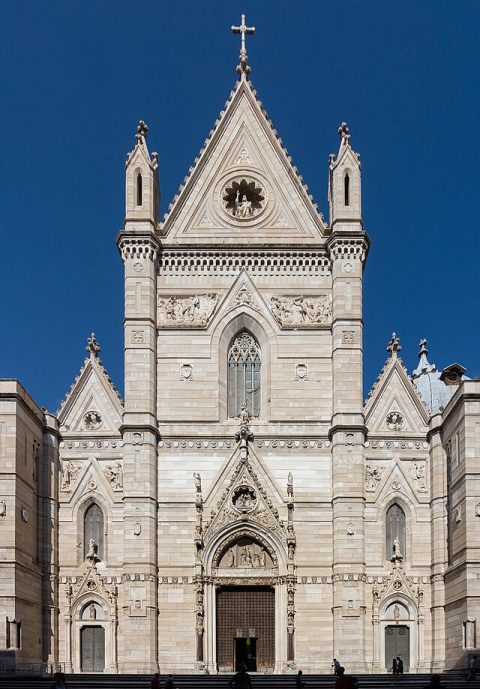
The city's main cathedral houses the Chapel of San Gennaro, Naples' patron saint, whose blood miraculously liquefies three times yearly. The cathedral combines Gothic, baroque, and Renaissance styles. Features include ancient Roman columns, stunning frescoes by Domenichino, and the archaeological zone beneath with Greek and Roman ruins. The elaborate baroque chapel is adorned with silver, frescoes, and precious stones.
Santa Chiara Monastery Complex
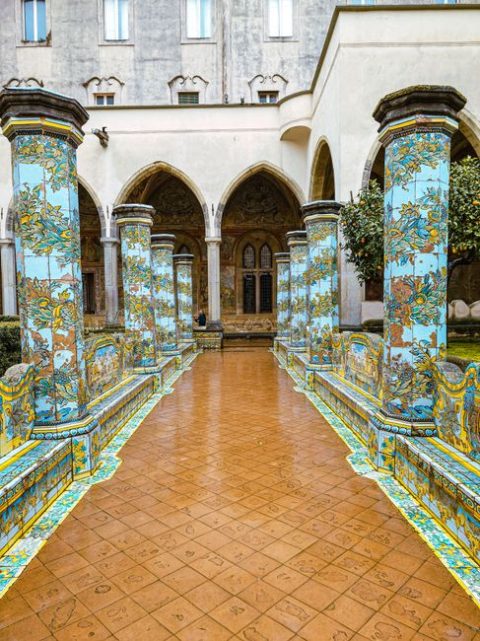
This Gothic church and monastery complex features the famous Maiólica Cloister, where columns and benches are covered in hand-painted majolica tiles depicting pastoral scenes. The monastery museum displays archaeological finds and religious artifacts. The church, rebuilt after WWII bombing, maintains its Gothic simplicity. The peaceful cloister garden offers a tranquil escape from Naples' bustling streets.
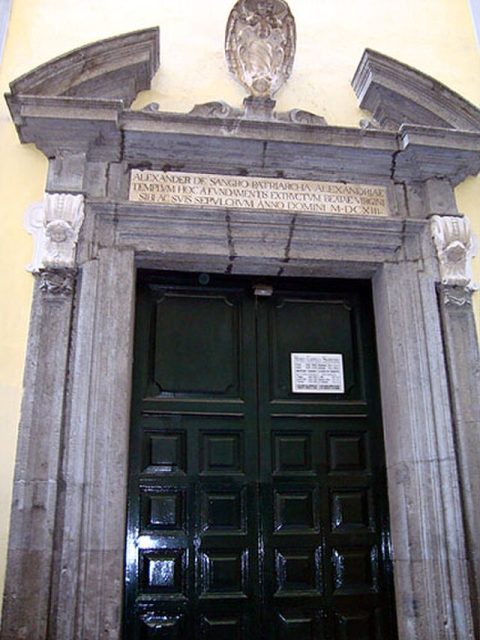
Sansevero Chapel
This small baroque chapel contains the Veiled Christ, a marble sculpture so realistic the veil appears transparent one of the world's most remarkable sculptures. Other masterworks include Disillusion and Modesty. The chapel belonged to the eccentric Prince Raimondo di Sangro, whose anatomical machines in the crypt showcase his scientific pursuits. Book well in advance as this is Naples' most popular attraction.
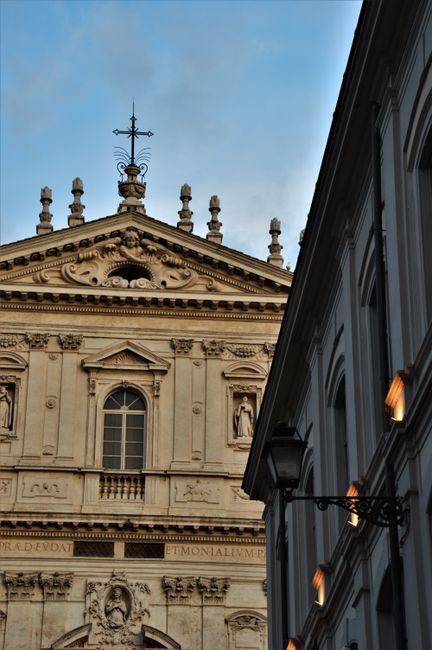
Gesù Nuovo Church
This extraordinary church features a unique rusticated stone facade from a 15th-century palazzo. Inside, the baroque interior overwhelms with colorful marble, frescoes covering every surface, and elaborate sculptures. The church honors Saint Giuseppe Moscati, a physician whose medical instruments are displayed. The architectural contrast between fortress-like exterior and ornate interior is striking.
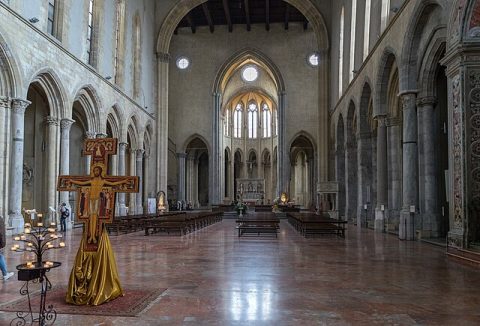
San Lorenzo Maggiore
This Gothic-baroque church sits atop a Greek agora and Roman market, accessible through fascinating underground excavations. The archaeological area reveals ancient streets, shops, and a bakery, providing tangible connections to daily life in Roman Neapolis. The church itself features beautiful Gothic architecture and cloisters. This site uniquely combines religious, historical, and archaeological significance.
Tips for Religious Sites
- Dress Code: Shoulders and knees must be covered; bring a shawl or scarf
- Sansevero Chapel: Book tickets at least 2-3 days in advance, especially in peak season
- Mass Times: Check schedules if you want to experience religious services
- Free Entry: Most churches are free, though some charge for special areas or cloisters
- San Gennaro: Visit during the miracle dates (first Saturday of May, September 19, December 16) for special ceremonies
Naples and its surroundings preserve extraordinary ancient sites, from underground Greek-Roman cities to the world-famous ruins of Pompeii and Herculaneum. These archaeological treasures offer unparalleled glimpses into ancient Mediterranean civilizations.
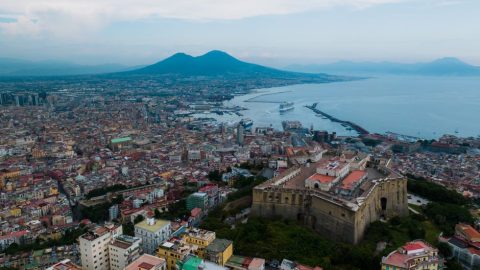
Naples Underground (Napoli Sotterranea)
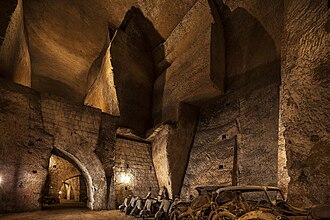
Descend 40 meters below street level to explore an underground city carved from tufa stone. The guided tour reveals Greek quarries, Roman aqueducts, WWII bomb shelters, and even a Roman theater beneath modern buildings. Navigate narrow passages by candlelight and experience the ancient cistern system that supplied water to Naples for centuries. This fascinating journey reveals the city's layered history.
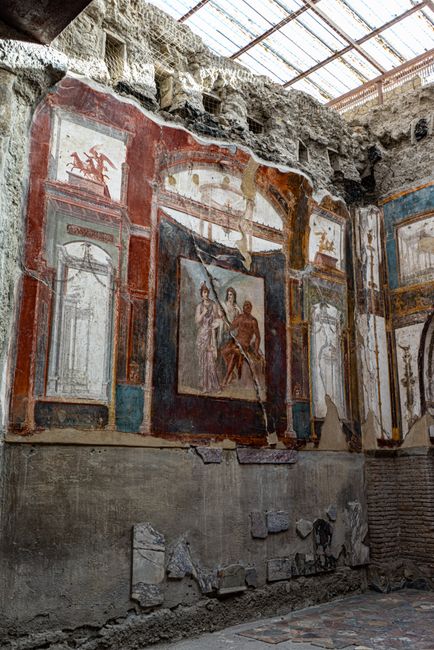
Herculaneum Archaeological Site
Better preserved than Pompeii, Herculaneum offers intimate insights into Roman life. Buried by volcanic mud rather than ash, the site preserves wooden structures, organic materials, and vibrant frescoes. Explore intact houses, shops, baths, and even a library with scrolls. The compact size makes it easier to appreciate than Pompeii. Located just 10km from Naples, it's accessible by Circumvesuviana train.
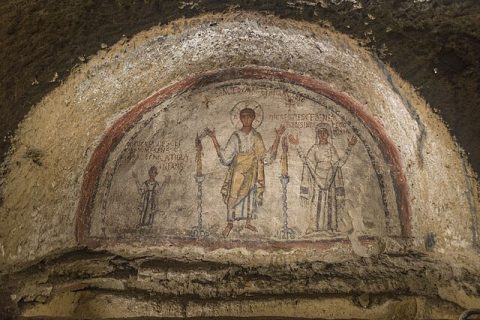
Catacombs of San Gennaro
These early Christian burial sites from the 2nd century form one of Southern Italy's most important catacomb complexes. Two levels contain frescoes, mosaics, and tombs of bishops and nobles. The Basilica of San Gennaro within the catacombs showcases early Christian art. The atmospheric underground passages span multiple centuries of use. Guided tours provide historical context and fascinating stories.
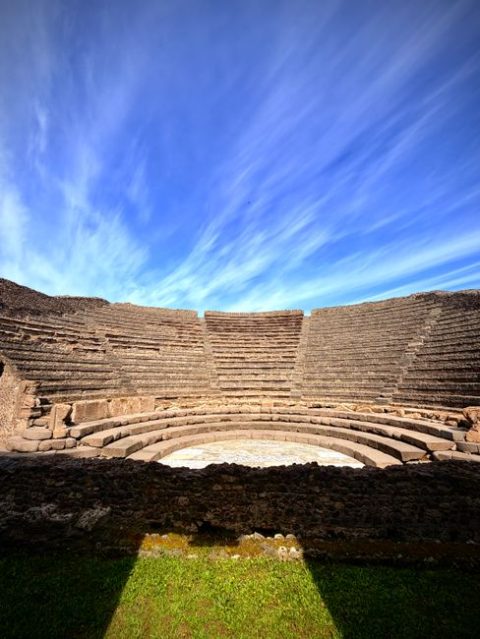
Roman Theatre of Neapolis
Discovered beneath buildings in the historic center, this ancient Roman theater hosted performances in the 1st century. Emperor Nero himself performed here in AD 64. The partially excavated structure reveals seating areas, stage foundations, and underground passages. Access is through buildings on Via Anticaglia, where Roman arches remain visible above street level, integrating ancient and modern Naples.
Tips for Ancient & Historical Sites
- Claustrophobia: Naples Underground involves narrow passages; not recommended if you're claustrophobic
- Comfortable Shoes: Wear sturdy shoes as underground sites can be slippery
- Guided Tours: Most underground sites require joining a guided tour; check schedules in advance
- Temperature: Underground sites are cooler (around 15-16°C); bring a light jacket
- Herculaneum Tip: Visit early morning for fewer crowds and better lighting for photos
Naples' vibrant public spaces pulse with daily life, from elegant baroque piazzas to narrow medieval alleys. These streets and squares are where Neapolitan culture comes alive through markets, cafés, street performers, and the famous passeggiata (evening stroll).
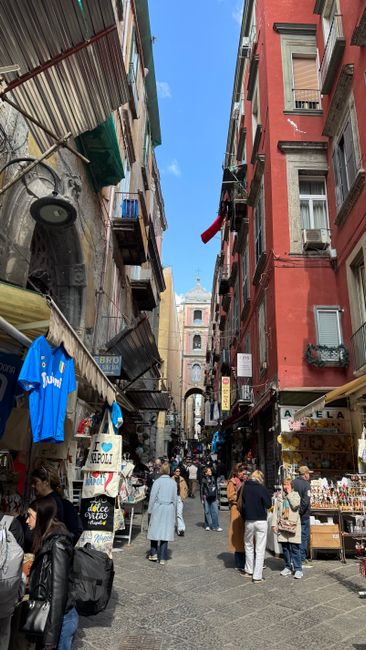
Spaccanapoli
This ancient street literally splits Naples in half, following the Greek-Roman city's main artery. Walking Spaccanapoli means experiencing authentic Naples: churches packed with art, artisan workshops, street food vendors, and chaotic traffic. The narrow street showcases layers of history from ancient foundations to baroque palaces. Essential stops include Gesù Nuovo, Santa Chiara, and countless pizzerias and pastry shops.
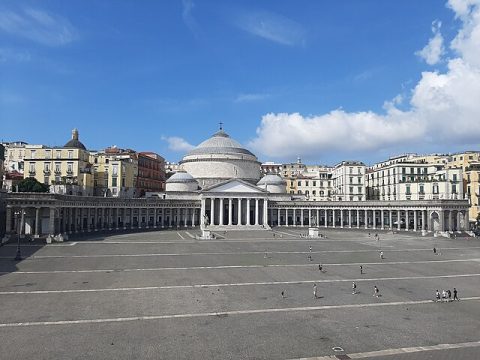
Piazza del Plebiscito
Naples' grandest square is a vast semicircular space flanked by the Royal Palace and the neoclassical Church of San Francesco di Paola. The monumental colonnade and elegant proportions make it perfect for photos and people-watching. The square hosts concerts, events, and is a meeting point for locals. The adjacent Galleria Umberto I provides shelter with its stunning glass-domed arcade.
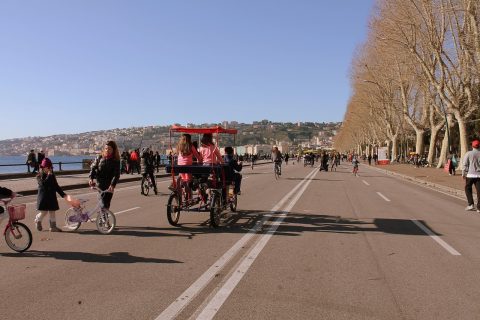
Via San Gregorio Armeno
The famous Christmas street where artisans craft traditional nativity scenes (presepi) year-round. Workshops overflow with handmade figurines, from biblical characters to contemporary celebrities. The street maintains centuries-old traditions of Neapolitan nativity craftsmanship. Peak season is November-December, but shops operate year-round. The street itself follows an ancient Roman road and maintains its medieval character.
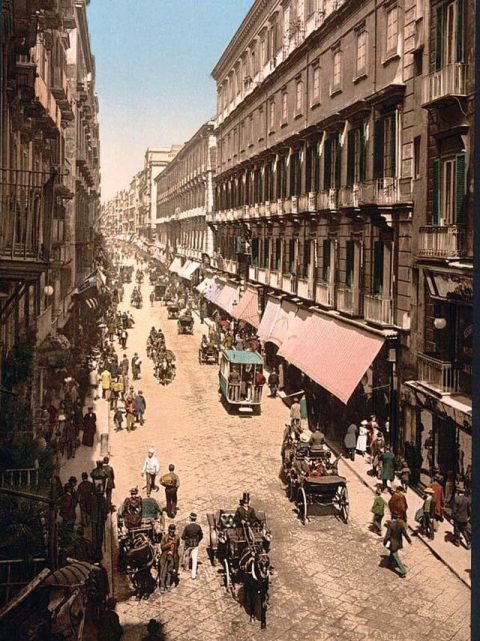
Via Toledo
Naples' main shopping street stretches from Piazza del Plebiscito to the National Archaeological Museum. This pedestrian-friendly boulevard features international brands, local boutiques, cafés, and historic buildings. The elegant street showcases Spanish Renaissance urban planning. Visit the stunning Toledo Metro station, considered one of Europe's most beautiful. Perfect for evening passeggiata and people-watching.
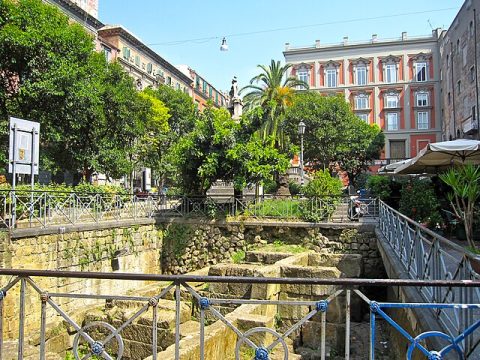
Piazza Bellini
This bohemian square in the historic center features visible Greek city walls in its center, bookshops, and outdoor cafés popular with students and artists. The atmospheric piazza comes alive at aperitivo hour and remains vibrant into the night. The juxtaposition of ancient ruins with modern café culture epitomizes Naples' layered character. Great spot for evening drinks and cultural atmosphere.
Tips for Squares & Streets
- Walking Tours: Join a free walking tour to understand the historic center's complex history
- Spaccanapoli Safety: Keep valuables secure; watch for pickpockets in crowded areas
- Best Time: Visit squares early morning or late afternoon to avoid midday heat
- Evening Stroll: Experience the passeggiata on Via Toledo between 6-8pm
- Photography: Piazza del Plebiscito is best photographed early morning for fewer people
Each of Naples' neighborhoods has its own distinct character, from the aristocratic elegance of Chiaia to the authentic chaos of Quartieri Spagnoli. Exploring these districts reveals different facets of Neapolitan life and culture.
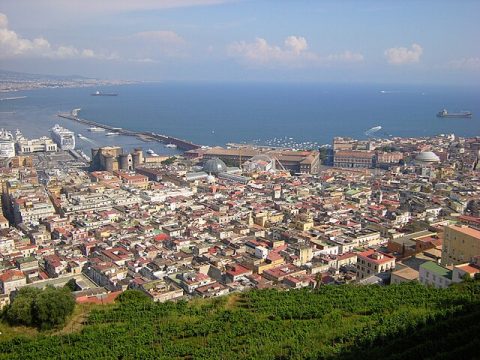
Quartieri Spagnoli (Spanish Quarter)
The most authentically Neapolitan neighborhood, with narrow alleys, laundry hanging overhead, street shrines, and vibrant street life. Built in the 16th century to house Spanish troops, it maintains its working-class character. Experience real Naples: local markets, traditional trattorias, and residents socializing in the streets. While atmospheric, stay alert and visit during daylight. Don't miss murals, especially the famous Maradona shrine.
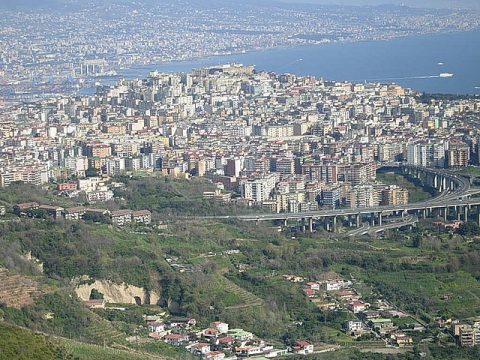
Vomero
This hilltop residential district offers respite from the historic center's intensity. Reached by funicular, Vomero features tree-lined streets, upscale shops, and modern amenities. Key attractions include Castel Sant'Elmo and Certosa di San Martino, both providing spectacular city views. The neighborhood has excellent restaurants, gelaterias, and a more relaxed pace. Villa Floridiana park offers green spaces and bay vistas.
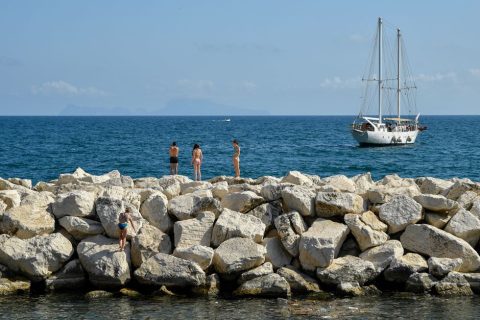
Lungomare (Waterfront Promenade)
The scenic coastal walk stretches from Mergellina to Castel dell'Ovo, offering spectacular views of Vesuvius and the bay. Popular for jogging, cycling, and evening strolls, the promenade features palm trees, gardens, and historic villas. Via Caracciolo connects to Villa Comunale park. Waterfront cafés and gelaterias provide refreshment stops. The promenade comes alive on weekends when locals enjoy the sea air.
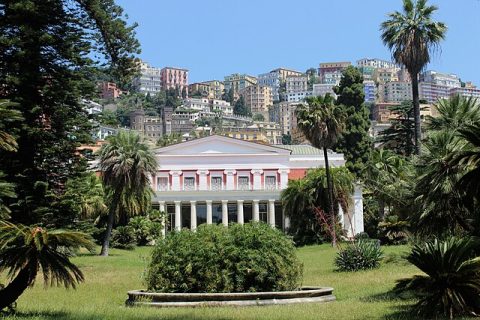
Chiaia
Naples' elegant waterfront district features designer boutiques, art galleries, and sophisticated cafés. The Villa Comunale park stretches along the bay, perfect for strolling. Via dei Mille and Piazza dei Martiri offer upscale shopping. The neighborhood showcases 19th-century elegance with Liberty-style buildings. Evening aperitivo culture thrives here. More refined than the historic center, Chiaia reveals Naples' sophisticated side.
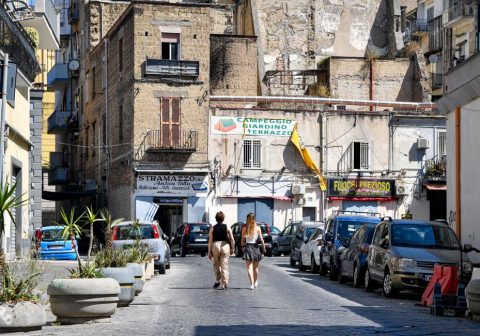
Sanità
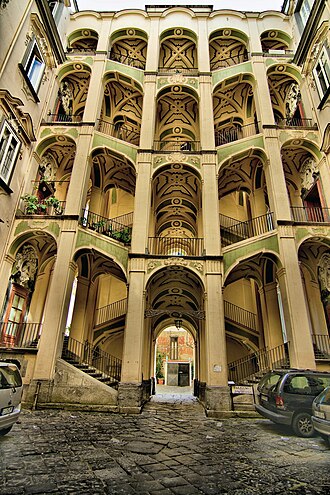
An emerging neighborhood undergoing cultural renaissance while maintaining authentic character. Home to the Catacombs of San Gennaro and San Gaudioso, Baroque churches, and Palazzo dello Spagnuolo's famous double staircase. The Rione Sanità Cooperative offers excellent walking tours. Local initiatives promote street art and community projects. Experience Naples' transformation from struggling quarter to cultural destination while supporting community tourism.
Tips for Neighborhoods & Districts
- Spanish Quarter Safety: Visit during daytime, keep cameras secure, and don't display expensive items
- Funiculars: Use the Centrale, Chiaia, or Montesanto funiculars to easily reach Vomero
- Local Guides: In Sanità, book tours with local cooperatives to support community development
- Evening Walk: The Lungomare is magical at sunset with views of Vesuvius
- Authentic Food: Quartieri Spagnoli has some of Naples' best traditional trattorias
Naples offers beautiful green spaces providing respite from urban intensity, from royal parks with panoramic views to waterfront gardens. These spaces combine natural beauty with historical significance and stunning vistas.

Capodimonte Park
This royal park surrounding the Capodimonte Museum spans 134 hectares of landscaped gardens, woods, and meadows. Created as a hunting reserve for Bourbon kings, it offers panoramic views of Naples and the bay. Walking paths wind through ancient trees, past fountains and sculptures. The park provides peaceful escape and connects to the museum. Perfect for picnics, jogging, or leisurely strolls away from city chaos.
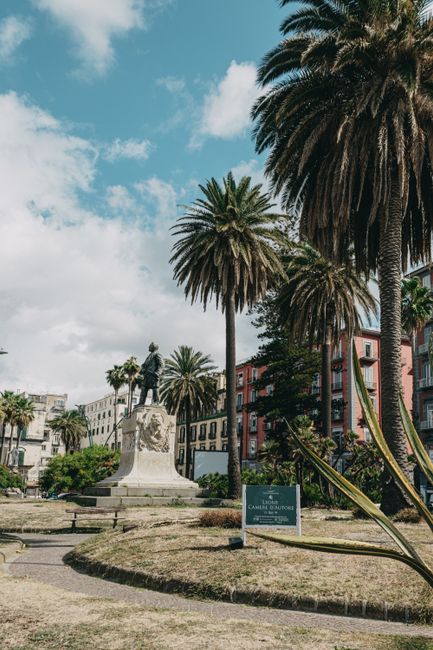
Virgiliano Park
Perched on Posillipo hill, this panoramic park offers breathtaking 360-degree views of the Gulf of Naples, islands (Capri, Ischia, Procida), and Vesuvius. Named after the poet Virgil whose tomb is nearby, the park features terraced gardens, walking paths, and multiple viewpoints. Less touristy than other parks, it's beloved by locals. Sunset visits are spectacular. Access by bus or car from Mergellina.
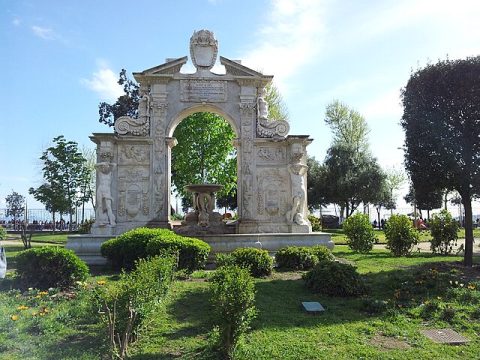
Villa Comunale
The city's main waterfront park stretches along Via Caracciolo with palm trees, flower beds, and baroque fountains. Built in the 18th century as a royal garden, it features statues, pavilions, and the Stazione Zoologica aquarium. Popular with families, joggers, and couples, the park offers bay views and sea breezes. Sunday afternoons see locals enjoying picnics and children playing. Perfect spot for relaxation after sightseeing.
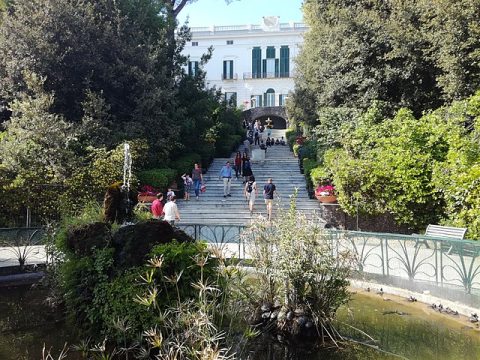
Villa Floridiana
This neoclassical villa and park in Vomero offers peaceful gardens with sweeping bay views. The villa houses the Duca di Martina National Ceramic Museum with porcelain and decorative arts. The surrounding park features landscaped gardens, shaded paths, and panoramic terraces. Popular with locals for morning walks and picnics. Less crowded than major attractions, it provides authentic neighborhood atmosphere combined with cultural interest.
Tips for Parks & Gardens
- Best Time: Visit parks early morning or late afternoon to avoid midday heat
- Picnics: Stop at a local market for fresh food and enjoy picnics in Capodimonte or Villa Comunale
- Sunset Views: Virgiliano Park offers the best sunset panoramas over the bay
- Free Entry: All parks are free to enter, though villa museums may charge admission
- Local Vibe: Visit on Sunday to experience how Neapolitans enjoy their parks
Naples showcases magnificent baroque fountains and contemporary street art throughout the city. From elaborate royal fountains to modern murals, these artistic elements add beauty and character to public spaces.
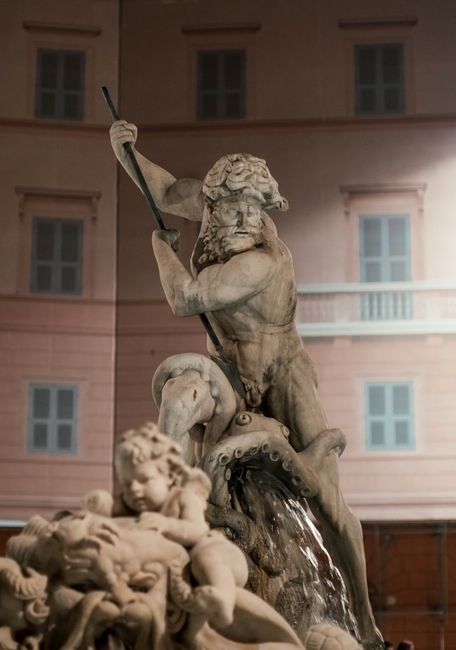
Fontana del Nettuno (Neptune Fountain)
This monumental baroque fountain in Piazza Municipio features Neptune surrounded by sea creatures and tritons. Created in the 17th century, it was moved from its original location and now stands before the imposing Castel Nuovo. The elaborate sculptural group represents Naples' relationship with the sea. Recently restored, the fountain's details are now clearly visible. Particularly striking when illuminated at night.
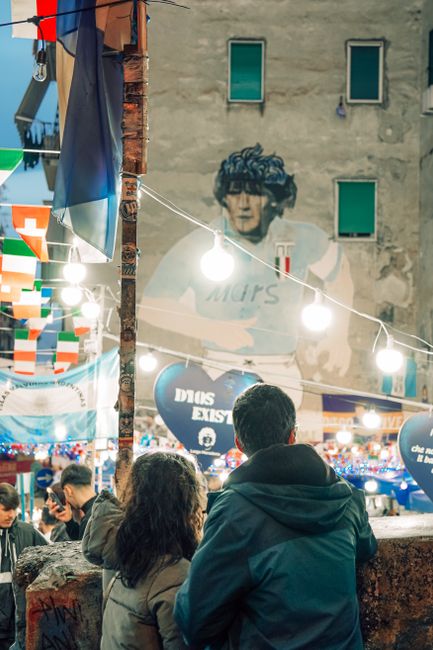
Maradona Murals
Throughout Quartieri Spagnoli, massive murals celebrate Diego Maradona, the Argentine footballer who became a Neapolitan deity. The most famous mural depicts Maradona as a saint with halo. These street art tributes reflect Naples' passionate football culture and the player's legendary status. After his death in 2020, the quarter became a pilgrimage site for fans. The murals showcase Naples' unique blend of sport, religion, and popular culture.

Street Art in Sanità
The Sanità neighborhood features vibrant street art and murals as part of community revitalization projects. Local and international artists have transformed building facades with colorful works addressing social themes. The Rione Sanità Foundation promotes these initiatives connecting art, community, and tourism. Walking tours explore the murals and their meanings. This contemporary art movement represents Naples' cultural evolution and neighborhood pride.
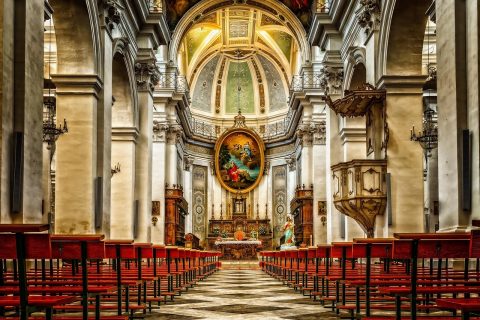
Guglia di San Gennaro
This baroque spire in front of the Duomo honors Naples' patron saint. The elaborate marble monument rises 30 meters and is adorned with statues and decorative elements. Built in the 18th century as thanksgiving for saving the city from Vesuvius, it represents Neapolitan baroque excess and religious devotion. The intricate sculptural details reward close examination. One of several similar spires throughout the historic center.
Tips for Fountains & Public Art
- Photography: Street art is best photographed in morning light; respect residents' privacy
- Guided Tours: Join street art tours in Sanità to understand the social context
- Football Culture: Visit Maradona murals to understand Naples' unique sports devotion
- Baroque Details: Look up! Many fountains and spires have intricate details worth examining closely
Naples offers diverse experiences from pizza-making classes to volcanic crater hikes. These activities provide immersive ways to understand Neapolitan culture, cuisine, and the dramatic landscape surrounding the city.

Pizza-Making Class
Learn to make authentic Neapolitan pizza from master pizzaiolos in traditional pizzerias. These hands-on classes teach dough preparation, sauce making, and wood-oven cooking techniques. Understand why Neapolitan pizza is UNESCO-protected and discover the secrets of perfect crust and topping balance. Classes typically include eating your creations with local wine. Many schools offer certification. Essential experience for food lovers visiting pizza's birthplace.
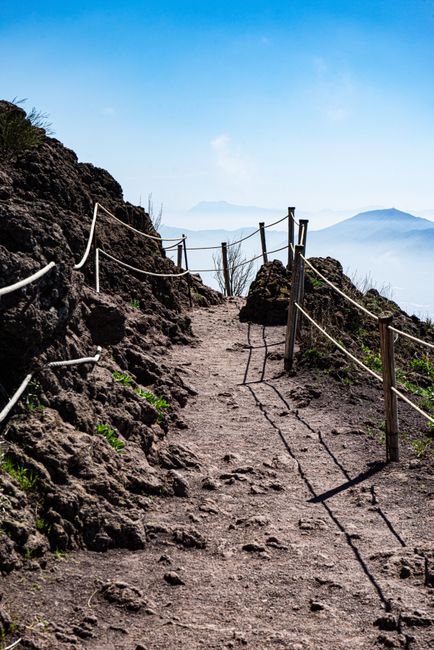
Mount Vesuvius Hike
Hike to the crater of Europe's most dangerous active volcano. The trail to the summit offers spectacular views of the Bay of Naples and surrounding landscape. At the top, peer into the smoking crater and understand the geological forces that destroyed Pompeii. The hike takes about 30 minutes from the parking area. Guided tours provide volcanology insights. Best visited on clear days. Wear comfortable shoes and bring water.
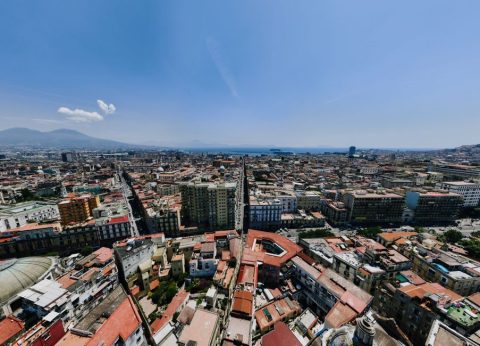
Food Tour of Historic Center
Explore Naples through its incredible street food scene. Guided tours visit traditional vendors selling pizza fritta, sfogliatella, baba, and espresso at historic cafés. Learn about culinary traditions while sampling specialties. Tours often include markets, artisan shops, and family-run establishments. Guides explain food history and cultural significance. Multiple tastings constitute a full meal. Perfect introduction to Neapolitan gastronomy beyond pizza.
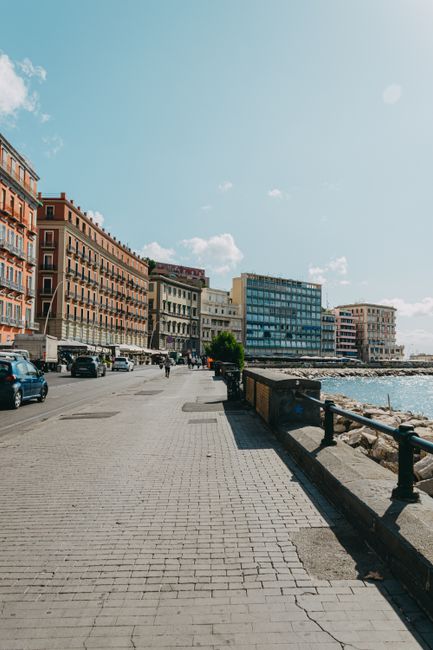
Walking Tour of Historic Center
Discover Naples' layered history through guided walking tours of the UNESCO-listed historic center. Expert guides reveal hidden churches, Roman ruins, baroque palaces, and local traditions. Tours typically cover Spaccanapoli, major piazzas, and key monuments. Free walking tours operate daily. Specialized tours focus on archaeology, art, or street food. Walking is the best way to understand the city's complexity and chaotic charm.

Bay of Naples Boat Tour
See Naples from the water on boat tours exploring the coastline. Routes typically cover Posillipo cliffs, Castel dell'Ovo, and views of Vesuvius. Some tours visit hidden caves and swimming spots. Sunset cruises are particularly romantic. Options range from group tours to private charters. The perspective from the bay reveals Naples' spectacular setting. Many tours include aperitivo or meals onboard.
Tips for Tours & Activities
- Book Ahead: Pizza classes and food tours fill quickly; reserve at least 3-5 days in advance
- Vesuvius Weather: Check conditions before visiting; the summit can be closed in bad weather
- Free Tours: Free walking tours operate on tips; budget €10-15 per person as appropriate
- Comfortable Shoes: Naples involves lots of walking on uneven cobblestones
- Small Groups: For food tours, smaller groups provide better experiences and more tastings
Naples' location provides access to world-famous destinations including Pompeii, the Amalfi Coast, and stunning islands. These day trips showcase the region's archaeological treasures, coastal beauty, and unique island cultures.
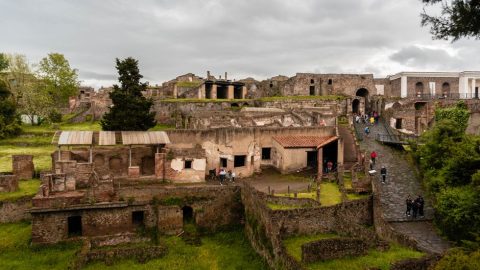
Pompeii Archaeological Site
The world's most famous Roman city frozen in time by Vesuvius' eruption in AD 79. Wander ancient streets, homes, shops, bathhouses, and the amphitheater extraordinarily preserved by volcanic ash. Highlights include the Forum, House of the Faun with its mosaics, and haunting plaster casts of victims. The vast site requires several hours to appreciate. Combine with Herculaneum for complete understanding. Easily reached by Circumvesuviana train from Naples.
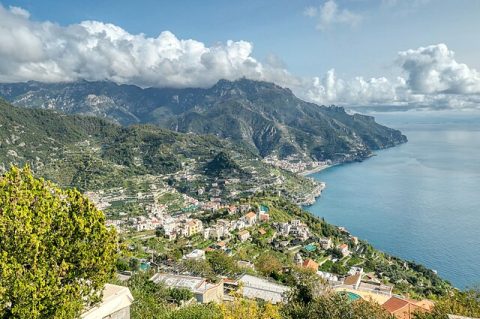
Amalfi Coast
One of the world's most spectacular coastal drives features dramatic cliffs, colorful villages, and azure waters. Visit Positano's vertical streets, Amalfi's cathedral, and Ravello's gardens with panoramic views. The winding coastal road offers breathtaking vistas at every turn. Day trips by bus, private driver, or ferry from Naples. Each town has distinct character. Summer can be extremely crowded. Consider spring or fall visits for better experience.
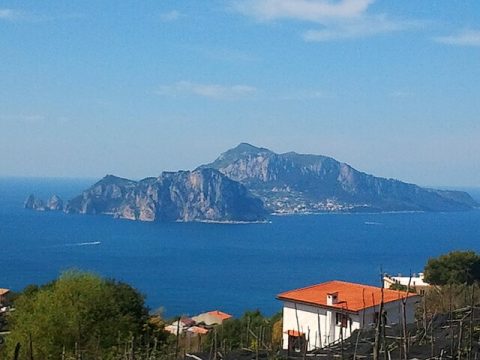
Capri Island
This glamorous island captivates with natural beauty and sophisticated atmosphere. Visit the Blue Grotto, a magical sea cave with electric blue water, and take the chairlift to Monte Solaro for panoramic views. Explore Capri town's designer boutiques and Anacapri's quieter charms. The dramatic Faraglioni rock formations are iconic. Ferries from Naples take 40-80 minutes. Day trips are possible but consider staying overnight to experience the island after day-trippers leave.
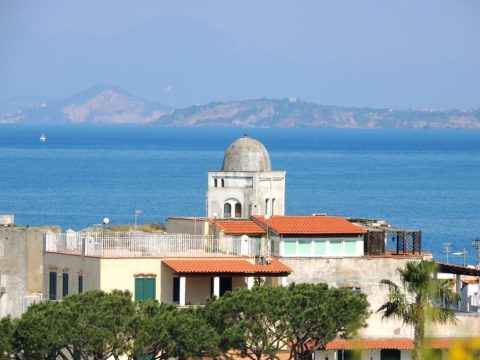
Ischia Island
Larger and less touristy than Capri, Ischia is famous for thermal springs and gardens. The volcanic island offers natural hot springs, thermal parks, beautiful beaches, and hiking trails. Visit Castello Aragonese, a medieval fortress on a rocky islet. The Negombo and Poseidon thermal parks provide spa experiences. Less glamorous than Capri but more relaxing. Ferries from Naples take 50-90 minutes. Popular with Italian families seeking wellness tourism.
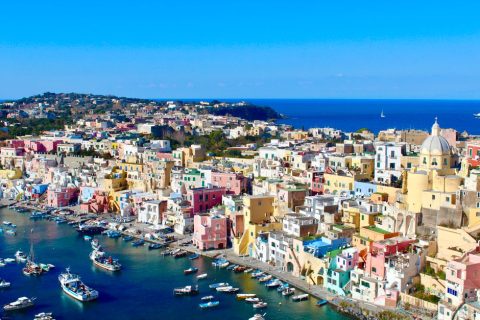
Procida Island
The smallest and most authentic Bay island offers colorful fishing villages and peaceful atmosphere. Marina Corricella's pastel houses cascading to the sea are among Italy's most photographed scenes. Less developed than Capri or Ischia, Procida maintains traditional island life. Explore by foot or rent scooters. Excellent seafood restaurants. The island's unspoiled character makes it perfect for those seeking authentic experiences. Ferries from Naples take 35-60 minutes.
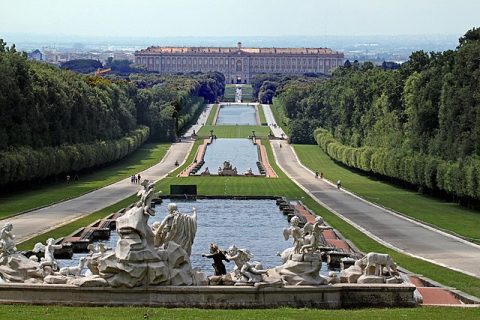
Caserta Royal Palace
Often called Italy's Versailles, this massive 18th-century palace features 1,200 rooms, a grand staircase, and spectacular gardens with fountains. The royal apartments showcase baroque and neoclassical decoration. The English Garden contains romantic ruins and exotic plants. The palace represents the height of Bourbon power. Less crowded than Naples' attractions. Easily reached by train from Naples in 40 minutes. Allow half a day to explore palace and gardens.
Tips for Day Trips & Excursions
- Pompeii Tips: Arrive early, bring water, wear sun protection and comfortable shoes; audio guides highly recommended
- Amalfi Coast: SITA bus is budget-friendly but crowded; private drivers offer flexibility and comfort
- Island Ferries: Book return tickets in advance during summer; check weather as rough seas cancel boats
- Blue Grotto: Only accessible when seas are calm; visit early morning for shorter queues
- Combinations: Pompeii + Herculaneum + Vesuvius makes an excellent archaeology day trip
Naples does not run a single sprawling German-style Christmas market; instead its winter season centers on the centuries-old craft of presepe (nativity scene) making, festively lit historic squares, and a famous illuminated-light festival in nearby Salerno. December 2026 visitors will find artisan workshops in full swing, a large tree and nativity display in Piazza del Plebiscito, and seasonal lights strung through the Galleria Umberto I and along Via Toledo.
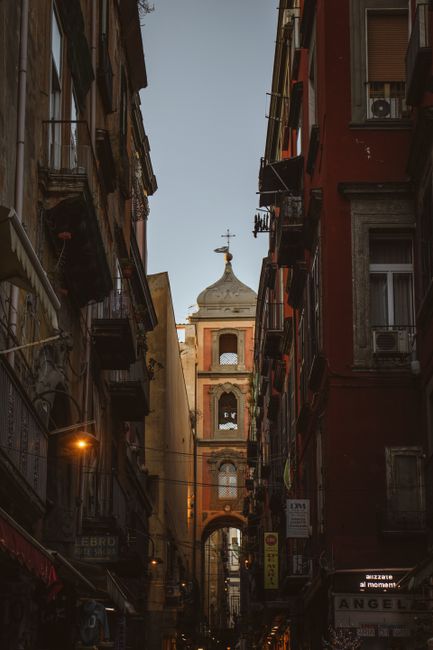
San Gregorio Armeno Nativity Street
This narrow lane in the historic center is Naples's living Christmas tradition: dozens of workshops that craft presepe (nativity scene) figurines year-round, but in December the street becomes a full-blown festive market with stalls, lights, and crowds shopping for handmade shepherds, angels, and even satirical figures of current celebrities and politicians alongside the traditional Holy Family. Artisans work in open storefronts so visitors can watch clay and terracotta figures being painted by hand. It gets extremely crowded on weekends in December, so an early weekday visit is best. Expect narrow, packed pedestrian lanes, so it pairs well with a wander through the surrounding Spaccanapoli district. This is the closest thing Naples has to a dedicated Christmas market and should not be missed.
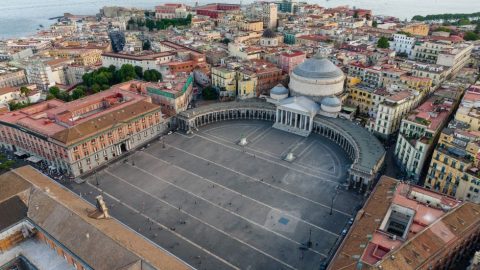
Piazza del Plebiscito Christmas Tree and Nativity Display
Naples's grandest square, framed by the colonnade of the Church of San Francesco di Paola and the Royal Palace, hosts the city's official Christmas tree and a large-scale nativity installation each December. Evening lighting turns the piazza into a favored gathering spot for locals and visitors, and it often anchors nearby holiday events, concerts, and pop-up stalls along Via Toledo. The open square is easy to combine with a stroll past the Teatro San Carlo and Galleria Umberto I. Arrive at dusk to see the tree lit against the palace facade, and expect the busiest atmosphere on weekend evenings in mid-to-late December. Exact 2026 tree lighting and event dates are usually confirmed by the city in November.
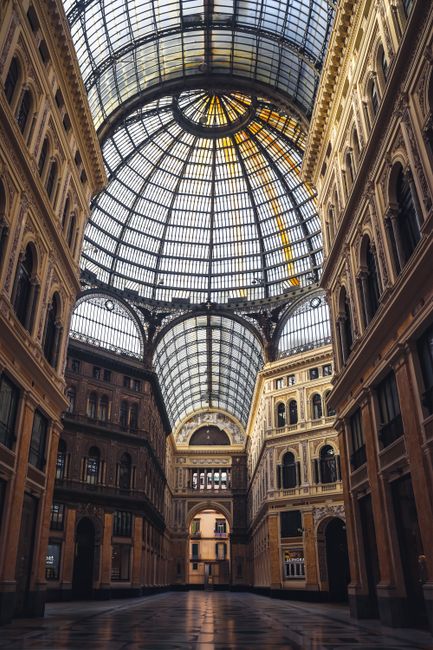
Galleria Umberto I Holiday Lights
This grand 19th-century glass-domed shopping arcade near Teatro San Carlo is decked out with festive lighting and decorations through the holiday season, making it a pleasant covered stop on a winter evening walk. The elegant mosaic floors and soaring iron-and-glass ceiling look especially striking under seasonal lights, and cafes inside stay open late for a coffee or hot chocolate break. It connects directly to the Via Toledo shopping strip, which gets its own string lights and window displays in December. A quick pass-through pairs naturally with visits to Piazza del Plebiscito and the San Carlo opera house nearby. Best enjoyed after sunset when the arcade lighting is at its most atmospheric.
Luci d'Artista Light Festival, Salerno (day trip)
Roughly an hour from Naples by train, Salerno transforms its seafront and historic center into one of Italy's most acclaimed winter light festivals each December, with oversized illuminated art installations, fairy-tale tunnels of light, and themed displays along Villa Comunale and Lungomare Trieste. It typically runs from late November or early December through mid-January, though exact 2026 dates should be confirmed closer to the season. Many Naples-based travelers make it a half-day or evening excursion by regional train from Napoli Centrale. The scale and artistry go well beyond typical street decorations, making it worth the short trip for visitors who want a proper festive light spectacle. Combine it with a stroll through Salerno's old town and waterfront.

Seasonal Ice Skating Rink at Mostra d'Oltremare
Naples's large Mostra d'Oltremare exhibition park sets up a temporary outdoor ice rink most winters, drawing families and couples for an evening skate under string lights, alongside food stalls and occasional holiday markets on the grounds. It is a popular option for travelers wanting a festive activity beyond sightseeing, and it usually runs through December and into early January, though operating dates and hours can shift year to year. Skate rental is available on-site and sessions are typically timed in one-hour slots. It sits a short metro or taxi ride from the historic center, making it an easy add-on to an evening out. Check local listings closer to your visit to confirm the rink is operating in 2026.
Tips for Christmas Market
- Visit San Gregorio Armeno on a weekday morning to avoid the heaviest December crowds and best photograph the artisan workshops.
- Confirm exact 2026 dates and hours for the Salerno Luci d'Artista festival and any Naples ice rink closer to your trip, as these can shift year to year.
- Wear comfortable shoes for Naples's narrow, uneven historic-center streets, especially around Spaccanapoli.
- Evenings are best for the lighting displays at Piazza del Plebiscito and the Galleria Umberto I, so plan an after-dark stroll.
- Bring a light jacket or layers, as Naples winter evenings can be chilly near the waterfront.
Naples comes alive after dark with a nightlife scene that ranges from historic cafes serving limoncello on ancient piazzas to underground clubs pumping house music until sunrise. The student-driven Via San Sebastiano and San Biagio dei Librai bar strips buzz with cheap spritz and street music, while the port area and Chiaia hills hide sleeker cocktail bars and rooftop terraces. Whether you want a mellow live-jazz set or a packed dance floor, Naples delivers it with a distinctly Neapolitan energy.
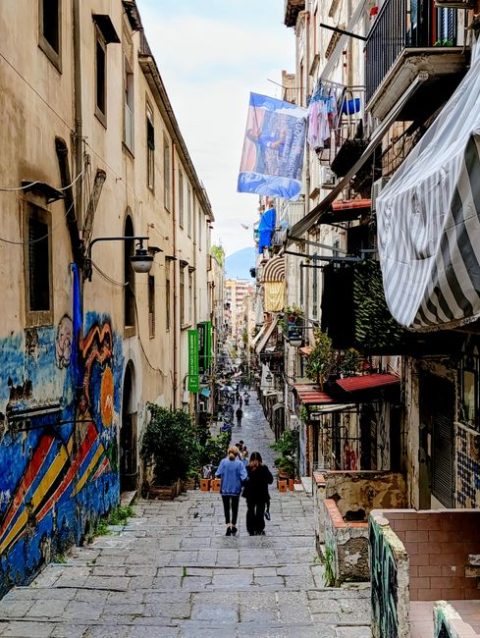
Via San Sebastiano Bar Strip
This narrow street near the university is the beating heart of student nightlife in Naples. Lined wall-to-wall with small bars, it fills every evening with locals and travelers sipping Aperol spritz and craft beer while chatting on the cobblestones outside. Music spills from doorways, ranging from indie playlists to impromptu acoustic sets, and the mood stays relaxed and unpretentious rather than club-like. Prices are refreshingly low compared to northern Italy, and many bars offer aperitivo buffets included with the price of a drink. It gets seriously crowded on weekend nights, especially spilling into nearby Piazza Bellini, so arrive early if you want a seat. This is less about any single venue and more about the collective energy of the strip itself, a great entry point for a first night out in the historic center.
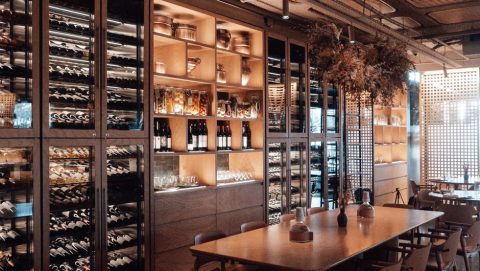
Enoteca Belledonne
Tucked into a quiet alley in Chiaia, this beloved wine bar has been a fixture of upscale Neapolitan evenings for decades. The interior is intimate and rustic, with bottles stacked floor to ceiling and a well-worn wooden counter where regulars linger over glasses of southern Italian wine paired with cheese and cured meat boards. It draws a slightly older, well-dressed crowd than the student bars of the historic center, and conversation tends to stay at a civilized volume, making it ideal for a relaxed date night or a sophisticated aperitivo. Reservations are recommended on weekends since seating is limited and it fills quickly after 8pm. The staff are knowledgeable and happy to guide newcomers through the extensive regional wine list. It pairs naturally with a stroll through Chiaia's boutique-lined streets before or after.
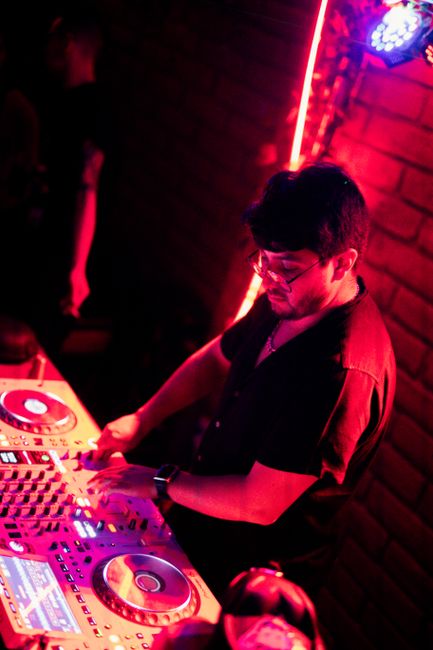
S'Move Live Music Club
A long-running fixture of the Chiaia nightlife scene, this basement-level club has hosted live jazz, funk, and soul acts for over two decades. The space is dark, low-ceilinged, and unapologetically vintage, with a small stage where local bands and touring musicians play several nights a week. Later in the evening the format often shifts from live sets to a resident DJ spinning funk and disco, keeping the dance floor moving well past midnight. It draws a loyal crowd of Neapolitan music lovers rather than tourists, giving it an authentic, unpolished energy that's hard to find elsewhere in the city. Cover charges are modest and sometimes waived on weeknights. Come for the music, stay for the eclectic mixed-age crowd that treats the place like a second living room.
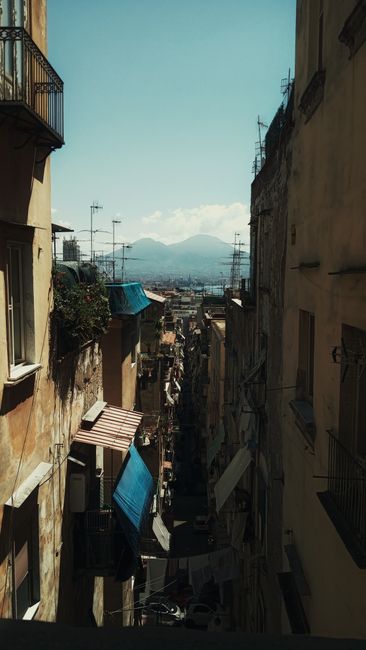
Chalet Ciro Rooftop Bar
Perched with sweeping views over the Gulf of Naples, this rooftop lounge is the spot to watch the sun set behind Vesuvius with a cocktail in hand. The atmosphere is polished but not stiff, drawing a mix of tourists and well-heeled locals who come for the panoramic sea views as much as the drinks menu. DJs often spin lounge and deep house sets in the evening, building energy without turning the space into a full nightclub. It's a popular spot for after-dinner drinks given its position near the waterfront, and the outdoor terrace seating is the main draw, so arrive before dusk to claim a table with a view. Light bites and Neapolitan-style cocktails round out the menu. Dress code leans smart-casual, especially on weekend evenings.
Tips for Nightlife & Entertainment
- Bars in the historic center serve until around 2am, while clubs near the port and Chiaia often keep going until 4-5am on weekends
- Many bars offer aperitivo hour from 7-9pm, where the cost of a drink includes a buffet of small plates, a budget-friendly way to eat and drink at once
- Stick to well-lit, busy streets late at night and keep valuables secure, as with any dense nightlife district
- Dress code is casual in the historic center but leans smarter in Chiaia's cocktail bars and rooftop lounges
Naples surprises families with hands-on science, marine life, and green spaces built for running around, not just sightseeing. Between the historic sites, these stops give children something to touch, climb, and explore at their own pace.
Città della Scienza
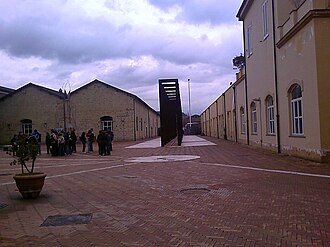
Naples science museum and planetarium, built on the site of a former steelworks in the Bagnoli district west of the city center. Interactive exhibits let kids experiment with physics, biology, and technology through hands-on stations rather than glass-case displays. The complex includes a planetarium with regular kid-oriented shows and a dedicated workshop area where younger children build simple machines or explore optical illusions. There is also an outdoor science park with larger-scale exhibits for warmer months. Staff run guided activities aimed specifically at different age groups, from toddlers to teens, making it one of the few Naples attractions built entirely around active play rather than passive viewing. A cafe and picnic areas make it manageable for a half or full day with younger children.

Naples Zoo (Zoo di Napoli)
A mid-sized zoological park in the Fuorigrotta area with over a hundred animal species set among shaded gardens and walking paths. Enclosures for big cats, primates, giraffes, and reptiles are spread across a layout easy for strollers, and a small farm area lets younger kids get close to goats and other domestic animals. The zoo also runs a reptile house and an aviary, giving families a couple of hours of varied viewing without the crowds of Naples historic center. Picnic tables and a snack bar are on site, and shaded benches offer rest stops for parents with tired toddlers. It works well as a lower-key half-day break from museum and church visits, especially paired with nearby Bagnoli attractions.
Edenlandia Amusement Park
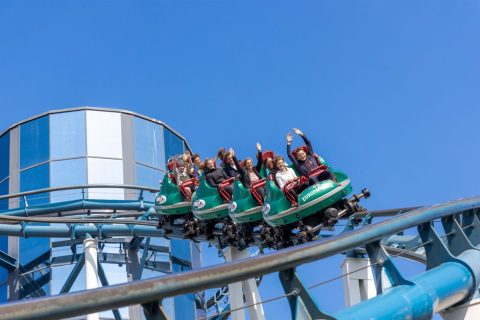
A classic amusement park near Bagnoli with rides scaled for younger children alongside a few bigger thrill rides for older kids and teens. Expect carousels, bumper cars, a small roller coaster, and games alongside food stalls selling typical Neapolitan street snacks. The park has been reopened and renovated in recent years after a period of closure, and it now mixes nostalgic rides with newer attractions. It is far less polished than large international theme parks, which is part of its charm for families wanting an easy, affordable afternoon rather than a full day commitment. Opening days can vary seasonally, so checking ahead before visiting is worthwhile. It sits close enough to the zoo and science museum to combine into one Bagnoli-area family day.
Bosco di Capodimonte Playground and Trails
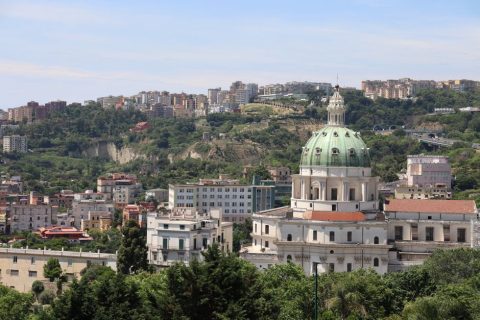
The wooded grounds surrounding the Capodimonte estate include open lawns, shaded trails, and a children's playground that offer space to run after a morning of museums or churches. Paths wind through the forest with gentle slopes suitable for a family stroll or a bike ride, and several clearings work well for a packed lunch or a simple ball game. Unlike the more manicured Villa Comunale, this park feels wilder and less crowded, giving kids room to explore away from traffic and crowds. Benches and shaded spots are scattered throughout for parents needing a break. It is a practical stop for burning off energy between the more structured, indoor-heavy parts of a Naples itinerary, particularly for families staying in the northern part of the city.
Tips for With Kids
- Bagnoli district attractions (Città della Scienza, the zoo, Edenlandia) sit close together and can be combined into one family-focused day away from the historic center.
- Book Città della Scienza tickets online in advance, especially on weekends when school groups fill up planetarium showtimes.
- Bring water and snacks for outdoor stops like the zoo and Capodimonte trails, as options inside can be limited.
- Strollers work fine at the zoo and Capodimonte but are less practical in the amusement park and around Edenlandia's older pathways.
Naples pulses with a year-round rhythm of religious feasts, music festivals, and seasonal street life that spills from its historic piazzas into the bay. This 2026 calendar highlights the recurring happenings worth building a visit around, from spring illuminations to New Year fireworks over the sea. Dates shift slightly year to year, so confirm exact scheduling closer to your trip.
Maggio dei Monumenti Spring Festival
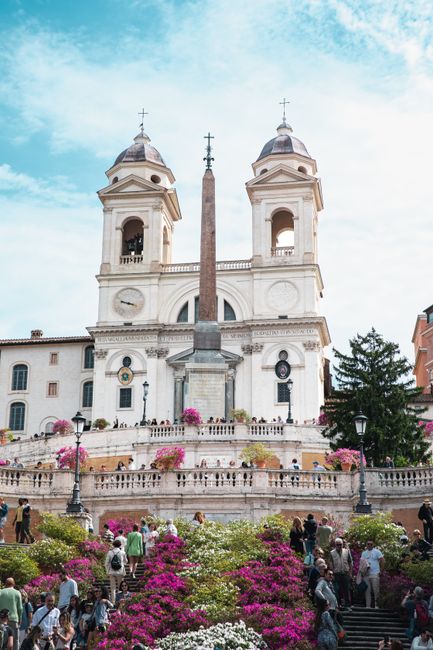
Each spring, Naples throws open doors that stay locked the rest of the year. Maggio dei Monumenti runs roughly from 1 May to 31 May 2026, transforming the historic centre into a citywide museum. Palazzi, cloisters, crypts, and noble courtyards not normally open to visitors welcome free or discounted entry, alongside concerts, guided walks, and theatre performances staged in unexpected corners of the old city. Neighbourhoods like Spaccanapoli and the Quartieri Spagnoli come alive with evening events, and many churches hold candlelit recitals. It is one of the best windows into Naples layered architectural history, curated by the municipality specifically to showcase sites that are otherwise difficult to access. Comfortable shoes are essential given the volume of walking between venues across the compact but steep centro storico.
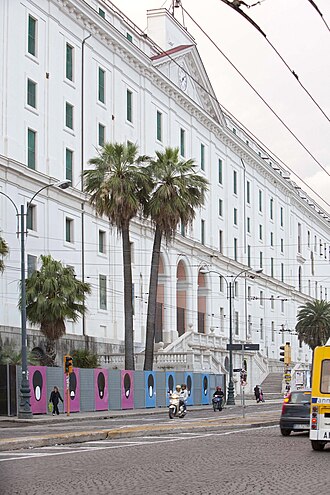
Napoli Teatro Festival Italia
An international performing-arts showcase held across converted theatres, courtyards, and outdoor stages, expected to run from around 18 June to 5 July 2026. The Napoli Teatro Festival brings contemporary drama, dance, and experimental performance from Italian and international companies to venues scattered through the historic centre and the Vomero hills. Many performances take place after sunset, giving audiences a chance to see landmark buildings lit and repurposed as stages. Programming typically mixes free outdoor shows with ticketed indoor productions, and past editions have featured site-specific work inside former convents and abandoned industrial spaces. It is a favourite for visitors wanting Naples cultural side beyond food and ruins, and a good excuse to linger in the centre through warm summer evenings. Advance booking is recommended for marquee productions.

Naples New Year Fireworks over the Bay
Naples rings in the new year with one of Italys most dramatic waterfront celebrations. On the night of 31 December 2026 into 1 January 2027, crowds gather along Via Caracciolo and the Lungomare promenade to watch synchronised fireworks launched from barges in the Bay of Naples, with Mount Vesuvius and Castel dellOvo silhouetted in the background. The display is typically preceded by live music, street food vendors selling traditional lentil dishes said to bring good fortune, and a festive atmosphere that stretches from Piazza del Plebiscito down to Mergellina. Arrive several hours early to claim a spot along the seafront railing, as the promenade becomes extremely crowded by midnight. It is a free, open-air event and one of the most photographed New Year moments on the Italian coast.

Piedigrotta Autumn Harvest and Song Festival
Once the citys grandest popular festival, the Piedigrotta tradition has been revived in recent years as an autumn celebration of Neapolitan song, food, and folk parade culture, held roughly from 18 September to 27 September 2026. Centred on the Mergellina and Piedigrotta districts near the church of Santa Maria di Piedigrotta, the event blends harvest-season street food stalls, live performances of classic Neapolitan melodies, and processions with decorated floats. It traces back to a centuries-old pilgrimage feast and later became the birthplace of the modern Neapolitan song tradition. Expect open-air concerts, artisan markets selling seasonal produce and roasted chestnuts, and evening gatherings along the seafront promenade. It offers a more local, less touristy atmosphere than the citys bigger festivals, ideal for visitors wanting genuine neighbourhood energy paired with harbour views at dusk.
Tips for Events Calendar
- Confirm exact 2026 dates closer to your visit since municipal festivals can shift by a week or two
- Book accommodation early for New Year and Maggio dei Monumenti, as prices spike citywide
- Wear comfortable walking shoes for Maggio dei Monumenti given the hilly, cobblestoned historic centre
- Arrive hours ahead for the New Year fireworks to secure a seafront viewing spot


Real, highly-rated Restaurants in Naples, sourced from Google Places (rating above 4★).
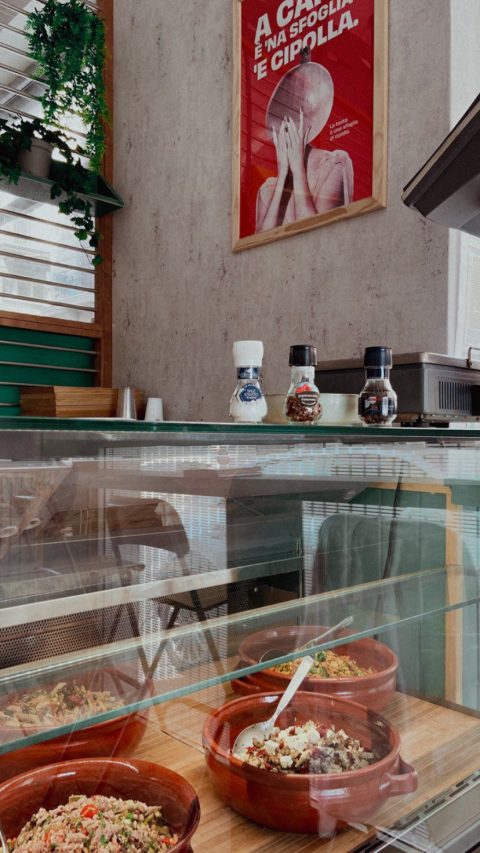
Lazzari Cucina Urbana
Lazzari Cucina Urbana is a highly-rated restaurant in Naples, rated 5★ from 155 reviews. Located at V. Alcide de Gàsperi, 35, 80133 Napoli NA, Italy.
Opening Hours
- Monday: 10:00 AM – 5:00 PM
- Tuesday: 10:00 AM – 5:00 PM
- Wednesday: 10:00 AM – 5:00 PM
- Thursday: 10:00 AM – 5:00 PM
- Friday: 10:00 AM – 5:00 PM
- Saturday: Closed
- Sunday: Closed
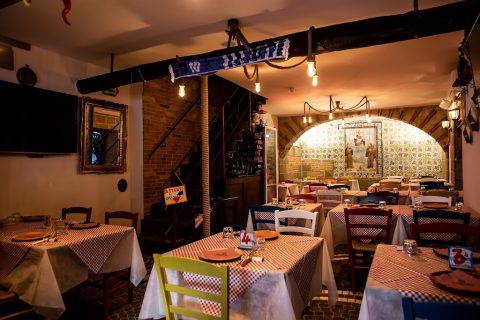
La Locanda del Monacone. Napoli, Rione Sanità.
La Locanda del Monacone. Napoli, Rione Sanità. 4.9★ from 4066 reviews. Located at Via Sanità, 32A, 80137 Napoli NA, Italy.
Opening Hours
- Monday: 12:00 – 3:30 PM, 7:00 – 10:30 PM
- Tuesday: 12:00 – 3:30 PM, 7:00 – 10:30 PM
- Wednesday: Closed
- Thursday: 12:00 – 3:30 PM, 7:00 – 10:30 PM
- Friday: 12:00 – 3:30 PM, 7:00 – 10:30 PM
- Saturday: 12:00 – 3:30 PM, 7:00 – 11:00 PM
- Sunday: 12:00 – 4:00 PM, 7:00 – 10:30 PM
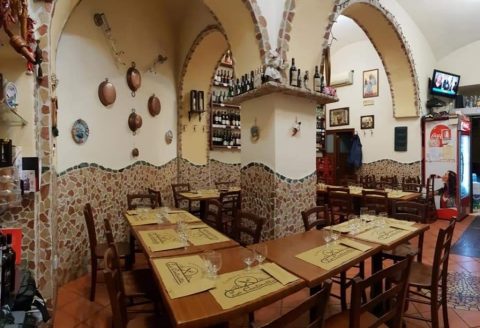
Enoteca e Trattoria La Cantinetta
Enoteca e Trattoria La Cantinetta is a highly-rated restaurant in Naples, rated 4.9★ from 1071 reviews. Located at Via Michelangelo Ciccone, 30, 80142 Napoli NA, Italy.
Opening Hours
- Monday: 9:00 AM – 7:30 PM
- Tuesday: 8:30 AM – 7:30 PM
- Wednesday: 8:30 AM – 7:30 PM
- Thursday: 8:30 AM – 7:30 PM
- Friday: 8:30 AM – 7:30 PM
- Saturday: 8:30 AM – 8:30 PM
- Sunday: Closed
Explore Naples on the Map
Optimal Seasons for Naples
Best Overall: April-May and September-October offer ideal weather (20-25°C), fewer crowds, and lower prices.
Season Breakdown:
- Spring (April-May): Perfect weather, Easter celebrations, flowers blooming in parks. Peak comfortable season for walking and sightseeing.
- Summer (June-August): Hot and humid (28-35°C), very crowded, higher prices. Best for beach and island trips. Many locals leave in August. Intense heat makes walking tours challenging.
- Fall (September-October): Warm seas, harvest season, excellent food. September can still be warm; October is ideal with comfortable temperatures and cultural events.
- Winter (November-March): Mild (10-15°C), quiet, lowest prices. Some restaurants close. Rain possible. Christmas markets and nativity scenes on Via San Gregorio Armeno. Few tourists mean authentic experiences.
Events Calendar: San Gennaro miracle (May, September, December), Maggio dei Monumenti (May cultural events), Pizza Village (June), Neapolis Festival (July-September).
Avoid if possible: August (extremely hot, overcrowded, many closures) and major Italian holidays (Easter, Ferragosto - August 15).
Getting Around Naples
✈️ Airport Transfer
- Alibus: Alibus costs €5 and runs about every 10 minutes, stopping at Piazza Garibaldi and the port (Molo Beverello); allow about 15 minutes to the central station or 35 minutes to the port.
- Taxi: Fixed rate €23 to city center (ensure meter or agree price first)
- Private Transfer: Pre-book for €30-50, convenient for hotels
Public Transportation:
Naples has metro, buses, funiculars, and trains. Current published urban fares include €1.30 for a single ANM bus/funicular ride, €1.50 for metro lines 1 and 6, €1.80 for an integrated 90-minute ticket, and €4.50 for an ANM day ticket. Buy tickets at tabacchi, newsstands, or metro stations. Validate before boarding!
- Metro: Line 1 connects major sights (Toledo, Dante, Museo stations). Line 2 links Central Station to Pozzuoli. Stations feature impressive contemporary art.
- Funiculars: Four funicular railways connect downtown to Vomero hill (Centrale, Chiaia, Montesanto, Mergellina)
- Buses: Extensive network but can be crowded and delayed by traffic. Useful for reaching parks and coastal areas.
- Circumvesuviana Train: Essential for Pompeii, Herculaneum, and Sorrento. Runs from Garibaldi Station (near Central Station). Not covered by city tickets.
Taxis & Rideshare:
Official taxis are white with taxi light. Use taxi stands or call +39 081 8888. Uber available but limited. Agree on price before longer trips or use meter.
Walking:
The historic center is best explored on foot. Streets are narrow, crowded, and often cobblestoned. Wear comfortable shoes. Be alert for scooters and traffic.
Apps: Use ANM GO, ANM’s official app for route planning, live bus locations and tickets; Google Maps works well for navigation.
Shopping in Naples
What to Buy:
- Nativity Scenes (Presepi): Handcrafted figurines from Via San Gregorio Armeno, from traditional to contemporary characters
- Limoncello: Lemon liqueur, best from Amalfi Coast producers. Buy from reputable shops.
- Ceramics: Colorful Vietri ceramics, hand-painted plates, tiles, and decorative pieces
- Cameos: Traditional jewelry carved from shells, especially from Torre del Greco
- Leather Goods: Gloves, bags, and accessories from local artisans
- Food Products: Dried pasta, San Marzano tomatoes, buffalo mozzarella (if you can transport), coffee, olive oil
- Coral Jewelry: Naples has historic coral working tradition
Shopping Areas:
- Via Toledo: Main shopping street with international brands and department stores
- Galleria Umberto I: Beautiful 19th-century arcade with shops and cafés
- Chiaia District: Designer boutiques on Via dei Mille and around Piazza dei Martiri
- Via San Gregorio Armeno: Nativity scene workshops year-round
- Mercato di Porta Nolana: Bustling food and fish market near the port
- La Pignasecca Market: Traditional market for food, clothing, household goods
Shopping Tips:
Bargaining: Not common in shops, acceptable at outdoor markets for non-food items. Be respectful.
Hours: Shops typically open 9:30am-1pm and 4pm-8pm. Many close Sunday and Monday morning. August sees widespread closures.
Tax Refunds: Non-EU visitors can claim VAT refunds on purchases over €154.94 from participating stores. Keep receipts and get stamps at airport customs.
Authenticity: Buy artisan products directly from workshops when possible. Beware of counterfeit designer goods.
Annual Events & Festivals
Religious & Traditional:
- The May ceremony is held on the Saturday before the first Sunday of May; the other annual dates are September 19 and December 16. The patron saint's dried blood liquefies during ceremonies in the Cathedral. Huge crowds, important to Neapolitans.
- Holy Week (Easter): Elaborate processions, especially Good Friday. Religious processions throughout the city.
- Christmas Season: November-January. Via San Gregorio Armeno comes alive with nativity scenes. Churches display elaborate presepi.
Cultural Events:
- Maggio dei Monumenti is an annual spring program, but its dates and program vary by year; use the city’s current edition listing rather than assuming a month-long schedule.The 2025 edition ran July 1–6 at Mostra d’Oltremare, not in June on the Lungomare; check the current year’s dates and venue.
- Neapolis Festival (July-September): Music, theater, and cultural events in historic venues
- Ravello Festival (July-August): Classical music festival on Amalfi Coast, short trip from Naples
National Holidays:
Banks, offices, and many shops close on: New Year's Day (Jan 1), Epiphany (Jan 6), Easter Monday, Liberation Day (Apr 25), Labor Day (May 1), Republic Day (Jun 2), Ferragosto (Aug 15), All Saints (Nov 1), Immaculate Conception (Dec 8), Christmas (Dec 25-26).
August 15 (Ferragosto): Major holiday when many businesses close and locals leave the city. Beach destinations are extremely crowded.
Festival Tip: Book accommodations well in advance for major events. The city becomes more crowded but also more festive and authentic.
Sample Itineraries
Day 1: Historic Heart
Morning: Start at Piazza del Plebiscito, visit Royal Palace (2 hours). Walk through Galleria Umberto I to Via Toledo.
Lunch: Pizza at Pizzeria Brandi or Sorbillo on Via dei Tribunali.
Afternoon: Walk Spaccanapoli, visit Gesù Nuovo Church, Santa Chiara Monastery and majolica cloister. Stop at San Gregorio Armeno for nativity scenes.
Evening: Aperitivo in Piazza Bellini, dinner in historic center.
Day 2: Ancient Naples & Underground
Morning: National Archaeological Museum (3 hours) - essential before visiting Pompeii.
Lunch: Street food tour or lunch near museum.
Afternoon: Naples Underground tour (1.5 hours), Cathedral with San Gennaro Chapel, San Lorenzo Maggiore with excavations.
Evening: Sunset walk on Lungomare, seafood dinner in Borgo Marinari (Castel dell'Ovo area).
Day 3: Pompeii & Vesuvius
Morning: Early train to Pompeii (arrive by 9am). Explore ruins (3-4 hours with audio guide).
Lunch: Lunch near Pompeii or bring picnic.
Afternoon: Bus to Mount Vesuvius, hike to crater (2-3 hours total).
Evening: Return to Naples, rest and casual dinner.
Day 4: Hills & Art
Morning: Funicular to Vomero. Visit Castel Sant'Elmo for panoramic views, then Certosa di San Martino museum complex (2-3 hours total).
Lunch: Trattoria in Vomero neighborhood.
Afternoon: Villa Floridiana is in Vomero; Capodimonte is elsewhere in the city, so the funicular does not take you directly between them. (2-3 hours).
Evening: Dinner in Chiaia district, evening passeggiata on Via Toledo.
Day 5: Islands or Coast
Option A - Capri: Early ferry to Capri (8am). Visit Blue Grotto, chairlift to Monte Solaro, explore Capri town and Anacapri. Return evening ferry.
Option B - Amalfi Coast: Full-day tour by bus or private driver. Visit Positano, Amalfi, and Ravello. Return evening.
Option C - Relaxed Naples: Morning at Sansevero Chapel (book ahead), walk Quartieri Spagnoli including Maradona murals. Afternoon pizza-making class. Evening at rooftop bar with Vesuvius views.
Pro Tips: Start early to beat crowds and heat. Book Sansevero Chapel and major museums in advance. Mix major sights with neighborhood wandering for authentic experiences. Build in rest time - Naples is intense!
Best Photography Locations
Panoramic Views:
- Castel Sant'Elmo Terrace: 360° views of city, bay, and Vesuvius. Best at sunset (arrive 1 hour before). Golden hour shots are spectacular.
- Virgiliano Park (Posillipo): Sweeping bay views with all three islands visible. Sunset is magical. Less crowded than Sant'Elmo.
- Certosa di San Martino: Beautiful terraces overlooking the city with baroque monastery architecture in foreground.
- Castel dell'Ovo Causeway: Classic Naples shot with castle, boats, and Vesuvius. Dawn or dusk for best light.
Architectural & Street Scenes:
- Piazza del Plebiscito: Early morning (7-8am) for empty square shots. Symmetrical colonnade perfect for compositions.
- Galleria Umberto I: Glass dome interior best photographed midday when sunlight streams through. Wide-angle lens recommended.
- Via San Gregorio Armeno: Colorful nativity workshops with hanging figurines. Respectfully ask vendors before photographing their work.
- Quartieri Spagnoli Alleys: Hanging laundry, narrow streets, local life. Morning light (9-11am) is best. Be respectful of residents.
- Spaccanapoli from Above: View the straight street splitting the city from Sant'Elmo or Certosa terraces.
Coastal & Waterfront:
- Lungomare at Mergellina: Vesuvius across the bay, especially beautiful at sunrise. Boats in foreground add interest.
- Borgo Marinari (Castel dell'Ovo): Picturesque fishing village with colorful boats and castle. Blue hour (after sunset) is atmospheric.
- Santa Lucia Waterfront: Classic Naples postcard view with Castel dell'Ovo and waterfront.
Hidden Gems:
- Piazza Bellini: Greek walls with café culture, perfect for lifestyle shots. Afternoon/evening when cafés fill up.
- Cloister of Santa Chiara: Stunning majolica tiles in peaceful garden setting. Midday light shows colors best.
- Toledo Metro Station: Award-winning contemporary art installation underground. Use wide-angle lens for dramatic effect.
- Maradona Murals: Colorful street art in Quartieri Spagnoli. Mid-morning for good light without harsh shadows.
Photography Tips:
Best Light: Golden hour (hour after sunrise, hour before sunset) provides warm, flattering light for the bay and Vesuvius.
Permissions: Always ask before photographing people closely, especially in residential areas. Street performers expect tips if photographed.
Safety: Don't display expensive camera gear unnecessarily. Use camera straps. Be especially cautious in crowded areas.
Church Interiors: Many prohibit photography or flash. Check signage or ask. Some charge small fees for photo permits.
Crowds: Major sites (Piazza del Plebiscito, Spaccanapoli) are most empty 7-9am. Weekdays generally less crowded than weekends.
Instagram Hotspots: Santa Chiara cloister, Toledo station, Quartieri Spagnoli alleys, any terrace with Vesuvius view, Castel Sant'Elmo at sunset.
Electricity & Adapters
Voltage: 230V, 50Hz (same as most of Europe, different from US 120V)
Plug Types: Italy uses Type F (Schuko) and Type L plugs. Type L has three round pins in a row. Type F has two round pins.
What You Need:
- From US/Canada: Voltage converter (for 120V-only devices) AND plug adapter. Most modern electronics (phones, laptops, cameras) are dual-voltage and only need adapter.
- From UK: Type G to Type F/L adapter needed
- From Australia: Type I to Type F/L adapter needed
- From EU: Type F plugs work directly; some Type C (2-pin) plugs may need adapter for Type L outlets
Buying Adapters:
Available at airports, electronics stores, and many tabacchi (tobacco shops) in city center. Expect to pay €5-15. Better to bring from home if possible.
Charging Tips:
- Most hotels provide adapters at reception; ask when checking in
- Many modern hotels have USB charging ports
- Bring power strip if traveling with multiple devices
- Check device labels: "INPUT: 100-240V" means dual-voltage, only needs adapter
Important: Using 120V device with only adapter (no converter) on 230V will damage the device. Check before plugging in!
Neapolitan Cuisine Guide
Must-Try Dishes:
- Pizza Napoletana: Soft, chewy crust with simple toppings. Try Margherita (tomato, mozzarella, basil) or Marinara (tomato, garlic, oregano). Famous pizzerias: Sorbillo, Da Michele, Starita, Di Matteo.
- Pizza Fritta: Fried pizza pocket stuffed with ricotta, cicoli (pork cracklings), and tomato. Street food classic.
- Sfogliatella: Shell-shaped pastry filled with sweet ricotta, semolina, and candied fruit. Best at: Attanasio, Scaturchio, Pintauro.
- Babà: Rum-soaked sponge cake, often with cream. Neapolitan dessert staple.
- Pastiera: Easter tart with ricotta and wheat berries, but available year-round. Rich and aromatic.
- Spaghetti alle Vongole: Pasta with clams in white wine sauce. Fresh seafood essential.
- Ragù Napoletano: Slow-cooked meat sauce, different from Bolognese. Sunday lunch tradition.
- Frittatina di Pasta: Fried pasta cake with béchamel, usually leftover pasta. Perfect street food.
- Mozzarella di Bufala: Buffalo mozzarella from Campania. Creamy and delicate. Try fresh from caseifici.
- Parmigiana di Melanzane: Layered eggplant, tomato, mozzarella, and parmesan. Comfort food at its finest.
Street Food & Quick Bites:
Naples has incredible street food culture. Try cuoppo (fried seafood cone), arancini (rice balls), zeppole (fried dough), and taralli (savory crackers). Via dei Tribunali and Spaccanapoli have numerous street food vendors.
Coffee Culture:
Espresso: Order "un caffè" - always espresso. Stand at bar for lower price than sitting. Drink quickly - it's a brief ritual, not leisurely experience.
Caffè Sospeso: "Suspended coffee" - pay for two coffees, one for someone in need. Beautiful Neapolitan tradition.
Historic Cafés: Gambrinus (Piazza Trieste e Trento), Scaturchio (Piazza San Domenico Maggiore), Mexico (Piazza Dante).
Dining Tips:
- Meal Times: Lunch 12:30-3pm, dinner 7:30-11pm. Many restaurants close between meals.
- Coperto: Cover charge (€1-3 per person) is standard. It's for bread and table service.
- Service: Included in bill or add 10% if service was exceptional. Tipping not obligatory but appreciated.
- Water: Ask for "acqua naturale" (still) or "frizzante" (sparkling). Tap water is safe but rarely served.
- Reservations: Book popular pizzerias and restaurants, especially weekends.
- Menu: "Menu turistico" often indicates tourist traps. Look for handwritten daily specials and where locals eat.
Where to Eat:
- Pizza: L'Antica Pizzeria da Michele, Sorbillo, Starita a Materdei, Di Matteo, 50 Kalò
- Seafood: Restaurants in Borgo Marinari, Trattoria Nennella, La Cantina dei Mille
- Traditional: Tandem Ragù, Mimi alla Ferrovia, Trattoria da Nennella
- Pastries: Pasticceria Scaturchio, Attanasio, Pintauro
- Gelato: Gay-Odin (also chocolate), Fantasia Gelati, La Masardona
Food Markets: Visit Pignasecca or Porta Nolana markets for fresh produce, cheese, seafood. Great for picnic supplies or authentic atmosphere.
Budget Tip: Pizza is incredibly affordable (€4-8). Street food makes cheap, delicious meals. Aperitivo (6-9pm) often includes free buffet with drink purchase.
Tourist Passes
Campania Artecard
The best value pass for museums and transport in Naples and Campania region. Multiple options available:
- Napoli 3 Days costs €21; the Campania 3-day pass costs €32. - Free entry to first 3 sites, 50% off others, plus city transport
- Tutta la Regione 3 Days: €34 - Free entry to first 2 sites, 50% off others across entire region including Pompeii, Herculaneum, Royal Palace of Caserta
- The Campania 7-day pass costs €34 and does not include public transport. - Free entry to first 5 sites, 50% off others, plus regional transport
Includes: Major museums, archaeological sites, transport. Skip-the-line at some venues. Buy online or at participating sites. Validate on first use.
Worth it if: Visiting 3+ major sites. Especially valuable for National Archaeological Museum (€18), Pompeii (€16), Herculaneum (€11), Royal Palace (€10).
www.campaniartecard.itNaples Pass - UnicoNapoli
Public transport-only pass covering metro, buses, funiculars, and trains within Naples city.
- Daily: €3.50
- Weekend: €5.00 (Saturday-Sunday)
- Weekly: €15.00
Also available: integrated tickets including Circumvesuviana to Pompeii/Herculaneum/Sorrento (€4.50-12.50 depending on zone).
Buy at metro stations, tabacchi, newsstands. Must validate before use.
www.unicocampania.itPompeii Archaeological Park Pass
Combined tickets for archaeological sites around Vesuvius:
- Verify individual site prices with the official park ticketing site before travel.
- Check the park’s current official ticket options; this pass description and price are outdated.
- Check the park’s current official ticket options; this pass description and price are outdated.
First Sunday of month: free entry to all state museums and archaeological sites (expect huge crowds).
Book online to skip ticket lines, especially in peak season. Consider guided tours for deeper understanding.
www.pompeiisites.orgNaples Museums Free Entry
First Sunday of every month: Free entry to all state-owned museums and archaeological sites, including:
- National Archaeological Museum
- Capodimonte Museum
- Castel Sant'Elmo & Certosa di San Martino
- Pompeii & Herculaneum
- Royal Palace of Naples
Warning: These days are extremely crowded, especially at popular sites. Long queues expected. Better to pay for tickets on less busy days for better experience.
Some privately-owned sites (like Sansevero Chapel) do not participate in free Sunday program.
www.beniculturali.itYoung People Discounts
For Italian state museums, visitors aged 18–25 generally pay a €2 ticket; eligibility is not limited to EU citizens. Bring valid ID/passport.
Admission is free at Italian state museums for visitors under 18, regardless of nationality.
Students: Some sites offer student discounts with valid international student card (ISIC). Not as widespread as other European countries.
Tip: Always carry ID/student card and ask about discounts when purchasing tickets. Many smaller museums and churches offer reduced rates not widely advertised.
More about Naples
Photo credits (48)
- Castel dell'Ovo: photo by PaestumPaestum, CC BY-SA 4.0, via Wikimedia Commons
- Castel Nuovo (Maschio Angioino): photo by Little john at Italian Wikipedia, Public domain, via Wikimedia Commons
- Royal Palace of Naples: photo by © Ra Boe / Wikipedia, CC BY-SA 3.0 de, via Wikimedia Commons
- Castel Sant'Elmo: photo by This Photo was taken by Wolfgang Moroder. Feel free to use my photos, but please mention me as the author and send me, CC BY-SA 3.0, via Wikimedia Commons
- Capodimonte Museum: photo by IlSistemone, CC BY-SA 3.0, via Wikimedia Commons
- Certosa di San Martino: photo by pietro scerrato, CC BY 3.0, via Wikimedia Commons
- MADRE - Contemporary Art Museum: photo by Amedeo Benestante, CC BY 4.0, via Wikimedia Commons
- Naples Cathedral (Duomo): photo by Marco Ober, CC BY-SA 4.0, via Wikimedia Commons
- Gesù Nuovo Church: photo by Diego Delso, CC BY-SA 4.0, via Wikimedia Commons
- Sansevero Chapel: photo by Creator:Francesco Wenzel, CC0, via Wikimedia Commons
- San Lorenzo Maggiore: photo by Jean-Christophe BENOIST, CC BY 4.0, via Wikimedia Commons
- Naples Underground (Napoli Sotterranea): photo by Akrasia25, CC BY-SA 4.0, via Wikimedia Commons
- Catacombs of San Gennaro: photo by Dominik Matus, CC BY-SA 4.0, via Wikimedia Commons
- Roman Theatre of Neapolis: photo by Pinotto992, Public domain, via Wikimedia Commons
- Spaccanapoli: photo by Velvet, CC BY-SA 3.0, via Wikimedia Commons
- Piazza del Plebiscito: photo by Baku, CC BY-SA 4.0, via Wikimedia Commons
- Via San Gregorio Armeno: photo by Photo2023, CC BY 4.0, via Wikimedia Commons
- Via Toledo: photo by Bernard Gagnon, CC BY 4.0, via Wikimedia Commons
- Piazza Bellini: photo by Armando Mancini, CC BY-SA 2.0, via Wikimedia Commons
- Quartieri Spagnoli (Spanish Quarter): photo by Leandro Neumann Ciuffo, CC BY 2.0, via Wikimedia Commons
- Vomero: photo by No machine-readable author provided. Inviaggiocommons assumed (based on copyright claims)., Public domain, via Wikimedia Commons
- Chiaia: photo by Johnnyrotten at Italian Wikipedia, CC BY-SA 3.0, via Wikimedia Commons
- Lungomare (Waterfront Promenade): photo by ASaber91, CC BY-SA 4.0, via Wikimedia Commons
- Sanità: photo by operapropria, Public domain, via Wikimedia Commons
- Capodimonte Park: photo by Nemo bis, CC BY-SA 3.0, via Wikimedia Commons
- Villa Comunale: photo by IlSistemone, CC BY-SA 3.0, via Wikimedia Commons
- Virgiliano Park: photo by Mentnafunangann, CC BY-SA 3.0, via Wikimedia Commons
- Villa Floridiana: photo by Baku, CC BY-SA 4.0, via Wikimedia Commons
- Fontana del Nettuno (Neptune Fountain): photo by Marco Ober, CC BY-SA 4.0, via Wikimedia Commons
- Guglia di San Gennaro: photo by Berthold Werner, CC BY-SA 3.0, via Wikimedia Commons
- Maradona Murals: photo by Evvemoscia, CC BY-SA 4.0, via Wikimedia Commons
- Street Art in Sanità: photo by Unknown authorUnknown author, Public domain, via Wikimedia Commons
- Bay of Naples Boat Tour: photo by U.S. Navy USNFE-6FPA by Petty Officer 2nd Class Emily Casavant, Public domain, via Wikimedia Commons
- Amalfi Coast: photo by Bruno Rijsman, CC BY-SA 2.0, via Wikimedia Commons
- Capri Island: photo by Mario Apuzzo, CC BY-SA 4.0, via Wikimedia Commons
- Ischia Island: photo by my late related person, CC BY-SA 4.0, via Wikimedia Commons
- Procida Island: photo by Jamiethearcher at English Wikipedia, Public domain, via Wikimedia Commons
- Caserta Royal Palace: photo by Carsten Steger, CC BY-SA 4.0, via Wikimedia Commons
- Luci d'Artista Light Festival, Salerno (day trip): photo by National Rail, Public domain, via Wikimedia Commons
- Città della Scienza: photo by Pinotto992, Public domain, via Wikimedia Commons
- Naples Zoo (Zoo di Napoli): photo by Exupery67, CC BY 4.0, via Wikimedia Commons
- Edenlandia Amusement Park: photo by Unknown authorUnknown author, Public domain, via Wikimedia Commons
- Napoli Teatro Festival Italia: photo by Luciano Romano / Archivio Napoli Teatro Festival Italia 2009, CC BY-SA 2.0, via Wikimedia Commons
- Cimitero delle Fontanelle: photo by Antonio Manfredonio, CC BY-SA 3.0, via Wikimedia Commons
- Galleria Borbonica: photo by Associazione Culturale Borbonica Sotterranea, CC BY-SA 4.0, via Wikimedia Commons
- Pio Monte della Misericordia: photo by This Photo was taken by Wolfgang Moroder. Feel free to use my photos, but please mention me as the author and send me, CC BY-SA 3.0, via Wikimedia Commons
- Palazzo dello Spagnolo: photo by original work: alterdimaggio1957 derivative work: Angelus (talk), CC BY-SA 2.0, via Wikimedia Commons
- Januarius: photo by Louis Finson, Public domain, via Wikimedia Commons


.jpg)

.jpg)


.jpg)


_3.JPG)

.jpg)


_Hosts_Distinguished_Visitors_Tour_in_Bay_of_Naples_(7965320).jpg)
_-_75_(50558355441).jpg)
.jpg)
.jpg)

.jpg)


.jpg)
.jpg)

.jpg)
