Plan your trip to Graz
- How long
- 1-2 days in the city, plus an optional day trip to Riegersburg Castle or the Styrian wine country.
- Best for
- Architecture and food lovers: a UNESCO-listed old town and Schloss Eggenberg, the modern Kunsthaus and Murinsel, and a relaxed university-town feel.
- Skip it if
- You want big sights and nightlife: Graz is a small, calm city, best in spring and summer.
If you only do three things
- The old town (UNESCO World Heritage) and the Hauptplatz.
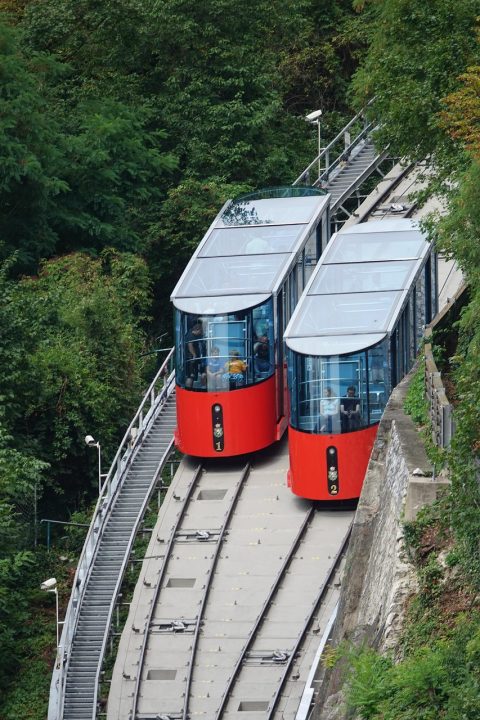
- The Schlossberg (Castle Hill), with its clock tower, views and the funicular.
- Schloss Eggenberg and its gardens (UNESCO), and the Kunsthaus Graz.
A one-day route
- Morning: The Hauptplatz and old town, then the Schlossberg by funicular or on foot.
- Midday: Lunch in the old town.
- Afternoon: The Kunsthaus Graz and the Mur Island, or Schloss Eggenberg.
- Evening: Dinner and wine in the Lendviertel.
Before you go
- Graz Airport is about 10 km south of the centre; bus 630 and the S5 regional train run to the Hauptbahnhof (check Holding Graz and ÖBB for current fares).
- Many churches are free to enter; donations are welcome.
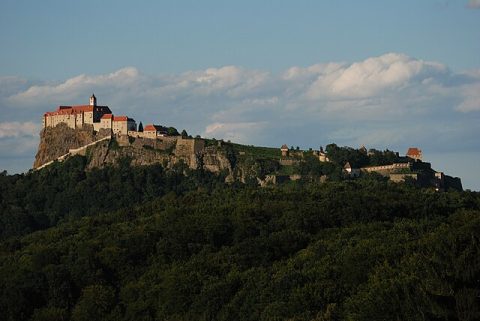
- Riegersburg Castle is a hilltop fortress (not a UNESCO site), reached by a slanted lift or on foot.
- Check each museum for its current opening days and prices.
Prices, opening status and transport in this plan checked against official sources on 30 September 2026.
Things to do in Graz
Graz is home to iconic structures that define the city's skyline and tell stories of centuries past. From the iconic Schlossberg to elegant town squares, these landmarks showcase the city's rich architectural heritage.
Schlossberg
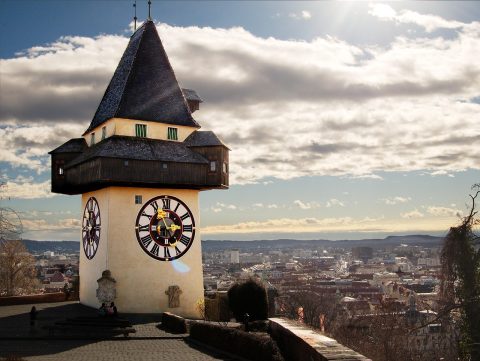
The iconic Schlossberg (Castle Hill) dominates Graz's skyline with its distinctive clock tower and fortress walls. A Romanesque castle was built here around 1125; later fortifications expanded it, Schlossberg is a natural hill of dolomite rock, with surviving fortress structures. Visitors can climb 260 steps or take the funicular railway to reach the summit. The site features the famous Uhrturm (clock tower), a symbol of the city, along with walking paths, a restaurant, and The Kasematten are former fortress vaults now used as an open-air performance venue.
Town Hall (Rathaus)
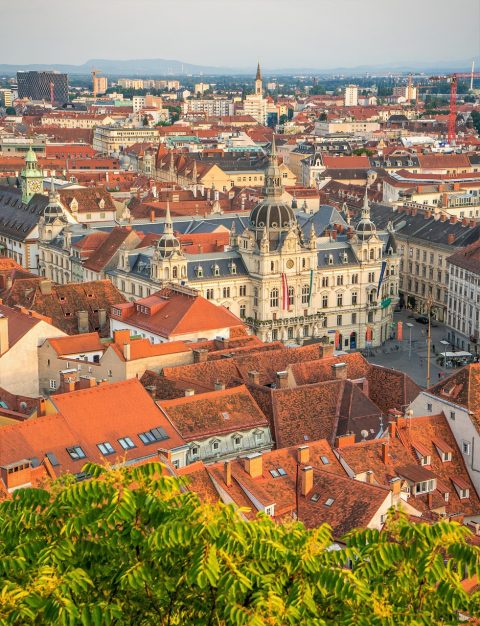
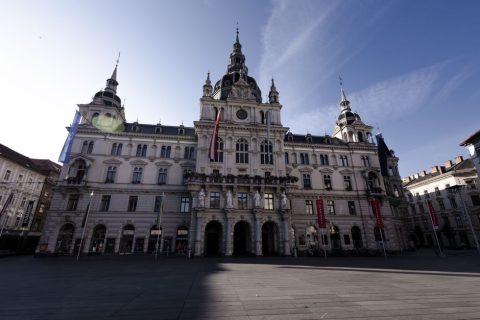
Located in Hauptplatz, the magnificent Town Hall is a stunning example of historicist architecture (the present building dates from the 1890s). Its ornate façade features elaborate stonework, decorative elements, and a beautiful arcaded courtyard. The building serves as the administrative center of Graz and showcases intricate architectural details that reflect the city's prosperity during the Renaissance period. The façade has been meticulously restored to reveal its original splendor.
Hauptplatz (Main Square)
Hauptplatz, the heart of Graz's old town, is a vibrant Renaissance square surrounded by colorful historic buildings. The square features cafes, restaurants, and shops, making it perfect for people-watching and soaking in the city atmosphere. The central fountain and arcaded buildings create a charming European ambiance. During Christmas and summer, the square hosts festive markets and cultural events.
Tips for Landmarks & Monuments
- Visit Schlossberg at sunset for stunning photography and city views
- Combine multiple attractions in the old town in one afternoon
- The funicular to Schlossberg operates year-round (small fee)
- Free access to Schlossberg grounds; paid entry for tower and tunnels
Graz boasts world-class museums and galleries ranging from contemporary art to natural history, offering diverse cultural experiences for all interests.
Kunsthaus Graz
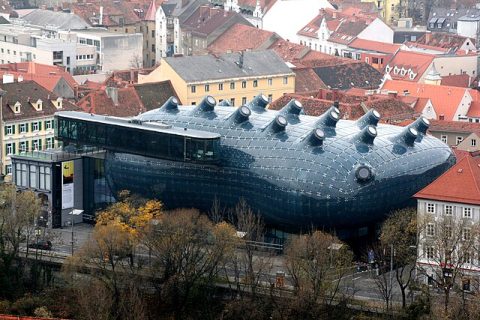
The cutting-edge Kunsthaus Graz (Art Museum) is a striking architectural landmark with its blue biomorph-shaped facade. Designed by British architects Cook and Fournier, it showcases contemporary and modern art with rotating exhibitions. The museum features works by international and Austrian artists, interactive installations, and thought-provoking displays. Its distinctive "friendly alien" design has become an iconic symbol of modern Graz.
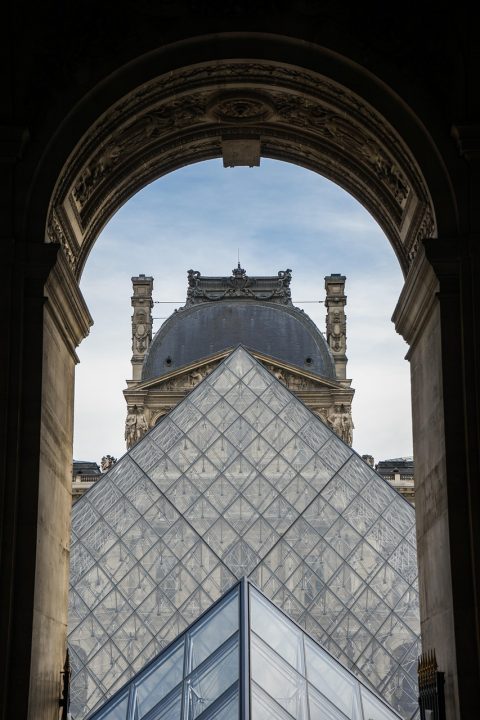
Eggenberg Palace Museum
Schloss Eggenberg is a magnificent Baroque palace with Visitors explore a cycle of 24 historic state rooms, including the Planetary Room. The UNESCO World Heritage site features furniture, paintings, sculptures, weapons, and decorative arts spanning centuries. The palace's extensive gardens are a UNESCO site themselves, representing 17th-century landscape design with fountains, sculpture alleys, and historic plantings.
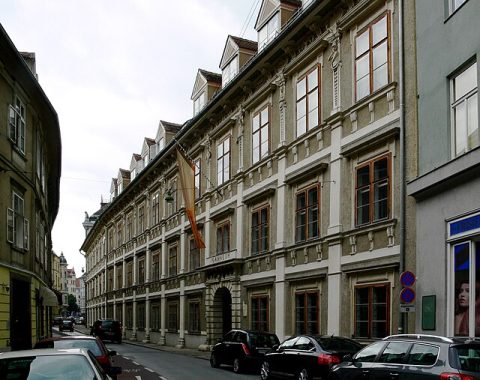
Styrian State Museum (Universalmuseum Joanneum)
This renowned institution comprises multiple museums covering natural history, archaeology, paleontology, mineralogy, and regional history. The main building houses impressive prehistoric finds, Egyptian mummies, and dinosaur fossils. The museum's collections tell the story of Styrian culture from ancient times to the present, making it essential for understanding the region's heritage.
Tips for Museums & Galleries
- Many museums offer combined tickets for multiple locations
- Most museums have free entry during certain evening hours
- Download museum apps for interactive exhibits and detailed information
- Allow extra time for Eggenberg Palace's extensive grounds
Graz's sacred architecture spans centuries, featuring stunning cathedrals, churches, and spiritual landmarks that reflect the city's religious heritage and architectural excellence.
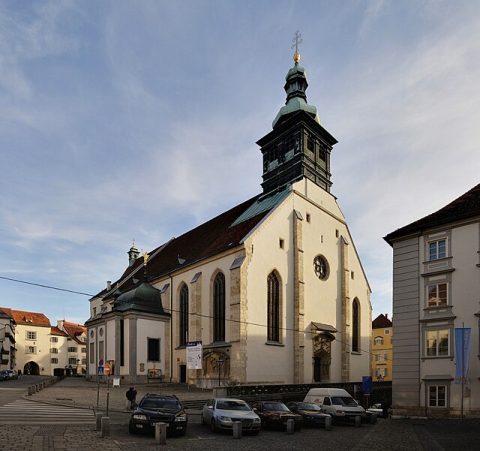
Graz Cathedral (Dom)
The impressive Dom, Graz's cathedral, was built as a court chapel in the 15th century and elevated to cathedral status in 1786. Its exterior features remarkable The exterior Gottesplagenbild commemorates the plague, locusts and Turkish threat of 1480. The interior houses exquisite altarpieces, sculptures, and stained glass windows. The cathedral's austere Gothic style with Renaissance additions creates a uniquely beautiful sacred space in the heart of the old town.
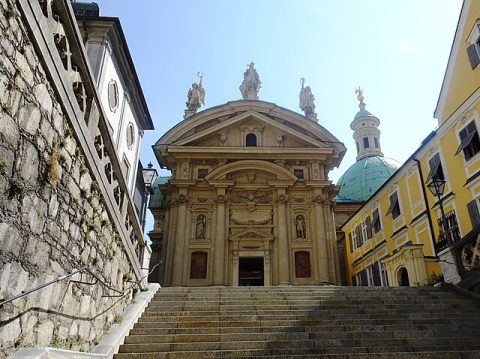
Mausoleum of Emperor Ferdinand II
This extraordinary Mausoleum, commissioned by Emperor Ferdinand II, is an architectural masterpiece The complex represents the transition from Renaissance to Baroque, with Italian architectural influences. Commissioned in 1614, the building was completed in 1636 according to the cathedral parish; decoration followed later, it features an intricately decorated interior with marble, stucco, and religious art. The emperor's tomb is located in the lower chapel, while the upper chapel serves as a pilgrimage site. The ornate relief sculptures and artistic details showcase the wealth and taste of the Habsburg dynasty.
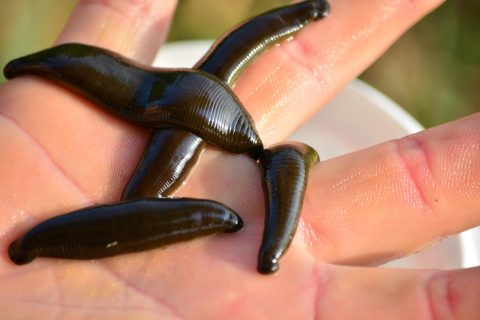
Leech Church (Lechkirche)
The Lech Church. The early Gothic Leechkirche, dedicated to the Assumption of Mary, was probably completed in 1293. Its steep pitched roof, pointed arches, and stained glass windows exemplify authentic Gothic architecture. The interior features Gothic vaulting, ornate altarpieces, and historical religious artworks. The church's intimate atmosphere and architectural details make it a favorite among architecture enthusiasts and spiritual visitors alike.
Tips for Religious Sites
- Visit during morning hours for better light and fewer crowds
- Many churches offer free entry but donations are appreciated
- Respect dress codes when visiting sacred spaces
- Check service times before visiting if interested in attending mass
Graz's atmospheric medieval streets and charming neighborhoods reveal the city's character through winding lanes, colorful buildings, and hidden courtyards that transport visitors back in time.
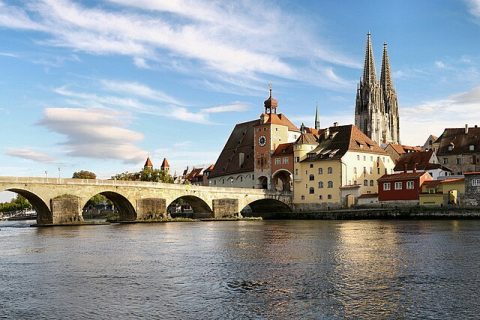
Altstadt (Old Town)
The Altstadt is the historic core of Graz, featuring narrow winding streets, Renaissance buildings with decorative facades, and intimate courtyards. This UNESCO World Heritage Site showcases authentic medieval layout with burgher houses, wine taverns, and artisanal shops. The atmospheric streets connect major landmarks while offering countless opportunities to discover hidden galleries, cafes, and local character. Evening strolls reveal the district's romantic charm with candlelit restaurants and historic ambiance.
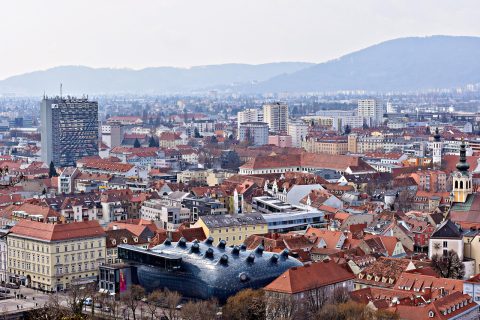
Münzgrabenstraße
Münzgrabenstraße is a stunning street lined with Art Nouveau mansions featuring elaborate architectural details, ornate facades, and decorative sculptures. Walking this tree-lined boulevard, visitors experience the elegance and cultural wealth of turn-of-the-century Graz. The street connects key cultural institutions and remains one of the city's most beautiful addresses, perfect for photography and architectural appreciation.
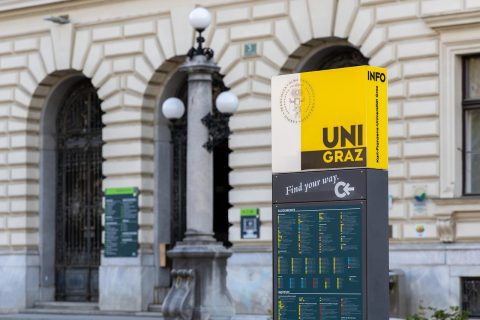
Lendviertel (Artists' District)
The trendy Lendviertel district along the Mur River has transformed into a vibrant creative hub featuring galleries, independent shops, street art, and hip cafes. This bohemian neighborhood attracts artists, designers, and young professionals who have revitalized former industrial areas with colorful murals, boutiques, and innovative restaurants. The district perfectly blends Graz's artistic spirit with contemporary culture and alternative lifestyle.
Tips for Neighborhoods & Districts
- Best explored on foot at a leisurely pace
- Visit during weekday mornings for authentic neighborhood atmosphere
- Stop at local coffee shops and wine taverns for insider experiences
- Street markets operate on weekends throughout the city
Known as Austria's greenest city, Graz offers abundant parks, gardens, and riverside spaces perfect for relaxation, picnics, and outdoor activities throughout the year.
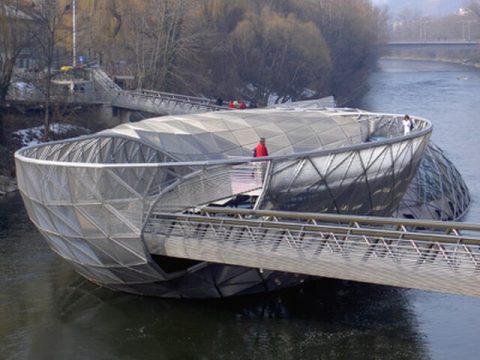
Mur Island (Insel in der Mur)
This innovative floating island in the Mur River is a modern architectural attraction designed by New York artist Vito Acconci. The organic shell-shaped structure features a café, amphitheater, and viewing platforms, offering unique perspectives of the city and river. The island symbolizes Graz's modern creativity and is free to access, making it an ideal spot for contemporary art appreciation and riverside relaxation with stunning architectural views.
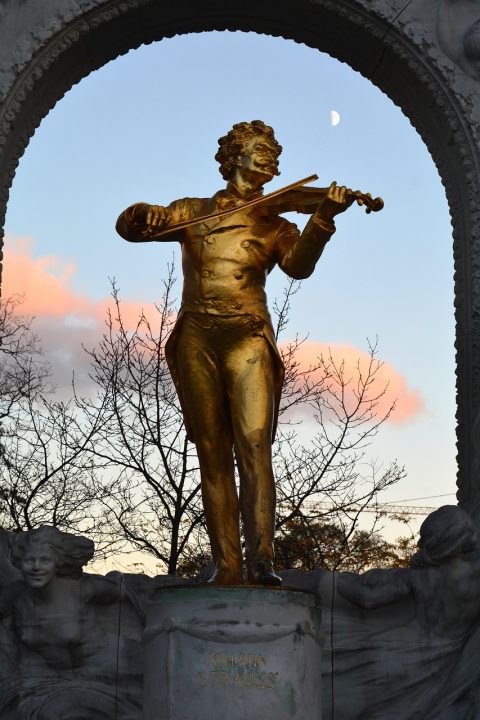
Stadtpark
The elegant Stadtpark (City Park) is Graz's largest urban green space, featuring manicured gardens, walking paths, historic monuments, and a lake. Established in the 19th century, the park provides peaceful respite from city bustle with mature trees, flower gardens, and scenic vistas. The park hosts cultural events, outdoor concerts, and serves as a popular spot for joggers, cyclists, and families with children seeking recreational space.
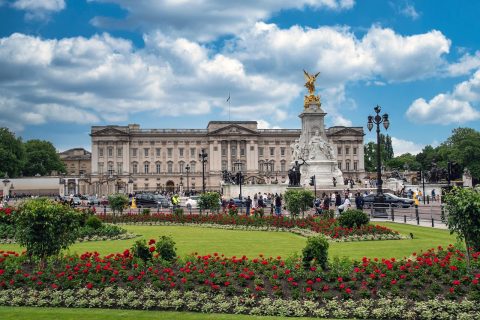
Eggenberg Palace Gardens
The UNESCO-listed Eggenberg gardens The present park is principally a Romantic English landscape garden, transformed after 1820. The protected palace-and-park site covers approximately 17.9 hectares, the formal gardens feature tree alleys, sculpture galleries, fountains, and a menagerie area. The geometric layout and historical plantings showcase Renaissance garden philosophy. Visitors can stroll through themed sections, discover hidden grottos, and enjoy panoramic views of the Styrian countryside.
Tips for Parks & Gardens
- Pack a picnic for a relaxing afternoon in Stadtpark
- Visit Mur Island in late afternoon for sunset reflections
- Spring and early summer showcase peak blooming in gardens
- Cycling paths along the Mur River are excellent for casual exploration
Graz balances its medieval heritage with striking contemporary design, featuring innovative modern buildings, public art installations, and architectural experiments that define 21st-century urban spaces.
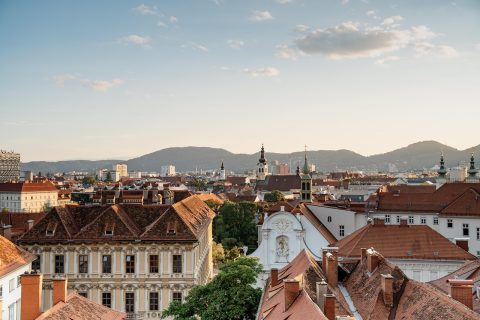
Domplatz Renovation
The modernized Domplatz (Cathedral Square) features cutting-edge architecture blending historic buildings with contemporary design elements. Recent renovations created interactive water features, modern paving, and artistic installations while preserving the historic cathedral. The square serves as a dynamic public space hosting events, markets, and cultural programs, demonstrating Graz's commitment to balancing tradition with innovation.
Grazer Congress
The Grazer Congress (Convention Center) is an architectural marvel featuring a distinctive undulating glass façade designed by architect Pierre Charpin. The building hosts major conferences, exhibitions, and cultural events while serving as a contemporary icon in Graz's skyline. Its modern design contrasts beautifully with historic buildings, symbolizing the city's forward-thinking approach to urban development and cultural programming.
Tips for Fountains & Public Art
- Take photos of modern architecture during golden hour for best results
- Check event schedules for exhibitions and cultural programs
- Contrast ancient and modern on one walking tour
Enhance your Graz experience with guided tours, cultural activities, and specialized experiences led by knowledgeable locals and professional guides.
City Walking Tours
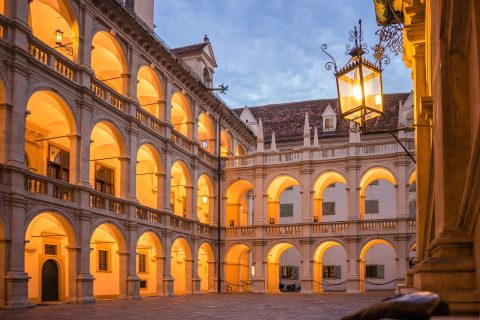
Guided walking tours led by expert historians and local guides reveal Graz's stories, hidden corners, and architectural secrets. Tour themes include Gothic heritage, Renaissance splendor, Art Nouveau treasures, modern architecture, and culinary traditions. Professional guides provide context, anecdotes, and insider knowledge that transform sightseeing into engaging storytelling, making history and culture come alive.
River Mur Boat Tours
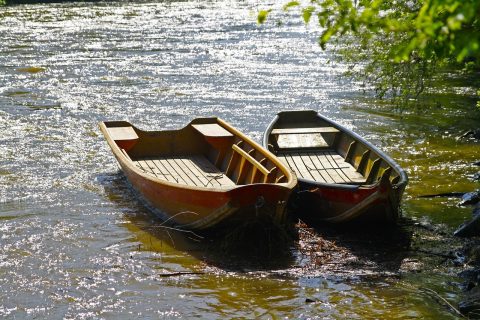
Scenic boat tours along the Mur River offer unique perspectives of the city's landmarks, bridges, and natural landscapes. These relaxing cruises showcase Graz from the water, featuring commentary on historical sites, architectural highlights, and cultural significance. Evening tours with dinner options are available, combining dining with sightseeing for memorable experiences along the picturesque riverbanks.

Culinary Tours & Wine Tastings
Immerse yourself in Styrian gastronomy through food tours featuring local markets, traditional restaurants, and food artisan shops. Wine tasting tours showcase Styrian wines directly from local producers and wine taverns. Expert guides share recipes, traditions, and stories behind regional dishes, connecting food culture to history and landscape.
Tips for Tours & Activities
- Book tours in advance during peak season (May-September)
- Combine multiple tour types for comprehensive city exploration
- Private tours available for groups and customized itineraries
- Many tours include transportation and museum entry
Explore the stunning Styrian countryside and nearby attractions easily accessible from Graz, offering natural beauty, wine regions, and cultural highlights within short distances.
Riegersburg Castle
Perched dramatically on a volcanic hill, Riegersburg Castle is one of Austria's most impressive castles, featuring medieval architecture, armor collections, and panoramic countryside views. The 900-year-old fortress showcases both military and residential chambers, witch museum exhibits, and beautiful gardens. Reached by a slanted lift or on foot, this hilltop fortress (not a UNESCO site) offers fascinating tours exploring Austrian fortress architecture and regional history within 45 minutes of Graz.
Styrian Wine Country
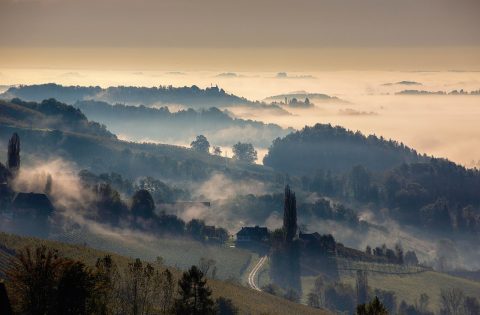
The picturesque wine regions south of Graz, particularly around Südsteiermark, are renowned for white wines in scenic rolling hills. Visit family-owned wineries offering tastings, cellar tours, and traditional meals in wine taverns. The landscape features terraced vineyards, charming villages, and scenic hiking trails. Wine routes connect numerous producers, allowing self-guided or organized tours through Austria's fastest-growing wine region.
Tips for Day Trips & Excursions
- Rent a car or arrange tours for convenient day trip access
- Best visited May-October for optimal weather and attractions
- Pack picnic items for vineyard and countryside visits
- Book winery visits in advance during harvest season
Real, highly-rated Restaurants in Graz, sourced from Google Places (rating above 4★).

Caylend
Caylend is a highly-rated restaurant in Graz, rated 4.8★ from 676 reviews. Located at Stigergasse 1, 8020 Graz, Austria.
Opening Hours
- Monday: Closed
- Tuesday: Closed
- Wednesday: 4:00 PM – 12:00 AM
- Thursday: Closed
- Friday: Closed
- Saturday: Closed
- Sunday: Closed

Mohrenwirt Graz
Mohrenwirt Graz is a highly-rated restaurant in Graz, rated 4.8★ from 1036 reviews. Located at Mariahilfer Str. 16, 8020 Graz, Austria.
Opening Hours
- Monday: Closed
- Tuesday: Closed
- Wednesday: 11:30 AM – 11:00 PM
- Thursday: 11:30 AM – 11:00 PM
- Friday: 11:30 AM – 11:00 PM
- Saturday: 11:30 AM – 11:00 PM
- Sunday: Closed

Francis
Francis is a highly-rated restaurant in Graz, rated 4.8★ from 250 reviews. Located at Franziskanerpl. 13, 8010 Graz, Austria.
Opening Hours
- Monday: 11:30 AM – 12:00 AM
- Tuesday: 11:30 AM – 12:00 AM
- Wednesday: 11:30 AM – 12:00 AM
- Thursday: 11:30 AM – 12:00 AM
- Friday: 11:30 AM – 12:00 AM
- Saturday: 11:30 AM – 12:00 AM
- Sunday: Closed
Explore Graz on the Map
Best Months to Visit
May-June: Perfect spring weather, parks in full bloom, cultural festivals begin. Temperatures 18-25°C (64-77°F).
September-October: Warm summer lingers with occasional rain, fewer tourists than summer. Temperatures 15-20°C (59-68°F). Ideal for wine harvest season visits.
December: Magical Christmas markets, festive atmosphere, holiday decorations. Temperatures 0-5°C (32-41°F).
Peak season (July-August): Warmest weather (20-27°C / 68-81°F), most crowded, hotel prices highest.
Winter (November-February): Cold and occasional snow (temps -2 to 4°C / 28-39°F). Fewer tourists, lower prices, but reduced hours for some attractions.
Getting Around Graz
Public Transport: Excellent tram and bus network operated by HOLDING Graz. Purchase single tickets or multi-day passes from kiosks or vending machines. Day cards provide unlimited travel for groups or frequent riders.
Bicycle: Graz is extremely bike-friendly with extensive cycling infrastructure. Rent bikes from numerous shops or use public bike-sharing system. Most attractions accessible via flat, dedicated cycle paths.
Walking: The compact old town is best explored on foot. All major attractions within 20-minute walk radius. Streets are well-marked with tourist signage.
Taxis & Ride-sharing: Taxis readily available at stations and can be summoned by phone. Uber and local apps operate in Graz.
Airport: Graz Airport (GRZ) located 10km south. Accessible by shuttle bus, taxi, or rental car (20-30 minutes to city center).
Train: Excellent rail connections to Vienna (2.5 hours), Salzburg (3 hours), and other European cities. Main station is walking distance from old town.
✈️ Airport Transfer
Graz Airport (GRZ) to city center:
- City Bus 630: Bus 630 runs via Puntigam to Zentralfriedhof; change to tram 5 for central Graz, check Holding Graz for the current fare
- S-Bahn train (S1): Direct service from the airport station to Graz Hauptbahnhof in about 10 minutes (an ordinary regional train fare applies)
- Taxi: Around 15-20 minutes to the city center, ask for a quote or use an app for the fare
- Private transfer: Pre-booked door-to-door service to central Graz in about 15 minutes, the price depends on the operator, so get a quote
Shopping in Graz
Fashion & Boutiques: Lendviertel features independent boutiques with designer clothing. Herrengasse and Auergasse in old town offer local shops and international brands. Altstadt passages hide artisanal shops selling handmade items.
Markets: The main farmers’ markets are Kaiser-Josef-Platz and Lendplatz, Monday–Saturday, 06:00–13:00. Weekend farmers' markets showcase Styrian specialties including pumpkin oil, wines, and cheeses.
Souvenirs: Traditional Austrian items including lederhosen, dirndls, crystal, and wood carvings available throughout old town.
Food & Wine: Specialty shops sell Styrian wines, pumpkin oil, speck (bacon), and strudel. Department stores (Kastner & Öhler, Humanic) offer full shopping ranges.
Bargaining: Not customary in shops. Markets may allow modest negotiation for multiple items. Fixed prices standard in retail establishments.
Annual Events & Festivals
February: Steirischer Frühling (Styrian Spring) - avant-garde arts festival featuring experimental theater, music, dance.
Diagonale took place on 18–23 March 2026. Diagonale Film Festival - important Austrian film festival showcasing contemporary cinema.
June: Steirischer Herbst preview events, summer outdoor concerts begin in parks.
July-August: Open-air cinema series, river festivals, Schlossbergfest (castle hill festival), outdoor theater.
September: Steirischer Herbst (Styrian Autumn) - major festival featuring art, music, theater, literature (4 weeks).
October: 72-hour Festival - contemporary art event, film festival, cultural programs.
November-December: Christmas markets throughout city (Hauptplatz, Schlossbergplatz), festive lights, holiday concerts.
Public Holidays: January 1 (New Year), Easter Monday, May 1 (Labor), In 2026, Ascension was 14 May and Corpus Christi was 4 June; dates change annually, August 15 (Assumption), October 26 (National), November 1 (All Saints), December 25-26 (Christmas).
Sample Day-by-Day Itineraries
Day 1 - Historic Graz Essentials
Morning: Climb Schlossberg via funicular for panoramic views. Explore castle grounds and tunnels (2 hours). Lunch at mountain café. Afternoon: Descend and wander narrow streets of Altstadt, stopping at shop windows and small cafes. Visit Graz Cathedral and appreciate exterior frescoes (1 hour). Evening: Dinner at traditional wine tavern in old town, enjoy Styrian specialties.
Day 2 - Art & Culture
Morning: Visit Kunsthaus Graz, exploring contemporary art exhibitions (2 hours). Coffee break at museum café. Afternoon: Tour Universalmuseum Joanneum's natural history and paleontology sections (2 hours). Stroll through Münzgrabenstraße admiring Art Nouveau mansions. Evening: Catch cultural event at theater or concert hall, check schedule in advance.
Day 3 - Baroque Splendor & Countryside
Morning: Day trip to Eggenberg Palace. Explore opulent rooms, then wander UNESCO gardens for 2-3 hours. Lunch at palace restaurant. Afternoon: Drive to nearby wine village or relax in palace gardens. Evening: Return to Graz for riverside sunset walk along Mur, visit Mur Island.
Day 4 - Modern & Alternative Graz
Morning: Explore Lendviertel galleries, boutiques, and street art (1.5 hours). Coffee at trendy local café. Browse independent shops and artist studios. Tour modern Domplatz features. Evening: Dinner at contemporary restaurant in Lendviertel, experience city's creative culture.
Day 5 - Nature & Relaxation
Morning: Bike ride along Mur River path through green corridor. Stop at riverside cafes. Afternoon: Picnic in Stadtpark, rent boats on the small lake (2 hours). Leisurely walk through different park sections. Visit any missed museums or attractions. Evening: Sunset views from Schlossberg or peaceful evening stroll through illuminated old town.
Instagram & Photography Locations
Schlossberg Clock Tower: Most iconic Graz image. Shoot from Hauptplatz at sunset for dramatic backlighting. Golden hour (30 minutes before sunset) provides perfect light. Night shots show beautiful illumination.
Mur Island at Sunset: Capture the organic architecture reflecting in water. Best photographed from north bridge (Murkanal) during golden hour. Evening reflections create stunning mirror images.
Altstadt Narrow Streets: Early morning light creates dramatic shadows on colorful facades. Winding cobblestone streets photograph beautifully with people for scale and atmosphere. Avoid midday harsh shadows.
Kunsthaus (Blue Building): Most photogenic from across the river or from Murinsel. Afternoon light best for color saturation. Reflections in wet streets create artistic compositions.
Cathedral Dome Interior: Capture intricate vaulting and light filtering through stained glass. Early morning provides best interior lighting without harsh shadows.
Art Nouveau Mansions: Münzgrabenstraße architectural details photograph beautifully. Morning light creates sharp detail. Close-up detail shots of ornate facades are striking.
Eggenberg Palace Gardens: Formal garden geometry best captured from elevated viewpoints. Spring (tulips) and fall (colors) offer seasonal photographic advantages.
Domplatz Modern Water Features: Capture interaction between historic cathedral and contemporary elements. Evening illumination highlights the contrast beautifully.
Lendviertel Street Art: Constantly changing murals. Visit regularly for new photo opportunities. Golden hour provides dramatic side-lighting of large wall paintings.
Electricity & Utilities
Voltage: Austria uses 230V AC with 50Hz frequency (standard for Europe).
Plug Types: European Type C (two round pins) and Austria uses Type F grounded sockets, compatible with Type C Europlugs; Type F has side earth clips. Most hotels have additional Type F sockets available.
Adapters: Essential for non-European devices. Dual voltage adapters (110-240V) recommended for charging electronics. Most hotels provide adapters at reception if needed.
Phone Compatibility: Austria uses GSM/4G networks. European phones work seamlessly. Consider local SIM cards or roaming packages with home providers.
Outlet Availability: Most hotels provide USB charging ports and additional outlets. Hostels and budget accommodations may have limited outlets; power strips useful.
Must-Try Dishes & Dining Tips
Regional Specialties: Styrian Pumpkin Soup - creamy autumn favorite with pumpkin seed oil drizzle. Steirerkas - pungent local cheese. Speck - smoked bacon served as appetizer. Steirisches Kernöl - pumpkin seed oil used in salads and cooking.
Traditional Dishes: Schnitzel - breaded meat cutlet served with lemon. Erdäpfelpuffer - potato pancakes with applesauce. Stelze - roasted pork knuckle. Wiener Schnitzel - Austrian classic.
Desserts: Apfelstrudel - apple pastry roll with vanilla sauce. Sachertorte - chocolate cake with apricot jam. Potica - Slovenian-influenced spiral pastry.
Wine Tradition: Sturm - partially fermented new wine (September-November specialty). Styrian white wines, especially Sauvignon Blancs and Grüner Veltliners, pair perfectly with local cuisine.
Dining Customs: Lunch (midday) is main meal. Dinner eaten 6-9pm. Tipping 5-10% standard for good service (rounding up acceptable). Many restaurants close 2-5pm between lunch and dinner service.
Restaurant Types: Stube - cozy traditional tavern. Gasthaus - pub-style restaurant. Würstelstand - sausage vendors with standing area.
Tourist Passes
Graz Card
The Graz Card provides unlimited public transportation plus free or reduced admission to major attractions including Kunsthaus Graz, Schloss Eggenberg, museums, and visitor attractions. Includes discounts at restaurants, shops, and cultural venues. Available for 24, 48, or 72-hour periods. Family and group rates available. Represents excellent value for tourists planning multiple visits.
www.graztourismus.atAustrian Railways Pass (Öbb-Vorteilspass)
The The product is ÖBB Vorteilscard, an annual discount card offering 50% off ÖBB Standard tickets. Annual membership reduces ticket prices; check the ÖBB website for the current price and discount. Useful for visiting Riegersburg Castle, wine regions, or other Austrian destinations accessible by train. Available for frequent travelers considering multiple excursions.
www.oebb.atMuseum Pass Austria
The Museum Pass Austria grants free admission to hundreds of museums nationwide, including all major Graz institutions (Kunsthaus, Joanneum, Eggenberg). Valid for 31 days of use. Excellent value for culture enthusiasts planning extensive museum visits. Digital and physical cards available with immediate online activation.
www.museumpass.atMore about Graz
Photo credits (17)
- Schlossberg: photo by Isiwal, CC BY-SA 4.0, via Wikimedia Commons
- Town Hall (Rathaus): photo by Suicasmo, CC BY-SA 4.0, via Wikimedia Commons
- Hauptplatz (Main Square): photo by Isiwal, CC BY-SA 4.0, via Wikimedia Commons
- Kunsthaus Graz: photo by Marion Schneider & Christoph Aistleitner, CC BY-SA 2.5, via Wikimedia Commons
- Eggenberg Palace Museum: photo by Turko Wilhelm, CC BY-SA 4.0, via Wikimedia Commons
- Styrian State Museum (Universalmuseum Joanneum): photo by Photo: Andreas Praefcke, CC BY 3.0, via Wikimedia Commons
- Graz Cathedral (Dom): photo by Taxiarchos228, CC BY 3.0, via Wikimedia Commons
- Mausoleum of Emperor Ferdinand II: photo by Palickap, CC BY-SA 4.0, via Wikimedia Commons
- Leech Church (Lechkirche): photo by Thomas Ledl, CC BY 4.0, via Wikimedia Commons
- Altstadt (Old Town): photo by No machine-readable author provided. Grizurgbg assumed (based on copyright claims)., CC BY-SA 3.0, via Wikimedia Commons
- Münzgrabenstraße: photo by E.mil.mil (talk), CC BY-SA 3.0 at, via Wikimedia Commons
- Stadtpark: photo by Funke, CC BY-SA 3.0 at, via Wikimedia Commons
- Eggenberg Palace Gardens: photo by Florian Glawogger, CC BY-SA 2.0, via Wikimedia Commons
- Grazer Congress: photo by Andi oisn, CC BY-SA 3.0, via Wikimedia Commons
- Riegersburg Castle: photo by Nxr-at, CC BY-SA 4.0, via Wikimedia Commons
- Bon Bon: photo by Bernd from Yokohama, Japan, CC BY-SA 2.0, via Wikimedia Commons
- Der Steirer: photo by crosseye Marketing - Tourismus Marketing Online, CC BY 2.0, via Wikimedia Commons


.jpg)


.jpg)


.jpg)


