Graz's sacred architecture spans centuries, featuring stunning cathedrals, churches, and spiritual landmarks that reflect the city's religious heritage and architectural excellence.
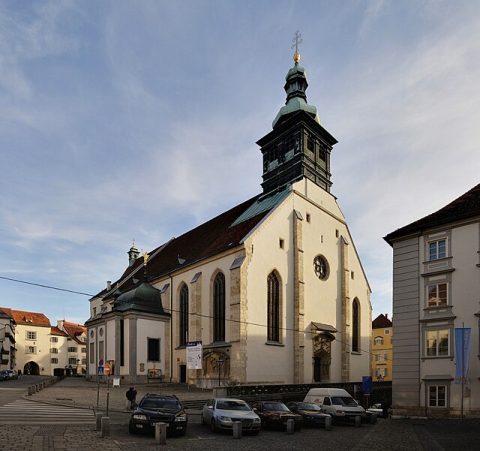
Graz Cathedral (Dom)
The impressive Dom, Graz's cathedral, was built as a court chapel in the 15th century and elevated to cathedral status in 1786. Its exterior features remarkable The exterior Gottesplagenbild commemorates the plague, locusts and Turkish threat of 1480. The interior houses exquisite altarpieces, sculptures, and stained glass windows. The cathedral's austere Gothic style with Renaissance additions creates a uniquely beautiful sacred space in the heart of the old town.
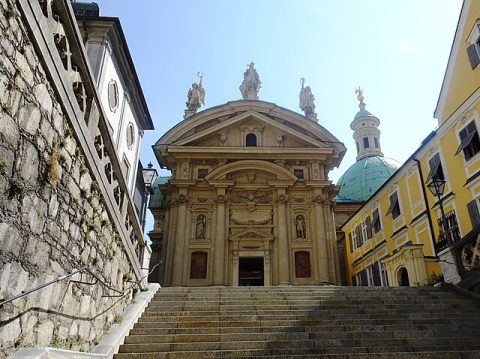
Mausoleum of Emperor Ferdinand II
This extraordinary Mausoleum, commissioned by Emperor Ferdinand II, is an architectural masterpiece The complex represents the transition from Renaissance to Baroque, with Italian architectural influences. Commissioned in 1614, the building was completed in 1636 according to the cathedral parish; decoration followed later, it features an intricately decorated interior with marble, stucco, and religious art. The emperor's tomb is located in the lower chapel, while the upper chapel serves as a pilgrimage site. The ornate relief sculptures and artistic details showcase the wealth and taste of the Habsburg dynasty.

Leech Church (Lechkirche)
The Lech Church. The early Gothic Leechkirche, dedicated to the Assumption of Mary, was probably completed in 1293. Its steep pitched roof, pointed arches, and stained glass windows exemplify authentic Gothic architecture. The interior features Gothic vaulting, ornate altarpieces, and historical religious artworks. The church's intimate atmosphere and architectural details make it a favorite among architecture enthusiasts and spiritual visitors alike.
Tips for Religious Sites
- Visit during morning hours for better light and fewer crowds
- Many churches offer free entry but donations are appreciated
- Respect dress codes when visiting sacred spaces
- Check service times before visiting if interested in attending mass