Naples and its surroundings preserve extraordinary ancient sites, from underground Greek-Roman cities to the world-famous ruins of Pompeii and Herculaneum. These archaeological treasures offer unparalleled glimpses into ancient Mediterranean civilizations.

Naples Underground (Napoli Sotterranea)
Descend 40 meters below street level to explore an underground city carved from tufa stone. The guided tour reveals Greek quarries, Roman aqueducts, WWII bomb shelters, and even a Roman theater beneath modern buildings. Navigate narrow passages by candlelight and experience the ancient cistern system that supplied water to Naples for centuries. This fascinating journey reveals the city's layered history.
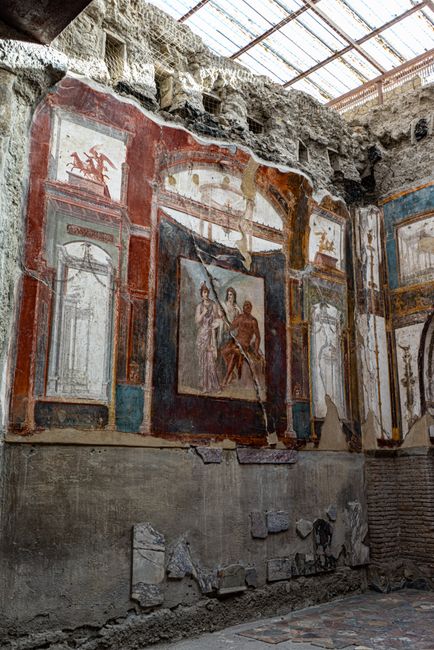
Herculaneum Archaeological Site
Better preserved than Pompeii, Herculaneum offers intimate insights into Roman life. Buried by volcanic mud rather than ash, the site preserves wooden structures, organic materials, and vibrant frescoes. Explore intact houses, shops, baths, and even a library with scrolls. The compact size makes it easier to appreciate than Pompeii. Located just 10km from Naples, it's accessible by Circumvesuviana train.
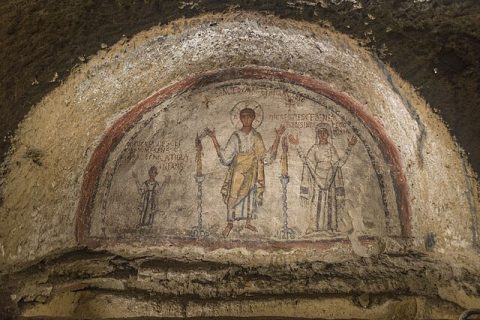
Catacombs of San Gennaro
These early Christian burial sites from the 2nd century form one of Southern Italy's most important catacomb complexes. Two levels contain frescoes, mosaics, and tombs of bishops and nobles. The Basilica of San Gennaro within the catacombs showcases early Christian art. The atmospheric underground passages span multiple centuries of use. Guided tours provide historical context and fascinating stories.
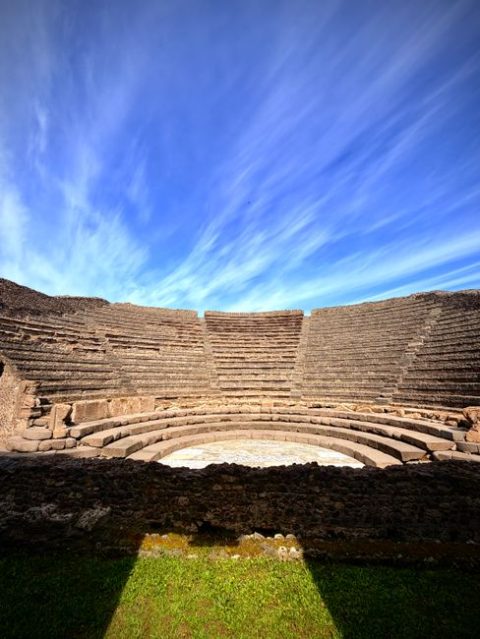
Roman Theatre of Neapolis
Discovered beneath buildings in the historic center, this ancient Roman theater hosted performances in the 1st century. Emperor Nero himself performed here in AD 64. The partially excavated structure reveals seating areas, stage foundations, and underground passages. Access is through buildings on Via Anticaglia, where Roman arches remain visible above street level, integrating ancient and modern Naples.
Tips for Ancient & Historical Sites
- Claustrophobia: Naples Underground involves narrow passages; not recommended if you're claustrophobic
- Comfortable Shoes: Wear sturdy shoes as underground sites can be slippery
- Guided Tours: Most underground sites require joining a guided tour; check schedules in advance
- Temperature: Underground sites are cooler (around 15-16°C); bring a light jacket
- Herculaneum Tip: Visit early morning for fewer crowds and better lighting for photos