Naples' churches are architectural masterpieces filled with priceless artworks, from baroque excess to Gothic simplicity. These sacred spaces showcase centuries of artistic achievement and remain active places of worship, offering spiritual and cultural experiences.
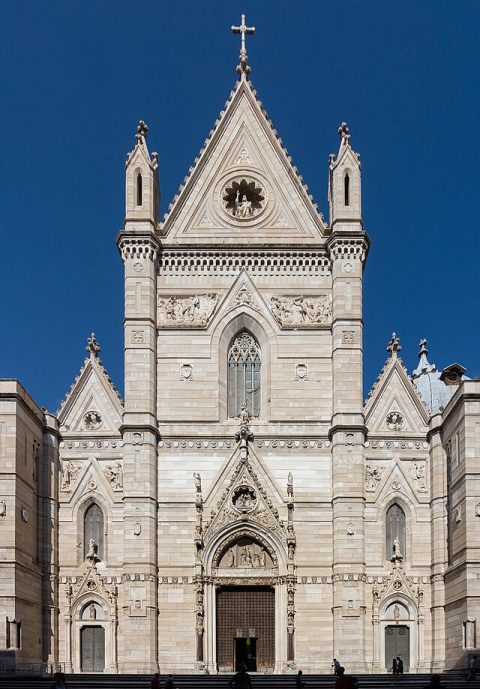
Naples Cathedral (Duomo)
The city's main cathedral houses the Chapel of San Gennaro, Naples' patron saint, whose blood miraculously liquefies three times yearly. The cathedral combines Gothic, baroque, and Renaissance styles. Features include ancient Roman columns, stunning frescoes by Domenichino, and the archaeological zone beneath with Greek and Roman ruins. The elaborate baroque chapel is adorned with silver, frescoes, and precious stones.
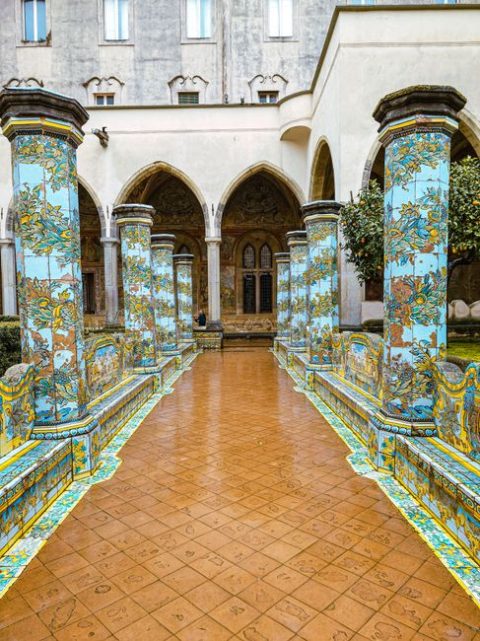
Santa Chiara Monastery Complex
This Gothic church and monastery complex features the famous Maiólica Cloister, where columns and benches are covered in hand-painted majolica tiles depicting pastoral scenes. The monastery museum displays archaeological finds and religious artifacts. The church, rebuilt after WWII bombing, maintains its Gothic simplicity. The peaceful cloister garden offers a tranquil escape from Naples' bustling streets.
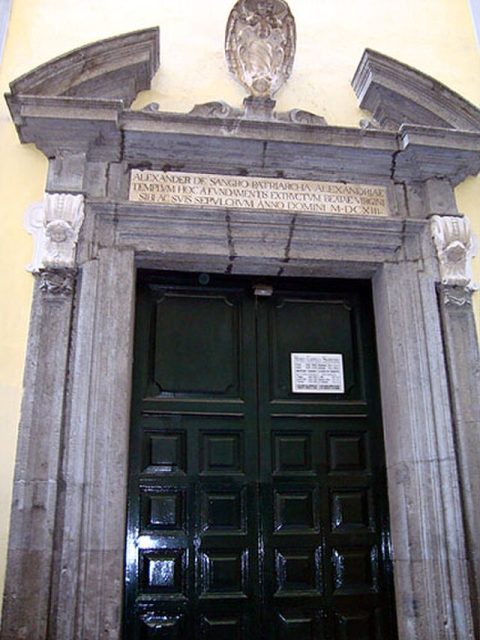
Sansevero Chapel
This small baroque chapel contains the Veiled Christ, a marble sculpture so realistic the veil appears transparent one of the world's most remarkable sculptures. Other masterworks include Disillusion and Modesty. The chapel belonged to the eccentric Prince Raimondo di Sangro, whose anatomical machines in the crypt showcase his scientific pursuits. Book well in advance as this is Naples' most popular attraction.
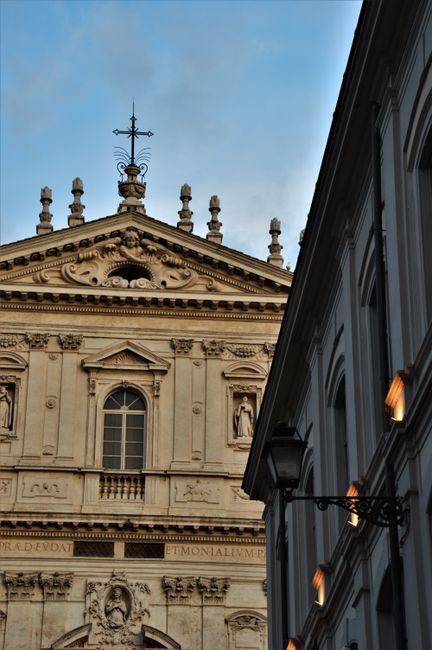
Gesù Nuovo Church
This extraordinary church features a unique rusticated stone facade from a 15th-century palazzo. Inside, the baroque interior overwhelms with colorful marble, frescoes covering every surface, and elaborate sculptures. The church honors Saint Giuseppe Moscati, a physician whose medical instruments are displayed. The architectural contrast between fortress-like exterior and ornate interior is striking.
San Lorenzo Maggiore
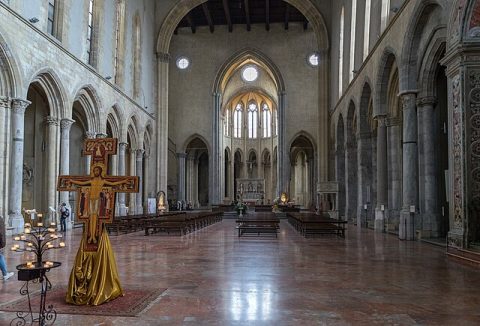
This Gothic-baroque church sits atop a Greek agora and Roman market, accessible through fascinating underground excavations. The archaeological area reveals ancient streets, shops, and a bakery, providing tangible connections to daily life in Roman Neapolis. The church itself features beautiful Gothic architecture and cloisters. This site uniquely combines religious, historical, and archaeological significance.
Tips for Religious Sites
- Dress Code: Shoulders and knees must be covered; bring a shawl or scarf
- Sansevero Chapel: Book tickets at least 2-3 days in advance, especially in peak season
- Mass Times: Check schedules if you want to experience religious services
- Free Entry: Most churches are free, though some charge for special areas or cloisters
- San Gennaro: Visit during the miracle dates (first Saturday of May, September 19, December 16) for special ceremonies