Plan your trip to Seville
- How long
- 2-3 days: one for the Cathedral and Alcázar, one for Plaza de España, Triana and flamenco; add a day for Córdoba.
- Best for
- Architecture and history lovers (Moorish, Gothic and Baroque side by side), flamenco and tapas fans, and spring-festival visitors.
- Skip it if
- You're coming in July or August and dislike heat: afternoon temperatures regularly pass 40°C.
If you only do three things
- The Real Alcázar (€15.50; book a timed slot) and its gardens.
- The Cathedral and the Giralda tower (€13 online, €14 at the door; Sunday visits from 14:30).
- Plaza de España and María Luisa Park, then an evening flamenco show in Triana or the Barrio Santa Cruz.
A one-day route
- Morning: Real Alcázar at the first time slot, then the lanes of the Barrio Santa Cruz.
- Midday: The Cathedral and the ramps up the Giralda, then tapas lunch nearby.
- Afternoon: Siesta hours are hot: walk through María Luisa Park to Plaza de España later in the afternoon.
- Evening: Cross the Triana bridge for tapas and a flamenco show, or sunset from the Metropol Parasol (Las Setas).
Before you go
- Airport bus EA: €6 single, or €8 return valid on the day of purchase and the next day.
- Book the Alcázar and Cathedral online: both use timed tickets and queues are long from spring to autumn.
- Holy Week (21-28 March 2027) and the April Fair (13-18 April 2027) fill hotels and raise prices; book months ahead.
- The Bienal de Flamenco runs from 9 September to 3 October 2026 and returns in 2028.
- Spain has no minimum spend for tax-free shopping: ask for the form in participating shops.
Prices, opening status and transport in this plan checked against official sources on 30 September 2026.
Things to do in Seville
Seville's skyline is defined by architectural masterpieces that span centuries, from Moorish alcázares to Renaissance towers. These iconic structures tell the story of a city that has been a cultural crossroads between Europe and Africa, Christianity and Islam.
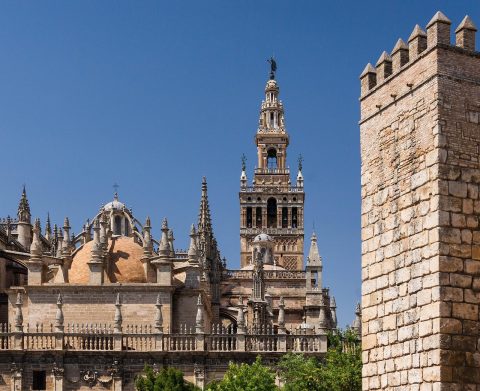
Real Alcázar of Seville
A breathtaking royal palace that epitomizes Mudéjar architecture, the Alcázar has been a residence for Spanish monarchs for over seven centuries. Wander through the Patio de las Doncellas with its stunning Islamic tilework, explore the lush gardens featured in Game of Thrones, and marvel at the Mudéjar Palace of King Pedro I and the older Gothic Palace of Alfonso X. The intricate stucco work, tranquil fountains, and pavilions create an atmosphere of timeless elegance. Don't miss the Mercury Pond and the Pavilion of Charles V surrounded by manicured hedges and peacocks.
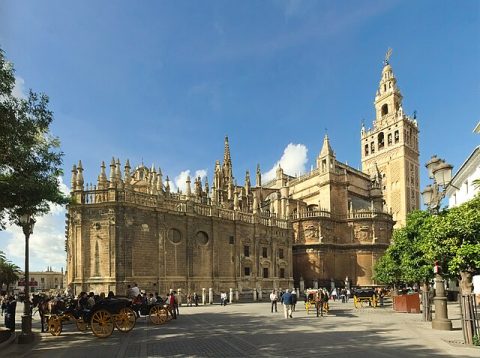
Seville Cathedral (Catedral de Sevilla)
The largest Gothic cathedral in the world and a UNESCO World Heritage Site, this magnificent structure was built on the site of a great Almohad mosque. Housing the tomb of Christopher Columbus, the cathedral features soaring vaults, 80 chapels, and the stunning Capilla Mayor with its gold-leafed altarpiece. The attached Giralda Tower, originally a minaret, offers panoramic views after climbing its 35 ramps and a final 17 steps. The Patio de los Naranjos (Orange Tree Courtyard) preserves the mosque's original ablution courtyard.
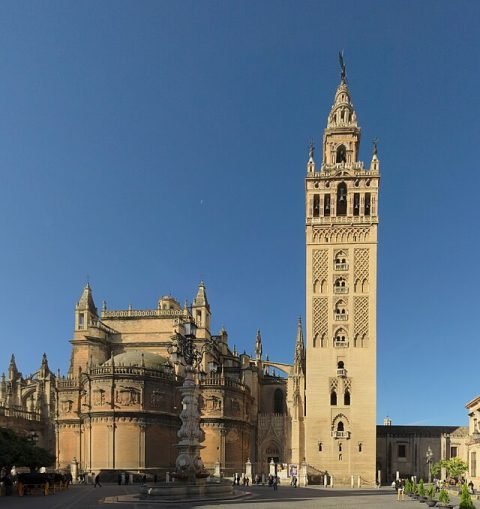
La Giralda
Seville's most recognizable landmark and the symbol of the city, this 104-meter bell tower was originally built as a minaret in 1198. The tower features a unique design with 34 gently inclined ramps instead of stairs, allowing guards to ride horses to the top. The Renaissance-style belfry was added in the 16th century. From the summit, enjoy 360-degree views of the city's rooftops, the Guadalquivir River, and distant mountains. The climb reveals different architectural styles and historical periods.
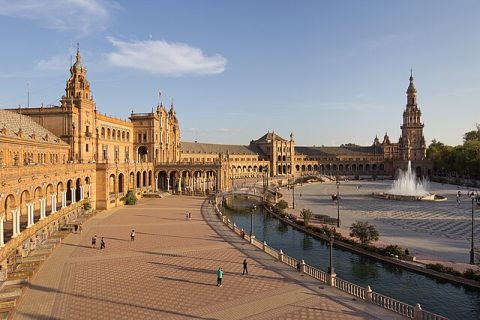
Plaza de España
An architectural marvel built for the 1929 Ibero-American Exposition, this semi-circular Renaissance Revival complex is one of the most spectacular squares in Europe. The plaza features a stunning canal crossed by ornate bridges, each representing a Spanish province through beautifully painted ceramic tiles. The building's facade showcases 48 alcoves with azulejo tile murals depicting historical scenes. Visitors can rent rowboats on the canal or simply admire the intricate brickwork, ceramic decorations, and the perfect symmetry of the architecture.
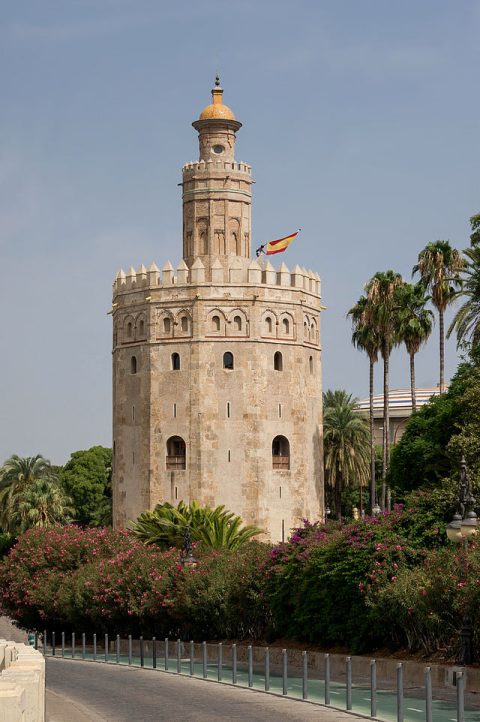
Torre del Oro (Golden Tower)
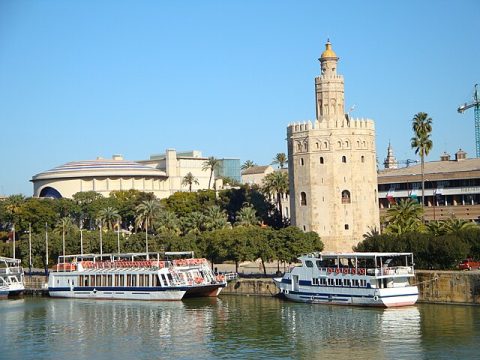
This iconic dodecagonal military watchtower stands sentinel on the banks of the Guadalquivir River, built by the Almohad dynasty in the 13th century. Its name derives from the golden shimmer of its original ceramic tiles. The tower served as a prison during the Middle Ages and now houses a small naval museum with exhibits on Seville's maritime history. Climb to the top for river views and insights into the tower's role in protecting the city's port from invaders.
Tips for Landmarks & Monuments
- Book tickets online for the Alcázar and Cathedral to skip long queues, especially during high season (April-October)
- Visit the Alcázar early morning or late afternoon for the best light and fewer crowds
- Combined tickets for Cathedral + Giralda are available and recommended
- Plaza de España is most beautiful at sunset when the warm light enhances the golden brickwork
Seville's museums showcase everything from Golden Age paintings to flamenco heritage, offering deep insights into Andalusian culture, art, and history. The city's artistic legacy spans from Murillo and Velázquez to contemporary installations.
Museum of Fine Arts (Museo de Bellas Artes)
Housed in a stunning former convent, this is Spain's second most important art museum after the Prado. The collection features masterworks by Seville's native sons Murillo, Zurbarán, and Valdés Leal, along with works by El Greco, Velázquez, and Goya. The museum's 14 galleries are organized chronologically, showcasing religious art, Baroque paintings, and 19th-century Romantic works. The building itself, the former Convento de la Merced, features beautiful courtyards and preserved architectural details from its monastic past.
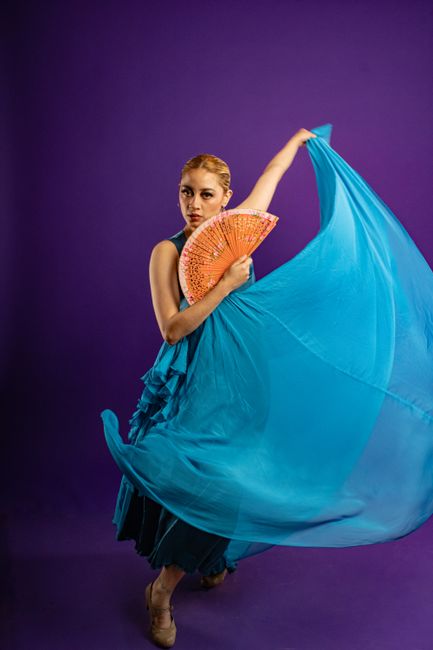
Flamenco Dance Museum (Museo del Baile Flamenco)
Founded by legendary flamenco dancer Cristina Hoyos, this museum celebrates the art form that defines Andalusian culture. Interactive exhibits explore flamenco's history, techniques, and cultural significance through multimedia displays, costumes, photographs, and videos. The museum offers daily live performances in an intimate setting, and visitors can even take flamenco classes. Learn about the different palos (styles), the role of the guitar, and the emotional depth of this UNESCO-recognized cultural expression.
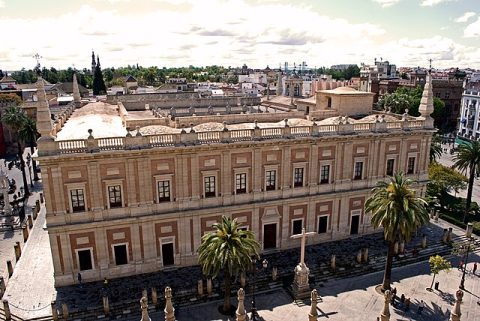
Archivo General de Indias
This UNESCO World Heritage Site contains invaluable documents from Spain's colonial empire in the Americas and Philippines. The archive holds 80 million pages of documents, including letters from Columbus, maps of newly discovered territories, and records of the conquistadors. The building, designed by Juan de Herrera, is an architectural gem of Renaissance style. Regular exhibitions display original manuscripts, maps, and drawings that chronicle the Age of Exploration and Spain's global influence.
Andalusian Centre of Contemporary Art
Located in the historic Monastery of La Cartuja on the Isla de la Cartuja, this contemporary art center occupies a beautifully restored 15th-century monastery. The juxtaposition of cutting-edge installations within medieval walls creates a unique atmosphere. The center focuses on contemporary Andalusian and Spanish artists, with rotating exhibitions of painting, sculpture, video art, and installations. The monastery's chapel, cloisters, and ceramic-decorated rooms provide a stunning backdrop for modern artworks.
Tips for Museums & Galleries
- Museum of Fine Arts is free for EU citizens with valid ID
- Book flamenco show tickets at the Flamenco Museum in advance, especially for evening performances
- The Archivo de Indias has free admission and is perfect for history enthusiasts
- Many museums are closed on Mondays - plan accordingly
Seville's churches and convents showcase centuries of religious devotion and architectural innovation, from Mudéjar chapels to Baroque masterpieces. These sacred spaces house priceless artworks and play central roles in the city's famous Holy Week celebrations.
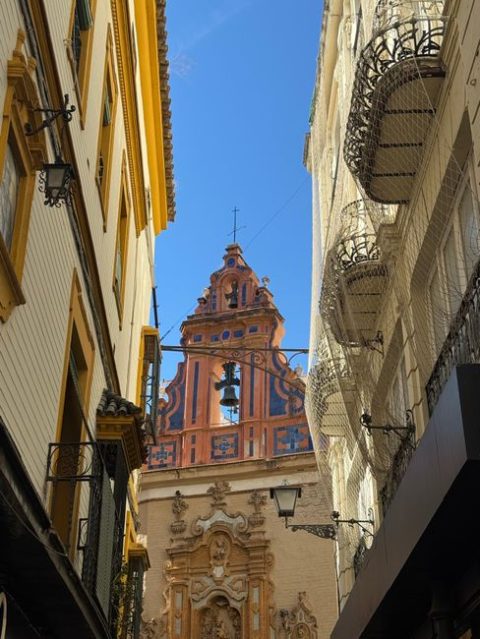
Church of El Salvador
Seville's second-largest church stands on the site of the city's first mosque. This Baroque masterpiece features an ornate facade and a stunning interior with elaborate altarpieces, including works by Montañés and Roldán. The church is particularly famous for its role in Semana Santa (Holy Week), when the Cristo del Amor and Virgen de las Aguas processions depart from here. The Patio de los Naranjos preserves elements of the original mosque, including horseshoe arches.
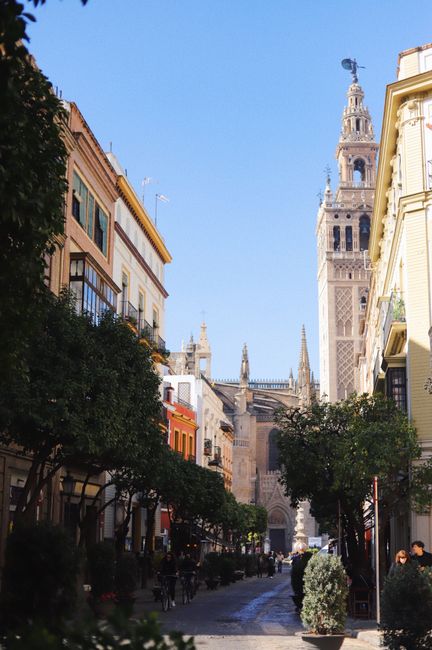
Basilica de la Macarena
Home to Seville's most beloved religious icon, the Virgen de la Macarena, this 20th-century basilica attracts thousands of devotees. The Virgin, with tears on her cheeks, wears a spectacular collection of jewelry and embroidered mantles. The attached museum displays the elaborate pasos (floats) used in Holy Week processions, including the ornate silver throne that carries the Virgin. The basilica's treasury contains precious gems, gold crowns, and centuries-old processional items that demonstrate the depth of Sevillian religious devotion.
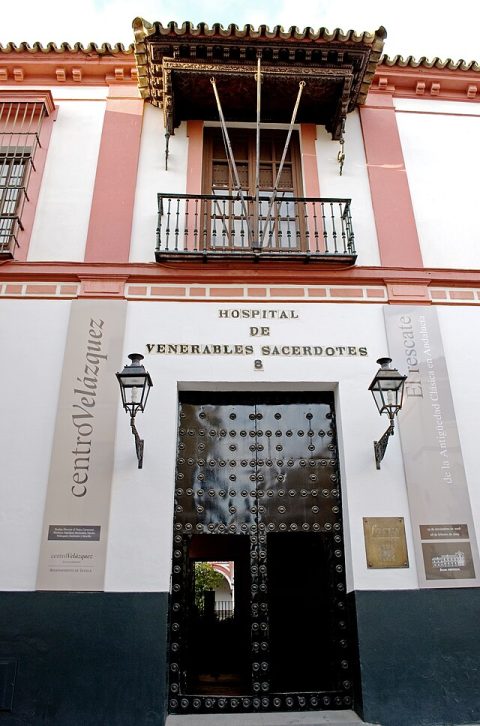
Hospital de los Venerables
This 17th-century Baroque hospital for elderly priests is now a cultural center showcasing art from the Focus-Abengoa Foundation. The building features a magnificent central courtyard with double-level arcades and a stunning church with frescoes by Juan de Valdés Leal. The collection includes works by Velázquez, Murillo, and other Spanish masters. The intimate scale and beautifully preserved frescoes create an almost secret atmosphere in the heart of the Santa Cruz quarter.
Tips for Religious Sites
- Combined tickets for the Cathedral and El Salvador church offer good value
- Dress modestly when visiting churches (covered shoulders and knees)
- Visit during Semana Santa (Holy Week) to witness spectacular religious processions
- Many churches have free admission but donations are appreciated
Seville's plazas and streets are living theaters where daily life unfolds against backdrops of historic architecture. From grand ceremonial squares to intimate plazuelas, these public spaces define the city's social rhythm and walkable charm.
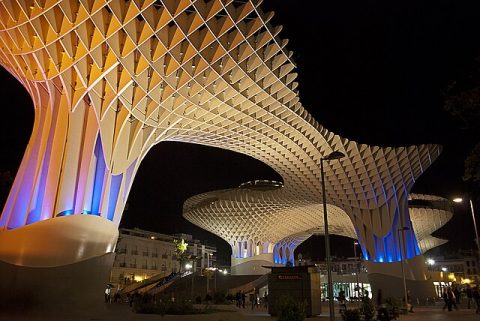
Plaza de la Encarnación (Las Setas)
Dominated by the controversial Metropol Parasol structure (nicknamed 'Las Setas' or 'The Mushrooms'), this plaza represents modern Seville. The wooden lattice structure, designed by Jürgen Mayer, houses a market, restaurants, and a rooftop walkway offering panoramic city views. Below lies the Antiquarium, displaying Roman and Moorish ruins discovered during construction. The plaza comes alive at night with its illuminated canopy and has become a popular gathering spot for locals and visitors alike.
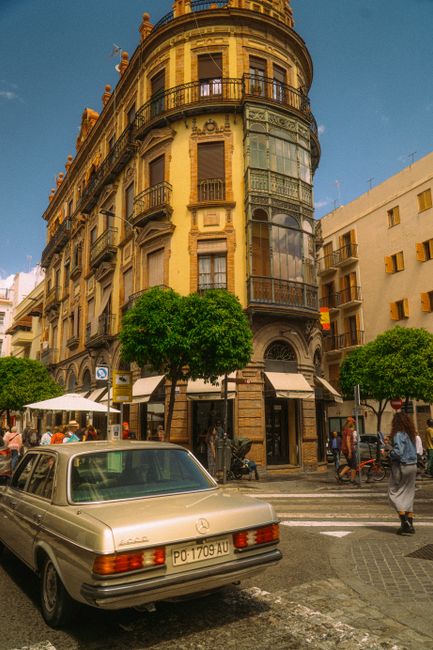
Calle Sierpes
Seville's most famous pedestrian shopping street has been the commercial heart of the city since medieval times. This narrow, winding street is lined with historic shops, cafes, and traditional establishments including centuries-old hat shops and candy stores. The street's elegant buildings feature ornate facades, and it's traditionally the place where Sevillians take their evening paseo (stroll). Look for plaques marking historic buildings and the spot where the famous Prison of Cervantes once stood.
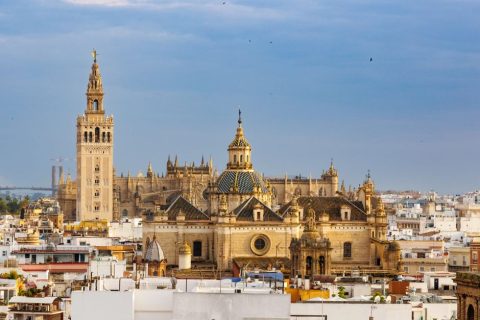
Plaza del Triunfo
This historic square connects three UNESCO World Heritage Sites: the Cathedral, the Alcázar, and the Archivo de Indias. The square's name commemorates the city's survival of the 1755 Lisbon earthquake. At its center stands a Baroque monument celebrating the Virgin Mary. The square offers perfect views of the Giralda tower and is often filled with horse-drawn carriages offering tours. Street performers, including flamenco dancers, frequently entertain in this atmospheric plaza surrounded by orange trees.
Tips for Squares & Streets
- Visit Las Setas at sunset for spectacular views from the walkway
- Calle Sierpes is pedestrian-only and perfect for evening strolls
- Horse carriage tours start from Plaza del Triunfo (negotiate price beforehand)
- Many squares have outdoor cafes - perfect for people-watching with a drink
Each of Seville's barrios has its own distinct personality, from the labyrinthine alleys of Santa Cruz to the bohemian energy of Triana. Exploring these neighborhoods reveals the authentic rhythms of Sevillian life beyond the monuments.
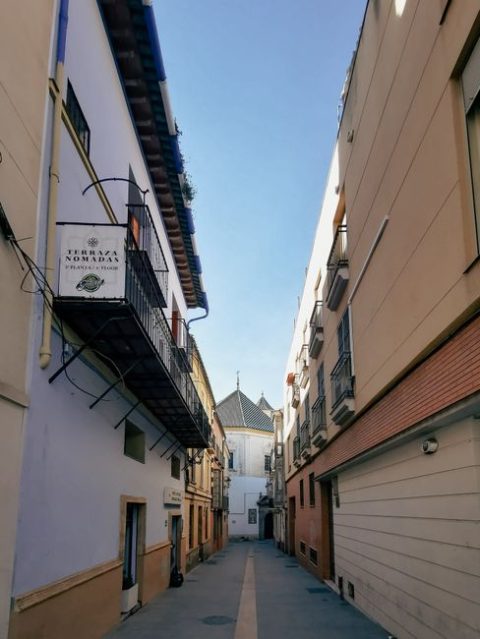
Barrio Santa Cruz
Seville's former Jewish quarter is a enchanting maze of whitewashed houses, narrow cobblestone alleys, and hidden plazas bursting with orange trees and jasmine. This picturesque neighborhood surrounds the Alcázar and Cathedral, with every corner revealing wrought-iron balconies overflowing with geraniums, intimate courtyards, and small plazas. The Callejón del Agua (Water Street) and Plaza de los Venerables are particularly charming. While touristy, the barrio retains romantic appeal, especially in the early morning or evening when day-trippers have departed.
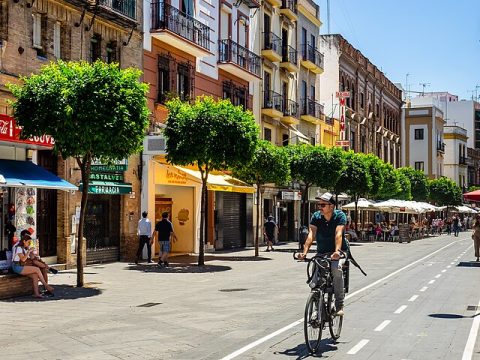
Triana
Across the river from the historic center, Triana is the soul of flamenco and ceramics. This traditionally working-class neighborhood was home to gypsies, bullfighters, and sailors, giving it a distinct identity. The riverfront Calle Betis offers tapas bars with Giralda views, while inland streets hide authentic flamenco venues and ceramic workshops. Visit the Mercado de Triana for fresh produce and the Centro Cerámica Triana to learn about the neighborhood's pottery tradition. Triana maintains a fiercely local character with genuine neighborhood bars and shops.
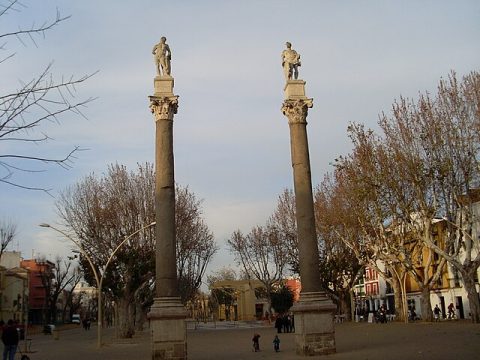
Alameda de Hércules
This bohemian neighborhood centers on Spain's oldest public garden (created in 1574) and has evolved into Seville's alternative, artistic quarter. The long rectangular plaza is flanked by Roman columns and surrounded by vintage shops, art galleries, and trendy bars. By day, it's a relaxed space with families and dog walkers; by night, it transforms into the hub of Seville's nightlife and LGBTQ+ scene. The former Sunday flea market ended in 2004. Today, the Gran Soho Alameda is a monthly market, held on the second Sunday; it sells design, crafts and food, while the surrounding streets showcase street art and independent boutiques.
El Arenal
Located between the river and the city center, El Arenal was historically the port district where ships departed for the Americas. Today it centers on the Plaza de Toros de la Maestranza, Spain's most prestigious bullring. The neighborhood features wide streets, the Torre del Oro, and the Teatro de la Maestranza opera house. The atmosphere blends maritime history with cultural sophistication, and the riverside promenade offers pleasant walks with views across to Triana. The Real Maestranza Bullring Museum provides insights into bullfighting tradition.
Tips for Neighborhoods & Districts
- Get lost on purpose in Santa Cruz - the maze-like streets are part of the charm
- Cross the Triana Bridge on foot for the best views and neighborhood exploration
- Visit Alameda de Hércules on Thursday or Sunday for the flea market
- Book flamenco shows in Triana for authentic performances away from tourist traps
Seville's parks provide essential respite from summer heat and showcase the city's love affair with landscaping. From grand formal gardens to neighborhood green spaces, these areas blend Moorish water features with European garden design.
Parque de María Luisa
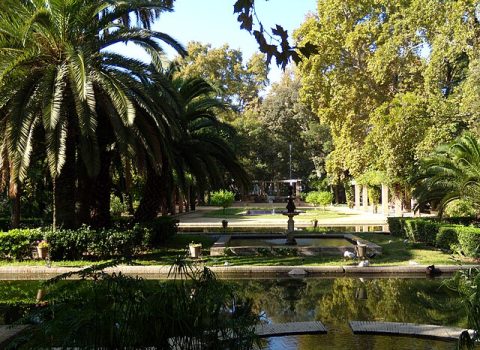
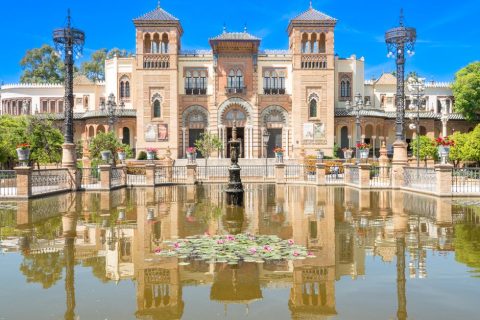
Seville's most beautiful park, this The park covers 340,000 m², or 34 hectares. The park features lush gardens with fountains, ponds, pavilions, and tree-lined paths perfect for cycling or strolling. Within its bounds lie the Plaza de España and Plaza de América, which hosts two museums. Highlights include the Monte Gurugú (artificial hill with views), the Island of Ducks pond, ceramic benches, and countless hidden corners with tiled fountains. The park's Romantic and Moorish design elements create a dreamlike atmosphere enhanced by peacocks, swans, and doves.
Alcázar Gardens
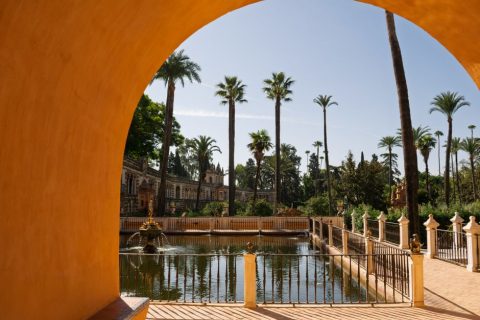
An integral part of the Royal Alcázar, these extensive gardens blend Islamic, Renaissance, and modern landscaping styles across multiple levels and sections. Wander through the English Garden with its romantic grottos, the modern Marquis of the Vega-Inclán Garden, and formal Renaissance areas with geometric hedges. Highlights include the Mercury Pond, the Pavilion of Charles V, the Baths of Lady María de Padilla, and countless fountains with intricate tilework. Orange and lemon trees perfume the air, while peacocks roam freely. The gardens offer shade and tranquility after exploring the palace.
Jardines de Murillo
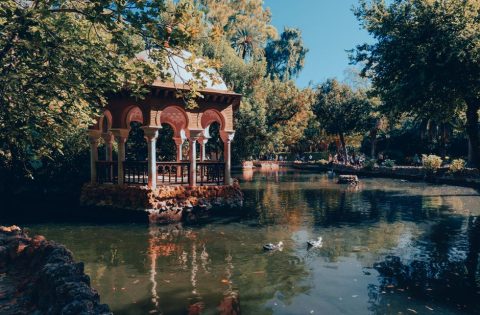
These peaceful gardens along the old city walls honor the Sevillian painter Bartolomé Esteban Murillo. The long, narrow park features palm trees, orange groves, tiled benches, and fountains in a romantic layout. The gardens offer shade and benches perfect for resting between sightseeing, with views of the city walls and proximity to the Barrio Santa Cruz. A monument to Columbus and pathways lined with flowers make this a favorite spot for locals to escape the midday heat. The gardens connect to other historic sites via shaded walkways.
Tips for Parks & Gardens
- Visit parks in the early morning or late afternoon to avoid midday heat
- Rent bikes or horse carriages to explore Parque de María Luisa more efficiently
- Bring water and sunscreen - shade can be limited in summer
- Alcázar gardens are included with palace admission but can get crowded
Experience Seville through guided tours, flamenco shows, river cruises, and hands-on activities that bring the city's culture to life. From traditional performances to modern experiences, these activities offer deeper engagement with Sevillian heritage.
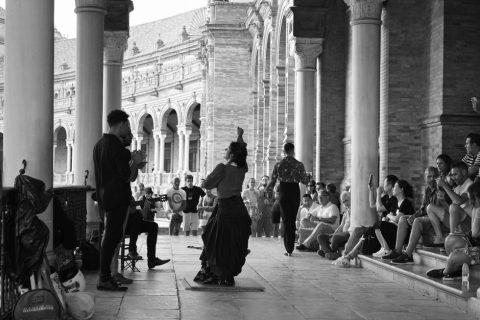
Flamenco Shows
Witnessing authentic flamenco is essential to understanding Andalusian soul. Seville offers venues ranging from intimate tablaos to larger theaters. Recommended venues include Casa de la Memoria (intimate, traditional), Museo del Baile Flamenco (artistic, with museum access), and tabloos in Triana for neighborhood authenticity. Shows typically last 60-90 minutes and feature guitar, singing (cante), and dance (baile) demonstrating various palos (styles) from the mournful soleá to the passionate alegrías. Many venues offer optional dinner packages.
Tapas Tour
Discover Seville's culinary culture on a guided tapas tour through traditional neighborhoods. Expert guides lead you to authentic bars where locals eat, explaining the etiquette of tapas culture and the history behind dishes. Sample classics like salmorejo (cold tomato soup), jamón ibérico, espinacas con garbanzos (spinach with chickpeas), and fresh seafood paired with local wines and sherry. Tours typically visit 4-6 bars over 3-4 hours, providing cultural insights and avoiding tourist traps. Some tours focus on specific neighborhoods like Triana or include market visits.
Alcázar Guided Tour
Enhance your visit to the Royal Alcázar with a knowledgeable guide who reveals hidden details and historical context. Expert guides explain the palace's architectural evolution, the symbolism in its decorations, and stories of the monarchs who lived here. Learn about Mudéjar craftsmanship, Islamic geometric patterns, and Renaissance additions. Guides identify specific rooms used in Game of Thrones filming and explain the gardens' botanical diversity. Skip-the-line access often included. Small group tours provide more personalized experiences than large bus tours.
Guadalquivir River Cruise
See Seville from a different perspective on a river cruise along the historic Guadalquivir. Hour-long cruises pass under historic bridges, offering views of the Torre del Oro, Triana neighborhood, and modern Isla de la Cartuja. Sunset cruises provide spectacular light, while some operators offer dinner cruises with live music. Audio guides explain the history of the port that once launched expeditions to the New World. The relaxing journey highlights Seville's relationship with the river that made it wealthy and powerful during the Age of Exploration.
Bike Tours
Explore Seville's flat terrain and extensive bike lanes on a guided cycling tour. Routes typically cover major monuments, parks, and neighborhoods including Parque de María Luisa, Plaza de España, the riverside, and historic quarters. The city's bike-friendly infrastructure makes cycling safe and enjoyable. Tours range from 2-4 hours and often include stops at key sites with historical explanations. Some specialized tours focus on themes like architecture, food stops, or sunset rides. Bike rental without guides is also popular for independent exploration.
Rooftop Tours
Experience Seville's rooftops and hidden terraces on specialized tours that access private spaces normally closed to the public. These tours reveal the city's azoteas (flat roofs) and terraces, offering unique perspectives on monuments and insights into traditional architecture. Some tours include sunset viewings, photography opportunities, and stories about the city's evolution. The intimate scale allows access to historic buildings, convents, and palaces not typically open. Tours often include refreshments on panoramic terraces with views of the Giralda, Cathedral, and surrounding neighborhoods.
Tips for Tours & Activities
- Book flamenco shows in advance, especially for highly-rated intimate venues
- Choose smaller group tours (under 15 people) for better experiences and access
- Evening tapas tours are most authentic when locals are out eating
- Many tours offer skip-the-line access to major monuments - worth the premium
- Check if tours include entrance fees or if these are additional costs
Seville's central location makes it an ideal base for exploring Andalusia's diverse attractions. From white villages to Roman ruins, sherry bodegas to Renaissance towns, unforgettable destinations lie within 1-2 hours of the city.
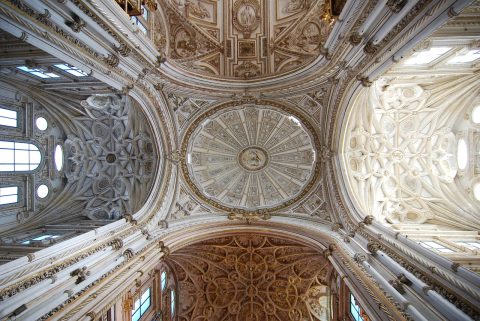
Córdoba
Just 45 minutes by train, Córdoba offers one of Spain's most magnificent monuments: the Mezquita-Catedral, a mosque-cathedral featuring a forest of 856 columns and double arches. The city's historic Jewish quarter (Judería) is a maze of whitewashed streets with flower-filled patios. Visit the Alcázar de los Reyes Cristianos with its beautiful gardens, the Roman Bridge spanning the Guadalquivir, and the fascinating Synagogue. In May, the Patio Festival opens private courtyards to the public. Córdoba's blend of Roman, Islamic, Jewish, and Christian heritage creates unique cultural layers.
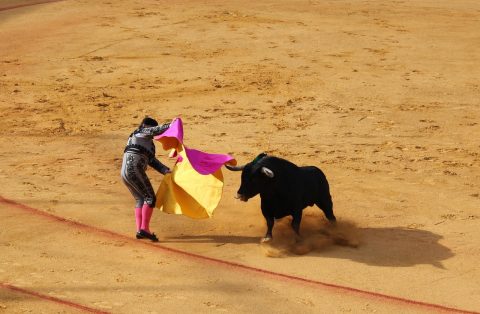
Granada & The Alhambra
A 3-hour journey brings you to Granada and the breathtaking Alhambra, the pinnacle of Moorish architecture in Europe. This palace-fortress complex features the exquisite Nasrid Palaces with their intricate stucco work and the beautiful Generalife gardens. The city's Albaicín neighborhood offers winding Moorish streets and spectacular Alhambra views. Visit the Royal Chapel housing Catholic Monarchs' tombs and explore the atmospheric Arab quarter. Book Alhambra tickets months in advance as daily visitors are limited. The fusion of Islamic and Christian heritage makes Granada unforgettable.
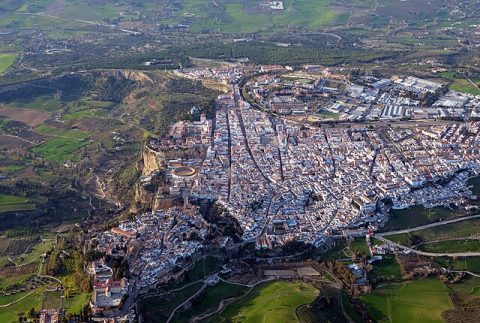
Ronda
This dramatic clifftop town is split by the 120-meter-deep El Tajo gorge, spanned by the iconic Puente Nuevo bridge. The views from the bridge and clifftop gardens are vertiginous and spectacular. Ronda claims to be the birthplace of modern bullfighting, with Spain's oldest bullring (Plaza de Toros) dating to 1785. Explore the historic old town, Moorish baths, and the clifftop Alameda del Tajo gardens. The surrounding countryside features white villages and wine country. Hemingway and Orson Welles were among many artists captivated by Ronda's dramatic setting and romantic atmosphere.
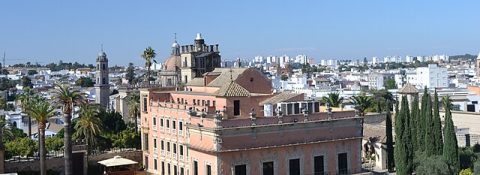
Jerez de la Frontera
The home of sherry wine and Andalusian horses, Jerez offers a distinctly different flavor of Andalusian culture. Tour historic bodegas like Tío Pepe, González Byass, or Sandeman to learn about sherry production and sample varieties from dry fino to sweet Pedro Ximénez. The Royal Andalusian School of Equestrian Art presents spectacular horse shows combining dressage and flamenco. Visit the Moorish Alcázar, the Cathedral, and authentic flamenco venues in the Santiago quarter. The city's relaxed pace and authentic character provide respite from busier tourist centers.
Pueblos Blancos (White Villages)
The White Villages route through the Sierra de Grazalema offers stunning mountain scenery and pristine whitewashed villages. Zahara de la Sierra crowns a hilltop with Moorish castle ruins and a turquoise reservoir below. Grazalema sits in Spain's wettest region with dramatic limestone scenery. Setenil de las Bodegas has houses built into rock overhangs. Arcos de la Frontera perches dramatically on a cliff edge. These villages preserve traditional Andalusian life, with narrow streets, flower-filled balconies, and local crafts. The route combines culture with nature in spectacular settings.
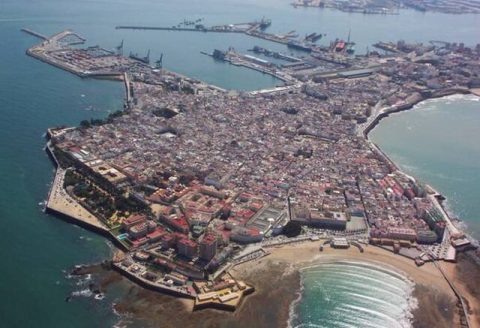
Cádiz
Europe's oldest continuously inhabited city, Cádiz sits on a peninsula surrounded by Atlantic waters. This port city features a distinctly different atmosphere with ocean breezes, golden beaches, and a maritime character. Walk the ancient city walls, climb the Baroque Cathedral's towers for ocean views, and explore the old town's narrow streets and plazas. The city is famous for Spain's most exuberant Carnival celebration. Sample fresh seafood in the Central Market neighborhood and relax on La Caleta beach. Cádiz's liberal history and seafaring traditions create a unique identity distinct from inland Andalusia.
Tips for Day Trips & Excursions
- Train service connects Seville to Córdoba, Granada, Jerez, and Cádiz - book in advance for best prices
- Rent a car for white villages and Ronda to explore at your own pace
- Alhambra tickets sell out months ahead - book immediately when dates are confirmed
- Guided day tours handle logistics but allow less flexibility than independent travel
- Start early to maximize time, especially for full-day destinations like Granada
Seville does not follow the northern-European glühwein-stall model, but its winter season has its own strong identity built around artisan nativity fairs, elaborate street lighting and Andalusian holiday food.
Expect the season to run from late November through the Cabalgata de Reyes on 5 January 2027, with the busiest stretch in the two weeks before Christmas.
Feria de Belenes at Plaza de San Francisco
Seville's true equivalent of a Christmas market is this open-air fair of wooden stalls selling hand-painted nativity figures, moss, cork bark and miniature accessories for building a home belen, a tradition taken very seriously in Andalusia. It sets up in front of the Ayuntamiento on Plaza de San Francisco, alongside the citys official municipal nativity scene, which is unveiled in early December and lit through the season. Expect it running from roughly late November through 5 January 2027. Even visitors with no interest in buying anything enjoy browsing the craftsmanship on display. Stalls stay open into the evening, when the surrounding streets are strung with lights. Its a short, atmospheric stop best combined with a walk down nearby Avenida de la Constitucion.
Christmas Lights on Avenida de la Constitucion and Calle Tetuan
Each year Seville switches on an elaborate canopy of illuminated arches along Avenida de la Constitucion, Calle Tetuan and Calle Sierpes, transforming the historic center into the citys main holiday draw. The switch-on event, usually in late November, packs the streets with families and is followed by nightly displays through early January 2027. Unlike ticketed light festivals elsewhere, this is free and simply woven into an evening stroll past the Cathedral and Giralda. Many visitors pair it with hot chocolate and churros at a nearby cafe. The lights are at their best after dark, roughly 7-11pm, and the crowds are thickest on weekends and around 24-31 December.
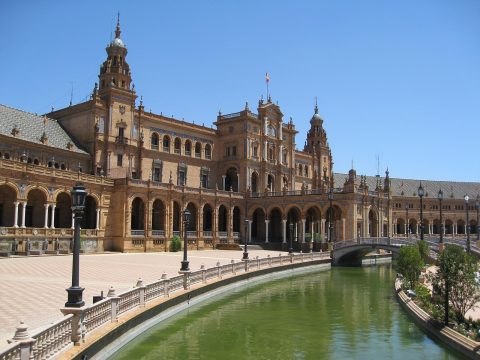
Pista de Hielo (Seasonal Ice Rink)
Seville sets up a temporary outdoor ice-skating rink, typically near Prado de San Sebastian or another central plaza announced each autumn by the city council, running through the December holiday window into early January 2027. Its a popular family activity despite the mild Andalusian winter, and sessions usually run in timed slots with skate rental included. It gets busiest in the late afternoon and evening, so arriving earlier in the day means shorter queues. Exact location and dates shift slightly year to year, so checking the Ayuntamiento de Sevilla website closer to your trip is worthwhile. Its a fun, low-cost way to break up a day of sightseeing with something distinctly festive.
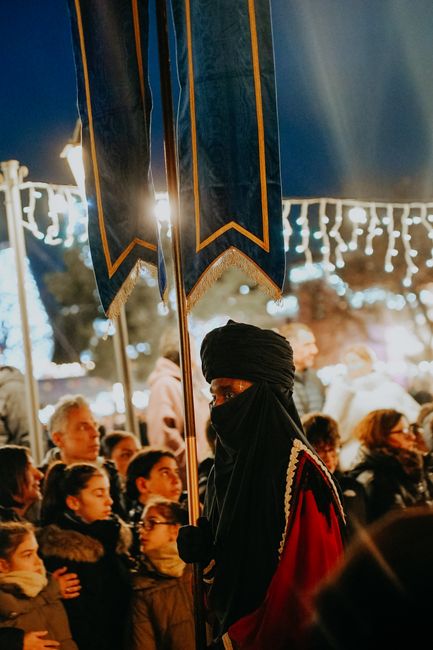
Cabalgata de Reyes Magos
On the evening of 5 January 2027, Seville closes out the holiday season with its Cabalgata de Reyes, a large parade of floats carrying the Three Kings through the city center, showering the crowds with sweets. Its one of the most anticipated family events of the Spanish calendar, arguably bigger locally than Christmas Day itself, and draws enormous crowds along the parade route. Families stake out spots on the pavement hours in advance, so arrive early if you want a good view. The parade typically starts in the late afternoon and continues into the night. It marks the traditional end of the Andalusian holiday season, after which decorations and market stalls come down.
Tips for Christmas Market
- Seville has no large German-style Christmas market, so plan around the Plaza de San Francisco nativity fair and the citywide light displays instead.
- Evenings are noticeably cooler than daytime in December, so bring a jacket even though Seville is much milder than northern Spain.
- Book Cabalgata de Reyes viewing spots or restaurant tables early, as 5 January is one of the busiest nights of the year.
- Many shops and museums adjust hours around 25 December and 1 January, so check ahead if visiting on those dates.
When the sun dips behind the Guadalquivir, Seville shifts into a different rhythm of tapas bars, terrace lounges and late-night dance floors. From centuries-old sherry taverns to rooftop bars overlooking the Giralda, the city's nightlife blends tradition with a relaxed, unhurried energy that rarely gets going before midnight.
Calle Betis Bar Strip
Lining the Triana riverbank, Calle Betis is a string of bars and terraces with unbeatable views back across the water toward the Torre del Oro. Locals and visitors gather here at sunset for a cold beer or a glass of manzanilla before the crowd thickens as the evening wears on. Several spots have small outdoor terraces right at the waterline, and the mood shifts from relaxed early drinks to a livelier, music-filled scene after midnight, especially on weekends. It is an easy stroll from the Triana bridge and pairs naturally with an evening riverside walk. Expect a mix of traditional taverns, cocktail bars and the occasional burst of flamenco clapping drifting from a doorway nearby.
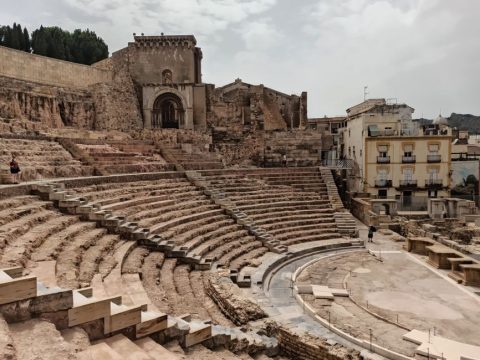
Antique Theatre
Set in the former Olympic Pavilion from Expo '92, Antique Theatre is one of Seville's grandest nightclubs, with soaring ceilings, chandeliers and a sizeable dance floor that draws a dressed-up, energetic crowd. Resident and visiting DJs play house and electronic sets deep into the early hours, and the club regularly hosts themed nights and touring acts. The building's ornate architecture makes it a spectacle in its own right, quite different from the intimate tabancos found elsewhere in the city. It sits near the river, an easy taxi ride from the historic centre, and gets going late, so arriving after 1am is typical. Smart dress is expected, and queues can form on weekend nights.
Rooftop Bar at EME Catedral Hotel
Perched above the hotel of the same name, this rooftop bar delivers one of the closest possible views of the Cathedral and La Giralda, close enough that the bell tower feels almost within reach after dark when it is lit up. Cocktails lean classic with a few Andalusian twists, and the atmosphere is polished but not stuffy, popular with couples and small groups marking a special evening. Seating is limited, so arriving early for sunset secures the best tables before the after-dinner crowd arrives. It is a short walk from Plaza del Triunfo, making it an easy stop after dinner in the old town. Reservations are recommended on weekends, when demand for the terrace tables is highest.
Tabanco Traditional Sherry Bars
Scattered through the old town, tabancos are small, no-frills sherry bars where barrels line the walls and the drink of choice is a chilled glass of fino or amontillado poured straight from the cask. Many double as informal flamenco venues, with impromptu cante jondo singing breaking out among regulars rather than staged for tourists. The atmosphere is loud, convivial and unmistakably local, standing room only during peak evening hours. These bars close early compared to clubs, generally by midnight, making them a good starting point before moving on elsewhere. Prices are modest, and ordering is simple: point at the barrel or ask the bartender for a recommendation.
Tips for Nightlife & Entertainment
- Most bars do not fill up until after 11pm, and clubs stay lively past 3am
- Dress smart-casual for lounges and clubs, as some enforce a no-shorts or no-trainers policy at the door
- Carry small cash for tabancos, which often prefer it for quick orders
- Nightlife peaks Thursday through Saturday; Sunday and Monday nights are much quieter
Seville is easy to enjoy with children, thanks to shaded parks, playgrounds, and a compact old town thats easy to explore on foot or by carriage. Beyond the historic sites, families will find hands-on museums, a lush urban park, and cool, splashy escapes for hot Andalusian afternoons.
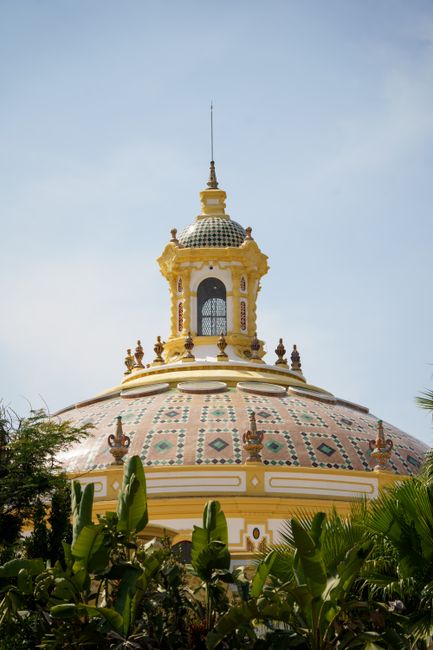
Isla Magica Theme Park
Built on the site of Sevilles 1992 World Expo grounds, Isla Magica is an Age of Discovery themed park with roller coasters, water rides, and shows tailored to a range of ages, from gentle rides for toddlers to thrill rides for older kids and teens. The park is divided into themed zones inspired by Spanish exploration history, with pirate ships, jungle rapids, and a towering drop tower among the highlights. In summer, the adjoining Agua Magica water park adds pools and slides to cool off. Its a full-day outing best planned around the Sevilla summer heat, with shaded rest areas and food stalls throughout. Located on Isla de la Cartuja, its a short bus or taxi ride from the historic center.
Plaza de Toros de la Real Maestranza Interactive Visit
While bullfighting itself is not for every family, the guided tour of the Maestranza bullring offers older kids a look at Sevilles equestrian and architectural history without attending an actual event. Tours walk through the arena, stables, chapel, and small museum, with displays of costumes and horse-drawn carriages that spark curiosity about Andalusian traditions. Audio guides explain the buildings 18th-century construction in accessible terms, and the open-air arena itself is dramatic to see empty. Its a shorter stop, easily paired with a walk along the nearby river, and gives children context for the pageantry theyll see referenced elsewhere in the city, from posters to statues.
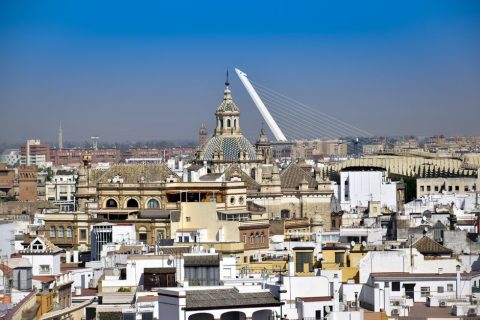
Parque del Alamillo
A large green space on Isla de la Cartuja, Parque del Alamillo has open lawns, bike paths, and playgrounds spread across a much bigger footprint than the citys more famous historic gardens, making it a good spot for kids to run freely. Bike and pedal-cart rentals are available near the entrance, and the flat, shaded paths make it easy for family cycling or scooter outings. Small ponds attract ducks and turtles that younger children enjoy spotting, and weekend mornings often bring local families out for picnics. Its less manicured and touristy than the parks nearer the cathedral, giving it a relaxed, everyday feel where kids can simply play rather than sightsee.
Seville Aquarium
Set beside the Guadalquivir River, the Seville Aquarium follows the historic sea route of 16th-century explorer Magellan, guiding visitors through themed tanks representing the oceans he crossed. A glass tunnel walkway lets kids watch sharks and rays glide overhead, and touch pools in some sections allow supervised hands-on encounters with small marine life. The route is compact and stroller-friendly, making it manageable for a shorter visit between other sightseeing. Signage leans into the adventure-and-discovery narrative, which helps hold the attention of school-age children better than a straightforward tank-by-tank layout. Its an easy indoor option on a hot or rainy day.
Horse-Drawn Carriage Ride
A horse-drawn carriage ride departing from Plaza del Triunfo or along the riverside is a favorite with younger children, offering a slow, comfortable loop past the citys landmarks without the walking fatigue that can wear kids out. Drivers typically narrate a short history of the sights passed, and the clip-clop pace makes it easy for little ones to point things out and ask questions. Rides usually run 30 to 45 minutes and can be booked on the spot rather than in advance. Its less an attraction in itself than a restful, novel way to see the city, best used as a break partway through a busy sightseeing day rather than the days main activity.
Tips for With Kids
- Plan outdoor stops like Isla Magica or Parque del Alamillo for morning hours, since Sevilles afternoon heat is intense, especially from June to September.
- Bring water, hats, and sunscreen even for short walks between sights.
- Isla Magica offers combined tickets with the Agua Magica water park in summer, worth it for a full day rather than splitting into two visits.
- Many carriage drivers near Plaza del Triunfo speak basic English and are used to accommodating young children.
Seville’s calendar is anchored by two legendary spring events, but the city keeps celebrating all year with neighborhood verbenas, flamenco showcases, and a slow build into Christmas lights. Below are the key 2026 dates for planning a visit around Seville at its most alive.
Semana Santa: Holy Week Processions
Every Holy Week (the week before Easter Sunday; 21-28 March in 2027), Seville transforms as more than 60 religious brotherhoods carry ornate pasos (floats) of Christ and the Virgin Mary through narrow streets to the Cathedral, accompanied by penitents in tall conical hoods and the mournful wail of saeta songs. This is one of the most important religious and cultural events in Spain, drawing enormous crowds who line the processional routes for hours. Good Friday (Madrugá) overnight processions, including the revered Cristo del Gran Poder and the Macarena, are the emotional peak. Expect packed bars, shifted restaurant hours, and streets closed to traffic. Arrive early to claim a spot near Plaza del Salvador or Calle Sierpes, and check the official itinerary (nazarenos.es) for each brotherhood’s route and timing, since sequences run continuously from afternoon into the early morning hours.
Feria de Abril: April Fair
About two weeks after Easter, for six days (13-18 April in 2027), the Real de la Feria fairground fills with over a thousand striped casetas (private and public marquee tents), strings of paper lanterns, and the nonstop rhythm of Sevillanas dancing. Locals dress in flamenco gowns and traditional riding costumes, parading on horseback and in horse-drawn carriages through the fairgrounds each afternoon before the party continues late into the night. Many casetas are private, but a good number of public ones welcome visitors for sherry, fried fish, and dancing. The fair officially opens with the alumbrado, when thousands of lights are switched on at midnight. It is loud, joyful, and utterly unique to Seville, best experienced by wandering the Real and soaking in the atmosphere rather than trying to see it all in one night.
Vela de Santa Ana: Triana Summer Festival
Held each year in late July (21-26 July in 2027), this is Seville’s oldest neighborhood festival, celebrated in Triana on the west bank of the Guadalquivir in honor of the patron saint of the parish church of Santa Ana. Streets fill with open-air dance floors, food stalls serving fried fish and grilled sardines, and live music that runs well past midnight, all with a distinctly local, unpolished charm compared to the citywide Feria. It is a favorite among residents precisely because it stays under the radar for many tourists. Wander along Calle Betis for river views and DJ booths, or head deeper into Triana’s ceramic-tiled lanes for smaller neighborhood parties. Evenings are cooler and far more comfortable than daytime given Seville’s intense summer heat, so plan to arrive after sunset.
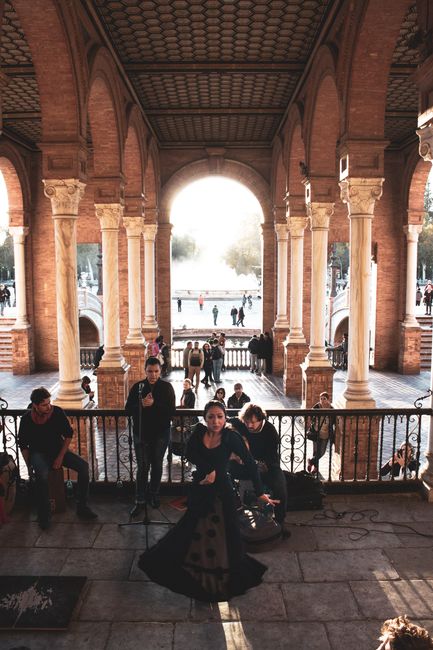
Bienal de Flamenco
Held in even-numbered years, the 2026 edition of the world’s most prestigious flamenco festival runs from 9 September to 3 October 2026 across venues including the Teatro de la Maestranza, Teatro Lope de Vega, and the Real Alcazar gardens. Leading dancers, guitarists, and cantaores converge on the city for a month of performances ranging from traditional to boldly experimental flamenco. Tickets for headline shows sell out quickly given the festival’s international reputation, so booking a few months ahead is strongly advised for marquee names. Smaller peñas (flamenco clubs) around the city often host informal fringe performances during the same weeks, offering a more intimate, less expensive alternative. This is the definitive way to experience flamenco at its highest level, in the art form’s spiritual home.
Tips for Events Calendar
- Book flights and hotels many months ahead for Semana Santa and Feria de Abril, when prices in Seville spike sharply and rooms sell out.
- During Semana Santa, download or print a printed itinerary since street closures change daily and processions can run hours behind schedule.
- At Feria de Abril, most public casetas welcome visitors without an invitation, but many of the largest tents remain private members-only.
- Summer festivals like the Vela de Santa Ana are best enjoyed after sunset, since daytime temperatures in Seville regularly exceed 40 degrees Celsius in July.
- For the Bienal de Flamenco, buy tickets to major venue shows as soon as the program is released, and ask locally about free fringe performances in neighborhood peñas.
Real, highly-rated Restaurants in Seville, sourced from Google Places (rating above 4★).
Restaurante Marroquí La Alcoba
Restaurante Marroquí La Alcoba is a highly-rated restaurant in Seville, rated 4.8★ from 891 reviews. Located at C/ de Sta. Clara, 65, Casco Antiguo, 41002 Sevilla, Spain.
Opening Hours
- Monday: Closed
- Tuesday: 7:00 AM – 5:00 PM
- Wednesday: 7:00 AM – 5:00 PM
- Thursday: 7:00 AM – 5:00 PM
- Friday: 7:00 AM – 5:00 PM, 8:00 PM – 12:00 AM
- Saturday: 9:00 AM – 5:00 PM, 8:00 PM – 12:00 AM
- Sunday: 9:00 AM – 5:00 PM
Restaurante La Cochera del Abuelo
Restaurante La Cochera del Abuelo is a highly-rated restaurant in Seville, rated 4.8★ from 886 reviews. Located at C. Álvaro de Bazán, 2, Casco Antiguo, 41002 Sevilla, Spain.
Opening Hours
- Monday: 7:30 – 11:00 PM
- Tuesday: 7:30 – 11:00 PM
- Wednesday: 7:30 – 11:00 PM
- Thursday: 1:30 – 3:00 PM, 8:00 – 10:30 PM
- Friday: 1:30 – 3:00 PM, 8:00 – 10:30 PM
- Saturday: Closed
- Sunday: Closed
Gascona
Gascona is a highly-rated restaurant in Seville, rated 4.8★ from 2997 reviews. Located at C. Castilla, 22, 41010 Sevilla, Spain.
Opening Hours
- Monday: 1:30 – 4:30 PM, 8:30 PM – 12:00 AM
- Tuesday: 1:30 – 4:30 PM, 8:30 PM – 12:00 AM
- Wednesday: 1:30 – 4:30 PM, 8:30 PM – 12:00 AM
- Thursday: 1:30 – 4:30 PM, 8:30 PM – 12:00 AM
- Friday: 1:30 – 4:30 PM, 8:30 PM – 12:00 AM
- Saturday: 1:30 – 4:30 PM, 8:30 PM – 12:00 AM
- Sunday: 1:30 – 4:30 PM
Explore Seville on the Map
Optimal Seasons
Spring (March-May) is the ideal time to visit Seville. Temperatures range from 15-25°C (59-77°F), perfect for sightseeing. The city bursts with orange blossoms, and major events like Semana Santa (Holy Week, usually March/April) and the Feria de Abril (April Fair, two weeks after Easter) showcase Seville at its most vibrant. Gardens are in full bloom, and outdoor dining is delightful.
Fall (September-November) is the second-best period. After the intense summer heat subsides, temperatures moderate to 18-28°C (64-82°F) in September and cool further in autumn. Tourist crowds thin out, hotel prices drop, and the city returns to normal life. Cultural events resume, and the weather is excellent for exploring.
Seasons to Avoid or Prepare For
Summer (June-August) brings extreme heat with temperatures regularly exceeding 40°C (104°F) in July and August. Many locals leave the city, some businesses close, and midday sightseeing is challenging. However, prices are lower, and fewer tourists mean shorter lines at monuments. If visiting in summer, plan indoor activities during peak heat (2-6 PM), stay hydrated, and seek accommodation with air conditioning.
Winter (December-February) is mild (10-17°C / 50-63°F) compared to northern Europe but can be rainy and occasionally chilly. Some outdoor attractions are less appealing, but Christmas decorations create festive atmosphere, and you'll experience authentic local life without tourist crowds.
| Month | Avg High/Low | Rainfall | Crowd Level |
|---|---|---|---|
| January | 16°C / 5°C | 65mm | Low |
| April | 23°C / 11°C | 57mm | Very High |
| July | 36°C / 20°C | 2mm | Medium |
| October | 26°C / 14°C | 62mm | Medium |
Arriving in Seville
By Air: Seville Airport (SVQ) is 10km from the city center. The EA Airport Bus runs every 15-30 minutes to the city center (€6 single; €8 return valid on the day of purchase and the next day; about 35 minutes). Taxis cost €22-25 to the center (€27-30 at night/weekends). Uber and Cabify are available. Major airlines connect Seville to European cities, with Ryanair and Vueling offering budget options.
By Train: Santa Justa Station connects to Madrid (2.5 hours), Córdoba (45 minutes), Barcelona (5.5 hours), and other cities via high-speed AVE trains. Book in advance at renfe.com for discounts. The station is 1.5km northeast of the center, accessible by bus C1, C2 or taxi.
By Bus: The Plaza de Armas and Prado de San Sebastián bus stations serve regional and national routes. ALSA is the main operator for long-distance buses, often cheaper but slower than trains.
Getting Around Seville
Walking: The historic center is compact and pedestrian-friendly. Most major attractions are within 20-30 minutes' walk. Comfortable shoes are essential for cobblestone streets.
Metro: The single metro line connects suburbs to the center but has limited usefulness for tourists. It is handy for San Bernardo station but does not serve the airport.
Bus: Tussam operates comprehensive bus network. Single tickets (€1.40) are sold on board; a one-day tourist card costs €5 plus a €1.50 refundable deposit, and multi-trip cards are sold at kiosks and Tussam points. Useful routes include C5 (circular route around center) and buses to Parque María Luisa. Buy tickets onboard or at tobacco shops.
Tram: A single tram line (T1) runs from Plaza Nueva via San Bernardo to Nervión, useful for certain journeys but limited scope.
Bicycle: Seville is Spain's most bike-friendly city with 180km of bike lanes. Sevici is the public bike-share system (with one-day, weekly and annual subscriptions). Private rental shops offer hourly/daily rentals (€10-15/day). Cycling is ideal for reaching parks and exploring neighborhoods.
Taxi & Rideshare: Taxis are metered and reasonably priced. Uber and Cabify operate throughout the city. Useful for late nights or when tired from heat.
Horse Carriages: Traditional coches de caballos offer romantic tours (€45-50 for 45 minutes). Find them at Plaza del Triunfo, Plaza de España, and other major squares. Negotiate price before boarding.
✈️ Airport Transfer
Seville Airport (SVQ) to city center:
- Express Bus EA: Runs every 30 minutes to Plaza de Armas and the city center in about 35 minutes, tickets cost €6 (€8 return, valid that day and the next)
- Taxi: Fixed rate of around 25 to 30 euros to the city center, roughly 20 minutes depending on traffic
- Private Transfer: Pre-booked door-to-door minivan service takes about 20 minutes and costs around 35 to 45 euros per vehicle
- Car Rental: Multiple agencies operate desks in the arrivals hall, with economy cars available from around 30 euros per day
What to Buy
Ceramics & Tiles: Andalusian azulejos (ceramic tiles) and pottery are iconic souvenirs. Triana is the traditional ceramics district - visit shops along Calle San Jorge and Calle Alfarería for hand-painted pieces, plates, bowls, and decorative tiles. Cerámica Santa Ana is highly recommended.
Fans (Abanicos): Decorative hand fans range from inexpensive tourist versions to handcrafted works of art. Casa Rubio on Calle Sierpes has been making quality fans since 1858.
Shawls & Textiles: Embroidered silk shawls (mantones), flamenco dresses, and lace mantillas are traditional purchases. Quality varies widely - shops around the Cathedral cater to tourists while specialty stores offer authentic pieces.
Food Products: Bring home jamón ibérico (vacuum-packed), local olive oil, sherry vinegar, membrillo (quince paste), polvorones (almond cookies), and turr (nougat). The Mercado de Triana and specialized gourmet shops offer excellent selections.
Flamenco Items: Authentic flamenco shoes, castanets, guitars, and music are available in specialized shops. Compás Sur offers quality flamenco accessories.
Leather Goods: Spanish leather is renowned for quality. Look for bags, belts, and accessories in shops throughout the center.
Shopping Areas
Calle Sierpes & Calle Tetuán: The main pedestrian shopping streets feature international brands, Spanish chains (Zara, Mango), and traditional shops. Good for general shopping and window browsing.
Triana Market: The renovated Mercado de Triana combines fresh food stalls with artisan shops. Perfect for gourmet food products and authentic ceramics. Open mornings and early afternoons.
Calle Feria: Thursday's El Jueves flea market on Calle Feria is Seville's largest, selling antiques, clothing, crafts, and bric-a-brac. Arrive early for best finds. The street also hosts permanent antique shops.
Alameda de Hércules: Sunday flea market features vintage clothing, crafts, and art. The surrounding streets have independent boutiques and vintage shops.
Centro Comercial Nervión Plaza: Modern shopping mall near the stadium with Spanish and international brands, cinema, and restaurants. Useful for practical purchases.
Shopping Tips
- Shops typically open 10:00-14:00 and 17:00-20:30, closed Sunday afternoons and sometimes Saturday afternoons
- Siesta closures (14:00-17:00) are common in smaller shops
- VAT refunds available for non-EU residents at participating stores (Spain has no minimum spend)
- Bargaining is not customary except at flea markets and with street vendors
- Credit cards widely accepted but small shops may prefer cash
- For ceramics, check if international shipping is available for fragile items
Major Annual Events
Semana Santa (Holy Week): Usually March or April, the week before Easter. Seville's most important religious celebration features elaborate processions with massive pasos (floats) carrying religious statues through streets, accompanied by hooded penitents, brass bands, and saetas (flamenco-style laments). Over 60 brotherhoods participate, and the atmosphere is intensely emotional. Streets fill with spectators day and night. Book accommodation months in advance and expect higher prices.
Feria de Abril (April Fair): Two weeks after Easter, this week-long festival transforms the Los Remedios fairground into a temporary city of colorful casetas (decorated tents). Sevillians dress in traditional attire - women in vibrant flamenco dresses, men in short jackets. While many casetas are private, some are public, and the fairground's streets are open to all. Expect horse parades, sherry, dancing, and revelry until dawn. The fair represents Sevillian culture at its most joyful and exuberant.
Bienal de Flamenco: Every two years (even years) in September-October, the Flamenco Biennial attracts the world's top flamenco artists for concerts, workshops, and special performances across venues citywide. An unmissable event for flamenco enthusiasts.
Corpus Christi: June (60 days after Easter). Religious procession features the Seises (choristers) dancing in the Cathedral. Streets are decorated, and the cathedral displays its most valuable treasures.
Noche en Blanco: One night in October, museums, monuments, and cultural spaces open for free with special exhibitions, concerts, and performances until dawn. The city becomes an open-air cultural festival.
Public Holidays & Closures
Major holidays when attractions may close or have reduced hours:
- January 1: New Year's Day
- January 6: Epiphany (Three Kings)
- In Andalusia’s 2026 work-holiday calendar, Maundy Thursday and Good Friday are holidays; Easter Monday is not listed.
- May 1: Labor Day
- August 15: Assumption of Mary
- October 12: National Day of Spain
- November 1: All Saints' Day
- December 6: Constitution Day
- December 8: Immaculate Conception
- December 25: Christmas Day
Note: Many shops and restaurants close on Sundays. Restaurants may close in August when locals take vacation. Always check specific attraction hours during holidays.
5 Perfect Day Itineraries
Day 1: Historic Heart & Icons
Morning (9:00-13:00): Start early at the Real Alcázar (arrive at opening to beat crowds). Spend 2-3 hours exploring the palace and gardens. Exit and walk through Barrio Santa Cruz's charming lanes to the Cathedral. Visit the Cathedral and climb La Giralda for panoramic views.
Lunch (13:30-15:00): Tapas lunch in the Santa Cruz quarter or near Plaza del Salvador. Try Bodega Santa Cruz or La Azotea.
Afternoon (15:30-18:00): Walk to Plaza de España via Jardines de Murillo. Spend time photographing the plaza and possibly rent a rowboat. Stroll through Parque de María Luisa.
Evening (18:30-20:30): Walk along the river to Torre del Oro and across Triana Bridge. Explore Triana neighborhood and Calle Betis riverside. Watch sunset from the bridge or a riverside bar.
Night (21:00+): Dinner in Triana followed by an authentic flamenco show at a traditional venue.
Day 2: Art, Culture & Neighborhoods
Morning (10:00-12:30): Visit the Museum of Fine Arts to see masterworks by Murillo and Zurbarán. Explore the peaceful courtyards and major galleries.
Lunch (13:00-14:30): Lunch near the museum or in the Centro area. Try Eslava for innovative tapas.
Afternoon (15:00-17:30): Visit Metropol Parasol (Las Setas) for modern contrast and rooftop views. Walk through Plaza de la Encarnación's market. Continue to Museo del Baile Flamenco to learn about flamenco history.
Late Afternoon (18:00-20:00): Shopping and strolling along Calle Sierpes and surrounding pedestrian streets. Stop for coffee and pastries at a traditional cafe.
Evening (20:30-23:00): Progressive tapas dinner, hopping between bars in El Centro or Arenal district. Experience the social ritual of ir de tapas.
Day 3: Churches, Markets & Local Life
Morning (9:30-12:00): Visit Hospital de los Venerables in Santa Cruz, then walk to Iglesia del Salvador. Continue to Plaza de la Alfalfa for morning market atmosphere.
Late Morning (12:00-14:00): Explore Mercado de Triana, sampling at food stalls and browsing artisan ceramics. Great spot for market breakfast or early lunch.
Afternoon (15:00-17:30): Visit Basílica de la Macarena and its museum showcasing Holy Week treasures. Walk through the authentic Macarena neighborhood.
Late Afternoon (18:00-20:00): Head to Alameda de Hércules to experience the bohemian quarter. Browse vintage shops and street art.
Evening (20:30+): Dinner in the Alameda area at a trendy restaurant or gastrobar. The neighborhood comes alive at night with bars and young energy.
Day 4: River, Relax & Hidden Gems
Morning (10:00-12:00): Take a Guadalquivir River cruise for a different perspective on the city. Relax and enjoy views of landmarks from the water.
Midday (12:30-15:00): Visit Triana Ceramic Centre to learn about the neighborhood's pottery tradition. Lunch at one of Triana's authentic neighborhood taverns.
Afternoon (15:30-18:00): Visit Andalusian Centre of Contemporary Art in the Monasterio de La Cartuja. Explore the monastery's historic spaces and modern exhibitions.
Late Afternoon (18:30-20:30): Return to city center and visit lesser-known gems like Casa de Pilatos (if time permits) or simply relax in Jardines de Murillo.
Evening (21:00+): Rooftop dinner at a restaurant with Giralda views. Many hotels and restaurants have scenic terraces perfect for sunset dining.
Day 5: Day Trip Options
Option A - Córdoba: Take early AVE train (45 min). Visit the Mezquita-Catedral, wander the Jewish Quarter, see the Roman Bridge, and visit the Alcázar gardens. Return by evening train.
Option B - Ronda: Drive or take bus (2 hours) to this dramatic clifftop town. See Puente Nuevo bridge, Plaza de Toros, and enjoy mountain scenery. Return by evening.
Option C - Jerez & Cádiz: Morning in Jerez for sherry bodega tour and horse show. Afternoon in coastal Cádiz for beach, old town, and fresh seafood. Requires car or organized tour.
Option D - Relaxed Seville: Sleep late, revisit favorite spots, take a cooking class or flamenco lesson, shop for souvenirs, enjoy long lunch, and experience Seville at a slower pace.
General Tips: These itineraries are suggestions - adjust based on interests, energy, and weather. Always book major attractions (Alcázar, flamenco shows) in advance. Factor in siesta time (14:00-17:00) when some smaller attractions close. Stay hydrated and seek shade during hot months. Evening activities start late in Seville - dinner rarely begins before 21:00-22:00.
Best Instagram & Photography Locations
1. Plaza de España
Best Time: Golden hour (1 hour before sunset) or blue hour (just after sunset). Morning light also good (9:00-11:00).
Shots: The full semicircular panorama from the center, closeups of the ceramic province alcoves, rowboats on the canal, architectural details of bridges and towers. The building's reflection in the canal at sunrise is magical.
Tips: Arrive early to avoid crowds. The north side (opposite the canal) offers great elevated perspectives. Consider visiting on a cloudy day for dramatic skies.
2. Barrio Santa Cruz Alleys
Best Time: Early morning (8:00-10:00) for empty streets with soft light, or late afternoon (18:00-20:00) for warm tones.
Shots: Narrow whitewashed lanes with flower-laden balconies , ornate iron gates revealing private courtyards, colorful ceramic tiles on doorways, orange trees framing views of the Giralda.
Tips: Callejón del Agua, Plaza de Santa Cruz, and Calle Vida are particularly photogenic. Look up for hanging flowers and down for decorative tiles. Ask permission before photographing private courtyards.
3. Triana Bridge at Sunset
Best Time: 30 minutes before sunset through blue hour. The Giralda and Cathedral are beautifully backlit.
Shots: Silhouette of the Giralda reflected in the Guadalquivir, colorful buildings along Calle Betis, the bridge's ironwork details, street life along the riverfront.
Tips: Shoot from both the bridge itself and from the Triana riverfront. A telephoto lens helps compress the scene with the Giralda. The blue hour provides the best color balance between sky and city lights.
4. Metropol Parasol Rooftop
Best Time: Sunset for 360-degree city views, or night for dramatic lighting.
Shots: The honeycomb wooden structure from below in Plaza de la Encarnación, panoramic city views from the top walkway, architectural abstract details of the waffle structure.
Tips: The structure itself is most photogenic from ground level at various angles. The rooftop offers unobstructed views of the city. Go at blue hour for the best of both perspectives.
5. Alcázar Gardens
Best Time: Morning (9:00-11:00) for soft light in the courtyards, afternoon (16:00-18:00) for golden light in the gardens.
Shots: The Patio de las Doncellas with its reflective pool, intricate Mudéjar tile work and archways, pavilions surrounded by hedges, the Mercury Pond, peacocks roaming the grounds.
Tips: Arrive at opening time (9:30) for emptier courtyards. The reflection pool in Patio de las Doncellas works best when still. Use a wide-angle lens for architectural details and courtyards.
6. Cathedral from Calle Placentines
Best Time: Late afternoon to sunset for warm light on the cathedral's stones.
Shots: The massive cathedral walls and Gothic architecture from street level with orange trees in foreground, close-up architectural details, the Giralda tower framed by narrow streets.
Tips: The narrow streets around the cathedral create dramatic perspectives. Calle Alemanes and Avenida de la Constitución also offer excellent angles. Include people for scale to show the cathedral's immensity.
7. Parque de María Luisa
Best Time: Morning (8:00-10:00) for misty, romantic light through trees, or late afternoon for golden light.
Shots: Tree-lined paths with dappled light, ornate ceramic benches and fountains, Plaza de América's museums framed by gardens, the Monte Gurugú lookout, peacocks and ducks.
Tips: The park offers endless opportunities. Look for leading lines with paths and rows of trees. The Glorieta de Bécquer is particularly photogenic. Cloudy days work well for the lush greens.
8. Torre del Oro & Riverfront
Best Time: Early morning for river mist, or sunset for golden light on the tower.
Shots: The tower reflected in the river, longexposure shots with palm trees and moving water, the tower framed by the Triana Bridge, riverside promenades with the tower in background.
Tips: Shoot from the opposite riverbank for full tower reflection. Use a polarizing filter to enhance the water. The adjacent Paseo de Cristóbal Colón offers multiple vantage points.
9. Las Setas from Ground Level
Best Time: Blue hour when the structure is illuminated (approximately 30-45 minutes after sunset).
Shots: Looking up through the waffle structure with sky visible, abstract patterns of the wooden lattice, the market below, silhouettes of people against the structure.
Tips: Get low and shoot upward for dramatic perspectives. The structure's lighting changes colors at night. A wide-angle lens captures the scale. Black and white processing emphasizes the geometric patterns.
10. Hidden Courtyards & Details
Best Time: Midday for even lighting in shaded courtyards.
Shots: Doorways with colorful ceramic name plates, wrought-iron window grilles with flowers, azulejo tile details, wooden carved doors, intimate courtyards glimpsed through gates.
Tips: Always ask permission before photographing private spaces. The best details are found by wandering without a map. Santa Cruz, Triana, and Alameda neighborhoods offer the most photogenic details. Zoom in on textures and colors for abstract compositions.
Photography Tips for Seville
- Light: Summer light is harsh from 12:00-17:00. Shoot during golden hours or seek shade for portraits and details
- Weather: Slightly cloudy days can be excellent for even lighting and dramatic skies
- Equipment: A wide-angle lens (16-35mm) is essential for architecture and narrow streets. A 50mm or 85mm works well for details and portraits
- Crowds: Visit popular spots very early (before 9:00) or during siesta (14:00-17:00) for fewer people
- Respect: Be mindful of locals and religious spaces. Don't block traffic in narrow streets. Ask before photographing people
- Permissions: Interior photography is prohibited in the Cathedral. The Alcázar allows photos but no tripods. Flash is generally not permitted in museums
- Drone Rules: Drones are heavily restricted in Seville's historic center and near monuments. Check regulations before flying
Power & Plugs
Voltage: Spain operates on 230V, 50Hz electrical system, which is standard for Europe.
Plug Types: Spain uses Type C (two round pins, Europlug) and Type F (two round pins with two earth clips on the side, known as 'Schuko'). Both types fit the same sockets.
Travelers from North America (USA, Canada, Mexico): You will need both a plug adapter AND a voltage converter if your devices aren't dual voltage (110-230V). Most modern electronics (phones, laptops, cameras) are dual voltage - check the label. Older hair dryers, curling irons, and some appliances may not be, and will require a converter or you should purchase a European version.
Travelers from UK/Ireland: UK plugs (Type G, three rectangular pins) require an adapter. No voltage converter needed as UK operates on 230V.
Travelers from Australia/New Zealand: You'll need a plug adapter (Type I to Type C/F). Voltage is compatible (230V/240V) so no converter needed for most devices.
Travelers from Asia: Most Asian countries use different plug types. Japan uses 100V (converter needed). China uses 220V (adapter only). Check your specific country's specifications.
Purchasing Adapters
Buy adapters before you travel for better prices and selection. Universal travel adapters work but can be bulky. In Seville, adapters are available at:
- Airport shops (expensive but convenient)
- Electronics stores like MediaMarkt or Fnac
- Department stores like El Corte Inglés
- Chinese bazaars (€1-2 for basic adapters)
- Larger hotels may loan adapters at reception
Charging Tips
- Hotels typically provide 230V outlets in rooms. Some newer hotels have USB charging ports
- Bring a power strip if traveling with multiple devices - lets you charge several items with one adapter
- Public USB charging ports available at airports, some cafes, and Metropol Parasol
- Portable battery banks recommended for full days of sightseeing
- Most cafes and restaurants allow charging if you're a customer - always ask first
Must-Try Dishes
Tapas Culture: Seville is a tapas capital where eating is a social ritual. Small plates are shared while standing at bars, hopping from place to place (ir de tapas). Order beer, wine, or sherry to accompany your food.
Essential Sevillian Dishes
Pescaíto Frito: Lightly battered and fried small fish (anchovies, squid, shrimp) served hot in paper cones. A classic Andalusian tapa best enjoyed with cold beer.
Salmorejo: Thick, creamy cold tomato soup from Córdoba but beloved in Seville. Made with tomatoes, bread, olive oil, and garlic, topped with diced jamón and hard-boiled egg. Essential in summer.
Espinacas con Garbanzos: Spinach and chickpeas stewed with cumin, garlic, and sometimes pine nuts. A hearty Seville specialty showing Moorish influence. Often includes a slice of bread soaked in the sauce.
Jamón Ibérico: Premium cured ham from acorn-fed black Iberian pigs. Jamón de bellota is the highest grade. Served thinly sliced, melting on the tongue. An essential Spanish experience.
Rabo de Toro: Oxtail stew braised until tender, a rich dish traditionally associated with bullfighting culture. Best in traditional restaurants during cooler months.
Carrillada: Braised pork or beef cheeks in rich sauce, incredibly tender. Often served with mashed potatoes or fries.
Gazpacho: Cold soup of raw blended vegetables (tomatoes, peppers, cucumber, garlic, olive oil). Refreshing in summer heat. Thinner and more liquid than salmorejo.
Montadito de Pringá: Small sandwich filled with pringá - shredded meats (pork, chorizo, blood sausage) left over from cooking cocido stew. Rich and flavorful.
Pavías de Bacalao: Salt cod pieces in thick batter, deep-fried until golden. Often served with roasted red peppers. A bar classic.
Huevos a la Flamenca: Baked eggs with vegetables (tomato, peppers, peas) and chorizo, served in individual clay dishes. Comfort food with regional flair.
Desserts & Sweets
Torrijas: Spanish French toast soaked in milk, wine, or syrup, especially popular during Semana Santa (Holy Week). Served warm with cinnamon.
Pestiños: Fried dough strips coated in honey or sugar, flavored with anise and sesame. Traditional Christmas sweet but available year-round in convents.
Tocino de Cielo: 'Heavenly bacon' - an intensely sweet egg yolk custard with caramel, created by nuns. Dense and rich.
Yemas de San Leandro: Candied egg yolks from the San Leandro convent, sold through a rotating window. Historic sweet dating to the 16th century.
Where to Eat
Traditional Tapas Bars: Look for places packed with locals, standing room only, sawdust or tile floors, and Spanish-only menus. Avoid places with photos, multilingual menus, or empty at peak times (13:00-15:00, 20:00-22:00).
Recommended Areas:
- Triana: Calle Betis riverfront and inland streets for authentic neighborhood bars
- Alameda de Hércules: Trendy gastrobars with modern takes on classics
- Near Plaza Alfalfa: Traditional bars frequented by locals
- Arenal: Mix of tourist-friendly and authentic options
- Avoid: Immediate vicinity of Cathedral and Plaza de España for value
Dining Customs & Etiquette
- Meal Times: Lunch 14:00-16:00, dinner 21:00-23:00. Eating at 18:00 marks you as a tourist
- Tapas Etiquette: Stand at the bar, order drinks first, then point to tapas. Drop napkins and toothpicks on floor (traditional, though changing). Pay when leaving
- Raciones: Larger portions for sharing, typically 1.5-2x the size and price of tapas
- Bread & Cover: Bread at the table usually costs €0.50-1 per person (cubierto)
- Service: Service can seem slow - dining is leisurely. Flag down waiters when ready; they won't rush you
- Tipping: Not obligatory. Round up or leave 5-10% for good service. Bar tapas: leave small change
- Water: Ask for agua del grifo for free tap water, otherwise you'll be charged for bottled
Food Shopping
Mercado de Triana: Beautiful market with fresh produce, seafood, meats, and prepared foods. Great for breakfast or lunch at the bar stalls. Gourmet items make excellent souvenirs.
Traditional Products: Visit specialty shops for jamón ibérico (vacuum-sealed for travel), local olive oils, sherry vinegar, membrillo, turrones, and spices. El Corte Inglés supermarket has good gourmet section.
Dietary Considerations
Vegetarian: Improving but can be challenging. Look for pisto (vegetable stew), berenjenas con miel (eggplant with honey), espinacas con garbanzos (ask without meat), salads, and tortilla española.
Vegan: More difficult. Stick to vegetable tapas, salads (specify no tuna), gazpacho, patatas bravas, and international restaurants. Use app 'HappyCow' for vegan-friendly spots.
Gluten-Free: Growing awareness. Many restaurants offer sin gluten options. Fresh seafood, grilled meats, and vegetable dishes are naturally safe. Confirm preparation methods.
Allergies: Always communicate clearly. Carry an allergy card in Spanish. Cross-contamination can be an issue in busy kitchens.
Tourist Passes
Combined Cathedral & Giralda Ticket
Standard admission to both the Cathedral and Giralda tower. Essential visit included in almost every itinerary.
Price: €13 online or €14 at the ticket office (2026), including the Giralda; reduced €7/€8 for over-65s and students up to 25. On Sundays the cultural visit starts at 14:30. Free for children under 14 and locals.
Worth it if: You're visiting Seville (yes, this is non-negotiable for first-time visitors).
Tip: Book online to skip ticket office queues. Audio guide available for additional €4. Allow 1.5-2 hours for full visit.
www.catedraldesevilla.esReal Alcázar Tickets
Timed-entry tickets required for visiting the Royal Palace and gardens. One of Seville's must-see monuments.
Price: €15.50 general admission (2026); reduced rates for students. Free on Monday evenings (April-Sept 18:00-19:00, Oct-March 16:00-17:00) but requires advance booking.
Options: Standard visit, guided tours, special night visits in summer with flamenco performance in the gardens.
Worth it if: Essential for any Seville visit. The palace and gardens justify the price.
Tip: Book weeks in advance during high season (April-June). First time slot (9:30) is least crowded. Allow 2-3 hours minimum.
www.alcazarsevilla.orgSeville Free Walking Tours
'Free' walking tours operate on a tip-based model. Knowledgeable guides lead 2-3 hour tours through the historic center.
Includes: Overview of major monuments, historic neighborhoods, local stories, and orientation. Tours typically cover Cathedral exterior, Alcázar walls, Santa Cruz quarter, Plaza de España, and Triana.
Cost: Technically free but tips expected (€10-15 per person is standard for good tour).
Worth it if: You want historical context and local insights on a budget. Great for first day to get oriented.
Tip: Book in advance as tours fill up. Multiple companies operate - check reviews. Morning tours beat the heat.
More about Seville
Photo credits (39)
- Seville Cathedral (Catedral de Sevilla): photo by Ingo Mehling, CC BY-SA 4.0, via Wikimedia Commons
- La Giralda: photo by Ingo Mehling, CC BY-SA 4.0, via Wikimedia Commons
- Plaza de España: photo by Carlos Delgado, CC BY-SA 4.0, via Wikimedia Commons
- Torre del Oro (Golden Tower): photo by Jebulon, CC0, via Wikimedia Commons
- Archivo General de Indias: photo by Anual, CC BY 3.0, via Wikimedia Commons
- Hospital de los Venerables: photo by Anual, CC BY 3.0, via Wikimedia Commons
- Plaza de la Encarnación (Las Setas): photo by Anual, CC BY-SA 3.0, via Wikimedia Commons
- Triana: photo by Ajay Suresh from New York, NY, USA, CC BY 2.0, via Wikimedia Commons
- Alameda de Hércules: photo by Pirado, Public domain, via Wikimedia Commons
- El Arenal: photo by Frobles, CC BY-SA 4.0, via Wikimedia Commons
- Parque de María Luisa: photo by Gzzz, CC BY-SA 4.0, via Wikimedia Commons
- Ronda: photo by kallerna, CC BY-SA 4.0, via Wikimedia Commons
- Jerez de la Frontera: photo by Annie and Andrew, CC BY 2.0, via Wikimedia Commons
- Antique Theatre: photo by Anonymous (Greece)Unknown author, Public domain, via Wikimedia Commons
- Bienal de Flamenco: photo by Cornel Putan, CC BY 2.0, via Wikimedia Commons
- Casa de Pilatos: photo by Ajay Suresh from New York, NY, USA, CC BY 2.0, via Wikimedia Commons
- Palacio de las Dueñas: photo by Alonso de Mendoza, CC BY-SA 4.0, via Wikimedia Commons
- Petra: photo by Azurfrog, CC BY-SA 3.0, via Wikimedia Commons
- Real Alcázar of Seville: photo by Alvesgaspar, CC BY-SA 4.0, via Wikimedia Commons
- Flamenco Dance Museum (Museo del Baile Flamenco): photo by Schnobby, CC BY-SA 4.0, via Wikimedia Commons
- Church of El Salvador: photo by Jl FilpoC, CC BY-SA 4.0, via Wikimedia Commons
- Basilica de la Macarena: photo by Gzzz, CC BY-SA 4.0, via Wikimedia Commons
- Calle Sierpes: photo by CarlosVdeHabsburgo, CC BY-SA 4.0, via Wikimedia Commons
- Plaza del Triunfo: photo by Anual, CC BY-SA 4.0, via Wikimedia Commons
- Barrio Santa Cruz: photo by H. Zell, CC BY-SA 3.0, via Wikimedia Commons
- Alcázar Gardens: photo by Martinvl, CC BY-SA 4.0, via Wikimedia Commons
- Jardines de Murillo: photo by Grez, CC BY-SA 3.0, via Wikimedia Commons
- Flamenco Shows: photo by Holger Uwe Schmitt, CC BY-SA 4.0, via Wikimedia Commons
- Córdoba: photo by Anual, CC BY-SA 4.0, via Wikimedia Commons
- Granada & The Alhambra: photo by Joaquín Domínguez Bécquer, Public domain, via Wikimedia Commons
- Cádiz: photo by European Space Agency, CC BY-SA 2.0, via Wikimedia Commons
- Pista de Hielo (Seasonal Ice Rink): photo by CarlosVdeHabsburgo, CC BY-SA 4.0, via Wikimedia Commons
- Cabalgata de Reyes Magos: photo by Ateneo de Sevilla, CC BY-SA 3.0, via Wikimedia Commons
- Isla Magica Theme Park: photo by CarlosVdeHabsburgo, CC BY-SA 3.0, via Wikimedia Commons
- Parque del Alamillo: photo by CarlosVdeHabsburgo, CC BY-SA 4.0, via Wikimedia Commons
- Palacio de la Condesa de Lebrija: photo by Benjamin Smith, CC BY-SA 4.0, via Wikimedia Commons
- Hospital de la Caridad: photo by José Luis Filpo Cabana, CC BY 4.0, via Wikimedia Commons
- Antiquarium de Sevilla: photo by Eunostos, CC BY-SA 4.0, via Wikimedia Commons
- Restaurante Terraza De La O: photo by CarlosVdeHabsburgo, CC BY-SA 3.0, via Wikimedia Commons


_-_01.jpg)


.jpg)


.jpg)

_DSC_0560_(6271831479)_(cropped).jpg)


.jpg)


.jpg)
.jpg)

.jpg)


_Seville,_Spain_(49104522676)_(cropped).jpg)


.jpg)

