Seville's plazas and streets are living theaters where daily life unfolds against backdrops of historic architecture. From grand ceremonial squares to intimate plazuelas, these public spaces define the city's social rhythm and walkable charm.
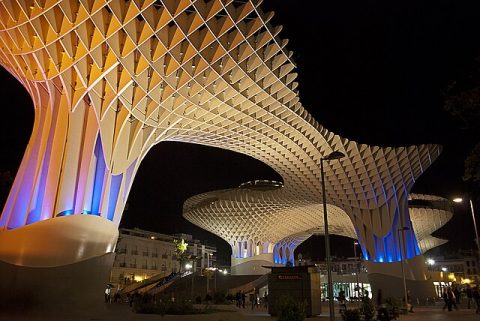
Plaza de la Encarnación (Las Setas)
Dominated by the controversial Metropol Parasol structure (nicknamed 'Las Setas' or 'The Mushrooms'), this plaza represents modern Seville. The wooden lattice structure, designed by Jürgen Mayer, houses a market, restaurants, and a rooftop walkway offering panoramic city views. Below lies the Antiquarium, displaying Roman and Moorish ruins discovered during construction. The plaza comes alive at night with its illuminated canopy and has become a popular gathering spot for locals and visitors alike.
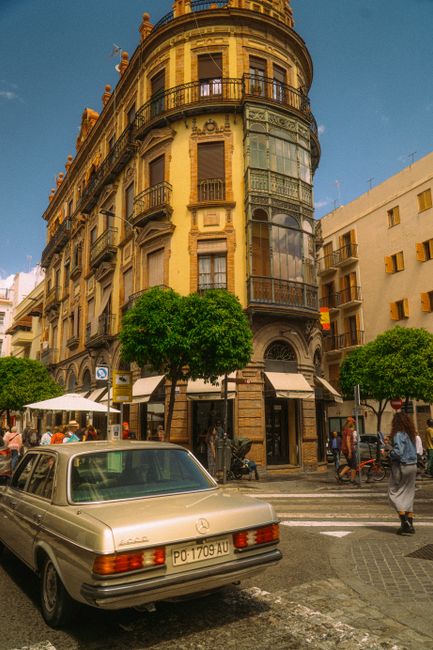
Calle Sierpes
Seville's most famous pedestrian shopping street has been the commercial heart of the city since medieval times. This narrow, winding street is lined with historic shops, cafes, and traditional establishments including centuries-old hat shops and candy stores. The street's elegant buildings feature ornate facades, and it's traditionally the place where Sevillians take their evening paseo (stroll). Look for plaques marking historic buildings and the spot where the famous Prison of Cervantes once stood.
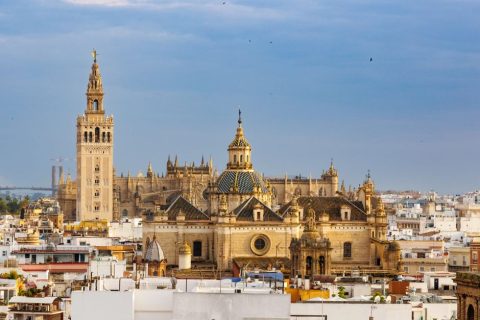
Plaza del Triunfo
This historic square connects three UNESCO World Heritage Sites: the Cathedral, the Alcázar, and the Archivo de Indias. The square's name commemorates the city's survival of the 1755 Lisbon earthquake. At its center stands a Baroque monument celebrating the Virgin Mary. The square offers perfect views of the Giralda tower and is often filled with horse-drawn carriages offering tours. Street performers, including flamenco dancers, frequently entertain in this atmospheric plaza surrounded by orange trees.
Tips for Squares & Streets
- Visit Las Setas at sunset for spectacular views from the walkway
- Calle Sierpes is pedestrian-only and perfect for evening strolls
- Horse carriage tours start from Plaza del Triunfo (negotiate price beforehand)
- Many squares have outdoor cafes - perfect for people-watching with a drink