Seville's churches and convents showcase centuries of religious devotion and architectural innovation, from Mudéjar chapels to Baroque masterpieces. These sacred spaces house priceless artworks and play central roles in the city's famous Holy Week celebrations.
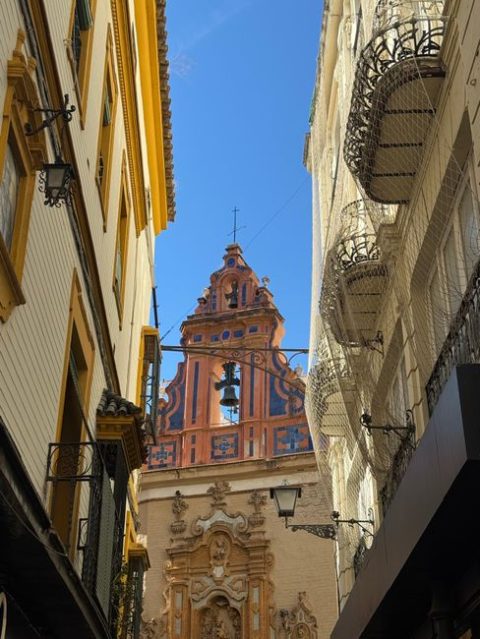
Church of El Salvador
Seville's second-largest church stands on the site of the city's first mosque. This Baroque masterpiece features an ornate facade and a stunning interior with elaborate altarpieces, including works by Montañés and Roldán. The church is particularly famous for its role in Semana Santa (Holy Week), when the Cristo del Amor and Virgen de las Aguas processions depart from here. The Patio de los Naranjos preserves elements of the original mosque, including horseshoe arches.
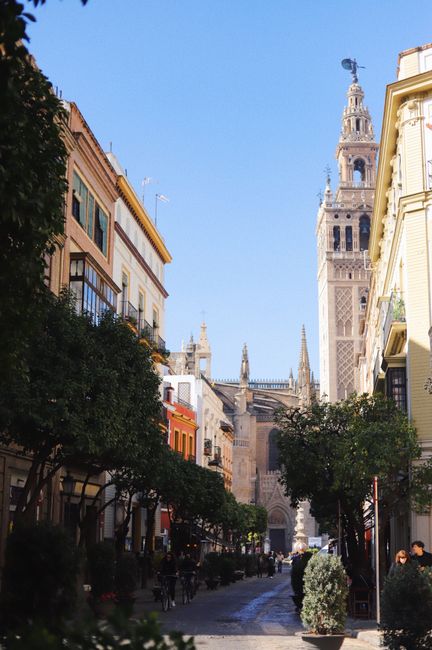
Basilica de la Macarena
Home to Seville's most beloved religious icon, the Virgen de la Macarena, this 20th-century basilica attracts thousands of devotees. The Virgin, with tears on her cheeks, wears a spectacular collection of jewelry and embroidered mantles. The attached museum displays the elaborate pasos (floats) used in Holy Week processions, including the ornate silver throne that carries the Virgin. The basilica's treasury contains precious gems, gold crowns, and centuries-old processional items that demonstrate the depth of Sevillian religious devotion.
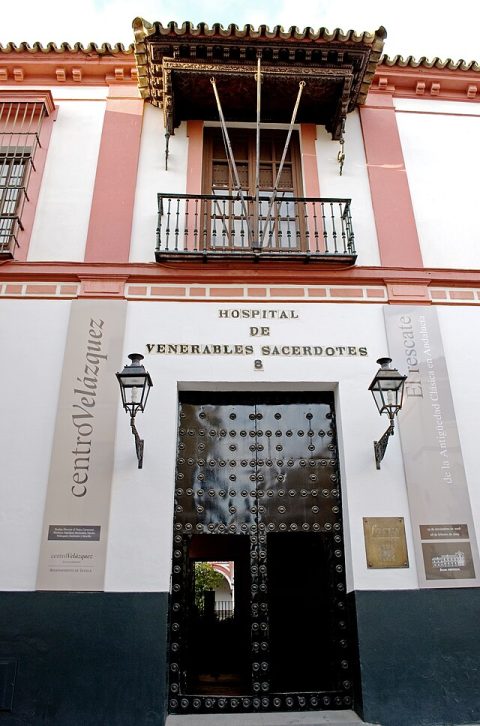
Hospital de los Venerables
This 17th-century Baroque hospital for elderly priests is now a cultural center showcasing art from the Focus-Abengoa Foundation. The building features a magnificent central courtyard with double-level arcades and a stunning church with frescoes by Juan de Valdés Leal. The collection includes works by Velázquez, Murillo, and other Spanish masters. The intimate scale and beautifully preserved frescoes create an almost secret atmosphere in the heart of the Santa Cruz quarter.
Tips for Religious Sites
- Combined tickets for the Cathedral and El Salvador church offer good value
- Dress modestly when visiting churches (covered shoulders and knees)
- Visit during Semana Santa (Holy Week) to witness spectacular religious processions
- Many churches have free admission but donations are appreciated