Beyond the queues at the Alcázar and Cathedral, Seville hides a quieter layer of Renaissance palaces, Roman relics, and Baroque chapels that most itineraries skip entirely. These spots reward travelers willing to wander a few streets off the postcard route, often with far fewer crowds and lower ticket prices.
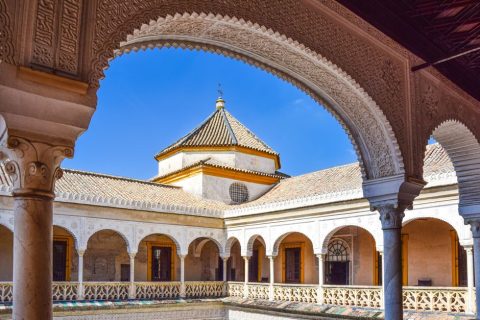
Casa de Pilatos
Often called the finest private palace in Seville, Casa de Pilatos blends Mudéjar plasterwork, Renaissance marble, and Gothic arches in a way even the grand Alcázar cannot match in intimacy. Built in the late 15th and early 16th centuries by the Enríquez de Ribera family, it takes its name from a legend that its proportions echo those of Pontius Pilate's house in Jerusalem. Wander the tiled patios, climb the frescoed staircase, and admire the collection of Roman busts and sarcophagi scattered through the gardens. Unlike the Alcázar, it rarely feels crowded, and the upper floor (accessible only by guided visit) reveals lavish 19th-century family apartments still furnished as they were. Give yourself at least an hour to linger in the courtyards, where orange trees and fountains create one of the most peaceful corners in the old city.
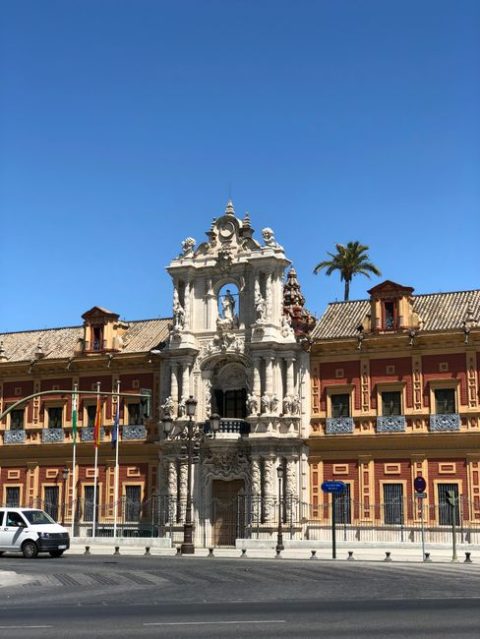
Palacio de las Dueñas
This 15th-century palace was the beloved Seville residence of the late Duchess of Alba, one of Spain's most storied aristocrats, and the birthplace of poet Antonio Machado. Palacio de las Dueñas mixes Mudéjar, Gothic, and Renaissance styles around a lush central courtyard filled with palms, jasmine, and birdsong, and unlike a museum it still feels genuinely lived-in, with family portraits and personal mementos left in place. Opened to the public only in 2016, it draws a fraction of the visitors that flock to the bigger monuments nearby, making it easy to explore at a relaxed pace. Docents point out tilework dating back centuries alongside more recent additions from the Alba family's long residence. Come in late morning when soft light filters through the patio's greenery for the best photographs of the tiled archways.
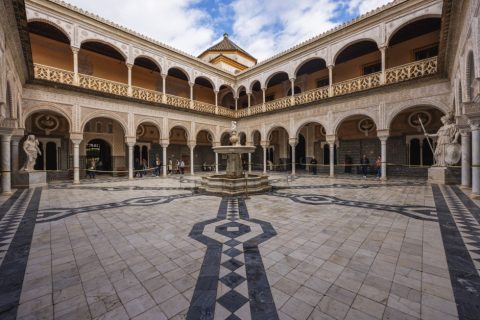
Palacio de la Condesa de Lebrija
Nicknamed the Palace of the Mosaics, this 16th-century mansion houses an extraordinary private collection assembled by the Countess of Lebrija, an early 20th-century archaeology enthusiast. The ground floor's showstopper is a set of genuine Roman mosaics lifted from the nearby ruins of Itálica and set directly into the floor, so visitors walk beside two-thousand-year-old artwork rather than viewing it behind glass. Upstairs, the countess's private apartments remain furnished with Renaissance ceilings salvaged from other Andalusian palaces, plus Phoenician, Visigothic, and Islamic artifacts she gathered over decades. It is one of the few places in Spain where in-situ Roman flooring can still be walked on rather than roped off. Guided tours of the upper floor run on a schedule, but the ground floor can be explored independently and rarely has more than a handful of other visitors.
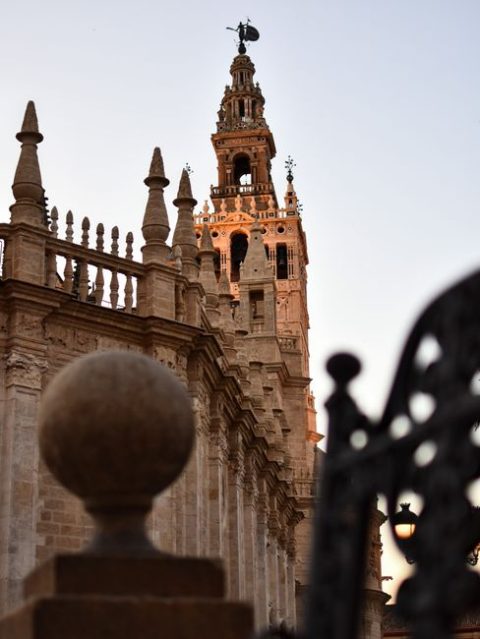
Hospital de la Caridad
Founded in the 17th century by a reformed nobleman, Miguel de Mañara, this working charitable hospital and church holds one of Seville's most powerful art collections, largely overlooked because it sits in the shadow of the Museum of Fine Arts. Its chapel is hung with unsettling vanitas paintings by Valdés Leal, depicting decay and mortality, alongside luminous works by Murillo commissioned specifically for the space. The building still functions as a care home for the elderly, giving it a lived-in, almost secretive atmosphere rather than the sterile feel of a typical museum. Visitors often describe the contrast between the gilded Baroque altarpiece and the stark memento-mori imagery as unexpectedly moving. Photography is restricted inside the chapel, so plan to simply sit with the artwork for a while rather than rushing through.
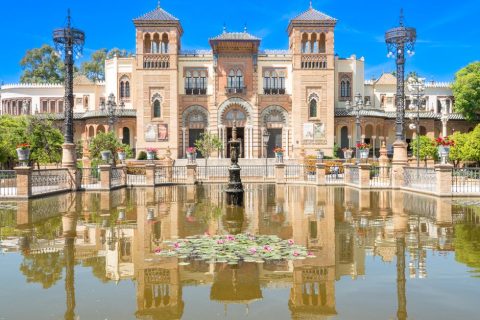
Antiquarium de Sevilla
Tucked beneath the base of the modern Metropol Parasol structure, the Antiquarium is an archaeological site most visitors walk right over without noticing. Excavations during the building's construction uncovered Roman houses with intact mosaic floors and hypocaust heating systems, plus later Moorish-era remains, all preserved in place and displayed through walkways below street level. It offers a rare chance to see continuous layers of Seville's history, from the 1st century through the Islamic period, in a single compact space. Because entry is separate from simply viewing the wooden structure above, many tourists never realize the ruins exist at all. Interpretive panels explain how the site fits into the city's development, and the cool underground setting is a welcome break from the summer heat. Combine a visit with the walkway viewpoint above for a fuller sense of old and new Seville stacked on top of each other.
Tips for Hidden Gems
- Visit Palacio de las Dueñas and Casa de Pilatos on the same morning, they are a short walk apart in the Santa Cruz area's quieter northern edge.
- The Antiquarium requires a separate ticket from simply viewing the Metropol Parasol above, buy it at the on-site counter.
- Palacio de Lebrija opens 10:00-18:00 (September-June) and 10:00-15:00 in July and August.
- Hospital de la Caridad is a functioning charity, so dress modestly and keep voices low in the chapel.