Seville's central location makes it an ideal base for exploring Andalusia's diverse attractions. From white villages to Roman ruins, sherry bodegas to Renaissance towns, unforgettable destinations lie within 1-2 hours of the city.
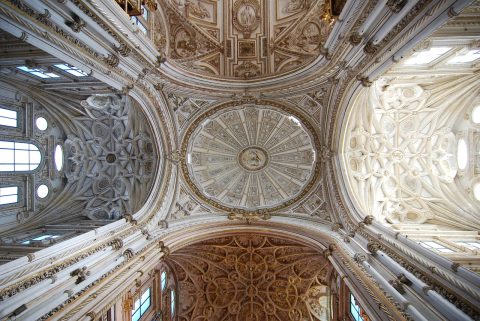
Córdoba
Just 45 minutes by train, Córdoba offers one of Spain's most magnificent monuments: the Mezquita-Catedral, a mosque-cathedral featuring a forest of 856 columns and double arches. The city's historic Jewish quarter (Judería) is a maze of whitewashed streets with flower-filled patios. Visit the Alcázar de los Reyes Cristianos with its beautiful gardens, the Roman Bridge spanning the Guadalquivir, and the fascinating Synagogue. In May, the Patio Festival opens private courtyards to the public. Córdoba's blend of Roman, Islamic, Jewish, and Christian heritage creates unique cultural layers.

Granada & The Alhambra
A 3-hour journey brings you to Granada and the breathtaking Alhambra, the pinnacle of Moorish architecture in Europe. This palace-fortress complex features the exquisite Nasrid Palaces with their intricate stucco work and the beautiful Generalife gardens. The city's Albaicín neighborhood offers winding Moorish streets and spectacular Alhambra views. Visit the Royal Chapel housing Catholic Monarchs' tombs and explore the atmospheric Arab quarter. Book Alhambra tickets months in advance as daily visitors are limited. The fusion of Islamic and Christian heritage makes Granada unforgettable.
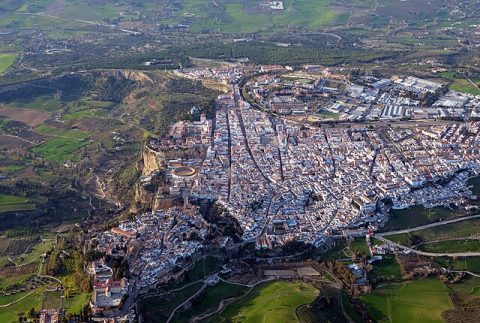
Ronda
This dramatic clifftop town is split by the 120-meter-deep El Tajo gorge, spanned by the iconic Puente Nuevo bridge. The views from the bridge and clifftop gardens are vertiginous and spectacular. Ronda claims to be the birthplace of modern bullfighting, with Spain's oldest bullring (Plaza de Toros) dating to 1785. Explore the historic old town, Moorish baths, and the clifftop Alameda del Tajo gardens. The surrounding countryside features white villages and wine country. Hemingway and Orson Welles were among many artists captivated by Ronda's dramatic setting and romantic atmosphere.
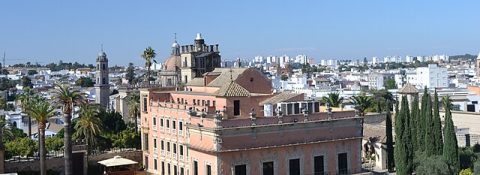
Jerez de la Frontera
The home of sherry wine and Andalusian horses, Jerez offers a distinctly different flavor of Andalusian culture. Tour historic bodegas like Tío Pepe, González Byass, or Sandeman to learn about sherry production and sample varieties from dry fino to sweet Pedro Ximénez. The Royal Andalusian School of Equestrian Art presents spectacular horse shows combining dressage and flamenco. Visit the Moorish Alcázar, the Cathedral, and authentic flamenco venues in the Santiago quarter. The city's relaxed pace and authentic character provide respite from busier tourist centers.
Pueblos Blancos (White Villages)
The White Villages route through the Sierra de Grazalema offers stunning mountain scenery and pristine whitewashed villages. Zahara de la Sierra crowns a hilltop with Moorish castle ruins and a turquoise reservoir below. Grazalema sits in Spain's wettest region with dramatic limestone scenery. Setenil de las Bodegas has houses built into rock overhangs. Arcos de la Frontera perches dramatically on a cliff edge. These villages preserve traditional Andalusian life, with narrow streets, flower-filled balconies, and local crafts. The route combines culture with nature in spectacular settings.
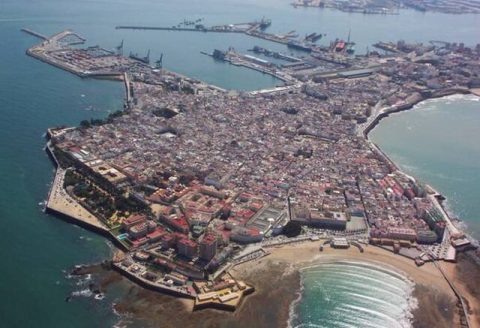
Cádiz
Europe's oldest continuously inhabited city, Cádiz sits on a peninsula surrounded by Atlantic waters. This port city features a distinctly different atmosphere with ocean breezes, golden beaches, and a maritime character. Walk the ancient city walls, climb the Baroque Cathedral's towers for ocean views, and explore the old town's narrow streets and plazas. The city is famous for Spain's most exuberant Carnival celebration. Sample fresh seafood in the Central Market neighborhood and relax on La Caleta beach. Cádiz's liberal history and seafaring traditions create a unique identity distinct from inland Andalusia.
Tips for Day Trips & Excursions
- Train service connects Seville to Córdoba, Granada, Jerez, and Cádiz - book in advance for best prices
- Rent a car for white villages and Ronda to explore at your own pace
- Alhambra tickets sell out months ahead - book immediately when dates are confirmed
- Guided day tours handle logistics but allow less flexibility than independent travel
- Start early to maximize time, especially for full-day destinations like Granada