Things to do in Split
Iconic structures and historical monuments that define Split's character, including the magnificent Diocletian's Palace and historic city gates.
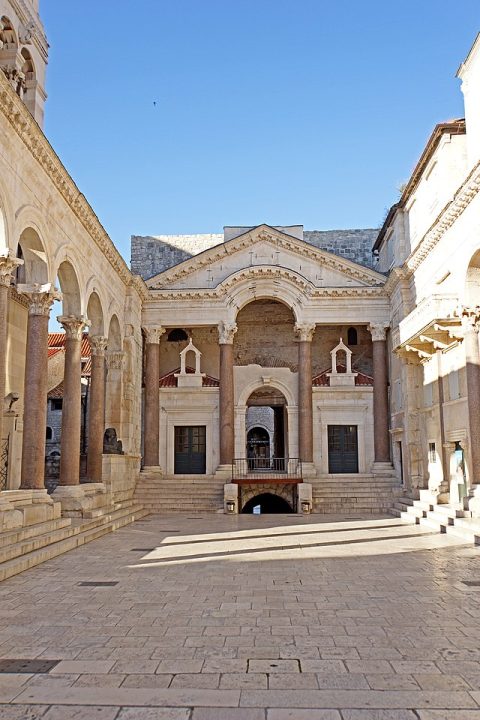
A colossal Roman palace built in 305 AD by Emperor Diocletian. This UNESCO World Heritage site is remarkably well-preserved, with underground chambers (basement), the Temple of Jupiter, and the Cathedral within its walls. The palace covers 30,000 square meters and is one of the most imposing Roman structures outside Italy. Wander through the narrow streets of the basement levels to see where Roman legionaries once stood guard.
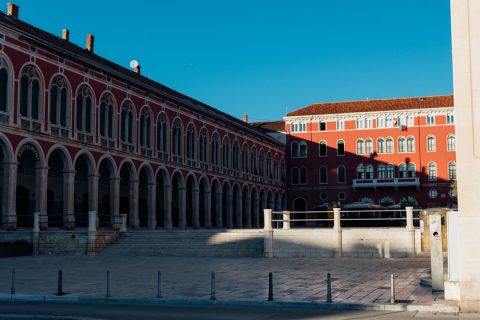
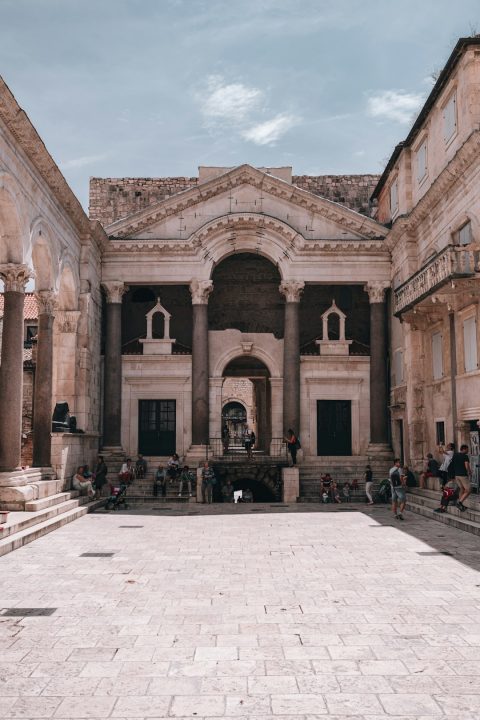
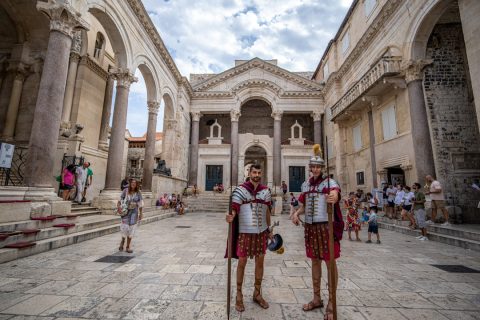
The stunning central courtyard of Diocletian's Palace featuring classical colonnades, the Cathedral entrance, and a lively atmosphere filled with musicians and visitors. This columned square represents authentic Roman architecture and serves as the beating heart of the palace complex. Great for photography, especially at sunset when golden light illuminates the columns.
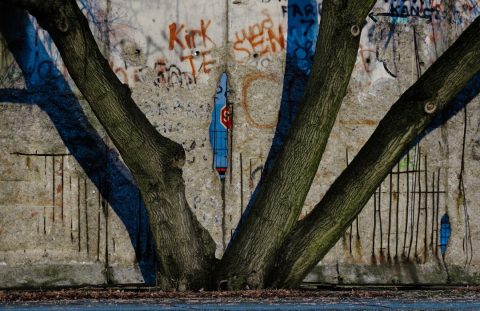
The historic fortification system surrounding Split, featuring impressive gates including the Iron Gate, Golden Gate, Silver Gate, and Bronze Gate. These defensive structures date back centuries and provide spectacular vantage points for photography and panoramic views of the Adriatic Sea and nearby islands. Perfect for a scenic walk with historical context at every corner.
Tips for Landmarks & Monuments
- Visit Diocletian's Palace early morning to avoid crowds and intense heat
- The basement level maintains cool temperatures even in summer
- Book cathedral entrance separately; it's not always included with palace access
- Sunset walks along the walls offer magical photography opportunities
Sacred spaces including the remarkable Cathedral of Saint Domnius, the oldest cathedral in the world still in use, and other churches showcasing centuries of spiritual heritage.
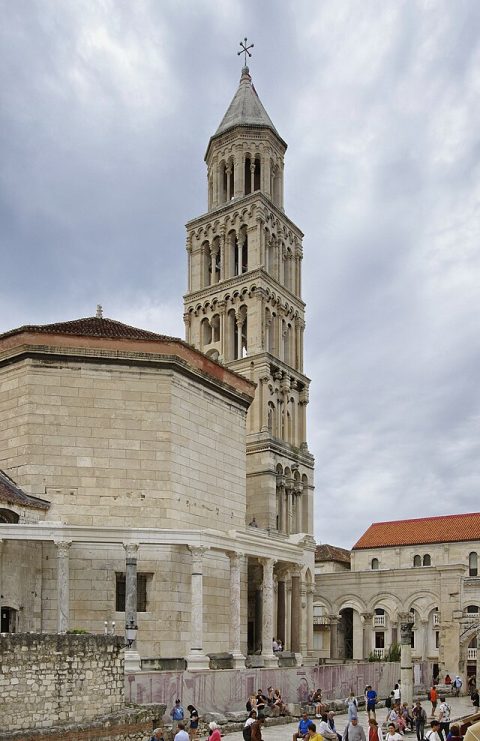
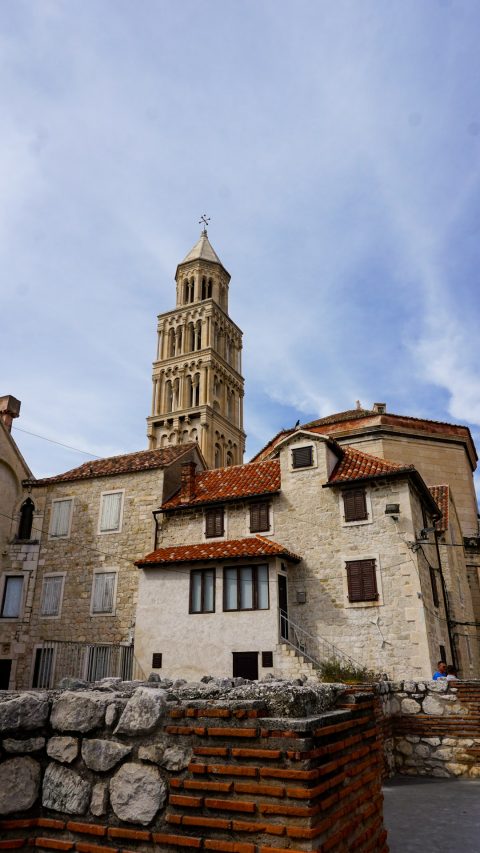
The world's oldest Catholic cathedral still in use, built within the ancient mausoleum of Emperor Diocletian (305 AD). The cathedral features a stunning bell tower offering 360-degree views of Split and the islands. Inside, admire the ornate marble altar, medieval paintings, and the tomb of Saint Domnius. The blend of Roman and medieval architecture makes this a must-see spiritual landmark and architectural masterpiece.
Located near the palace, this serene Franciscan church features a beautiful cloister garden, religious artworks, and peaceful courtyards. The monastery library contains valuable manuscripts. The Renaissance-influenced architecture and tranquil atmosphere provide a calm retreat from the bustling palace streets. The adjoining garden is one of the most peaceful spots in Split's old town.
Tips for Religious Sites
- Climb the cathedral bell tower for unbeatable city views (small entrance fee)
- Dress modestly when visiting; shoulders and knees should be covered
- Morning visits offer better lighting for interior photography
- The cathedral bell tower closes at sunset; visit in afternoon for views
Collections showcasing art, archaeology, maritime history, and cultural heritage from Split's rich past and contemporary scene.
Housed in the Cosmacendi Palace, this museum displays medieval coins, jewelry, weapons, and religious artifacts spanning from Roman times through the medieval period. The collection provides crucial context for understanding Split's layered history. The palace itself is architecturally significant with restored Renaissance rooms and period furnishings offering glimpses into how split's aristocracy once lived.

Dedicated to Croatia's most famous sculptor Ivan Mestrovic, this gallery occupies his former residence and studio. The collection includes his most celebrated works: sculptures, reliefs, and drawings showcasing his evolution as an artist. The building itself, designed in Art Deco style, complements the artistic presentation. Mestrovic's work captures the spiritual and emotional essence of Croatian culture.
This comprehensive museum houses extensive collections of Roman glass, coins, pottery, and stone inscriptions recovered from Split and surrounding regions. The collection beautifully illustrates the city's transformation from the Roman era through the Middle Ages. Notable items include mosaics, sculptures, and artifacts from Diocletian's period, offering deeper understanding of ancient Split's role as a major Roman port.
Tips for Museums & Galleries
- Many museums offer combined tickets at discounted rates
- Museum hours vary seasonally; check ahead in winter months
- Audio guides available in English at most major museums
- Photography typically not allowed in archaeological museums; ask staff first
Vibrant public spaces filled with Mediterranean atmosphere, local cafés, street performers, and excellent shopping opportunities.
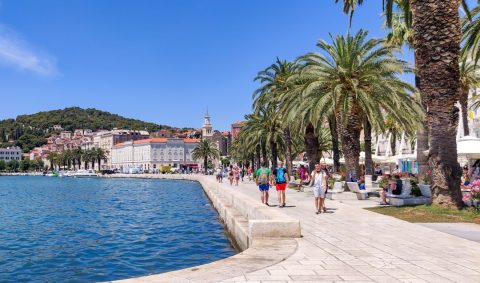
The iconic palm-lined waterfront stretching along the harbor, perfect for sunset strolls, seaside dining, and people-watching. This bustling promenade features numerous cafés, restaurants, and ice cream parlors with tables facing the sparkling Adriatic and nearby islands. Live music often fills the air during evening hours. The Riva is Split's main social hub where locals and tourists converge.
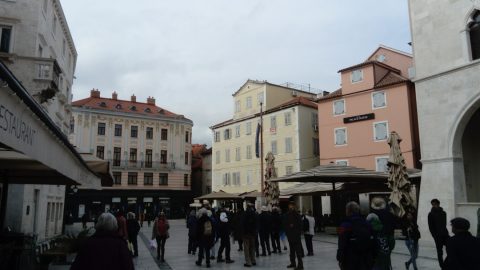
The historic main square of Split surrounded by impressive Renaissance-style buildings, the 15th-century Town Hall, and a notable defensive tower. This atmospheric plaza hosts markets, cultural events, and open-air performances. The surrounding arcaded buildings provide shade and character while the square itself serves as a meeting point and social space for both locals and tourists exploring the old town.
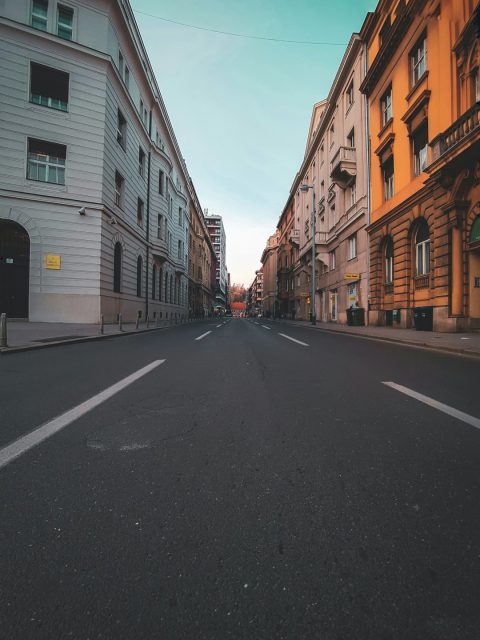
The main pedestrian shopping street featuring boutiques, gift shops, cafés, and restaurants. The tree-lined boulevard connects the waterfront to the palace area and is always lively with foot traffic. Excellent for souvenir shopping and casual dining. Street performers and musicians often perform here, adding to the vibrant Mediterranean atmosphere. An ideal place to experience the daily pulse of Split life.
Tips for Squares & Streets
- Avoid the Riva during midday heat; visit early morning or evening
- Prices at waterfront venues are notably higher than side streets
- Street markets operate mornings and early afternoons in Narodni Trg
- Marmontova Street is best explored early morning before crowds arrive
Distinct districts offering unique character, from the ancient palace district to bohemian quarters and seaside neighborhoods with local charm.
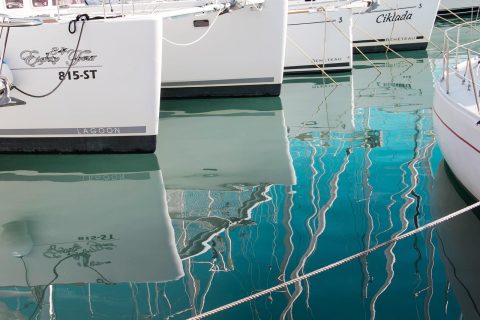
The bohemian heart of Split located just outside the palace walls, featuring narrow winding streets, local bars, vintage boutiques, and authentic restaurants serving traditional Dalmatian cuisine. This neighborhood retains a gritty, artistic charm with graffiti murals, independent galleries, and a younger vibe. It's where locals actually live and socialize, offering an authentic slice of Split life far from tourist-heavy areas.

A lively seaside district famous for its shallow pebbly beach, beach volleyball courts, and the traditional game of picigin (throwing a small ball in the water). Lined with beach bars, restaurants, and hotels, this area buzzes with energy and is popular with locals year-round. The neighborhood combines Mediterranean beach culture with vibrant nightlife, offering a different perspective on Split than the historic center.
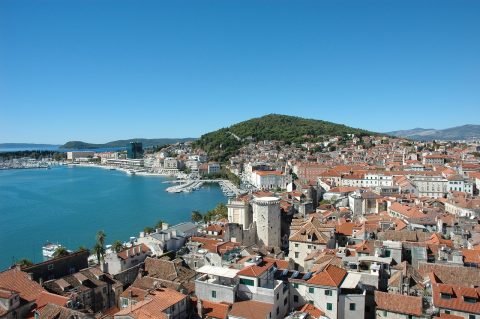
A leafy green district featuring a protected nature reserve, walking trails through pine forests, and hidden beaches accessible by foot. The peninsula offers stunning panoramic viewpoints overlooking Split, nearby islands, and the Dalmatian coastline. Less crowded than downtown, Marjan provides peaceful nature walks, secluded swimming spots, and excellent hiking trails suitable for all fitness levels.
Tips for Neighborhoods & Districts
- Varos is best experienced in evening when locals fill the bars and restaurants
- Bačvice attracts younger crowds; it can be noisy at night
- Marjan trails are best in morning or late afternoon; noon heat is intense
- Wear sturdy shoes for palace old town's slippery marble streets
Green spaces offering respite from urban crowds, scenic views, and opportunities for nature-based recreation and leisurely exploration.
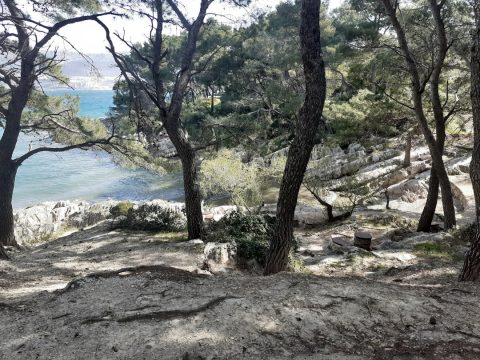
Split's green lung featuring scenic hiking trails through Mediterranean pine forest, secluded beaches, and panoramic viewpoints. The park covers 300 hectares with several marked trails ranging from easy to moderate difficulty. Popular trails include the route to the Old Chapel with stunning city views and trails leading to hidden Adriatic coves. The entire park is enclosed and protected, offering a peaceful escape with diverse flora and fauna.
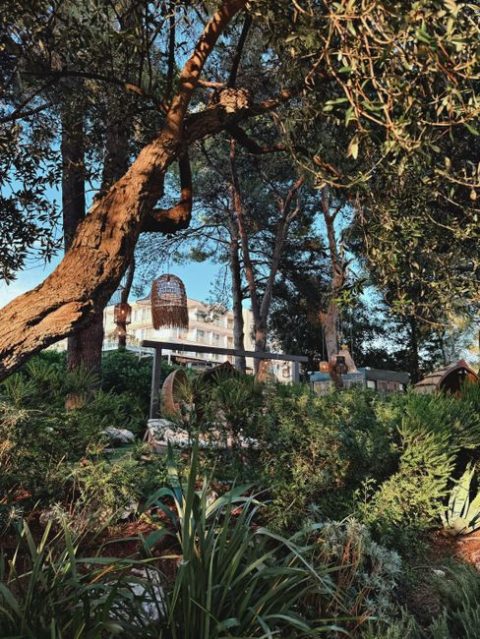
A serene garden showcasing Mediterranean and subtropical plants, palm varieties, and flowering species arranged in themed sections. The garden provides peaceful walking paths, shaded benches, and educational signage. Though smaller than botanical gardens in larger cities, this collection effectively displays plant biodiversity of the Croatian coast and Mediterranean region. Perfect for photography and quiet contemplation.
Tips for Parks & Gardens
- Bring plenty of water for Marjan trails; there are few shops on the route
- Wear sun protection; limited shade on upper trails
- Early morning hikes offer cooler temperatures and fewer tourists
- Trails are well-marked but wear sturdy hiking shoes for rocky terrain
Guided experiences, water sports, and specialized activities offering deeper engagement with Split's culture, history, and natural environment.
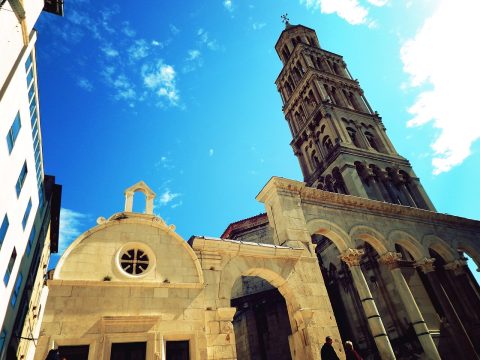
Professional guided tour exploring the palace's architecture, history, and hidden corners that independent visitors often miss. Guides share fascinating anecdotes about Diocletian, the palace's construction, and its transformation over nearly 2,000 years. Tours typically include the basement level, Peristyle Square, Cathedral, and highlights of the palace structure. Tours are available in multiple languages and vary in length from 1 to 2.5 hours depending on depth.
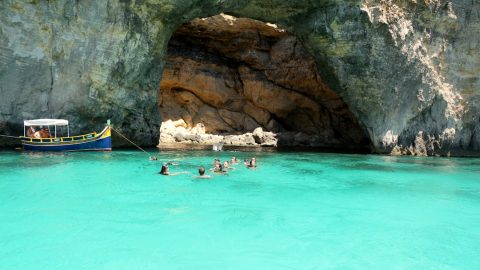
Popular boat excursion visiting the stunning Blue Cave on Bisevo Island combined with stops at Hvar and Pakleni Islands for swimming and snorkeling. The Blue Cave's electric blue water creates magical lighting for photography when sunlight enters through the cave opening. Tours include swimming breaks at secluded beaches, snorkeling equipment, and comfortable boats with shaded areas. Morning departures are recommended for best cave lighting and calmer waters.

Guided kayaking tours exploring Split's coastline, hidden coves, and nearby islands from sea level perspective. Tours are suitable for various skill levels with options ranging from calm harbor paddles to more challenging open-water routes. Guided tours include safety equipment, instruction, and stops for swimming and snorkeling. Paddling among the islands provides unique vantage points and access to pristine beaches unreachable by land.
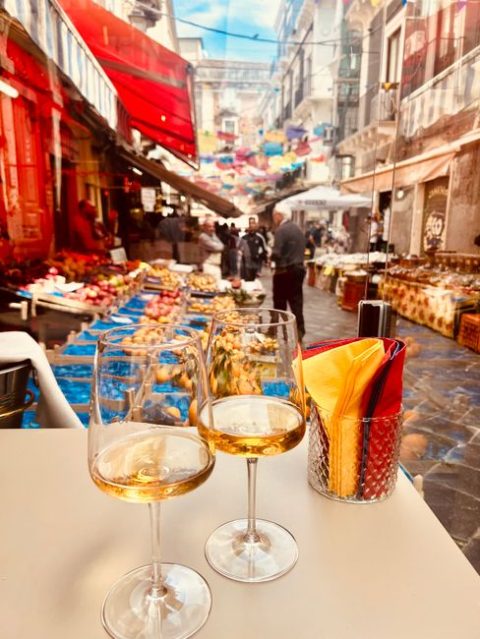
Guided culinary tour sampling traditional Dalmatian dishes at local markets and family-run restaurants while learning about Croatian food culture and wine traditions. Tours include 6-8 tastings of local specialties like pršut (prosciutto), cheese, seafood, and regional wines. Expert guides share stories about local producers and food preparation traditions. Evening tours offer a more intimate experience with fewer tourists and warmer atmospheric conditions.
Tips for Tours & Activities
- Book tours in advance during peak season (June-September)
- Morning tours offer better light and cooler temperatures for outdoor activities
- Wear swimwear under clothes for water-based tours; shower facilities may not be available
- Bring sunscreen; Adriatic sun reflects intensely off water and stone
- Island tours are best in calm weather; sea conditions can cancel excursions
Nearby destinations and excursions offering diverse experiences from coastal villages to waterfalls, islands, and natural attractions within reach of Split.
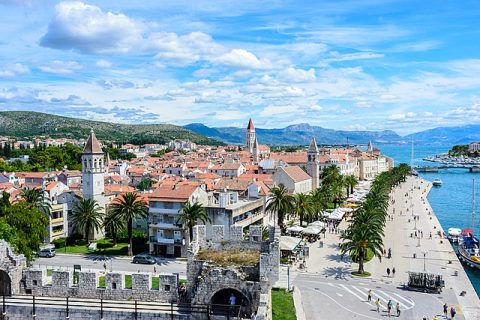
A charming medieval town 30km from Split featuring beautifully preserved Renaissance architecture, narrow stone streets, and a picturesque harbor lined with restaurants. The town's Cathedral of St. Lovro showcases remarkable Gothic stonework. Trogir island is connected by bridges, making it easy to explore on foot. Ferry, bus, or rental car access; ferries depart regularly from Split. Trogir captures authentic Dalmatian ambiance with far fewer tourists than Split, making it ideal for photography and experiencing local culture.
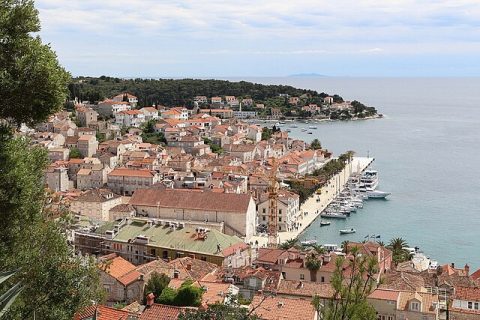
Island famous for lavender fields, excellent wines, and the charming harbor town of Hvar featuring a 13th-century fortress overlooking the Adriatic. The island's interior grows fragrant lavender that colors the landscape purple in summer. Hvar town offers waterfront dining, nightlife, and cultural events. Ferry from Split takes 1.5-2 hours. Perfect for wine tasting, beach exploration, and island village walks. Multiple beach clubs cater to various crowds from relaxed to party-oriented.
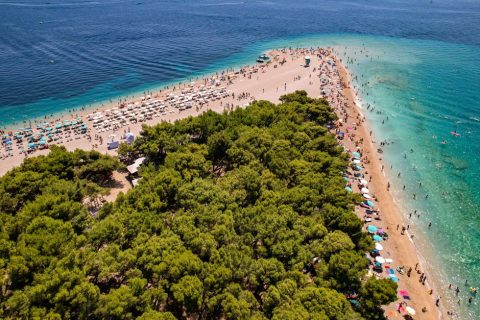
Home to the iconic golden Zlatni Rat beach—a distinctive white shingle spit constantly reshaped by currents, creating unique photo opportunities. The island features stone quarries where Diocletian's Palace marble originated and charming villages like Bol and Supetar. Ferry from Split (1 hour) or Trogir offers access to this popular island. Swimming is excellent with crystalline turquoise water. The island combines beach relaxation with authentic village exploration and historical quarry sites.
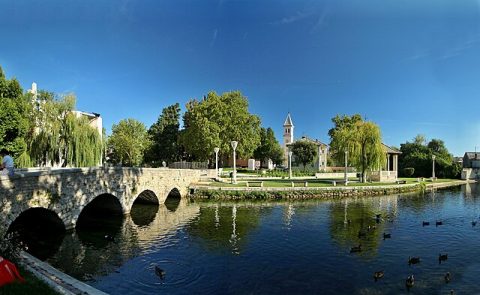
Ancient Roman city ruins located just 5km northeast of Split, where Diocletian spent his final years before returning to his palace. Extensive archaeological remains include amphitheater foundations, temples, early Christian basilicas, and the necropolis. Museum on-site displays artifacts and provides historical context. Accessible by local bus or short taxi ride. A fascinating destination for those interested in archaeology and Roman history without requiring a full day commitment.
Tips for Day Trips & Excursions
- Ferry schedules vary by season; check timetables in advance
- Early morning ferries are less crowded and offer better island exploration time
- Bring towels, swimwear, and sun protection for island visits
- Islands have limited fresh water supplies; bring refillable bottles
- Rent scooters or bikes for exploring islands beyond main towns
Real, highly-rated Restaurants in Split, sourced from Google Places (rating above 4★).

Pizzeria Sette Sorelle is a highly-rated restaurant in Split, rated 4.9★ from 11772 reviews. Located at Trg Franje Tuđmana 3, 21000, Split, Croatia.
Opening Hours
- Monday: 11:00 AM – 12:00 AM
- Tuesday: 11:00 AM – 12:00 AM
- Wednesday: 11:00 AM – 12:00 AM
- Thursday: 11:00 AM – 12:00 AM
- Friday: 11:00 AM – 12:00 AM
- Saturday: 11:00 AM – 12:00 AM
- Sunday: 11:00 AM – 12:00 AM

Cicibela food and wine bar (SPLIT) is a highly-rated restaurant in Split, rated 4.9★ from 5105 reviews. Located at Senjska ul. 8, 21000, Split, Croatia.
Opening Hours
- Monday: 11:30 AM – 11:00 PM
- Tuesday: 11:30 AM – 11:00 PM
- Wednesday: 11:30 AM – 11:00 PM
- Thursday: 11:30 AM – 11:00 PM
- Friday: 11:30 AM – 11:00 PM
- Saturday: 11:30 AM – 11:00 PM
- Sunday: Closed

Restaurant Méditerranée is a highly-rated restaurant in Split, rated 4.9★ from 146 reviews. Located at Trumbićeva obala 18, 21000, Split, Croatia.
Opening Hours
- Monday: 7:00 – 11:00 AM, 1:00 – 4:00 PM, 5:00 – 11:00 PM
- Tuesday: 7:00 – 11:00 AM, 1:00 – 4:00 PM, 5:00 – 11:00 PM
- Wednesday: 7:00 – 11:00 AM, 1:00 – 4:00 PM, 5:00 – 11:00 PM
- Thursday: 7:00 – 11:00 AM, 1:00 – 4:00 PM, 5:00 – 11:00 PM
- Friday: 7:00 – 11:00 AM, 1:00 – 4:00 PM, 5:00 – 11:00 PM
- Saturday: 7:00 – 11:00 AM, 1:00 – 4:00 PM, 5:00 – 11:00 PM
- Sunday: 7:00 – 11:00 AM, 1:00 – 4:00 PM, 5:00 – 11:00 PM
Explore Split on the Map
Best Time to Visit Split
Peak Season (June-September): Warm weather, crystal-clear waters, and vibrant atmosphere make summer ideal, but expect large crowds and high prices. July-August are hottest with occasional heat waves reaching 35°C (95°F).
Shoulder Season (April-May, October-November): Perfect balance of pleasant weather (20-25°C), manageable crowds, and reasonable prices. May offers blooming flowers while October provides still-warm weather with fewer tourists. Excellent for outdoor activities and sightseeing.
Winter (December-February): Mild winters (8-12°C) with occasional rain. Many beach clubs and water activities close. However, monuments remain open, accommodation prices drop significantly, and the city feels authentically local rather than touristy. Great for those seeking cultural immersion.
Avoid: Mid-August when locals often vacation, creating peak tourism congestion. Weather is extremely hot with intense sun exposure.
Getting Around Split
Public Transportation: Excellent local bus system covers city and suburbs. Single tickets cost 11 kuna (~€1.50), day passes available. Purchase from kiosks or aboard buses. Reliable and frequent service especially on main routes.
Ferries: Regular ferry service to islands (Hvar, Brac, Vis, Korcula). Jadrolinija operates most routes; book online or at harbourside offices. Summer schedules more frequent than winter.
Walking: Old town is compact and best explored on foot. Palace streets are narrow, marble, and sometimes slippery when wet. Wear comfortable, sturdy shoes.
Taxis & Rideshare: Taxis available citywide; use meters or pre-agree fares. Uber operates in Split with competitive pricing. Apps (Bolt, Uber) recommended over street taxis for fixed rates.
Rental Cars: Available from international agencies. Useful for countryside exploration but unnecessary in city center due to traffic, limited parking, and public transport efficiency. Parking expensive and difficult.
Airport Transfer: Airport is 25km away. Shuttle buses, taxis, and rental cars available. Airport buses to city center cost ~40 kuna. Journey takes 30-45 minutes depending on traffic.
✈️ Airport Transfer
Split Airport (Zračna luka Split) (SPU) to city center:
- Airport Shuttle Bus (Pleso Prijevoz): Runs to Split bus station in about 30 minutes timed with flights, 33 HRK / 4.50 EUR one way
- Local Bus 37: Public city bus to central Split in roughly 50-60 minutes, around 20 HRK / 2.70 EUR
- Taxi: Metered ride to city center takes about 25 minutes and typically costs 250-350 HRK / 35-45 EUR
- Private Transfer: Pre-booked door-to-door van or car to central Split in about 25 minutes, around 200-280 HRK / 27-38 EUR
What to Buy & Where to Shop
Traditional Souvenirs: Locally-made crafts including ceramic plates, wooden toys, and lavender products. Marmontova Street features numerous shops. Quality varies; established shops offer better authenticity than tourist-trap vendors.
Dalmatian Wine: Local Plavac Mali and Zinfandel wines are excellent quality at reasonable prices. Buy from wine shops, markets, or directly from producers. Croatian wines often underpriced compared to international equivalents.
Pršut (Prosciutto) & Cheese: Dalmatian cured meats and local cheeses from Zadar region. Excellent gifts and souvenirs. Purchase from established delis to ensure freshness and quality. Prices surprisingly reasonable for quality.
Croatian Jewelry: Coral and pearl jewelry from Adriatic region. Authentic pieces from reputable jewelers cost more but ensure quality. Beware tourist shops selling poor-quality imitations at inflated prices.
Clothing & Fashion: European brands available at competitive prices. Local designers featured in Varos district boutiques. Shopping malls (Spaladium Arena) offer mainstream brands.
Markets: Green and fish markets at Narodni Trg operate weekday mornings. Excellent for fresh produce, flowers, and observing local daily life. Sunday flea markets offer vintage items and curiosities.
Best Shopping Streets: Marmontova Street (main pedestrian shopping), Narodni Trg area (local markets), Varos district (independent boutiques).
Annual Events & Festivals
Split Summer Festival (June-August): Major cultural event featuring theatre, music, ballet, and comedy performances in historic venues. International artists and local talent perform. High-quality productions; check schedule for events matching interests.
Ultra Europe (August): Massive electronic dance music festival on island of Brač with international DJs and artists. Draws thousands of party-goers. Book accommodation early as Split hotels fill entirely. Festival atmosphere extends to Split nightlife.
Riva Light Festival (September): Modern art light installations and projections transform Riva waterfront. Evening performances, music, and interactive displays create magical ambiance. Free and family-friendly.
Reggae Festival (August): Week-long reggae music celebration featuring international and regional bands. Multiple venues across Split. Perfect for music lovers seeking relaxed, positive atmosphere.
Feast of Saint Domnius (May 7): Celebration honoring the city's patron saint with religious processions, special masses, and cultural programs. Reflects local traditions and religious heritage.
New Year Celebrations (December 31): Festive atmosphere on Riva with live music, fireworks over harbor, and champagne celebrations. Free public events; arrive early for good viewing spots.
Sample 5-Day Split Itinerary
Day 1 - Diocletian's Palace & Historic Center: Morning: Explore Diocletian's Palace basement and Peristyle Square. Climb cathedral bell tower for views. Lunch on Riva waterfront. Afternoon: Wander palace old town streets and medieval passages. Visit Cathedral of Saint Domnius. Evening: Stroll Riva, watch sunset, dinner at waterfront restaurant. (Full day in palace area.)
Day 2 - Museums & Culture: Morning: Museum of Split and archaeological collections. Lunch in Varos district. Afternoon: Gallery Mestrovic or contemporary galleries. Explore Varos neighborhood's artistic quarter. Evening: Dinner at local tavern in Varos with authentic Dalmatian cuisine. (Focus on cultural/artistic sites.)
Day 3 - Island Day Trip: Early ferry to Hvar or Brac Island. Beach swimming and snorkeling. Explore harbor town. Late afternoon ferry return. Evening relaxation or beach club. (Water-based activity day.)
Day 4 - Marjan & Bačvice: Morning: Hike Marjan trails with panoramic viewpoints. Beach swimming at hidden Marjan cove. Lunch at summit restaurant. Afternoon: Relax at Bačvice Beach, watch picigin game. Beach bar sunset drinks. Evening: Dinner near beach, early rest. (Nature and beach focus.)
Day 5 - Day Trips & Relaxation: Half-day trip to Trogir by ferry or bus. Explore medieval town, cathedral, harbor. Lunch. Afternoon: Return to Split for final shopping on Marmontova. Evening: Sunset on Riva, farewell dinner. (Flexible, combining nearby town exploration with relaxation.)
Variations: Extend island trips, add Blue Cave boat tour, substitute Brac for Hvar, include Salona archaeological site, take additional water sports activities. Adjust based on interests and available time.
Best Photography Locations & Timing
Diocletian's Palace Peristyle Square: Stunning any time but golden hour (early morning 6-8 AM or late afternoon 5-7 PM) creates magical light. Fewer crowds in early morning. Columns cast dramatic shadows; experiment with angles for composition.
Cathedral Bell Tower Views: Unbeatable 360-degree city views. Best photographed during sunset (30 minutes before until 30 minutes after) when light turns golden and warm. Late afternoon angle shows islands beautifully. Bring wide-angle lens.
Riva Waterfront at Sunset: Iconic waterfront promenade with palm trees, harbor, and islands. Late afternoon light reflects on water. Arrive 1 hour before sunset for prime positioning. Crowded but worth it for classic Split images.
Blue Cave (Bisevo Island): Most dramatic lighting between 10 AM-12 PM when sunlight enters cave opening, creating electric blue water. Morning light best; afternoon angle less favorable. Challenging to photograph from boats but stunning results.
Zlatni Rat Beach (Brac): Golden crescent beach with distinctive curved shape. Afternoon light from elevated view points captures beach's unique geometry. Try photographing with islands in background for layered composition.
Marjan Nature Park Viewpoints: Panoramic city and island views. Morning light shows mountains clearly. Late afternoon provides warm tones. Chapel viewpoint especially photogenic with pine trees framing composition.
Varos District Street Scenes: Vibrant murals and narrow streets create interesting compositions. Late afternoon side-light highlights texture and street character. Approaching dusk captures atmospheric evening scenes with street lights.
Narrow Palace Alleys: Charming marble streets, arches, and centuries-old architecture. Morning light creates sharp shadows and highlights texture. Less crowded early morning for people-free street shots.
Bačvice Beach: Sunset light illuminates beach and players. Traditional picigin game creates dynamic foreground action. Evening provides dramatic sky colors reflected in shallow water.
Electricity & Power Requirements
Voltage & Frequency: Croatia uses 230V, 50Hz AC electrical standard (European standard). If your device runs on 110V (North American standard), using it without a converter will damage the device or create fire hazard.
Plug Type: Croatia uses European Type C and Type F plugs (two round pins):
- Type C: Standard European two round pins in circular pattern
- Type F: Similar to Type C with two grounding clips on sides
These plugs differ from British (Type G), Swiss (Type J), and American (Type A/B) plug standards.
What You Need: If traveling from USA, Canada, or Mexico, you need both: voltage converter (230V down to 110V) AND plug adapter for Type C/F. Combination adapter-converters available online (~€20-30) and at electronics shops.
Where to Buy: Airport has travel shops selling adapters (expensive). Better selection and pricing at electronics stores in Split or major supermarket chains. Budget supermarkets and DIY stores offer competitive prices.
Rechargeable Devices: Modern phones, tablets, and laptop chargers often support 100-240V (check label). For these, you only need Type C/F plug adapter, not voltage converter.
USB Charging: Growing number of hotels and accommodations provide USB charging ports. Ask reception for adapters if devices lack Type C/F plugs.
Power Bank Recommendation: Portable power bank simplifies charging without finding outlets. Very affordable (~€10-20) and useful for day trips away from accommodation.
Dalmatian Cuisine & Must-Try Dishes
Pršut (Cured Ham): Croatia's most famous export—air-dried prosciutto from Dalmatia region. Sliced paper-thin, served as appetizer with cheese. Smoky, complex flavor unlike Italian prosciutto. Every restaurant serves it; quality varies by origin. Genuine Dalmatian pršut has PDO certification.
Seafood Specialties: Octopus (hobotnica) prepared grilled or in buzara sauce (white wine). Scampi (large shrimp) served grilled or in pasta. Fresh fish (brancin or orada) cooked whole, simply seasoned with lemon and olive oil. Squid (lignje) grilled or breaded fried. Shellfish (mussels, clams) in broth or pasta. Dalmatian coast supplies incredibly fresh seafood.
Fish Stew (Brodetto): Traditional thick stew combining multiple fish varieties, tomatoes, and white wine. Each region has unique recipe; order when fish looks fresh. Requires time to cook properly; worth the wait. Often served with polenta or crusty bread for soaking sauce.
Dalmatian Pasta Dishes: Pasta with octopus, fresh seafood, or meat sauce. Pasutice (pasta with beans) is hearty traditional dish. Risotto made with seafood (risotto od brancina, risotto od skampi) showcases fresh local ingredients prepared simply.
Meat Dishes: Lamb and veal traditional in Dalmatia. Lamb under peka (covered with hot coals) creates tender, flavorful meat. Grilled meat (meso na žaru) features local lamb and pork prepared perfectly on charcoal. Less common in modern restaurants focused on seafood.
Cheese & Charcuterie Board: Local cheese from Zadar region combined with pršut and olives makes excellent appetizer. Serves 2-3 people, ideal for sharing. Pairs well with local wine.
Black Risotto (Crni Rizot): Rice cooked with squid ink creating distinctive black color and briny flavor. Acquired taste but authentic specialty worth trying once. Most restaurants offer it; quality varies.
Where to Eat: Avoid waterfront Riva restaurants; overpriced for tourist crowds. Hidden taverns in Varos and side streets offer authentic food and better value. Local wine bars (konobas) serve traditional dishes and local wines at fair prices. Ask locals for recommendations.
Dining Tips: Lunch (12-3 PM) is main meal with set menus at good prices. Dinner starts late (8-9 PM); many restaurants don't open until 7 PM. Service charge included in bill; tipping 5-10% appreciated but not obligatory. Monday-Tuesday many restaurants closed.
Desserts: Palacinke (thin crepes with chocolate or jam), fritule (fried pastries), and traditional Dalmatian cakes. Ice cream (sladoled) from local shops better quality than chain shops. Italian gelato influence evident in many establishments.
Tourist Passes
Split Tourist Card
All-inclusive pass providing free public transportation, museum discounts (30-50% off), and restaurant/attraction vouchers. Card valid 24-72 hours. Includes entry to major museums and discounts at participating businesses. Gives significant savings for multi-attraction visitors. Best value for short visits focused on sightseeing. Available at tourist information office and online.
visitsplit.comCathedral Bell Tower Ticket
Separate entrance fee required to climb bell tower (~35 kuna, €5). Provides access to magnificent viewpoint overlooking city and islands. Stairs are steep and narrow; physically challenging for those with mobility issues. Views worth the effort; best visited afternoon for sunset light. Often combined with cathedral interior ticket (~50 kuna total).
Ferry Pass (Jadrolinija)
Multi-day ferry pass offering unlimited island ferry travel. 7-day pass provides excellent value for extensive island exploration. Bookings available online and at harbor offices. Popular with island hoppers exploring multiple islands over several days. Significant savings compared to individual ferry tickets if visiting multiple islands.
www.jadrolinija.hrMuseum Combination Ticket
Some museums offer discounted combination tickets when purchasing multiple museum entries. Saves 10-20% compared to individual tickets. Tourist information office provides details on current offers. Worthwhile if planning to visit 3+ museums during stay.