Things to do in Zagreb
Iconic structures that define Zagreb's skyline and historical significance, blending Ottoman, Habsburg, and modern architectural influences.
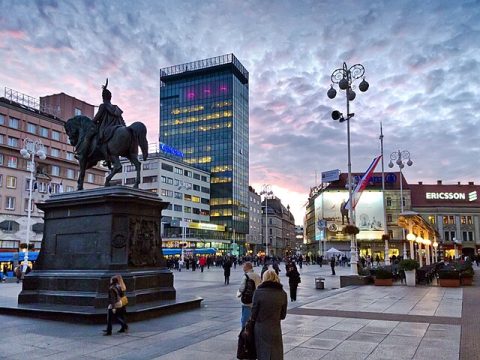
The heart of Zagreb's lower town, this vibrant square features the equestrian statue of Josip Jelačić and is surrounded by cafés, shops, and historic buildings. The square serves as the central meeting point and is perfect for people-watching and soaking in the city's atmosphere.
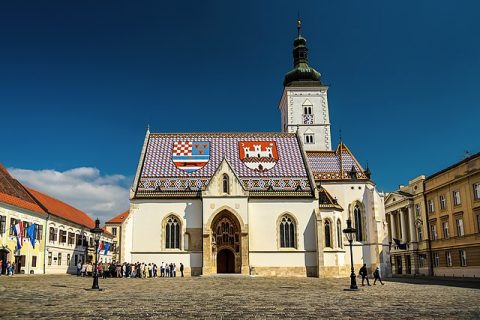
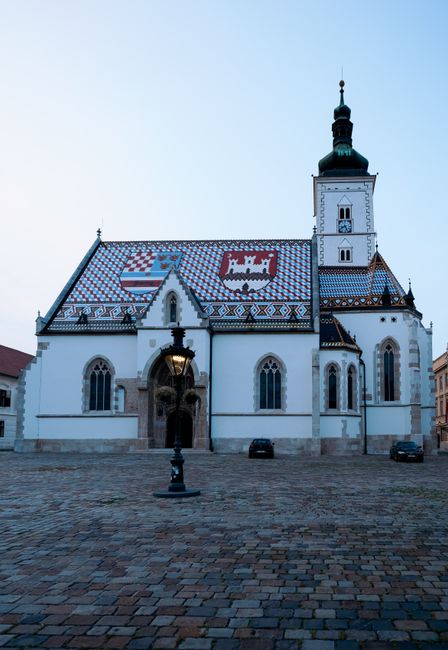
An iconic Gothic church famous for its distinctive roof tiled with the red and white checked shield of Croatia's coat of arms. Located in the historic Upper Town, this 13th-century church is one of Zagreb's most recognizable landmarks and offers stunning views of the city.
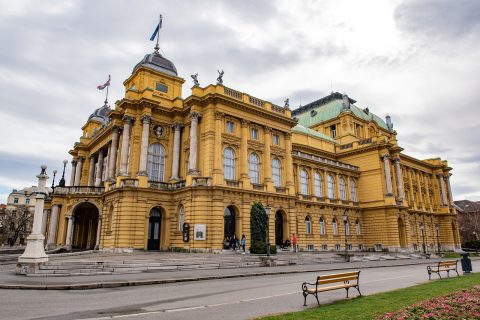
A grand Austro-Hungarian Renaissance building dating from 1895, hosting opera, ballet, and dramatic performances. The ornate interior and fascinating architecture make it a must-see whether or not you catch a performance during your visit.
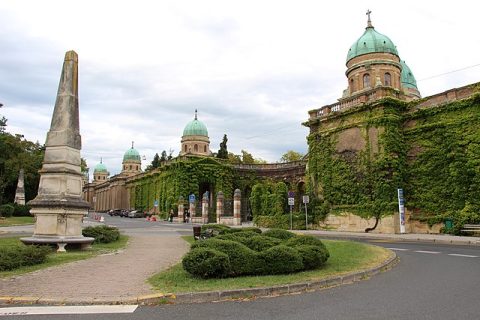
Often called the most beautiful cemetery in Europe, Mirogoj features stunning neoclassical arcades, ornate tombs, and lush gardens. Many notable Croatian figures are buried here, and the architectural beauty makes it a peaceful retreat from the city bustle.
Tips for Landmarks & Monuments
- Visit St. Mark's Church early morning before crowds arrive
- Ban Jelačić Square is best in the evening for sunset views and atmosphere
- Check the National Theater's schedule for evening performances
- Mirogoj is peaceful in the early morning hours
Fascinating collections ranging from contemporary art to cultural heritage, housed in impressive buildings throughout the city.
A unique museum displaying personal objects and stories from broken relationships worldwide. Visitors can contribute their own items and stories, creating an intimate and moving experience that celebrates the universality of human heartbreak and resilience.
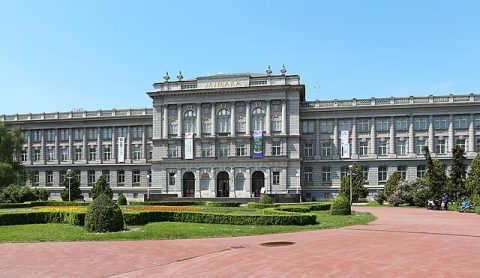
This exceptional museum houses a private collection of over 3,700 artworks spanning from prehistoric times to the 20th century. Features Egyptian mummies, paintings by masters, sculpture, and decorative arts in a beautiful Renaissance-style building.
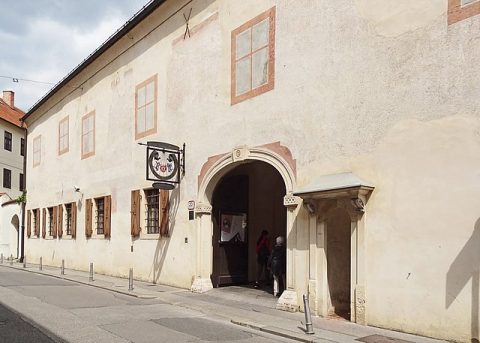
Chronicles the history and development of Zagreb from its medieval origins through modern times. Exhibits include medieval artifacts, documents, photographs, and memorabilia that tell the story of Zagreb's transformation into a vibrant European capital.
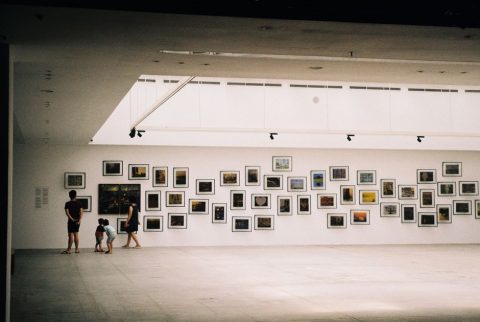
Dedicated to modern and contemporary Croatian and international art, featuring rotating exhibitions of painting, sculpture, photography, and multimedia works that reflect current artistic trends and cultural dialogues.
Tips for Museums & Galleries
- Museum of Broken Relationships often has long queues; visit early or book online
- Mimara Museum is perfect for art lovers with 3+ hours available
- Many museums offer discounts on Sundays
- Check official websites for temporary exhibitions before visiting
Sacred spaces reflecting Zagreb's rich spiritual heritage and architectural excellence across different faiths and centuries.
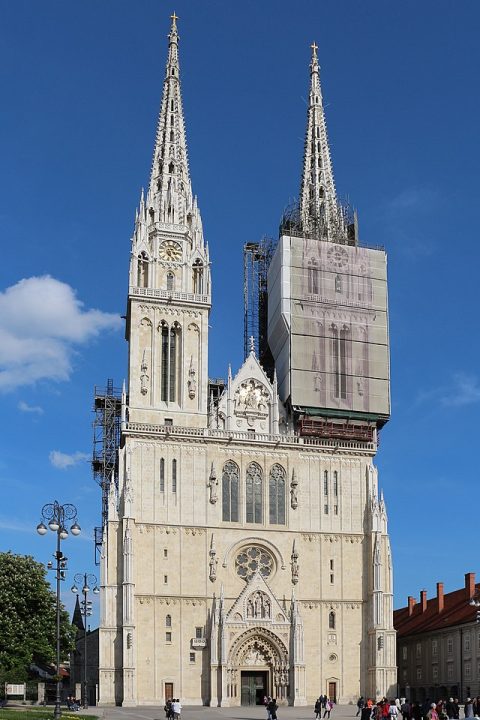
A stunning Gothic cathedral dating back to the 13th century, featuring twin spires that dominate the skyline. The cathedral's grand interior includes intricate stonework, ornate altars, and beautiful stained glass windows representing centuries of religious devotion and craftsmanship.
An Orthodox church with distinctive Byzantine architecture and golden domes, representing Zagreb's religious diversity. The ornate interior features elaborate iconography and serves as an important spiritual center for the Orthodox community.
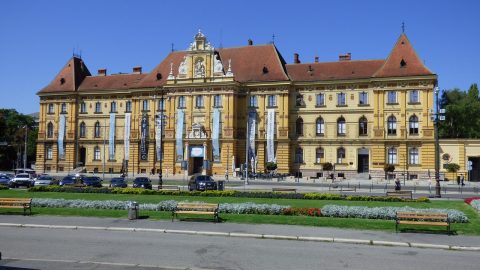
Housed in a Baroque building, this museum documents the history and culture of Zagreb's Jewish community through exhibits, artifacts, and personal stories. Nearby is the Synagogue of Zagreb, a beautiful Austro-Hungarian structure with an ornate interior.
Tips for Religious Sites
- Dress modestly when visiting religious sites; cover shoulders and knees
- Photography may be restricted in some areas; always ask permission
- Services are conducted regularly; check times if you wish to attend
- Cathedral is especially beautiful when illuminated at night
Distinct districts each offering unique character, from medieval charm to contemporary culture and local life.
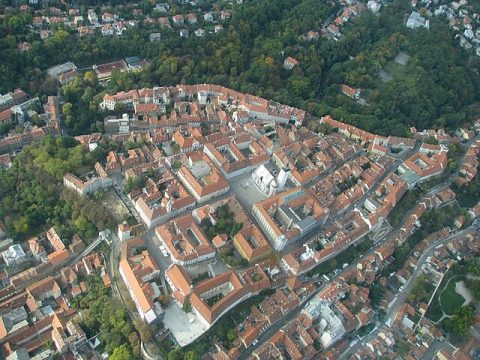
Zagreb's medieval core featuring narrow cobblestone streets, historic buildings, and St. Mark's Church. Wander through artisan shops, galleries, and cafés while enjoying panoramic views of the lower town and surrounding landscape.
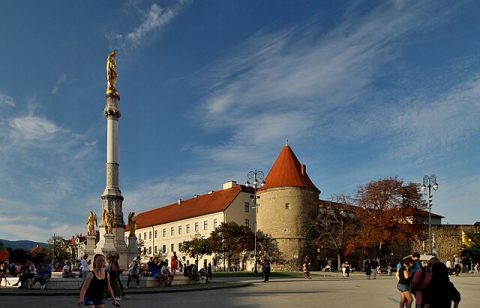
The historic district opposite Gradec, centered around the Zagreb Cathedral with its commanding twin spires. Once a separate town, Kaptol maintains medieval charm with narrow lanes, small shops, restaurants serving traditional Croatian cuisine, and the lively Dolac Market.
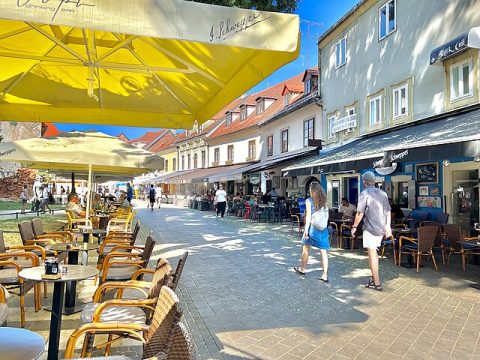
A picturesque pedestrian street lined with colorful buildings, sidewalk cafés, boutiques, and galleries. Perfect for leisurely strolls, people-watching, shopping for souvenirs, or enjoying traditional Croatian food and wine in a charming atmosphere.
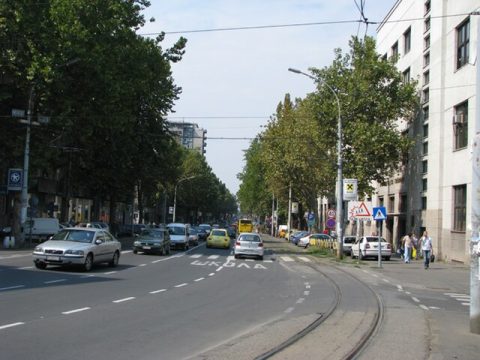
A bohemian neighborhood known for its vibrant nightlife, galleries, independent shops, and eclectic mix of vintage stores and contemporary art spaces. Popular with locals, it offers authentic dining and drinking experiences away from mainstream tourism.
Tips for Neighborhoods & Districts
- Gradec and Kaptol are best explored on foot with comfortable walking shoes
- Tkalčićeva Street is lively in evenings and weekends
- Visit the Dolac Market in Kaptol for authentic local produce and atmosphere
- Dorćol neighborhood comes alive after dark for nightlife
Beautiful green spaces throughout the city offering respite from urban exploration, recreational activities, and natural beauty.
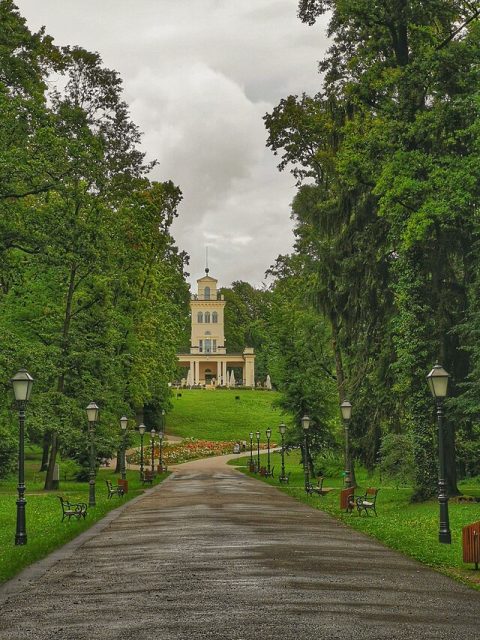
Zagreb's oldest and largest park, featuring expansive lawns, tree-lined paths, a zoo, and recreational facilities. The park includes the Maksimir Zoo with European and exotic animals, making it popular with families. Beautiful landscape design offers numerous walking routes and picnic spots.
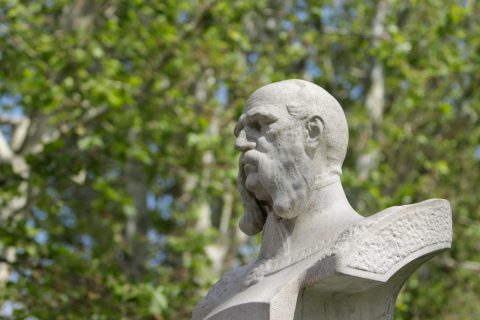
A contemporary park featuring a large artificial lake, walking and cycling paths, fitness areas, and waterfront recreational facilities. Especially beautiful at sunset, it's popular for jogging, walking, and enjoying views of the city skyline across the lake.
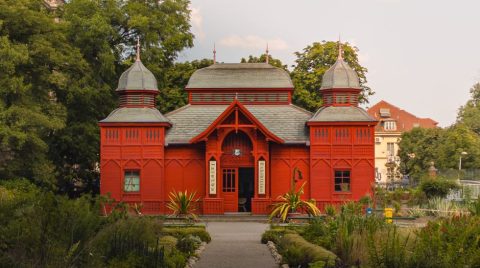
Established in 1889, this serene garden contains numerous plant species, walking paths, and peaceful spots for relaxation. Particularly beautiful in spring and summer with flowering plants, it offers an escape from the bustling city center.
Tips for Parks & Gardens
- Maksimir Park has several entrances; the main one near the zoo is most convenient
- Bundek Park is ideal for evening walks and sunset photography
- Botanical Garden is quietest on weekday mornings
- Bring comfortable shoes and sun protection for extended park exploration
Guided experiences and interactive activities that deepen understanding of Zagreb's culture, history, and contemporary life.
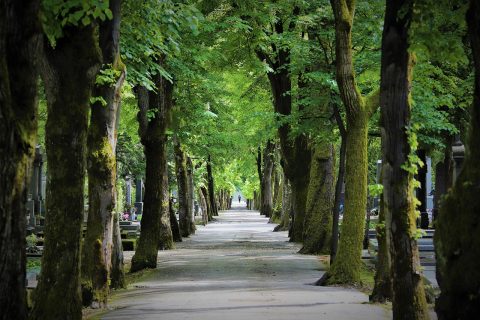
Professional guides lead tours through the Upper and Lower towns, covering historical sites, architectural highlights, and cultural details. Options include themed tours (food culture, street art, communist history) and customized routes based on interests.

Experience Croatian wines through tastings at local wine bars and vineyards. Tours include education about regional varieties, terroir, and traditional production methods, often paired with local cheeses and charcuterie.
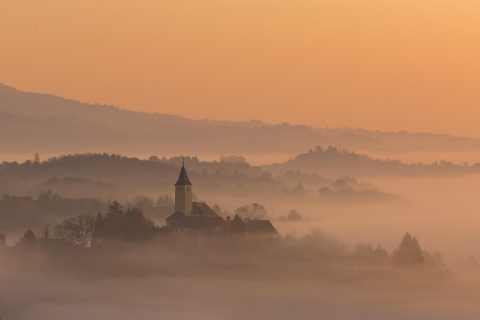
Learn to prepare authentic Croatian dishes from professional chefs in local kitchens. Classes typically include market visits to select ingredients and hands-on cooking followed by tasting your creations with wine pairings.
Tips for Tours & Activities
- Book walking tours in advance, especially during peak season
- Walking tours are best in morning to avoid afternoon heat
- Wine and cooking tours should be booked 1-2 days ahead
- Many tours offer English-speaking guides; confirm when booking
Decorative installations and sculptures that add character to public spaces and reflect Zagreb's artistic culture.
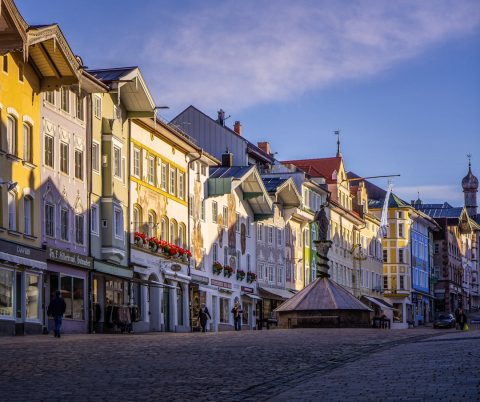
An iconic fountain featuring bronze nymphs and allegorical figures in the central Flower Square (Trg bana Jelačića area). The fountain is beautifully illuminated at night and serves as a popular meeting point and photography location.
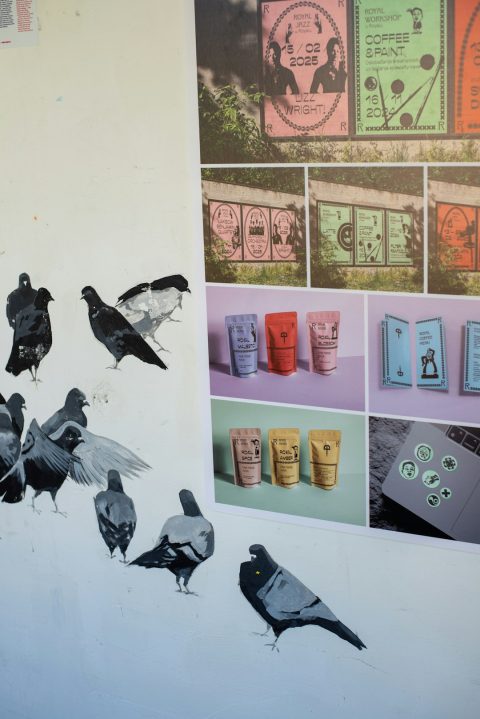
Zagreb's streets display vibrant murals and street art, particularly in neighborhoods like Dorćol and around the city center. Works range from political statements to abstract designs, reflecting Zagreb's contemporary artistic scene and cultural expression.
Tips for Fountains & Public Art
- Street art locations change frequently; check local blogs for current installations
- Photograph fountains at night for dramatic lighting effects
- Walking tours often include street art history and cultural context
Nearby destinations and natural attractions easily accessible from Zagreb for extended exploration of the region.
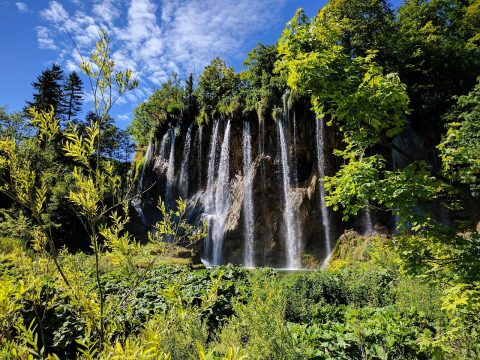
UNESCO World Heritage site featuring 16 interconnected lakes with cascading waterfalls and dense forests. Located 90 minutes from Zagreb, it offers spectacular hiking trails, scenic viewpoints, and boat rides. One of Croatia's most beautiful natural areas with pristine turquoise waters.
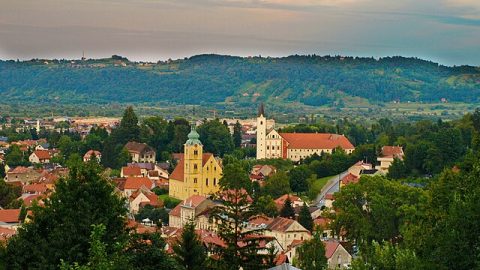
A charming medieval town 30 minutes west of Zagreb, known for its Baroque architecture, castle ruins, and local specialties like samoborska kremšnita (cream cake). The town features galleries, cafés, and hiking routes to nearby waterfalls and viewpoints.
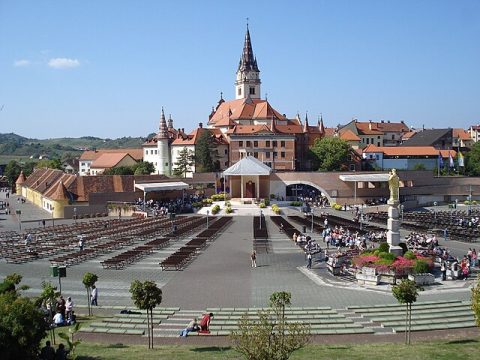
A pilgrimage site 40 minutes northeast of Zagreb featuring a baroque church and sanctuary. The hilltop location offers panoramic views of surrounding countryside. Popular with both religious pilgrims and hikers seeking natural scenery and spiritual atmosphere.
Tips for Day Trips & Excursions
- Plitvice Lakes requires advance booking, especially in summer
- Rent a car or join organized tours for day trips
- Samobor is perfect as a half-day excursion combined with hiking
- Allow 2+ hours travel time to/from Plitvice Lakes
Real, highly-rated Restaurants in Zagreb, sourced from Google Places (rating above 4★).

Kai Street Food is a highly-rated restaurant in Zagreb, rated 4.9★ from 2486 reviews. Located at Jurišićeva ul. 2A, 10000, Zagreb, Croatia.
Opening Hours
- Monday: Closed
- Tuesday: 12:00 – 9:30 PM
- Wednesday: 12:00 – 9:30 PM
- Thursday: 12:00 – 9:30 PM
- Friday: 12:00 – 9:30 PM
- Saturday: 12:00 – 9:30 PM
- Sunday: Closed

Restoran Izakaya is a highly-rated restaurant in Zagreb, rated 4.9★ from 3798 reviews. Located at Selska cesta 90b, 10000, Zagreb, Croatia.
Opening Hours
- Monday: 12:00 – 11:00 PM
- Tuesday: 12:00 – 11:00 PM
- Wednesday: 12:00 – 11:00 PM
- Thursday: 12:00 – 11:00 PM
- Friday: 12:00 PM – 12:00 AM
- Saturday: 12:00 PM – 12:00 AM
- Sunday: Closed

BioMania Bistro Zagreb is a highly-rated restaurant in Zagreb, rated 4.9★ from 2105 reviews. Located at Ul. Ivana Tkalčića 65, 10000, Zagreb, Croatia.
Opening Hours
- Monday: 12:00 – 11:00 PM
- Tuesday: 12:00 – 11:00 PM
- Wednesday: 12:00 – 11:00 PM
- Thursday: 12:00 – 11:00 PM
- Friday: 12:00 – 11:00 PM
- Saturday: 12:00 – 11:00 PM
- Sunday: 12:00 – 11:00 PM
Explore Zagreb on the Map
Seasonal Guide
Spring (April-May): Mild temperatures (15-20°C), flowers blooming, fewer tourists. Perfect for walking tours and outdoor activities.
Summer (June-August): Warm and sunny (25-30°C), peak tourist season, vibrant nightlife and festivals. Can be crowded; book accommodations early.
Autumn (September-October): Pleasant weather (18-24°C), summer crowds diminish, cultural events resume. Excellent for exploration without excessive heat.
Winter (November-March): Cool temperatures (0-8°C), occasional snow, fewer tourists. Christmas markets and New Year's celebrations add charm despite shorter daylight.
Best Overall: May, September, and early October offer ideal conditions with good weather and manageable crowds.
Getting Around Zagreb
Public Transport: Efficient tram and bus network operated by ZET. Purchase a single ticket (4 KM), day pass (30 KM), or 3-day tourist card. Trams are frequent and reach most attractions.
Walking: The city center is compact and pedestrian-friendly. Most major attractions in the Upper and Lower towns are within walking distance.
Taxis & Ride-sharing: Licensed taxis available throughout the city. Uber and local ride-sharing apps operate in Zagreb.
Bike Rentals: ZagrebBike and other services offer rental options. The city has expanding bike lanes, particularly along Bundek Park.
To/From Airport: ZagrebAirports operates shuttle buses (40 minutes, 65 KM), or take the train (22 minutes, 30 KM). Taxis available but more expensive.
✈️ Airport Transfer
Zagreb Airport Franjo Tuđman (ZAG) to city center:
- Airport shuttle bus: Runs every 30 minutes to Zagreb Main Bus Station in about 30 minutes, 60 kn one way
- City bus line 290: Connects to Zagreb Central Railway Station area in around 40 minutes, 4.65 EUR
- Taxi: Metered ride to the city center takes about 25 minutes and costs roughly 200-250 kn
- Private transfer: Pre-booked door-to-door car service to the city center in about 25 minutes, from 30 EUR
Shopping & Souvenirs
Shopping Areas: Tkalčićeva Street for boutiques and galleries, Kaptol Market for fresh produce and local goods. Ban Jelačić Square area has chain shops and department stores.
Souvenirs: Traditional crafts, local wines (Grasevina, Plavac Mali), Croatian olive oil, lavender products from Dalmatia, decorative items featuring the checkered shield.
Markets: Dolac Market (open daily) offers fresh vegetables, fruits, flowers, and local food. Green Dolac is another option for produce and prepared foods.
Hours: Shops typically open 9am-8pm weekdays, 9am-3pm Saturdays, mostly closed Sundays. Markets operate early morning to early afternoon.
Payment: Card payments widely accepted. Kuna (KM) is the official currency, though euros accepted in many tourist areas.
Annual Events & Festivals
Spring: Zagreb Film Festival (March), Spring Flower Show (April)
Summer: INmusic Festival (June), Dimensions Festival (July), various open-air cinema screenings and street performances throughout the season
Autumn: ZagrebDox Documentary Film Festival (September), Museum Nights (June)
Winter: Advent in Zagreb (November-December) featuring Christmas markets, decorations, and festive atmosphere, New Year's Eve celebrations in Ban Jelačić Square
Year-Round: Jazz performances at clubs, theater productions at the National Theater, art gallery openings in Dorćol neighborhood
Sample 5-Day Itinerary
Day 1 - Historic Core: Start at Ban Jelačić Square, explore Lower Town architecture, lunch at traditional restaurant. Afternoon: visit St. Mark's Church and wander Gradec's narrow streets. Evening: dinner at Tkalčićeva Street, enjoy views from upper town.
Day 2 - Museums & Culture: Morning: Museum of Broken Relationships. Late morning: Zagreb Cathedral and Kaptol neighborhood exploration. Afternoon: Mimara Museum or Contemporary Art Museum. Evening: casual dining and wine tasting.
Day 3 - Nature & Recreation: Full day at Maksimir Park including zoo visit, or cycling/walking at Bundek Park. Alternative: day trip to Samobor for castle ruins and hiking with fresh pastries.
Day 4 - Art & Neighborhoods: Walking tour of street art in Dorćol, independent exploration of bohemian neighborhood galleries and vintage shops. Afternoon: Botanical Garden or cooking class. Evening: nightlife in Dorćol bars and clubs.
Day 5 - Day Trip: Plitvice Lakes National Park (full day with guided tour), or wine tasting tour of nearby vineyards. Alternative: relaxed morning at markets followed by afternoon shopping and final evening stroll through the city center.
Best Photography Locations & Timing
St. Mark's Church Roof: Best during golden hour before sunset. Climb to viewpoint for aerial perspective with iconic checkered tiles prominent.
Ban Jelačić Square: Dramatic lighting in early evening with street lamps and building lights creating atmosphere. Perfect for capturing the monument and surrounding architecture.
Tkalčićeva Street: Early morning offers best light without crowds. Colorful building facades and café-lined street create vibrant compositions.
Mirogoj Cemetery Arcades: Morning light through the arcades creates dramatic shadows and symmetry. Less crowded before 10am.
Bundek Park Sunset: Lake reflections and city skyline silhouettes best at sunset. Blue hour after sunset provides cool-toned city light reflections.
Upper Town Viewpoints: Various spots throughout Gradec offer panoramic views of lower town and surrounding landscape. Best during golden hour.
Street Art Districts: Dorćol neighborhood murals photograph best in overcast conditions to avoid harsh shadows. Early morning provides better light angles for many pieces.
Electrical Specifications
Voltage: 230V, 50Hz
Plug Type: European Type C (two round pins) and Type F (two round pins with grounding clips). Most outlets accept both types.
Adapters: Visitors from North America (120V) need step-down converters. Australian/UK visitors need adapters for Type C/F plugs.
USB Charging: Many hotels, cafés, and public spaces offer USB outlets. Universal USB adapters recommended for convenience.
Availability: Electronics and adapters available at Elektrona shops and airport duty-free, though pre-purchasing before travel is more economical.
Croatian Cuisine & Dining
Must-Try Dishes: Ćevapčići (grilled meat rolls), Pljeskavica (Serbian burger), Strukli (pastry with cheese), Peka (meat and vegetables under bell), Samoborska Kremšnita (cream cake from Samobor)
Seafood: Fresh fish, squid, and shellfish especially in coastal restaurants. Brudet (fish stew) is traditional favorite.
Wines: Local Croatian varieties including Grasevina (white), Plavac Mali (red), and Malvazija. Wine bars throughout the city offer tastings and education.
Where to Eat: Tkalčićeva Street for casual dining, Gradec for traditional restaurants, Kaptol area for local authentic cuisine. Street food markets and cafés offer affordable options.
Dining Culture: Lunch typically noon-3pm, dinner 7pm-11pm. Tipping is customary (10%) but not obligatory. Many restaurants require reservations during peak season.
Tourist Passes
Zagreb Tourist Card
Includes free public transportation and discounts at museums, restaurants, and shops. Duration: 24, 48, or 72 hours. Price: Starting at €19 for 24-hour pass. Benefits: Unlimited tram/bus rides, 10-50% discounts at major attractions, restaurants, and galleries.
www.ztp.hrMuseum Pass
Provides entry to multiple Zagreb museums. Includes: Access to Mimara Museum, City Museum, Contemporary Art Museum, and other affiliated institutions over designated period. Value: More economical than individual tickets if visiting multiple museums.
www.visitzagreb.hr