Plan your trip to Aarhus
- How long
- 2 days: ARoS and the old town, plus Moesgaard Museum and the harbor.
- Best for
- Art, design and food lovers, and families: ARoS and its Rainbow Panorama, the Den Gamle By open-air museum and the Moesgaard museum.
- Skip it if
- You want big-city sights: Aarhus is small, and most visitors see the highlights in a day or two.
If you only do three things
- ARoS Aarhus Art Museum and the Your Rainbow Panorama on the roof.
- Den Gamle By, the old-town open-air museum.
- Moesgaard Museum (prehistory) and a harbor walk.
A one-day route
- Morning: ARoS and its rooftop rainbow walkway.
- Midday: Lunch in the Latin Quarter.
- Afternoon: Aarhus Cathedral and the old town, or the Moesgaard Museum.
- Evening: Dinner by the harbor, or Aarhus Street Food.
Before you go
- Aarhus Airport (AAR) is about 40 km from the center; the 925X coach runs to the city.
- Many museums close on Mondays; check opening days before you go.
- Check current fares on Midttrafik and on the Aarhus Card before you buy.
- Tap water in Denmark is excellent; ask for vand.
Prices, opening status and transport in this plan checked against official sources on 30 September 2026.
Things to do in Aarhus
Aarhus boasts architectural treasures spanning from medieval times to cutting-edge contemporary design. Iconic structures define the city's skyline and tell stories of Danish heritage.
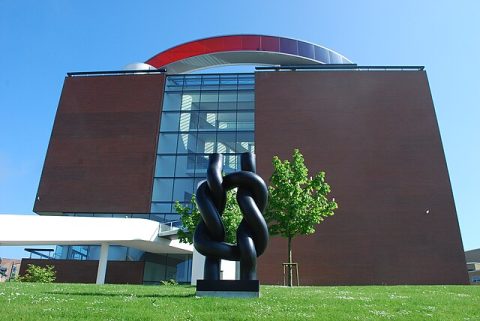
ARoS Aarhus Art Museum
A world-class contemporary art museum featuring the famous Your Rainbow Panorama – a 150-meter circular walkway offering 360-degree city views. The museum showcases rotating exhibitions of modern and contemporary art with works by renowned international and Danish artists. The building itself is an architectural masterpiece with striking modern design.
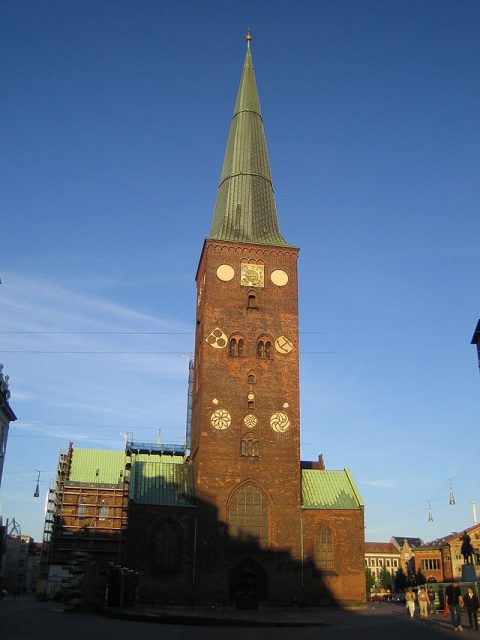
Aarhus Cathedral (Domkirke)
Aarhus Cathedral is Denmark’s longest church at 93 metres, featuring stunning Gothic architecture and intricate Renaissance altarpieces. The cathedral dates back to the 13th century and showcases remarkable stained glass windows and ornate wooden carvings. Tower access is offered during selected periods; check availability and contact the church attendant.
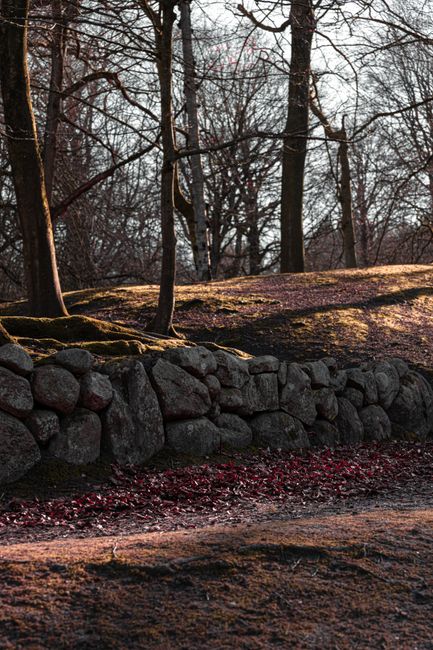
Mindeparken (Memorial Park)
A tranquil urban park serving as a memorial to fallen soldiers with beautiful landscaping, peaceful walking paths, and historical monuments. The park offers a serene escape in the city center with monuments and sculptures honoring various historical periods.
Tips for Landmarks & Monuments
- Visit ARoS at sunset for stunning views from Your Rainbow Panorama
- The Cathedral tower climb provides excellent photography opportunities
- Many landmarks offer reduced admission on specific days – check local tourism sites
Aarhus hosts exceptional museums covering art, history, natural sciences, and cultural heritage. The city's museum landscape reflects both innovative curatorial practices and deep historical preservation.
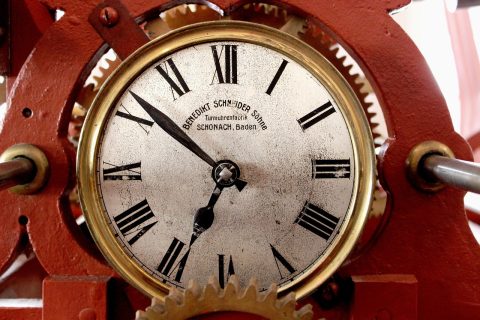
Moesgaard Museum
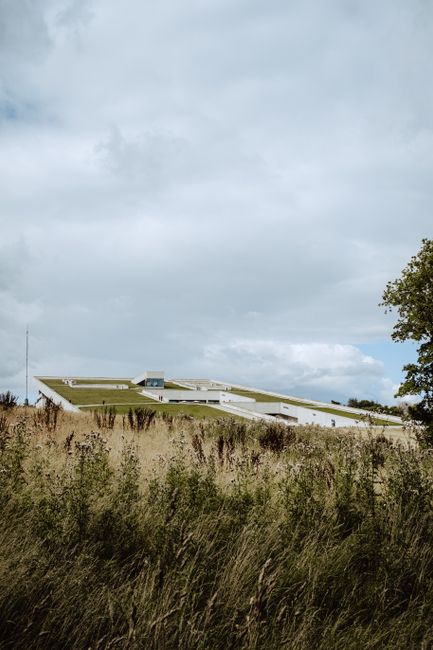
An award-winning archaeological and ethnographic museum showcasing prehistoric Danish artifacts, Viking heritage, and world cultures. The museum features interactive exhibits including the famous 2,000-year-old Grauballe Man bog body. Modern architecture seamlessly blends with the natural landscape, creating an immersive visitor experience.
KØN – Gender Museum Denmark (formerly Kvindemuseet).
KØN explores gender culture and equality, with women’s history as a starting point. Explores women's roles, contributions, and experiences across different historical periods and social contexts through engaging exhibitions and educational programs.
Aarhus Museum of Natural History
Features exhibits on Danish natural history, geology, paleontology, and biology. The museum is closed on Mondays under normal opening hours; it is open Tuesday–Sunday, with late opening on Wednesday.
Tips for Museums & Galleries
- Many museums offer free admission on specific weekday afternoons
- Moesgaard Museum's outdoor setting is perfect for a combined walk and cultural experience
- The AarhusCARD has been discontinued and can no longer be bought or used.
Aarhus's religious architecture spans centuries, from medieval cathedrals to contemporary prayer spaces. These sites serve both spiritual and cultural heritage purposes, offering insights into Danish religious traditions.
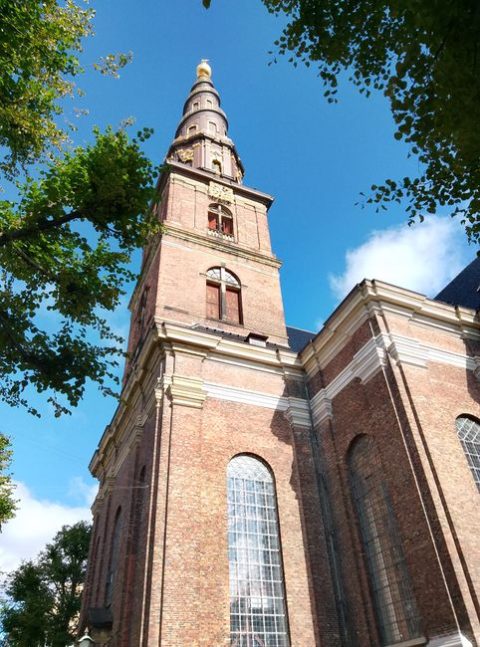
Church of Our Lady (Vor Frue Kirke)
A 13th-century church featuring Romanesque and Gothic architectural elements. The church contains beautiful religious artwork, including paintings and sculptures. The peaceful interior provides a contemplative space amid the bustling city.
Tips for Religious Sites
- Many churches offer guided tours explaining historical and artistic significance
- Morning light streaming through cathedral windows is perfect for photography
- Respectful dress is appreciated when visiting active religious spaces
Aarhus's green spaces offer peaceful retreats featuring botanical gardens, waterfront parks, and recreational areas. These natural oases provide respite from urban life while maintaining accessibility and community connection.
Tivoli Friheden
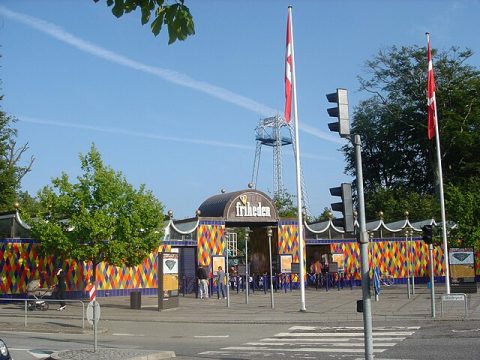
Denmark's second-largest amusement park featuring thrilling rides, family attractions, and entertainment shows. Set within a beautiful natural forest setting with over 50 attractions including roller coasters, gentler rides for children, and performance venues. Offers seasonal events and festivals throughout the year.
Botanical Garden (Botanisk Have)
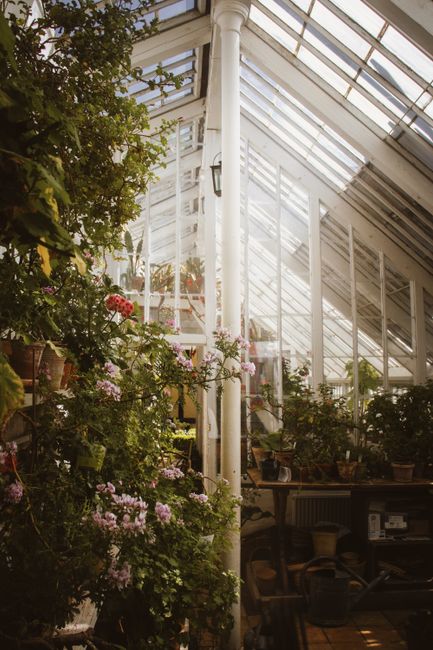
Serene botanical garden showcasing diverse plant collections from around the world. Features themed sections including Mediterranean plants, Nordic flora, and seasonal displays. Walking paths wind through peaceful landscapes offering respite from city activity, with informational signage explaining plant species.
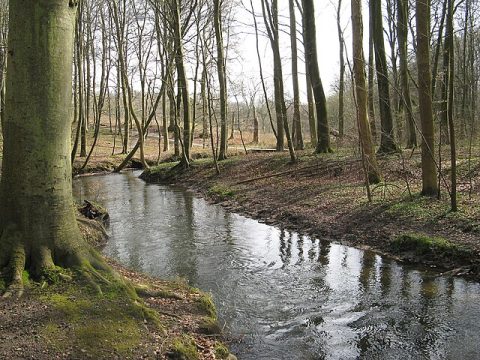
Marselisborg Forest (Marselisborg Skov)
Expansive forest park offering hiking and biking trails, peaceful woodland walks, and picnic areas. Contains Marselisborg Palace gardens (royal residence viewable from designated areas) and beautiful nature trails through mature forest. Perfect for outdoor recreation and nature observation.
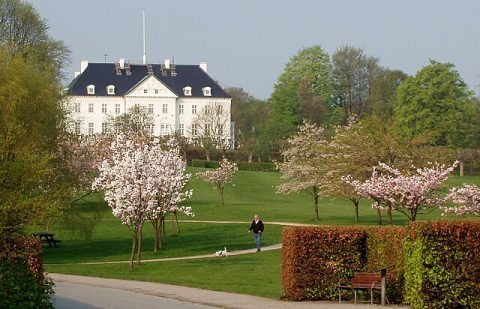
Mindeparken
A beautifully landscaped memorial park serving as both a green space and historical monument. Features sculptures, monuments, and peaceful walking paths. The park provides contemplative spaces while honoring historical significance.
Tips for Parks & Gardens
- Spring (April-May) offers beautiful blooms in botanical gardens
- Friheden has discounted evening hours in summer months
- Marselisborg Forest trails are excellent for morning walks before city exploration
- Pack a picnic to enjoy in the botanical gardens
Aarhus's neighborhoods each possess distinct character, from historic cobblestone streets to trendy waterfront districts. Exploring different areas reveals the city's diversity and evolving urban culture.
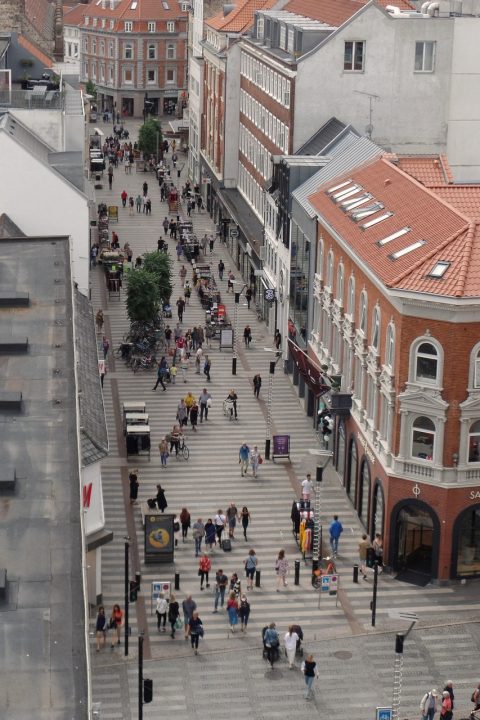
Aarhus Old Town (Gammel By)
Den Gamle By is an open-air museum, rather than Aarhus’s medieval old-town district. Den Gamle By is a museum; describe its period streets and buildings as part of the museum experience. Streets like Fiolstræde and Møllestien preserve traditional character while supporting contemporary businesses.
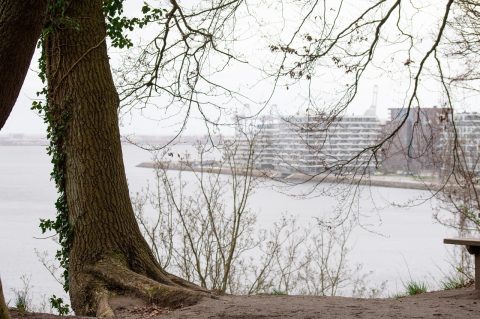
Aarhus Harbor District (Aarhus Havn)
Transformed waterfront area combining maritime heritage with contemporary development. Features waterfront restaurants, the modern Dokk1 library, cultural venues, and scenic harbor walks. The district showcases Aarhus's commitment to sustainable urban renewal while preserving maritime character.
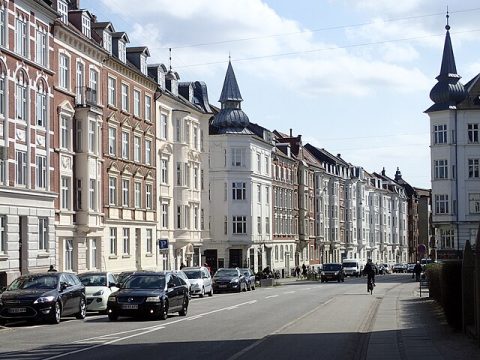
Frederiksbjerg (Street Art District)
Known for vibrant street art, murals, and creative culture. The area's colorful buildings showcase contemporary art from both established and emerging artists. Boutiques, galleries, and independent cafes reflect the neighborhood's creative spirit.
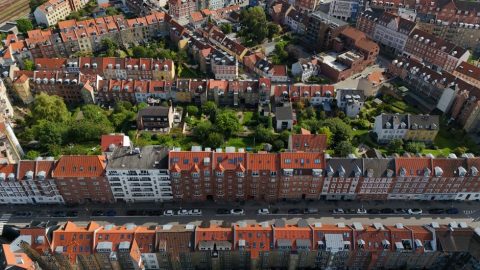
Trøjborg Neighborhood
An artistic, bohemian district featuring independent galleries, vintage shops, and alternative businesses. The neighborhood maintains a relaxed, creative atmosphere with interesting street art and local character. Popular with artists, students, and culturally-minded residents.
Tips for Neighborhoods & Districts
- Explore Old Town early morning to avoid crowds and enjoy peaceful streets
- Harbor district is perfect for sunset walks and evening dining
- Street art in Frederiksbjerg changes regularly – visit multiple times for new discoveries
- Each neighborhood has distinct cafes and restaurants worth exploring
Aarhus has earned recognition as a leading street art destination in Europe. Colorful murals, installations, and sculptures transform urban spaces into open-air galleries celebrating contemporary creativity.
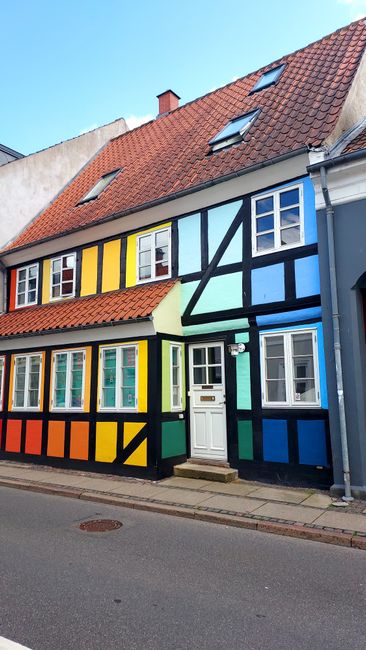
Frederiksbjerg Murals
Concentration of vibrant street art murals transforming neighborhood buildings into colorful canvases. The area features rotating art installations and regularly updated pieces by contemporary artists, creating a dynamic visual environment.
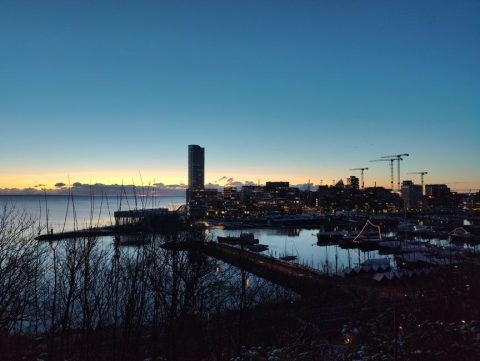
Harbor District Public Art
Contemporary sculpture installations and public art throughout the regenerated harbor area. Permanent and temporary pieces blend with modern architecture, creating visual interest along waterfront promenades and plazas.
Tips for Fountains & Public Art
- The Walls festival occurs annually – check dates for expanded installations
- Use a street art app or map to locate the most significant pieces
- Frederiksbjerg is best explored on foot to appreciate details
- Early morning light provides excellent photography conditions
Guided tours and activities provide deeper insights into Aarhus's history, culture, and contemporary life. From walking tours to boat excursions, various experiences cater to different interests and travel styles.
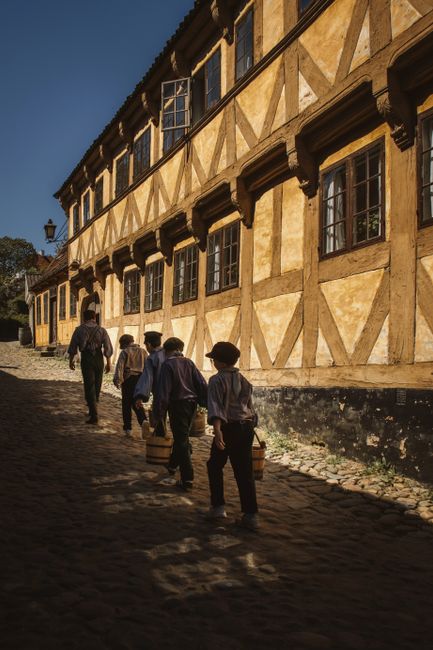
Old Town Walking Tour
Guided tour through medieval Aarhus exploring narrow cobblestone streets, historic buildings, and local landmarks. Knowledgeable guides share stories of the city's Viking roots, medieval development, and modern evolution. Tours typically include Cathedral visit and historic quarter highlights.
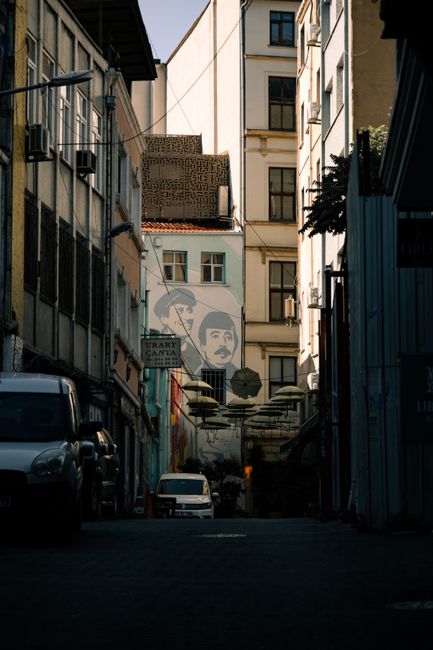
Street Art & Creative Districts Tour
Explores Aarhus's vibrant street art scene with guides sharing artist stories and cultural context. Tour covers multiple neighborhoods including Frederiksbjerg, featuring ongoing street art projects and creative communities. Perfect for understanding contemporary urban culture.
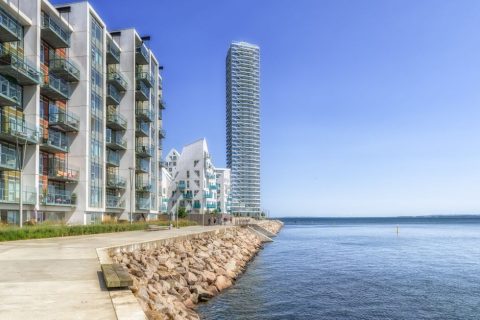
Harbor & Waterfront Tour
Guided exploration of the regenerated harbor district combining maritime history, contemporary development, and waterfront dining culture. Tours may include boat excursions offering harbor perspectives and scenic city views.
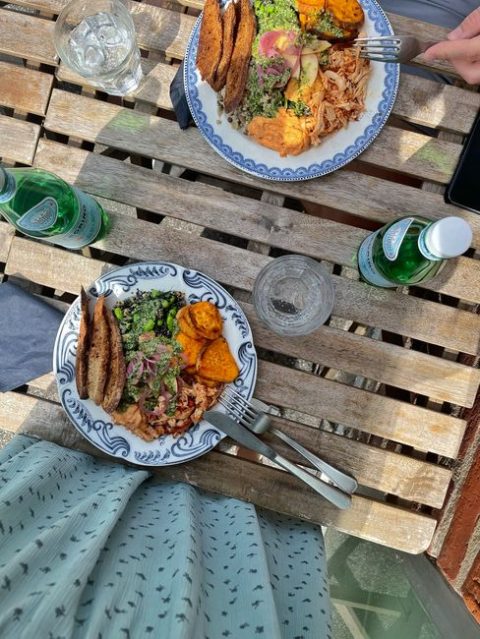
Food & Culinary Tour
Gastronomic tour exploring Aarhus's diverse food scene, local ingredients, and Danish culinary traditions. Includes tastings at markets, traditional restaurants, and contemporary food venues. Guides explain New Nordic cuisine influence and local specialty foods.
Tips for Tours & Activities
- Book tours in advance during peak season
- Many tour operators offer both English and Danish language options
- Comfortable walking shoes essential for neighborhood exploration tours
- Seasonal variations affect tour availability and content
Aarhus's location provides convenient access to diverse Danish attractions. Nearby destinations offer beaches, historical sites, natural attractions, and cultural experiences within easy day-trip distance.
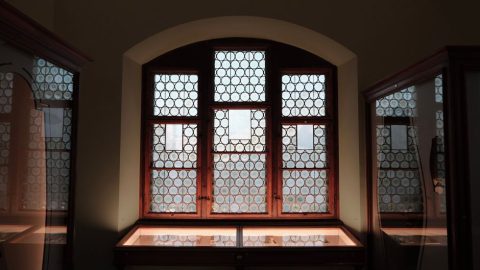
Ebeltoft & Ebeltoft Glass Museum
Charming coastal town about an hour's drive northeast featuring historic harbor, wooden ships, and contemporary glass art museum. The Glass Museum showcases impressive glass sculptures and blown-glass artworks in a striking modern building. Ebeltoft offers beach walks, traditional Danish atmosphere, and seaside dining.
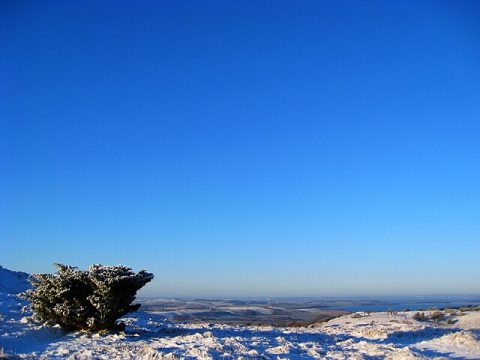
Mols Bjerge National Park
Beautiful natural park featuring rolling hills, scenic viewpoints, and hiking trails approximately 45km northeast. The landscape showcases glacial geography with unique vegetation. Popular for hiking, nature walks, and photography. Several small towns within the park offer accommodation and dining.
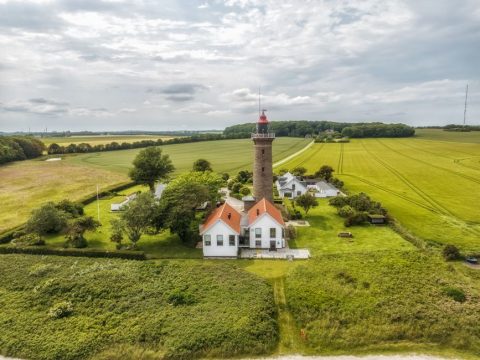
Djursland Peninsula – Beaches & Nature
Scenic peninsula northeast of Aarhus offering beautiful beaches, small fishing villages, and natural attractions. Features pristine sandy beaches, forested areas, and traditional coastal communities. Popular for beach walks, water activities, and seaside relaxation.
Tips for Day Trips & Excursions
- Rent a car for maximum flexibility exploring surrounding region
- Train connections available to most major nearby destinations
- Pack picnic supplies for outdoor excursions to national parks
- Summer months ideal for beach and outdoor activities
Real, highly-rated Restaurants in Aarhus, sourced from Google Places (rating above 4★).

Restaurant Domestic
Restaurant Domestic is a highly-rated restaurant in Aarhus, rated 4.8★ from 322 reviews. Located at Mejlgade 35B, 8000 Aarhus, Denmark.
Opening Hours
- Monday: Closed
- Tuesday: 6:00 PM – 12:00 AM
- Wednesday: 6:00 PM – 12:00 AM
- Thursday: 6:00 PM – 12:00 AM
- Friday: 12:00 PM – 12:00 AM
- Saturday: 12:00 PM – 12:00 AM
- Sunday: Closed

L'estragon
L'estragon is a highly-rated restaurant in Aarhus, rated 4.8★ from 248 reviews. Located at Klostergade 6, 8000 Aarhus, Denmark.
Opening Hours
- Monday: Closed
- Tuesday: 5:30 – 9:00 PM
- Wednesday: 5:30 – 9:00 PM
- Thursday: 5:30 – 9:00 PM
- Friday: 5:30 – 9:00 PM
- Saturday: 12:00 – 9:00 PM
- Sunday: 5:30 – 9:00 PM

Restaurant Hærværk
Restaurant Hærværk is a highly-rated restaurant in Aarhus, rated 4.8★ from 335 reviews. Located at Frederiks Allé 105, 8000 Aarhus, Denmark.
Opening Hours
- Monday: Closed
- Tuesday: 5:00 – 11:00 PM
- Wednesday: 5:00 – 11:00 PM
- Thursday: 5:00 – 11:00 PM
- Friday: 5:00 PM – 12:00 AM
- Saturday: 5:00 PM – 12:00 AM
- Sunday: Closed
Explore Aarhus on the Map
Seasonal Overview
Summer (June-August): Warmest period with temperatures 18-22°C. Long daylight hours enable extended exploration. Peak tourist season brings vibrant atmosphere with outdoor events and festivals. Beach activities and outdoor dining at their best.
Spring (April-May): Mild temperatures 9-15°C with blooming flowers and gardens. Fewer crowds than summer. Good for walking tours and enjoying parks as vegetation awakens.
Fall (September-October): Pleasant temperatures 10-17°C with autumn colors. Harvest season brings special food events. Shorter days but atmospheric conditions for photography.
Winter (November-March): Cold temperatures -2 to 4°C with possible snow. Christmas markets and seasonal decorations create festive atmosphere. Museums become primary attractions. Most museums offer holiday programming.
Best Overall: May-June or September-October for pleasant weather, manageable crowds, and full attraction accessibility.
Getting Around Aarhus
Public Transport: Efficient bus network (Midttrafik) covers entire city with frequent service. The physical Rejsekort stopped being valid on Midttrafik services on 29 May 2026; use Rejsekort app, Rejsebillet, or Basiskort. Buses are clean, modern, and reliable. Integrated tram system under development.
Biking: Excellent cycling infrastructure with dedicated bike lanes throughout city. Rent bikes from shops or use bike-sharing systems. Flat terrain ideal for cycling exploration. Nordic weather appropriate for year-round biking.
Walking: Compact city center easily navigable on foot. Old Town pedestrianized. Most attractions within reasonable walking distance or accessible via short bus rides.
Taxis & Rideshare: Taxis readily available at major stations and can be called. Uber and local rideshare services operate in Aarhus. Generally more expensive than buses but convenient for late nights.
Aarhus Card: AarhusCARD is discontinued; it cannot be bought or used. Excellent value for visitors planning multiple attraction visits.
Train to Other Cities: Direct trains to Copenhagen (4 hours), Aalborg, and other Danish destinations. Aarhus Central Station centrally located with good connections.
✈️ Airport Transfer
Aarhus Airport (AAR) to city center:
- Airport Shuttle Bus 925X: Direct coach to Aarhus city centre (Bruuns Galleri) in about 45 minutes, timed to flight arrivals (check the current fare)
- Taxi: About 40-45 minutes to the city centre, at a considerably higher fare than the bus
- Private Transfer: Pre-booked car service door-to-door in roughly 40 minutes, at a price to confirm when booking
Shopping in Aarhus
Shopping Districts: Fiolstræde and Skt. Clemens Torv feature independent boutiques, design shops, and specialty stores. Magasin department store offers Danish and international brands. Street level and traditional architecture create pleasant shopping environment.
Design & Crafts: Danish design highly valued – seek locally-made furniture, ceramics, and textiles. Many galleries and craft shops throughout Frederiksbjerg and Old Town. Design studios often welcome visitors.
Food & Delicacies: Visit food halls and markets for Danish specialties: smørrebrød ingredients, licorice, pastries, and quality chocolate. Local dairies offer excellent cheese selections. Street markets appear seasonally.
Vintage & Antiques: Trøjborg neighborhood features vintage shops and second-hand stores. Antique dealers scattered throughout Old Town offer unique finds at fair prices.
VAT Refund: Non-EU visitors can reclaim part of the VAT on qualifying purchases (check the minimum spend with the shop). Present passport at shops and collect refund forms at airport.
Shopping Hours: Most shops open 10am-5:30pm weekdays, 10am-4pm Saturdays. Sundays limited hours or closed. Supermarkets often open later.
Annual Events & Festivals
In 2026, Aarhus Festival runs 28 August–6 September. International artists perform alongside Danish talent. Transforms city into cultural showcase with performances in venues and public spaces.
The Walls Street Art Festival (August): International street art festival bringing world-renowned muralists to create impressive public artworks. Includes talks, workshops, and exhibitions. Peak period for urban art lovers.
Sonny Boy Blues Festival (May): Celebrates blues music with performances by international and Danish artists. Multiple venues throughout city host concerts and jam sessions.
NorthSide takes place at Eskelunden in Aarhus; the 2027 dates are 10–12 June. Attracts significant crowds and international performers.
Christmas Markets (November-December): Festive markets in Old Town and harbor district featuring crafts, food, seasonal decorations. Mulled wine, traditional foods, and holiday shopping atmosphere.
Local Markets: Regular weekend markets in various neighborhoods selling local produce, crafts, vintage items, and prepared foods. Check tourism office for current schedules.
5-Day Aarhus Itinerary
Day 1 - Historic Aarhus: Morning in Old Town exploring cobblestone streets and independent shops. Visit Aarhus Cathedral with tower climb for city views. Lunch at local café. Afternoon at Grauballe Man is an Iron Age bog body, not a Viking-era find. Evening stroll through harbor district.
Day 2 - Art & Culture: Morning at ARoS Art Museum, including Your Rainbow Panorama circular walk. Lunch near museum. Afternoon exploring Frederiksbjerg's street art and creative culture. Visit independent galleries and vintage shops. Dinner in trendy restaurant district.
Day 3 - Nature & Green Spaces: Morning at Botanical Garden. Lunch at garden café. Afternoon visiting Tivoli Friheden for amusement rides or Marselisborg Forest for nature walks. Evening in harbor district with waterfront dining and promenade walks.
Day 4 - Day Trip Option: Travel to Ebeltoft (about an hour by car) visiting Glass Museum and charming harbor town. Alternative: explore Mols Bjerge National Park hiking trails or relax on Djursland Peninsula beaches. Return to Aarhus for evening.
Day 5 - Local Experiences: Morning at weekend market sampling local food and crafts. Visit any previously missed sites or revisit favorites. Final shopping at design shops or boutiques. Leisurely café time and airport departure.
Best Photography Locations & Tips
ARoS Rainbow Panorama: Sunset or sunrise photography from circular walkway offers 360-degree city views with dramatic lighting. Early morning or late afternoon provides optimal light angles. Golden hour (hour before sunset) particularly stunning.
Cathedral Tower View: Panoramic city perspective from tower top. Morning light reveals city details; overcast days reduce contrast. Sunset creates atmospheric city silhouettes.
Frederiksbjerg Street Art: Colorful murals photograph best in bright daylight avoiding harsh shadows. Early morning or late afternoon sunlight flatters street art. Overcast conditions preserve vibrant mural colors without harsh contrasts.
Harbor Waterfront: Golden reflections on water during sunset or sunrise. Modern architecture contrasts with historical elements in varied lighting. Early morning mist creates atmospheric harbor images.
Old Town Streets: Morning light creates atmospheric shadows on cobblestones and historic buildings. Avoid midday harsh sunlight washing out details. Rainy conditions enhance texture and mood.
Botanical Garden: Seasonal blooms offer vibrant colors. Soft overcast light ideal for botanical photography. Early morning dew and flowers at their best before heat sets in.
Best Overall Timing: Golden hour (first and last hours of daylight) provides flattering light for most subjects. Overcast days eliminate harsh shadows and preserve color vibrancy. Spring and summer offer lush vegetation; autumn provides dramatic foliage.
Electrical Standards & Adapters
Voltage & Frequency: Denmark uses 230V AC at 50Hz frequency. Significantly different from North American 110V, so appliances require step-down voltage converter if bringing US electronics.
Plug Types: Standard European Type C and Type E/F plugs used throughout Denmark. Type C features two round pins; Type E/F adds grounding pin. UK and US plugs incompatible with Danish outlets.
Adapter Recommendations: Universal European adapters widely available in Denmark but costly. Purchase before travel for better pricing and selection. Quality dual-voltage adapters essential for extending battery-powered device lifespan.
Device Compatibility: Most modern smartphones, laptops, and chargers automatically accept 110-240V (check adapter specifications). Hair dryers, straighteners, and heating devices typically require voltage converters.
Acquiring Adapters: Available at electronics shops, supermarkets, and airport kiosks. Purchase one quality adapter rather than multiple cheap options. Some hotels provide adapters upon request.
Power Availability: Most accommodations offer standard outlets. Coffee shops and public spaces increasingly provide USB charging ports. Public restrooms occasionally have outlets but may require coin or permission.
Danish Cuisine & Dining
Must-Try Dishes: Smørrebrød (open-faced sandwich) – Danish culinary tradition with rye bread, quality toppings like shrimp, herring, or cheese. Frikadeller (Danish meatballs) served with boiled potatoes and pickled cucumber. Æbleskiver (round pancakes) typically served with jam and powdered sugar. Røde gryn (red fruit pudding) with cream – traditional dessert.
New Nordic Cuisine: Aarhus embraces New Nordic movement emphasizing local, seasonal ingredients. Contemporary restaurants reinterpret traditional dishes with modern techniques. Emphasis on sustainability and regional sourcing.
Dining Customs: Restaurants often don't serve water automatically – request vand (tap water is excellent and free). Tipping 10% appreciated but not mandatory. Many restaurants close between lunch and dinner service.
Street Food & Markets: Food markets offer fresh local produce, baked goods, and prepared foods. Street vendors sell hot dogs, kebab, and international fast food. Supermarkets provide budget-friendly meal options.
Hygge Atmosphere: Danish concept of cozy contentment central to dining culture. Candlelit restaurants, warm interiors, and leisurely meal pacing emphasize relaxation and social connection.
Restaurant Price Guide: Budget meals 80-120 DKK; mid-range 200-400 DKK; fine dining 500+ DKK. Lunch menus offer better value than dinner. Coffee culture strong – expect quality café coffee throughout city.
Dietary Accommodations: Vegetarian and vegan options increasingly available. Many restaurants accommodate dietary restrictions with advance notice. Gluten-free options growing in availability.
Tourist Passes
Aarhus Card (Visit Card)
AarhusCARD is no longer available, plus free or discounted entry to major museums and attractions including ARoS, Moesgaard Museum, Kvindemuseet, and others. Available for 24, 48, or 72 hours. Significant savings for visitors planning multiple museum visits. Purchased at tourism office, hotels, or online with immediate digital delivery.
www.visitaarhus.comMore about Aarhus
Photo credits (21)
- ARoS Aarhus Art Museum: photo by Erik Christensen, CC BY-SA 3.0, via Wikimedia Commons
- Aarhus Cathedral (Domkirke): photo by Blue_N, CC BY-SA 3.0, via Wikimedia Commons
- Mindeparken (Memorial Park): photo by Nico (talk) 14:57, 10 July 2008 (UTC) / Nils Jepsen, CC BY-SA 3.0, via Wikimedia Commons
- Moesgaard Museum: photo by Gardar Rurak, CC BY-SA 4.0, via Wikimedia Commons
- Church of Our Lady (Vor Frue Kirke): photo by Andre, CC BY-SA 2.0, via Wikimedia Commons
- Tivoli Friheden: photo by Mokka, Public domain, via Wikimedia Commons
- Botanical Garden (Botanisk Have): photo by Daderot., CC BY-SA 3.0, via Wikimedia Commons
- Marselisborg Forest (Marselisborg Skov): photo by Nico-dk, CC BY-SA 3.0, via Wikimedia Commons
- Mindeparken: photo by Nico (talk) 14:57, 10 July 2008 (UTC) / Nils Jepsen, CC BY-SA 3.0, via Wikimedia Commons
- Aarhus Old Town (Gammel By): photo by Ciara Ní Riain, CC BY-SA 4.0, via Wikimedia Commons
- Frederiksbjerg (Street Art District): photo by RhinoMind, CC BY-SA 4.0, via Wikimedia Commons
- Trøjborg Neighborhood: photo by Kenny Arne Lang Antonsen, CC BY-SA 4.0, via Wikimedia Commons
- Mols Bjerge National Park: photo by Sebastian Nils, CC BY-SA 3.0, via Wikimedia Commons
- Restaurant Domestic: photo by RhinoMind, CC BY-SA 4.0, via Wikimedia Commons
- L'estragon: photo by RhinoMind, CC BY-SA 4.0, via Wikimedia Commons
- Restaurant Frederikshøj: photo by RhinoMind, CC BY-SA 4.0, via Wikimedia Commons
- Gastromé: photo by RhinoMind, CC BY-SA 4.0, via Wikimedia Commons
- Restaurant Kohalen: photo by RhinoMind, CC BY-SA 3.0, via Wikimedia Commons
- Substans: photo by RhinoMind, CC BY-SA 3.0, via Wikimedia Commons
- Aarhus Street Food: photo by RhinoMind, CC BY-SA 4.0, via Wikimedia Commons
- Raadhuus Kafeen: photo by Thomas Dahlstrøm Nielsen, CC BY 4.0, via Wikimedia Commons


