Vienna's central location makes it an excellent base for exploring nearby attractions, from imperial hunting lodges and monasteries to the wine country and historic towns of Lower Austria.
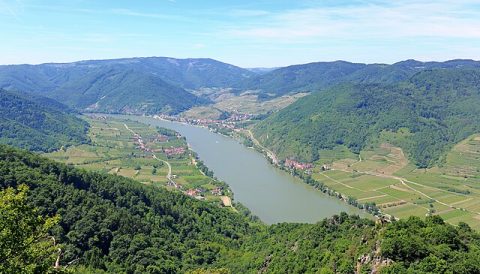
Wachau Valley
The UNESCO World Heritage Danube valley between Melk and Krems features terraced vineyards, medieval castles, apricot orchards, and charming towns. Highlights include Melk's baroque abbey with its magnificent library, the ruined castle above Dürnstein where Richard the Lionheart was imprisoned, and the wine town of Krems. The region produces excellent white wines, especially Grüner Veltliner and Riesling. Visit wineries for tastings, enjoy apricot products (Marillenknödel dumplings, schnapps), and explore picturesque villages. Cycling the Danube bike path offers active exploration. River cruises provide scenic perspectives. Spring brings apricot blossoms; autumn offers grape harvests and colorful foliage. Day trips easily combine multiple towns, wine tastings, and historical sites for varied experiences.
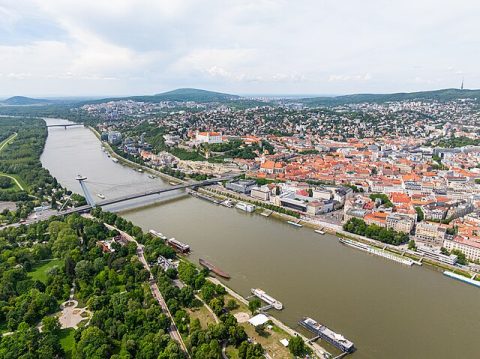
Bratislava, Slovakia
Slovakia's capital lies just 60 kilometers east of Vienna, making it Europe's closest capital cities (1 hour by train or boat). The compact old town features a medieval castle overlooking the Danube, narrow pedestrian streets, Art Nouveau architecture, and numerous cafés. Highlights include St. Martin's Cathedral, Michael's Gate, the quirky statues scattered throughout the city, and UFO observation deck for panoramic views. Bratislava offers more affordable dining and shopping than Vienna. The historic center is easily explored in half a day. Combination tickets allow boat travel one direction, train return. The city represents Slovakia's transition from communist past to EU member, with mix of restored historic buildings and modern developments.
Mayerling & Heiligenkreuz
The Vienna Woods (Wienerwald) southwest of Vienna offers nature and history. Mayerling hunting lodge, site of Crown Prince Rudolf's mysterious death in 1889 (the Mayerling Incident), now houses a Carmelite monastery and memorial. Nearby Heiligenkreuz Abbey, a 12th-century Cistercian monastery, features Romanesque and Gothic architecture, a cloister with 300 marble columns, and the tomb of Babenberg dukes. The monks' Gregorian chant performances add spiritual atmosphere. The surrounding Vienna Woods provide hiking trails, traditional restaurants (Gasthaus), and scenic drives. Combine with visits to Baden's spa town, Seegrotte underground lake, or the atmospheric Hinterbrühl. The area offers escape into nature while exploring lesser-known historical sites.
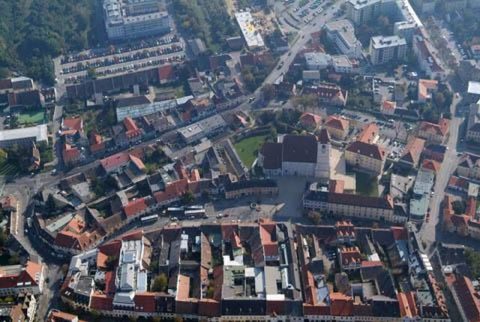
Eisenstadt
The capital of Burgenland province (40 km south) is famous as Joseph Haydn's workplace for 30 years. The Esterházy Palace, where Haydn served as court musician, features the ornate Haydnsaal concert hall with incredible acoustics. Haydn's house museum displays his life and works; he's buried in the Bergkirche. The town offers laid-back Austrian provincial atmosphere with wine taverns serving Burgenland wines. The surrounding region known for wine production (especially Blaufränkisch red wine) and traditional hospitality. Combine with visits to Lake Neusiedl (Neusiedler See), a shallow steppe lake popular for windsurfing and birdwatching. The area provides authentic Austrian countryside experiences away from tourist trails.
Tips for Day Trips & Excursions
- ÖBB (Austrian Railways) offers excellent regional train connections - book online for advance purchase discounts
- Wachau Valley is best explored spring through autumn; winter sees many attractions closed
- Rent bikes in Krems or Melk to cycle portions of the Danube cycle path through Wachau
- Consider guided day trips for convenience, especially to multiple Wachau sites or Vienna Woods locations
- Bratislava requires passport/ID for EU citizens; non-EU visitors should verify visa requirements