Vienna's extensive green spaces range from formal baroque gardens to sprawling natural parks, providing recreation, relaxation, and natural beauty within the urban landscape.
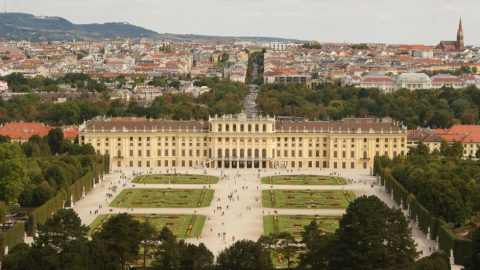
Schönbrunn Gardens
The magnificent baroque gardens at Schönbrunn Palace span 460 acres with geometric flowerbeds, manicured hedges, fountains, and sculptures. Highlights include the Neptune Fountain, Roman ruins, Gloriette monument offering panoramic views, the Maze and Labyrinth, and Palm House with tropical plants. The gardens are free to enter (palace requires tickets) and perfect for strolling, jogging, or relaxing. Seasonal flower displays create changing landscapes throughout the year. The world's oldest zoo (Tiergarten Schönbrunn, 1752) adjoins the gardens. Children enjoy the playgrounds and desert house. The gardens host outdoor classical concerts in summer. Open dawn to dusk, they're magical at sunset with golden light illuminating the palace.
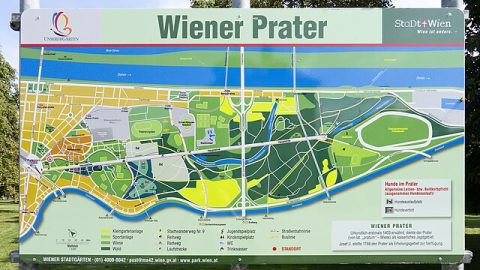
Prater
A vast 6-square-kilometer public park offering diverse recreation - from the famous Wurstelprater amusement park with its Giant Ferris Wheel to endless green meadows perfect for jogging, cycling, and picnicking. The Hauptallee, a 4.5-kilometer tree-lined avenue, attracts runners, cyclists, and inline skaters. The Prater meadows (Praterwiesen) host open-air concerts and festivals. Numerous restaurants and beer gardens provide refreshment. The park has historical significance as former imperial hunting grounds opened to the public in 1766. Sports facilities include swimming pools, stadium, golf course, and horse racing track. It's where Viennese escape urban density, especially on weekends. Free entry makes it accessible to all.
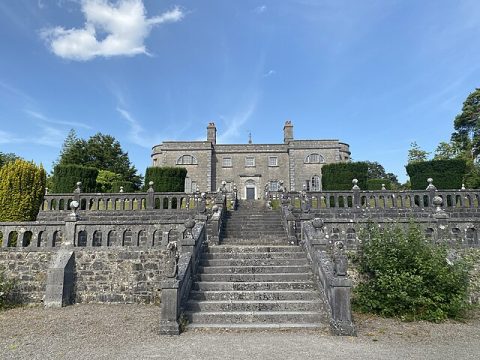
Belvedere Gardens
The stunning French-style baroque gardens connecting the Upper and Lower Belvedere palaces cascade down three terraced levels with fountains, sculptures, and perfectly manicured hedges. The symmetrical design offers classic photo opportunities with the palace reflected in fountain pools. Allegorical sculptures representing the Four Elements and mythological figures line the pathways. The gardens provide spectacular views across Vienna's rooftops toward Stephansdom. Spring tulip displays and summer roses create colorful scenes. The formal gardens contrast with the wilder Alpine Garden showcasing mountain plants. Free to enter, the gardens offer a tranquil escape and are less crowded than Schönbrunn. Sunset visits provide magical lighting.
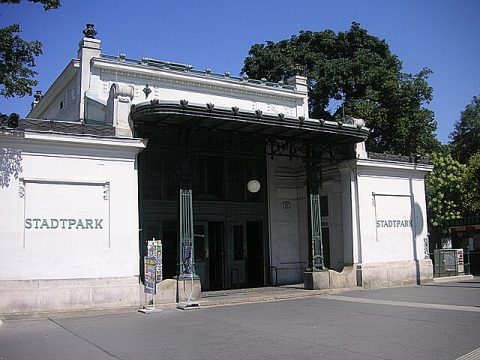
Stadtpark
Vienna's most popular inner-city park, opened in 1862, famous for the gilded Johann Strauss monument - Vienna's most photographed sculpture. The English landscape-style park features winding paths along the Wien River, flowerbeds, ponds, and monuments to famous composers including Schubert, Bruckner, and Lehár. The Kursalon building hosts Strauss and Mozart concert series. Children enjoy playgrounds and duck feeding. The park serves as a green oasis between the city center and Belvedere, perfect for picnics or afternoon strolls. Spring brings cherry blossoms, while autumn colors create stunning photography opportunities. Local offices workers lunch on the lawns, giving authentic Viennese atmosphere.
Volksgarten
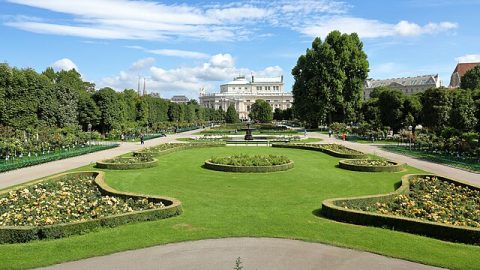
A romantic rose garden beside the Hofburg Palace featuring over 3,000 rose bushes representing 200 varieties. Created in 1823 on the site of fortifications destroyed by Napoleon, it's Vienna's first public park. The neoclassical Theseus Temple (replica of Athens' Theseion) houses a marble sculpture. Empress Elisabeth monument and other memorials dot the landscape. The park is especially stunning in June when roses bloom. Surrounding gravel paths invite leisurely strolls under mature trees. The Volksgarten Pavilion café offers elegant dining. The park provides a peaceful retreat steps from the Ringstrasse's grandeur. Evening brings a romantic atmosphere with illuminated fountains and monuments.
Donauinsel (Danube Island)
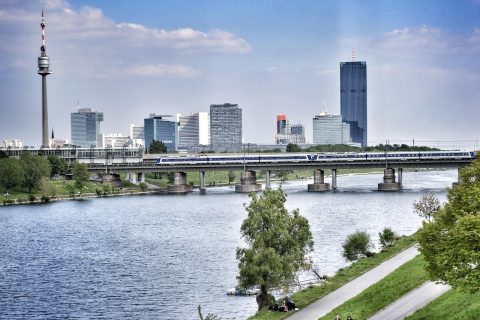
A 21-kilometer-long artificial island between the Danube River and New Danube canal, serving as Vienna's recreational playground. Free beaches, swimming areas, cycling paths, inline skating routes, and sports facilities attract locals year-round. Summer brings beach bars (Copa Cagrana), restaurants, and water sports. The annual Donauinselfest music festival (June) attracts millions with free concerts. Multiple U-Bahn stops provide access along the entire length. The island offers escape from urban density with natural landscapes, birdwatching opportunities, and endless space. It's perfect for jogging, cycling (bring your own or rent), picnicking, or simply relaxing by the water. Locals consider it Vienna's summer living room.
Tips for Parks & Gardens
- Parks are generally free and open from dawn to dusk - perfect for budget-conscious visitors
- Bring a blanket for picnics - supermarkets and bakeries offer excellent provisions for park dining
- Bike rentals (Citybike Wien or private rentals) enhance park exploration, especially the Prater and Donauinsel
- Visit rose gardens in early June for peak blooming at Volksgarten and Belvedere
- Many parks have free WiFi, making them pleasant spots to work or relax with connectivity