Vienna's imperial heritage shines through its magnificent palaces, grand monuments, and architectural masterpieces that tell the story of the Habsburg Empire and Austria's rich history.
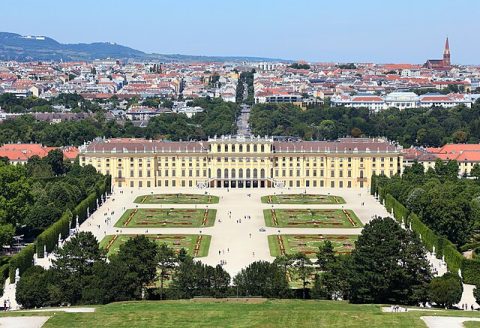
Schönbrunn Palace
The magnificent summer residence of the Habsburgs features 1,441 rooms, including the opulent Great Gallery and the Mirror Room where Mozart performed as a child. The palace is surrounded by stunning The Schönbrunn grounds cover 160 hectares (about 395 acres)., complete with the Gloriette monument, Neptune Fountain, and the world's oldest zoo. Highlights include Maria Theresa's private apartments, the Chinese Cabinets with their intricate lacquer work, and seasonal classical concerts. The gardens offer maze adventures, palm houses with exotic plants, and panoramic views of Vienna from the Gloriette terrace.
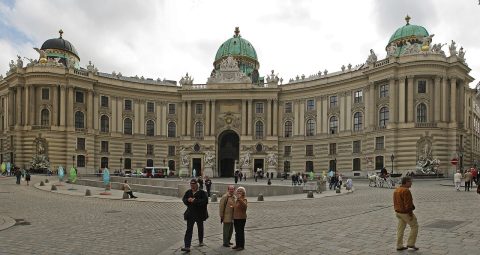
Hofburg Imperial Palace
The official residence of Habsburg emperors for over 600 years now houses the Austrian President's offices, several museums, and the Spanish Riding School. Explore the Imperial Apartments where Emperor Franz Joseph and Empress Elisabeth (Sisi) lived, the Sisi Museum dedicated to the enigmatic empress (the Imperial Silver Collection has been closed since April 2023). The palace complex includes 2,600 rooms and encompasses the National Library's State Hall, the Imperial Chapel where the Vienna Boys' Choir performs, and the Treasury housing the imperial crown jewels and sacred relics.
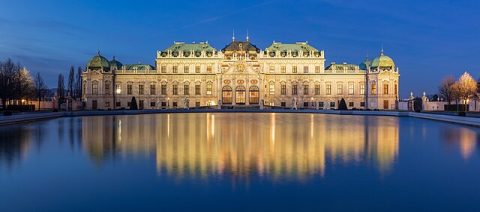
Belvedere Palace
This stunning baroque palace complex consists of two magnificent buildings (Upper and Lower Belvedere) connected by landscaped gardens. The Upper Belvedere houses Austria's largest collection of Gustav Klimt paintings, including the iconic The Kiss and Judith. The palace was built as the summer residence of Prince Eugene of Savoy and features elaborate ceiling frescoes, marble halls, and the historic Marble Hall where the Austrian State Treaty was signed in 1955. The terraced gardens offer spectacular views of Vienna's skyline and feature baroque sculptures, fountains, and seasonal flower displays.
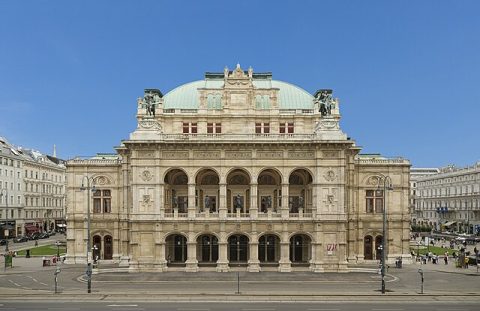
Vienna State Opera
One of the world's most prestigious opera houses, the Vienna State Opera hosts over 300 performances annually featuring ballet, opera, and classical music. The neo-Renaissance building was inaugurated in 1869 with Mozart's Don Giovanni. Guided tours reveal the magnificent auditorium with its gilded boxes, the Tea Salon with its tapestries, the grand staircase, and the Schwind Foyer with frescoes depicting scenes from Mozart's The Magic Flute. The famous Vienna Philharmonic Orchestra regularly performs here, and standing room tickets make performances accessible to all.
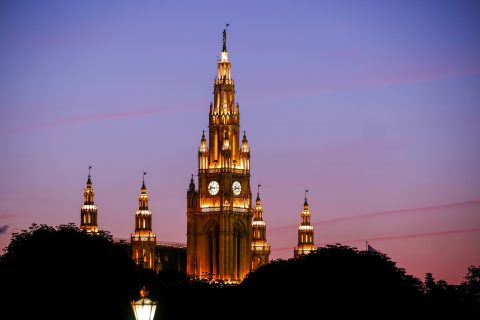
Rathaus (City Hall)
The magnificent neo-Gothic city hall dominates Rathausplatz with its 98-meter central tower topped by the Rathausmann statue. Built between 1872-1883, the building features seven courtyards and serves as the seat of Vienna's mayor and city council. The Rathaus hosts numerous events throughout the year, including the famous Christmas Market, Film Festival screenings on a giant outdoor screen. Free guided tours showcase the magnificent Festival Hall, arcaded courtyards, and historic council chambers. The surrounding Rathauspark provides green space and summer concerts.
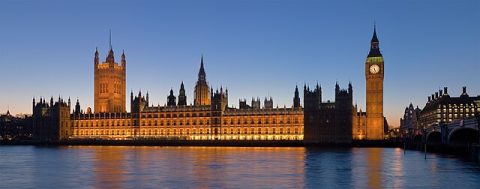
Parliament Building
The striking Greek Revival parliament building features massive Corinthian columns and the famous Pallas Athena Fountain in front. Completed in 1883, the building houses both chambers of the Austrian Parliament. The fountain depicts the Greek goddess of wisdom surrounded by allegorical figures representing the major rivers of the Austro-Hungarian Empire. Guided tours (available when parliament is not in session) showcase the magnificent columned hall, the historic assembly chambers, and provide insights into Austrian democracy and parliamentary procedures. The building recently underwent extensive renovation to restore its original splendor.
Tips for Landmarks & Monuments
- Book online in advance for Schönbrunn and Hofburg palaces to skip ticket lines, especially during peak season (April-October)
- Purchase combination tickets like the Sisi Pass for savings on Hofburg, Schönbrunn, and Imperial Furniture Collection
- Visit Schönbrunn Palace early morning or late afternoon to avoid crowds and enjoy better lighting for photos
- Consider guided tours for deeper historical context, especially at Hofburg and Belvedere
- Check opera standing room ticket availability for same-day performances at the State Opera